How to Grow and Care for Ornamental Peppers
Learn how to grow ornamental peppers from seed or transplants, with practical light, watering, feeding, pruning, pest, and overwintering advice.
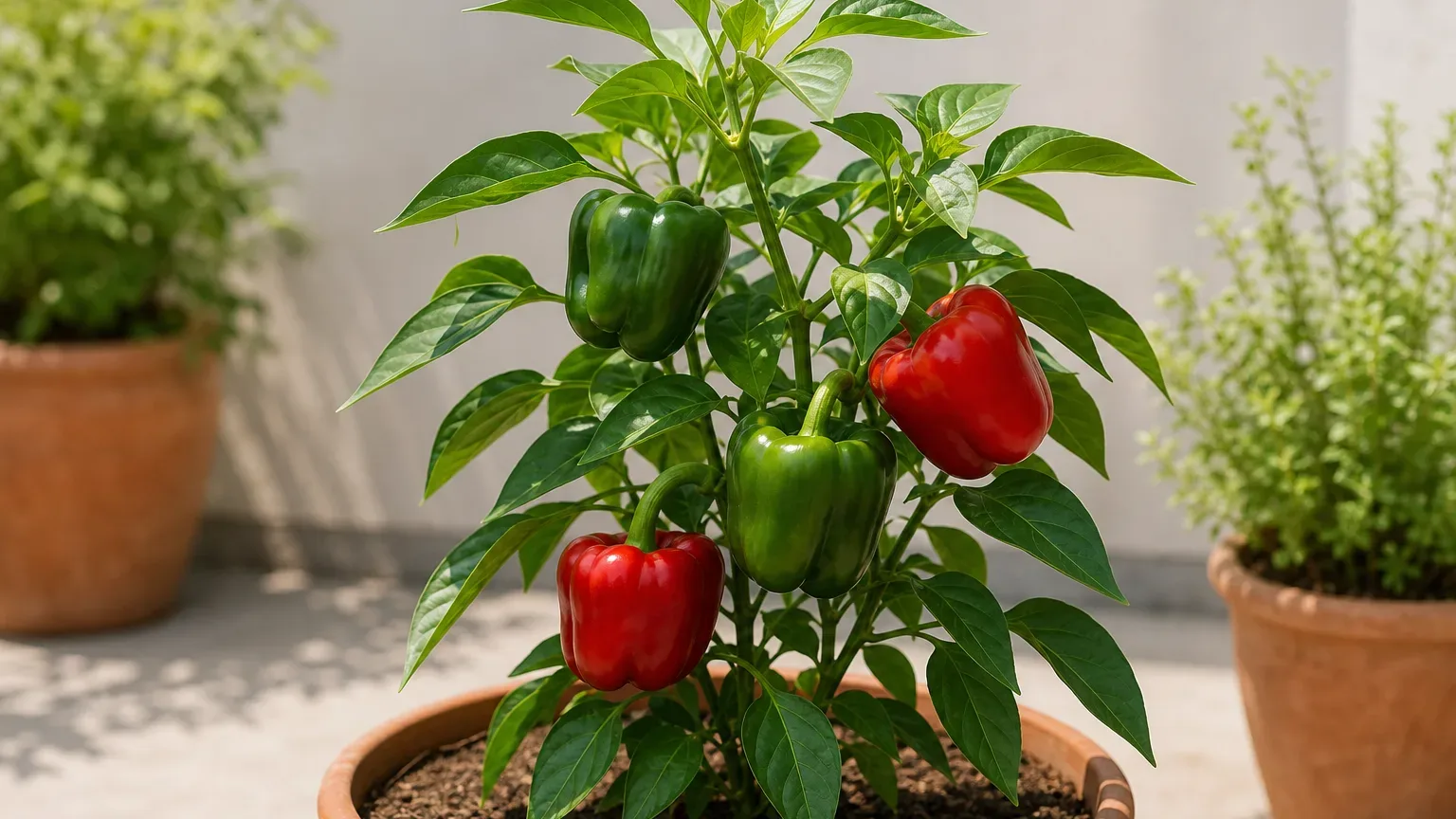
Ornamental peppers earn their place in a garden by putting the fruit on display. Instead of hiding peppers beneath a broad canopy, these compact Capsicum annuum cultivars hold upright or pendulous fruits where you can see the color change from green to yellow, orange, purple, or red. They work in sunny borders, patio pots, window boxes, and bright indoor displays.
They are also easy to misunderstand. “Ornamental” describes the plant’s purpose, not a separate species with one fixed care routine. A small ‘Medusa’ and a taller ‘Bolivian Rainbow’ can differ in heat, habit, and fruit size, while a plant bought in late summer may need a different plan from a seedling started in spring. The reliable formula is simple: warm roots, strong light, steady moisture, free drainage, and enough time to fruit.
What Ornamental Peppers Are and What to Expect
Ornamental peppers are decorative forms of Capsicum annuum, a species that also includes many culinary peppers. USDA Agricultural Research Service describes ornamental peppers as unusually diverse in plant habit, leaf pigmentation, fruit shape, fruit size, and ripe-fruit color, which explains why the name covers plants that look dramatically different from one another.USDA Agricultural Research Service Most are tender perennials in botanical terms, but gardeners in frost-prone regions grow them as warm-season annuals or move container plants indoors.
Expect a compact, branching plant with small flowers followed by colorful fruit. Growth can range from a dwarf plant under 12 inches to a shrub around 2 feet or more, depending on the cultivar. Flowers are usually modest; the show begins after successful fruit set. NC State Extension lists full sun, heat tolerance, drought tolerance, and edible fruit among the plant’s useful traits, while also noting that pepper pests and diseases can still occur.NC State Extension Plant Toolbox
That last point matters because ornamental peppers are not “plant it and forget it” houseplants. A crowded, dim, constantly wet plant may survive for a while, but it will not make the dense, colorful display sold at the nursery. Start by identifying the plant’s conditions and intended use, then choose the care routine that fits instead of forcing every cultivar into the same schedule.
Choose a Variety for Heat, Habit, and Display
Pick the cultivar by the job you want it to do. For a low container or front-of-border planting, ‘Medusa,’ ‘Prairie Fire,’ ‘Chilly Chili,’ and ‘NuMex Easter’ offer compact habits and highly visible fruit. For darker foliage, ‘Black Pearl’ is a strong choice. For a taller, more dramatic display, ‘Bolivian Rainbow’ can bring several fruit colors to one plant. ‘Sangria’ is useful when you want a compact plant that keeps showing multiple color stages as new fruit develops.
Heat is a separate decision from appearance. Some cultivars are mild or non-pungent, but others deliver cayenne- or Thai-pepper-level heat. The Scoville Heat Unit scale broadly reflects capsaicinoid content, the compounds responsible for pepper heat; UF/IFAS explains that C. annuum includes sweet, mild, and hot peppers rather than one predictable level of pungency.University of Florida IFAS A colorful fruit is not a safe signal that it will be mild.
Read the seed packet or plant label for mature height, width, fruit heat, and whether the variety is determinate or continuous-fruiting. If you are buying for a home with children or curious pets, treat a “mild” label as useful information but not as permission to invite tasting. For a reliable ornamental display, choose the habit and color you want first; choose edibility only when the cultivar and growing history are clearly known.
Decide Between a Bed, Container, and Indoor Pot
Use an in-ground bed when you have warm, well-drained soil and a sunny location that can hold the plant through the season. The larger root zone buffers moisture and temperature swings, so a bed is usually the most forgiving choice during hot weather. It also works well for massing several compact cultivars along a path or border where the fruit can be seen at eye level.
Choose a container when your soil is heavy, spring is cool, your patio gets better sun than the garden, or you want the option of moving the plant before frost. A pot also lets you isolate a plant that is showing pests before it spreads problems to a vegetable bed. The trade-off is faster drying, faster nutrient depletion, and a smaller margin for watering mistakes.
An indoor pot is realistic when you have a genuinely bright window or a grow light, not simply a warm room. Indoor ornamental peppers often keep their foliage but stop flowering or fruiting when light is weak. If your goal is winter color rather than a second crop, that is acceptable; if you want fruit, plan for direct light or a consistent supplemental-light schedule.
Plant Ornamental Peppers at the Right Time
Do not use the calendar alone. Plant outdoors only after frost risk has passed and the soil has warmed; warm nights are nearly as important as warm days. A chilly root zone can stall a pepper for weeks, and a late cold snap can damage a plant that looked healthy at the nursery.
For an outdoor transplant, use this checklist:
- The local frost danger has passed.
- Night temperatures are staying comfortably above the low 50s Fahrenheit.
- The soil is warm, crumbly, and not saturated after rain.
- The seedling has been hardened off.
- The site receives enough direct light for the cultivar.
Start Seeds Indoors for a Long Season
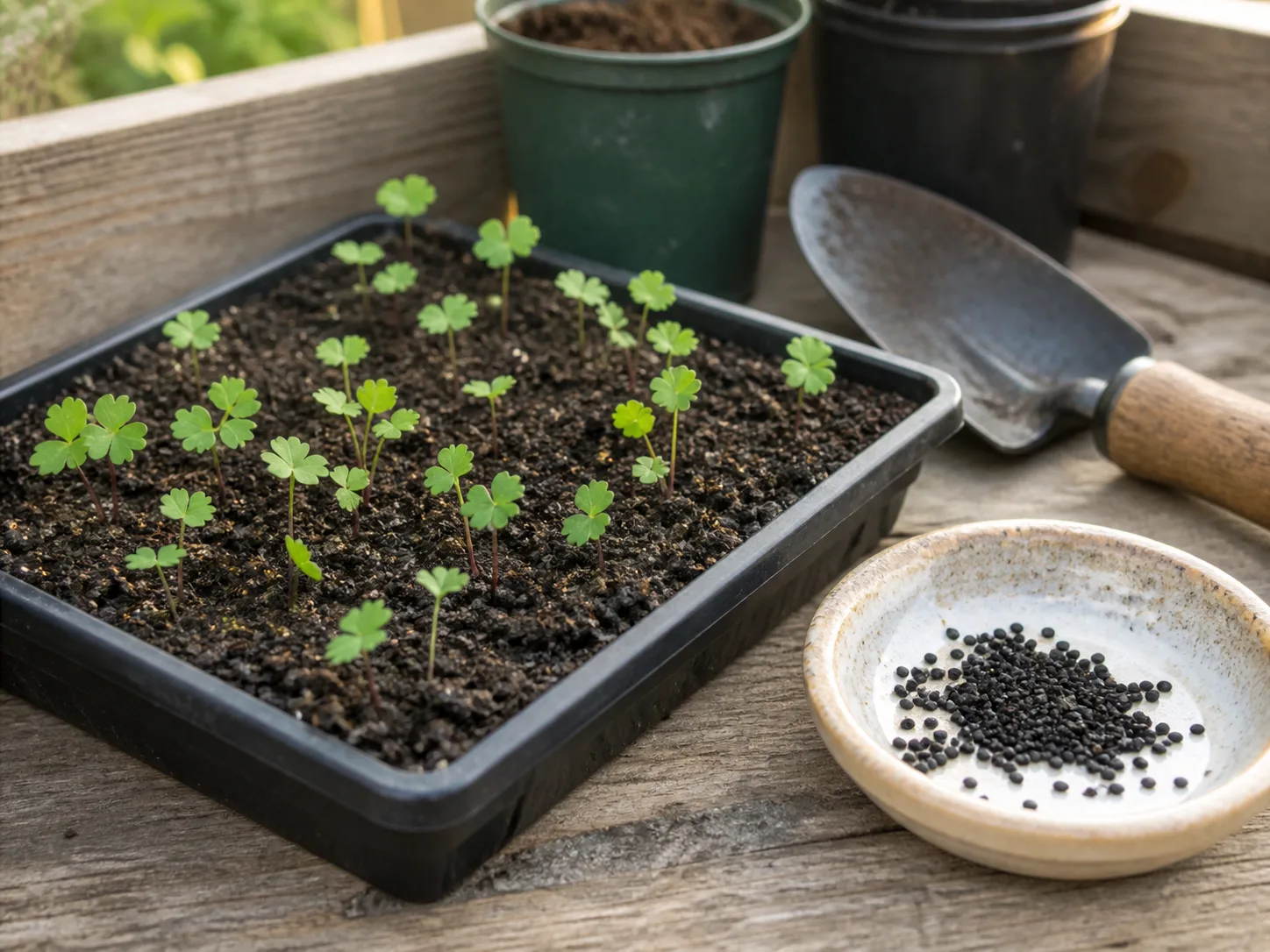
Starting from seed is the economical way to grow several plants, but it requires patience. Gardener’s Path recommends sowing ornamental pepper seeds indoors about 10 to 12 weeks before the expected last frost, at roughly 75 to 80°F; germination commonly takes around two weeks.Gardener’s Path An eight- to twelve-week window is practical because cultivar speed varies and a slow start can cost you the fruit display you wanted by late summer.
Use a clean container with drainage and a fine seed-starting medium. Cover the seed lightly rather than burying it deeply, keep the medium evenly moist, and provide bottom warmth if your room is cool. Once seedlings emerge, move them immediately into strong light. A sunny window may work if it is truly bright for many hours; otherwise, a grow light close enough to prevent stretching is more reliable.
Pot up when the seedlings have several true leaves and the roots hold the mix together. Keep the young plants growing steadily instead of pushing them with heavy fertilizer. Before planting outside, harden them off over one to two weeks: start in bright shade and shelter, then increase outdoor light and wind exposure gradually. A seedling that is ready by size can still be unready by acclimation.
Transplant Nursery Plants Without Stalling Them
Nursery plants often arrive with flowers or fruit already present. That is convenient, but it does not mean the plant is ready for a sudden change from a protected bench to full outdoor sun and wind. Acclimate it, inspect the leaves and pot surface for pests, and water the root ball before planting if it is dry.
Set the plant at the same depth it was growing in its container. Keep the root ball intact, loosen only circling outer roots, and water the surrounding soil thoroughly after planting. A thin mulch layer can slow evaporation, but keep mulch away from the stem. If a plant drops a few flowers after transplanting, give it stable conditions before adding more fertilizer or pruning; transplant shock is often temporary.
Give Ornamental Peppers the Light They Need
Aim for six to eight hours of direct sun for the best compact growth, flowering, and fruit color. NC State Extension defines full sun for this group as at least six hours of direct sunlight a day.NC State Extension Plant Toolbox Morning sun with some afternoon protection can be a good compromise in very hot climates, but deep shade produces a loose plant with fewer flowers and fruit.
Turn a container a quarter turn every few days so one side does not stretch toward the window. Indoors, place the plant at the brightest window you have and supplement with a grow light if stems lengthen, leaves become widely spaced, or fruit production stops. Keep the light close enough to be useful but follow the fixture’s distance guidance so leaves do not scorch.
There is also such a thing as too much unrelenting heat. High temperatures can cause flowers to drop even when light is excellent. During a heat wave, water consistently, protect the pot from reflected heat, and offer afternoon shade if the plant is in a black container on concrete. The goal is bright energy with a root zone that does not cook or dry out between checks.
Build a Fast-Draining, Fertile Root Zone
Ornamental peppers grow best in a rich, well-drained mix with enough organic matter to hold moisture without becoming airless. A slightly acidic to near-neutral range around pH 6.0 to 6.8 is a useful target, but most quality vegetable or container mixes are already close enough that routine home testing is unnecessary unless growth remains poor.
In a bed, improve compacted soil with finished compost and create a raised or gently mounded planting area if water lingers after rain. Do not dig a small hole in heavy clay and fill it with fluffy potting mix; that can create a basin that stays wetter than the surrounding soil. Improve the broader root zone or use a raised bed instead.
In a container, choose a commercial potting mix that drains freely. A drainage hole is essential, and a saucer should not hold runoff against the pot for hours. Do not put a thick gravel layer in the bottom as a substitute for a good mix; it reduces usable root volume and does not solve a waterlogged medium. Drainage comes from the entire root-zone mix and the container’s exit path.
Water for Steady Growth and Fruit Set
Water when the root zone is beginning to dry, not by an automatic weekly rule. For an in-ground plant, check several inches down near the root ball; for a container, feel the top inch or two and lift the pot occasionally to learn what “drying” feels like. When it is time, water slowly and deeply until some drains from the bottom of the pot.
Gardeners Path gives one to two inches of water per week as a broad in-ground guideline, with more frequent checks in heat and less when rain has done the work.Gardener’s Path Use that as a starting point, not a quota. A small pot in sun may need water every day in a heat wave, while a mulched bed may remain adequately moist for several days.
Avoid both extremes. Repeated wilting can cause flower and fruit drop, while constantly wet soil deprives roots of air and encourages root disease. Water at the soil line in the morning when possible, keep leaves from staying wet overnight, and empty a decorative cachepot or saucer after watering. If the soil is wet and the leaves are still limp, stop watering and inspect the roots rather than assuming the plant is thirsty.
Feed for Flowers and Peppers, Not Just Leaves
Ornamental peppers are moderate feeders because they have to grow foliage, flowers, and fruit in one warm season. Begin with fertile soil or a quality potting mix, then use a balanced or pepper-appropriate fertilizer according to the label. Container plants usually need more regular feeding than plants in a bed because each watering can carry nutrients out of the pot.
The common mistake is applying repeated high-nitrogen feed because the plant looks small. Excess nitrogen can produce a lush canopy with fewer flowers and less fruit. Once the plant is established and approaching flowering, choose a complete fertilizer that does not overemphasize nitrogen, and avoid stacking several products that all contain fertilizer.
Feed after watering rather than onto bone-dry roots. Slow-release fertilizer can be convenient for containers, while a diluted liquid feed works when you want more control. Stop or greatly reduce feeding as the plant enters a low-light winter indoors. If leaves are dark green but flowers are scarce, adding more fertilizer is rarely the first fix; check light, temperature, pruning, and root moisture first.
Encourage Pollination and a Full Fruit Display
Pepper flowers contain both reproductive parts and can self-pollinate, but fruit set still depends on a healthy flower and suitable conditions. Indoors, gently shake the plant or tap the flower clusters every few days when it is flowering. Outdoors, normal air movement and insect activity are often enough.
When flowers fall before making tiny peppers, inspect the conditions in this order: recent transplanting, cold nights, excessive heat, drought stress, waterlogged roots, dim light, and heavy nitrogen feeding. One hot afternoon can cause a setback, but a plant that drops flowers for weeks is usually signaling a continuing environmental mismatch.
Do not remove every early flower automatically. A young transplant with a small root system may benefit from establishing before carrying a heavy fruit load, but a healthy, well-rooted plant can fruit normally. If the variety is continuous-fruiting, harvesting ripe peppers can encourage a fresh cycle of flowers; if it is determinate, most of its display may arrive in one concentrated flush.
Prune and Support Only When the Plant Needs It
Pruning is optional. If the plant is naturally compact, leave it alone and remove only dead, damaged, or diseased growth. Pinching the growing tip of a young plant can encourage side branching, which is useful when you want a rounded container specimen, but it also delays the plant’s first vertical growth and may delay fruit.
If you pinch, do it before the plant is carrying flower clusters and make a clean cut just above a healthy leaf set. Do not shear through flowering stems simply to make the plant symmetrical. Remove branches that touch the soil or create a dense, permanently damp center, but keep enough foliage to shade fruit and support photosynthesis.
Most dwarf cultivars stand without help. Add a thin stake or small support ring when a fruit-heavy plant leans, especially after rain. Tie loosely and early; forcing a bent, brittle stem upright later can cause more damage than letting the plant lean attractively.
Grow Ornamental Peppers in Containers
A container at least 6 to 8 inches wide can hold one compact plant, but a larger pot is more forgiving and supports better moisture consistency. BHG recommends a container with large drainage holes and notes that container-grown plants need more frequent watering and fertilizing than those in the landscape.Better Homes & Gardens Match pot size to the mature variety rather than placing a tiny plant in an enormous, slow-drying pot.
Use one plant per small pot unless the container is large enough for the mature spread and has several drainage openings. Place the pot where fruit is visible but stems are not constantly brushed by a walkway. Terracotta dries faster; dark plastic heats up more in full sun; glazed ceramic is heavier and can be stable in wind. None is automatically best—the right choice is the one that matches your climate and watering habits.
Check containers more often after a windy day, during fruiting, and when the plant is moved indoors near dry heated air. Rotate the pot for even growth, remove dropped fruit from the soil surface, and never leave the plant standing in runoff. Container culture is excellent for ornamental peppers because it makes sunlight and frost management easier, but it does not remove the need for daily observation in peak summer.
Overwinter Potted Plants Safely
If you want another season, move a healthy potted pepper indoors before frost and before a cold night damages the leaves. In mild, frost-free climates, a plant may survive outside; elsewhere, treat overwintering as a calculated experiment rather than a guarantee. A tired annual plant with severe root problems may not be worth carrying indoors.
Use this transition sequence:
- Inspect leaf undersides, stems, and the soil surface for aphids, mites, whiteflies, and ants.
- Hose off outdoor foliage if needed, let it dry, and isolate the plant from houseplants for a short observation period.
- Remove dead leaves, damaged fruit, and weak growth; avoid a severe haircut while the plant is already stressed.
- Place it in the brightest window available or under a grow light.
- Reduce watering as light and growth slow, but do not let the root ball turn bone dry for weeks.
- Resume stronger feeding and outdoor acclimation only when light and temperatures increase in spring.
This container-and-soil inspection is a useful winterizing step, and the existing guide image below shows the setup visually.
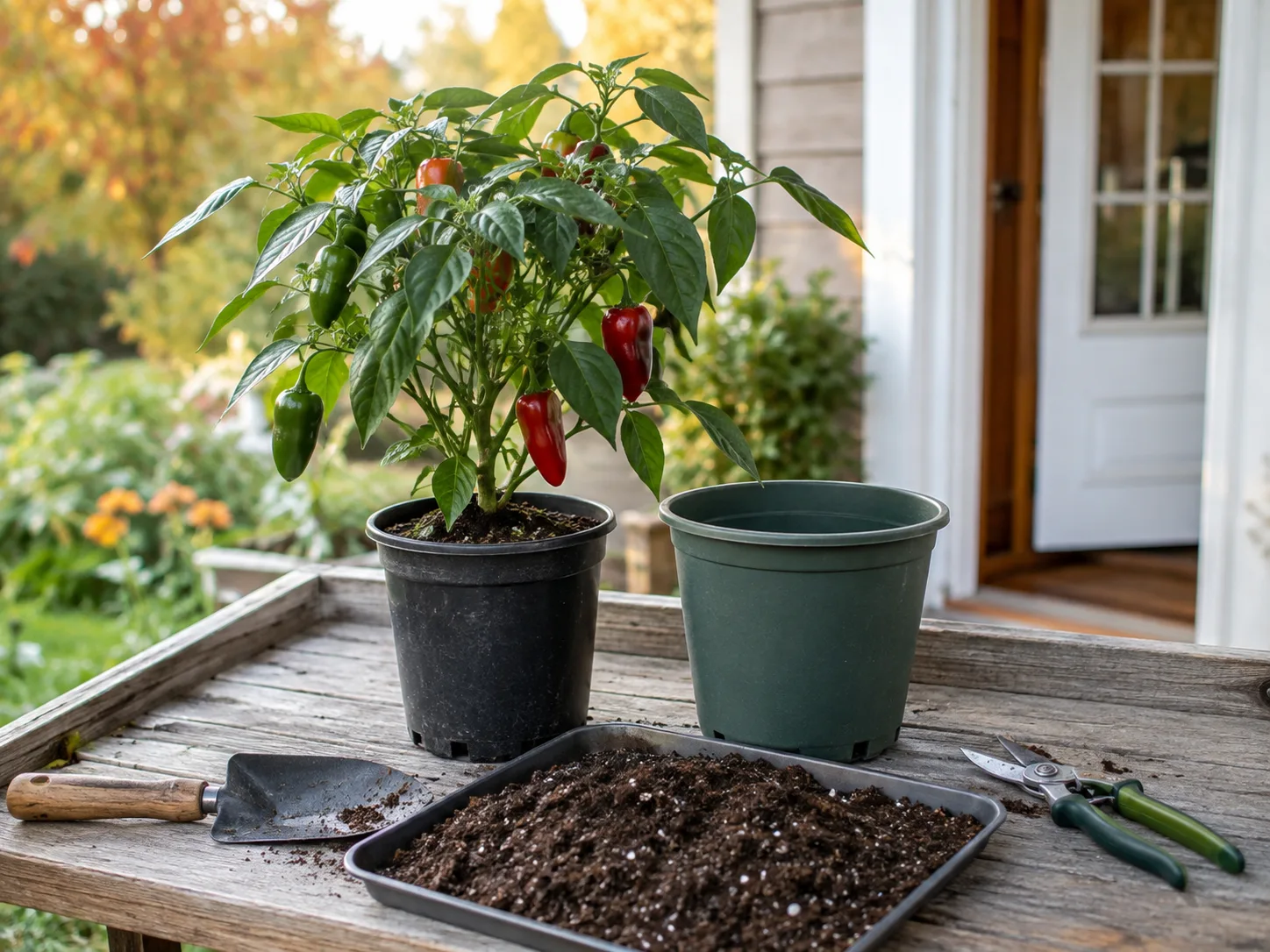
Indoor fruiting is possible, but it requires enough light, warmth, and pollination support. If the plant keeps its leaves but stops making fruit, consider it a successful holdover and focus on keeping it healthy until spring rather than forcing it with extra fertilizer.
Troubleshoot Yellow Leaves, Dropped Flowers, and No Fruit
Start with the root zone and recent weather before reaching for a spray or supplement. Ornamental peppers often show similar symptoms for opposite reasons, so the soil moisture and the newest growth provide better clues than leaf color alone.
Yellow leaves with wet soil: pause watering, check drainage, and inspect roots if the condition continues. A plant can wilt from damaged roots even while the pot feels heavy. Repot only when necessary, removing soft, dark roots and using a clean, free-draining mix.
Yellow leaves with dry soil: water the root ball thoroughly and then adjust the checking interval. If water runs down the sides without wetting the center, the mix may have become hydrophobic; soak slowly in stages rather than flooding it once.
Green leaves that droop in midday heat: check again in the evening. Temporary heat response can be normal, but evening wilt means the plant lost more water than the roots could replace or the roots are compromised.
Flowers fall without fruit: look for cold nights, a heat wave, recent transplanting, low light, drought cycles, or soggy roots. Indoors, tap the flowering stems gently to move pollen. Do not assume the answer is phosphorus.
Long stems and few peppers: increase direct light gradually, rotate the pot, and check whether a nearby wall or window is filtering the sun. Pinching a leggy plant can make it bushier, but pruning cannot replace missing light.
Small fruit or a poor display: confirm the cultivar’s mature size, check feeding and watering consistency, and give the plant time. Ornamental cultivars vary widely, and a plant that is healthy but genetically small will not become a large pepper shrub through extra fertilizer.
Control Pests and Diseases with a Least-Disruptive Plan
Inspect new growth and leaf undersides once or twice a week. Aphids gather at tips and nodes, spider mites cause fine stippling and sometimes webbing, whiteflies flutter when the plant is disturbed, and thrips can leave silvery scarring. NC State Extension lists aphids, mites, whiteflies, cutworms, slugs, and other pepper pests among possible problems for this group.NC State Extension Plant Toolbox
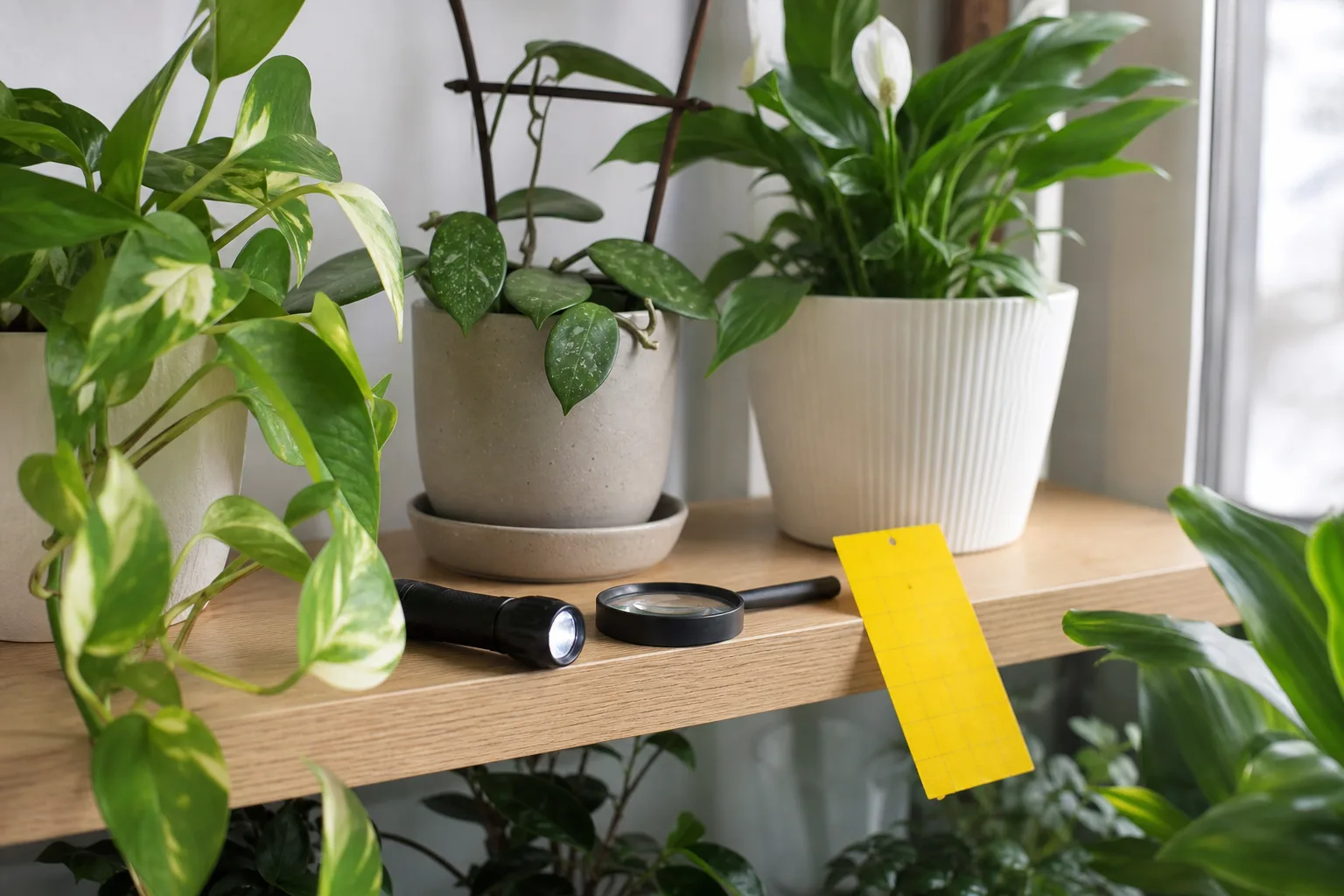
For a light infestation, isolate a container plant, rinse foliage with a firm but not damaging stream of water, and repeat the inspection several days later. Remove heavily infested leaves when that will not strip the plant. If a labeled insecticidal soap or horticultural product is needed, follow that product’s label, test a small area first, and keep the plant out of harsh direct sun until treated foliage dries. Never assume a product is safe for edible use just because the plant looks like a vegetable.
Disease prevention is mostly cultural. Give plants space, avoid standing water, keep the soil from remaining saturated, and remove fallen leaves and rotting fruit. Botrytis and root rots are more likely when wet foliage, poor airflow, and saturated media persist. Mosaic-like mottling, severe distortion, or whole-plant wilt that does not improve with correct moisture deserves caution: remove clearly diseased plants rather than spreading the problem with cuttings or shared tools.
Harvest, Dry, and Handle the Fruits Safely
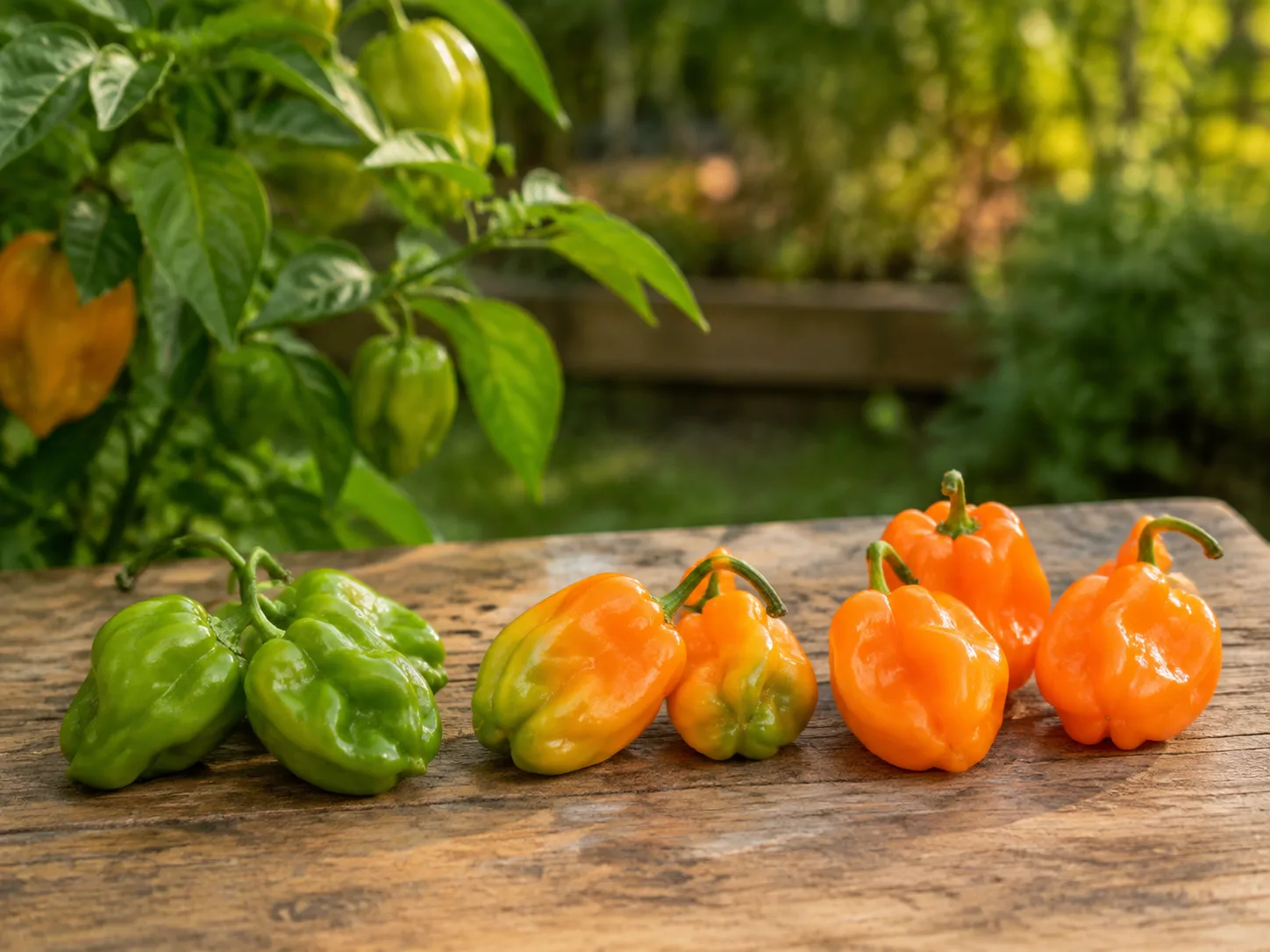
Ornamental peppers can be harvested when they reach the color stage you prefer. Pick a few at the first mature color if you want the plant to keep making a show, or leave them longer for a more saturated display until frost or shriveling threatens the stems. Use clean snips rather than pulling, especially on a heavily fruited plant.
Some ornamental peppers are technically edible, but “edible” does not mean mild, tasty, or appropriate for every nursery plant. They are often bred for color and habit, not flavor, and the heat can be far above what a casual taster expects. UF/IFAS notes that Scoville ratings reflect capsaicinoids, so use the cultivar’s stated heat information rather than judging by appearance.University of Florida IFAS
Wear gloves when harvesting or pruning unfamiliar plants, and do not touch your eyes afterward. If a plant was sold as decorative and its pesticide history is unknown, I would keep the fruit for display instead of eating it. Keep the plant and fallen fruit away from pets: ASPCA lists ornamental pepper as toxic to dogs, cats, and horses and identifies solanine as the toxic principle.ASPCA Animal Poison Control If a pet chews or swallows the plant, contact a veterinarian or animal poison service promptly.
For dried arrangements, cut stems when most fruit has colored and the plant is dry. Strip excess foliage, tie small bundles, and hang them in a dry, well-ventilated place away from direct sun. Discard fruit that develops soft spots or mold rather than trying to preserve it.
Conclusion: Make Warmth, Light, and Drainage Your Routine
Growing ornamental peppers well is less about a perfect fertilizer formula than about keeping the plant out of repeated stress. Plant after cold soil has passed, give it direct light, use a root zone that drains freely, and water when the soil is beginning to dry rather than when the leaves are already collapsing.
Choose the cultivar for the space and the heat level you can safely manage. Use containers when mobility helps, start seeds early when you need a long season, and move a healthy pot indoors before frost if you want to try overwintering. With those decisions in place, the colorful fruit becomes the easy part: inspect regularly, correct the first mismatch you find, and let the plant do what it was bred to do—turn a compact pepper into a living display.