7 Perennials to Plant Now for Fall and Spring Flowers
Not too late: beardtongue, liatris, nasturtium, phlox, and four more perennials worth planting now. See which bloom this fall vs next spring.
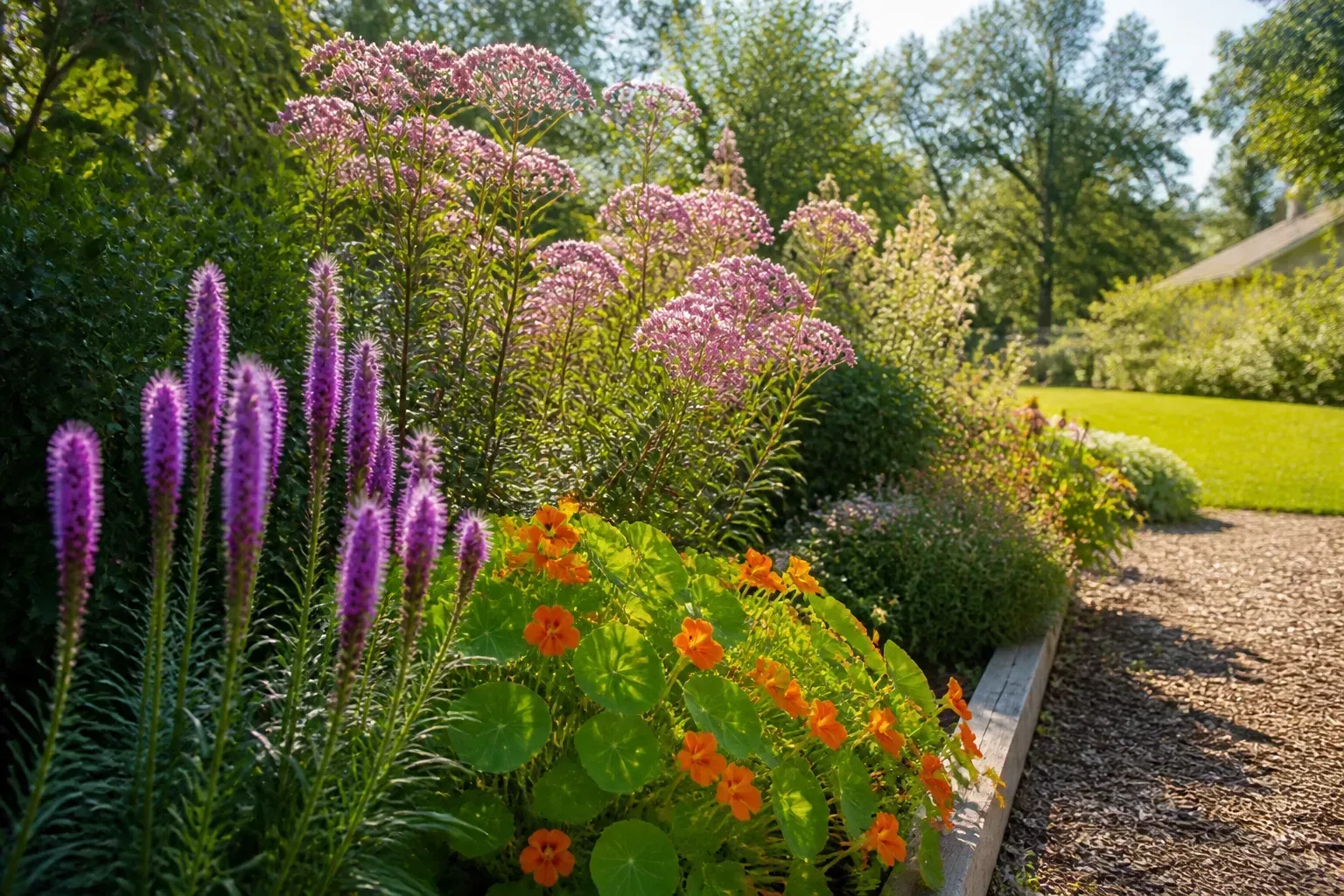
Your summer beds do not have to end in bare mulch and regret. Late summer is one of the best windows for setting up flowers that bridge autumn and the following spring — but only if you match each plant to the right method (seed, transplant, or both) and stop pretending every perennial sown in August will explode into bloom before Halloween.
The seven plants below are worth planting right now because they either deliver fast fall color, establish roots for next-year repeat bloom, or do both across their life cycle. None require a greenhouse degree. All reward you more when you understand one number: your average first frost date.
Why Late-Summer Planting Still Works for Multi-Season Blooms
Perennials are not interchangeable with spring annuals. Some need months of root growth before they flower. Others germinate in warm soil and bloom within weeks. Planting in August exploits two natural processes competitors rarely explain together: warm soil for quick germination and cooling nights that reduce transplant shock once September arrives.
The USDA Plant Hardiness Zone Map tells you winter survival; your local frost calendar tells you whether you still have enough frost-free weeks for roots or flowers. In most USDA zones 5–8, mid-August through early September still offers six to ten weeks before first frost — plenty for nasturtiums to bloom and for hardy perennials to anchor roots.
Seeds vs Transplants — What to Buy in August
Direct-sown seeds win when the species germinates quickly in warm soil (nasturtium) or when fall sowing supplies natural cold stratification over winter (beardtongue, liatris, garden phlox, Joe Pye weed). Press seeds into prepared soil, keep the top inch evenly moist until seedlings appear, and label rows — August weeds grow as fast as flowers.
Nursery transplants win when you want structure or flowers this same season (mature Joe Pye weed, feverfew starts, potted liatris corms). Transplants need daily watering for 10–14 days in heat, then taper as nights cool. Plant in evening hours or on overcast days to limit wilting.
Cold stratification means some seeds require a cold, moist period before they sprout. Sow these outdoors in fall and let winter do the work, or refrigerate seeds in damp sand 8–12 weeks before a spring indoor start. Garden phlox and many penstemons fall in this group. Annual phlox (Phlox drummondii) does not — do not confuse the two at the seed rack.
Count Back From Your First Frost Date
Look up your average first frost date (local extension offices and NOAA climate data publish these by zip code). Count backward:
- Fast annual color (nasturtium): need 8–10 frost-free weeks from sowing to heavy bloom.
- Fall-planted perennial seeds: need 4+ weeks of growth before hard freeze so seedlings do not heave out of soil; roots continue developing underground after tops die back.
- Late-summer transplants: need 6+ weeks before frost so roots reach beyond the original pot ball.
If your first frost is eight weeks out, you can still sow nasturtiums and set out gallon-sized Joe Pye weed. If frost is four weeks out, prioritize transplants over seeds unless you are sowing specifically for next-year spring bloom.
How to Read the Bloom Windows in This List
Each entry below includes an honest “Plant now for…” line:
| Label | Meaning |
|---|---|
| Fall 2026 color | Reasonable bloom or foliage impact this autumn from August planting |
| Spring–summer 2027 | First major bloom next growing season from seed or young transplant |
| Repeat performer | Returns yearly once established; may bloom both late summer and following spring depending on species |
No filler promises. Beardtongue sown from seed in August is setting up next spring, not this October. Nasturtium sown today can be orange and humming with bees by September. Know the difference before you buy.
Beardtongue (Penstemon) — Tubular Spikes From Spring Through Summer
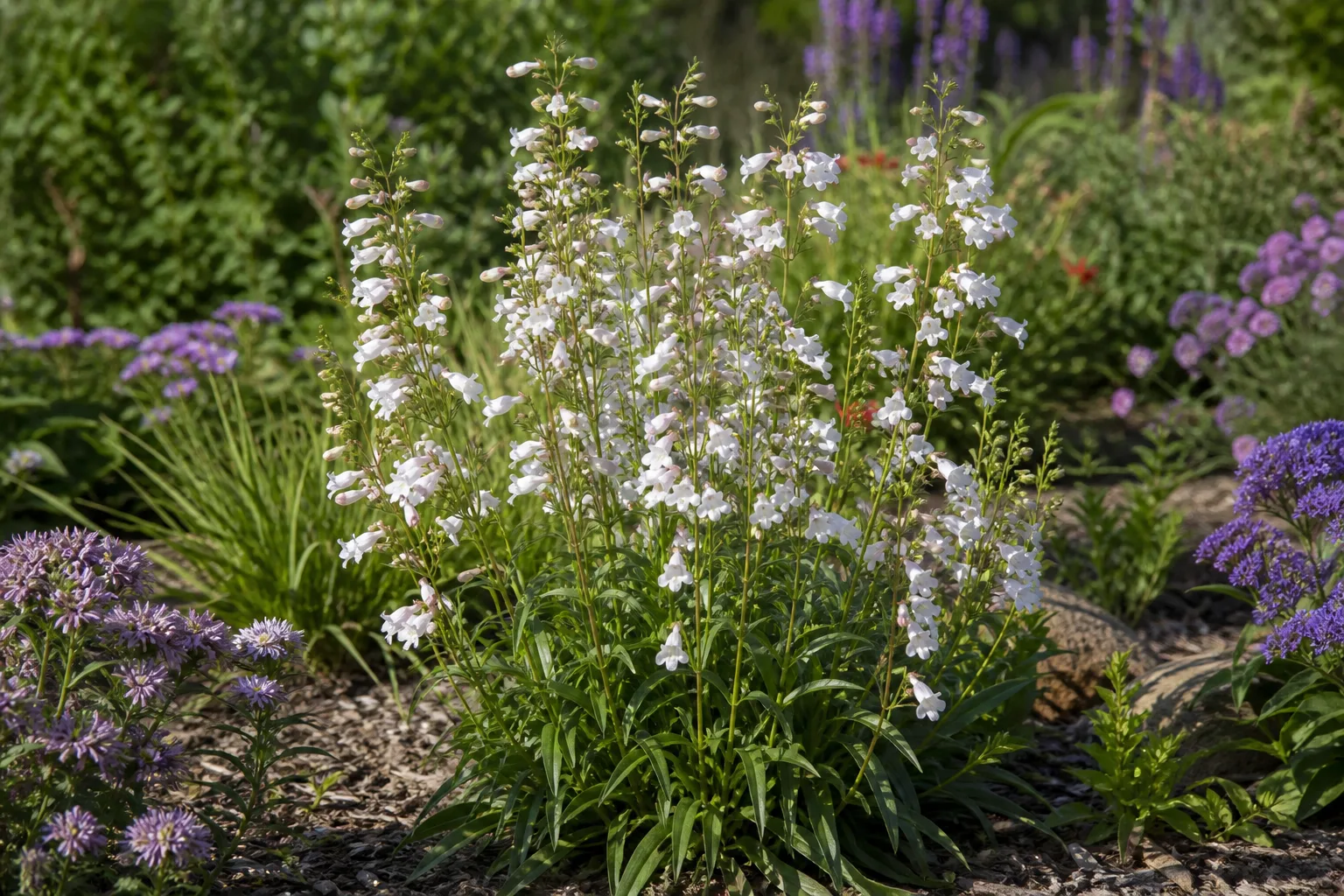
Plant now for: spring–summer 2027 (seed) | repeat performer
Beardtongues (Penstemon spp.) form low rosettes of leaves, then send up white to pink tubular flowers on stiff spikes that hummingbirds patrol. The Missouri Botanical Garden notes that Penstemon digitalis — foxglove beardtongue — grows 3–5 feet tall in full sun with dry to medium moisture and blooms April through June in zones 3–8.
August move: Direct-sow seeds in a sunny, well-drained bed. Fall sowing lets seeds stratify naturally; germination often appears in 10–21 days if soil stays moist, though many seedlings emerge more reliably after soil warms the following spring. You can also plant nursery starts now for earlier establishment, though first-year bloom may still wait until next late spring.
Quick specs: Full sun; neutral to slightly acidic well-drained soil; drought-tolerant once rooted. Avoid wet clay — root rot is the main killer. Deer usually pass it by.
Best for: Native pollinator borders, rain-garden edges with sharp drainage, cut-flower spikes.
Skip if: Your bed stays soggy all winter or you need guaranteed color before frost this year.
Feverfew — Daisy Clusters for Borders and Bouquets
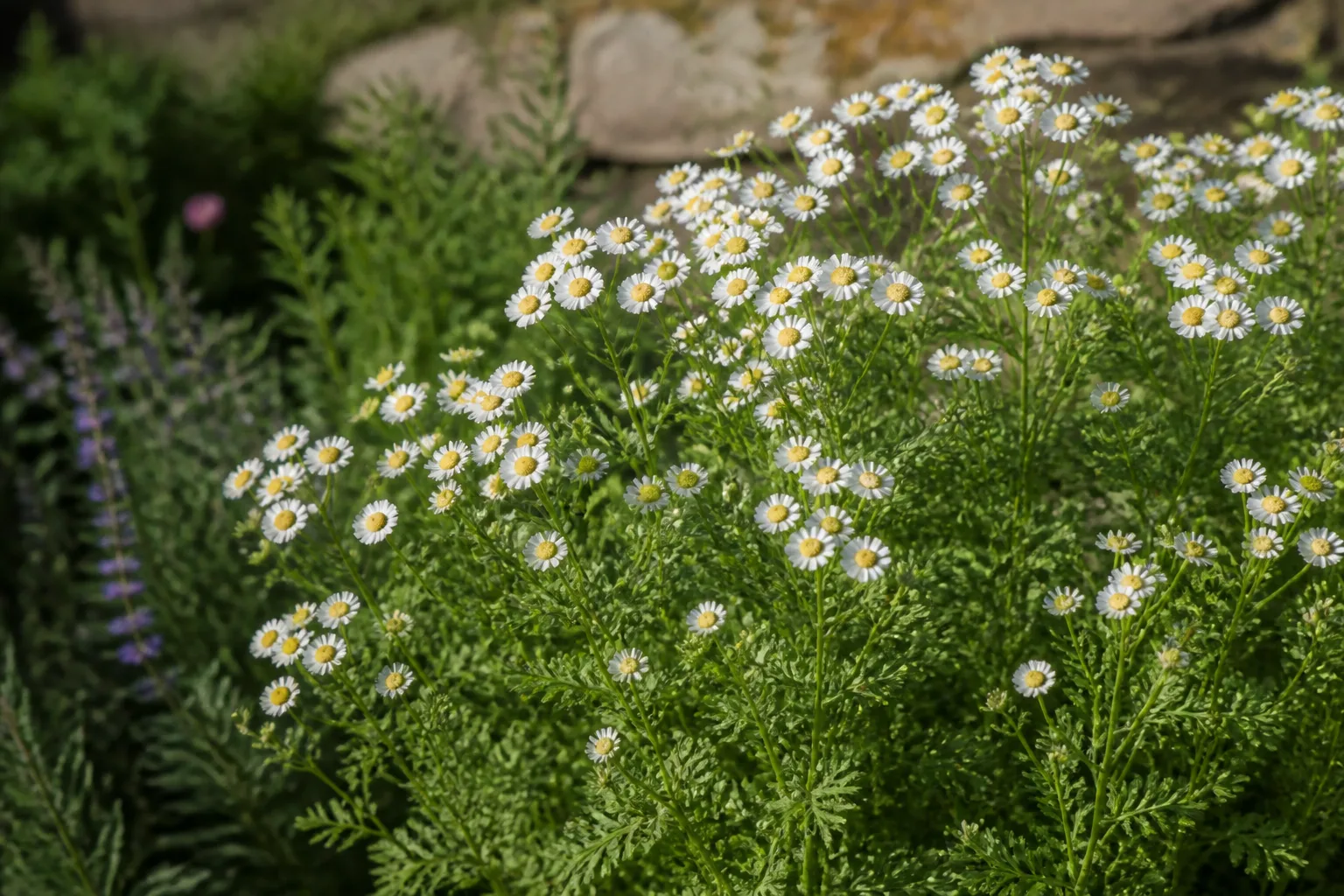
Plant now for: fall 2026 color (transplant) | spring–summer 2027 repeat
Feverfew (Tanacetum parthenium) throws small white daisy flowers with yellow centers and a sharp herbal scent that doubles as a useful cut flower. First-year plants sown or planted in late summer often bloom from mid-summer through fall; older clumps push flowers earlier the following June.
August move: Set out nursery starts or sow seeds in partial sun. Keep soil moderately fertile and well drained. Feverfew self-seeds freely — deadhead if you do not want volunteers in gravel paths.
Quick specs: Zones 5–9; full sun to partial shade; blooms June–September on established plants.
Best for: Cottage gardens, herb borders, mixed cut-flower rows.
Skip if: You hate self-sowers or want purely native-only plantings (feverfew is an Old World import naturalized across much of North America).
Liatris (Blazing Star) — Vertical Purple Plumes for Pollinators
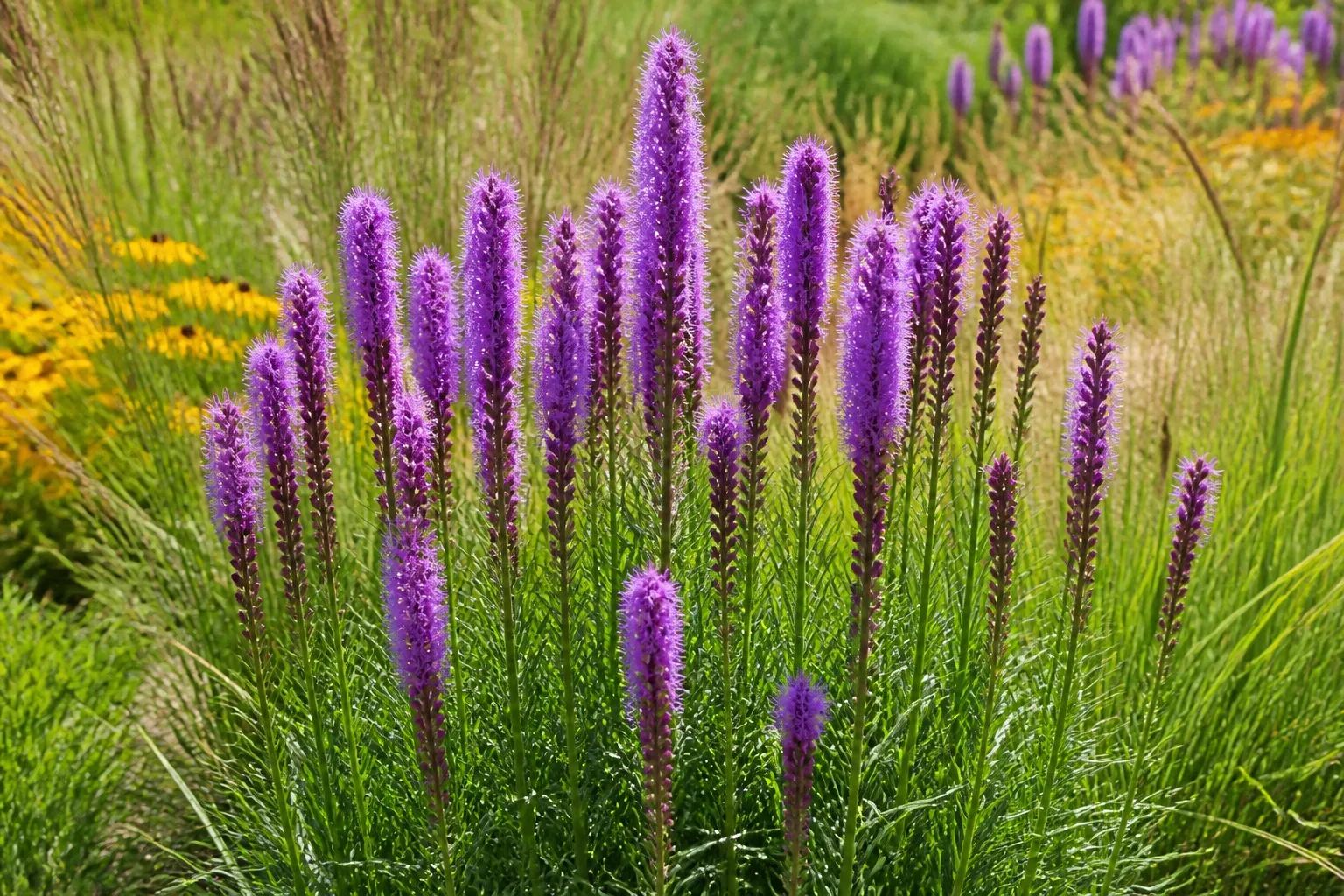
Plant now for: spring–summer 2027 (seed or corm) | repeat performer
Blazing star (Liatris spicata) is the upside-down bloomer: fuzzy purple (or white) flowers open from the top of the spike downward, a magnet for butterflies and native bees. NC State Extension describes a 3–6 foot clump-forming native perennial for full sun to partial shade in zones 3–9, preferring moist, well-drained soil though it tolerates summer heat.
August move: Fall-sown seed or corms planted now develop stronger roots than spring-planted ones — expect first full spikes next July–October. Space corms 2–3 inches deep and 12–15 inches apart with the flat side down. Water until autumn rains take over.
Quick specs: Blooms July–October once mature; grass-like foliage; may need staking only in overly rich shade. Leave 12–24 inches of hollow stems over winter for stem-nesting bees per NC State pollinator guidance.
Best for: Prairie-style beds, rain gardens, back-of-border vertical punctuation.
Skip if: You need instant height this month — first-year plants stay modest.
Nasturtium — Fast Jewel-Toned Color Before Frost
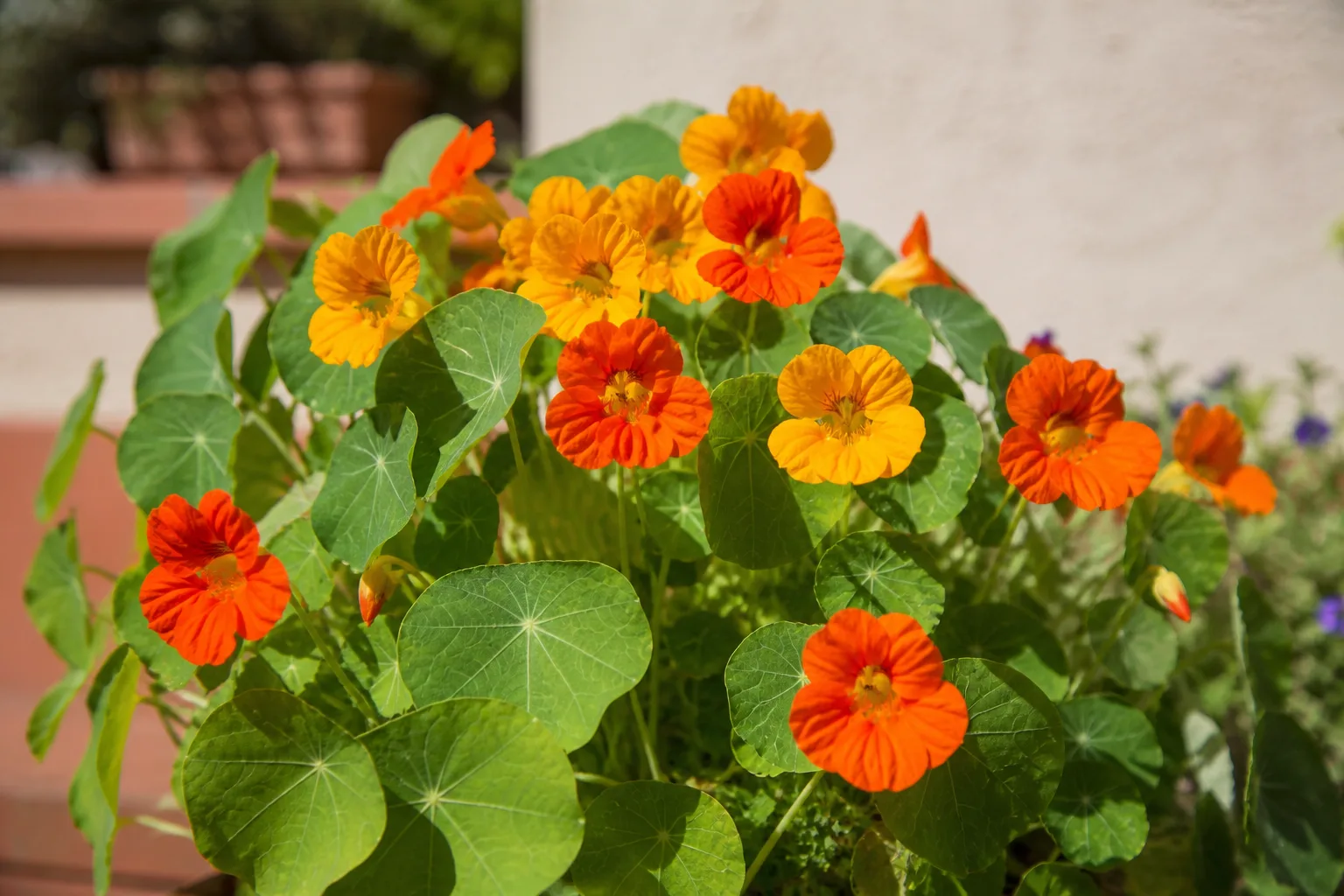
Plant now for: fall 2026 color | self-seeding annual in most zones
Nasturtiums (Tropaeolum spp.) are the speed answer on this list. Jewel-toned flowers — orange, red, cream — appear weeks after sowing in warm soil and keep going until hard frost. Treat them as a tender annual in zones 3–8; in mild zones they may overwinter and behave more like short-lived perennials, but most gardeners replant or rely on self-sown volunteers each spring.
August move: Sow where you want them; nasturtiums ** dislike transplanting**. Full sun, average soil (too much fertilizer yields leaves, not flowers). They tolerate cool nights once established and fill gaps between slower perennials.
Quick specs: Blooms until first frost; edible peppery flowers and leaves; climbs if given support or spills from containers.
Best for: Filling bare patches fast, edging vegetable beds, temporary color while slower perennials size up.
Skip if: Hard frost is less than six weeks away — you will get leaves, not a real flower show.
Phlox — Low Spreading Color With a Stratification Catch
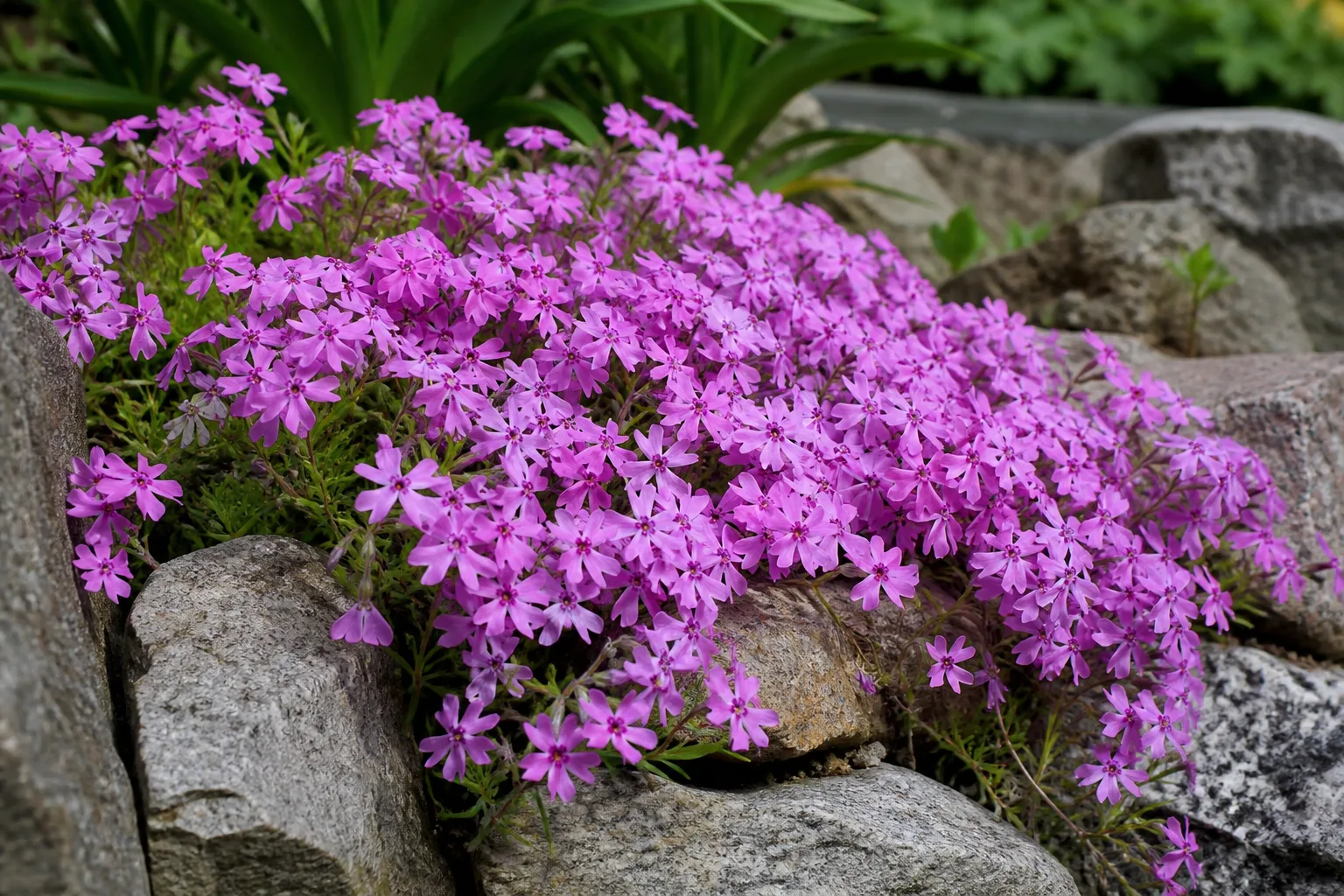
Plant now for: spring–summer 2027 (hardy types from seed) | repeat self-sower
Phlox is a genus trap: creeping or moss phlox (Phlox subulata, P. stolonifera) and garden phlox (P. paniculata) are hardy perennials needing cold stratification when started from seed. Annual phlox (P. drummondii) germinates without chill and blooms the same year — read seed packets carefully.
August move: Direct-sow hardy phlox outdoors now for natural stratification; expect rosettes this fall and April–September bloom next year. Low-growing types make mat-forming ground cover and self-sow in gravel. Choose mildew-resistant garden phlox cultivars like ‘David’ if you want tall summer panicles without white powder on leaves.
Quick specs: Zones 3–9 depending on species; partial to full sun; neutral to acidic loam; deadhead garden phlox to limit self-seeding.
Best for: Rock gardens, front-of-border carpets, butterfly edges.
Skip if: You will not label seed rows — phlox seedlings look like weeds until they flower.
Scarlet Cinquefoil — Early-Spring Red for Sunny Beds
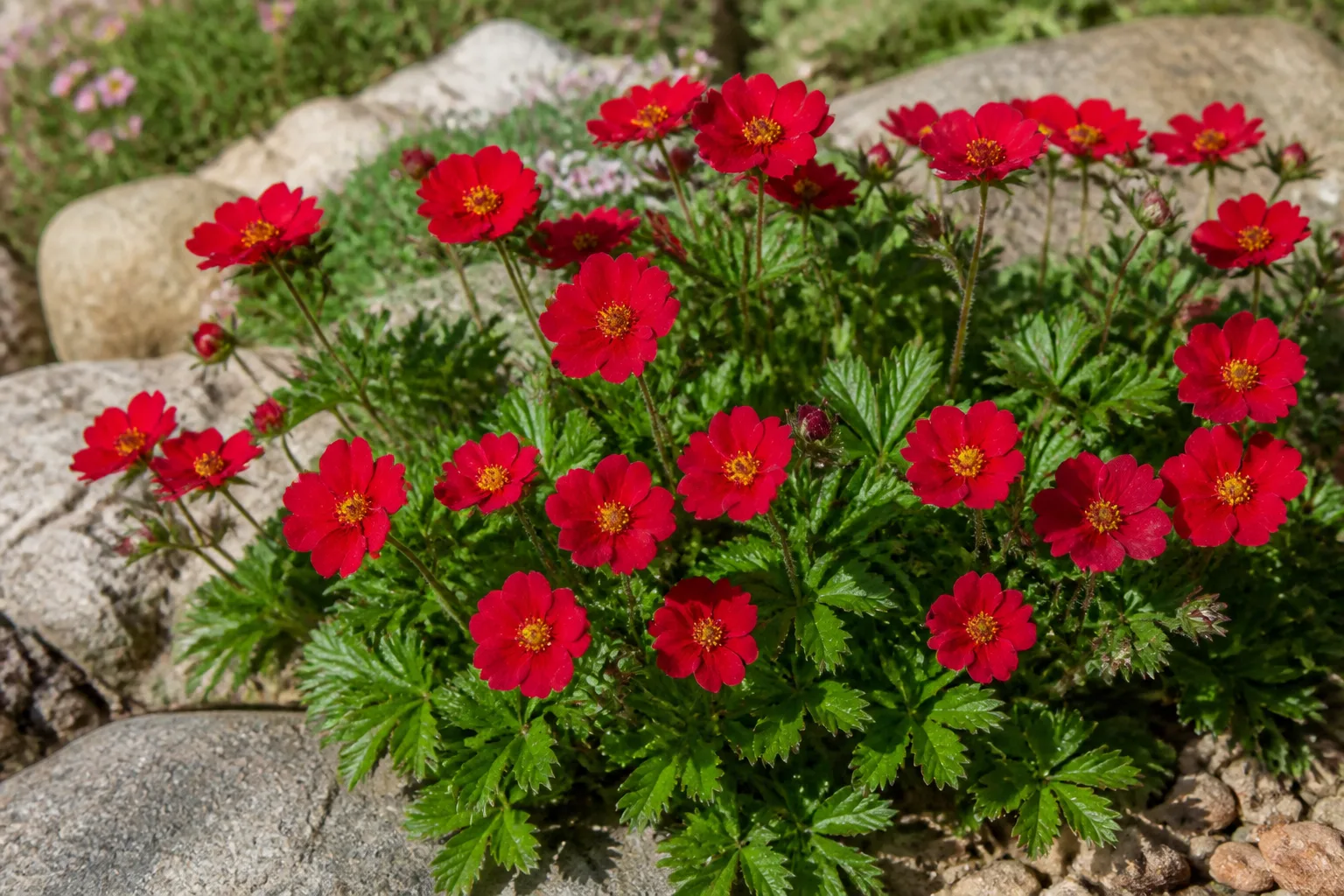
Plant now for: spring 2027 (seed) | possible late-winter bloom in mild zones
Scarlet cinquefoil (Potentilla thurberi) delivers bright red saucer flowers with dark green strawberry-like foliage — a southwestern native that punches above its size in mid-to-late summer once established. August sowing gives seedlings time to root before dormancy; in mild winters (zones 7–9) you may see late-winter to early-spring blooms the first year, while colder zones wait until May–June.
Quick specs: Zones 5–9; full sun to partial shade; prefers rich, slightly acidic soil; blooms June–September on mature plants up to 8 weeks.
Best for: Sunny borders needing red accents, rock gardens, containers with sharp drainage.
Skip if: Your soil is heavy clay that stays wet — cinquefoils rot in stagnation.
Spotted Joe Pye Weed — Native Height for Late-Summer Borders
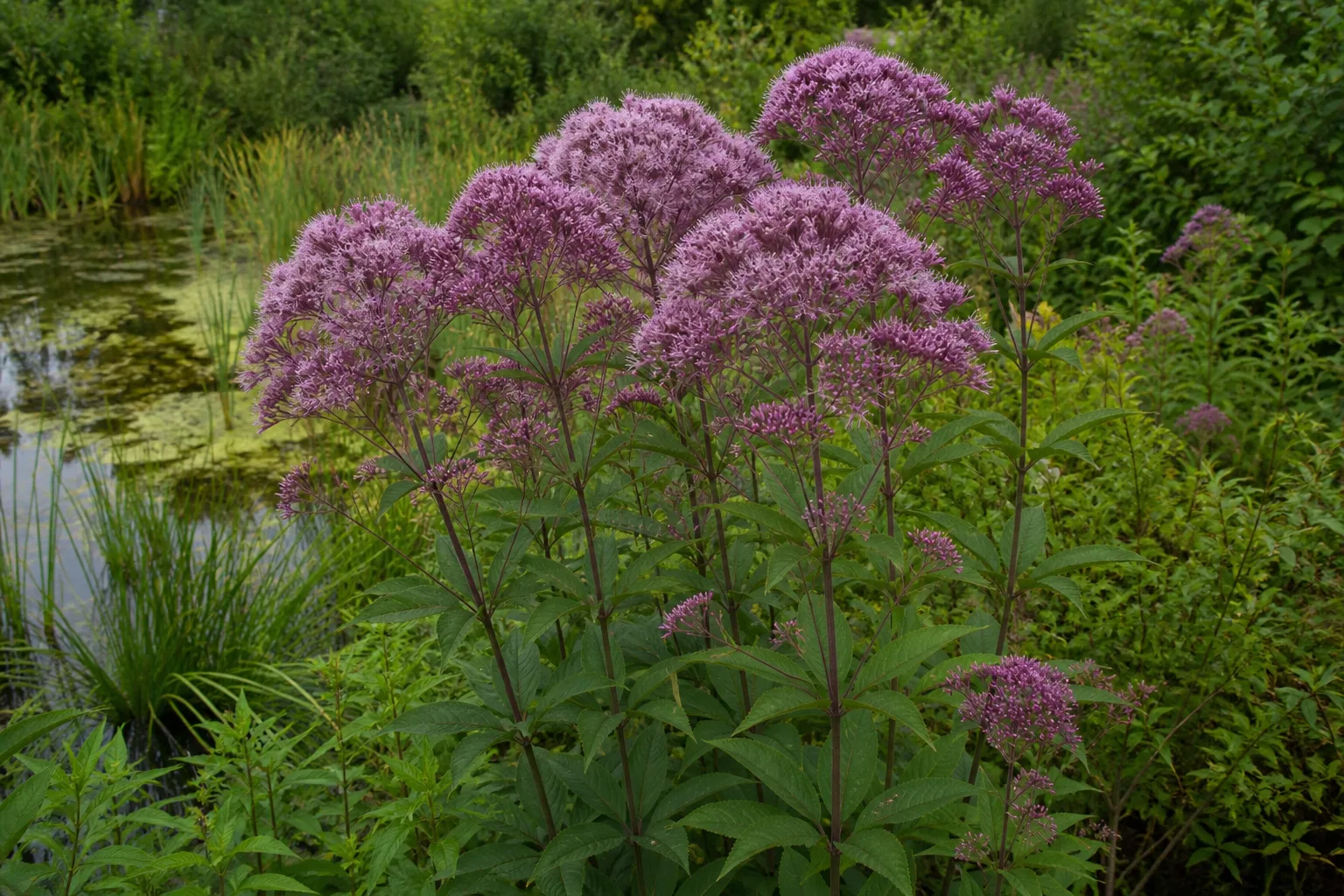
Plant now for: fall 2026 color (transplant) | repeat performer
Joe Pye weed (Eutrochium spp.) is the back-row workhorse native gardeners lean on when they want pink-purple dome flowers that smell faintly of vanilla and pull in swallowtails. NC State Extension lists 5–7 foot plants in full sun to partial shade, zones 4–9, with moist, well-drained to occasionally wet soil — not a drought specimen.
August move: Plant potted transplants now for blooms this July–September if the plant is already budded, or at minimum strong foliage that feeds roots for next year. Fall-sown seed needs three months cold-moist stratification with low germination rates — transplants are the practical late-summer path. Cut back to 18–24 inches if stems flop; earlier July pruning forces bushier rebloom on some species.
Quick specs: Blooms summer to early fall; whorled leaves; seed heads feed finches in winter.
Best for: Rain gardens, meadow backs, moist borders near downspouts.
Skip if: You have a small formal bed — one Joe Pye fills 3–4 feet of width and shades neighbors.
Which Perennials to Plant Together in One Bed
Mix height, bloom time, and moisture needs instead of planting seven random packets in one row.
Sun-Loving Pollinator Trio
Liatris + beardtongue + Joe Pye weed share full-sun preference and pollinator value with staggered peaks: penstemon in late spring, Joe Pye in late summer, liatris bridging mid- to late summer. Give Joe Pye the moistest back corner; keep penstemon on the raised drier edge.
Cool-Edge Fillers for Gaps Between Shrubs
Nasturtium + creeping phlox + feverfew cover bare soil at different speeds — nasturtium this fall, phlox mat next spring, feverfew filling mid-height gaps. Avoid over-feeding; all three flower better in moderate fertility.
Common Late-Summer Planting Mistakes to Avoid
Planting into hot, dry soil without pre-watering. Irrigate the bed 24 hours before sowing or transplanting; water daily for 10–14 days after.
Expecting every seed to bloom this fall. Beardtongue, liatris, hardy phlox, and cinquefoil from seed are next-season investments. Only nasturtium and some transplants deliver immediate autumn show.
Skipping stratification on phlox and penstemon. Indoor spring sowings that skip chill produce empty flats. Fall outdoor sowing fixes this for free.
Overwatering Joe Pye in clay. Moist does not mean swampy. Raise beds or choose liatris instead if water pools after rain.
Ignoring first frost math. A packet picture of autumn blooms means nothing if your frost arrives in five weeks.
Conclusion
You can still plant seven worthwhile perennials in late summer — not because every one will bloom this fall from seed, but because August planting buys you fall color where it is fast (nasturtium, transplants) and next-year repeat performance where patience pays (beardtongue, liatris, phlox, cinquefoil, Joe Pye). Pull your frost date, decide seed versus transplant for each species, and label your rows before the weeds do it for you. A garden that looks empty in October can still be the one that stops traffic in May.



