9 Flowers to Plant in August for Fall Blooms
August is not too late for fall flower beds. Compare hardy mums, sedum, zinnias, calendula, and six more picks with spacing, deadheading, and frost tips.
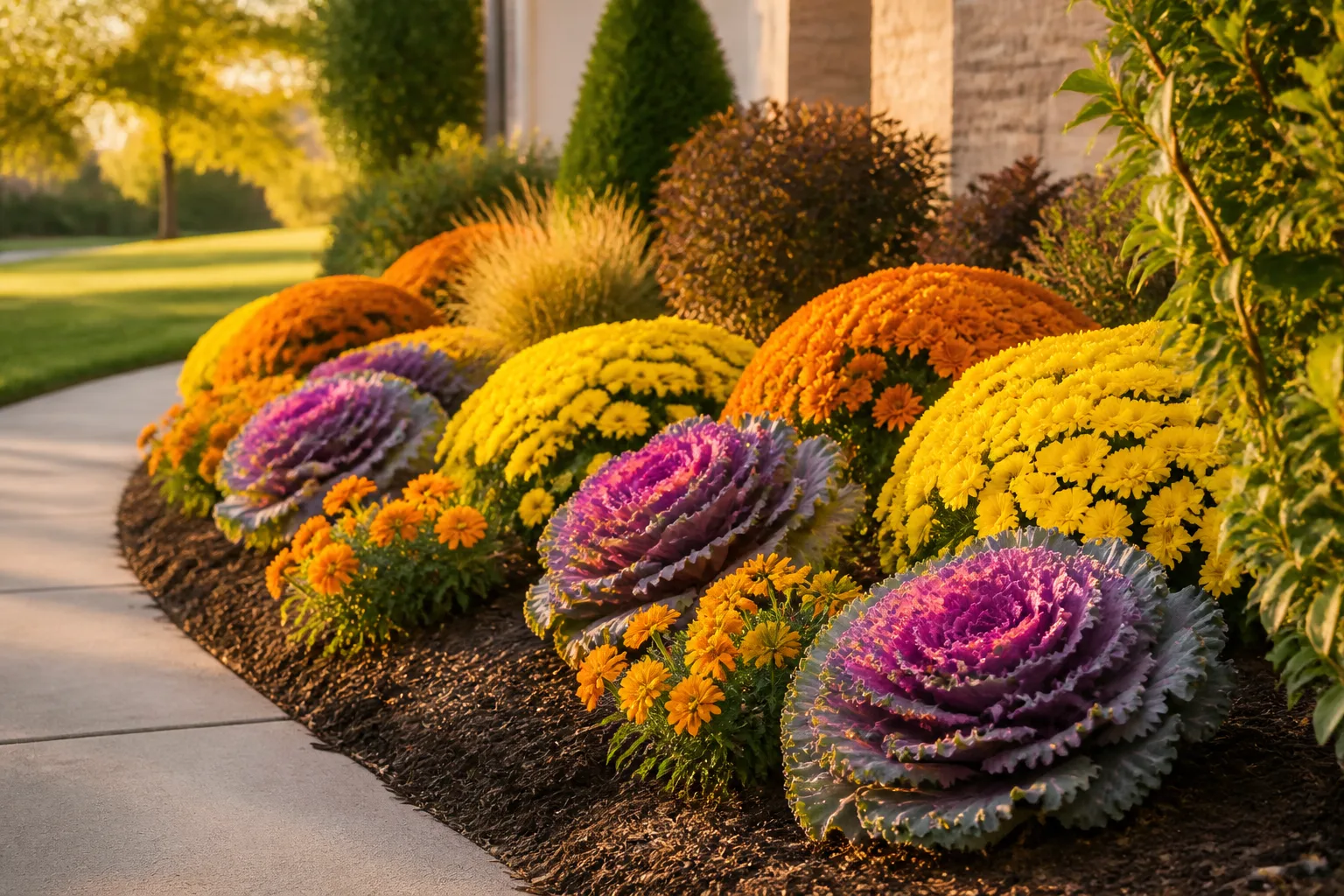
If your summer beds are fading and you still want gold, rust, and bronze in the yard, August is not a dead month for planting — it is the pivot point between summer fatigue and autumn display. Garden centers stock mums, marigolds, and ornamental kale precisely because these plants are built for the transition. The mistake most people make is treating August planting like spring planting: buying whatever looks pretty without checking whether the plant is an annual filler, a true hardy perennial, or a porch pot doomed to die at the first hard freeze.
The nine plants below are proven August picks for fall color in U.S. gardens. Each entry includes hardiness, mature size, light needs, and an honest best for / skip if line so you can build a bed or container display in a single weekend — not a random collection of pots that clash by October.
Why August Is Still a Smart Month for Fall Flower Beds
August planting works because you are buying plants that peak in shortening days, not trying to force spring bloomers into autumn. Mums, sedums, and ornamental brassicas respond to cooler nights and lower sun angles. Fast annuals like zinnias and marigolds still have eight to twelve weeks of frost-free weather in most USDA zones 5–8, which is plenty of time for another flush of blooms if you water consistently through late-summer heat.
The RHS notes that August is when gardeners should deadhead, feed containers, and plan autumn bedding — not shut the garden down. That same logic applies on this side of the Atlantic: refresh tired beds now rather than staring at bare soil until spring bulbs emerge.
Is it ever too late? In the Deep South (zones 9–10), August heat can stress transplants unless you plant in evening hours and mulch heavily. In northern zones (3–4), your window is shorter — prioritize frost-tolerant annuals and buy perennials already in bud rather than small liners that will not size up before frost.
Annuals vs Perennials — What to Grab at the Nursery Now
Annuals (zinnias, marigolds, nasturtiums, calendula, flowering cabbage sold as bedding) give immediate color and die with hard frost. They are your fastest fix for empty spots left by spent summer annuals.
Perennials (hardy mums, sedum, coneflowers, many coreopsis) return next year if you chose the right type and planted early enough for roots to establish. August-planted perennials benefit from daily watering for two to three weeks, then tapering as nights cool.
| If you need… | Lean toward… | Why |
|---|---|---|
| Fastest porch color | Marigolds, zinnias, calendula | Bloom within weeks of planting |
| Lowest maintenance | Autumn Joy sedum | Drought-tolerant; no deadheading |
| Winter survival (zones 4–8) | Hardy garden mums, sedum, coneflowers | True perennials when labeled correctly |
| Frost-proof foliage | Ornamental kale and flowering cabbage | Color intensifies after light frosts |
| Edible bonus | Nasturtiums, calendula petals | Flowers are edible; leaves have peppery flavor |
Plan Your Fall Display Before You Buy a Single Pot
Walk your space with a tape measure before shopping. Fall displays fail when plants outgrow the bed edge or porch step by October. Aim for three heights: knee-high fillers (marigolds, calendula), waist-high mounds (mums, sedum), and low edging (flowering cabbage, dwarf coreopsis).
Soil Prep, Spacing, and Where These Plants Actually Go
In-ground beds: Loosen the top 6–8 inches, mix in compost if soil is compacted, and plant at the same depth the plant sat in the nursery pot — never deeper on mums or sedum. Space mounds 18–24 inches apart; pack annuals tighter at 8–12 inches for a solid color block.
Containers: Use pots with drainage holes. A 12-inch pot holds one mum or sedum; combine a thriller (kale or mum), filler (marigold), and spiller (trailing nasturtium) in larger planters. Container soil dries faster than ground beds — check moisture daily through August heat.
Color scheme: Traditional fall beds lean yellow, orange, bronze, and deep red. You can break the palette with purple coneflowers or pink calendula, but repeat each accent color at least twice so the bed reads intentional, not accidental.
Sample porch container recipe (18-inch pot): Center one hardy mum or ornamental kale as the thriller, ring it with marigolds or calendula as fillers, and let trailing nasturtium spill over the rim. Use fresh potting mix — do not reuse summer petunia soil without refreshing, because depleted mix shrinks bloom size on fall annuals. Elevate pots on feet or bricks if they sit on concrete so drainage holes stay open after heavy rain.
In-ground layout tip: Place tallest plants (mums, sedum, coneflowers) toward the back or center of an island bed; edge with flowering cabbage and low marigolds. A 4-by-8-foot bed comfortably holds two mounds, four annuals, and six kale plants without crowding by October.
Hardy Garden Mums (Chrysanthemum × morifolium)
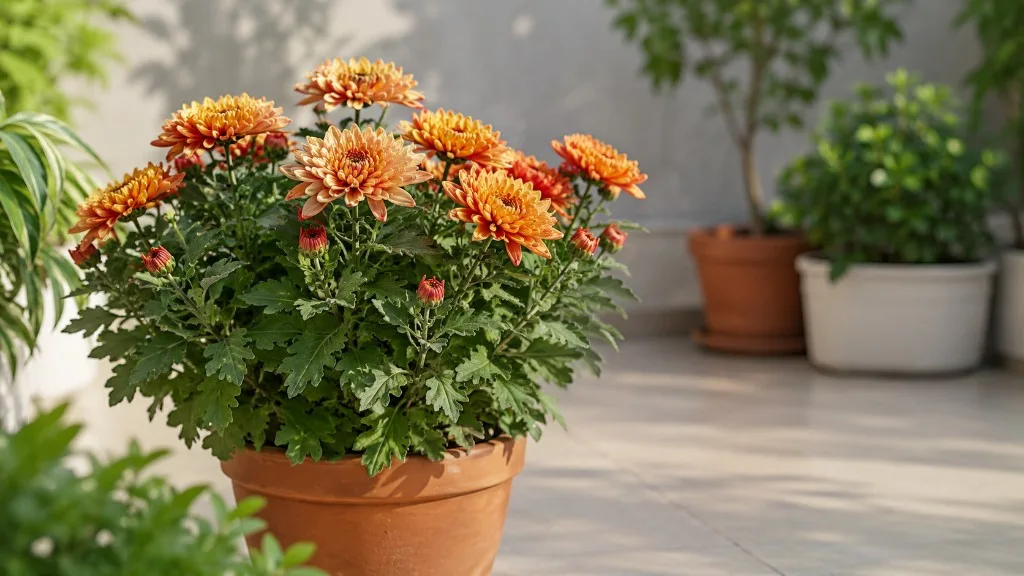
Hardy garden mums are the default fall flower for a reason: hundreds of cultivars, every autumn hue, and mounds that read clearly from the curb. NC State Extension describes them as herbaceous perennials forming erect clumps 1–3 feet tall and 1–2 feet wide, flowering when days shorten in autumn. They want full sun and well-drained soil, with afternoon shade in the hottest southern sites.
Best for: Front porch pots, foundation beds, and anyone who wants instant dome-shaped color.
Skip if: You cannot tell whether the pot is a hardy garden mum or a florist mum (see below) — the wrong type will not survive northern winters.
Hardy Mums vs Florist Mums — Read the Label Twice
This is the purchase decision that ruins more fall gardens than any pest. Hardy garden mums (often labeled “garden hardy” or sold in outdoor benches) are bred to overwinter in zones 4–9 when planted early enough for root establishment. Florist mums — the tight-budded types grown for indoor display — are tender and typically fail after one outdoor season in cold climates, no matter how “hardy” the salesperson’s shrug implies.
At the nursery, look for outdoor bench placement, fibrous outdoor roots (not wrapped in foil), and tags listing garden hardiness. Pinch or shear leggy stems before bud set if you buy early-August plants; stop pinching by mid-August so buds form on time. Divide congested clumps every two to three springs to keep mounds vigorous.
Overwintering in cold zones: After hard frost blackens top growth, cut stems to 2–3 inches and mulch lightly with shredded leaves in zones 4–5. Do not bury the crown — wet mulch against the stem base encourages rot. In warmer zones 6–9, many garden mums overwinter without extra protection if drainage is good.
Autumn Joy Sedum (Hylotelephium ‘Autumn Joy’)
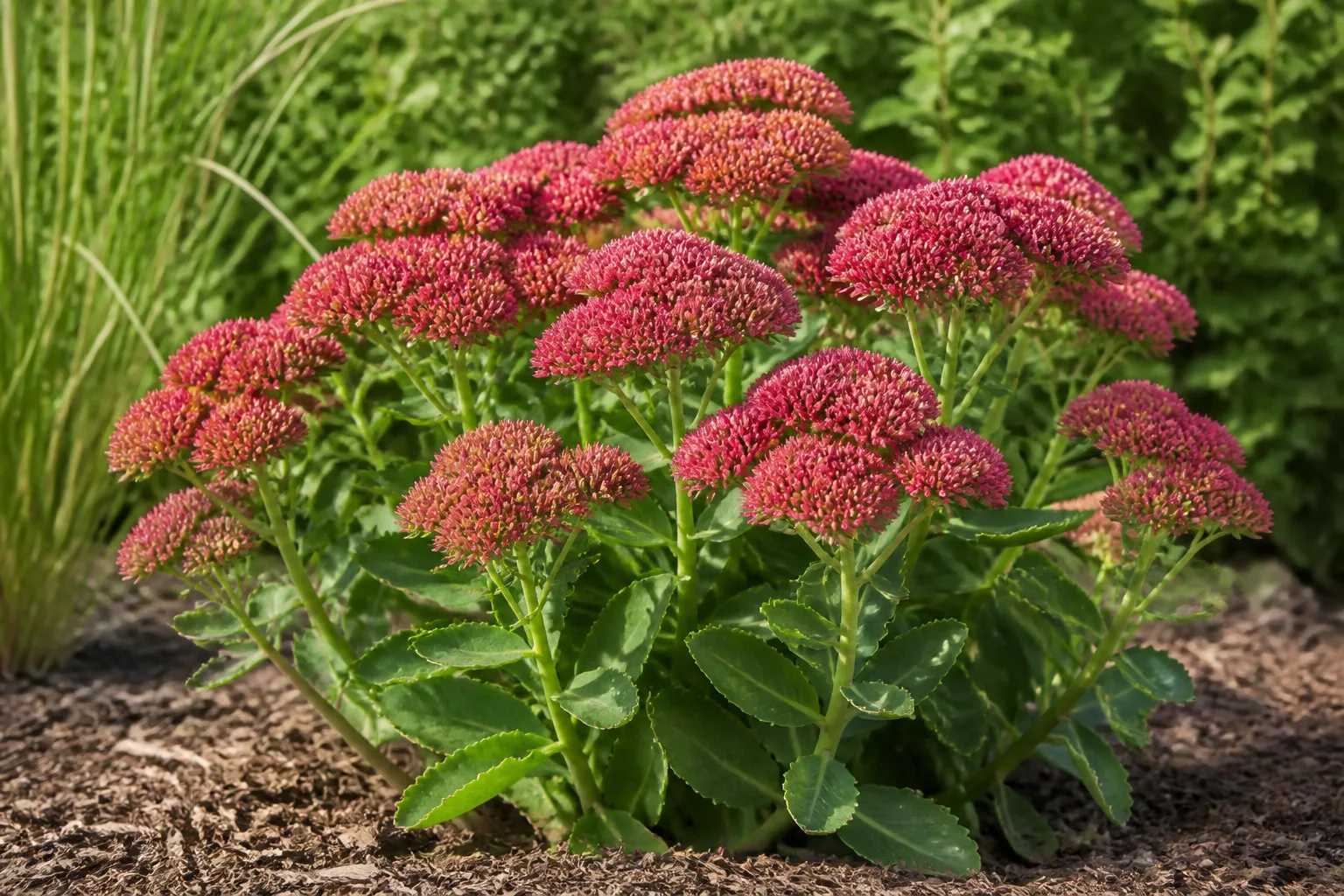
If you want fall color without a deadheading schedule, Autumn Joy sedum is the anchor plant. This succulent perennial holds rose-pink summer flower heads that deepen to rust and copper as temperatures drop — exactly the autumn palette many gardeners chase with fussier annuals. NC State Extension lists Hylotelephium ‘Autumn Joy’ at roughly 1.5–2 feet tall and wide, hardy in zones 3–9, and tolerant of drought once established.
Sedum wants full sun and sharp drainage. Wet winter soil kills more sedums than cold does, so avoid low spots and heavy clay without amendment. Leave dried flower heads standing through winter — they catch frost beautifully and provide seed for birds. No pinching required.
Best for: Low-maintenance borders, hell strips, and pollinator-friendly beds.
Skip if: Your site stays soggy after rain; sedum rots in standing water.
Coneflowers (Echinacea spp.)
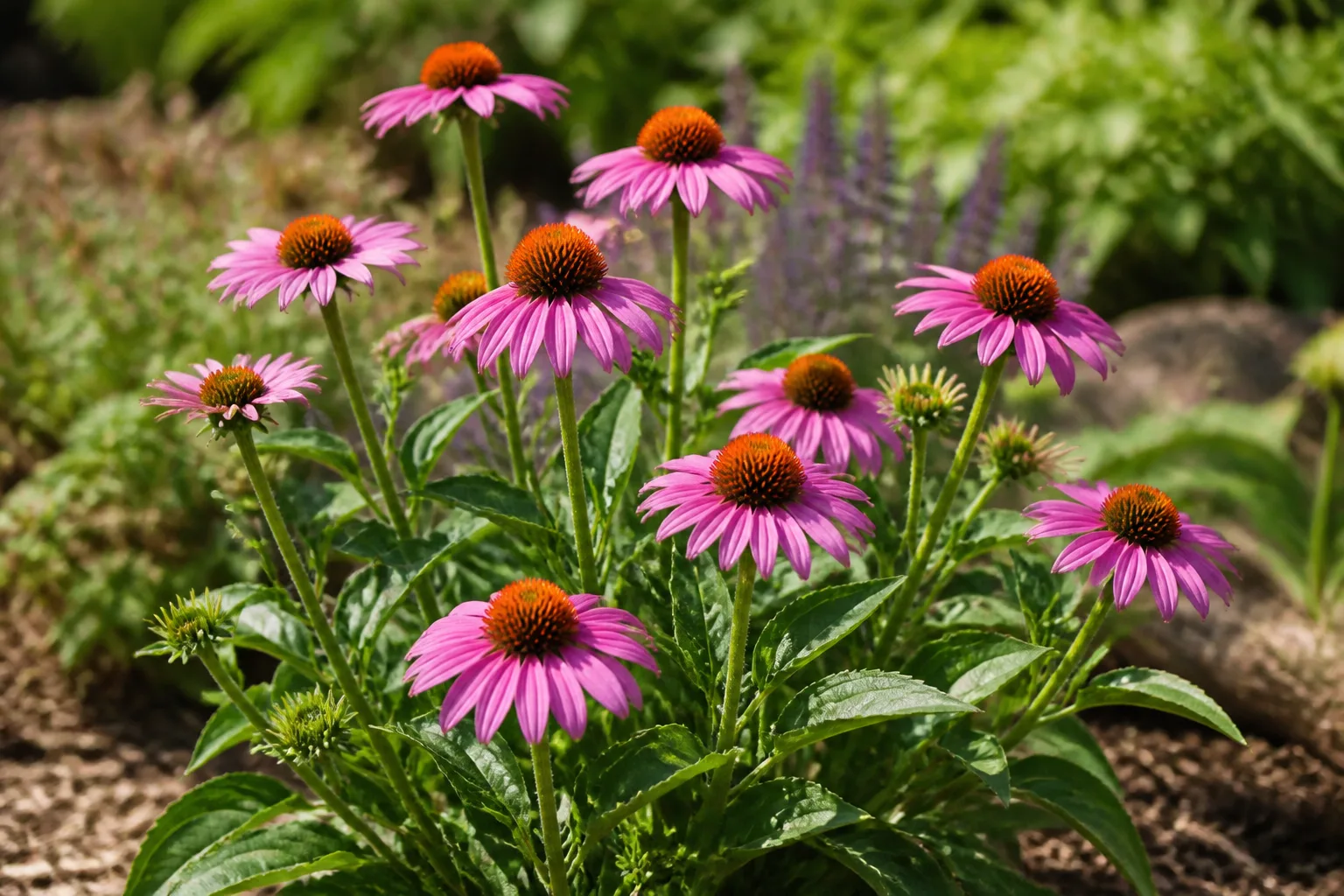
Coneflowers bridge summer and fall with daisy-like blooms that pollinators still visit when many other flowers quit. The classic purple species (Echinacea purpurea), documented by NC State Extension, is hardy in zones 3–9 and reaches roughly 2–4 feet tall depending on cultivar. Modern breeding adds yellow, orange, and red tones — cultivars like ‘Daydream’ or ‘Cheyenne Spirit’ fit warm fall palettes without looking out of season.
Coneflowers need full sun and tolerate drought after their first year. For fall color from plants you install in August, you have two paths: deadhead spent summer blooms to push side shoots, or buy nursery pots already showing fresh buds. The second path saves work and matches how many garden centers stock late-season perennials.
Best for: Mixed perennial borders and wildlife gardens.
Skip if: You will not deadhead or buy budded plants — spent June-planted coneflowers may look tired by September without intervention.
Nasturtiums (Tropaeolum spp.)
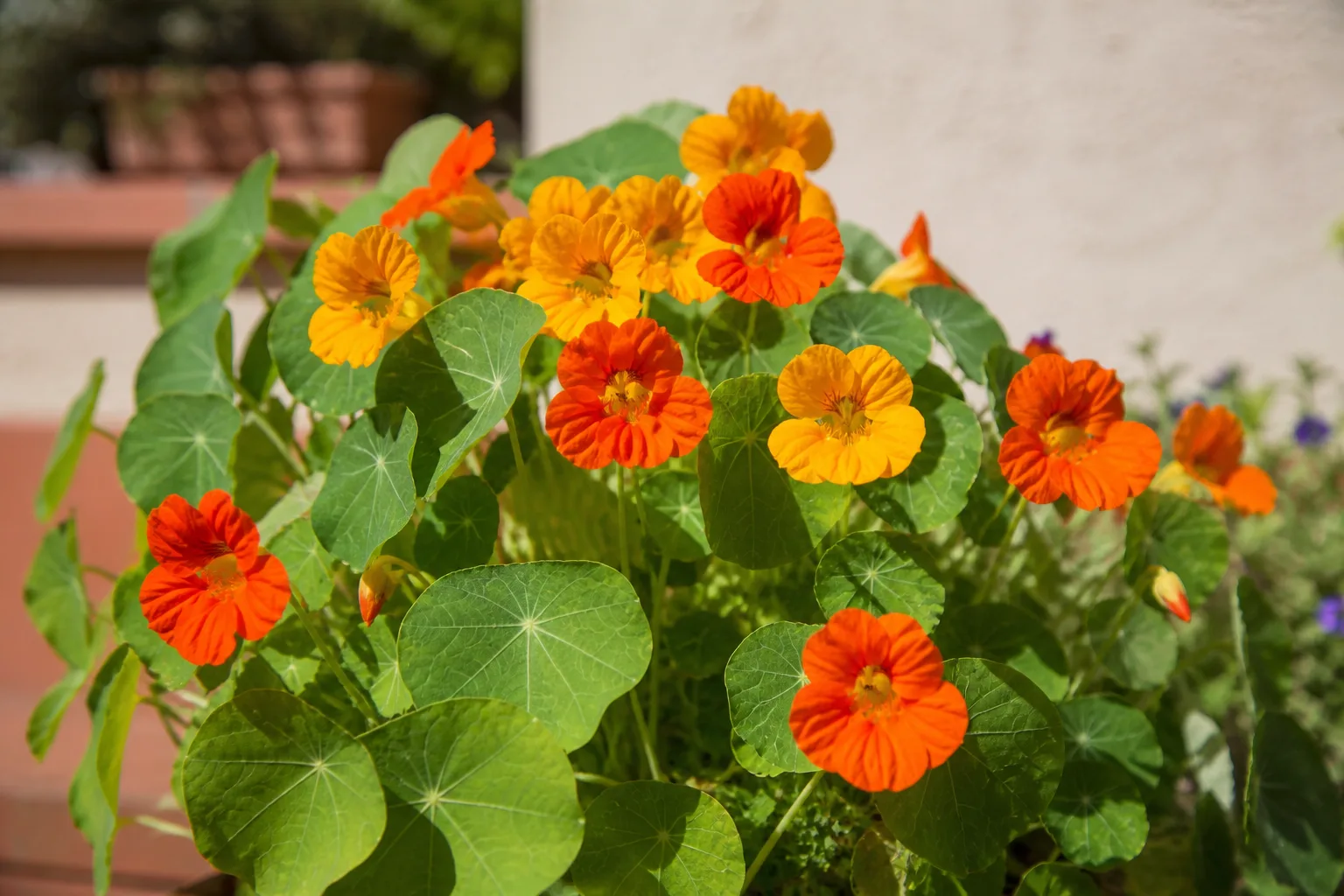
Nasturtiums deliver peppery-edible flowers in yellow, orange, and red — natural fall tones on a plant that grows fast from nursery packs or direct sow if your August nights are mild. Bush types fill bed fronts; trailing types spill from window boxes and porch rails. They prefer full sun (partial shade in hot climates) and lean soil — too much fertilizer pushes leaves instead of flowers.
Most nasturtiums behave as annuals north of zone 9, though they self-sow freely where winters are mild. Plant where you can reach them for salads and garnishes; the flowers taste sharp and bright.
Best for: Window boxes, children’s gardens, and informal cottage edges.
Skip if: You need a formal, tight mound — nasturtiums sprawl and look deliberately casual.
Pot Marigold / Calendula (Calendula officinalis)
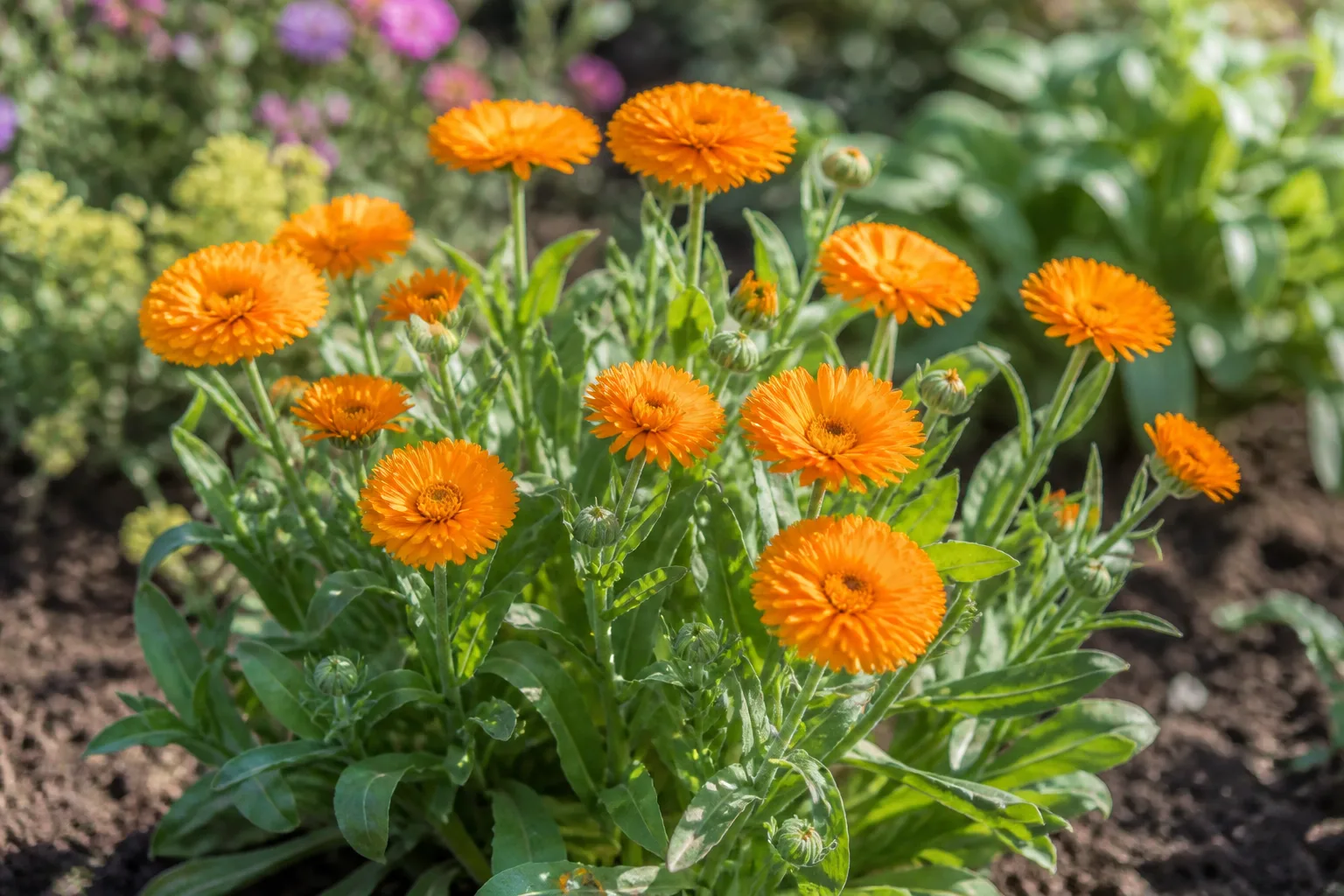
Calendula — called pot marigold but unrelated to Tagetes marigolds — offers yellow, orange, and cream blooms on 1–2-foot plants that cool-season gardeners love. Cultivars like ‘Greenheart Orange’ add lime-green centers for contrast in mixed beds. Calendula is often grown as a short-lived perennial or cool-season annual, hardy in zones 2–11 as bedding.
Garden writers consistently note calendula’s cold tolerance: plants often survive brief dips into the upper 20s °F, making them valuable where frost arrives early in fall. Deadhead for continuous bloom, but let a few flowers set seed if you want volunteer plants next spring.
Best for: Cool-climate fall beds, edible-garden borders, and cutting gardens.
Skip if: Your August highs stay above 95 °F with no relief — calendula flags in sustained heat unless given afternoon shade.
Tickseed (Coreopsis spp.)
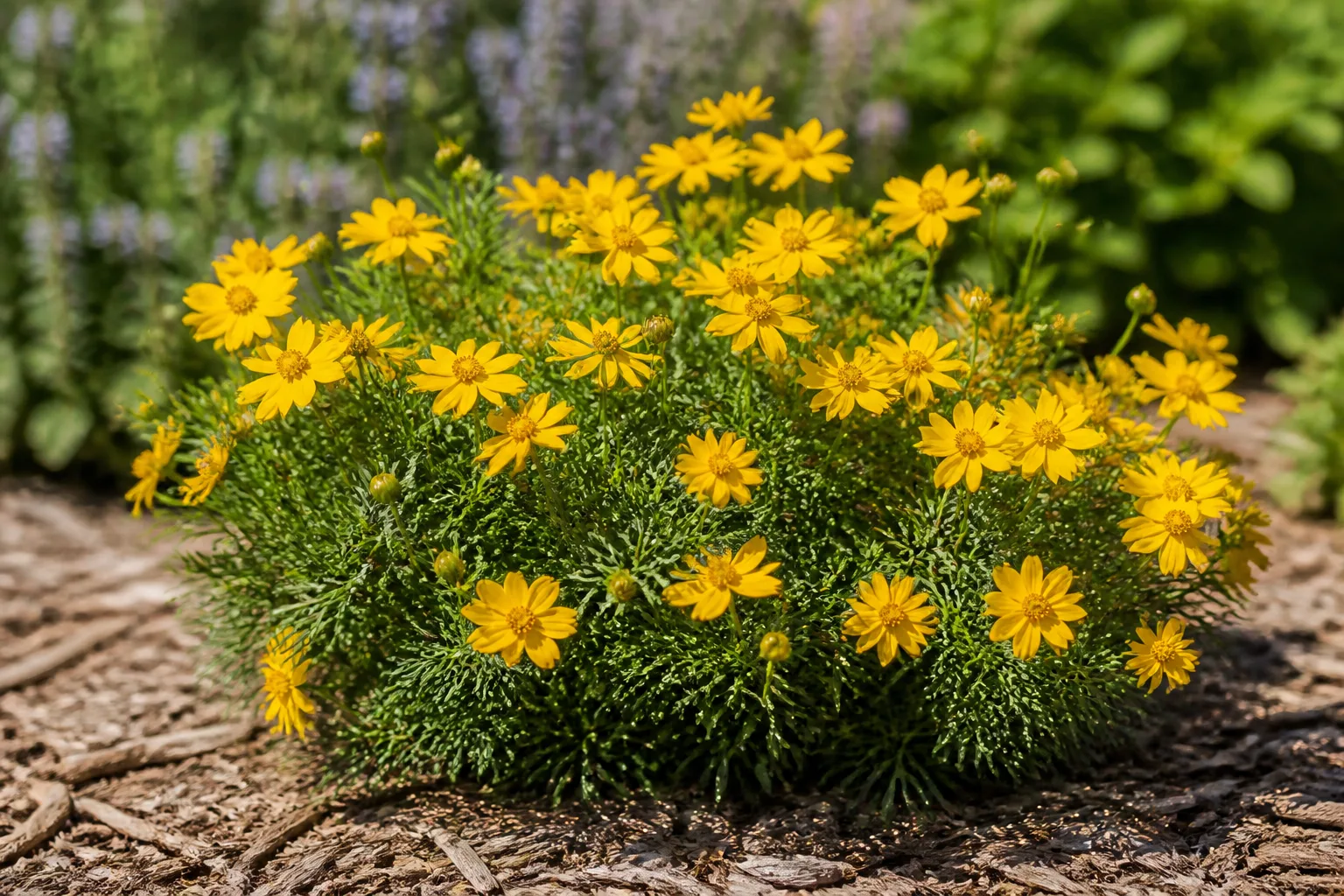
Tickseed (Coreopsis spp.) covers the yellow-and-gold end of the fall spectrum with daisy-like flowers on mounding or spreading plants. Most garden coreopsis varieties bloom heavily in summer; for fall interest, either shear plants back by one-third after the first flush (more effective than snipping individual deadheads) or choose fall-blooming species like Coreopsis integrifolia, which waits until autumn to show deep yellow flowers on 18-inch mounds.
Hardiness runs zones 4–9 for common hybrids, with sizes from compact 12-inch cultivars to 2-foot spreaders. Full sun and well-drained soil keep them happy.
Best for: Sunny borders needing repeated gold accents.
Skip if: You want zero maintenance — some coreopsis need mid-season shearing to avoid a messy August slump.
Zinnias (Zinnia elegans)
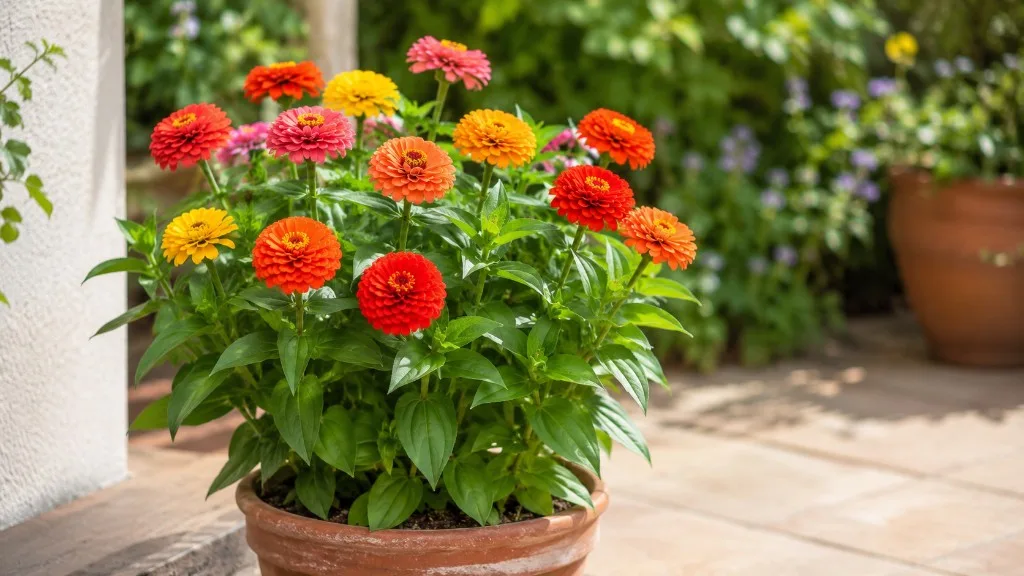
Zinnias are the fastest annual on this list for late-summer planting. From nursery packs planted in early to mid-August, you can still get six to ten weeks of bloom before frost in zones 5–8. They come in orange, yellow, red, pink, and bicolor forms on plants from 1–3 feet tall. Full sun is non-negotiable; powdery mildew appears in crowded, shady, or overhead-irrigated plantings.
For best results, choose disease-resistant cultivars (many modern mixes are bred for mildew tolerance) and water at soil level in the morning. Space transplants 8–12 inches apart even if pots look sparse at planting — good air movement prevents the white coating that ruins zinnia beds in humid Septembers.
Deadhead faded blooms weekly to keep new buds forming. Zinnias attract butterflies through fall — one reason to include them even if you already have mums on the porch.
Best for: Cutting gardens, quick gap-fill, and butterfly beds.
Skip if: Your site is shaded or you cannot water during dry August spells — young zinnias wilt fast.
Marigolds (Tagetes spp.)
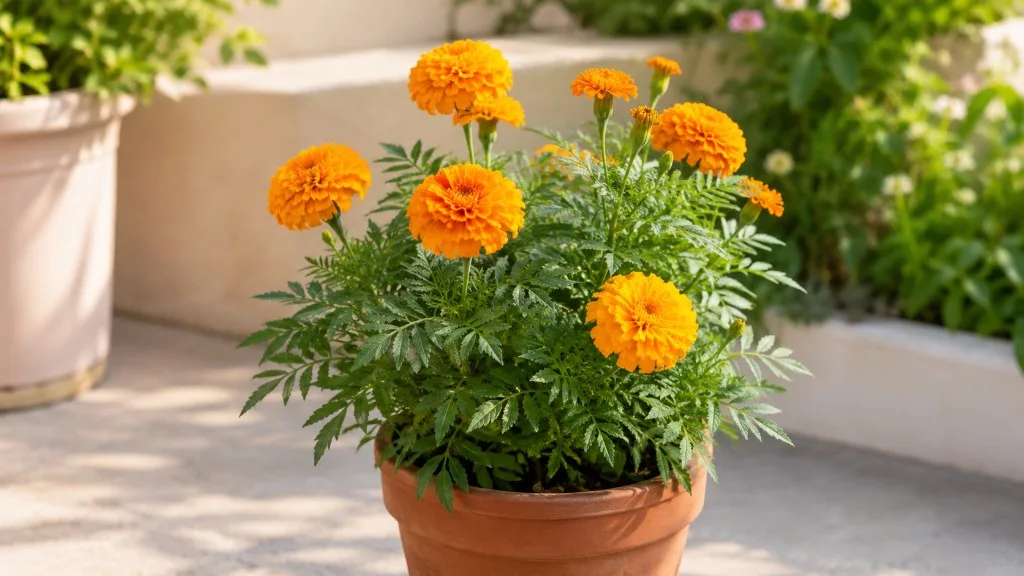
Marigolds may be common, but common is useful when you need heat-tolerant, frost-until-the-end color in pots and beds. French and African types range from 6-inch edging plants to 4-foot back-of-border specimens, with yellow, orange, gold, and red forms that mirror autumn leaves. They accept poor soil and full sun, making them forgiving for beginner fall displays.
Deadhead marigolds to prevent seed formation and extend bloom. In vegetable gardens, marigolds are traditional companions — here they simply provide reliable color where summer petunias gave up.
Best for: Porch pots, vegetable-garden edges, and budget-friendly mass plantings.
Skip if: You dislike the distinctive marigold scent — some people find French marigolds strong at close range on a small porch.
Flowering Cabbage and Ornamental Kale (Brassica oleracea)
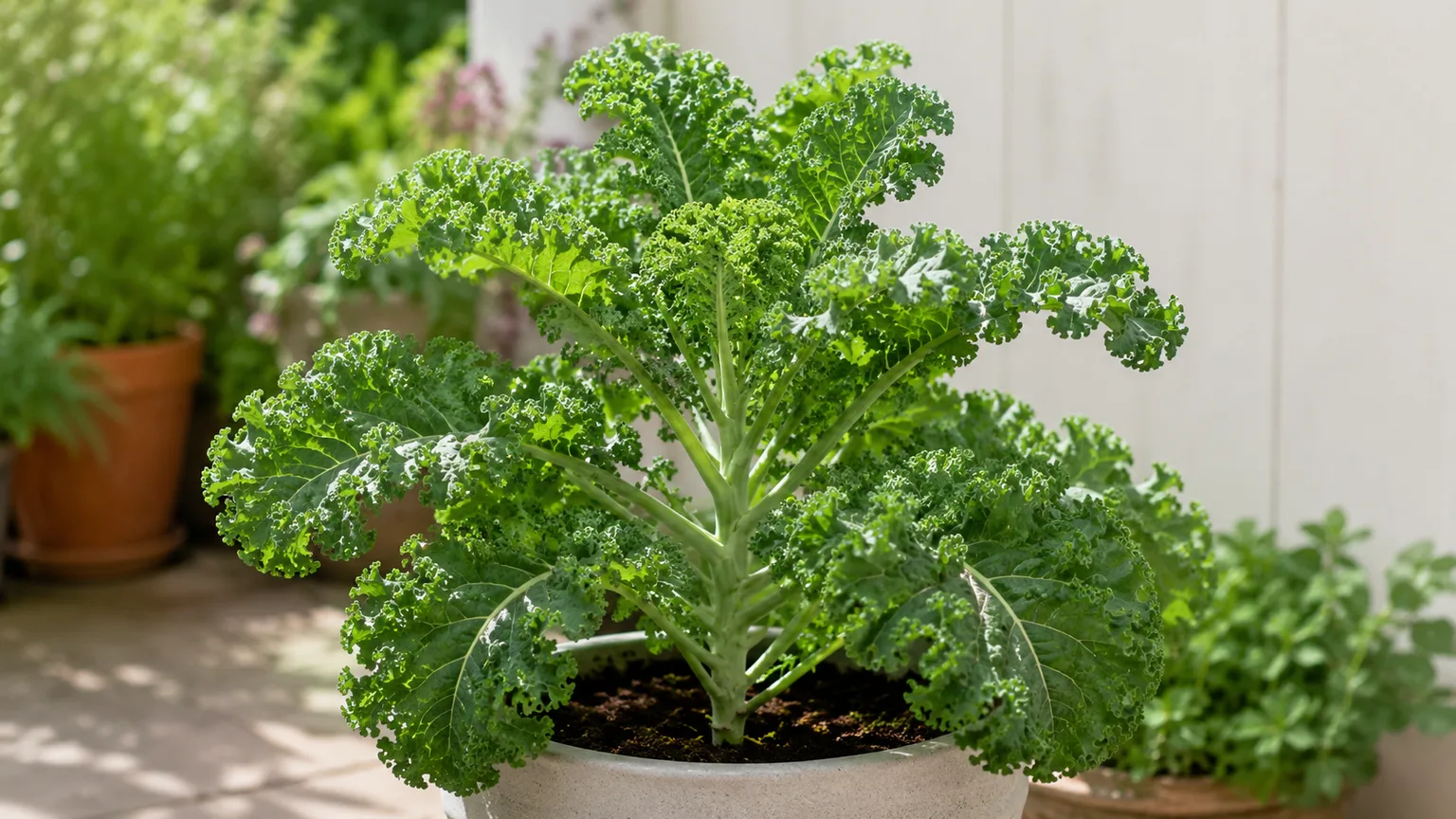
Flowering cabbage and ornamental kale are not flowers at all — they are leafy brassicas bred for rosettes of purple, pink, cream, and green that look floral from a distance. Flowering cabbage has broad, smooth leaves; ornamental kale shows frilled, toothed foliage. Both are sold as cool-season bedding in August and September.
The RHS highlights ornamental cabbages for long-lasting autumn displays that change color as weather cools. Light frosts often intensify pink and purple tones, which is why designers pair them with grasses and pansies. Plants typically run 12–18 inches across in full sun. Treat them as annual ornamentals in the display bed — they are edible but often bitter after nursery production; grow separate culinary kale if you want salad greens.
Best for: Porch containers, bed edging, and pairing with mums for texture contrast.
Skip if: You need summer-long bloom — these are foliage stars, not petal producers.
Keep Fall Beds Looking Sharp Through Cool Nights and Frost
Fall maintenance is simpler than summer, but not zero. Water containers and new transplants until night temperatures drop consistently — August heat plus dry soil kills more fall plantings than early frost does. Switch to weekly deep watering for in-ground beds once roots establish.
| Plant | Deadhead? | Frost notes |
|---|---|---|
| Hardy mums | Optional; remove spent blooms for neatness | Foliage dies back; mulch crowns in zone 4 |
| Autumn Joy sedum | No | Leave seed heads; cut back in spring |
| Coneflowers | Yes, for rebloom | Seed heads feed birds if left standing |
| Nasturtiums | Light deadheading | Killed by hard frost |
| Calendula | Yes | Survives light frost; dies in hard freeze |
| Coreopsis | Shear after first flush | Hardy perennial types return in spring |
| Zinnias | Yes | Annual — dies at frost |
| Marigolds | Yes | Blooms until frost with deadheading |
| Flowering cabbage/kale | N/A (foliage) | Color improves after light frost |
Feed tired container plantings with a diluted liquid fertilizer every two weeks through September, then stop so plants harden off. Pull frost-blackened annuals after the first hard freeze and either compost or replant with spring bulbs if your zone allows — see our guide on bulbs you can plant in August for timing that overlaps with these flower beds.
First frost checklist: Move small porch pots against a south-facing wall the night before a predicted freeze if you want to squeeze a few extra days from tender annuals. Ornamental kale and hardy mums tolerate light frost in place; nasturtiums and zinnias should be treated as expendable once temperatures drop below 28 °F for several hours. Check your local USDA Plant Hardiness Zone when comparing frost dates to planting timing — a zone-6 gardener in Ohio has a different October window than a zone-6 gardener in New Mexico.
Inspect chrysanthemums for white rust (white pustules on leaf undersides) and remove affected leaves promptly — the RHS flags this as an August priority on mums.
Conclusion
August planting is not a consolation prize for gardeners who “missed” spring — it is the designed entry point for autumn color. Hardy mums, sedum, and ornamental kale anchor the season; zinnias, marigolds, calendula, and nasturtiums fill gaps fast; coneflowers and coreopsis extend perennial borders when you deadhead or buy late-bloom stock. Match the plant to your job — porch pot, low-maintenance border, or frost-tolerant foliage — and you will have a yard that looks intentional deep into fall instead of exhausted by Labor Day.
Start with one bed or three containers, choose two heights and two colors, and plant before the next heat wave breaks. Roots set in August carry displays through October; that is the payoff for planting now rather than waiting for the bulb catalogs to arrive.



