7 Overrated Fall Flowers and Better Fall Alternatives
Overrated fall flowers can disappoint in cold, wet, or short-season gardens. See when to skip seven popular picks and choose better options for your site.
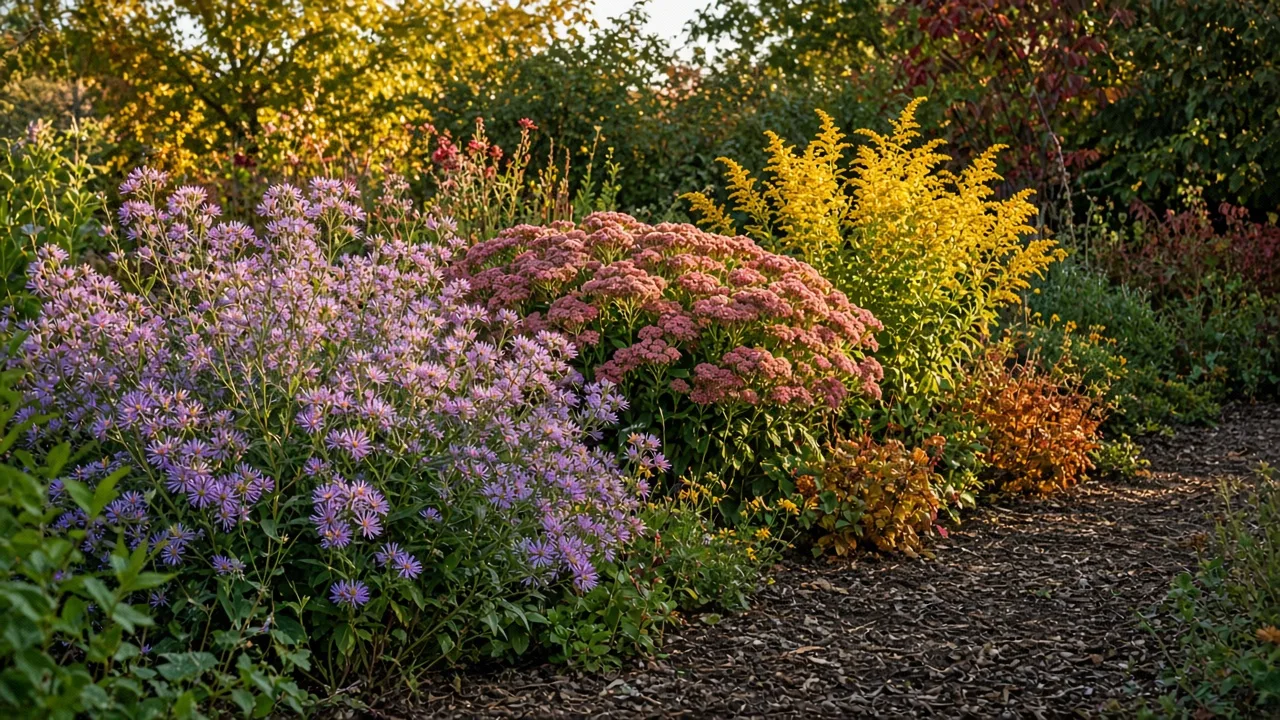
Fall flowers are not overrated just because they are common. A pot of mums can be exactly right for a porch that needs color this weekend, and dahlias can be worth every minute of winter storage if you love their blooms. The mismatch happens when a plant is sold as a simple answer to a goal it cannot reliably meet: season-long color, dependable winter return, low watering, or ecological value.
The seven plants below are not universally bad choices. Each becomes a poor buy under specific conditions, and several remain excellent when you know what you are getting. One, burning bush, is not grown for its flowers at all; it earns a place here because gardeners often choose it for autumn color and because its environmental and legal drawbacks are more consequential than a short-lived bloom.
| Plant | When it disappoints | Better direction |
|---|---|---|
| Garden mums | You expect every fall pot to overwinter | Buy a named hardy cultivar early or treat the pot as seasonal |
| Dahlias | Frost arrives early or you dislike storing tubers | Choose hardy fall perennials for a lower-effort bed |
| Ornamental peppers | You need cold-hardy color or forget container watering | Use hardy flowers or foliage as the backbone |
| Montauk daisies | You want a tidy plant from ground to flower | Pair them with a front-edge perennial or choose compact asters |
| Burning bush | You want a wildlife-friendly, regionally appropriate shrub | Select a native shrub for your area |
| Sedum | You dislike stiff stems or choose a spreading type for a small bed | Match the stonecrop’s habit to the space |
| Ornamental kale | You want actual flowers or a culinary crop | Treat it as foliage, or plant food varieties for harvest |
What “Overrated” Means in a Fall Garden
Before replacing anything, name the job the plant needs to do. A container bought for a few weeks of porch color has a different standard from a perennial border expected to return, feed pollinators, and look composed from spring through winter. The same plant can be a smart seasonal purchase and a disappointing long-term investment.
Use four checks before you buy: how soon your first hard frost usually arrives, whether the plant is an annual or a hardy perennial in your area, how much water a container will need, and whether you want flowers, colorful leaves, fruit, or seed heads. Also look for a cultivar name. Common labels such as “mum” or “sedum” can hide meaningful differences in habit and winter performance.
1. Garden Mums: The Pot Label Does Not Promise Winter Survival
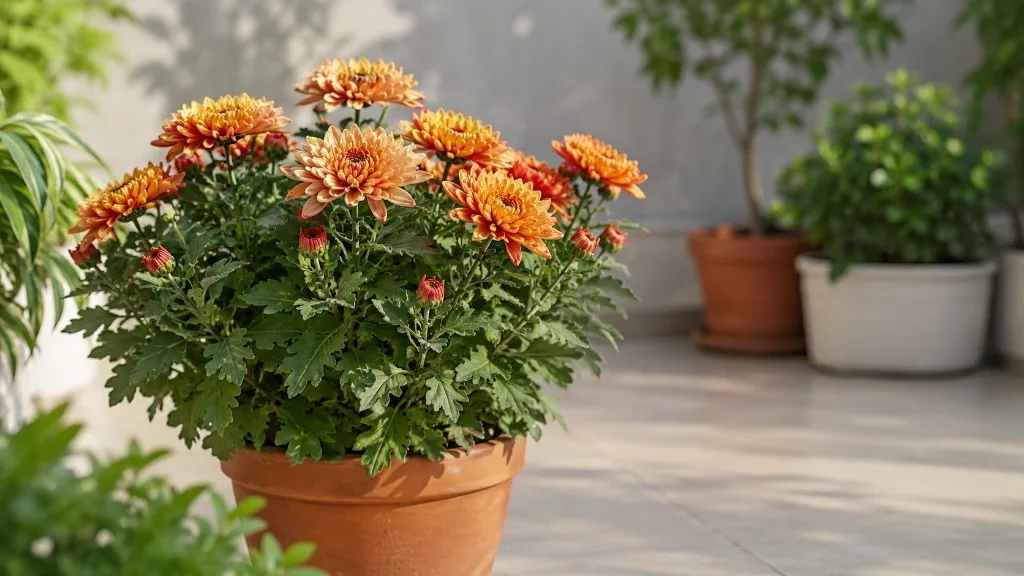
The mound of color at a grocery store entrance is usually a compact pot-culture mum, selected to look full and bloom heavily at the point of sale. That does not mean it is biologically an annual, but it does mean the plant may not have enough time or root establishment to behave like a dependable perennial after a late-season purchase. Penn State Extension cautions that mums planted while already in fall bloom may not survive winter, because the plant has spent energy flowering instead of putting down roots.
There are hardier garden cultivars, and some can return when planted early enough in a suitable site. NC State Extension distinguishes hardy garden types from cushion mums bred for pot culture and exhibition types grown for show or cut flowers. A named variety planted in spring has a better chance to establish than an anonymous plant set into cold soil in October. Penn State Extension’s chrysanthemum-care guidance notes susceptibility to aphids and mildew and recommends rotating the planting location rather than keeping mums in one spot indefinitely.
Better Swap: Hardy Mums or Fall-Blooming Asters
If you like the exact mum look, do not replace it on principle. Ask the nursery for the cultivar name and whether it is intended as a hardy landscape perennial in your region; plant it in spring if you want the best opportunity for roots to establish before winter. If the tag only says “garden mum” and the plant is already in full bloom, buy it for this season’s display and plan accordingly.
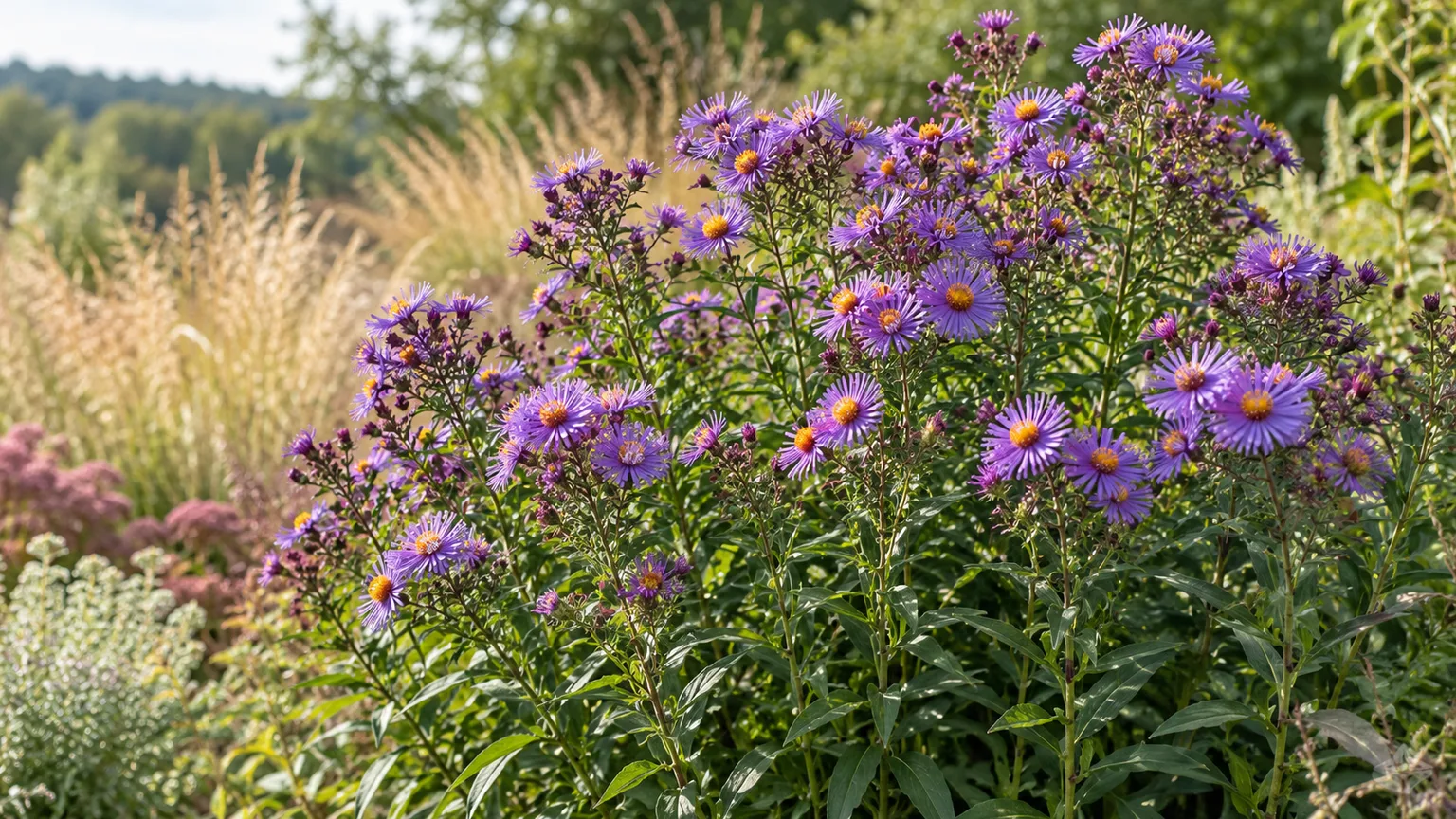
For a lasting late-season flower bed, consider a regionally appropriate aster. New England aster is a North American perennial that blooms in late summer and fall and attracts bees and butterflies, according to NC State Extension. It grows larger than a compact pot mum, so check mature height and spacing; shorter cultivars can fit a smaller border, while a full-size plant works better at the back. Some hardy asters can keep blooming through a light frost, but a hard freeze can end the display; Epic Gardening notes this late-season advantage for asters. That makes them a useful border choice when you want color beyond the first cool nights, not a promise of flowers through every freeze.
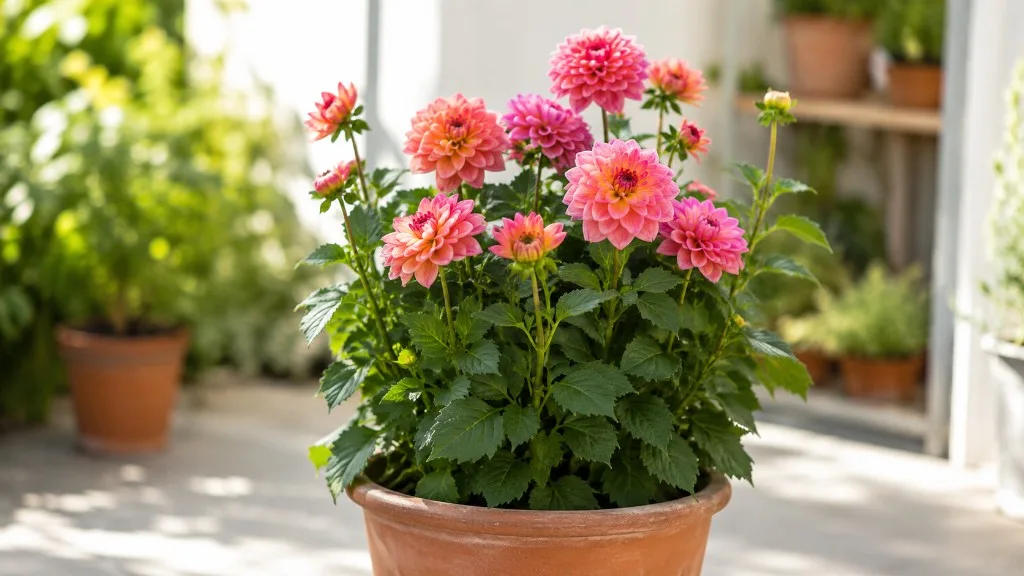
2. Dahlias: Spectacular Until Frost Cuts the Season Short
Dahlias are not a bad fall choice; their long flowering season is one reason gardeners keep growing them. The catch is that their best display depends on a frost-free stretch, so a garden with an early first frost may get only a short window of flowers just as the plants reach full size. In colder or wet-winter areas, there is also an after-season task: protect or lift and store the tubers if you want to grow them again.
The Royal Horticultural Society’s dahlia guide describes dahlias as tender perennials that need protection from freezing temperatures. In milder locations and lighter soils, tubers may survive outdoors, but colder, heavier, wetter soil raises the risk of loss. That is the key distinction: the flower itself may be a short-lived fall show, while the tuber is a reusable investment that requires planning.
Better Swap: Helenium, Asters, or a Short-Season Accent
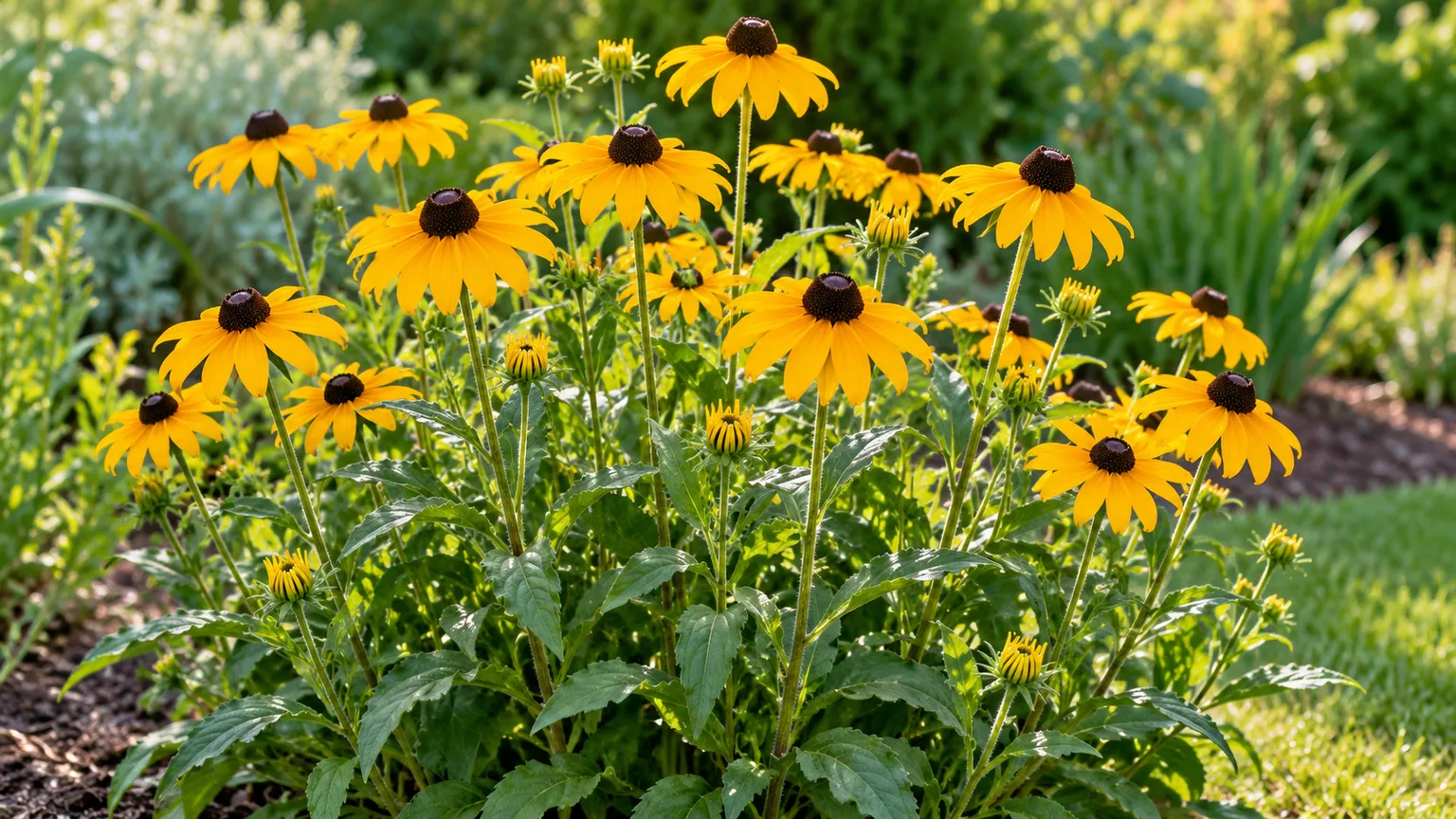
If you want a perennial that can remain in the bed, choose a fall-blooming plant that is hardy where you live rather than substituting one tender annual for another. Helenium adds yellow, orange, and red flowers through summer and fall; asters give a softer daisy-like look and can extend color later. Both still need the right sun, drainage, and regional cultivar, but neither requires digging and storing tubers each year in climates where the plant is hardy.
Celosia can provide a similar plume or saturated color in a container, but treat it as a seasonal accent, not a frost-proof dahlia replacement. Gardeners’ Path describes it as an annual in most regions that can bloom into the first frost, so it brings a long display without solving the same winter limitation. Better Homes & Gardens highlights helenium as a summer-to-fall bloomer, while the RHS dahlia guide is useful for deciding whether the dahlia’s winter work is worth keeping in your own climate.
3. Ornamental Peppers: Color With a Watering and Cold-Weather Deadline
Ornamental peppers often look as if they were designed for fall: compact plants carry glossy fruit in bright red, orange, yellow, or purple. The issue is not that they are automatically high-maintenance. It is that many are sold in containers, where a small volume of potting mix can dry quickly, and peppers are less cold tolerant than many other fall-container choices. If the porch faces afternoon sun or the pot is exposed to wind, a watering routine that worked in summer may stop being enough.
They are a good fit when you want a temporary accent and can move or protect the container during cold snaps. They are a poor anchor plant when you want a display that can coast through colder nights without attention. Better Homes & Gardens notes that ornamental peppers can be covered to extend their season when temperatures dip, but the protection only buys time; it does not turn a tender plant into a hardy perennial.
Better Swap: Rudbeckia or Ornamental Kale
For warm flower color in a sunny bed, look at Rudbeckia suited to your region. For a container, combine one flowering plant with a foliage plant so the display still has structure when blooms fade. Ornamental kale is useful for its leaves, while pansies or another locally cold-tolerant annual can supply flower color; check expected temperatures and cultivar labels instead of assuming any plant called a “fall flower” will survive a hard freeze.
4. Montauk Daisies: Late Flowers, Bare Legs
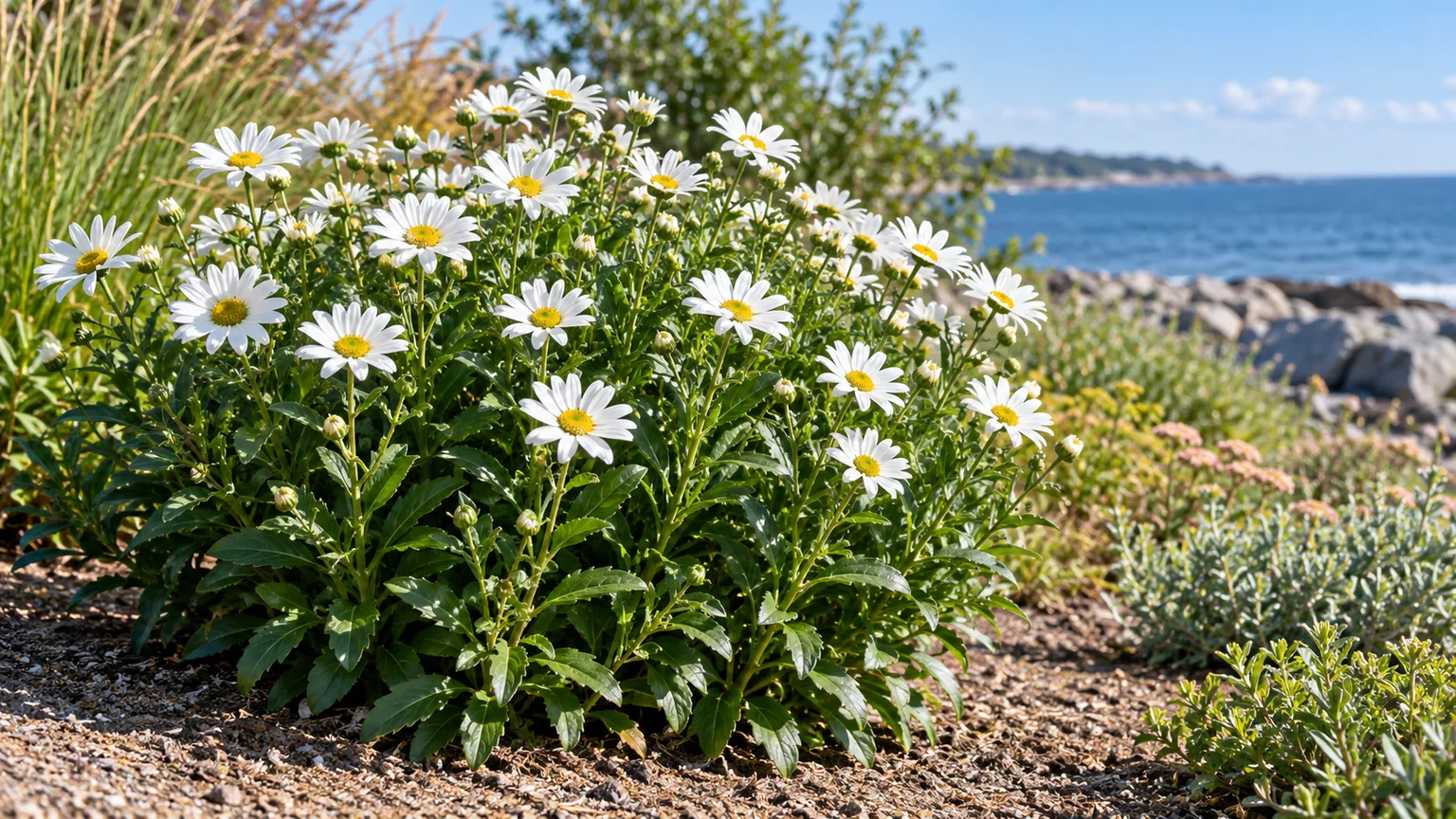
Montauk daisy, also called Nippon daisy, can be a strong plant in the right spot. The problem is timing and shape: it blooms late, and the lower leaves often disappear as the season progresses, leaving bare stems below the white flowers. If you want a compact mound that stays leafy from the soil line to the flower, the late-season bloom may not compensate for the untidy base.
That drawback is not the same as saying the plant is invasive everywhere. NC State Extension’s profile identifies it as a perennial native to coastal Japan and notes its use as an ornamental, its drought tolerance, and its tendency to lose lower leaves. The profile recommends smaller perennials in front to cover the stems and dividing clumps every two to three years to maintain vigor. For a coastal garden or cut-flower border, those traits may be advantages rather than reasons to skip it.
Better Swap: Compact Asters and a Fuller Front Edge
If you want late color without a gap at the base, layer plants by height. Put an aster or another locally suited fall perennial behind a low mounding plant, sedge, or evergreen groundcover, and let the front layer hide the lower stems of taller bloomers. Aster cultivars vary widely, so use the mature dimensions on the label and avoid placing a vigorous tall type where it will shade smaller neighbors.
For a simpler replacement, choose a compact aster cultivar and give it enough room to form a natural clump. New England aster’s native range and late-season value make it a useful starting point in eastern North America, but the best species changes by region. A nearby native plant society or extension office can point you toward a local species rather than a mail-order plant that is merely called “native.”
5. Burning Bush: Beautiful Foliage, Poor Long-Term Trade
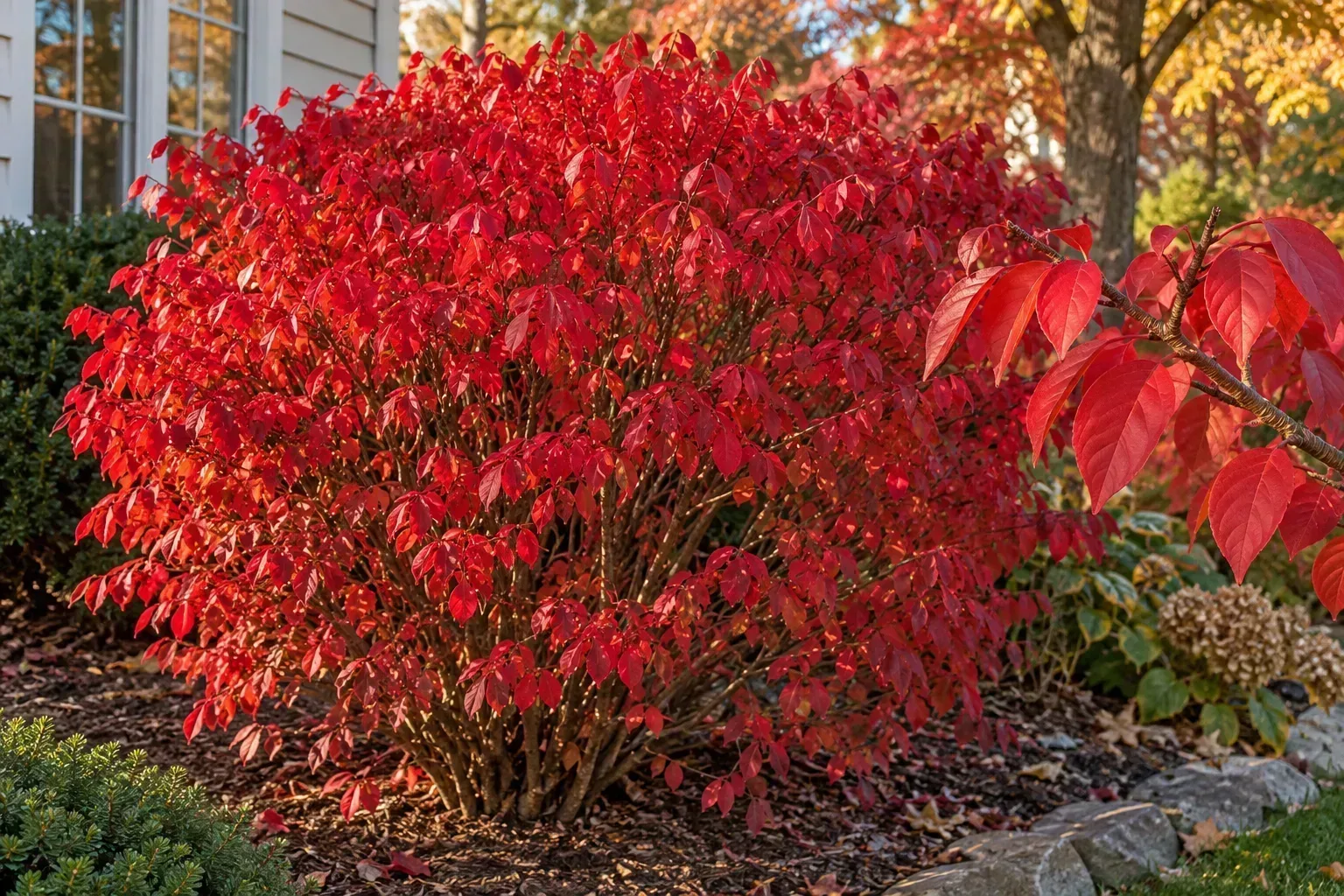
Burning bush is a shrub grown for its vivid red fall leaves, not for showy flowers. Its color is striking, which explains why it appears in foundation beds and older landscapes, but the shrub can escape cultivation through seed dispersed by birds. The risk is regional, not a reason to label every fall shrub invasive; local lists and rules determine whether it belongs in your garden.
In Pennsylvania, Penn State Extension identifies burning bush as a noxious weed and says it is illegal to purchase, intentionally plant, or propagate it in the state. Penn State also describes its ability to establish in shaded natural areas and its fruit as a dispersal route. If you already own one, check current local guidance before removal or disposal, because rules and recommended control methods vary. Elsewhere, consult your state invasive-plant list before buying.
Better Swap: Regionally Native Shrubs
Choose a native shrub that gives you the job you wanted from burning bush: red fall foliage, berries, flowers, structure, or some combination. Penn State lists native viburnums, shrubby dogwoods, and red chokeberry among options for fall color and wildlife value in its region. Those are not universal substitutes for every yard; mature size, soil moisture, light, and native range still matter.
Do not replace one shrub with a different plant just because a tag says “native.” Confirm that it is native to your region and fits the site, then check the expected width so it does not need repeated hard pruning. If wildlife value matters, look for multiple seasons of interest—spring flowers, late-season fruit, and shelter—rather than judging a shrub only by its October leaf color.
6. Sedum: The Problem Is Often the Wrong Sedum
“Sedum” covers plants with very different shapes and jobs. Upright stonecrops such as the familiar fall-blooming forms create a sturdy clump with flower heads that can remain after the flowers fade; creeping types make low mats and may spread beyond the original planting. A gardener who dislikes stiff stems or muted flower clusters may find an upright cultivar dull, while someone who wants a drought-tolerant border plant may value exactly that structure.
It is also too broad to call every sedum invasive or aggressive. Check the botanical name, mature spread, and whether the plant is native or naturalized in your region; leaf fragments or stems that root can be a concern for some spreading groundcovers, but growth habit varies. Better Homes & Gardens notes that sedums store moisture in their leaves and that some retain dried flowerheads through winter, which explains why they work well in low-water fall containers.
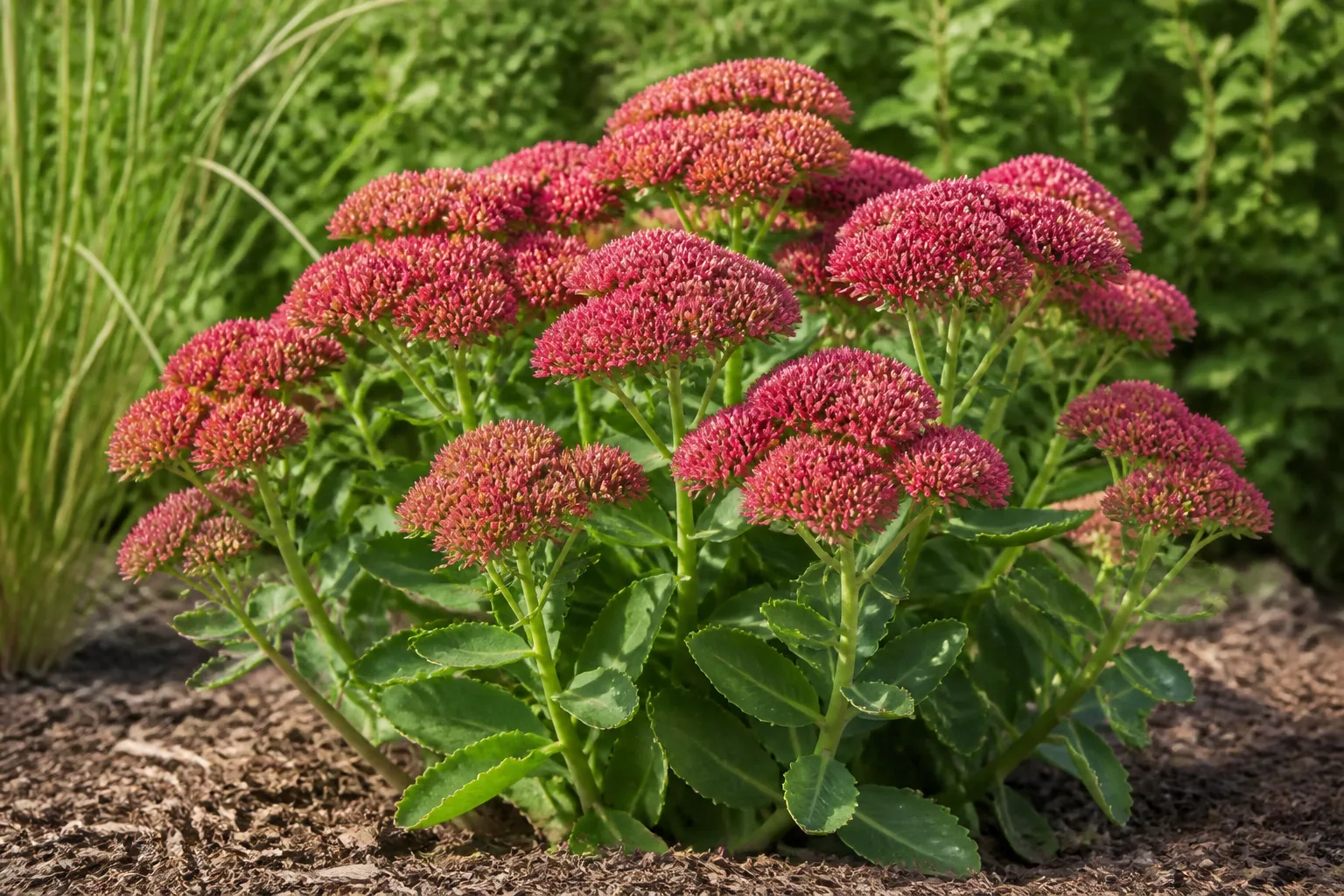
Better Swap: Choose a Site-Fit Stonecrop or a Different Fall Texture
Keep sedum if you want a low-water plant with winter structure, but choose a clumping cultivar for a small bed and give spreading groundcovers a contained edge. If the design feels too rigid, mix flower shapes and movement: place an aster beside a grass or a rounded shrub, rather than asking one sedum to supply every kind of interest.
The horticulture team at Epic Gardening includes asters and sedums among practical mum alternatives, but their needs differ. Asters generally want more consistent moisture than a drought-adapted stonecrop, while sedum needs sharp drainage. That contrast is useful: a mixed container can look varied, but plants that require opposite moisture conditions may be happier in separate pots.
7. Ornamental Kale: Great Foliage, Not Dinner
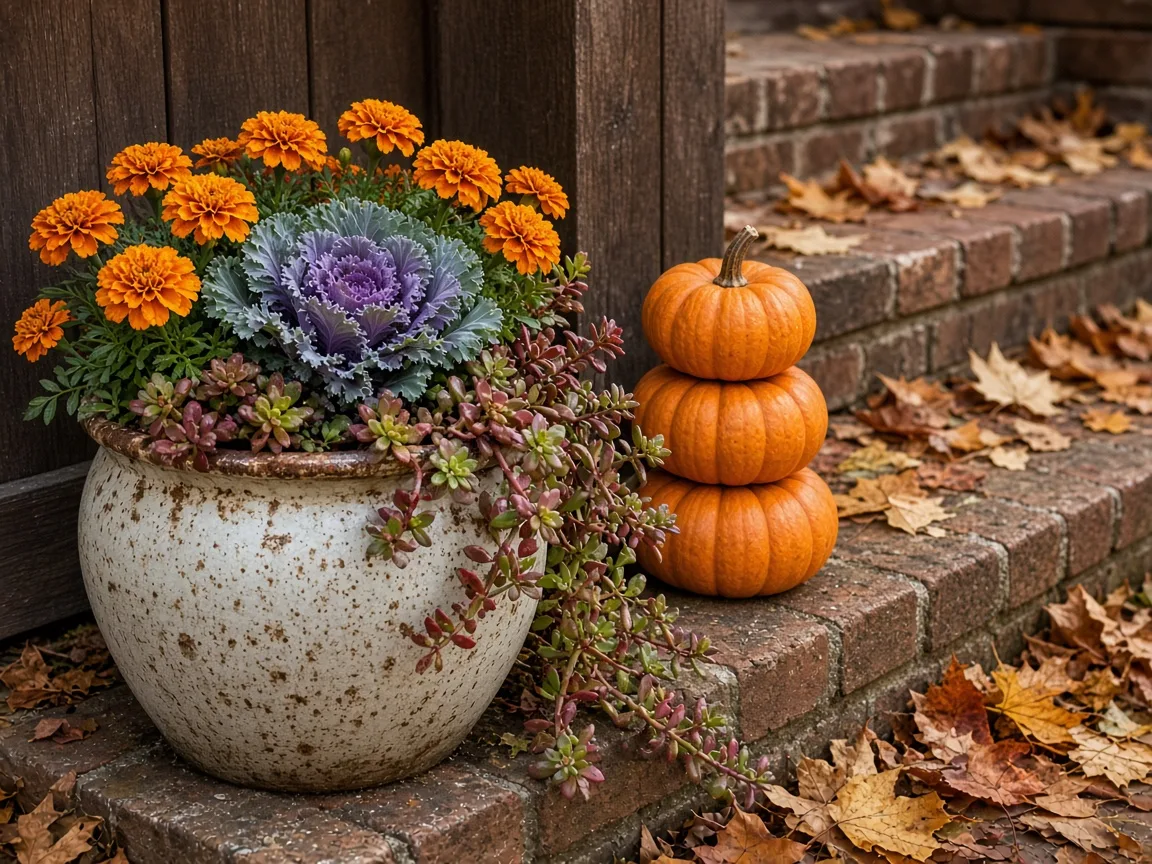
Ornamental kale is often called a fall flower, although its color comes from a rosette of leaves rather than flower petals. That makes it a useful choice when you want a cool-season container with purple, white, or green foliage, but a poor replacement if you want cut stems, nectar-rich blooms, or the look of a cottage-garden flower bed. It is also a design plant, not a shortcut to a productive kale harvest.
The leaves are technically edible, but ornamental varieties are selected for appearance and can be tougher or more bitter than culinary types. Better Homes & Gardens makes the same distinction between ornamental brassicas and vegetables grown for taste. If you want to eat the crop, choose a culinary kale variety from a food-garden source; use ornamental kale for the visual role it performs well.
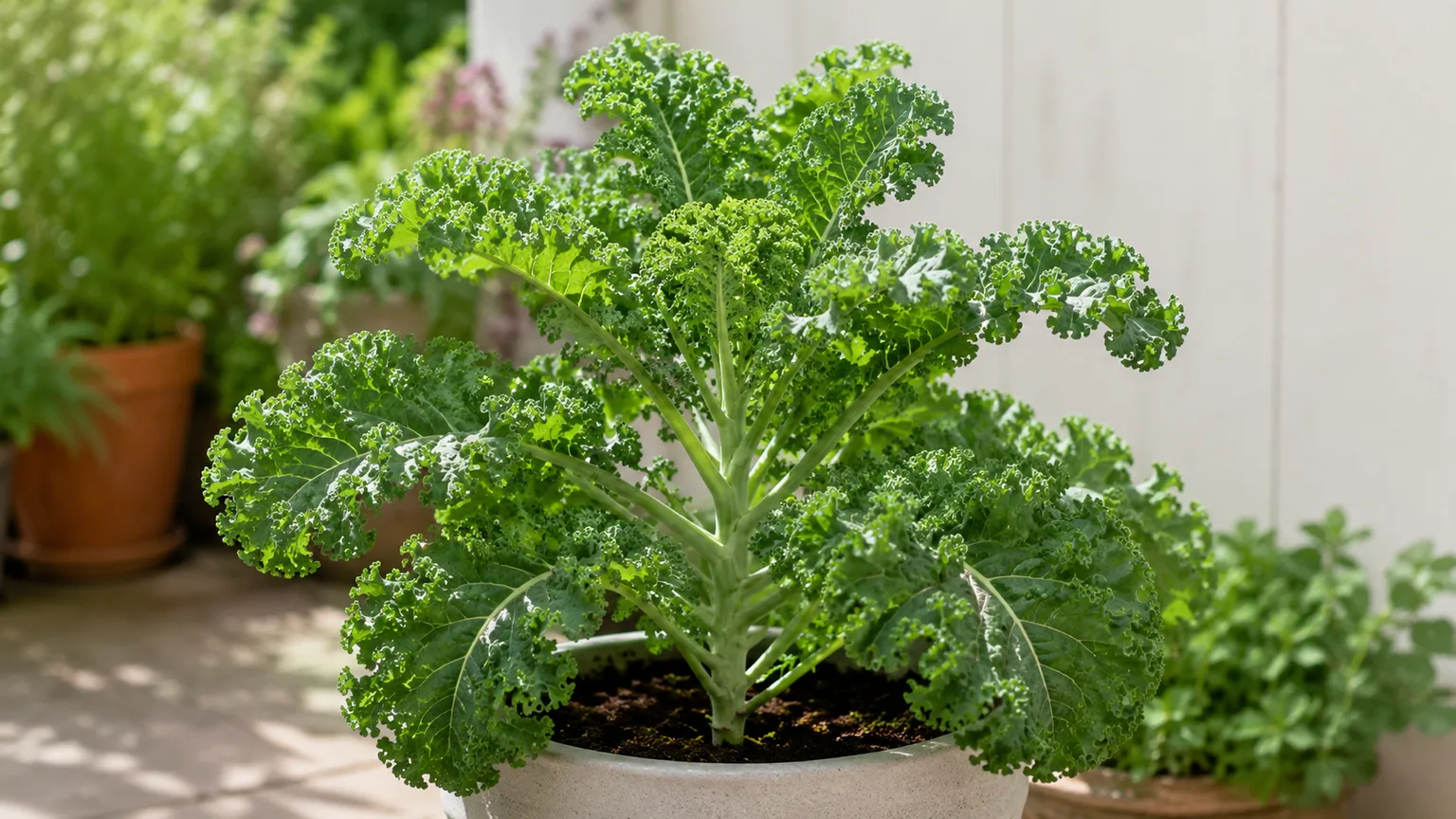
Better Swap: Pair Decorative Brassicas With Food-Garden Kale
There is no need to choose between decoration and food. Plant ornamental kale in a front-door container for its foliage, then grow a culinary variety in a raised bed or edible container where you can harvest leaves. If you want actual flowers in the decorative pot, combine brassicas with pansies, calendula, or another annual that can handle your local autumn nights.
This division also prevents a common disappointment: a plant can be attractive and edible in a broad botanical sense without being the best cultivar for dinner. For food, start with a variety bred and sold for eating; for a color block, choose ornamental brassicas and treat them as seasonal foliage.
Choose the Right Fall Plant for the Job
A quick way to avoid another regretted purchase is to shop by function, then check the plant label and your weather. The options below are starting points, not guarantees: a warm porch, a windy balcony, and a damp shaded bed create different growing conditions even within the same town.
| Your priority | Start with | Check before buying |
|---|---|---|
| A porch display for a few weeks | Mums, ornamental kale, pansies, or mixed containers | Night temperatures, container drainage, and watering frequency |
| Flowers that return | Hardy mums, asters, helenium, or another local perennial | Named cultivar, hardiness, mature size, and spring planting time |
| Color for pollinators | Regionally native asters and other late-blooming natives | Native range, bloom timing, and light requirements |
| Fall foliage from a shrub | Native viburnum, dogwood, chokeberry, or local alternatives | State invasive lists, mature width, fruit, and wildlife fit |
| Bold warm color before frost | Dahlia, celosia, peppers, or annual flowers | How soon frost arrives and whether you can protect or store the plant |
| Low-water structure | A clumping stonecrop or a locally adapted grass | Soil drainage, spread, and winter appearance |
Read the full plant label, not only the shelf card. Check the botanical name, cultivar, mature size, and whether the plant is intended for a container or a landscape bed; “hardy” is not a promise that a small pot will protect roots through winter. If you are choosing a perennial for a bed, ask whether it reliably overwinters in your area and plant it early enough to settle in. For an instant display, a plant already in full flower may be beautiful but has less bloom time left.
Better Homes & Gardens and Epic Gardening both emphasize that fall containers can use alternatives to mums, including sedum, ornamental brassicas, and other seasonal plants. The practical difference is not simply which one is “better”; it is what you need the container to do. If you want a cool-weather display, choose plants that tolerate cool nights. If you want actual flowers until frost, choose a species with a long bloom period and enough sun.
Keep Fall Color Going After the First Frost
Do not ask one plant to carry the whole season. Build a sequence: reliable perennials and shrubs provide the garden’s framework, late-blooming natives carry flowers into autumn, and annual containers add quick color near the house. When one layer fades, foliage, berries, grasses, and seed heads can keep the scene from looking empty.
In spring, choose and plant the perennials you want to return, giving them time to root before winter. In late summer, use containers for short-term color, but keep tender plants away from the coldest exposed corners and check pots more often than garden beds. A large pot loses moisture more slowly than a small one, and saucers or blocked drainage can turn a “low-maintenance” plant into a root-rot problem.
Use your actual first-frost history, not the word “fall” on a nursery sign, to judge how much time remains. A plant bought already in full bloom may be near the end of its useful display; a smaller, earlier-planted perennial may provide less instant color but a better chance of returning. If you are uncertain about a species’ hardiness or invasive status, verify it with your state extension or plant list before planting.
Conclusion
The best fall flowers are the ones that fit your climate, the amount of care you can give, and the job you want them to do. Keep mums if you like them, but buy a named hardy type and plant it early if perennial return matters; keep dahlias if tuber storage is worthwhile; use ornamental kale or peppers as seasonal color only when their limits suit your site.
Rethink burning bush wherever local guidance flags it, and do not reject every aster, Montauk daisy, or sedum because of a broad label. Check species and cultivar, plan for frost, and choose alternatives by purpose—flowers, foliage, wildlife value, or reliable return—so autumn color is more than a short-lived impulse purchase.