5 Places You Should Never Plant Mums
Learn where not to plant mums, from deep shade and soggy soil to overhead sprinklers and exposed winter sites, plus the fixes that actually help.
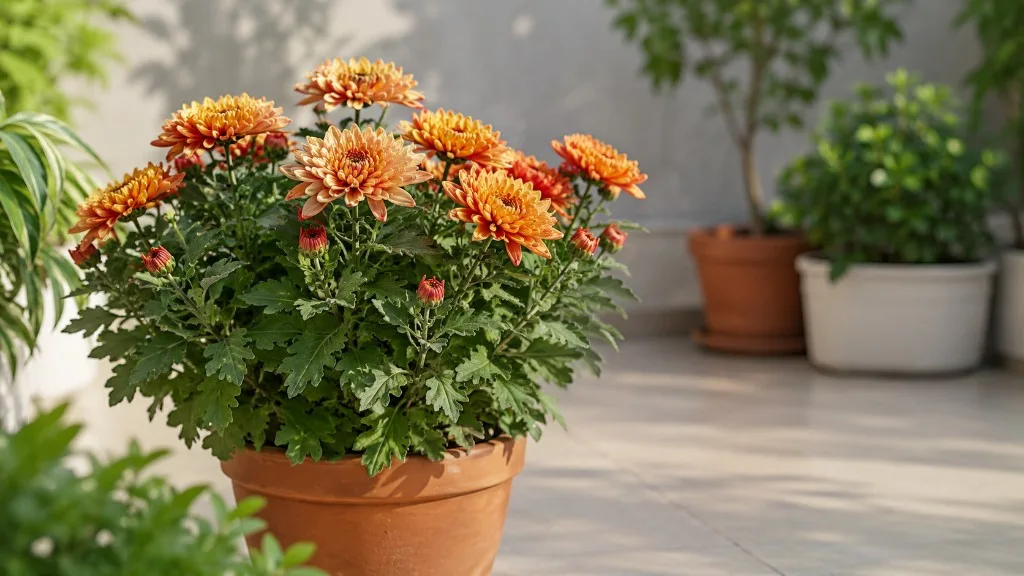
Mums are often treated as instant fall color, but the location you choose decides whether they stay compact and flower-covered or become a thin, wet, short-lived mound. Before you dig, ask five questions: How many hours of direct sun does the spot get? Does water drain away? Can air move through the plant? Will irrigation wet the leaves? Can this particular mum handle your winter?
The five places below are not absolute bans on every chrysanthemum cultivar in every climate. They are high-risk locations for the typical garden mum, especially a newly planted fall purchase. A florist mum can fail in a perfect bed because it was bred for a short greenhouse display, while a hardy garden mum can perform beautifully in an imperfect site after you improve drainage or redirect a sprinkler.
Why the planting site matters more than the flower color
Garden mums want a reliable combination: bright light, soil that holds moisture without staying saturated, and enough room for foliage to dry. NC State Extension describes garden mums as plants for organic soil and full sun, with some shade tolerance in southern conditions; the RHS growing guide likewise recommends a warm, sheltered, sunny location and fertile, well-drained soil. Those details matter more than whether the blooms are bronze, lavender, red, or white.
There is also a naming trap. A hardy garden mum is selected for outdoor performance and can return in suitable conditions, while a florist mum is usually greenhouse-grown for a dense, perfectly timed display. They may look identical at the store, but a florist mum is a poor candidate for a permanent bed in a cold climate. Decide whether you are buying a seasonal decoration or a perennial before you judge the site.
1. Deep shade where the foliage gets light but the flowers do not
Do not plant mums beneath a dense tree canopy, on the north side of a tall wall, or in a narrow bed that receives only reflected daylight. Mums may stay green there, which can fool you into thinking the location is acceptable, but they usually produce fewer flowers, stretch toward the light, and remain damp longer after dew or rain.
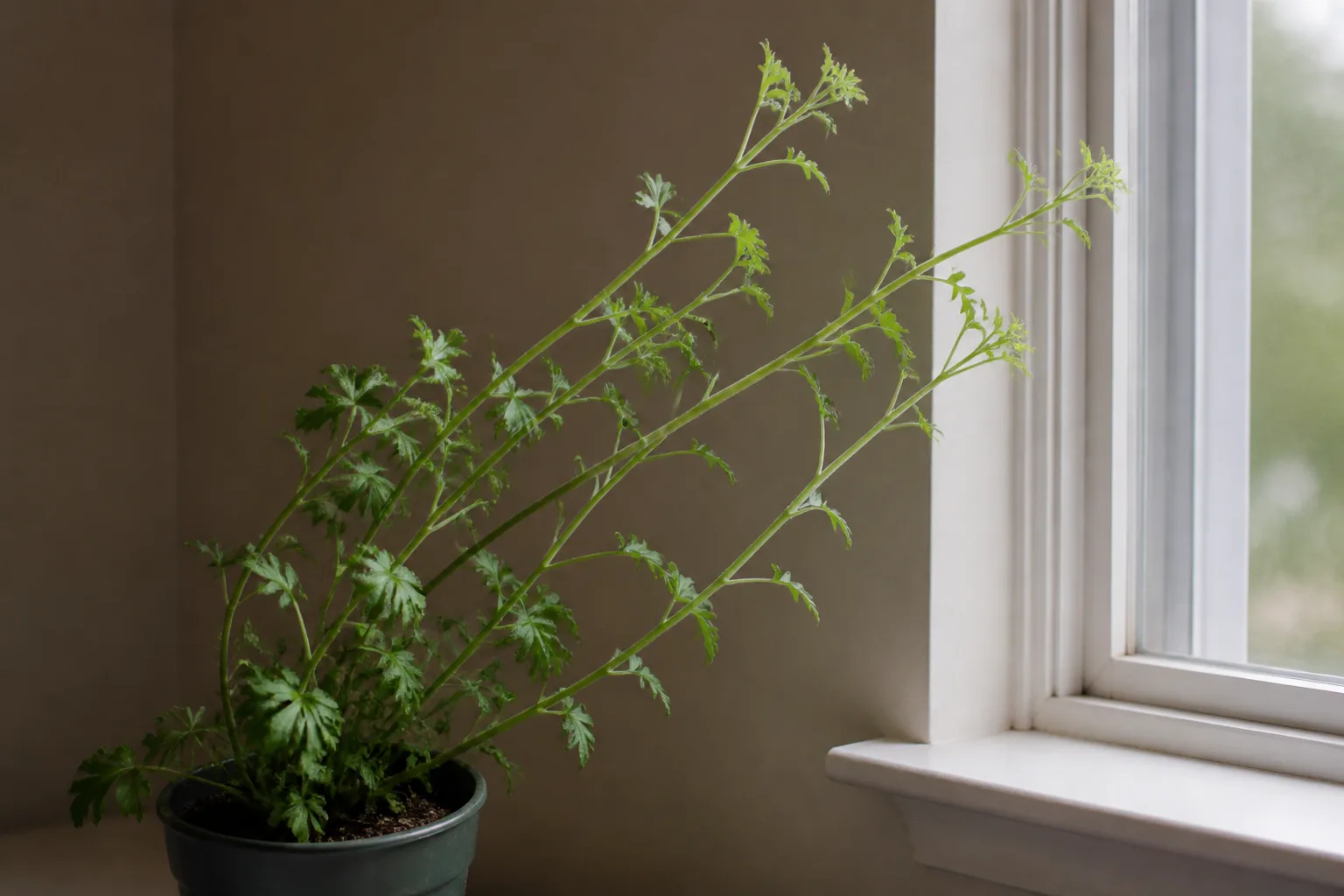
Six hours of direct light is a useful working target for a flowering garden mum. Morning sun is especially valuable because it dries dew early, while several hours of afternoon sun can support flowering in cooler climates. In very hot regions, a site with strong morning sun and some protection from the harshest late-afternoon heat may be a sensible compromise; that is different from deep shade.
How to measure usable sun before planting
Do not estimate from a single visit at noon. Check the site at 8 a.m., 10 a.m., noon, 2 p.m., and 4 p.m. on a clear day, then repeat once as the season changes if a building or tree may cast a longer shadow later. Count direct light on the future crown, not just light reaching the top of a nearby shrub.
The first symptom of insufficient light is usually not immediate death. It is a plant that leans, has long gaps between leaf pairs, and develops a few flowers on the outside of the mound instead of a dense, even display. Move a container to a brighter position as soon as you notice this; an established in-ground plant is better moved during mild weather before it has set a heavy crop of buds.
If the only available space is shade, choose a plant that naturally accepts it rather than forcing mums to perform like sun plants. A little shade can be workable in a southern garden when the rest of the site is airy and the plant receives bright morning light, but “can tolerate shade” should not be read as “will bloom heavily in shade.”
2. Soggy low spots where water sits after rain
Skip the bottom of a slope, the edge of a downspout, and any bed where puddles remain hours after a storm. Mums need regular moisture while they establish, but their roots also need oxygen. When soil pores stay filled with water, roots cannot exchange gases normally, and the crown becomes vulnerable to rot.
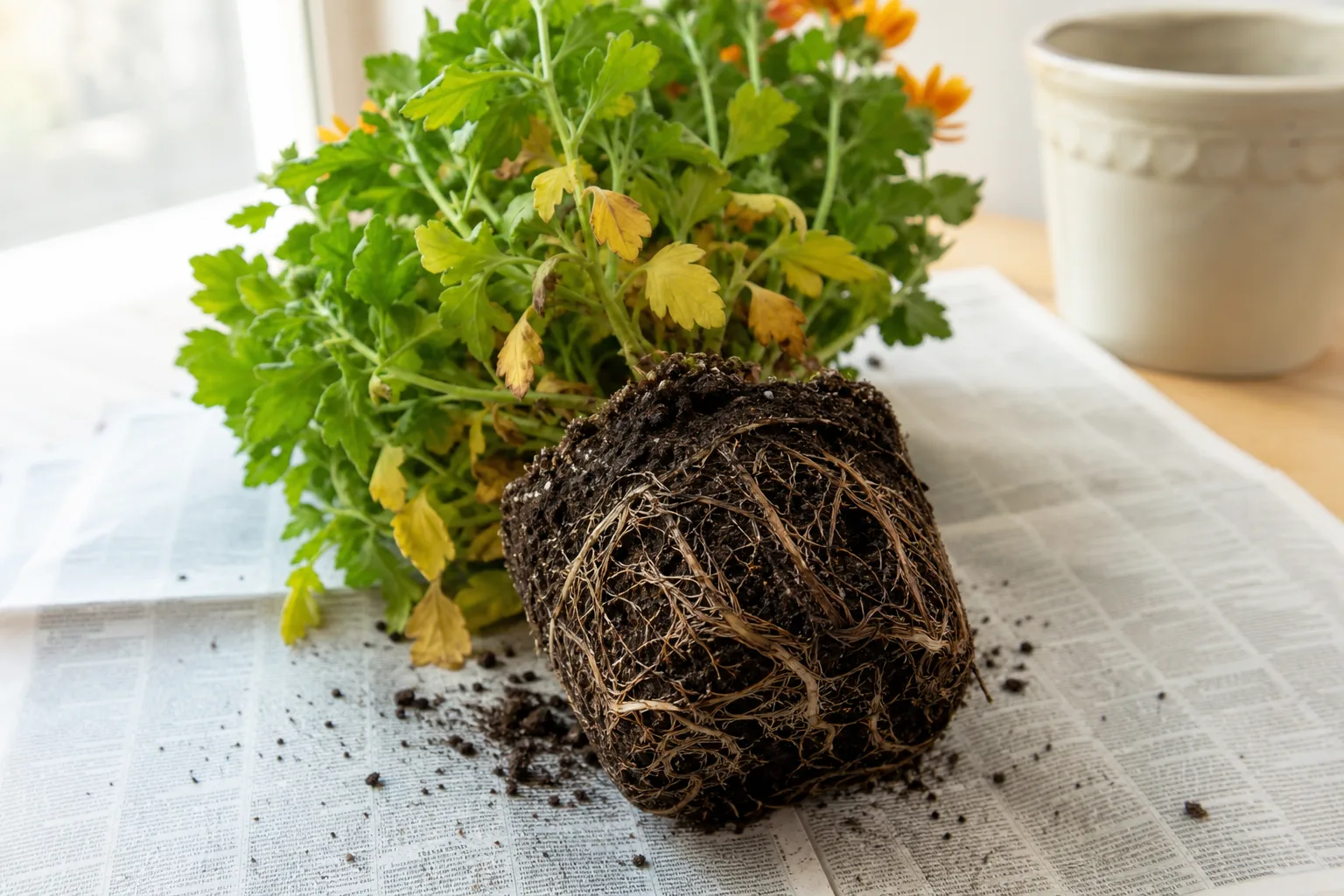
The danger is not only a visible puddle. A planting hole can become a buried bowl that holds water around the root ball even when the surface looks dry. Planting a mum too deeply makes the same problem worse because the crown sits in a damp, poorly ventilated pocket.
The simple drainage test
Dig a hole about 12 inches deep and wide, fill it with water, and let it drain once. Fill it again and watch the second filling. If the water is still standing after several hours, the spot is a poor choice for a mum unless you can change the grade or build a raised bed. Test after a normal watering or rainfall pattern, not only during an unusually dry spell.
Raised planting can help when the surrounding yard drains slowly. Build a broad mound or raised bed rather than placing a small cap of compost in one hole; roots will eventually spread beyond that pocket and meet the same saturated soil. A shallow swale, redirected downspout, or properly designed drainage solution may be needed if runoff is the underlying cause.
Containers solve the problem only when the container itself drains. Use a pot with an open drainage hole and a free-draining mix, and never leave the nursery pot standing in a saucer of water. A saucer can protect a patio, but empty it after watering so the roots are not sitting in a reservoir.
3. Compacted heavy clay or construction fill
Heavy clay is not automatically unusable. Clay can hold nutrients and moisture, but a compacted clay bed or construction fill can be too dense for a mum’s shallow roots. If a shovel barely enters the ground, water beads on the surface, or the soil dries into brick-like clods and then stays wet inside, the issue is structure rather than a missing fertilizer.
A good test is to handle soil when it is moist, not saturated. Squeeze a handful: if it forms a smooth ribbon that stays slick and hard, or if you can roll it into a long, sticky coil without it breaking, you are dealing with high clay content. That test does not replace a laboratory soil test, but it tells you whether a quick planting hole is likely to seal around the root ball.
When to improve the soil and when to move the plant
For a small bed, loosen a wide area with a garden fork, remove rubble, and blend finished compost through the root zone rather than dumping a thin layer into the hole. Organic matter can improve aggregation over time, but it is not an instant cure for a compacted subsoil or a bed that receives roof runoff. Do not add a pocket of loose potting soil surrounded by hard clay; the pocket can collect water like a bathtub.
If you cannot dig a broad area or the site is consistently waterlogged, use a raised bed or choose a different location. RHS guidance places chrysanthemums in borders and containers, which gives you flexibility: a well-drained container is often a better mum site than a “sunny” bed with dense fill.
Set the crown level with the surrounding soil when you plant. The crown is the point where stems meet roots; burying it to keep the plant upright can trap moisture against the base. Water the root zone thoroughly once after planting, then let the top layer begin to dry before watering again rather than following a fixed daily schedule.
4. Beneath overhead irrigation or in a crowded, windless corner
Avoid a bed directly under a sprinkler head, a roof drip line, or a system that sprays the whole plant every morning and evening. Mums can handle rain, but repeated artificial wetting of dense foliage extends the time leaves stay damp and can increase disease pressure. The RHS chrysanthemum guide lists powdery mildew, gray mold, and fungal rots among chrysanthemum problems, particularly when growing conditions are not ideal.
The worst version combines overhead water with crowding: a mum pressed between a wall and shrubs, planted shoulder-to-shoulder, or hidden under a dense hedge. Leaves dry slowly, inspection becomes difficult, and the center of the plant can stay humid even on a warm day. This is a site-design problem, not evidence that the plant needs more spray or more fertilizer.
Why wet leaves and poor airflow compound each other
Water mums at the soil line with a watering can, soaker hose, or drip line. Direct the flow toward the root zone and avoid blasting flowers or foliage. If the only irrigation available is a sprinkler, move the plant outside the spray pattern or adjust the head so the bed is watered without soaking the leaves.
Space plants according to mature width, not the size of the fall display. Twelve to 18 inches is a common starting range for smaller garden mums, while vigorous cultivars may need closer to 24 inches. Epic Gardening recommends 18 to 24 inches for airflow around the crown and stems; the RHS guide gives a 12-to-18-inch range for many hardy garden types.
Good airflow does not mean putting a mum in a wind tunnel. A sheltered, open bed with room between plants is better than a sealed corner. If a wall is the warmest available location, leave a gap for air movement and confirm that the wall is not also reflecting excessive heat onto a small container.
5. A winter-exposed or climate-mismatched site
The fifth bad place is any spot where you expect an unverified fall-bought mum to return through winter without considering its type, timing, and exposure. That includes an elevated pot exposed to freezing wind, an open frost pocket at the bottom of a hill, and a cold garden bed where a florist mum is planted weeks before the ground freezes.

Hardiness zones are a planning tool, not a guarantee. The USDA Plant Hardiness Zone Map helps you compare the typical lowest winter temperatures in an area, but a plant can experience colder conditions in a wind-exposed microclimate, and the label on a generic fall pot may not identify a truly hardy cultivar. NC State notes that some mums do not reliably return, especially in the Southeast, while RHS advises that even hardy chrysanthemums may benefit from frost protection.
Hardiness is about the cultivar, timing, and microclimate
If long-term survival matters, buy a labeled garden mum from a nursery and ask which cultivars are proven locally. Farmers’ Almanac also recommends looking for a basal rosette, healthy foliage, and locally raised stock when overwintering is the goal. A plant sold as a seasonal indoor or grocery display should be treated more cautiously; the presence of buds or flowers tells you about timing, not winter genetics.
Planting time is just as important. A hardy mum planted in spring has the growing season to build roots before winter. A fall planting can work when the plant is truly hardy and you still have roughly six to eight weeks before the ground freezes hard, but a late-October purchase in a cold region may spend its remaining energy flowering rather than rooting.
In cold zones, leave the old stems in place after flowering, water the root zone until the ground begins to freeze, and mulch after the first hard frost without burying the crown. In an exposed site, a sheltered bed or a cool garage for a container may be more realistic than trying to protect a florist mum in the open. In hot regions, the issue may be weak winter dormancy or harsh reflected heat rather than extreme cold; morning sun, afternoon protection, and a locally adapted cultivar can improve the odds.
Where to plant mums instead
The best location is usually an open bed or container with at least six hours of direct light, fertile soil that drains after watering, and enough space for the plant’s mature width. The RHS growing guide lists warm, sheltered locations and containers among suitable choices. A position near—but not pressed against—the house can work well if roof runoff is directed away and the wall does not create punishing reflected heat.
For a one-season porch display, a stable container on a bright patio is often the honest choice. For a perennial border, select a hardy garden mum early enough to establish, plant it at the nursery soil line, and give it the same drainage and airflow you would give any long-lived perennial.
The 60-second site audit
Before you plant, run this short check:
- Light: Does the crown receive six or more hours of direct sun, or at least strong morning sun plus bright afternoon light in a hot climate?
- Rain: After a storm, does water move away rather than sit around the future planting hole?
- Soil: Can you dig 12 inches without hitting compacted fill, rubble, or a hardpan layer?
- Air: Is there room around the plant for the foliage to dry and for you to inspect the center?
- Irrigation: Can you water the soil without repeatedly spraying the flowers and leaves?
- Winter: Is the plant a labeled hardy garden mum, and is there enough season left for its roots to establish?
If a site fails one test, fix that specific condition. If it fails three, choose another site or another plant. This prevents the common mistake of trying to compensate for deep shade with fertilizer or for waterlogging with more frequent watering.
How to plant mums after choosing the site
Start with the root ball, not the flowers. Remove decorative foil or a solid cachepot that blocks drainage, water the plant if the root ball is dry, and gently loosen circling roots. If the plant is already packed with open blooms, disturb it only as much as necessary; a fall transplant has less time to recover than a spring planting.
In-ground planting sequence
Dig a hole about twice as wide as the root ball and no deeper than its height. Set the mum so the top of the root ball and the crown sit level with the surrounding soil, then backfill with the soil you removed, amended across the wider bed if structure needs improvement.

Water slowly at the base until the surrounding soil is evenly moist, then apply a light organic mulch layer. Keep mulch away from the stems and crown so it does not create a permanently wet collar. Water again when the root zone begins to dry, with frequency adjusted for heat, rainfall, soil, and container size.
Do not fertilize heavily just before winter. A spring-planted mum can be fed during active growth according to the product label, and pinching young stems through early summer can create a bushier fall plant. Stop pinching early enough for the cultivar to set flower buds; a fall-bought plant has usually already been shaped by the grower.
Container and raised-bed alternatives
Use a container with a drainage hole, a quality potting mix, and enough room that the root ball is not compressed against every side. A slightly larger pot is safer than a huge decorative planter that stays wet for days. Raise the container on pot feet or bricks if the drainage hole can become blocked by a patio surface.
Raised beds are particularly useful where native soil is heavy or the yard stays wet. Build enough depth and width for roots to remain in the improved soil, and solve the water source—such as a downspout or slope—rather than assuming extra compost alone will overcome it.
If your mum is already in the wrong place
A struggling mum is not automatically beyond saving. First decide whether the problem is a site mismatch or a watering mistake. A plant with green leaves but few flowers may need more light; a plant that wilts while its soil is wet may have damaged roots rather than thirst; brown flowers after a cold snap may be seasonal damage rather than a failure of the whole plant.
Match the symptom to the first correction
Move a container from deep shade to bright light gradually if it has been indoors or in a protected corner, and monitor moisture because brighter light increases water use. For an in-ground plant, transplant during mild weather when it is not in full bloom, keeping the root ball intact and resetting the crown at the same depth.
If water sits around the plant, stop automatic watering and inspect the root zone. Improve the grade, move the plant to a raised position, or replace it in a container with drainage; simply adding more water-soluble feed will not restore oxygen to saturated roots. Remove visibly collapsed material with clean pruners, but do not keep a severely rotted plant in the same wet hole while hoping it rebounds.
If leaves stay wet, redirect irrigation and thin only enough surrounding growth to create a little air movement. Avoid aggressive pruning during a heat wave or right before a freeze. When cold is the issue, protect a hardy plant with mulch and shelter, but do not label an unverified florist mum as perennial just because it survives one light frost.
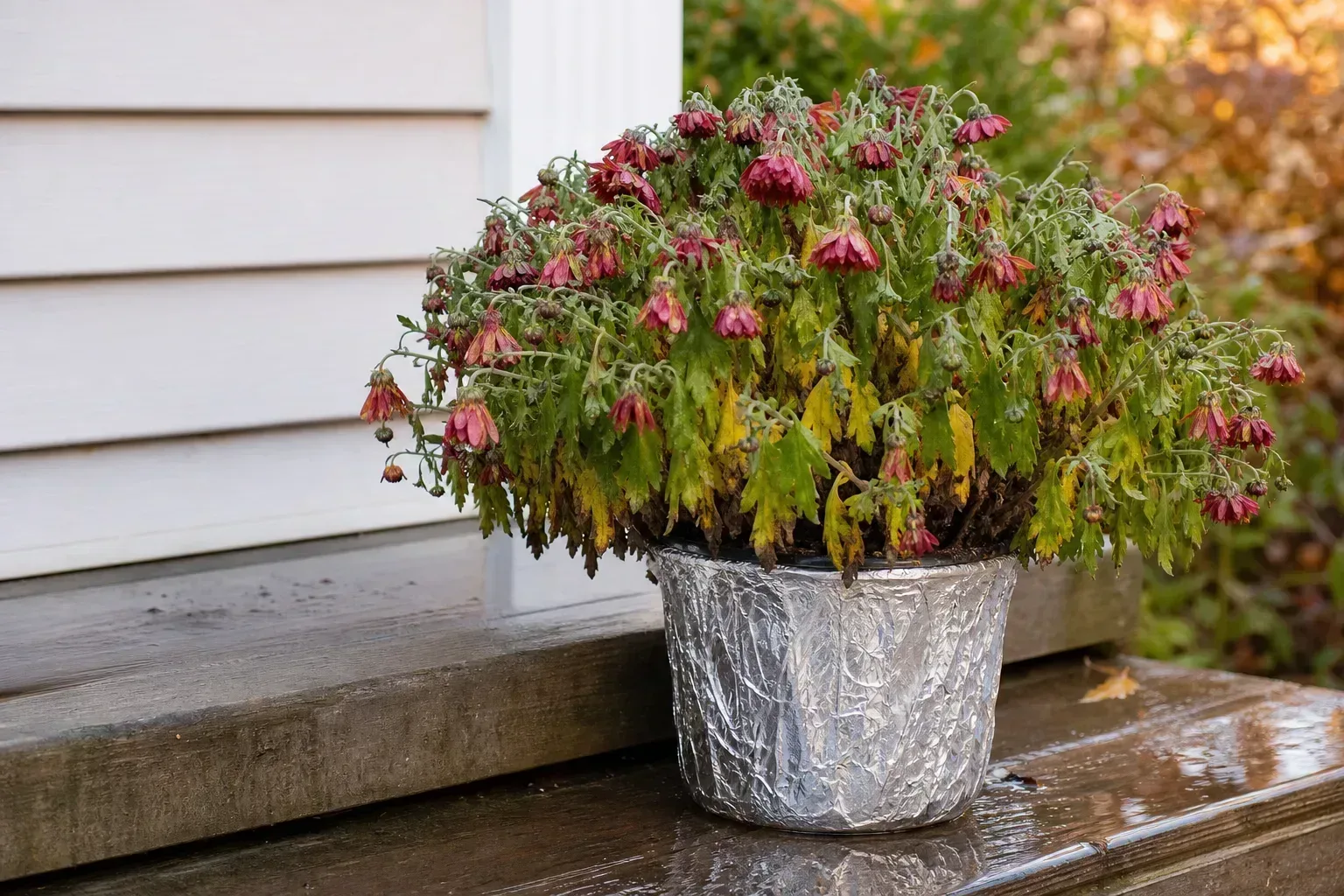
The goal is not to create a perfect site from scratch. It is to remove the biggest limiting factor first: light, drainage, wet foliage, crowding, or winter exposure. Mums are forgiving when one variable is slightly off; they become unreliable when several bad conditions overlap.
Conclusion
The worst places for mums are deep shade, standing-water pockets, compacted clay or construction fill, sprinkler-soaked and crowded corners, and exposed sites that do not match the cultivar or season. Each problem has a recognizable mechanism: too little light reduces flowering, saturated soil starves roots of oxygen, dense soil restricts rooting, wet foliage and still air encourage disease, and winter failure follows from the wrong plant, the wrong timing, or the wrong microclimate.
Choose a site with six or more hours of usable sun, free drainage, base-level watering, and room for air to move. Then match the effort to your goal: a well-drained container is perfect for temporary fall color, while a labeled hardy garden mum planted early in a suitable bed has a fair chance to return. That small site audit is more valuable than buying by bloom color alone.



