How to Grow and Care for Pussy Willow
Learn how to grow and care for pussy willow: choose the right species and site, plant it safely, prune for catkins, root cuttings, and solve common problems.
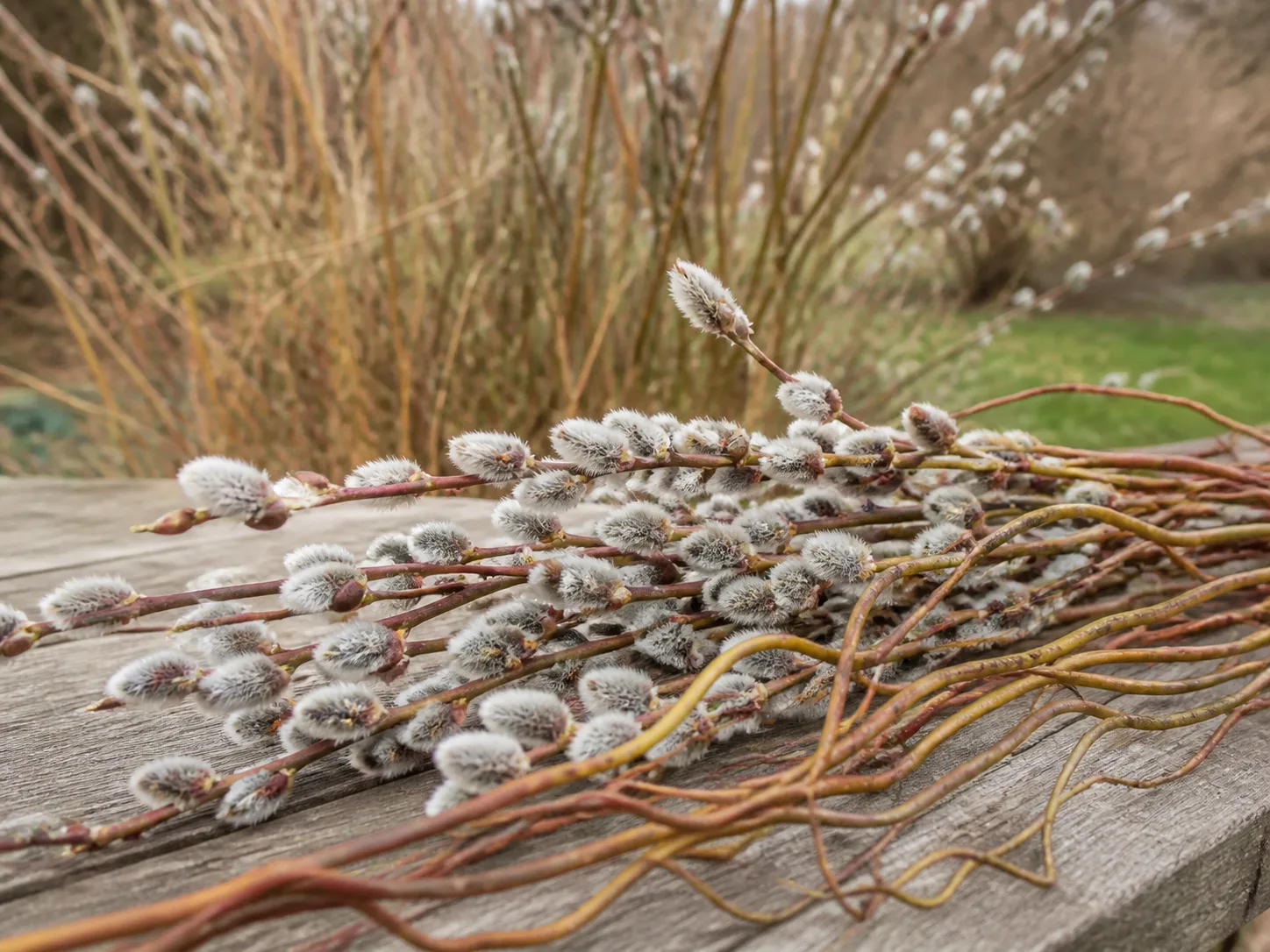
Pussy willow is less a “plant it anywhere and forget it” shrub than a specialist for the right damp corner. Give it sun, reliable moisture, and room for fast, shallow roots, and it can produce the silvery catkins that announce spring before most trees leaf out. Put it in a narrow foundation bed, beside a drain field, or in soil that dries hard every summer, and its easy reputation disappears quickly.
The common name covers several Salix species. In North America, the plant most often meant is American pussy willow (Salix discolor), a deciduous, multi-stemmed shrub or small tree native to wet meadows, lake edges, swamps, and stream margins. Goat willow (Salix caprea) is a different Eurasian species that is also sold as pussy willow. The botanical name on the label is not a minor detail: it tells you what size, shape, local status, and catkin display to expect.
Start with the right pussy willow
Choose the plant by its mature job, not by a photograph of a few fuzzy branches. Salix discolor commonly forms a large shrub roughly 6 to 15 feet tall, though it can become a small tree approaching 30 feet in favorable conditions. Its fast growth, spreading root system, and brittle wood make it most comfortable in a naturalized yard, rain garden, pond margin, or open wildlife planting.
If your priority is the classic silver-gray catkins, ask for a male plant and confirm the species. A reputable nursery may label the sex, but many young willows are sold before their flowers make the distinction obvious. If you are buying in late winter or early spring, inspect plants in bloom: male catkins are typically the larger, silky, silver-gray display. A female plant is not defective—it produces smaller, greenish catkins and is the plant that can make seed—but it is a poor match if your main goal is cutting branches for decoration.
Other plants sold under the name deserve separate consideration. Salix caprea, or goat willow, usually has larger catkins and can grow as a shrub or small tree. Salix cinerea, gray willow, can become much larger and is considered invasive in some regions. The Missouri Botanical Garden Plant Finder and NC State Extension Plant Toolbox both emphasize that S. discolor is a moisture-loving, multi-stemmed plant with shallow, spreading roots and separate male and female plants. Verify local status before planting any non-native willow near a wetland.
Know what the catkins are telling you
Catkins are not petals or conventional flowers. They are dense spikes of tiny, unisexual flowers, and pussy willow is usually dioecious: male flowers and female flowers occur on separate plants. The showiest male catkins emerge on bare stems in late winter or early spring, then open further and release pollen. Female catkins are usually greener and less plush, later developing seed capsules with silky fluff.
That biology explains three common surprises. First, planting one willow does not let you choose the sex later; a rooted cutting is a genetic copy of the parent. Second, a willow that has plenty of leaves but no silvery catkins may simply be female, not hungry. Third, the best pruning time depends on whether you want to protect the next display, harvest this year’s branches, or renew the entire shrub.
For an ornamental planting, buy a named male plant whenever possible. For a wildlife planting, keeping both sexes can make sense if the site has room and local rules support the species. The Native Plant Trust’s Go Botany profile identifies the male catkins as the familiar velvety, silver feature while noting that the species is also valuable as food and habitat in wetland communities.
Choose the planting site before you buy
The best pussy willow site has full sun, consistent moisture, and open space. Aim for at least six hours of direct light for strong growth and abundant catkins. Partial shade is tolerated, particularly in a hot climate, but a deeply shaded plant usually grows more slowly and may flower less heavily.
Moist does not have to mean permanently submerged. A soil that stays evenly damp but still drains some air is a reliable target. A pond edge, wet meadow, rain garden, or low spot that receives runoff can work well. A raised, sandy bank that dries into concrete in July is a poor match even if you can water it occasionally. The Missouri Botanical Garden rates S. discolor for medium to wet, well-drained soil and notes that it tolerates somewhat drier soil than some willows but is intolerant of prolonged dryness.
Space is the decision most gardeners regret skipping. Pussy willow roots are shallow and rapidly spreading, and the canopy can widen as the plant matures. Keep it away from foundations, paving, septic drain fields, sewer lines, water lines, and small drainage structures. NC State Extension specifically warns that the root system may clog sewers or drains and make gardening beneath the plant difficult. Utility locating before digging is cheaper than trying to manage a mature willow in the wrong place.
Do not use pussy willow as a magic fix for an unstable bank or a drainage defect beside a building. Roots can help bind moist soil, but erosion control may also require grading, runoff management, or professional design. If your only available spot is a narrow foundation border, choose a more restrained shrub rather than hoping annual pruning will make a large willow’s roots behave.
Planting a nursery-grown pussy willow
A container-grown plant is the quickest way to establish a specimen, but planting technique still matters. Spring after severe frost or early fall are practical windows in many temperate climates. Avoid planting into frozen soil, during extreme heat, or immediately before a predictable hard drought.
- Locate utilities first. Mark underground lines and inspect the future root zone for septic infrastructure, drains, paving, and foundations. Move the planting site if the mature root system will conflict.
- Prepare a wide, shallow hole. Dig about twice the width of the root ball and no deeper than the container’s soil level. A hole that is too deep can leave the crown or root flare buried, reducing oxygen around the roots.
- Inspect and set the root ball. Slide the plant out without pulling on the stems. Loosen circling outer roots gently if the plant is root-bound, then set the top of the root ball level with, or just slightly above, the surrounding soil in a wet site.
- Backfill with the native soil. Work soil around the root ball and firm it lightly to remove large air gaps. Avoid creating a rich, soft pocket that holds water differently from the surrounding ground.
- Water and mulch. Soak the root zone slowly after planting, then apply about 2 to 3 inches of organic mulch over the surrounding soil. Leave a bare gap around the stems so mulch does not stay wet against the bark.
The first season is about root contact, not maximum top growth. Water deeply whenever the root ball begins to dry, paying closer attention in porous soil, hot weather, and exposed wind. Shallow daily sprinkling keeps the surface damp but can leave the original root ball dry underneath; check below the mulch before deciding.

Rooting pussy willow from cuttings
Willows are famous for rooting from stems, and S. discolor is listed by NC State Extension as a plant suited to stem-cutting propagation. This is useful for a living screen or a wetland-edge planting, but it is also a reason to be deliberate. Only use material from a plant you own or have permission to propagate, confirm the species is appropriate for your region, and never toss unwanted cuttings into a stream, ditch, or unmanaged wet ground.
Take a straight, healthy piece of new growth in early spring. A pencil-thick cutting about 12 inches long is a manageable starting size. Make the bottom cut cleanly, keep track of which end was down, and remove leaves from the portion that will be buried. You can root it in its final location or start it in a container where moisture and browsing are easier to monitor.
For direct planting, insert roughly 3 to 4 inches of the lower end into consistently damp ground and firm the soil around it. Water often enough to prevent drying for the first six weeks. The cutting should show new leaves once roots are forming, but leaves alone are not proof of a strong root system; resist moving it immediately after the first flush.
For a practical propagation comparison, Gardener’s Path’s pussy willow guide also recommends early-spring cuttings and distinguishes direct planting from the more closely monitored container method. That distinction matters in a home garden: a cutting in its final wet spot saves a transplant, while a potted cutting lets you catch drying, browsing, or temperature stress before the plant is committed.
For a container start, use a pot with drainage holes and a moisture-retentive but not stagnant medium. Keep the pot outdoors in a sheltered place with bright light but protection from severe wind and temperature swings. Check it daily. When new growth is steady and the cutting resists a gentle tug, harden it gradually to the final site, then plant it at the same depth it occupied in the pot.
Water rooting is possible and makes the process visible, but roots formed in water can be delicate when moved into soil. Change the water every few days, transplant after a useful root system develops, and keep the new soil evenly moist while the roots adapt. A male parent produces a male clone, so use a confirmed male plant if showy catkins are the reason you are propagating.
Light, moisture, and soil
Pussy willow care becomes simple when the site supplies what the plant evolved to use: light and water. The Missouri Botanical Garden’s profile recommends full sun to part shade and medium to wet, well-drained soil. “Well-drained” here does not mean dry; it means the root zone can shed excess water while retaining enough moisture for steady growth.
Watering by soil type
In heavy, moisture-retentive soil, check the surface and the upper root zone before watering. Rain may be enough for an established shrub during a wet season. In sandy or raised soil, expect to water more often because it loses moisture quickly. New plants need the closest monitoring; established plants handle short interruptions better but can still suffer leaf scorch, premature leaf drop, and dieback after repeated drought.
Mulch is a useful buffer, not a substitute for irrigation. Keep it broad enough to cover the feeder-root zone, renew it as it thins, and do not pile it against the trunk. Drip or soaker irrigation is generally more effective than a brief spray over the foliage because it wets the root zone without keeping leaves and stems wet for hours.
Containers vs. ground
A large container can hold a young pussy willow for a season or two, especially while you are deciding where it belongs. It dries faster than ground soil, heats and chills more quickly, and gives fast-growing roots much less room. Container plants may need daily checks in summer and occasional repotting as roots fill the pot.
Use a stable container with multiple drainage holes and a quality potting mix rather than compacted garden soil. Move the plant into the ground while it is still easy to handle. A mature willow is not a good permanent houseplant, and keeping it root-bound simply to make it fit a patio usually creates an unstable, thirsty plant that needs constant correction.
Fertilizing without overgrowing
Do not put fertilizer on a calendar before checking the site. An in-ground pussy willow in fertile soil usually needs no routine feeding; a thin layer of finished compost or leaf mold over the root zone is a gentler starting point. The plant is already vigorous, and extra nitrogen can produce soft, long shoots that increase pruning, storm, and pest problems.
If leaves are pale or growth is weak, inspect moisture, light, compaction, root damage, and disease before assuming a nutrient deficiency. A soil test can identify a real shortage. Container plants lose nutrients through repeated watering and may need a balanced fertilizer at the label rate during active growth, but never concentrate fertilizer against the trunk or apply more because the plant is growing slowly in unsuitable soil.
Fertilizer cannot repair a willow planted in the wrong place. If the root zone is dry, shaded, compacted, or permanently oxygen-starved, changing the site or the irrigation pattern is more useful than adding feed.
Pruning for catkins, structure, or long stems
Pruning is where your goal matters most. If you cut every branch in late winter before it displays, you may remove the very catkins you wanted. If you leave every weak, crossing stem forever, you get a crowded shrub with more breakage and less useful new wood. The practical sequence is to harvest first when catkins are ready, then do structural or renewal pruning after the display.
The maintenance prune
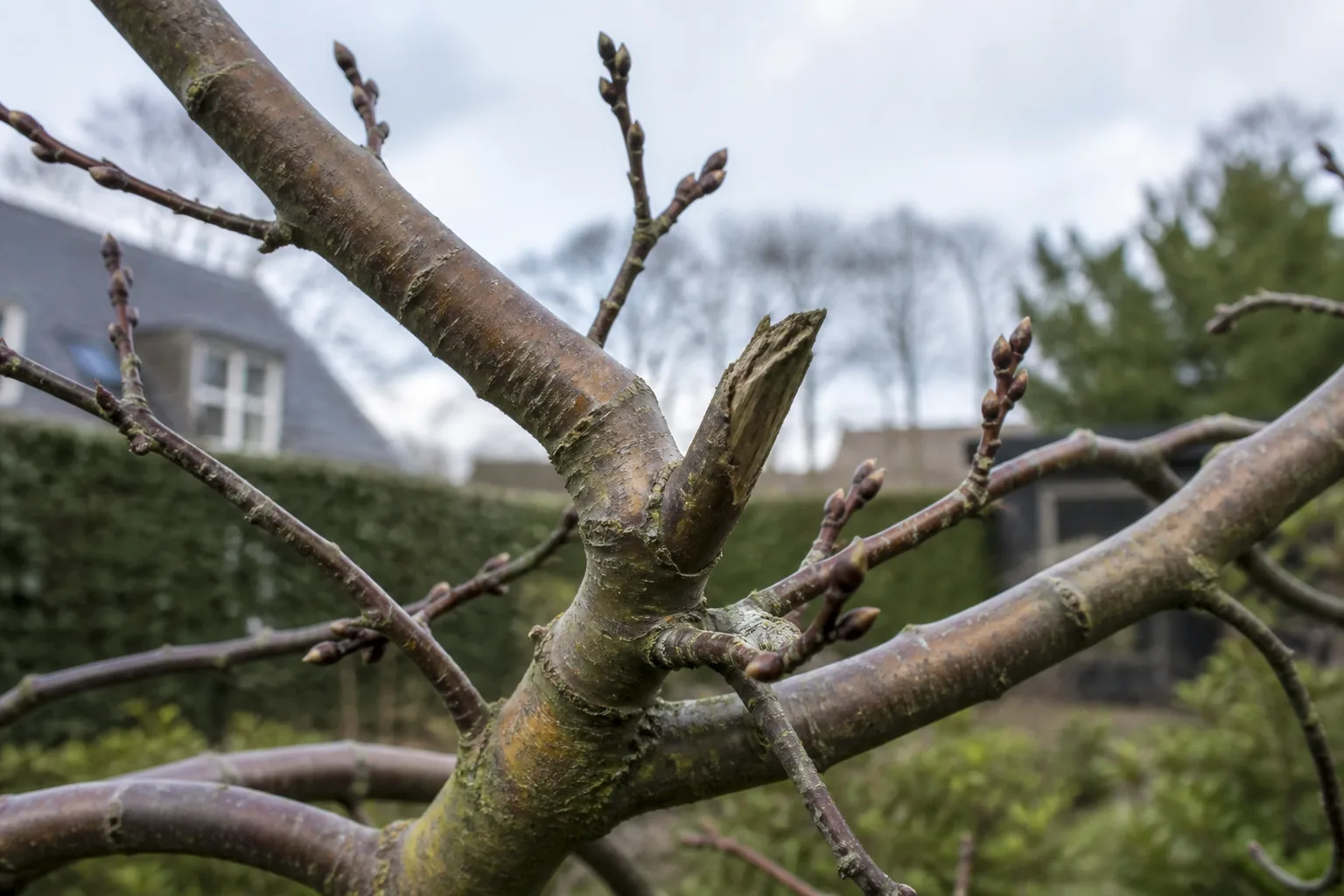
Use clean, sharp bypass pruners for small stems and a pruning saw for larger wood. Remove dead, broken, diseased, and crossing branches first. Next, look at the framework: keep the strongest outward-facing stems, remove crowded shoots at their base, and shorten a wayward branch back to a healthy outward-facing bud rather than leaving a stub.
For a multi-stemmed shrub, remove about a third of the oldest stems at ground level during dormancy every few years. Old stems are often darker and more heavily textured than the smooth brown new growth. This staggered approach preserves some flowering wood while creating space for vigorous replacement shoots. Do not shear the entire outside of the shrub into a dense shell; that leaves a congested interior and encourages weak regrowth.
Gardening Know How’s pussy willow care coverage likewise places severe pruning after flowering, which is a useful reminder that a healthy willow can tolerate renewal while a gardener can still lose the season’s catkins through poor timing. Decide what you are protecting before you make the first cut.
The coppice cycle
Coppicing is a deliberate hard renewal cut, not a casual haircut. It produces a flush of long, straight shoots that are useful for arrangements, weaving, living structures, or a compact shrub form. Once the plant is established and the site can handle vigorous regrowth, cut stems back to a low framework during dormancy or after the catkin display, depending on your priority.
If you want the next spring’s catkins, timing matters: catkins form on wood that matured during the previous growing season. A hard cut immediately before spring can remove the display. If you have inherited an overgrown plant, renew it in stages unless safety or severe disease requires more drastic removal. Missouri Botanical Garden notes that S. discolor can be cut to the ground every 3 to 5 years to maintain a smaller shrub, but that schedule is a management choice, not a requirement for a healthy plant.
Winter weather and weak wood
Willow wood is flexible when young but can be brittle as branches age. Ice, heavy snow, strong wind, and repeated freeze-thaw cycles can split stems. Planting in a sheltered but sunny position reduces exposure, although no site eliminates storm damage.
After a heavy snow, gently remove excess accumulation with a broom if you can do so without shaking or bending the stems. Never yank ice from a branch. Once conditions are safe, cut broken wood back to sound tissue. A torn stub is more likely to hold moisture and invite decay than a clean cut made just outside the branch collar.
Do not wrap a healthy established shrub tightly for winter. Protection is most useful for a young container plant, a newly planted specimen in an exposed site, or a stem that may be rubbed by wind. Keep the root zone mulched but not waterlogged, and remember that a dormant plant can still lose roots in an exposed container when the medium freezes hard.
Pests and diseases: when to intervene
Pussy willow supports a large insect community, so a few chewed leaves are not automatically a crisis. The goal is to protect the plant’s structure and vigor while preserving beneficial insects and caterpillars where possible. Start with identification, not a broad spray.
Insects and wildlife
Aphids may cluster on tender shoots, curl leaves, and leave sticky honeydew. On a small plant, a firm water rinse can reduce the population. If damage continues, use a product specifically labeled for the crop and pest, follow its directions, and avoid treating when bees are actively visiting. Lady beetles, lacewings, spiders, birds, and other predators may already be reducing the infestation.
Scale, caterpillars, lacebugs, and willow borers can also occur. Caterpillars are especially complicated because willow is a host plant for butterflies and moths. Before removing every larva, decide whether the feeding is cosmetic or whether shoots are being stripped and weakened. Willow borer clues include holes, sawdust-like frass, sap, and dieback; severe infestations in a large or structurally compromised plant are a job for a qualified arborist rather than repeated home spraying.
Deer, rabbits, squirrels, and other wildlife may browse stems. A temporary mesh barrier is more predictable than trying to make a wildlife plant unpalatable. The NC State profile also records S. discolor as a host for Viceroy butterfly larvae and as a plant supporting specialized bees, so some insect presence is part of its ecological value.
Cankers, blight, and leaf disease
Common willow problems include powdery mildew, leaf spots, gray scab, blights, and cankers. A few spotted leaves late in the season may not justify treatment. Widespread premature leaf drop, limp brown new growth, sunken dark lesions, oozing bark, or progressive branch dieback deserves closer attention.
First correct the conditions that make disease more likely: drought, crowding, poor air movement, mechanical wounds, and excess wetness on foliage. Remove clearly dead or diseased small branches during dry weather, cutting well below the damaged area. Disinfect tools between cuts and dispose of diseased material rather than composting it unless your local guidance specifically allows that pathogen.
Do not apply copper, horticultural oil, insecticidal soap, or another pesticide on a vague diagnosis. Product labels, local regulations, temperature limits, pollinator precautions, and the actual pathogen all matter. If a canker is enlarging on the trunk, if several major limbs are dying, or if a storm has damaged the framework, seek local extension or arboricultural advice.
Preserving fresh and dried catkins
Pussy willow branches can be used fresh, forced open in water, or dried for a longer-lasting arrangement. Harvest when the catkins are swollen but still closed if you want them to develop indoors. Choose a dry day above freezing when possible, and cut branches long enough for the arrangement rather than stripping one side of the shrub.
For a fresh display, recut the stems and place them in lukewarm water. They may continue opening and can eventually produce roots. Change the water as needed and keep the arrangement away from intense heat. For a dry arrangement, place the cut branches in an empty vase and allow them to dry naturally; adding water can encourage opening, rooting, or decay rather than preserving the fuzzy stage.
Do not harvest every catkin-bearing stem from a young plant. Leave enough healthy wood to maintain structure and the following season’s growth. A few careful cuts also make it easier to see whether the plant is producing fresh replacement shoots after pruning.
Pussy willow problems and quick fixes
No fuzzy catkins: Check the plant’s sex first. Male and female plants look similar when dormant, but only males provide the classic silvery display. If it is male, review light, last year’s growth, drought, and pruning timing; a late-winter hard cut may have removed the flower-bearing wood.
Yellow or pale leaves: Check moisture at root depth, not just the surface. Drought, saturated soil with poor oxygen, root damage, shade, seasonal aging, and actual nutrient deficiency can look similar. Improve the site or irrigation pattern before feeding, and look for spots, insects, or dieback that point to another cause.
Brown leaves or early leaf drop: Inspect for heat, drought, wind, root disturbance, and disease lesions. Water deeply if the root zone is dry, but do not keep already saturated soil constantly flooded. Remove only clearly dead wood until you understand the pattern.
Cracked branches: Reduce snow load safely, then remove broken wood with clean cuts after the storm. If the trunk splits, a major leader fails, or branches hang over a target, call an arborist rather than attempting a large repair from a ladder.
Roots appearing at the surface: Surface roots are normal for willow, but their presence is a warning that the planting space may be too tight. Do not bury them deeply or sever large roots casually. Keep turf and paving away from the root flare, and consider relocating a young plant before it becomes difficult to move.
A cutting wilts: Check that the planted end is down, the buried nodes are in contact with moist medium, and the cutting is not being cooked by sun or wind. Remove excess leaves, keep moisture steady, and give it time. New leaves can appear before roots are strong enough to support them.
Conclusion
The simplest way to grow pussy willow well is to solve the site before you solve the plant. Choose a correctly identified, preferably male specimen if silvery catkins are the goal; give it full sun or light shade, dependable moisture, and generous distance from utilities, foundations, and paving. Establish it with deep watering and a mulch ring, then prune according to a clear purpose—harvest, structure, or coppice renewal.
Once those decisions are right, care is mostly observation. Accept a reasonable amount of wildlife feeding, remove damage before it spreads, protect the weak framework from snow and wind, and propagate only where a fast-rooting willow belongs. Pussy willow is rewarding precisely because it is vigorous; the gardener’s job is to give that vigor a safe, spacious place to work.



