7 Easy Indoor Plants to Save Money on Groceries
Seven easy indoor crops can cut fresh-produce costs year-round. Learn which plants pay off fastest, what light they need, and how to avoid common setup mistakes.
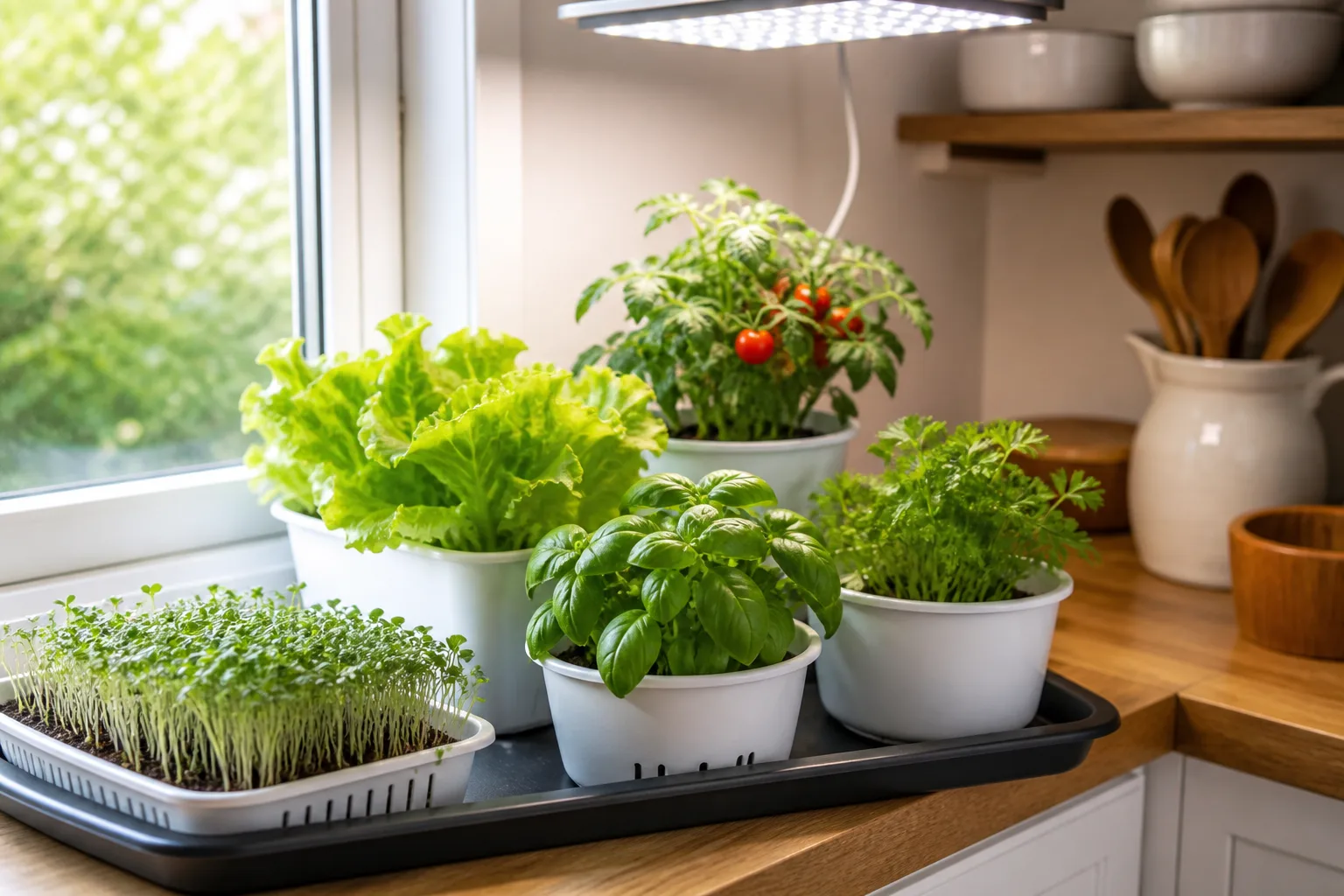
Fresh herbs, salad greens, and cherry tomatoes are among the most expensive items per ounce in a grocery cart—and the first to wilt in the crisper. Growing seven easy indoor crops—microgreens, lettuce, spinach, kale, basil, parsley, and tomatoes—lets you harvest what you actually cook with, skip the plastic clamshell markup, and keep producing through seasons when outdoor beds are empty. None of these plants will replace your entire produce budget, but the right two or three in a bright kitchen can noticeably shrink weekly spending if you match crop to light and harvest on a schedule.
The mistake most beginners make is buying seeds before auditing light. Indoor food gardening is less about green thumbs than about hours of usable light per day, container depth, and choosing crops that mature quickly enough to beat store prices. Start with that framework, then add plants in order of payoff: fast leaves first, herbs second, fruiting crops last.
Where Indoor Grocery Crops Actually Save Money
Indoor growing saves money when the crop is expensive per serving at the store, matures quickly or harvests repeatedly, and fits your existing space without a major gear upgrade. A $4 clamshell of baby greens every week adds up fast. A $3 seed packet that produces ten cuttings changes the math—even after you count potting mix and electricity for a small LED panel.
Leafy crops and herbs are the sweet spot. They need less energy than fruiting plants, occupy small containers, and reward weekly snipping. Tomatoes can save more per pound when you grow a productive dwarf variety under strong supplemental light, but they also demand the highest setup cost and the most attention. Treat tomatoes as a second-season project, not your first indoor experiment.
The Cost-Per-Harvest Test
Before you fill every windowsill, run a simple comparison: (recurring costs + fair share of one-time gear) ÷ usable harvest. Recurring costs include seeds, potting mix top-ups, fertilizer, and electricity for grow lights. One-time gear includes trays, pots, and the light fixture itself—spread that cost across the seasons you expect to use it.
If you already own containers and a south window, your first tray of microgreens may pay back seed cost in a single harvest. If you are buying a dedicated LED unit for cherry tomatoes, judge savings over a full year, not the first month. Our cost guide for homegrown vegetables walks through the same break-even logic for outdoor beds; the indoor version simply adds light hours and countertop space to the equation.
High-value targets indoors include cut herbs (basil and parsley bunches add up), baby salad mixes, and specialty cherry tomatoes that cost more than standard field fruit. Low-value targets include bulky crops you rarely eat, slow root vegetables, and anything that needs more square footage than your home can give.
What to Grow First in a Small Space
If you have one bright shelf, start with microgreens plus one cut-and-come-again lettuce. That pairing gives you garnish and salad base within two to four weeks. Add parsley or basil once you know your warmest, brightest spot. Reserve spinach and kale for a cool windowsill or a spot farther from heating vents. Move to tomatoes only when you are willing to run a grow light 14–16 hours a day and hand-pollinate flowers.
This order minimizes wasted spend. Seeds are cheap; failed projects in dim corners are not. Grow what you already buy every week, not what looks impressive in a catalog photo.
Set Up Your Indoor Food Corner Before You Buy Seeds
A workable indoor food station needs three things: predictable light, draining containers, and a lightweight potting mix that holds moisture without staying soggy. Kitchen counters and plant stands beat decorative pots with no holes. Group containers on a tray so bottom watering and cleanup stay simple.
Light Is the Budget Line Item Most People Underestimate
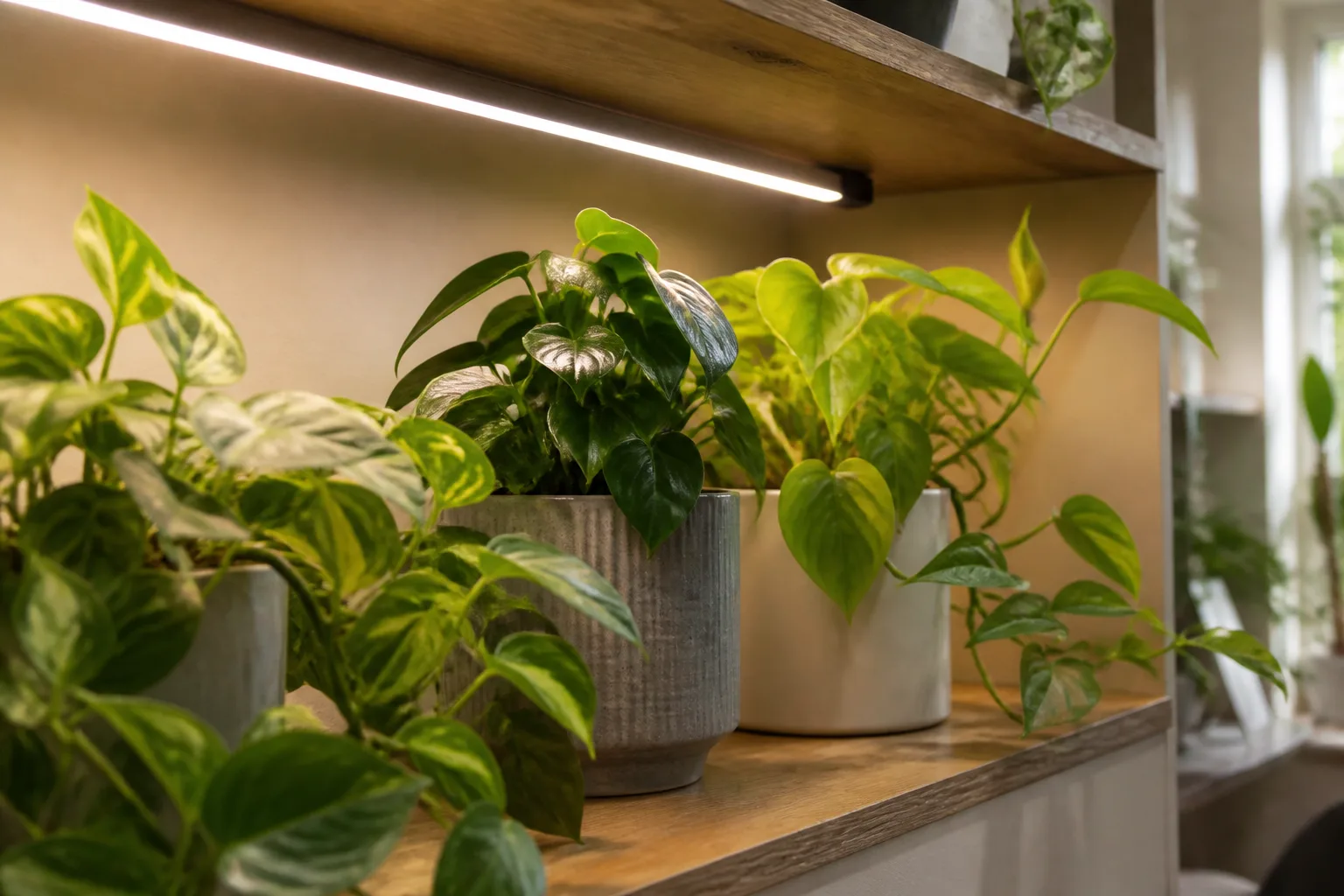
Light—not variety choice—is the ceiling on indoor food production. The University of New Hampshire Extension notes that most vegetables need at least 6 to 8 hours of direct sunlight, with leafy crops tolerating somewhat less than fruiting crops. (University of New Hampshire Extension) Indoors, “bright indirect” houseplant light is often too weak for dense lettuce or basil.
Use this practical split:
- Leafy greens and herbs on a true south or southwest window can work for much of the year if leaves do not scorch in summer and you rotate pots for even growth.
- Winter, north-facing rooms, or anything fruiting needs supplemental light. Plan 10–12 hours daily for lettuce, spinach, kale, and parsley; 14–16 hours for basil and tomatoes.
- Microgreens germinate in low light but need a bright window or shelf light once seedlings stand up; pale, stretched stems mean more intensity or closer lamp height.
Penn State Extension recommends placing herbs 6 to 12 inches below two 40-watt cool white fluorescent tubes for 14–16 hours when a sunny window is not available. (Penn State Extension) Modern LED grow panels achieve the same job with less heat—helpful on windowsills where soil dries out fast. See our grow-light comparison guide if you are choosing between full-spectrum and red-blue fixtures.
Keep lamps adjustable. Seedlings that touch hot glass or sit too far under a weak panel both fail in different ways.
Containers, Soil, and Drainage
Match pot depth to root habit. Microgreens need shallow trays with drainage holes—about 1–2 inches of medium. Lettuce grows well in 6- to 8-inch pots or window boxes. Spinach and kale benefit from at least 12 inches of depth so roots stay cool and moist. Basil and parsley are fine in 6- to 8-inch pots with drainage. Dwarf tomatoes need 5-gallon-equivalent containers minimum; undersized pots mean small harvests and blossom drop.
Use bagged seed-starting or container mix, not garden soil, which compacts and harbors pests indoors. Penn State Extension stresses containers with drainage holes and watering when the mix begins to dry on top—while keeping basil from drying out completely. (Penn State Extension) Set pots in saucers, but empty standing water so roots do not rot.
Temperature matters as much as light. Penn State Extension recommends 65–70°F days and 55–60°F nights for most herbs. Basil suffers below about 50°F, so do not leave it on a cold windowsill in winter. (Penn State Extension) Spinach seeds germinate best around 40–68°F, which is cooler than many heated rooms—another reason spinach belongs on a bright but not overheated sill.
Microgreens: Fastest Payback on Your Counter
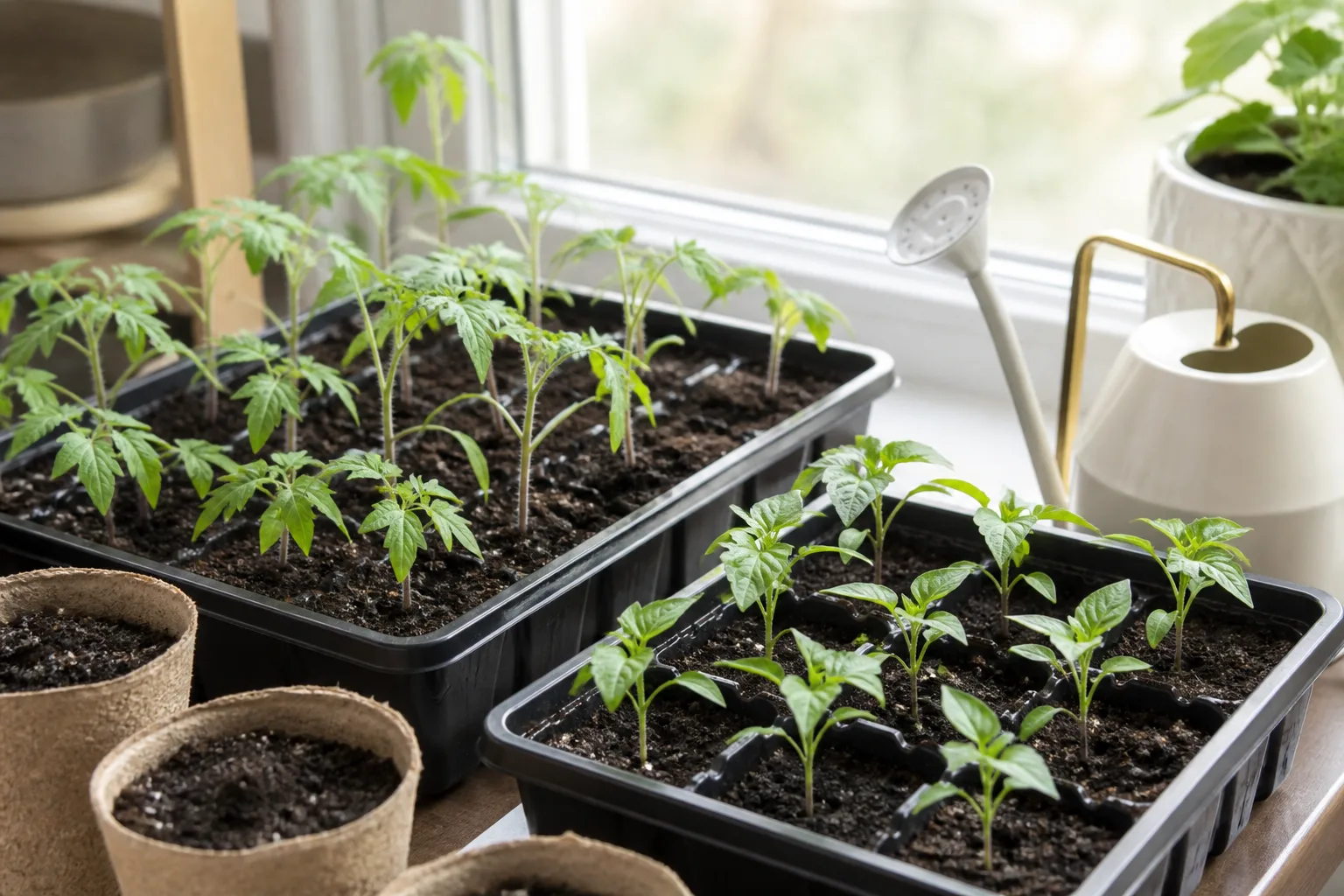
Microgreens are the quickest indoor crop for grocery savings. You are harvesting seedlings days after germination, not waiting for heads to form. Broccoli, kale, radish, sunflower, and arugula microgreens are common choices; a single ounce at the store can cost as much as a whole seed packet.
Sow seeds thickly in a shallow tray filled with moist coconut coir or seed-starting mix. Cover lightly, mist the surface, and use a clear lid or plastic wrap only until sprouts appear. Water from the bottom by setting the tray in a shallow dish so leaves stay dry and mold risk drops. Once greens stand up, move them to bright light.
University of Minnesota Extension describes home microgreen production as a simple tray system with harvest 7 to 14 days after planting—fast enough to test whether indoor growing fits your routine before you invest in larger pots. (University of Minnesota Extension) Cut with scissors just above the soil line, rinse, and use immediately. Compost the spent mat and start a new tray; that reset is what makes microgreens a steady grocery substitute rather than a one-time project.
Financially, microgreens win on turnover. They will not replace head lettuce for sandwiches, but they replace pricey garnish clamshells and upgrade eggs, grain bowls, and soups you already make.
Lettuce: Cut-and-Come-Again Greens in Weeks
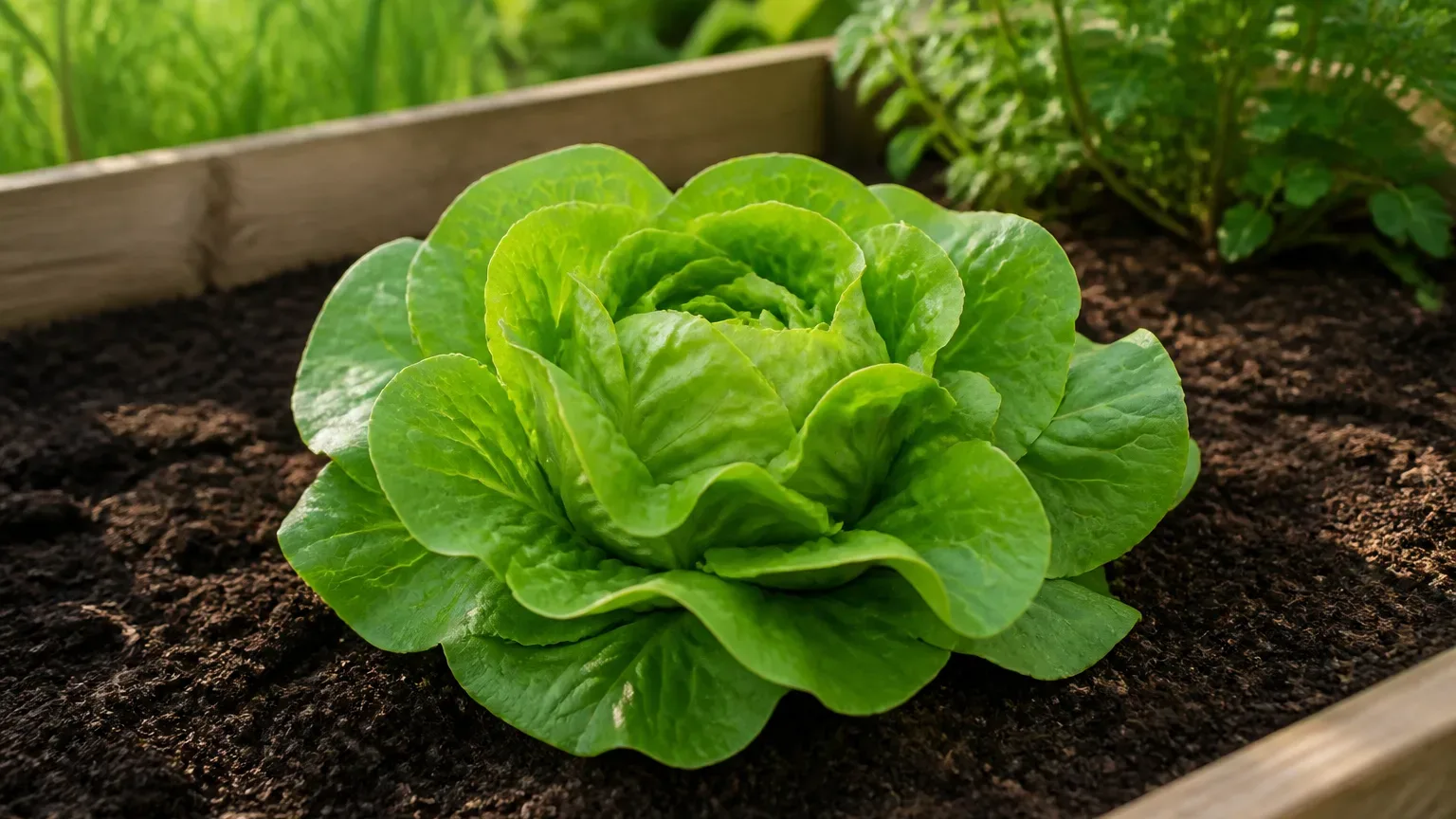
Lettuce is the easiest full-leaf crop indoors. Loose-leaf and “cut-and-come-again” blends mature in three to five weeks from seed and tolerate a bit less sun than fruiting vegetables—roughly four to six hours of direct light or a full day under a modest grow panel.
Skip tight iceberg types indoors. Choose loose-leaf mixes, oakleaf, or baby romaine bred for containers. Sow a pinch of seed every week in a separate pot so one batch is ready as another regrows. Harvest outer leaves when they are 3–4 inches long, leaving the crown intact for a second and third cut.
Lettuce prefers cool roots. If your sill overheats in afternoon sun, pull pots back a few inches or grow during cooler months. Yellow lower leaves usually mean old foliage or slight underfeeding, not necessarily disaster. A diluted water-soluble fertilizer every two to three weeks keeps color deep green without pushing bitter flavor.
Compared with buying washed salad kits, home lettuce saves most when you actually eat salad several times a week. One forgotten pot of bolted lettuce saves nothing.
Spinach: Cool-Season Leaves That Need a Cool Spot
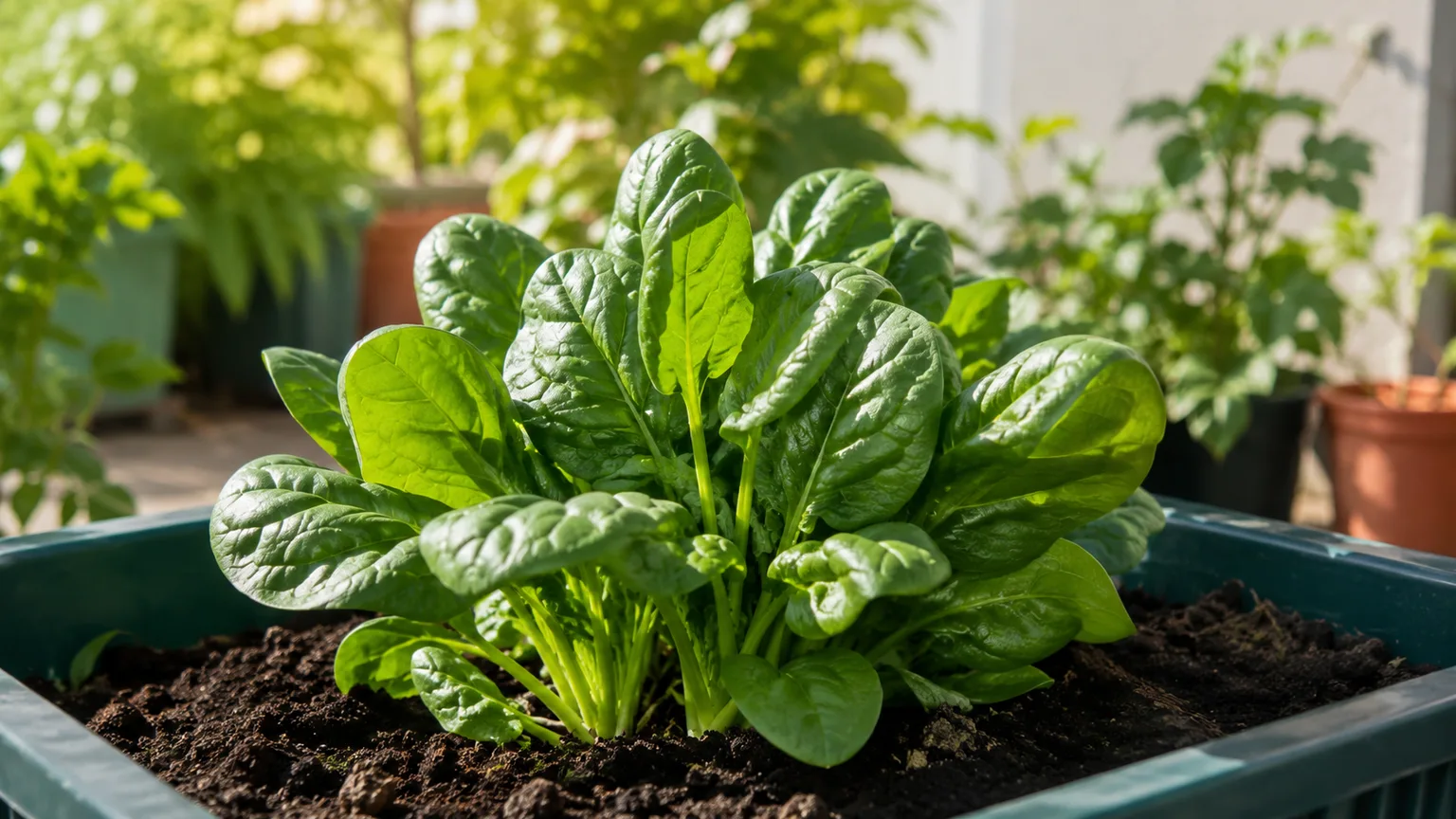
Spinach is nutritious and fast, but it is more finicky indoors than lettuce. Seeds germinate between 40°F and 68°F, according to common extension guidance, and plants bolt quickly when nights stay warm or days stretch long. That makes spinach a strong winter windowsill crop and a weaker midsummer one unless your room stays cool.
Choose bolt-resistant varieties and use a container at least 12 inches deep so roots stay moist and cool. Bright light prevents weak spindly leaves, but avoid the hottest glass in July. Harvest small leaves young for salads or let plants size up for cooking greens.
Spinach earns its place on this list because bunched spinach wilts fast in the fridge. A pot on the sill gives you just enough for tonight’s omelet or pasta without buying a full bag that collapses by Thursday. Pair spinach with lettuce in your succession plan: lettuce when the room is moderate, spinach when you can keep temperatures on the cooler side.
Kale: Tougher Greens With Repeat Harvests
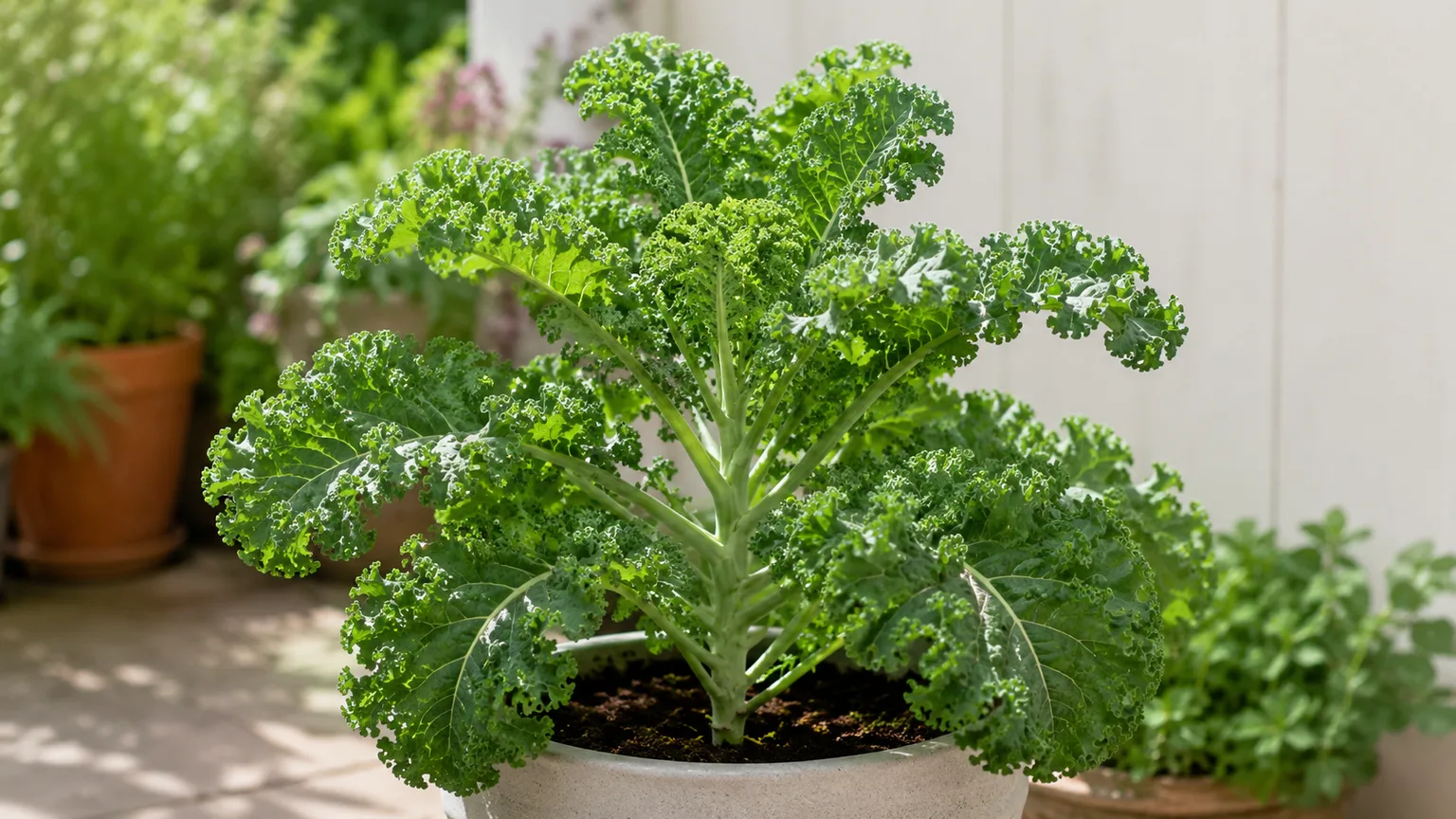
Kale is more forgiving than spinach once established. It tolerates cooler indoor conditions, handles light fluctuations better, and keeps producing after repeated leaf picks. Cornell Garden-Based Learning’s kale variety database highlights fast options such as Red Russian and Winterbor, which can reach usable size in about 50 days from seed—or sooner if you harvest baby leaves. (Cornell Garden-Based Learning)
Give kale at least six hours of direct sun or a full day under supplemental light. Use a deep pot, keep soil evenly moist, and pick lower leaves first so the growing tip continues upward. Baby kale leaves can be ready in a few weeks; mature leaves feed smoothies and sautés that would otherwise pull from a $4 pre-washed tub.
Kale’s grocery value is volume over time. One healthy plant on a windowsill will not feed a family of four, but two or three pots in rotation can cover weekly green smoothies and side dishes through winter.
Basil: High-Value Herb When You Have Strong Light
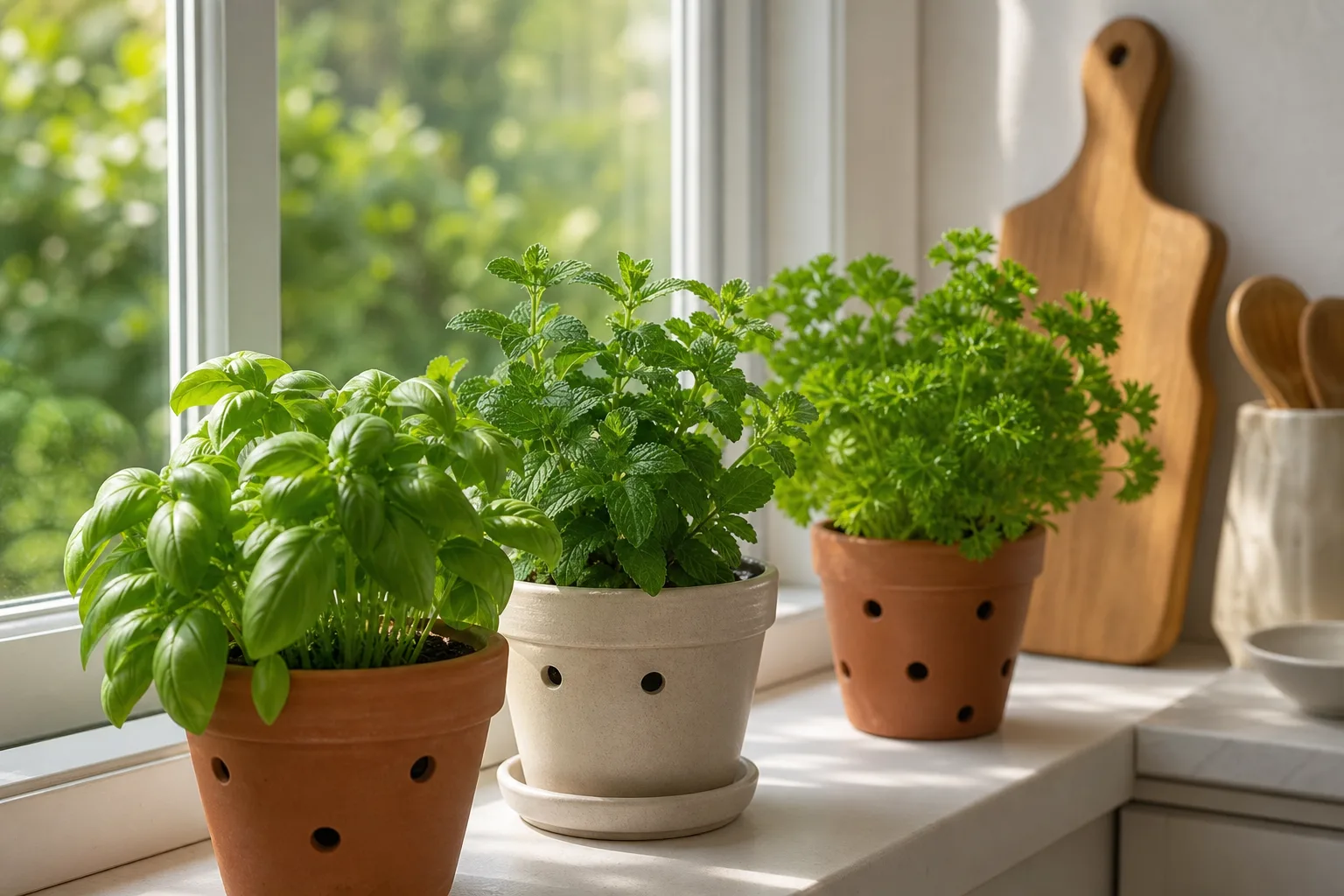
Basil is one of the highest markups in the herb aisle—a small clamshell costs as much as a live plant. Indoors, basil repays that markup when you give it warm temperatures and strong light. Penn State Extension lists basil among herbs that need direct sun or 14–16 hours under fluorescent or LED supplementation, and warns that it cannot survive temperatures below about 50°F. (Penn State Extension)
Grow basil in a 6- to 8-inch pot with consistently moist—not waterlogged—soil. Pinch stem tips when plants reach 6 inches tall to encourage bushiness. Harvest top leaves regularly; leggy, pale stems mean insufficient light or cold roots against the glass.
Basil is a short-cycle kitchen crop, not a permanent houseplant. Plan to start fresh seed or cuttings every few months, especially as day length changes. For broader herb placement and pet-safety notes, see our herbs to grow indoors guide. Financially, basil wins when you cook Italian and Southeast Asian dishes weekly; it saves little if you only need a leaf once a month.
Parsley: Steady Garnish Crop With Modest Demands
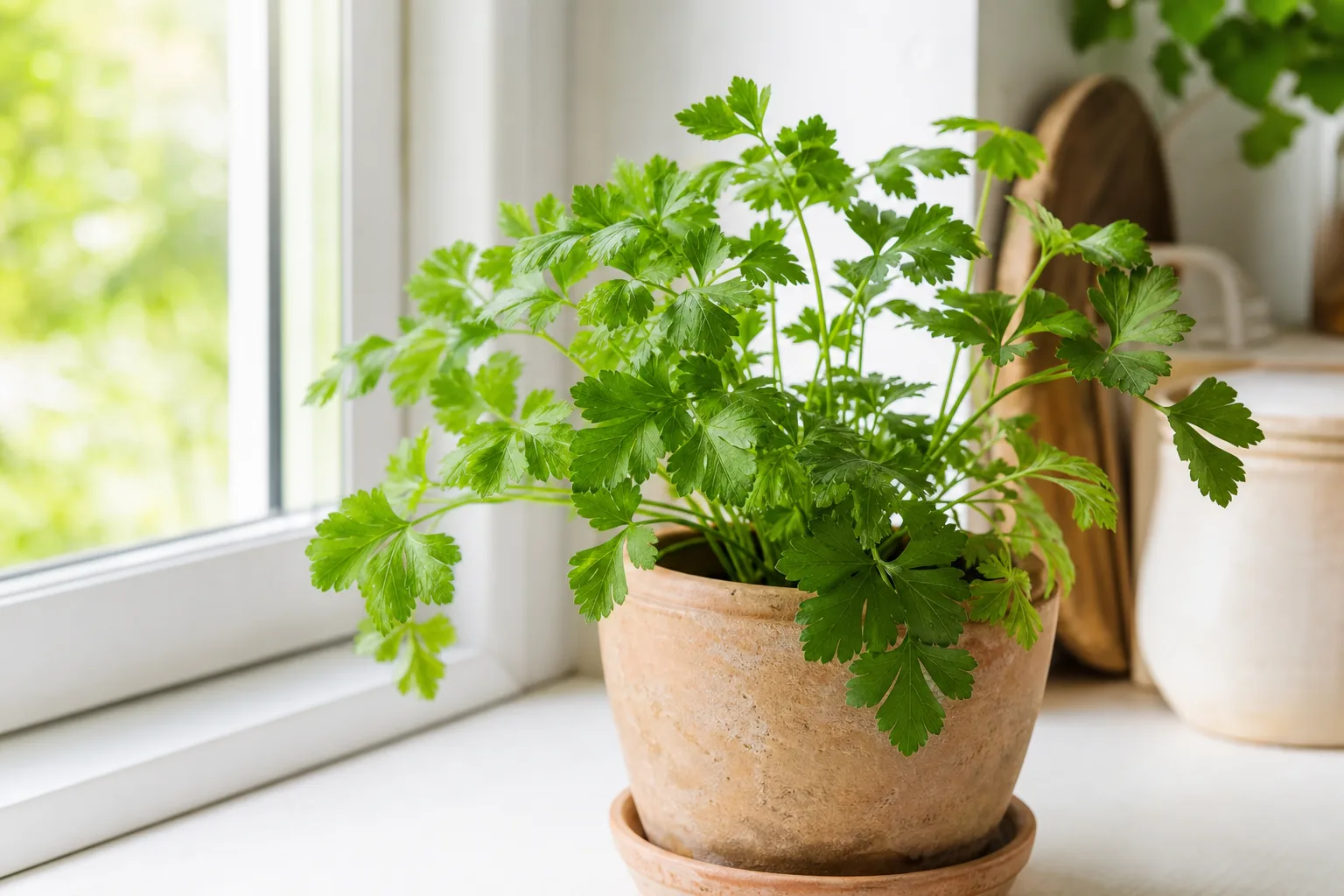
Parsley is slower than basil but steadier. Both curly and flat-leaf types grow well indoors with about six hours of sun or supplemental light. University of Minnesota Extension recommends harvesting outer stems first, leaving the inner crown to keep producing—the same cut-and-come-again logic that stretches grocery value. (University of Minnesota Extension)
Parsley tolerates cooler conditions than basil and does not bolt as aggressively in ordinary room temperatures. Keep soil evenly moist and feed lightly every few weeks. One or two pots can supply garnish for soups, grain bowls, and tabbouleh without buying wilted bunches.
Because parsley is mild-flavored and used in small amounts, its savings show up in convenience and waste reduction more than bulk calories. You harvest a tablespoon when you need it instead of watching half a bunch liquefy in the fridge.
Tomatoes: The Highest-Reward Indoor Project
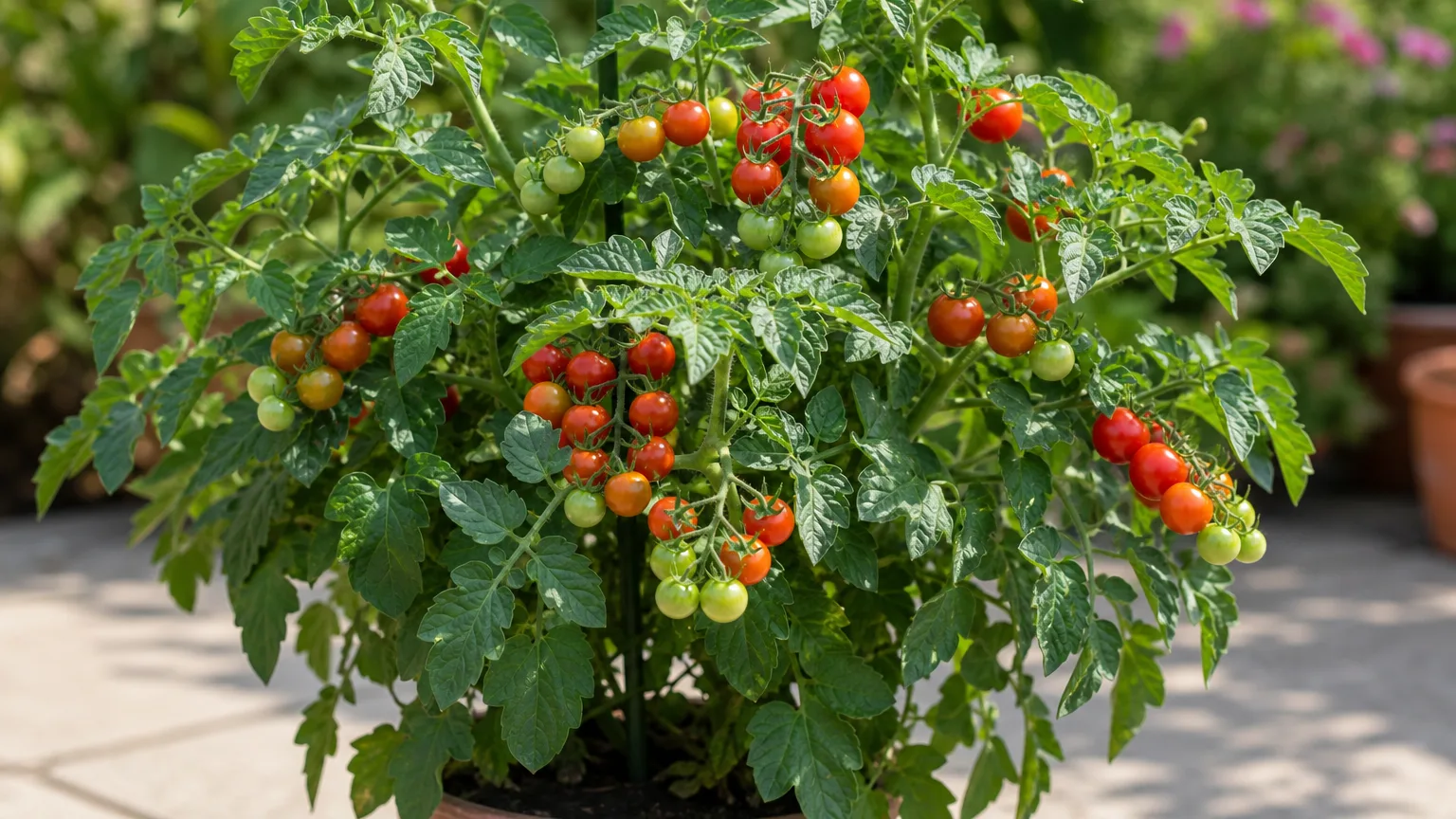
Tomatoes are the most tempting—and most demanding—crop on this list. Store cherry tomatoes often cost more per pound than larger field fruit, so a productive indoor plant can save real money. Success requires warm room temperatures, a large container, strong light for 14–16 hours daily, and regular feeding once fruits set.
Choose compact or patio varieties bred for containers, not indeterminate vines that expect a greenhouse ceiling. One well-lit dwarf cherry tomato can produce handfuls of fruit over months if flowers set and nutrients stay steady. Without enough light, you will get tall, leafy plants and no fruit—a common way indoor tomato projects fail to save anything.
Keep soil consistently moist but not saturated. Fertilize with a balanced or tomato-formula feed at half label strength every two weeks once flowering begins. Watch for blossom drop when air is too dry or temperatures swing; grouping pots slightly or using a humidity tray can help in heated winter rooms.
Hand-Pollinating Indoor Tomato Flowers
Outdoors, wind and insects move pollen. Indoors, you must do it. When yellow flowers open fully, gently tap or vibrate the cluster each day, or brush pollen from flower to flower with a soft paintbrush or cotton swab. Pollinate around midday when humidity is moderate. Without this step, flowers abort and your grocery savings disappear into a leafy ornament.
Fruits ripen slowly in winter light. Treat indoor tomatoes as a flavor and specialty crop—sun-warmed cherries in January are worth growing even if they do not beat warehouse pricing on volume.
Keep Harvests Coming With Succession Sowing
A single lettuce pot or basil plant creates a one-time harvest spike, then gaps. Succession sowing—starting small batches every 7–14 days—keeps grocery substitution steady. Maintain a simple calendar: new microgreen tray every week, lettuce pot every ten days, basil seed every month, spinach and kale every two weeks in cool months.
Staggering also limits pest and disease buildup indoors. Fungus gnats and mildew spread in constantly damp, overcrowded trays. Fresh medium and rotated trays break that cycle. When one crop bolts or fades, compost it immediately and refill the slot rather than nursing a spent plant that produces nothing you will eat.
Common Indoor Food-Garden Mistakes
Starting with tomatoes under a weak window is the fastest way to conclude indoor growing does not save money. Fruiting crops need the most light; leaves and microgreens build skill and cash flow first.
Using pots without drainage rots roots and wastes seed. Every food container needs holes and a saucer you empty.
Overwatering microgreens and under-watering basil sit at opposite ends of the same mistake—treating every crop identically. Match water to crop: even moisture for basil, brief dry surface for mature kale, bottom watering for microgreens.
Ignoring temperature makes spinach bolt and basil collapse. Read the room, not just the light meter.
Growing what you do not cook saves nothing. List the produce you buy weekly, then match this article’s seven crops to that list.
Expecting total grocery replacement sets up disappointment. Indoor food gardening lowers selective line items—herbs, salad, cherry tomatoes—not your entire cart. USDA Economic Research Service data routinely shows grocery inflation pressure on fresh categories; growing even two high-use crops cushions that volatility without requiring a homestead. (USDA Economic Research Service)
Conclusion
The seven easiest indoor plants for grocery savings are microgreens, lettuce, spinach, kale, basil, parsley, and tomatoes—in that order of beginner friendliness and speed to first harvest. Microgreens and cut-and-come-again lettuce return seed cost fastest. Parsley and kale add steady weekly picks. Basil and tomatoes deliver the highest per-ounce store savings when warm, bright conditions are met.
Audit your light, buy draining containers once, and sow in small succession batches instead of a single big planting. Run the cost-per-harvest test honestly, and keep crops aligned with what your household already eats. Done that way, indoor growing is not a hobby expense—it is a targeted cut to the produce lines that drain your budget fastest.