How to Grow and Care for Rue (Ruta graveolens)
Rue is easy to grow when drainage is right. Learn where to plant it, how to water and prune it, propagate cuttings, and handle its sap safely.
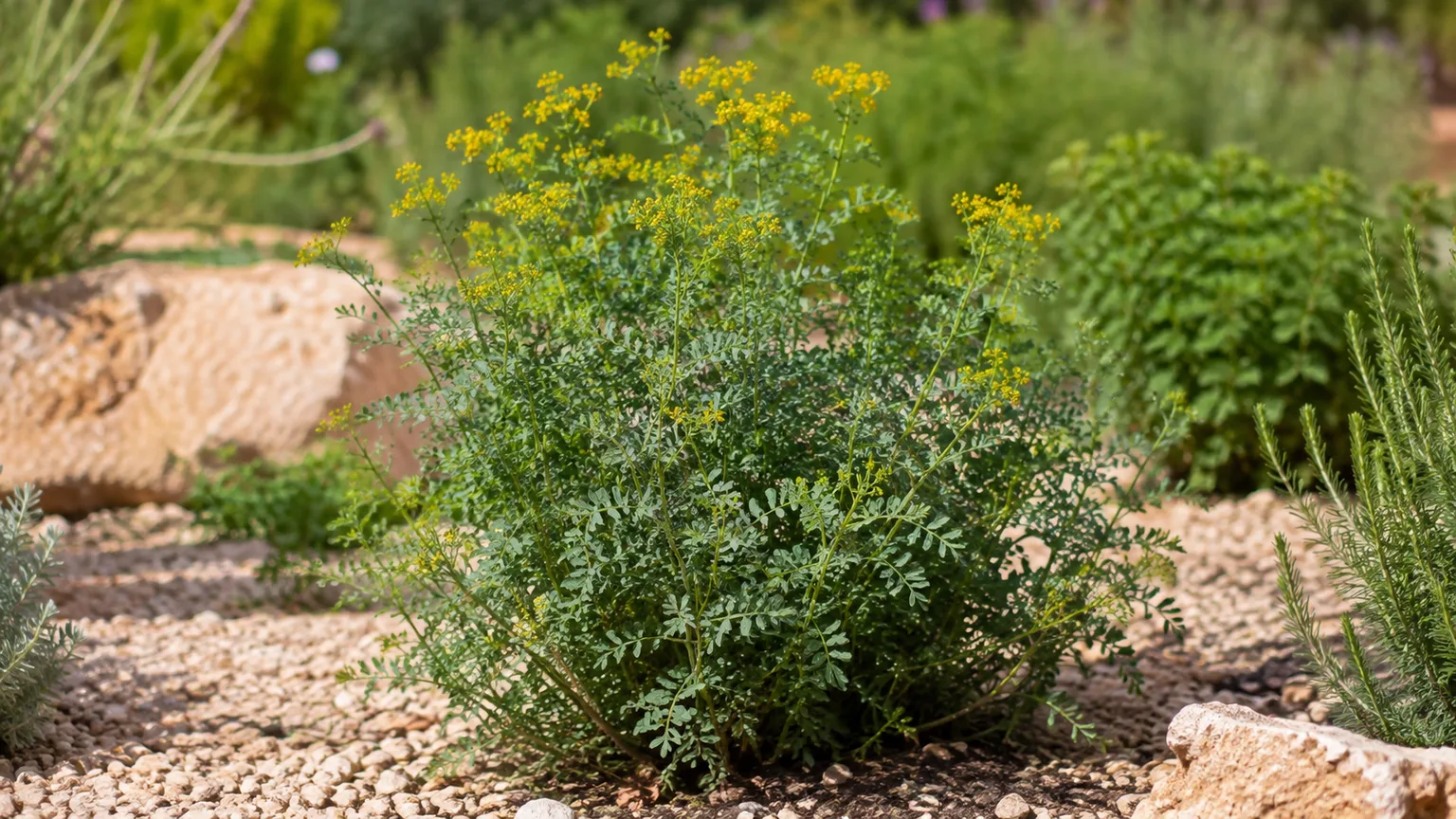
Rue (Ruta graveolens) is the plant for a difficult sunny corner where the soil drains fast, summer heat is intense, and a low-maintenance perennial would be more useful than a thirsty annual. Its blue-green, fern-like leaves and small yellow flowers give it ornamental value, while its foliage can host swallowtail caterpillars and attract pollinators.
It is also a plant to handle deliberately. Rue sap can irritate skin, and sunlight can make the reaction worse, so this is not an herb to brush past in shorts or place beside a busy path. Give it sun, drainage, and enough space to work safely, and rue becomes a durable garden accent rather than a fussy project.
Rue at a Glance: A Sun-Loving, Safety-Minded Perennial
Common rue is a semi-woody perennial or small evergreen shrub in the Rutaceae family. It usually forms an upright, rounded plant about 2 to 3 feet tall and wide, with aromatic, deeply divided blue-green leaves and terminal clusters of small yellow flowers in summer. NC State Extension describes it as drought-tolerant, deer-resistant, short-lived, and capable of self-seeding; the plant may persist for roughly five years, but seedlings can replace older plants. NC State Extension’s plant profile is a useful reference for those traits.
Hardiness labels are not perfectly consistent across references. NC State lists a broad range of USDA zones, Fine Gardening lists zones 5 through 9, and the RHS rates common rue H5, so winter survival depends on the actual cultivar, exposure, drainage, and whether the roots are in the ground or a container. Treat the zone number as a starting point, then protect a new plant from wet winter soil and severe exposure.
| Need | Practical target |
|---|---|
| Light | Full sun for the strongest shape and flowering; partial shade is tolerated |
| Soil | Moderately fertile and very well drained; rocky or sandy soil is acceptable |
| Water | Regular water while establishing, then only when the root zone dries during prolonged drought |
| Mature size | About 2–3 feet tall and wide |
| Bloom time | Usually summer, with small yellow flowers |
| Best uses | Gravel garden, herb border, pollinator planting, raised bed, or patio container |
| Main risks | Waterlogged roots and skin exposure to sap, especially in sunlight |
Is Rue Right for Your Garden?
Rue makes sense when your priority is structure, texture, and wildlife value rather than a large harvest of edible leaves. Its bitter foliage and strong scent are part of its character, but historical medicinal or culinary use is not a reason to experiment with it today. NC State classifies the plant as poisonous to humans, and the RHS warns that it is toxic to skin with sunlight, so choose it as an ornamental and host plant unless you have a specific, professionally guided reason to do otherwise. The RHS profile makes the skin warning especially clear.
Avoid planting rue where children play, pets routinely graze, or people will brush against foliage while using a narrow path. A back edge of a sunny border, a gravel garden, or a container on a stable patio is easier to manage than a front-of-border position beside a gate. Leave enough room to reach the plant without touching it, and label it with its botanical name so nobody mistakes it for a harmless culinary herb.
The plant is a poor fit for a constantly irrigated bed, a shaded courtyard, or compacted clay that stays wet after rain. If you are looking for a soft, frequently harvested kitchen herb, choose another plant; rue’s strengths are drought tolerance, unusual foliage, long-term structure, and its role in a wildlife-friendly planting.
Choose the Site Before You Buy a Plant
Start with drainage, not the plant tag’s mature height. Dig a test hole about a foot deep, fill it with water, and let it drain; refill it and observe whether water remains for a long time. The exact timing varies with soil and weather, but a site that behaves like a basin after ordinary rain is a warning that rue will need a raised bed, a mound, or a container rather than a planting hole filled with amendments.
Full sun means at least six hours of direct light on most days, with more light generally producing a denser, more floriferous plant. Rue can tolerate partial shade, but a low-light position often produces looser growth and fewer flowers. A south- or west-facing border, gravel bed, or open patio usually provides the dry heat and airflow it prefers.
In heavy clay, do not solve drainage by digging a small hole and filling it with a different soil. That can create a sump where surrounding water collects around the root ball. Instead, plant slightly high in a broad raised area, improve the whole bed with mature organic matter where appropriate, or use a container with a free-draining mix and open drainage holes.
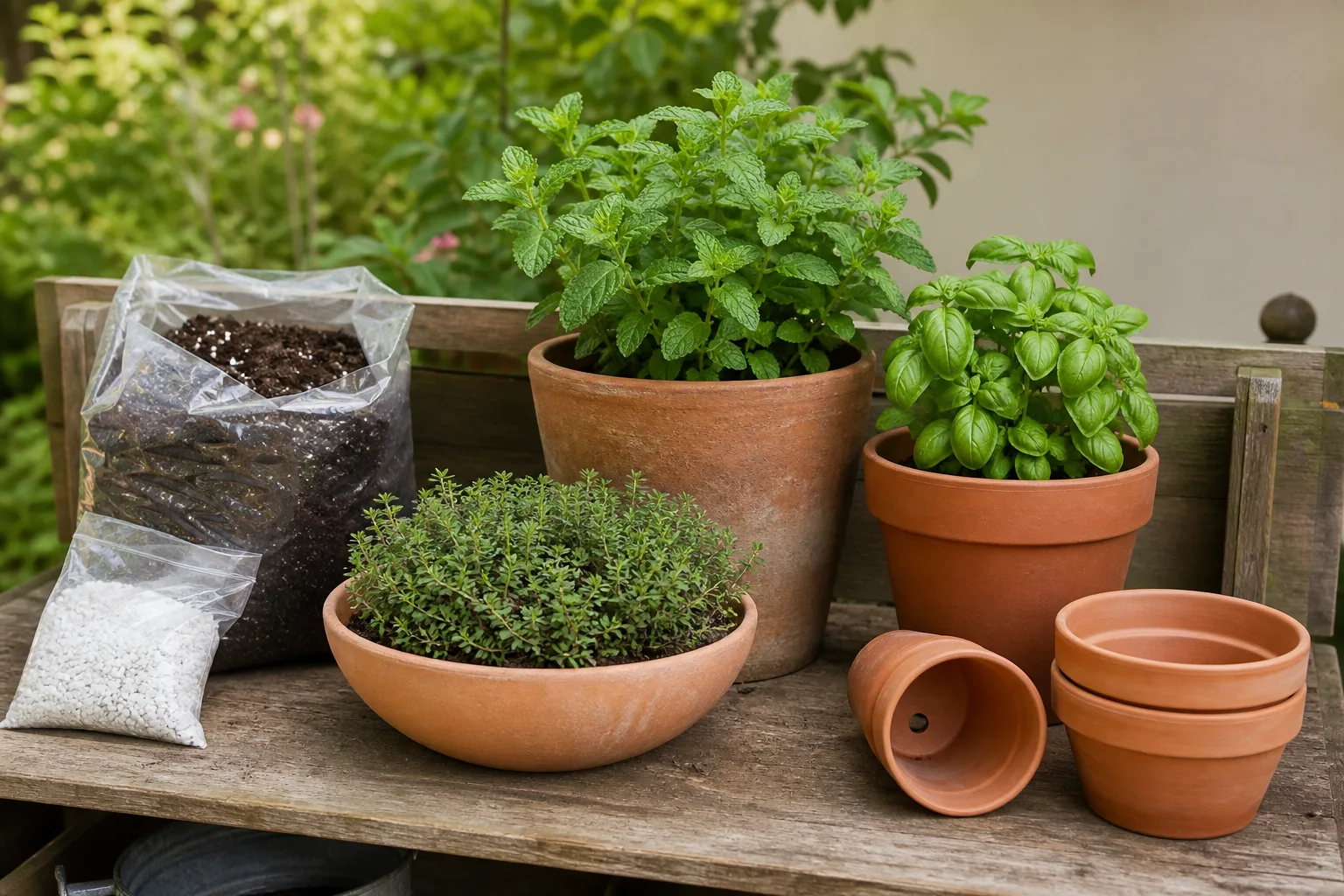
Containers are useful when you need to control soil, keep rue away from children or pets, or grow it on a balcony. Choose a pot with drainage holes that is roughly 12 to 16 inches wide for a young plant, use a mix that drains freely, and keep the container where spilled water can escape instead of sitting in a saucer.
Plant Rue Correctly in Spring
Spring is the easiest planting window because the plant has a full growing season to establish before winter. Wait until hard freezes have passed in your area, and do not place a small nursery plant into cold, saturated soil simply because the calendar says planting season has begun. A warm, bright, drying forecast is more useful than a date on its own.
Starting Rue from Seed
Rue can be started from seed indoors or sown outdoors once the soil is warm. Press the seeds onto the surface of a fine, moist seed-starting mix rather than burying them deeply; light helps rue seeds germinate. Keep the surface evenly damp but never waterlogged, and expect emergence to be uneven enough that patience is part of the process.
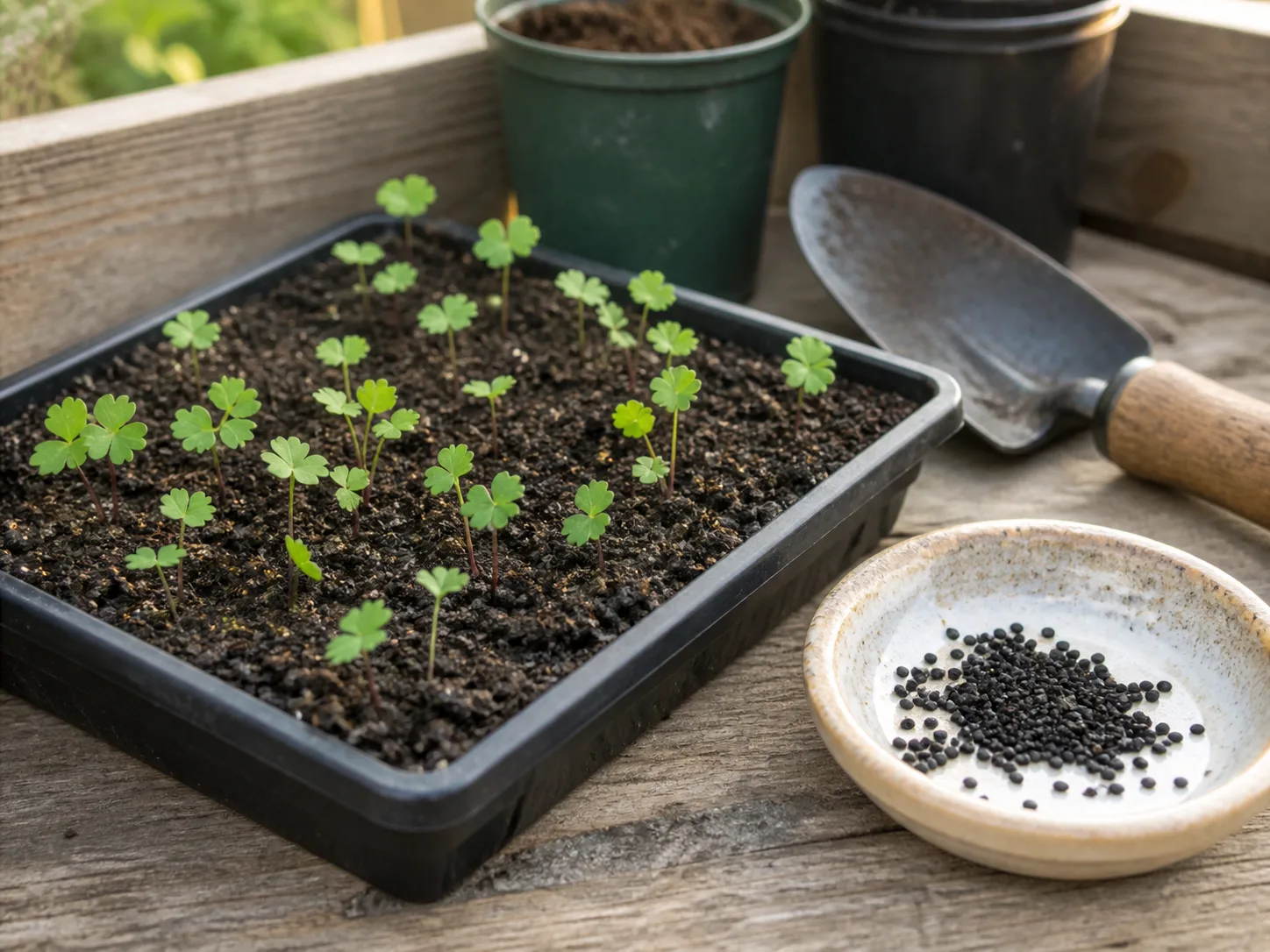
When seedlings have several true leaves, give each one enough room to develop a root system before transplanting. Harden them off by gradually increasing outdoor exposure over about a week, beginning in bright shade and moving toward the final sun position. A seedling moved straight from a sheltered windowsill into hot afternoon sun can wilt even when the soil is moist.
Thin or transplant with the plant’s final size in mind. Space rue about 2 to 3 feet from large neighboring plants, or closer only when you are deliberately building a low hedge and can still reach the plant without brushing the foliage. If rue self-seeds in your climate, remove unwanted young plants while they are small rather than waiting until their roots are established.
Planting Nursery Starts Without Stress
Water a nursery plant before planting so the root ball holds together, then slide it from the pot without pulling the stems. Inspect the roots: firm, pale roots are reassuring, while a sour smell, black mushy roots, or a saturated root ball is a reason to correct the problem before planting. Loosen circling roots gently, but do not tear the root ball apart.
Set the crown at the same level it occupied in the pot, or slightly high in slow-draining soil. Backfill with the excavated soil, press lightly to remove large air pockets, and water once to settle the root zone. Do not keep adding water on a fixed daily schedule after that first soak; allow the upper soil to begin drying so new roots can access both moisture and air.
Build the Right Soil and Watering Routine
Rue is forgiving about fertility but unforgiving about standing water. NC State, RHS, and Fine Gardening all point toward moderately fertile, well-drained soil and a hot, dry site; Fine Gardening summarizes common rue care as “very well-drained soil” and dry moisture conditions. Fine Gardening’s plant guide also lists phytophthora root rot as a problem, which is a useful reminder that drought tolerance does not cancel out root biology.
Aim for a loose root zone that sheds excess water quickly while holding enough moisture for establishment. Sandy, gravelly, or loamy soil can work well. If the soil is already rich and fertile, skip extra compost in the planting hole and avoid routine high-nitrogen feeding; rue does not need to be pushed into lush, weak growth.
How to Water Established Rue
For the first growing season, water deeply when the upper soil has begun to dry, then wait and check again rather than watering a little every day. The interval will be shorter in a small pot, in sandy soil, or during a heat wave, and longer in cool weather or a mulched bed. Water at the soil line so the foliage dries quickly, especially if the plant is crowded.
Once rue is established, water during an extended dry spell when the soil is dry well below the surface or the plant shows sustained midday-to-evening wilt. Do not use drooping at the hottest part of every day as the only signal; many plants temporarily relax in heat. A finger, hand trowel, or moisture check in the root zone gives you better information than a calendar.
Container rue needs more attention than in-ground rue because its limited soil volume heats and dries quickly. Water thoroughly until a little drains from the bottom, empty any collection saucer, and wait until the mix has dried substantially before watering again. If water runs down the sides while the center stays dry, the mix may have shrunk away from the pot and needs a slow, complete rewetting rather than a quick splash.
Why Fertilizer Usually Backfires
Do not fertilize rue automatically. A plant in ordinary garden soil generally has enough nutrients, and heavy feeding can produce more soft foliage at the expense of the compact texture and flowering you planted it for. If growth is genuinely weak, first check light, drainage, root health, and competition from neighboring plants.
Only consider a light, balanced feeding when a soil test or a clear deficiency points to a nutrient problem. Container plants may eventually need a diluted, complete fertilizer because repeated watering leaches nutrients, but even there, use a conservative rate during active growth and stop if the plant is already vigorous. More fertilizer cannot repair roots that are suffocating in wet soil.
Light, Heat, Humidity, and Winter Care
Rue is built for sun and heat, and it usually performs best when air moves freely around the plant. High humidity is not automatically fatal, but humid weather makes wet foliage and slow-draining soil more consequential. Give plants space, avoid overhead irrigation when possible, and remove fallen debris that keeps the crown damp.
In colder climates, rue may remain evergreen in a mild winter and become partly deciduous or die back in a harsher one. That seasonal variation is normal. After the ground has cooled, apply a loose layer of mulch around—not against—the base to reduce freeze-thaw stress, but do not bury the crown under a wet, compacted blanket.
Container roots are less protected than roots in the ground. Before severe cold, move a potted rue to a sheltered, bright, unheated location such as a protected porch or cold frame, or insulate the pot outdoors where appropriate for your climate. Keep it on the dry side during dormancy, but do not let the root ball turn completely dusty and bone-dry for months.
Prune Rue for Shape and Longer Life
Prune rue in early spring as new growth is beginning, or tidy it after flowering if your local winter is mild and the plant has time to harden before cold arrives. The goal is to remove dead or winter-damaged tips, keep the plant compact, and encourage fresh branching. RHS places rue in a spring-or-after-flowering pruning group, while NC State recommends cutting back to old wood in early spring. See the RHS cultivation and pruning notes before making a large cut.
Wear gloves, long sleeves, long pants, and eye protection if stems may spring back. Use clean, sharp pruners, make cuts just above healthy growth points, and remove no more than you need to restore shape. A neglected plant can often be reduced gradually over two seasons; a severe cut into leafless, old wood is riskier than a measured renewal prune because rue may not reshoot reliably from every bare section.
Do not prune simply because the plant looks a little open after winter. First confirm that stems are alive by lightly scratching a small area: green tissue beneath the surface is a sign to wait, while brown dry tissue may be dead. Remove flower heads if you want to limit self-seeding, but leave some if you want rue to replace an aging plant naturally.
Propagate Rue from Semi-Hardwood Cuttings
Cuttings are a practical way to preserve a vigorous plant before it becomes too woody or declines. The best timing depends on climate and shoot maturity: Fine Gardening describes semi-ripe cuttings in summer, while the RHS recommends semi-hardwood cuttings in autumn. In practice, choose a firm current-season shoot that is no longer soft and floppy but has not become hard, brittle old wood.
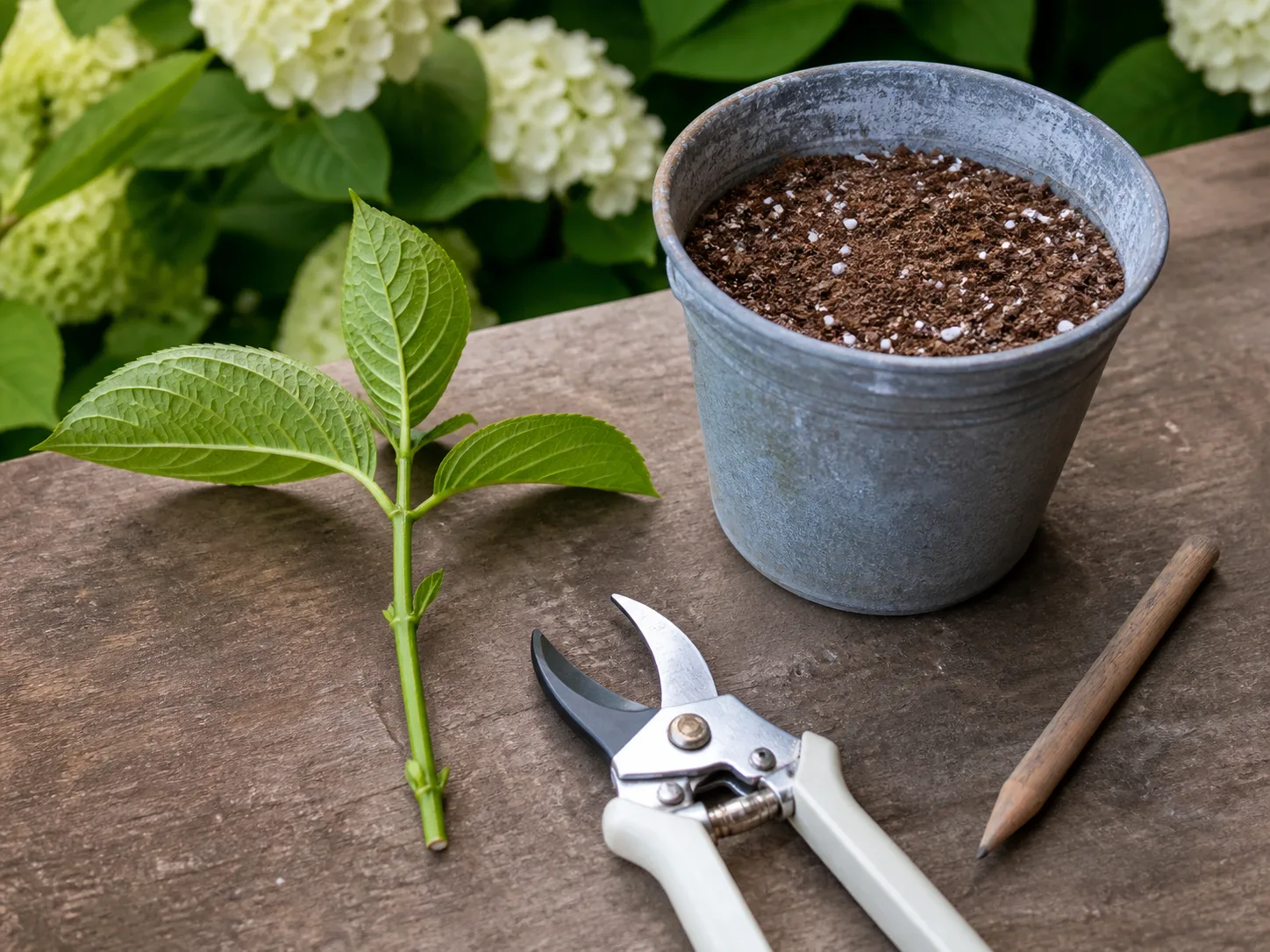
Take several 4- to 6-inch cuttings so you are not relying on one piece. Work in cool conditions, wear protective clothing, and use clean pruners. Strip the leaves from the lower half, optionally dip the base in rooting hormone according to its label, and insert the cutting into a small pot of moist, free-draining propagation mix.
Place the pot in bright, indirect light with gentle airflow. Covering it loosely with a clear bag can slow moisture loss, but do not seal it against the foliage or leave it in hot direct sun; trapped heat and saturated mix encourage rot. Keep the medium lightly moist, not wet, and wait for resistance when you give the cutting a very gentle tug.
Once roots have formed, move the new plant into a slightly larger pot and gradually increase light. Do not rush it into the same full-sun position as the parent on the day you see new leaves. Let the root system fill the small container, harden the plant off, and then transplant in warm weather.
Use Rue as a Pollinator Plant, Not a Pest-Control Guarantee
Rue’s most dependable garden value is visual and ecological. NC State identifies it as a host plant for black, anise, and giant swallowtail butterflies and notes that its flowers attract pollinators; it also lists a habitat for tiny parasitic wasps. That means a chewed leaf is not automatically evidence that the plant is failing.
The strong scent has also led to many claims that rue repels dogs, cats, Japanese beetles, fleas, or other pests. Gardening Know How discusses the plant’s odor as a deterrent and suggests dried foliage in sachets, but scent-based deterrence is variable and should not be treated as a tested pesticide or a guarantee. Its rue-growing article is best read as practical garden context, not proof that rue will protect every nearby crop.
Inspect before intervening. If you see a few large caterpillars and the plant is otherwise vigorous, identify them and consider leaving them for the butterflies. If the plant has widespread chewing, webbing, sticky residue, distorted new growth, or decline at the crown, diagnose the actual pest or disease, improve airflow and drainage, and use only a treatment labeled for that problem and your crop or ornamental setting.
Harvest or Handle Rue Safely
The safest default is to grow rue for foliage, flowers, structure, and wildlife—not as a tea or kitchen herb. NC State lists medium-severity poison characteristics and identifies furocoumarins and other compounds among the toxic principles. Ingestion can cause serious illness, and the fact that rue has historical uses does not make home dosing safe.
Skin contact is the more common gardening hazard. Sap can cause irritation, burning, itching, or blistering, and sunlight can intensify the reaction; the RHS specifically labels rue toxic to skin with sunlight, while NC State flags contact dermatitis. Wear gloves and covering clothing for pruning, transplanting, harvesting, and handling cut stems, and wash tools and clothing afterward if they became contaminated.
Choose a cloudy day or work in shade when you can, but do not treat lower light as a substitute for protective clothing. If sap gets on skin, stop handling the plant, wash the area promptly with soap and water, and keep it protected from sunlight. Seek medical advice if a significant reaction develops, especially blistering, swelling, eye exposure, or symptoms after ingestion.
Keep cut foliage, dried stems, and seed capsules away from children, dogs, cats, and food-preparation areas. ASPCA advises that any plant material can cause gastrointestinal upset in dogs and cats and recommends contacting a veterinarian or its poison-control service when an animal may have ingested a poisonous substance; its general plant-safety guidance is available here. If you are growing rue in a pet-accessible garden, a raised or fenced container is the safer design choice.
Troubleshoot Rue: Yellow Leaves, Wilting, and Poor Growth
Yellow leaves with damp soil usually point to a root-zone problem. Stop routine watering, check that the pot drains freely, and inspect the crown and roots if the plant continues to decline. Healthy roots need air as well as moisture; moving the plant to a raised, better-drained position can help if the damage is not advanced, but repeatedly watering a failing plant makes the original problem worse.
Yellowing with pale, thin growth can mean insufficient light. Move the plant gradually toward a brighter position rather than taking a shade-grown nursery plant from indoors to full afternoon sun in one step. If the plant is in full sun but still weak, check for waterlogged roots and competing vegetation before adding fertilizer.
Wilting in dry soil is different from wilting in wet soil. A newly planted rue may wilt because its roots have not yet spread, a container may need a complete soak, or extreme heat may temporarily overwhelm water uptake. Water deeply when the root zone is truly dry, then reassess; if the soil is wet and the plant is wilting, improve drainage instead of adding more water.
Long, floppy stems and few flowers usually signal too little light or too much nitrogen. Increase direct light if possible, stop feeding, and prune lightly at the correct season to encourage branching. Do not expect a heavily shaded plant to become compact simply because it has been cut back.
Brown or crispy leaf edges can follow drought, salt buildup, or root damage. Feel the soil and inspect roots before choosing a remedy. A plant that has repeatedly dried until the mix pulls from the pot may need slow rewetting, while a plant with sour, saturated soil needs the opposite response.
Chewed leaves are not automatically a pest emergency. Rue is a swallowtail host plant, so identify large caterpillars before spraying. Remove only what you can positively identify as a damaging pest, and remember that broad-spectrum insecticides can remove the wildlife value that makes rue worth growing.
A plant that collapses after pruning may have been cut too hard or handled without protection. Wait for new growth if stems remain alive, keep watering restrained, and do not make another major cut to compensate. When you resume pruning, use smaller cuts and work in protective clothing.
Cultivars and Look-Alikes Worth Knowing
Cultivars are mainly selected for foliage color and habit. ‘Blue Beauty’ and ‘Jackman’s Blue’ are noted for especially blue foliage, while ‘Variegata’ has leaves marked with pale or white areas. The RHS maintains profiles for ‘Jackman’s Blue’, ‘Blue Beauty’, and ‘Variegata’; cultivar availability varies by nursery and region.
Confirm that the plant you buy is Ruta graveolens. Meadow rue belongs to the genus Thalictrum and is a different plant, despite sharing the common name “rue.” Fenugreek is also a separate annual legume that may be confused with rue by inexperienced gardeners; never rely on a common name when toxicity or culinary use is part of the decision.
If a label lacks a botanical name, ask the nursery before bringing the plant home. Accurate identification protects you, helps you choose the right care, and prevents a well-intentioned gardener from treating a swallowtail host plant like an edible herb.
Conclusion
Rue is easy to grow when you solve the right problem first: give it abundant light and soil that drains quickly. Water new plants while they establish, then let the root zone dry between deep soakings; skip routine fertilizer, prune thoughtfully in spring, and use cuttings or self-sown seedlings to replace aging plants.
Make safety part of the planting plan. Keep rue away from high-traffic paths, children, and pets, wear protective clothing whenever sap or foliage is handled, and treat caterpillars as wildlife to identify rather than pests to destroy by default. With those boundaries in place, Ruta graveolens can add unusual color, summer flowers, and habitat value to a hot, dry garden with very little ongoing care.



