How to Grow and Care for Primroses in Your Garden
Match primrose type to your climate, get clear planting and watering steps, and learn when to divide, sow seed, or move a florist primrose outdoors with care.
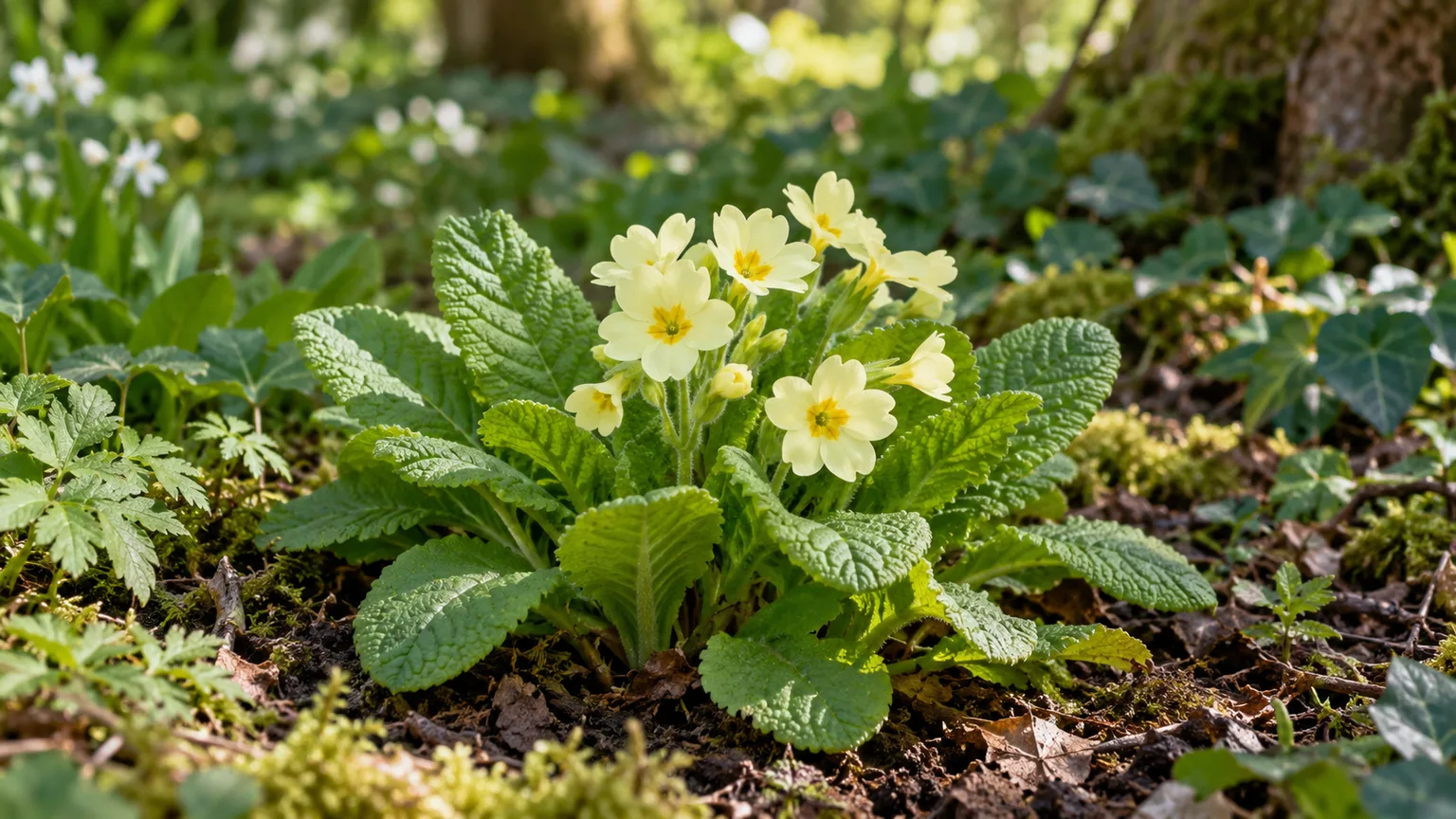
A primrose that droops in a heated living room may thrive outdoors under a deciduous tree; a primrose that rots beside a pond may be the wrong type for that wet soil. The name on the tag, your summer climate, and how quickly water drains from the roots explain most of the difference. Start with those three checks before changing fertilizer or watering routines.
Start With the Name on the Tag
“Primrose” usually means a member of the genus Primula, but that name covers plants with different heights, flowering seasons, moisture needs, and winter hardiness. Garden-center polyanthus hybrids, low common primroses, alpine auriculas, and tall candelabra types do not all want the same site, so look for the botanical name and cultivar on the tag before planting. A hardiness range for one type should not be applied to the whole genus.
One frequent source of confusion is evening primrose. It belongs to the genus Oenothera, which is botanically separate from Primula and has different care requirements.The Old Farmer’s Almanac If a seed packet or plant label says Oenothera, use care advice for that named species instead.
Primrose Types and Their Best Roles
Use the type to match a primrose to the place you can offer. This short guide covers the garden and florist kinds most likely to appear in a nursery; it is not a complete list of the genus.North Carolina State Extension Royal Horticultural Society
| Type on the label | What it looks like | A sensible starting place |
|---|---|---|
| Common primrose (Primula vulgaris) | Low, spreading rosette with flowers close above the leaves | Woodland edge or border with spring light, humus, and steady moisture |
| Polyanthus primrose (Primula × polyantha) | Often a compact mound with flowers on short stems in many colors | Cool-season bed, window box, or container; check local hardiness before expecting it to return |
| Drumstick primrose (P. denticulata) | Rounded flower head on an upright stem | Light shade and moisture-retentive soil that still drains |
| Japanese or candelabra primrose (P. japonica and relatives) | Tiered whorls on taller flower stems | A reliably moist border or pond edge, after checking the specific label |
| Auricula | Thick leaves, often with a pale powdery coating, and a compact flower stalk | Alpine trough or rock garden with sharp drainage and shelter from prolonged wet |
| Florist primrose (P. obconica, P. malacoides, or a hybrid) | Compact, heavily flowering pot sold in bloom | Cool, bright indoor display for now; move outdoors only if its label and climate suit it |
“Primrose” does not guarantee a permanent perennial display. Some hardy garden plants return for years in a cool, suitable site; many bedding hybrids are short-lived or treated as seasonal color, and hot summers can end a planting even when winter hardiness is adequate.UC Statewide IPM Program The Old Farmer’s Almanac In other words, the summer climate can matter as much as the coldest winter night.
Choose a Site That Fits Your Primula
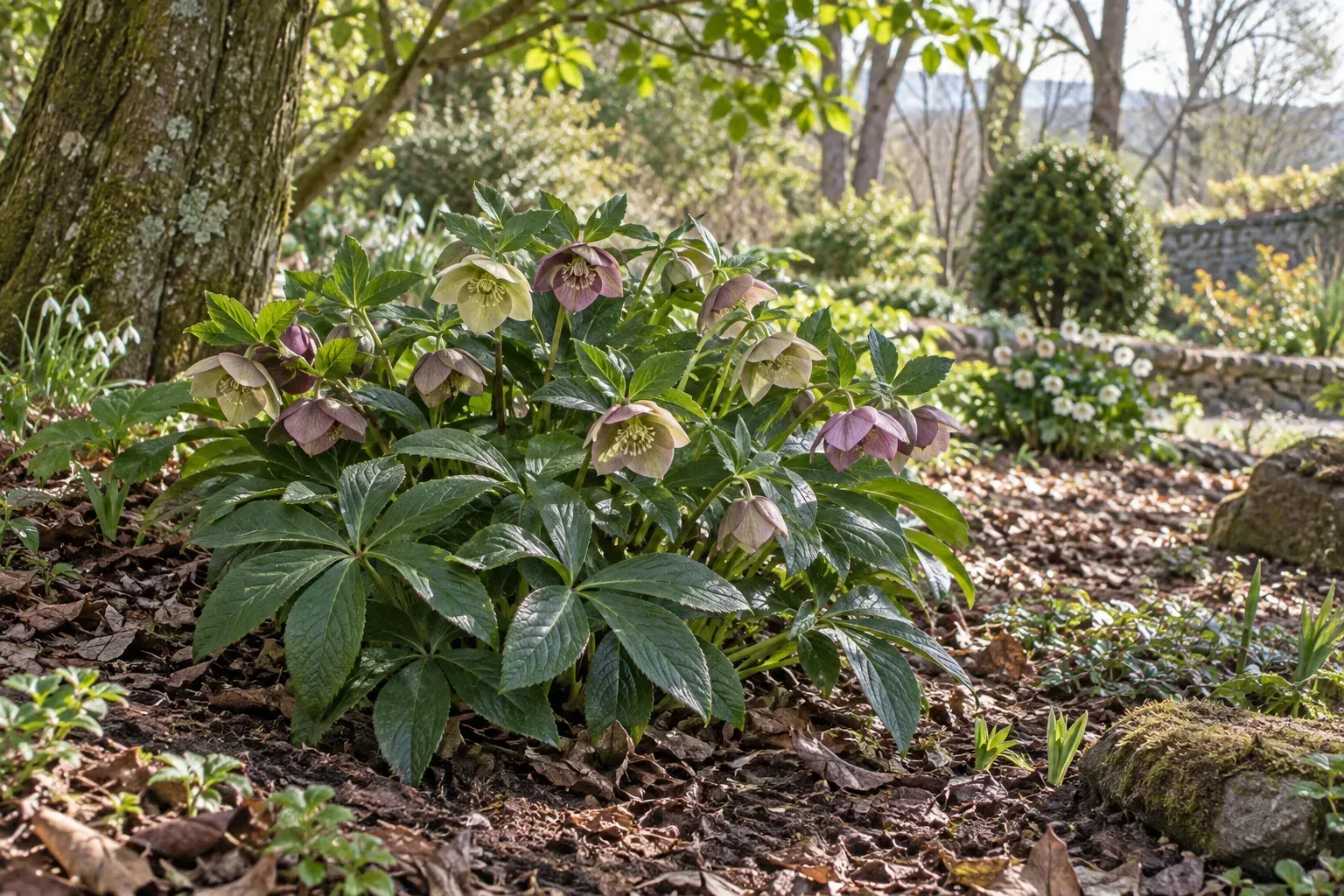
For many garden primroses, the target is cool soil, useful spring light, and shade during the hottest part of the day. That often means the east side of a building, the edge of a deciduous canopy, or a border that receives morning sun before the leaves overhead fill in. The best position depends on both species and climate; “shade plant” does not mean deep darkness.UC Statewide IPM Program Gardeners’ World
Light: Morning Sun Is Different From Afternoon Sun
In a cool-summer climate, some primroses can take more sun, particularly while flowering in spring. In a hot-summer region, protect them from strong afternoon sun; heat at the crown and dry root zone can shorten flowering, scorch leaves, or weaken the plant before winter. UC IPM makes the same climate distinction: primroses tolerate full sun in cooler areas but need partial or full shade in hotter ones.UC Statewide IPM Program
Deep shade is not a reliable shortcut to easy care. A site that stays dark all day can produce fewer flowers, while a bright but cool position under a deciduous tree may give a better balance: spring light for growth, then summer shade. If the leaves bleach or wilt by midafternoon while the soil is still moist, test a position with more afternoon protection before adding water.
Moist Soil, With Room for Water to Drain
Primroses need moisture available around their roots, not permanently saturated soil. Choose a bed where rain does not sit in the planting hole, and improve thin or sandy soil with compost or leaf mold to slow drying. In heavy clay, use a raised or gently sloped site rather than mixing a small pocket of loose potting mix into a water-holding hole.North Carolina State Extension Royal Horticultural Society
Advice about pH is often too absolute. Many primroses favor humus-rich soil and dislike very alkaline ground, but the genus is broad and soil texture, water, and plant identity are more useful first checks than trying to acidify every bed.Royal Horticultural Society Do not add lime or sulfur without a soil test and a reason; pH amendments cannot fix poor drainage.
A thin mulch helps hold moisture and keep the root zone cooler, especially around young plants and in hot spells. Leave a small open ring around the crown—the point where leaves meet the roots—because mulch pressed against the center stays damp and can encourage crown decay. Shredded leaves or fine compost are more appropriate than a thick, waterlogged layer.
Plant Primroses in Beds or Containers
Plant nursery primroses while the weather is cool: in spring after the worst frost has passed in colder regions, or in fall where plants have time to root before hard freezes. In warm-winter climates, planting during the cooler season can help them establish before heat arrives. Follow the label’s hardiness and seasonal directions; a flowering pot bought in winter is not automatically ready for a sudden outdoor temperature swing.The Old Farmer’s Almanac Gardeners’ World
Keep the Crown at Soil Level
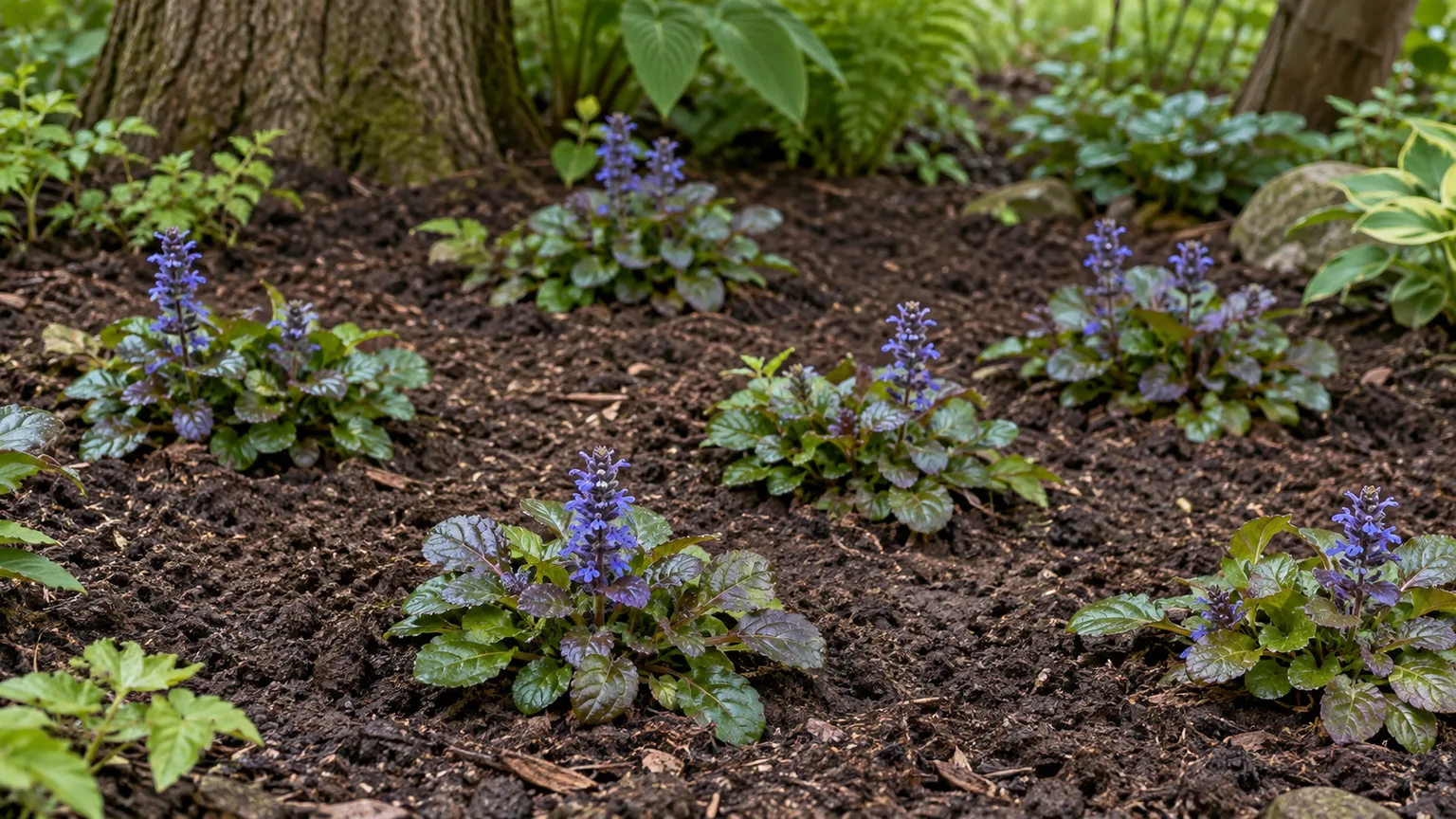
Water the plant in its nursery pot before planting so the root ball comes out intact. Set it in a hole as deep as the root ball and about twice as wide, loosen only roots that circle tightly, then backfill and water slowly to settle the soil. Keep the crown at the same height it had in the pot; burying the center can trap water, while leaving roots exposed makes them dry quickly.
Space plants according to the mature width on the label. For a massed display, they can sit closer than plants grown as separate clumps, but leaves should still dry after rain and there should be room to reach the crown for deadheading. Water again when the top layer of soil starts to dry; do not assume that a spring planting needs daily irrigation if rain is keeping the root zone moist.
For containers, choose a pot with open drainage holes and a mix that holds some water without turning dense and airless. A standard quality potting mix amended with a little fine bark, perlite, or grit works for many common garden primroses; alpine auriculas need a more sharply draining setup. Empty the saucer after watering, and do not leave the nursery pot sealed inside decorative foil or a cachepot full of runoff.
Follow a Seasonal Care Routine
Primrose care is lightest when the site does the work. Check moisture during establishment and dry spells, remove spent flowers if you want a tidier or longer display, and leave healthy foliage in place after bloom so it can support the plant’s next growth cycle. A simple seasonal rhythm is more reliable than applying the same fertilizer and watering schedule to every Primula.North Carolina State Extension Gardeners’ World
Water by Soil Condition
Keep garden soil evenly moist during active growth, but let excess water drain away between rain or irrigation. Check the soil near the edge of the root ball with a finger: if the upper inch feels dry, water deeply at soil level; if it is cool and damp, wait. Pots can dry faster than beds, so check them more often, especially on a sunny porch or in wind.UC Statewide IPM Program The Old Farmer’s Almanac
Watering frequency changes with pot size, soil texture, temperature, and rain, which is why “once a week” can be too much in one garden and too little in another. If leaves droop but the mix is damp, do not automatically add water; inspect for a hot position, blocked drainage, or a soft, dark crown. If the root ball has dried hard and pulled from the pot edge, soak it thoroughly once, then return to moisture checks rather than repeated shallow splashes.
Aim water at the soil rather than repeatedly wetting the leaves and flowers. This is especially useful where the air is cool and still, because foliage that stays wet for long periods is more vulnerable to leaf spots and gray mold. For an established clump through a dry spell, a slow soak that reaches the roots is more helpful than a quick surface sprinkle.
Deadhead, Feed, and Mulch With Purpose
Remove an individual spent flower stem at its base if you want the plant to keep a neat display and put less energy into seed. Leave some stems if you want natural seedlings or seed to collect; many primulas self-sow where the soil stays open and moist.Gardeners’ World Keep the foliage, even when it looks untidy after flowering, until it yellows naturally unless disease requires removal.
Fertilizer advice varies because a wild-type woodland primrose and a heavily blooming pot hybrid are not the same crop. Gardeners’ World recommends dilute liquid feed for some floriferous types around bud formation, while the Almanac describes a lighter annual feeding for many garden plants.Gardeners’ World The Old Farmer’s Almanac For a bed already improved with compost, skip routine feeding; for a container or weak-growing plant, use a balanced fertilizer at the label’s low or diluted rate during active growth, then stop after flowering. Too much nitrogen can build soft leaves without solving shade, drought, or drainage problems.
Renew a thin organic mulch as it breaks down, but keep it away from the crown. In cold, exposed gardens, a light winter cover of leaves can buffer freeze-thaw swings; do not bury a rosette under a wet blanket that remains in place as temperatures rise. Good drainage and clean leaf litter around the crown usually matter more than adding a heavy layer.
Plan for Heat and Winter by Cultivar
A primrose can be winter-hardy and still struggle in a region with hot, dry summers. In mild-summer climates, common primroses and selected hybrids may return and spread; in warmer areas, many are planted as cool-season annuals and replaced when heat takes them out.UC Statewide IPM Program The Old Farmer’s Almanac Choose the label’s stated USDA zone range for the actual cultivar, and treat it as a cold-survival guide rather than a guarantee of year-round performance.
When summer heat arrives, maintain moisture without letting the crown sit wet, and provide afternoon shade if leaves scorch or bloom ends early. Some Primula species lose foliage or enter a resting period after flowering, but a collapsing wet crown or foul-smelling roots suggest rot rather than normal dormancy. Mark the spot and check the species before digging out a plant that has simply disappeared from view.
Most hardy garden types do not need to be dug up for winter. A sheltered bed with free-draining soil is safer than moving plants repeatedly; in exposed sites, add a light mulch after the ground cools and pull it back as new growth appears. For a tender florist cultivar, follow the grower’s label instead of assuming the rules for a hardy garden primrose apply.
Keep a Florist Primrose Flowering Indoors
Florist primroses are usually being held in flower for a short indoor display, not grown for life in a warm room. Put the pot in a cool, bright spot away from a heater, radiator, fireplace, or hot afternoon window; Iowa State University Extension recommends a bright location around 55–60°F for these plants.Iowa State University Extension A north or east window can work if it is bright enough, while a cooler enclosed porch may be better than a heated living room.
Keep the mix evenly moist, but never leave the pot standing in water. Check every few days rather than watering by date, pour off runoff, and remove faded flowers so mold does not form around the crown. If the pot is wrapped in foil, take it out to water and let it drain before replacing the cover; compact florist pots can dry quickly under warm indoor air.Iowa State University Extension
After the flowers finish, inspect the label and decide whether the plant is hardy where you live. If it is a suitable garden type, acclimate it outdoors over several days in a protected, lightly shaded spot, then plant it at crown level in moist, draining soil once severe frost risk has passed. Some florist hybrids will not return reliably even with good care, so treat outdoor planting as a worthwhile trial, not a promise of repeat bloom.The Old Farmer’s Almanac
Do not force a dormant or declining plant to flower with heavy feeding. A warm room, spent bloom, root-bound pot, or non-perennial cultivar can all end the display; the most useful next step is often to move a hardy plant outdoors after bloom or compost an unsuitable tender type. Most common garden primroses are cool-season outdoor plants rather than permanent houseplants.Iowa State University Extension
Divide Clumps or Raise Primroses From Seed
Propagation choice depends on whether you want many plants or copies of one named cultivar. Division is the dependable route for keeping a hybrid’s color and form; seed is useful for increasing numbers, but seedlings may vary and different species have different germination requirements.American Primrose Society
Divide to Keep a Named Plant True to Type
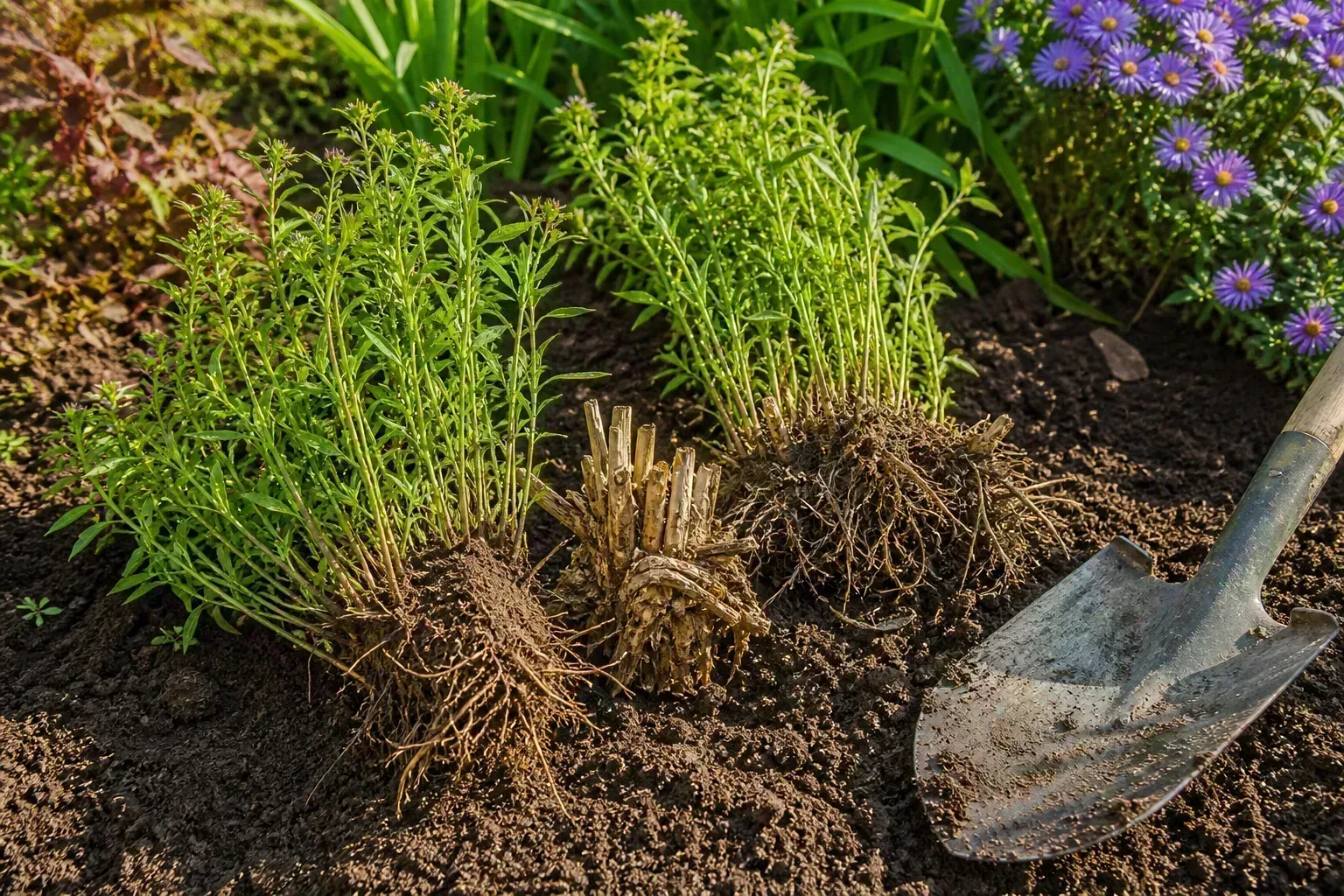
Divide a healthy, established clump after flowering or in early fall while there is still mild weather for roots to re-establish. Lift it with a fork, gently tease the crown apart into sections that each have roots and several healthy growing points, and replant the sections at their original depth. Water them well and keep the soil from drying while new growth settles in.North Carolina State Extension Gardeners’ World
Do not split a small, stressed, or newly planted primrose just because the calendar says it is time. A fuller division with two or more crowns may flower better the following season than tiny single-crown pieces, and species that go dormant or have specialized roots can need a different division window.American Primrose Society If the type is unknown, divide only a strong clump and keep the sections generous.
Sow Seed With the Species in Mind
Fresh seed is easiest to manage when you can sow it soon after ripening. Fill a clean tray or small pot with fine seed-starting mix, moisten it, sprinkle seed thinly on the surface, and press it in without burying it deeply. Keep the surface damp but airy and place the pot in a cool, sheltered position; the tiny seedlings need light, moisture, and protection from drying.
Germination is not identical across the genus. The RHS seed guide lists candelabra hybrids for surface sowing in spring or autumn with a cold-moist period, while other species may need different timing or treatment.Royal Horticultural Society Seed Germination Guide Check the packet for the exact species rather than refrigerating every primrose seed by default.
When seedlings are large enough to handle, move them into small pots or a nursery bed and grow them on until sturdy. Expect hybrid seedlings to differ from their parent in flower color or form; if you want an exact copy of a named plant, divide it instead.American Primrose Society Leave a few seed heads in the garden if volunteer seedlings are welcome, then thin extras while small so the strongest plants have room.
Diagnose Common Primrose Problems
The same symptom can have more than one cause, so check soil moisture, crown condition, and the weather before treating. Primroses can suffer from slug feeding, aphids, spider mites, leaf spots, gray mold, and root or crown rot, but the first fix is often a change in site or watering rather than a spray.North Carolina State Extension UC Statewide IPM Program
Read the Pattern Before You Treat
| What you see | Check first | Helpful first response |
|---|---|---|
| Whole plant wilts while soil is dry | Root ball shrunk from pot or dry soil several inches down | Water slowly until the root zone is damp; then monitor rather than keeping it saturated |
| Leaves wilt or yellow while soil stays wet | Drainage hole, heavy soil, and whether crown or roots are soft | Stop watering, empty standing water, improve drainage; discard a plant with advanced crown rot |
| Brown or yellow-edged spots, sometimes with papery centers | Whether spots spread across several leaves or form a defined lesion | Remove affected leaves, water at soil level, improve airflow, and avoid composting diseased material |
| Gray fuzz on flowers or leaves | Crowding, dead petals, and prolonged damp weather | Remove affected material and improve spacing and air movement |
| Fine stippling or webbing in hot weather | Undersides of leaves for spider mites; also inspect for aphids or whiteflies | Rinse pests from the foliage, isolate indoor pots, and correct heat stress before escalating |
| Ragged holes or missing leaf edges | Slugs and snails, especially overnight or beneath pots | Hand-pick after dark, clear hiding debris, and protect new growth with a locally approved method |
Root and crown rot are hard to reverse once the center is soft and dark, so prevention is more effective: correct drainage, water when needed, and keep mulch clear of the crown. Leaf spot has fungal and bacterial causes that can look similar; the RHS recommends removing and destroying affected leaves and notes that home-garden fungicide efficacy is not established for these Primula leaf spots.Royal Horticultural Society: Primula Leaf Spots Avoid spraying by default, particularly when an accurate diagnosis is not clear.
Heat stress can look like underwatering: leaves droop during the hot part of the day, then recover in the evening if roots are damp. Move a potted plant into cooler shade and check the mix before adding water; for an in-ground clump, improve afternoon shade and soil moisture. If a wet plant continues to wilt, inspect drainage and crown firmness rather than watering again.
Protect Pets and Sensitive Skin
The ASPCA lists common primrose, Primula vulgaris, as toxic to dogs, cats, and horses, with mild vomiting as the listed clinical sign.ASPCA Primrose Listing Keep plants away from animals that chew greenery; if a pet eats part of one, contact a veterinarian or animal poison-control service with the plant label and estimated amount rather than waiting to see whether symptoms appear.
Skin risk also depends on species. Primula obconica, sometimes sold as German or poison primrose, can cause allergic contact dermatitis in susceptible people because allergens occur in glandular hairs on its leaves and stems.DermNet NZ: Primula Wear gloves if you know you react to primulas, avoid rubbing your face while handling one, and wash exposed skin. This does not mean every primrose causes a rash, but the label is useful information for both people and pets.
Conclusion
For reliable primrose care, match the plant label to your climate, give it cool light and soil that stays moist without staying wet, and keep the crown exposed at soil level. That combination prevents the two common failures—heat and drought on one side, waterlogged crowns on the other—more effectively than a fixed fertilizer or watering schedule.North Carolina State Extension UC Statewide IPM Program
A garden primrose may return, self-sow, or behave like seasonal color depending on its type and summer conditions; a florist pot is usually a cool-season display that can be tried outdoors after bloom if its cultivar is hardy. When you know the species, check the soil before watering, and leave healthy foliage in place after flowering, you can make a sensible choice about whether to divide it, grow seed, or simply enjoy it for the season.



