10 Flower Seeds to Start in February Indoors
Start 10 cold-tolerant flower seeds indoors in February—stock, snapdragons, larkspur, pansies, and more. Frost-date timing, setup tips, and crop-by-crop sowing windows.
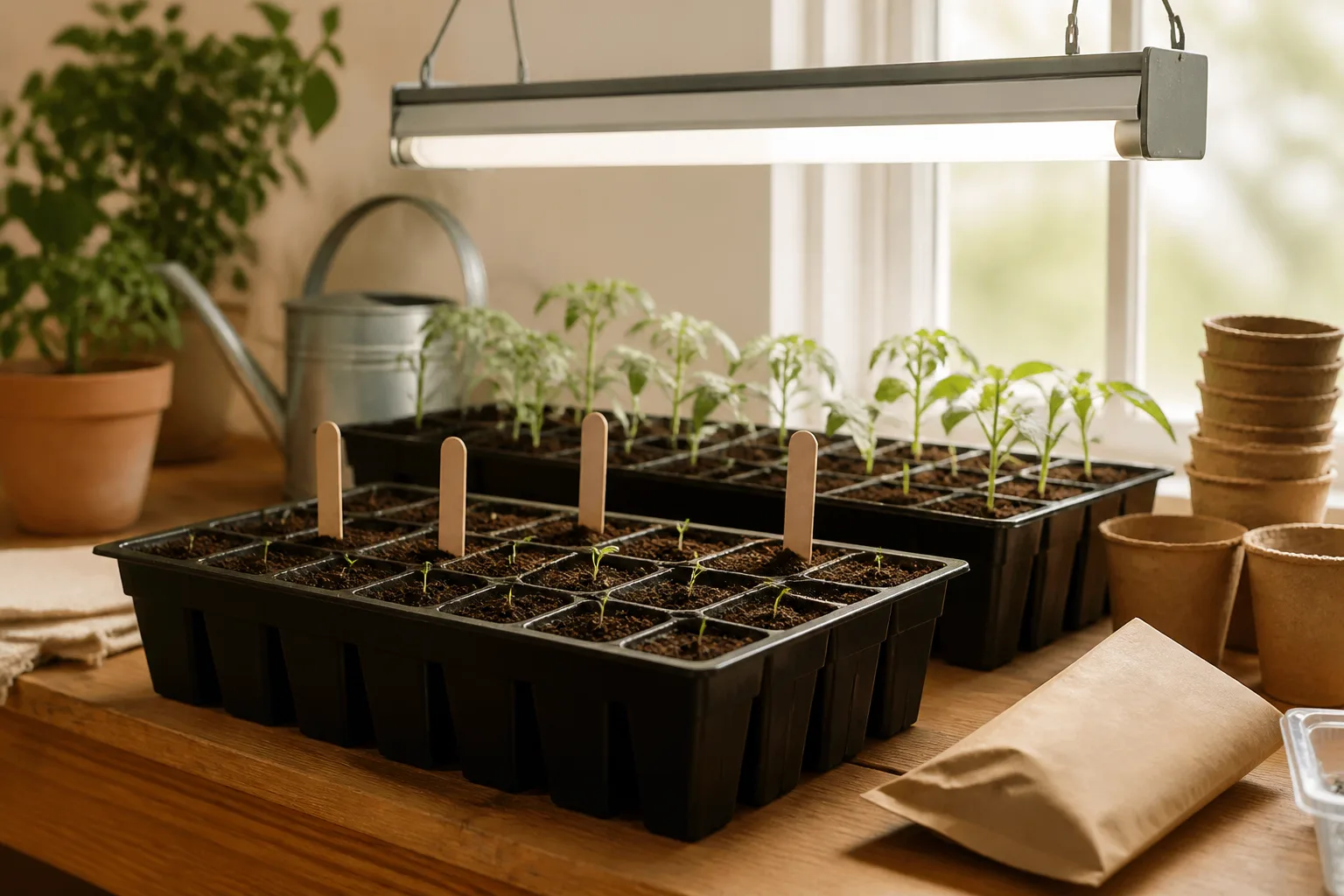
February is when seed catalogs stop being fantasy and start becoming trays on your potting bench. The month is not a free pass to sow every flower packet you own—start the wrong crops now and you will nurse leggy, light-starved seedlings for weeks with nothing to show for it in May. Start the right hardy annuals and cool-season flowers in February, though, and you can transplant sturdy plants weeks before heat-loving summer annuals even belong outdoors.
This guide names 10 flower seeds that genuinely earn a February indoor start in most USDA zones 5–7 gardens (and similar cool-spring climates): stock, dianthus, snapdragons, larkspur, statice, hollyhocks, violas/pansies, yarrow, Iceland poppies, and cornflowers. It also covers the frost-date math, indoor setup, and hardening-off steps that turn those packets into a spring garden that actually performs.
Is February Actually the Right Month for Flower Seeds?
February indoor sowing makes sense when your average last spring frost is still six to ten weeks away and outdoor soil is too cold for reliable germination. In USDA zone 6, that often means a last frost around mid-April; in zone 5, late April to early May. Zone 8 and warmer may already be direct-sowing some hardy annuals outside by late February, which changes the calculus entirely.
The goal of a February start is not earlier blooms at any cost. It is transplant-ready seedlings on the first workable spring days—when air is cool enough that hardy annuals thrive and warm-season flowers would still sulk. If your windowsills cannot deliver 12–16 hours of strong light daily, February sowing often produces tall, weak stems long before transplant day. In that case, waiting until March with proper grow lights usually yields healthier plants, even if the calendar feels late.
The February Decision Gate: Start, Winter-Sow, or Wait
Use this quick sort before you open a packet:
- Start indoors in February if the flower tolerates cool transplant weather, needs 6–10 weeks of indoor growth, or benefits from controlled germination (stock, snapdragons, larkspur).
- Winter-sow outdoors in February if the seed naturally experiences freeze–thaw cycles and you have a protected spot (many gardeners winter-sow larkspur, stock, and some snapdragon varieties in milk-jug mini-greenhouses).
- Wait until March or later if the crop needs warm soil and long days to perform (zinnias, cosmos, marigolds, sunflowers in most regions).
Competitor listicles rarely say the quiet part out loud: February is for cool-tolerant flowers, not for every seed rack at the garden center.
Build Your Sowing Calendar From Frost Dates
Every seed packet instruction that says “sow indoors 6–8 weeks before last frost” is really asking you to work backward from transplant day, not from today’s date. Before you sow anything in February, write two dates on your calendar: your average last spring frost and your target transplant date for each crop.
Find your last frost from a local cooperative extension planting calendar, a regional almanac frost-date tool, or your state’s master gardener resources. Adjust for your microclimate: south-facing beds, wind breaks, and urban heat can shift practical planting by a week or more. Hardiness zone alone is too coarse for transplant timing.
Count backward from transplant day to get your indoor sow date. Then check the gap: if sowing in early February pushes a fast crop past ten weeks indoors, you are starting too early unless you have excellent light and room to pot up.
Cool-Season Flowers vs Warm-Season Flowers
Cool-season flowers germinate in cool soil, grow happily in brisk spring air, and many tolerate light frost after hardening off. Stock, snapdragons, larkspur, pansies, and cornflowers fall here. They are exactly what February indoor sowing is for in zones 5–7.
Warm-season flowers need warm nights and long days. Zinnias, cosmos, and marigolds started in February without greenhouse-level light become floppy indoor monsters by April. Epic Gardening’s indoor seed-starting overview notes that most gardeners should match sow dates to each crop’s frost tolerance rather than treating every packet the same (Epic Gardening seed-starting guide).
| Flower | Typical indoor start (before transplant) | Frost tolerance after hardening | February start in zones 5–7? |
|---|---|---|---|
| Stock | 6–8 weeks | Light frost OK | Yes |
| Dianthus | 8 weeks | Hardy | Yes |
| Snapdragons | 8–10 weeks | Hardy | Yes |
| Larkspur | 8–10 weeks (or winter-sow) | Hardy | Yes |
| Statice | 6–8 weeks | Light frost OK | Yes |
| Hollyhock | 6–8 weeks | Hardy | Yes |
| Pansy/viola | 8–10 weeks | Very hardy | Yes |
| Yarrow | 8–10 weeks | Hardy | Yes (perennial) |
| Iceland poppy | 6–8 weeks | Cool-season hardy | Yes |
| Cornflower | 6–8 weeks | Hardy | Yes |
| Zinnia | 4–6 weeks | Frost kills | No—wait |
| Cosmos | 4–6 weeks | Frost kills | No—wait |
Indoor Setup That Keeps Flower Seedlings Stocky
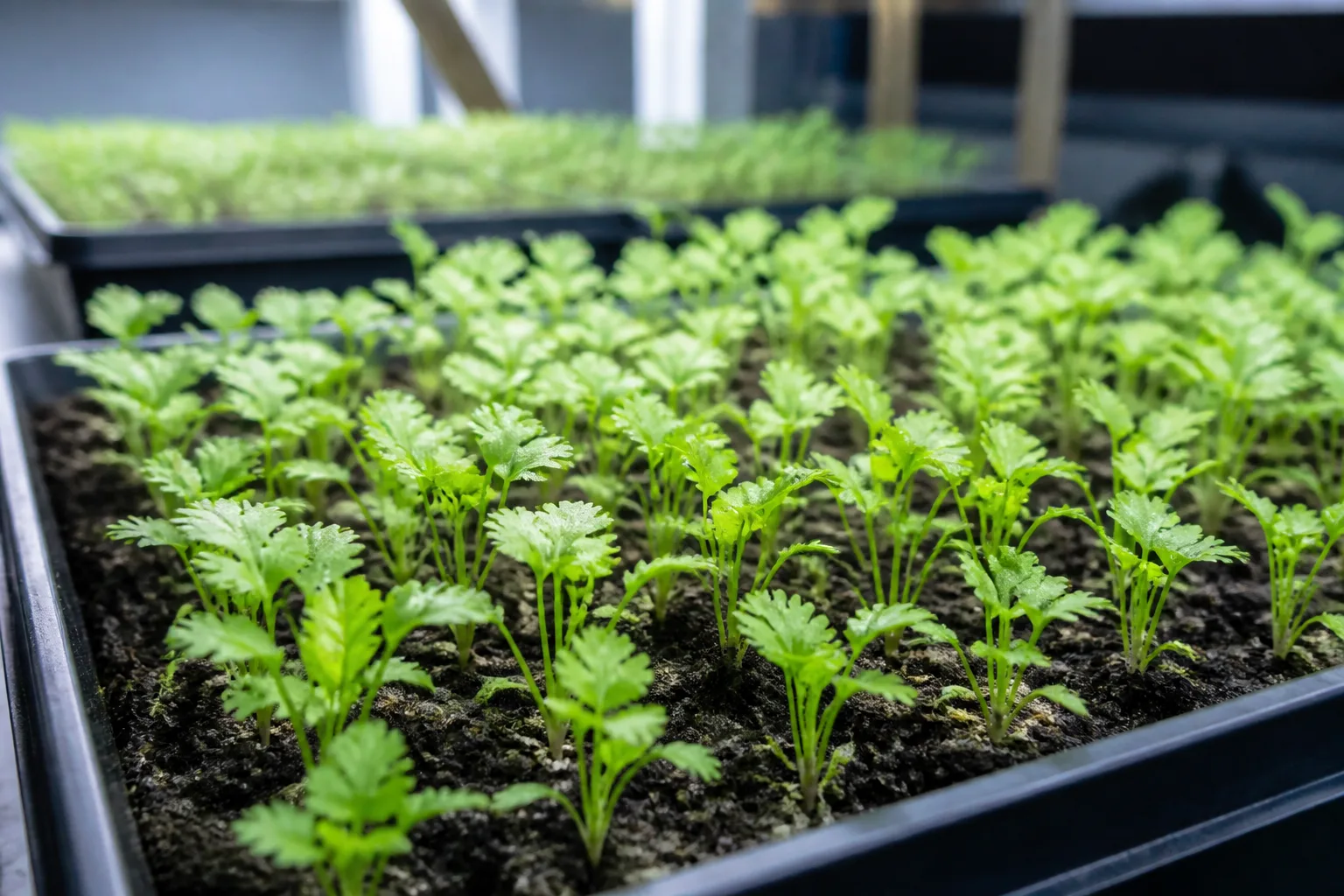
Flower seedlings fail indoors for predictable reasons: too little light, too much water on the soil surface, and temperatures that swing between “oven under the window” and “drafty night.” UMN Extension emphasizes that successful indoor seed starting depends on adequate light, proper timing, and sterile media—assumptions that matter more in February than in April (UMN Extension starting seeds indoors).
Gather these basics before you sow:
- Shallow trays or cell packs with drainage holes
- Sterile seed-starting mix (lighter than potting soil)
- Clear dome or plastic cover for germination humidity
- Heat mat for crops that germinate faster at 65–75°F
- Adjustable grow lights on a timer
- Fine mister or bottom-watering tray for surface-sown seed
Label every tray with variety and sow date. Snapdragons and foxglove-class seed are dust-fine; you will not remember which dome is which in three weeks.
Lights, Heat Mats, and Domes
Seeds do not need light to germinate—except for a few surface sowers like pansies that require light exposure. Seedlings need bright light immediately after they emerge. In February, a south window rarely delivers enough intensity; stems stretch within days. Position LED or fluorescent grow lights 2–3 inches above the leaf tops and run them 12–16 hours daily on a timer.
Heat mats speed germination for stock, snapdragons, and many annuals that prefer soil around 65–72°F. Remove domes once you see green sprouts to reduce damping-off risk. A small fan on low strengthens stems by mimicking outdoor air movement—Lovely Greens notes that gentle airflow during indoor culture produces sturdier transplants (Lovely Greens grow-light seed starting).
Sowing Depth and Watering Fine Seed
Rule of thumb: bury seed to a depth roughly equal to its width. Large hollyhock seed gets a light soil cover; snapdragon and petunia-class seed should be surface-sown and pressed into moist mix without burial. Floret Flowers recommends barely covering snapdragon seed and bottom-watering until seedlings are large enough for overhead watering (Floret Flowers February seed-starting post).
For surface sowers, mist gently or water from below so seeds do not wash into one corner of the tray. Let the top layer dry slightly between waterings once seedlings have true leaves—soggy mix is the fastest route to fungal collapse.
Hardening Off Before You Plant Outside
Indoor seedlings are spoiled: stable temperatures, no wind, and no ultraviolet intensity. Moving them straight to a sunny bed on transplant day scorches leaves and stalls growth for weeks. Hardening off is non-negotiable.
Plan 7–10 days of gradual outdoor exposure:
- Days 1–2: Place trays in shaded, sheltered spot outdoors for 1–2 hours; return inside.
- Days 3–5: Increase time to 4–6 hours; introduce gentle morning sun.
- Days 6–7: Leave out most of the day; add overnight outside if nights stay above 40°F and plants are hardy annuals.
- Transplant on a cloudy day or late afternoon into moist, workable soil.
Hardy annuals like snapdragons and pansies can tolerate brief light frost after hardening. Still, row cover on the first cold nights after transplant buys insurance against a late surprise freeze.
10 Flower Seeds Worth Starting in February
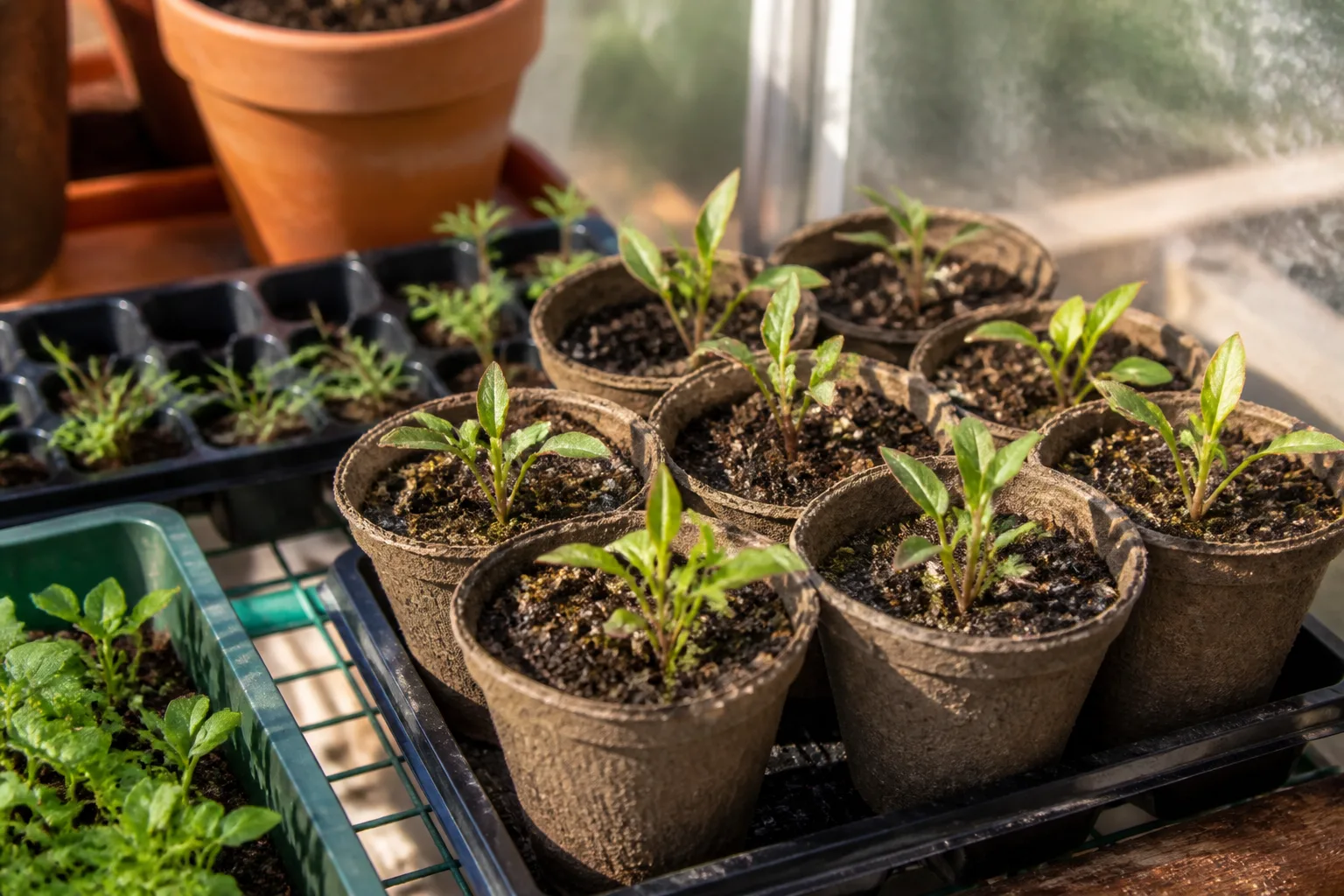
The flowers below are the February tray all-stars for cool-spring gardens and cutting rows. Timing assumes zones 5–7 with a last frost in mid-April to early May—adjust your sow date backward from your transplant target.
Stock — fragrant cutting-garden spikes
Stock (Matthiola incana) produces dense, clove-scented spikes in pastels and jewel tones—excellent for bouquets and the best reason to tolerate slow germination. Sow indoors 6–8 weeks before transplant. Stock seeds can take 1–2 weeks to sprout even with warmth; patience and steady moisture matter more than extra heat.
Stock prefers cool growing conditions after germination. Do not park seedlings above a radiator. Cut stems when one-third of florets are open for the longest vase life. Many cut-flower growers in zone 6 also winter-sow stock in February because cool outdoor fluctuations suit the crop (Stacy Ling winter seed-starting calendar).
Dianthus — cottage pinks for early color
Dianthus (Dianthus spp., including garden pinks and sweet William types) delivers fringed, fragrant blooms on compact plants. Start seeds indoors 8 weeks before transplant. They need bright light to germinate—surface sow or cover only lightly.
Dianthus hybridizes freely; saved seed from mixed beds may surprise you with new color combinations. Grow in full sun and well-drained soil. Deadheading extends bloom, though some gardeners leave a few stems to set seed for next year’s volunteers.
Snapdragons — cold-hardy spires that reward an early start
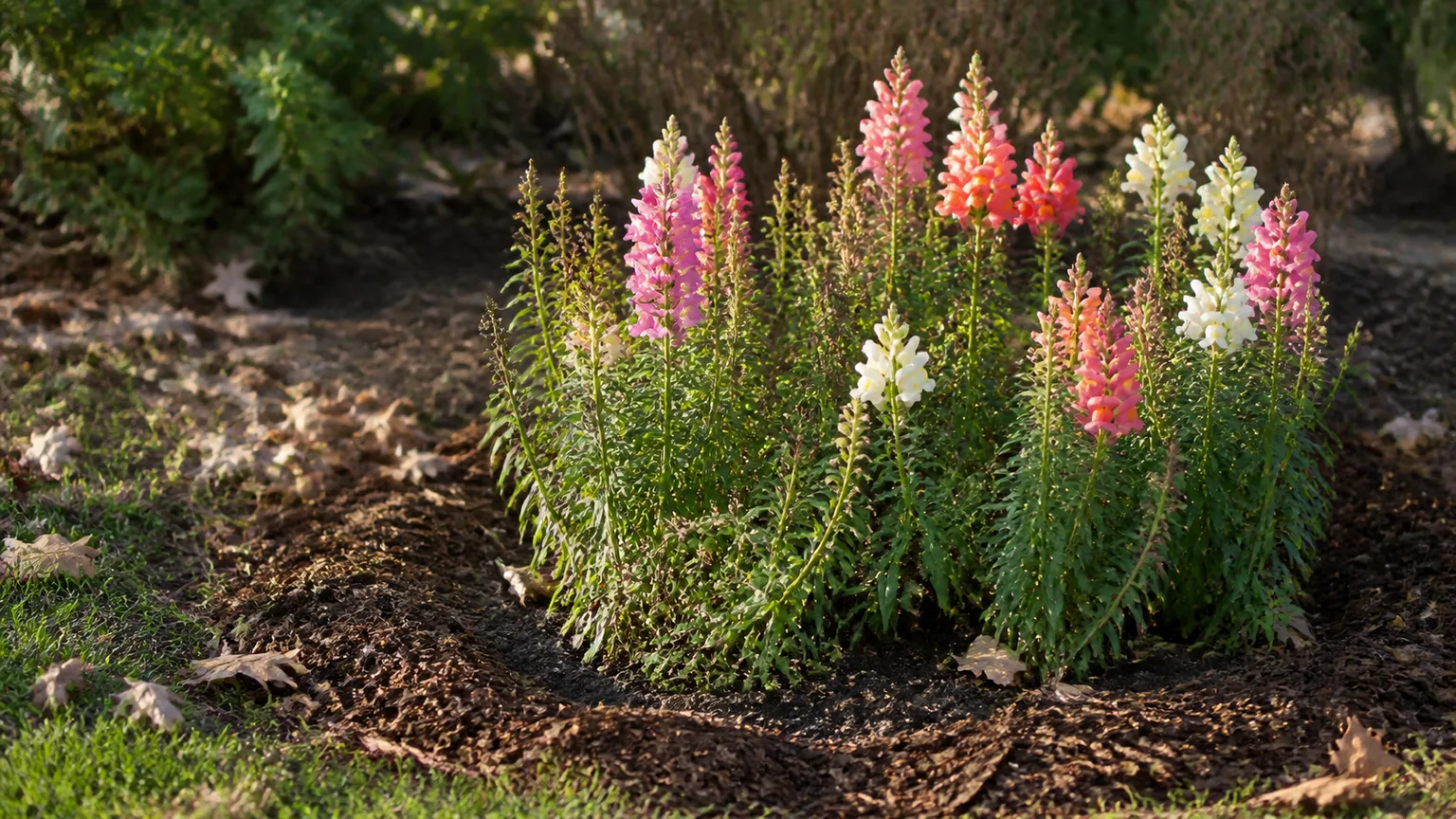
Snapdragons (Antirrhinum majus) are among the most valuable February sowings in zones 5–7 because they are cold-hardy, cut-flower favorites, and slow to size up. Sow indoors 8–10 weeks before transplant; surface sow and press in without covering.
Seeds are microscopic—sow thinly and resist the urge to dump half the packet. Bottom water until seedlings have several true leaves. Tall varieties like ‘Rocket’ and ruffled Chantilly types may self-sow in mild winters if you leave seed heads. Pinch the central bloom spike early to encourage branching on cutting varieties.
Larkspur — tall spires with a chill requirement
Larkspur (often Consolida ajacis on seed packets—related to delphiniums but grown as a hardy annual) sends up airy spikes in blues, purples, pinks, and white. It is a February standout because it germinates best with cool soil and benefits from cold stratification: refrigerate moist seed 1–2 weeks, or winter-sow outdoors in February.
Floret Flowers notes larkspur prefers soil around 55°F and darkness to germinate—cover seed with soil and keep trays cool until sprouts appear, then move under lights (Floret Flowers larkspur guidance). Plants can reach 3–4 feet; stake in windy sites. Larkspur dries beautifully for arrangements.
Statice — dried-flower color that holds
Statice (Limonium sinuatum, sea lavender) is the dried-flower workhorse: papery bracts hold intense color for months. Sow indoors 6–8 weeks before transplant in zones where spring arrives slowly. Germination improves with warmth (65–70°F); seedlings grow slowly at first.
Harden off carefully—statice dislikes rough handling. Space plants for airflow to reduce rust in humid summers. Harvest for drying when blooms are fully colored but before petals brown.
Hollyhocks — vertical cottage-garden drama
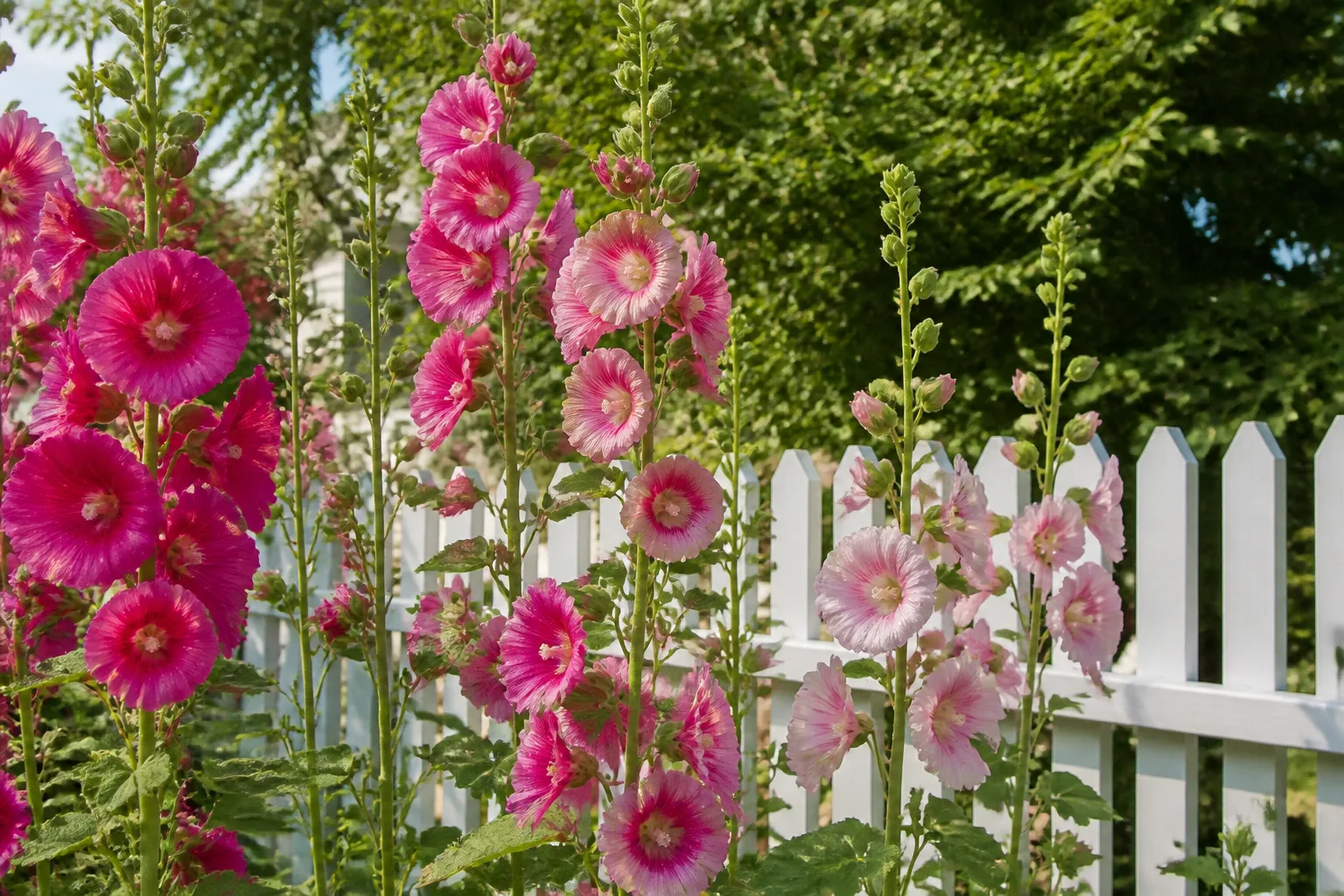
Hollyhocks (Alcea rosea) can be direct-sown after frost, but a February indoor start gives you taller first-year plants along fences and walls. Sow 6–8 weeks before transplant; cover seed lightly.
Hollyhocks are biennial or short-lived perennials in many gardens—first-year foliage, second-year towers of bloom—though some modern strains flower the first year from an early start. Watch for rust on lower leaves; improve air circulation and avoid overhead watering late in the day.
Viola and Pansies — the Valentine’s Day sowing window
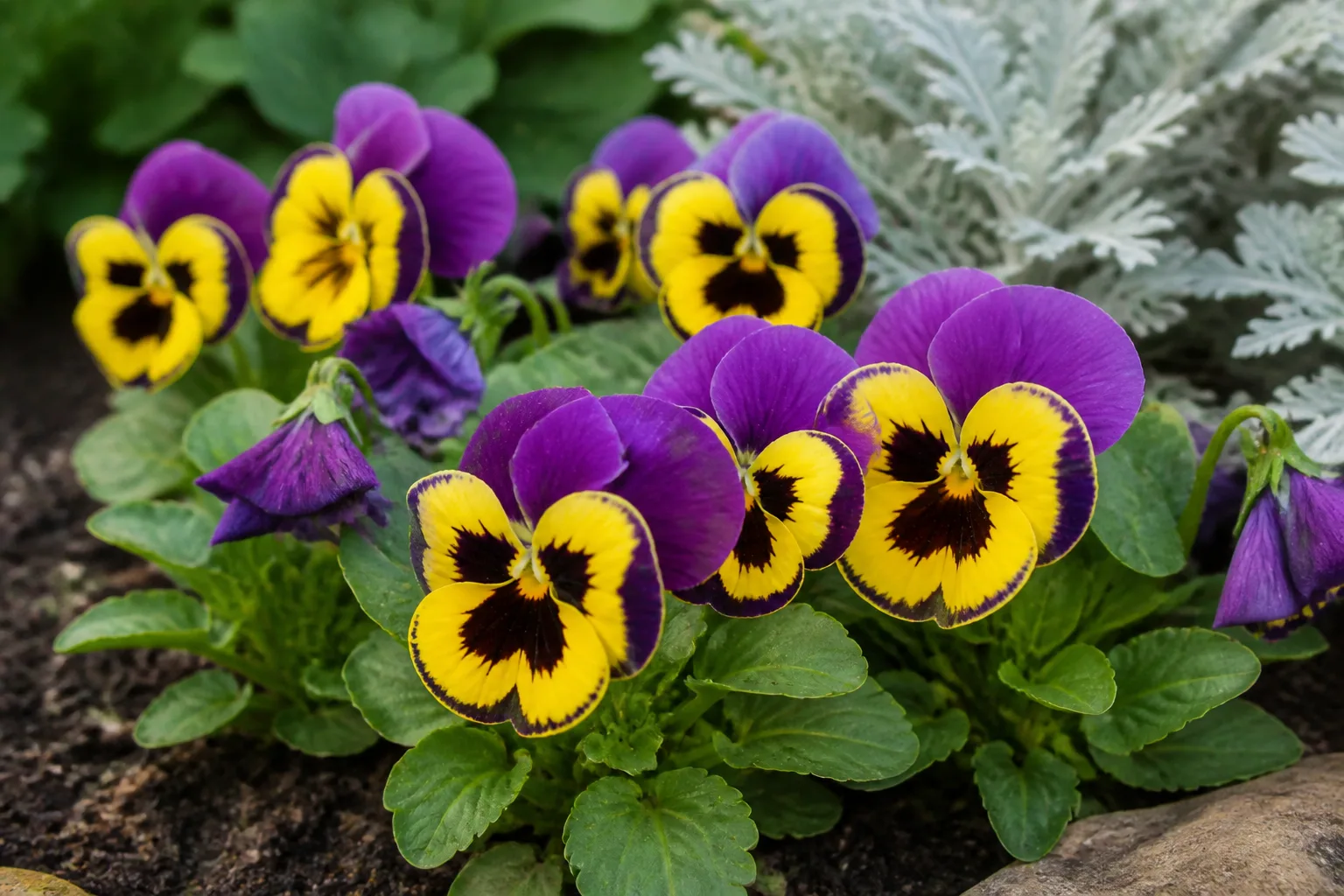
Violas and pansies (Viola spp.) are the classic late-winter sowing project—many gardeners start them around Valentine’s Day for sentimental timing that also happens to match the calendar. Sow 8–10 weeks before transplant; seeds need light to germinate, so press into moist mix without covering.
Pansies tolerate hard frost after hardening and often reseed in cracks, paths, and container edges. Colors cross freely; treat mixed packs as a lottery you will enjoy. Deadhead for continuous bloom in spring; plants often fade when summer heat arrives.
Yarrow — tough perennial filler started early
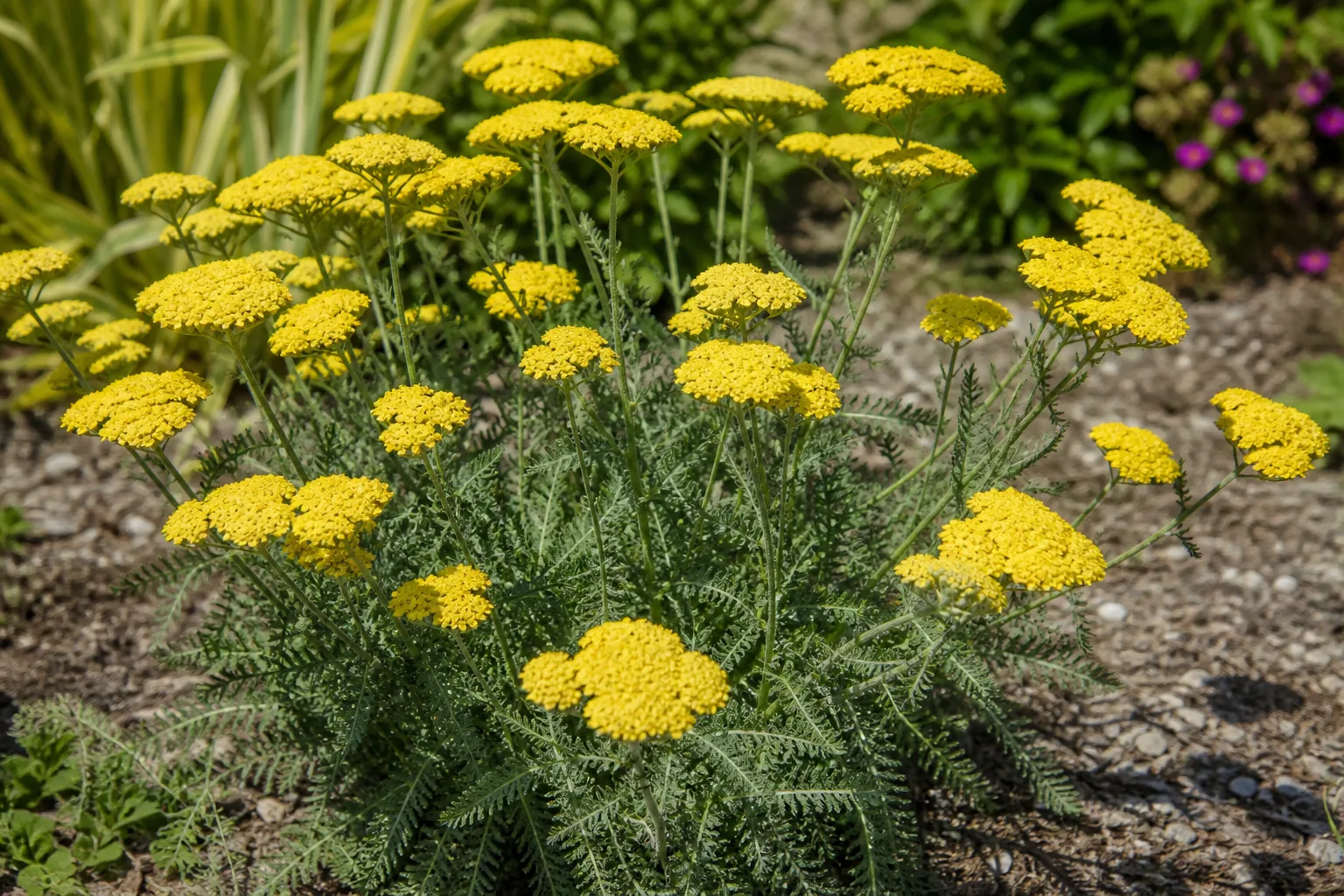
Yarrow (Achillea millefolium) is perennial, but starting seed indoors in February still makes sense if you want uniform color strains for borders or cutting rows. Sow 8–10 weeks before transplant; light aids germination.
Yarrow seedlings are easy to overwater and overheat—keep them on the cool side and under strong light to prevent leggy growth. Established plants are drought-tolerant and pollinator magnets. Divide mature clumps every few years to maintain vigor.
Iceland Poppies — cool-season cups of color
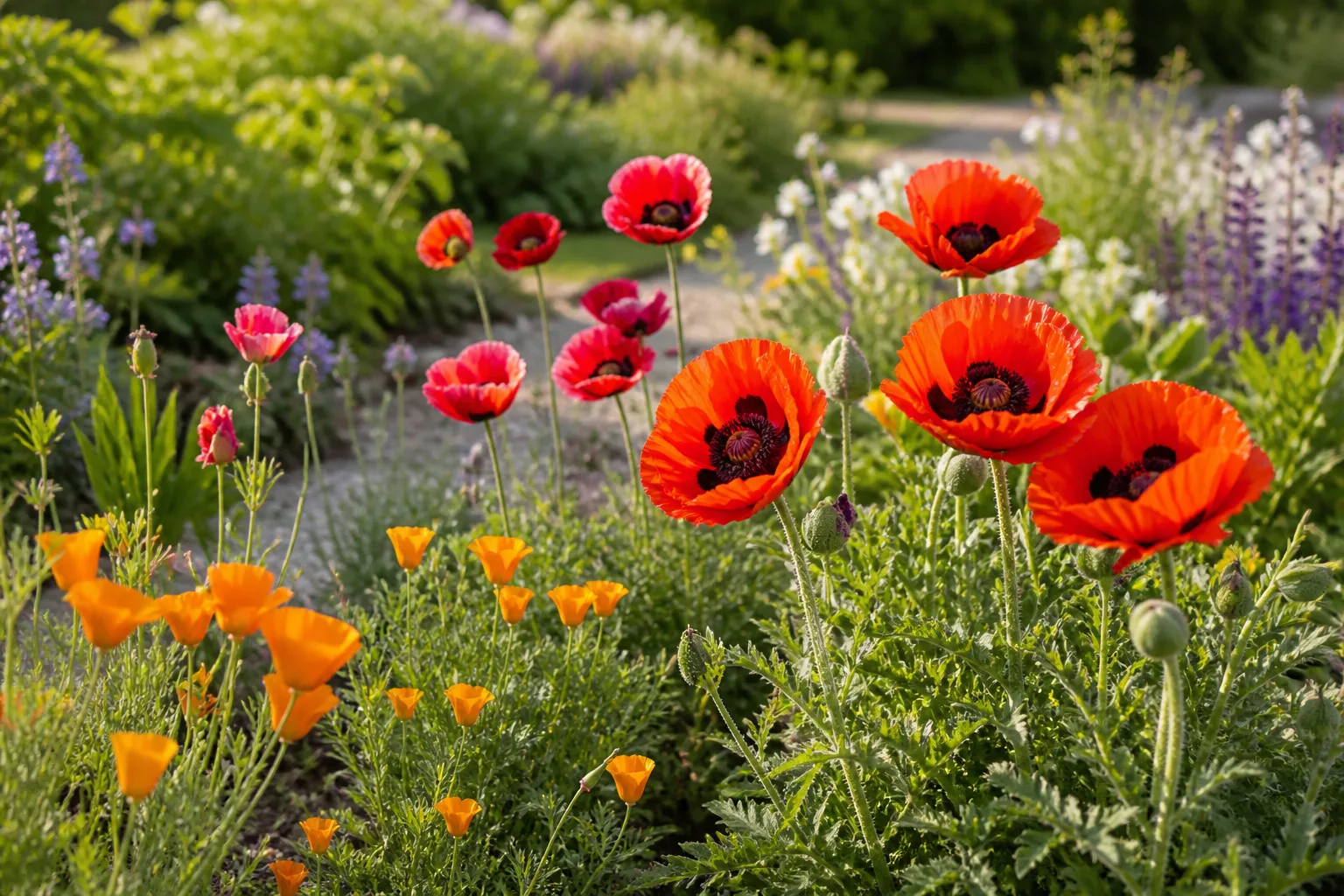
Iceland poppies (Papaver nudicaule) are far more cold-tolerant than California poppies and shine in cool spring weather. Sow indoors 6–8 weeks before transplant, or direct-sow when daytime temperatures reach 55–60°F consistently.
Poppies resent root disturbance—use biodegradable pots or sow in cells you can plant whole. Do not expect easy transplanting from crowded flats. Blooms are delicate and short-lived on the stem but stunning en masse; cut in bud for arrangements.
Cornflowers — sky-blue annuals that reseed freely
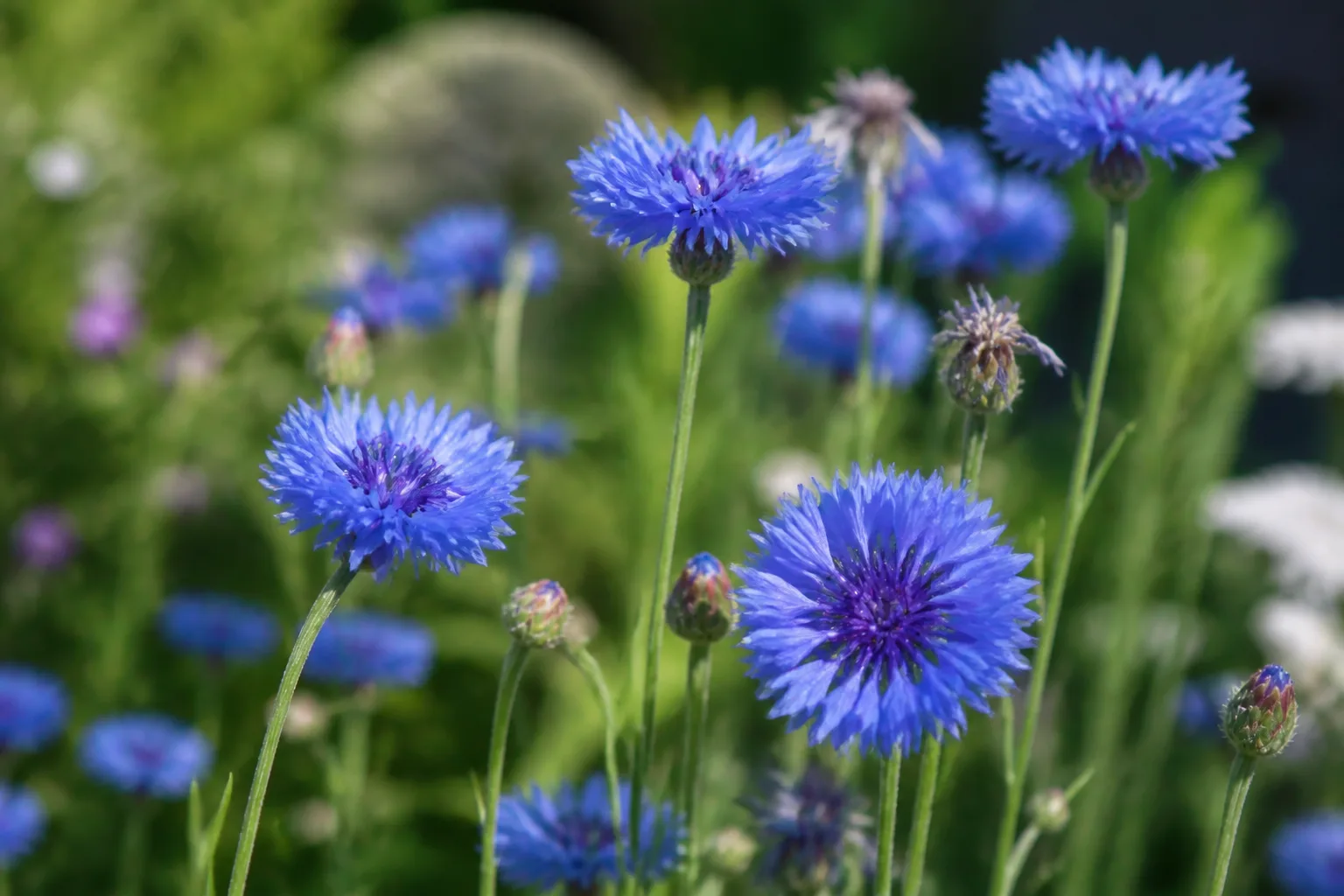
Cornflowers (Centaurea cyanus, bachelor’s buttons) are forgiving hardy annuals with iconic blue petals—though seed lines now include white, pink, crimson, and bicolor mixes. Sow indoors 6–8 weeks before last frost, or direct-sow in fall in mild regions for overwintering plants.
Cornflowers tolerate poor soil and reseed reliably; leave a few heads if you want volunteers next year. Thin seedlings early—crowded plants flop and bloom less. Excellent for pollinators and informal cottage rows.
Conclusion
February seed starting is not about sowing everything early—it is about matching cool-tolerant flowers to a real indoor setup and a frost-date calendar. Stock, dianthus, snapdragons, larkspur, statice, hollyhocks, pansies, yarrow, Iceland poppies, and cornflowers all earn space on a February tray in zones 5–7 when you can provide strong light, correct sowing depth, and a disciplined hardening-off week before transplant.
Write your last frost date first, count backward for each crop, and keep zinnias and cosmos in the drawer until March. Get the timing right and you will walk into spring with flats of sturdy seedlings ready for the first workable bed—not leggy experiments still waiting for the weather to cooperate.