When to Plant Perennials: Spring vs Fall Guide
Should you plant perennials in spring or fall? Learn the 4–6 week frost rule, which species prefer each season, and what to do if you miss your window.
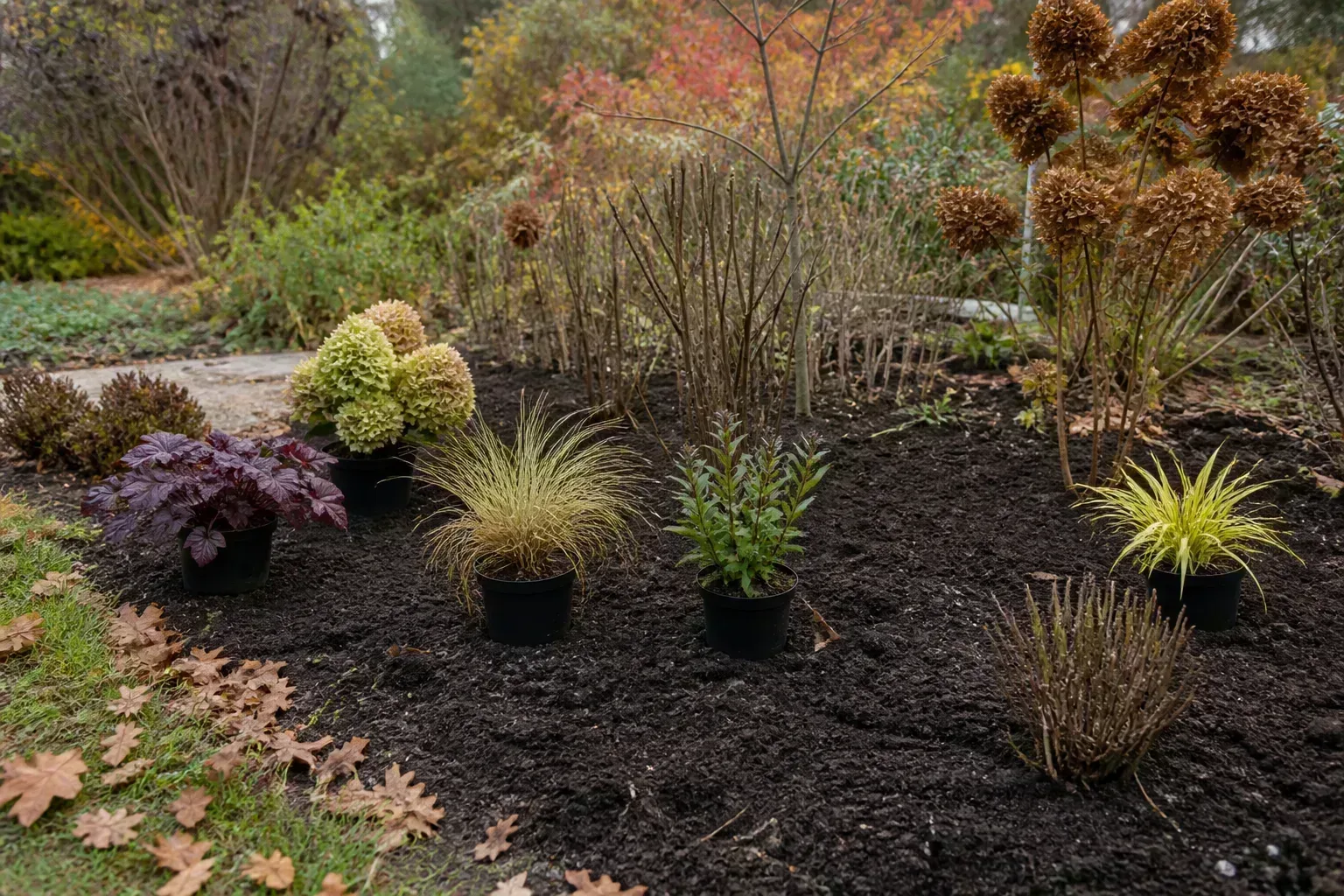
You buy a perennial once and live with it for years. That is exactly why when you plant perennials matters more than the weekend you grabbed that flat of annuals. Put a hosta or coneflower in the ground at the wrong moment—during a heat wave, on frozen soil, or three days before the ground locks up—and you are not just risking one season. You are gambling on a root system that has to survive every winter and summer ahead.
The good news: the decision is not mystical. For most herbaceous perennials in most climates, fall planting beats spring because cool air reduces transplant stress while warm soil still drives root growth. Spring remains the right call for a specific set of plants and situations—tender species, fall bloomers that need summer to size up, and gardeners in the coldest zones where the fall window closes early. Your job is matching season to plant, purchase form, and USDA zone—not following whatever the nursery display happens to be pushing this week.
The Short Answer: Fall Wins Most Fights, Spring Wins the Exceptions
Fall is the default season for planting hardy herbaceous perennials, especially spring-blooming flowers and clump-forming plants that die back to the ground in winter. Aim to get them in four to six weeks before your area’s average first frost, while soil is still workable and air temperatures are mild. Penn State Extension recommends that six-week cushion so roots can anchor in new soil before consistent cold arrives.
Spring is the better choice when any of these apply: the plant is marginally hardy in your zone, it blooms in late summer or fall and needs months of top growth first, it is evergreen or semi-evergreen and will lose foliage to winter burn if planted too late, you are starting from seed that requires cold stratification indoors, or you garden in zones 3–5 where first frost can land in September and shrink the fall window to almost nothing.
If you remember only one line: plant most perennials in fall, but plant the exceptions in spring—and never into frozen or waterlogged ground either way.
Why Timing Matters More for Perennials Than Annuals
Annuals are sprinters. You plant them, they flower, they finish. A perennial is a long-term tenant. Its first year is often the “sleep” year of the old garden saying—roots before flowers. Transplant timing sets whether those roots expand into surrounding soil or stall at the edge of the pot-shaped hole you dug.
Perennials face two stress tests in year one: summer heat and winter cold. Spring-planted stock must establish fast enough to survive July sun. Fall-planted stock must establish before soil freezes, then sit dormant while freeze-thaw cycles try to heave plants out of the ground. The right season lines up root growth with the gentler half of your local year.
What “Established” Actually Means Underground
“Established” does not mean the plant looks big above ground. It means new white root tips have grown into native soil far enough that the plant can pull moisture on its own during a dry spell or cold snap. For fall transplants, that usually means several weeks of active root growth before soil temperature drops consistently below about 45–50°F (7–10°C). For spring transplants, it means roots have spread before air temperatures routinely climb above 85°F (29°C).
A perennial that only roots into the planting-hole backfill—especially if you did not loosen a pot-bound root ball—can green up in spring and still collapse in the first hot, dry week. Timing and planting technique work together.
Fall Planting: Why Cool Air and Warm Soil Are the Sweet Spot
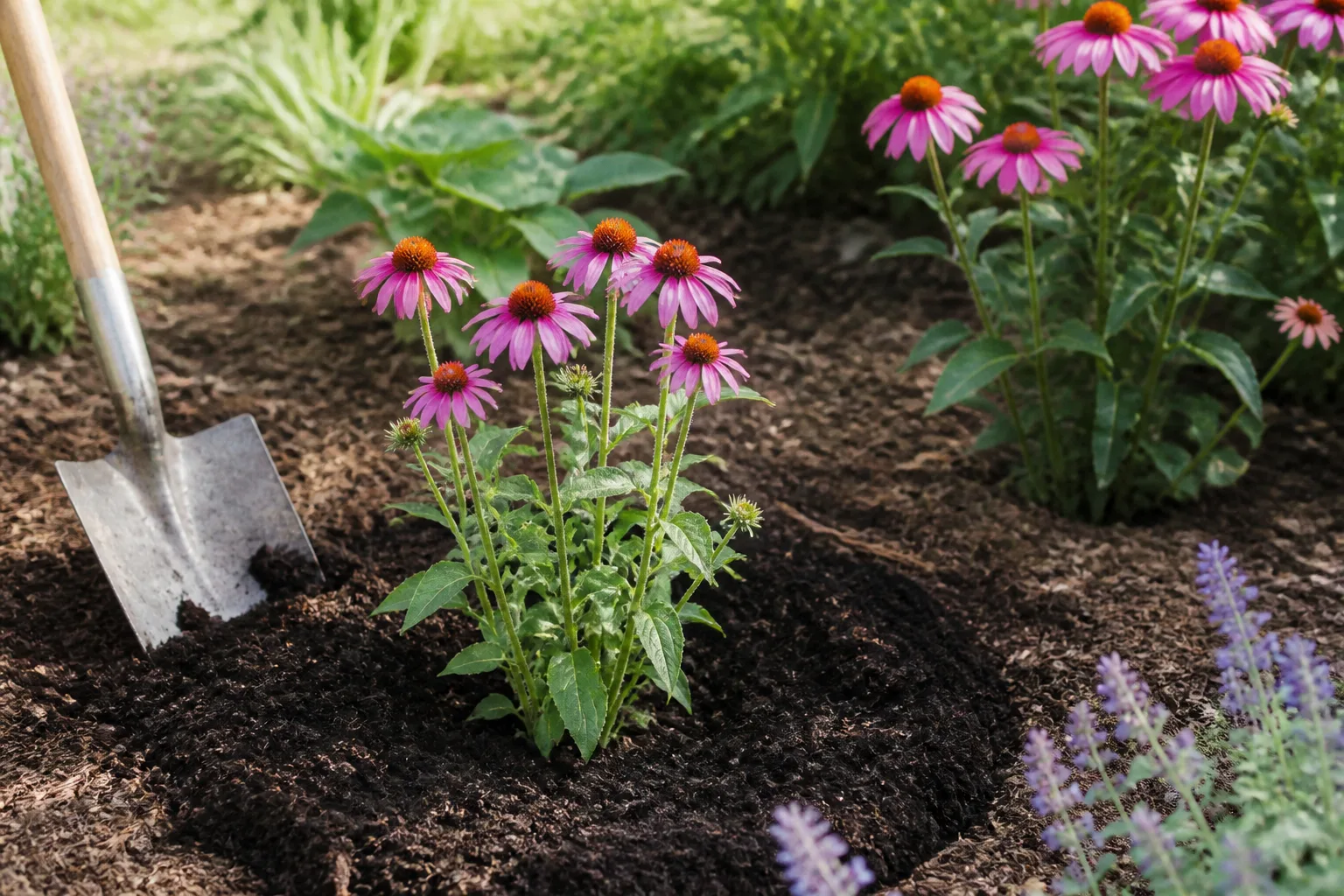
Autumn offers a combination summer cannot match: cool days, warm soil, and reliable moisture in many regions. After summer’s heat, soil several inches down often holds warmth well into October even when you need a jacket at breakfast. Roots grow in warm soil; leaves grow in response to long days and heat. Fall planting flips the priority toward roots at the exact moment the plant is winding down top growth anyway.
The RHS advises planting perennials from late September to October while ground is moist—spring is also valid, but autumn’s soil warmth gives herbaceous plants a head start on next year.
Root Growth Before Winter Freeze
Fall-planted perennials do not need to look impressive above ground. They need functioning roots. Shorter days signal the plant to shift energy downward. In many climates, roots continue developing until the ground cools sharply, then the plant goes dormant. Come spring, that underground work shows up as earlier emergence, stouter stems, and often heavier bloom than the same species planted in April and forced to root and leaf at the same time.
Lower Stress From Heat, Pests, and Weeds
Summer transplanting exposes bare roots to heat and rapid desiccation. Fall’s cooler air slows transpiration, so wilting is less dramatic and recovery is faster. Many insect pests decline in autumn, and fungal disease pressure often drops with humidity. Weeds are slowing too—though you should still start with a clean bed, not a hope-and-prayer approach.
There is a trade-off: deer and rabbits may browse new plantings more aggressively in fall when other food sources fade. If your yard has heavy mammal pressure, spring planting after surrounding plants leaf out—combined with fencing or repellents—can be safer. Insect-heavy gardens often favor fall instead, because established roots better survive spring aphid and caterpillar waves.
Spring Planting: When It Is the Smarter Move
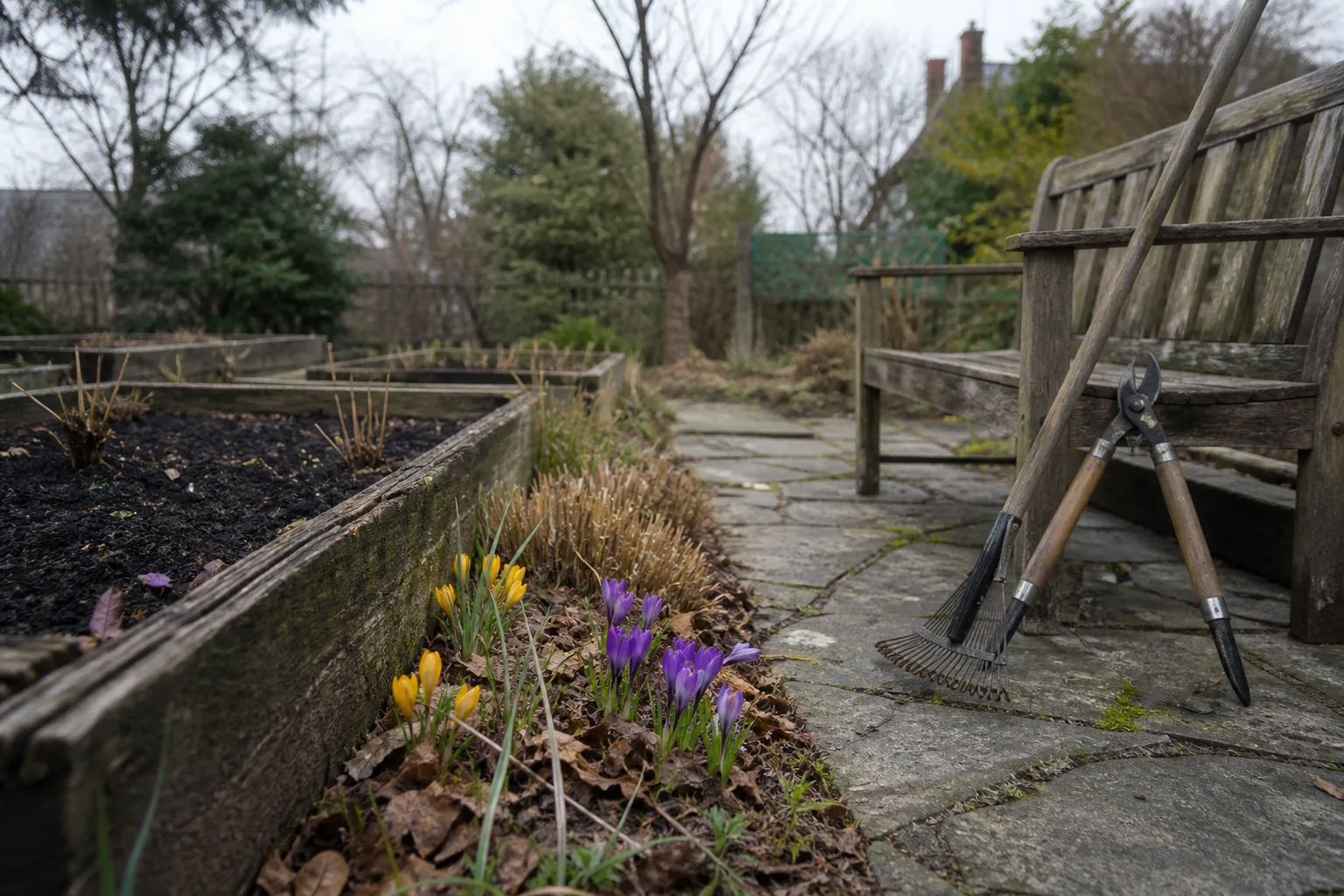
Spring is not the wrong season—it is the specialist season. Use it when fall would not give roots enough time, when the plant’s biology demands active top growth before bloom, or when winter hardiness is borderline in your zone.
Marginally Hardy and Frost-Sensitive Perennials
Any perennial at the edge of its USDA range—tender dahlias in zone 6, some salvias in zone 5, newly popular borderline shrubs—should go in after the last frost when soil has warmed. You want the longest possible frost-free runway before winter returns. Planting these in late fall is asking a stressed root system to survive its first cold season immediately.
Fall-Blooming Perennials That Need a Summer Runway
Asters, sedum, Japanese anemones, and chrysanthemums bloom as days shorten. If you plant them in autumn, they have little time to build the biomass that supports autumn flowers. Early spring planting—once soil reaches about 50°F (10°C) consistently—lets them grow through summer and hit stride in September. The same logic applies to many native late-season pollinator plants: ironweed, goldenrod, and tall sedums all benefit from a full growing season after transplant.
Match the Season to the Plant Type
Use this as a working chart. Always cross-check your specific cultivar and local microclimate.
Herbaceous Perennials and Spring Bloomers
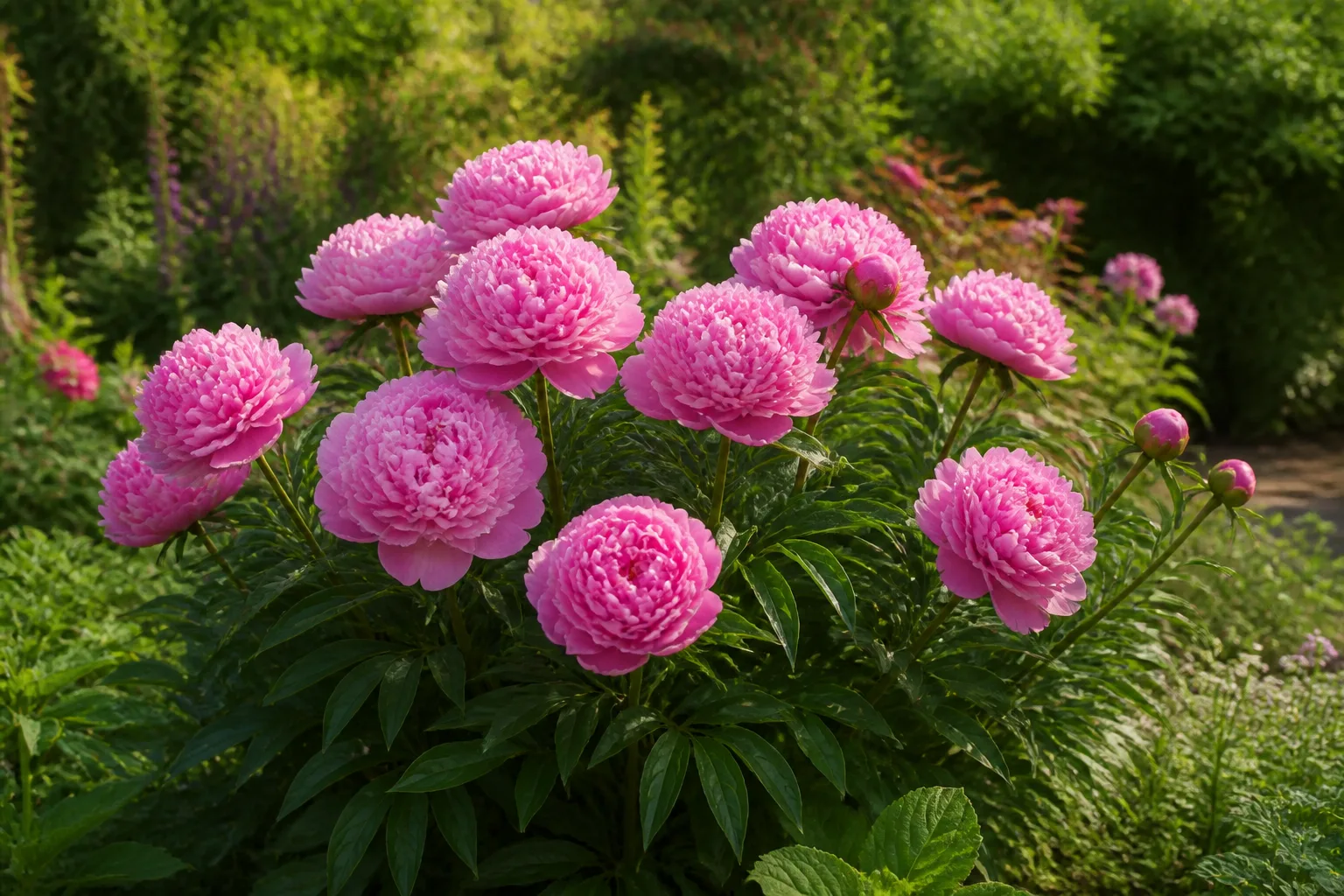
Plant in fall: peonies, bearded iris, daylilies, hostas, bleeding heart, columbine, bee balm, and most spring-flowering bulbs (tulips, daffodils, hyacinths). These species expect winter cold or early root growth before spring surge. Peonies especially resent spring transplant once eyes awaken; fall is the traditional window.
Plant in early spring if fall was missed: same group, but expect lighter bloom the first year and extra watering discipline through summer.
Evergreen, Semi-Evergreen, and Woodies
Evergreen perennials and woody herbs (lavender, rosemary in mild zones, hellebores with persistent foliage) lose water through leaves all winter. Late fall planting in cold zones can cause desiccation and winter burn before roots reach moisture beyond the hole. Spring—early enough to root before heat, but after hard frost—usually works better. In zones 7–9, early fall planting of evergreens is often fine because winters are mild.
Bulbs, Bare-Root Stock, and Divisions
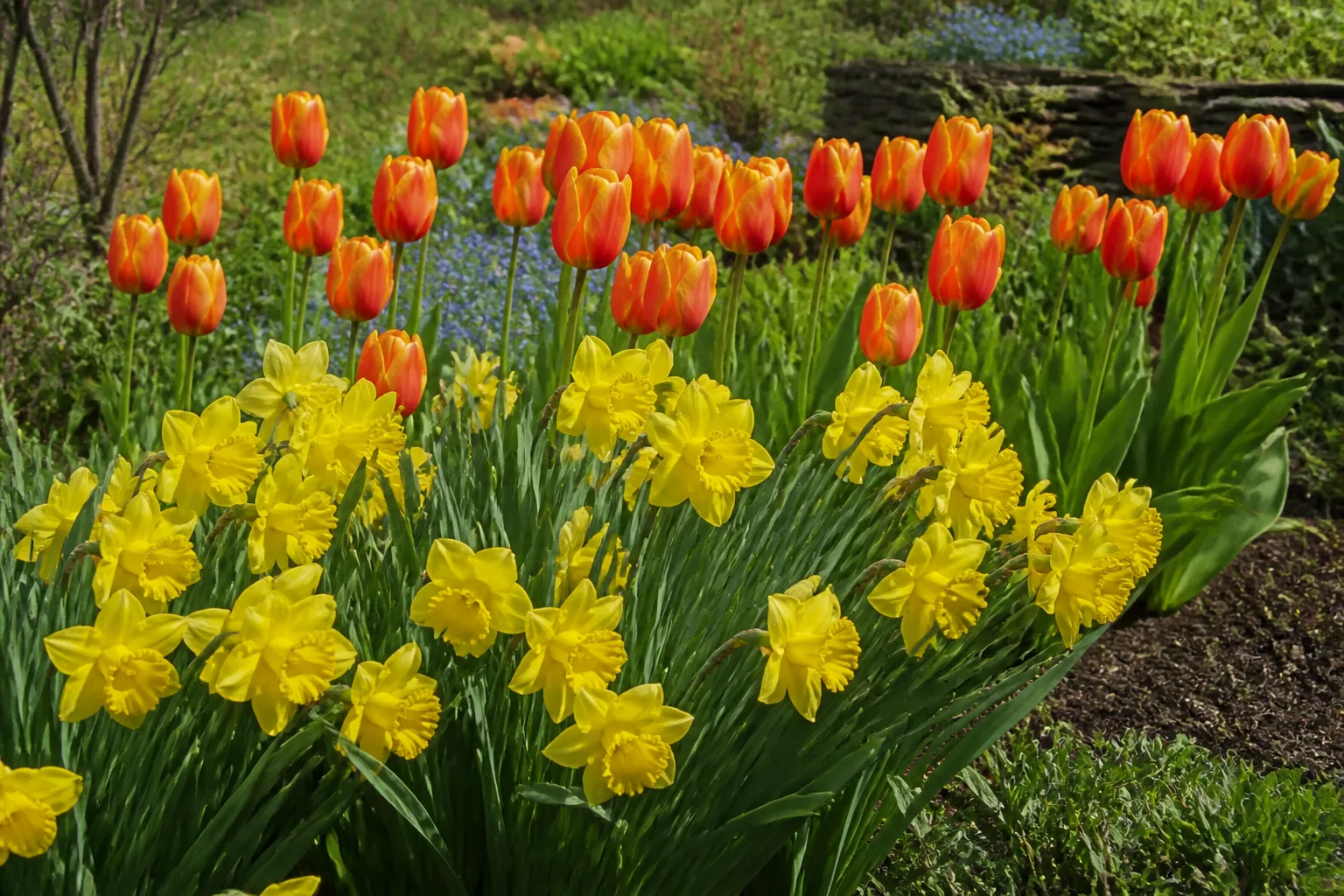
Spring-flowering bulbs belong in fall, several weeks before ground freezes, so roots form without top growth that frost can damage. Bare-root perennials and mail-order shrubs arrive dormant; plant them in the same windows as container stock—fall for most herbaceous types, spring for marginally hardy woodies. RHS guidance notes bare-root plants should go in during optimum spring or autumn windows, not midsummer.
Divisions from a neighbor’s garden follow the parent plant’s preference. Split hostas and daylilies in early fall or early spring when soil is moist. Replant divisions immediately; do not let roots dry on the driveway.
How Your USDA Zone Changes the Calendar
Zones are shorthand for how long your fall planting window stays open and how harsh your first winter will be on new roots.
| Zone range | Fall planting reality | Spring planting reality |
|---|---|---|
| 3–5 | Short fall window; prioritize early fall for hardy plants only | Often safer default for borderline species; plant after soil thaws and warms |
| 6–7 | Ideal fall-planting belt for many perennials | Spring works; use for fall bloomers and clearance plants that need inspection |
| 8–9+ | Extended fall season; watch for late heat waves after planting | Spring heat arrives fast—fall may reduce first-summer stress |
In zones 3–5, “six weeks before frost” may mean late July or August for some species—still valid for daylilies and hostas, but not for a pot of mums you bought on clearance in October. Southern gardeners (zones 8–9) can plant later into autumn, but should still avoid planting immediately before a dry, unseasonably hot spell that punishes unrooted transplants.
Seeds vs Nursery Pots vs Bare Root: Different Clocks
The season question is not complete until you ask what you are actually planting.
Seeds outdoors: Many perennials need cold stratification—a winter chill before they germinate. Direct-sow columbine, bee balm, and yarrow in fall before ground freezes. Start tender or slow species indoors under lights in late winter for spring transplant after hardening off. Our guide to seeds to start now for May planting walks through that indoor-to-outdoor bridge.
Container-grown nursery plants: The RHS notes container perennials can be planted any time the ground is not frozen or waterlogged, but spring and autumn remain best because moisture and temperature are kinder. Summer planting is possible with shade, mulch, and obsessive watering—not ideal for beginners.
Bare-root stock: Plant dormant bare-root plants in the same cool windows. If a bare-root shipment arrives late and the ground is frozen, heel plants in a trench of moist sand or compost in a shaded spot until spring.
The Four-to-Six-Week Rule (and How to Calculate Your Window)
Find your average first fall frost date from a local extension office or NOAA climate data—not last year’s first random freeze, but the long-term average. Count backward six weeks for the start of your prime fall planting window; treat four weeks before frost as the hard stop for most container perennials.
Example: if average first frost is October 15, aim to finish major fall planting by September 1–15. Earlier is fine if summer heat has broken and soil is moist. Later is gambling—roots may not anchor before freeze-thaw heaving begins.
In spring, flip the logic: plant after last frost for tender species, and once soil at planting depth holds near 50°F (10°C) for hardy herbaceous plants. A warm April week can lie to you; verify soil temperature with a probe in the morning.
Step-by-Step: Planting Perennials in Fall
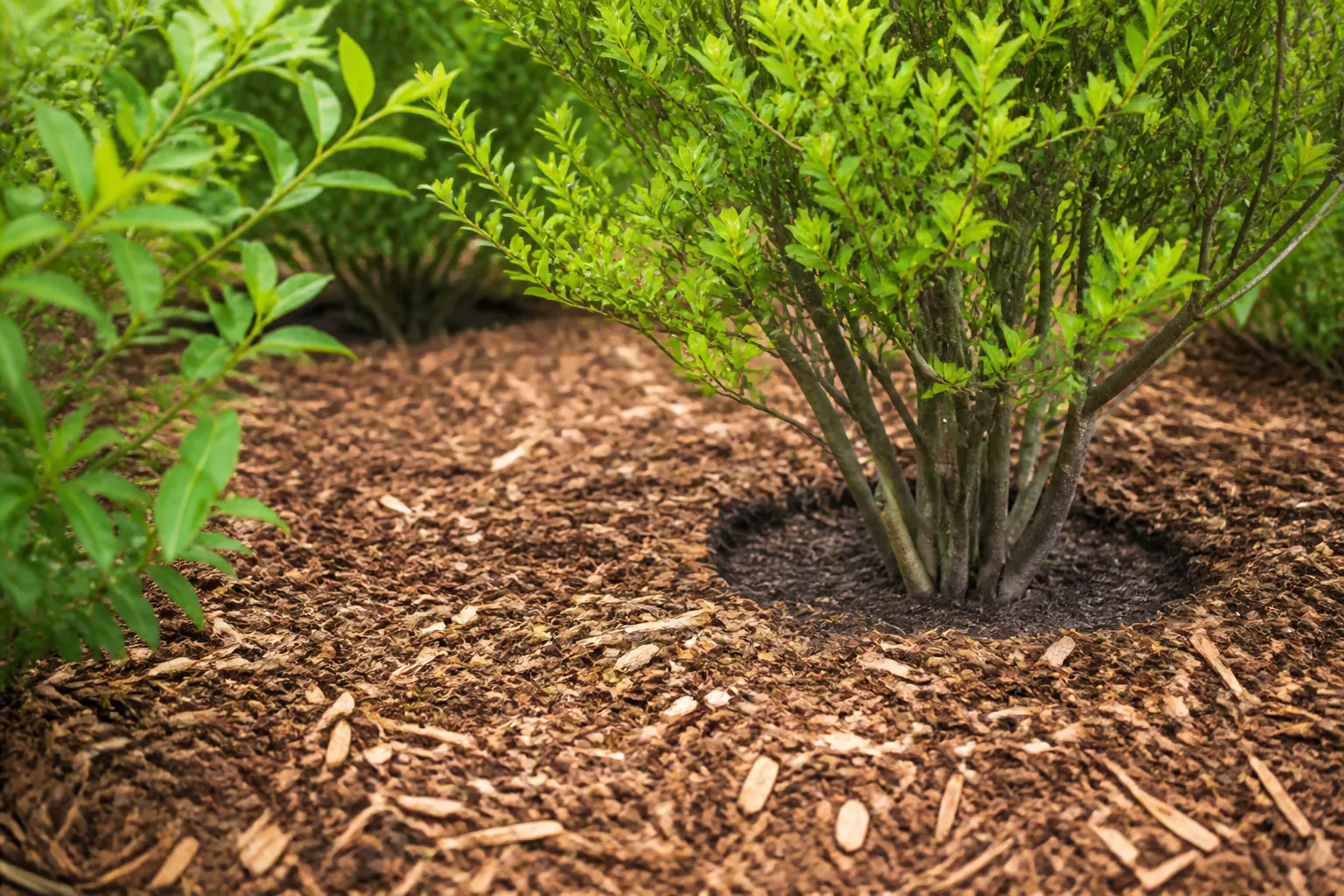
Fall success is less about the calendar date and more about bed prep, root handling, and winter protection.
Start with soil that drains. Dig a hole as deep as the root ball and twice as wide. Mix compost into the backfill if your soil is heavy clay or depleted sand—but skip heavy nitrogen fertilizer that pushes tender leaf growth right before frost. Penn State Extension warns that pot-bound plants are common on fall clearance racks; tear circling roots or cut an X in the bottom of the root ball so roots grow outward.
Set the plant at the same depth it grew in the pot—deeper for some tomatoes, not for peonies, whose eyes must stay near the surface. Water slowly until the hole drains twice. Apply 2–3 inches of mulch after the soil cools, keeping mulch a few inches away from crowns to prevent rot. Water weekly until freeze if rainfall is scarce—drought stress in late fall is a silent killer.
Skip high-nitrogen feeds. A light top-dressing of compost is enough. Your goal is roots, not lush top growth that frost will burn.
Step-by-Step: Planting Perennials in Spring
Spring planting overlaps with the busiest garden weeks, so prep before you bring plants home. Clear weeds, amend soil, and have mulch on hand. Plant on a cloudy day or in late afternoon to reduce immediate wilting.
Inspect every pot: roots should be white at the tips, not a solid mass circling the container. Tease or slice circling roots before backfilling. Water in thoroughly, then mulch to slow evaporation. Plan to water deeply once or twice a week through the first summer—not a sprinkle, but enough to moisten soil several inches down.
For fall-blooming perennials planted in spring, accept that the first year’s show may be modest. Roots and structure come first; full bloom often arrives in year two. That is normal, not failure.
Common Mistakes That Kill New Perennials
Planting too late in fall is the classic error—roots never grab soil, and frost heaves the plant out of the ground. If you are inside the four-week window, heel in pots or wait for spring.
Planting into wet, compacted soil suffocates roots as surely as drought. If the bed squelches when you squeeze a handful, fix drainage or raise the bed before you shop.
Leaving pot-bound roots intact produces a plant that survives one season and mysteriously stalls. Always break the root spiral.
Over-fertilizing in fall invites soft growth that dies at first frost. Under-watering after planting—in either season—kills more perennials than cold does. New transplants do not have the root reach to survive neglect.
Wrong depth matters especially for peonies and iris. Follow species-specific depth rules; a blanket “plant deep” approach ruins bloom for years.
What to Do If You Miss Your Window
Missed fall? Hold container plants in a protected spot—sink pots up to their rims in a garden bed, group them against a north wall, and water through winter thaws. Do not store dry pots in a heated garage; freeze-thaw cycles without moisture kill roots.
Bought clearance plants in November with frozen ground? Heel them in: dig a trench, lay pots or bare roots at an angle, cover roots with soil, and mark the spot. Transplant properly in spring.
Missed spring because soil stayed cold? Pot up into larger containers and grow on in part shade until soil warms. For a full seasonal reset checklist, see garden chores before the first day of spring.
If you are planting spring bulbs late, read our bulbs to plant in November guide for the honest limits of how late tulips and daffodils still have a chance.
Conclusion
Planting perennials in spring or fall is not a loyalty test—it is a logistics problem. Fall gives most herbaceous plants the best combination of cool air, warm soil, and autumn rain, especially when you honor the four-to-six-week frost rule. Spring is the right season for fall bloomers, marginally hardy treasures, and gardens where winter arrives early. Match the timing to what you bought—seed, pot, bare root, or division—and to your USDA zone, then focus on roots: loosen them, water them, mulch them, and check them through the first hard year.
Get the season right once, and the plant does the long work for you. Get it wrong, and you spend the next three seasons wondering why a “hardy perennial” barely survived. The calendar is telling you the answer—you just have to read it plant by plant.