Seeds to Start Now for May Planting
Start tomatoes, peppers, herbs, and slow flowers indoors in March so sturdy transplants are ready for May planting—frost-date math, crop lists, and setup tips.
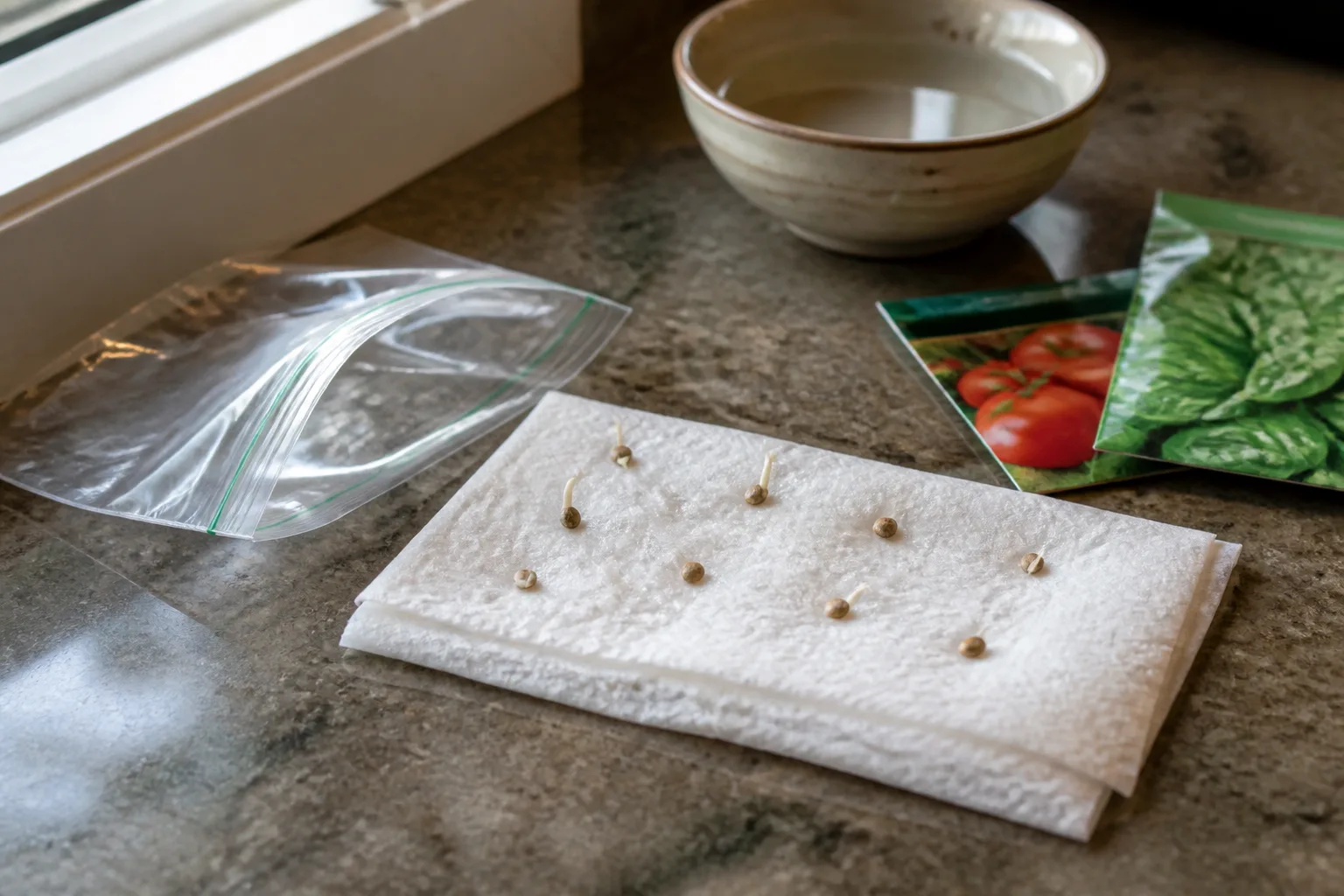
If your average last spring frost lands in May, March is not early—it is the month that separates a garden full of sturdy transplants from a scramble of leggy starts and empty nursery shelves. “Start now” does not mean every seed packet on the rack. It means the slow, frost-sensitive crops that need six to ten weeks indoors before they can safely live outside when nights finally stay warm.
This guide is built for gardeners in USDA zones 4 and 5 (and similar cool-spring regions) who plan to plant out in May. You will get a countdown method, a crop-by-crop list, and a honest “wait” column so you do not waste tray space on seeds that belong in April—or in the ground directly.
What “start now” means if May is your planting month
May planting assumes your frost-sensitive crops stay indoors until after your last average frost date, then spend a week or more hardening off before they touch garden soil. March sowing is the runway that makes that May weekend possible without buying every transplant at the garden center.
Work backward from your last frost date
Your county extension office or a reputable frost-date map gives an average last spring frost. Treat it as a planning anchor, not a guarantee. Late cold snaps after a warm March are common, and they kill tender seedlings faster than a dry spell.
Penn State Extension notes that Pennsylvania’s last-frost window stretches from late March in the warmest southeast pockets to late June in the coldest Allegheny highlands. Most of the state sits in zone 5, where the average last frost falls between May 1 and May 31. If that sounds like your calendar, March indoor sowing is exactly on schedule.
The math is simple:
- Write your target outdoor planting date (last frost plus a small safety buffer if you are cautious).
- Subtract the weeks indoors listed on the seed packet (or the ranges below).
- Subtract 7 to 14 days for hardening off before that planting date.
- The result is your sow-indoors date.
Example: last frost May 15, tomatoes need 8 weeks indoors, plus 10 days hardening → count back roughly to mid-March.
Why March fits zone 4 and zone 5 gardens
Zone 4 gardeners with late-May or early-June frost still use March for the slowest warm crops—tomatoes, peppers, eggplant, and woody herbs—because those seeds and seedlings refuse to rush. Zone 6 gardeners with April frost may shift some of this list two weeks earlier; zone 3 growers may start the same crops under lights in late February.
What unites the March window is day length. Seedlings that germinate in March receive lengthening days, which helps leafy growth once germination is past. Starting the same tray in January often produces tall, weak stems long before outdoor planting weather arrives. If you want the full indoor setup—mix, lights, humidity—see our how to start seeds indoors guide before you open your first packet.
Build your March seed-starting calendar
A calendar beats enthusiasm. One enthusiastic Sunday of sowing every crop at once leads to tomatoes ready in April and zinnias still cotyledons in June.
Read the packet and subtract weeks plus hardening time
Every seed packet lists days to germination and often weeks to transplant size. Penn State Extension recommends counting back from your planting date by germination time plus at least a week for acclimation—and more for tender crops that need a full hardening-off bridge.
Group sowings by shared timing so trays move under lights together:
| Crop group | Start indoors (weeks before last frost) | Notes |
|---|---|---|
| Tomatoes | 6–8 | Pot up once; bury stems at transplant |
| Peppers & eggplant | 8–10 | Warm germination; slow early growth |
| Basil | 4–6 | Tender; do not rush outdoors |
| Parsley | 8–10 | Slow, irregular germination |
| Thyme, oregano, sage | 8–12 | Tiny seed; woody herbs mature slowly |
| Lettuce (transplant) | 4–5 | Optional; direct sowing also works |
| Slow perennials (echinacea, rudbeckia) | 10–12 | Bloom may take until year two |
| Fast annual flowers (zinnia, marigold) | 4–6 | Often better started late March–April |
Label each flat with variety, sow date, and expected transplant week before you forget which unmarked tray is thyme and which is oregano. Our seedling transplant timeline guide covers hardening off and soil-temperature gates when May planting week arrives.
Vegetables to start in March for May transplanting
Kitchen-garden crops fall into two March camps: warm-season transplants that must not see frost, and cool-season greens you can move out earlier if hardened off. March is primarily about the warm group in zone 4–5.
Tomatoes, peppers, and eggplants
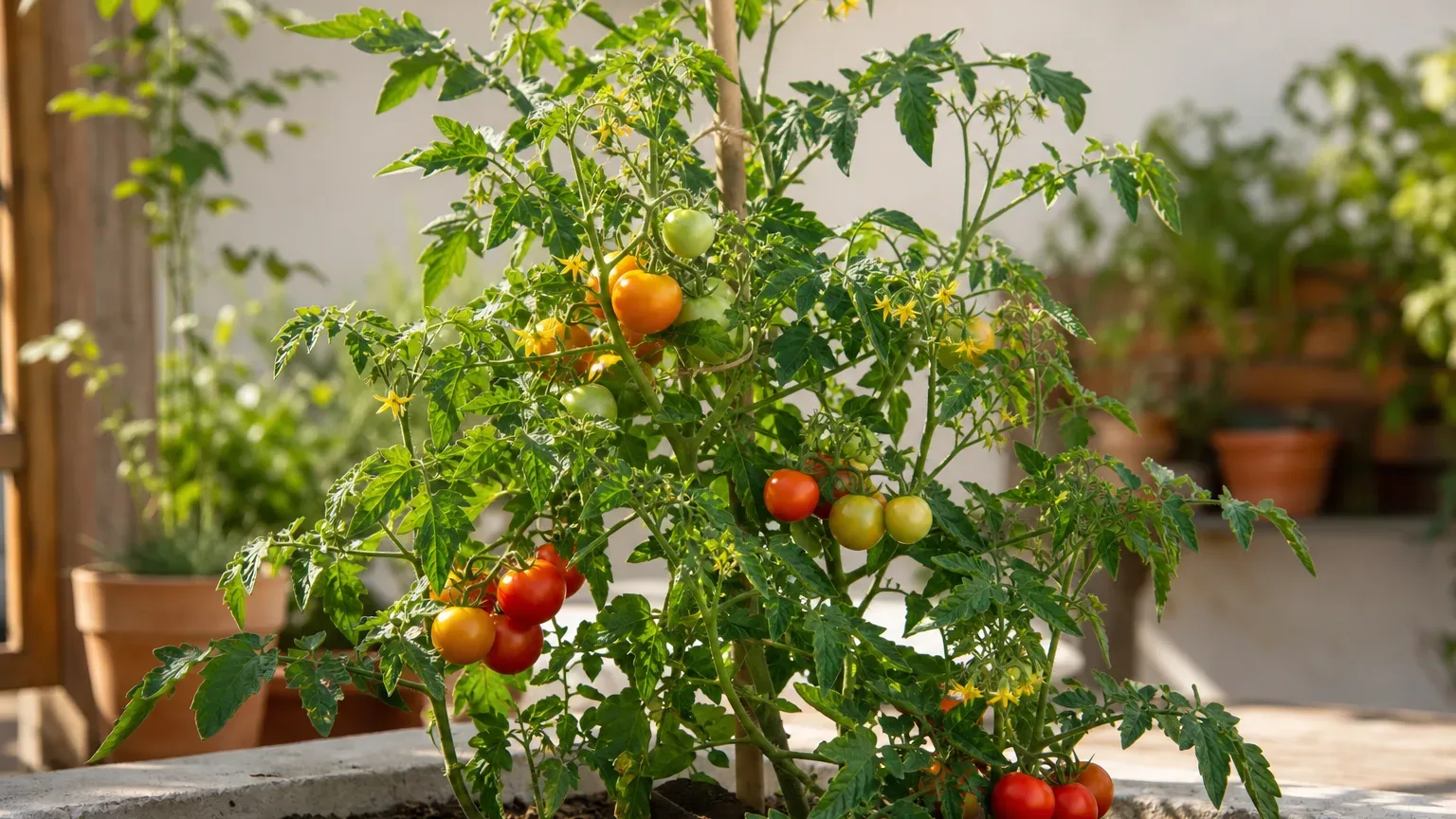
These Solanum crops are why March exists for seed starters. They need months of indoor growth before fruiting, and they sulk in cold soil even when air feels pleasant in late April.
Tomatoes (Solanum lycopersicum): sow 6 to 8 weeks before your last frost. The RHS tomato guide recommends moving seedlings into individual pots once they have a couple of true leaves, then planting outdoors only after frost danger passes in a warm, sunny, sheltered site. Cherry and bush types are forgiving for beginners; large slicers need strong light from day one.
Peppers (Capsicum annuum): plan 8 to 10 weeks indoors. Pepper seed is notorious for slow, uneven germination—often 10 to 21 days even under good conditions. A seedling heat mat set around 80–85°F (27–29°C) dramatically improves sprout rates. Once up, peppers demand bright light for 14–16 hours daily; weak light produces floppy stems that transplant poorly.
Eggplant (Solanum melongena): treat like peppers with even more patience. Germination likes 80–90°F (27–32°C) in the mix. Many varieties need 100 to 120 days from transplant to harvest, so a March start is not optional in short seasons—it is the difference between a real crop and ornamental leaves.
Pot up solanums once roots circle the cell. At outdoor planting, bury tomato stems deep so buried tissue roots along the length; peppers and eggplant go in at the same depth they grew in the pot.
Lettuce and cool-season greens
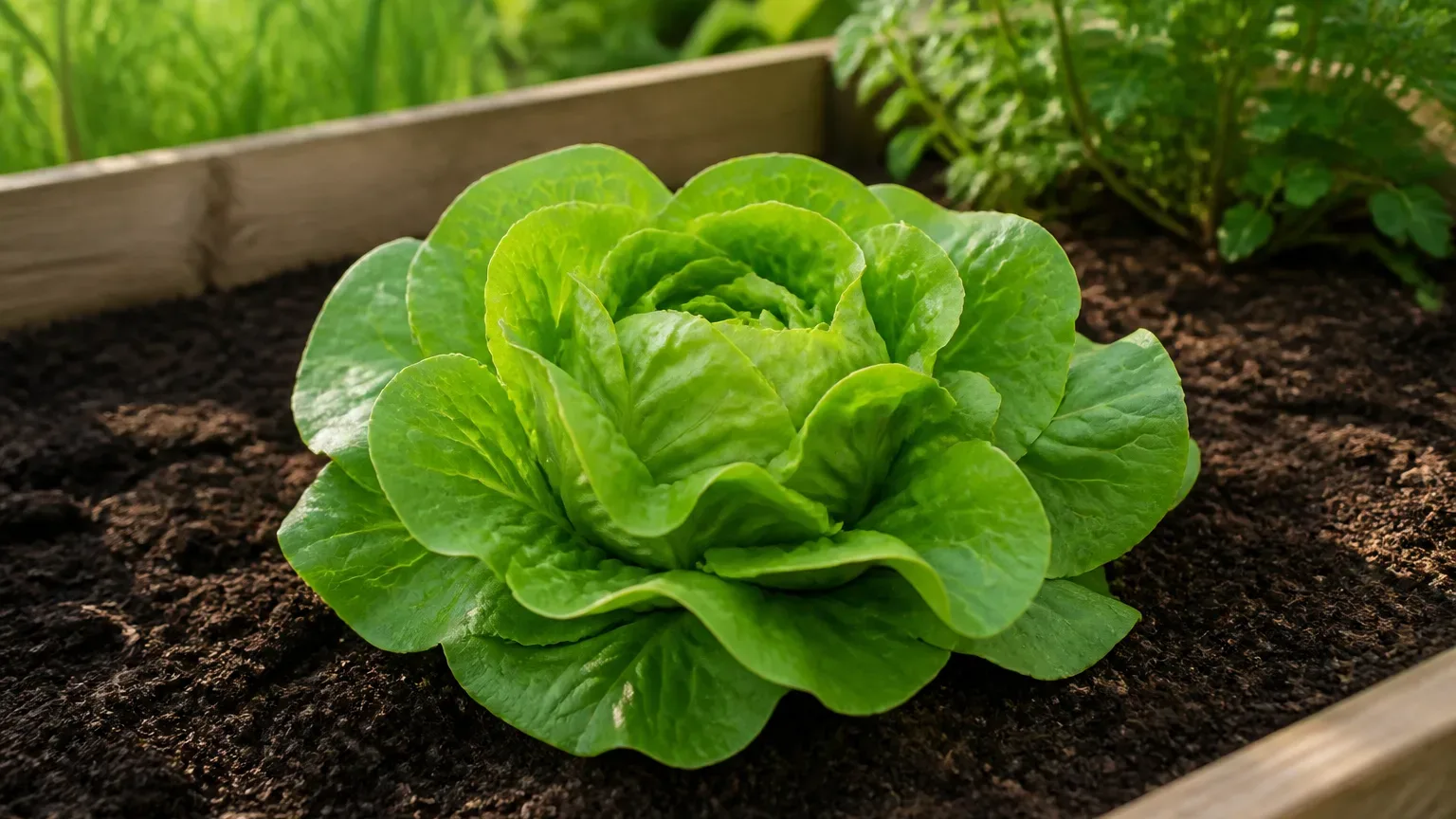
Lettuce thrives in cool spring weather and can be direct sown near your frost date, but March indoor starts make sense if you want neat rows, protected germination, or head lettuce in a short season. Sow 4 to 5 weeks before transplant; move plants out in late April or early May when hardened off, while nights are still cool.
Lettuce seedlings are fragile in heat—if your grow space runs hot, keep them a few degrees cooler than tomato trays and transplant promptly before they bolt indoors. For a wider vegetable menu and beginner-friendly picks, cross-check our easy vegetables to grow list after you set your March tray plan.
Herbs that earn an indoor March start
Herb seed is small, slow, or both. Starting indoors in March buys control you rarely get sprinkling thyme into windy garden soil.
Woody herbs and finicky germinators
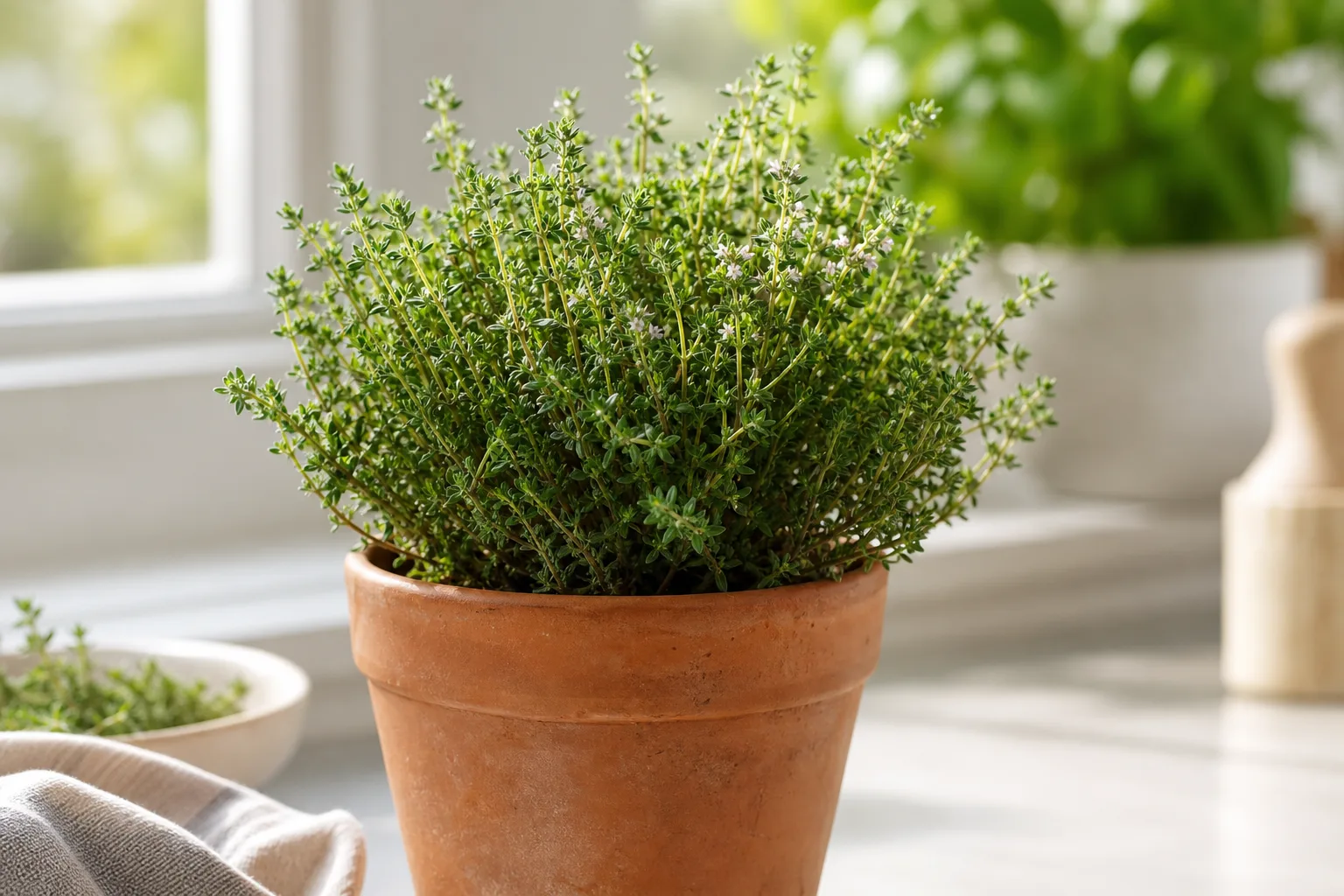
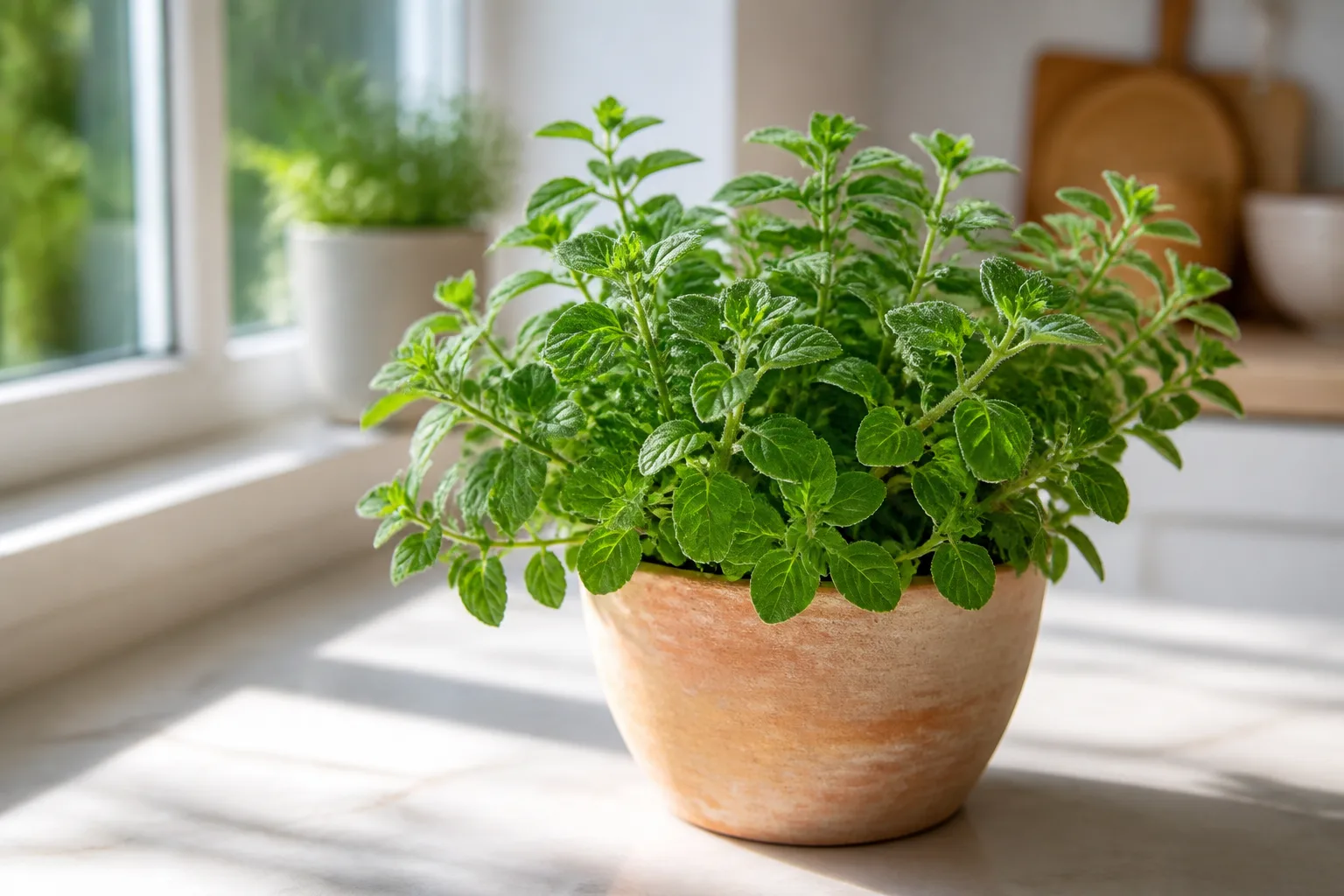
Thyme, oregano, and sage are perennials or semi-woody plants that creep from seed. Sow in March for May transplanting into sunny, well-drained beds or containers. Expect 8 to 12 weeks from sow to sturdy plug size. Surface-sow or barely cover—the packet matters because some species need light.
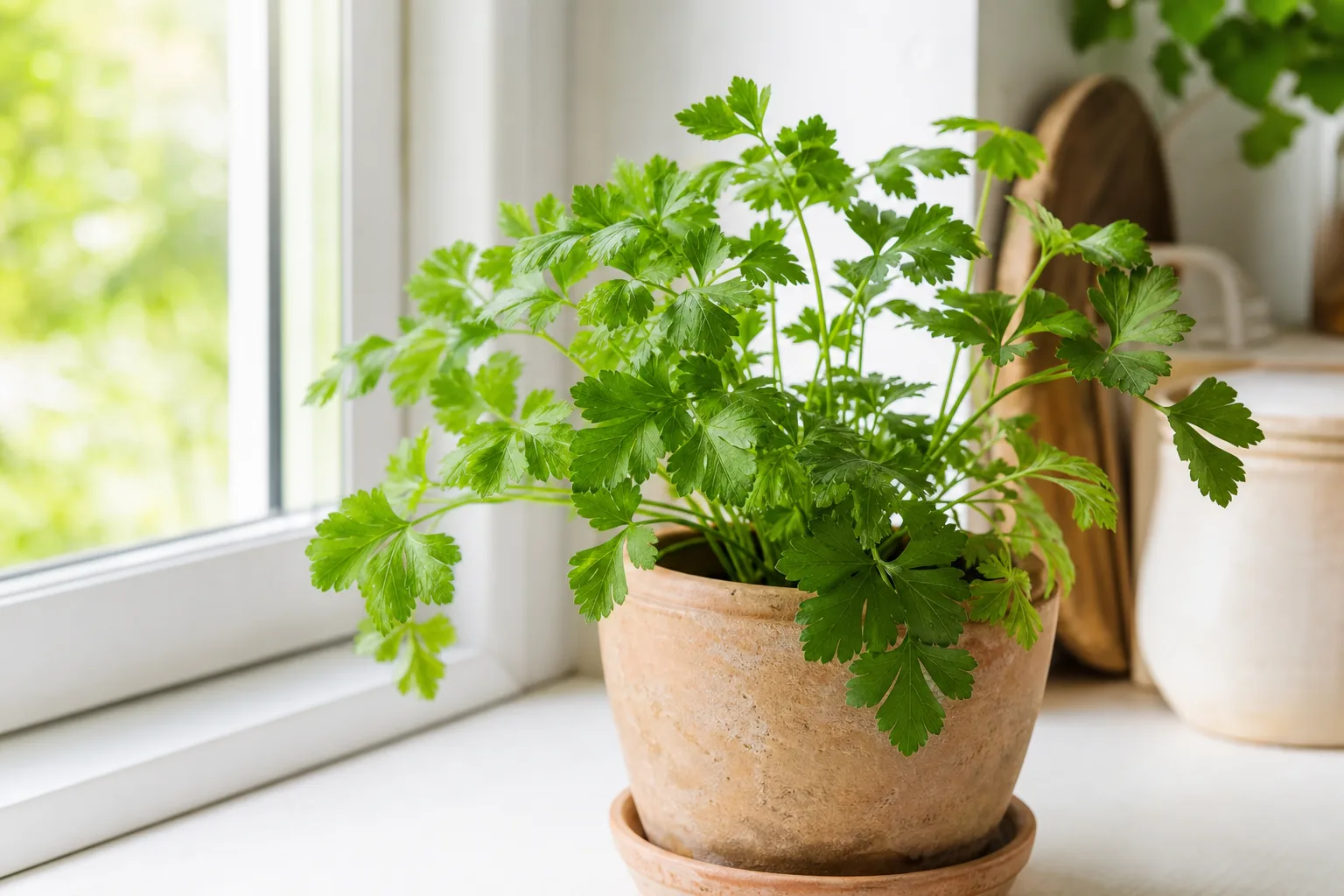
Parsley is cold-hardy in the garden but infuriating from seed: germination can take two to three weeks and benefits from warm soil (around 70°F / 21°C) and steady moisture. A March start avoids giving up in April when outdoor direct sowing still has not sprouted. Soak seed overnight if the packet suggests it; fresh seed germinates better than a forgotten packet from five years ago.
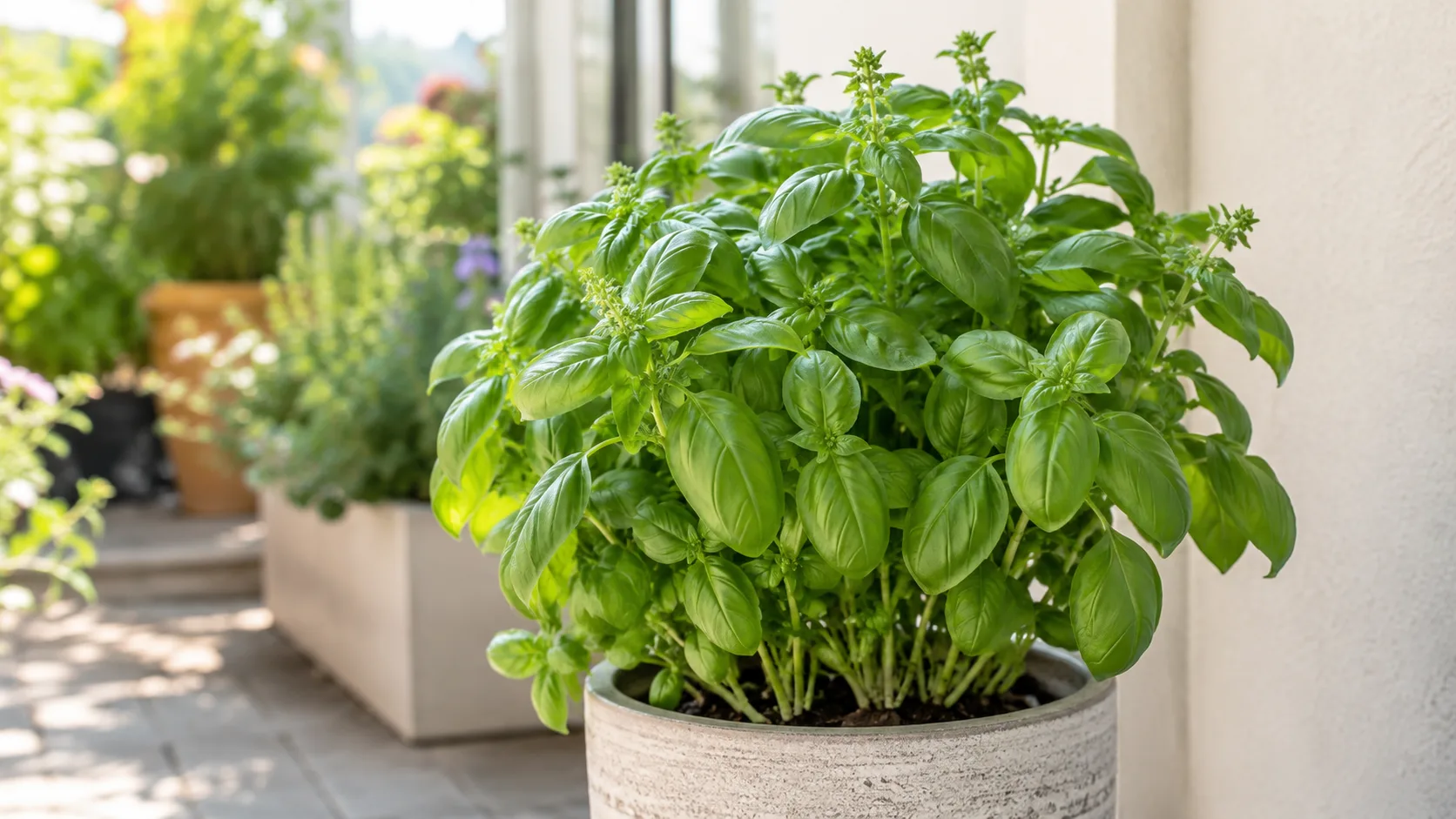
Basil is the opposite temperament—tender, fast, and frost-sensitive. Sow 4 to 6 weeks before last frost, but hold seedlings indoors until nights stay above about 50°F (10°C). Basil that goes out too early turns black at the first cold night. For container placement and drainage when herbs live on a patio, pair timing here with container garden tips for beginners.
Flowers to start in March
Flower timing splits cleanly: slow perennials and woody-stemmed annuals belong in March; fast annuals often belong on a late-March or April calendar unless you garden in a warm zone.
Slow perennials for May beds
Purple coneflower (Echinacea), black-eyed Susan (Rudbeckia), and dusty miller are not instant gratification plants from seed. They need 10 to 12 weeks indoors before May transplanting, and many will leaf strongly in year one while blooms wait until year two. That is normal—not a failure.
March sowing gives roots time to establish before summer heat. Use cell trays or small pots, bottom water to avoid washing away dust-fine seed, and grow under strong light so stems do not stretch. Perennial seedlings are often smaller than tomato starts at transplant time; that compact size is fine if roots are white and the stem is stiff.
Annual flowers—start now or wait
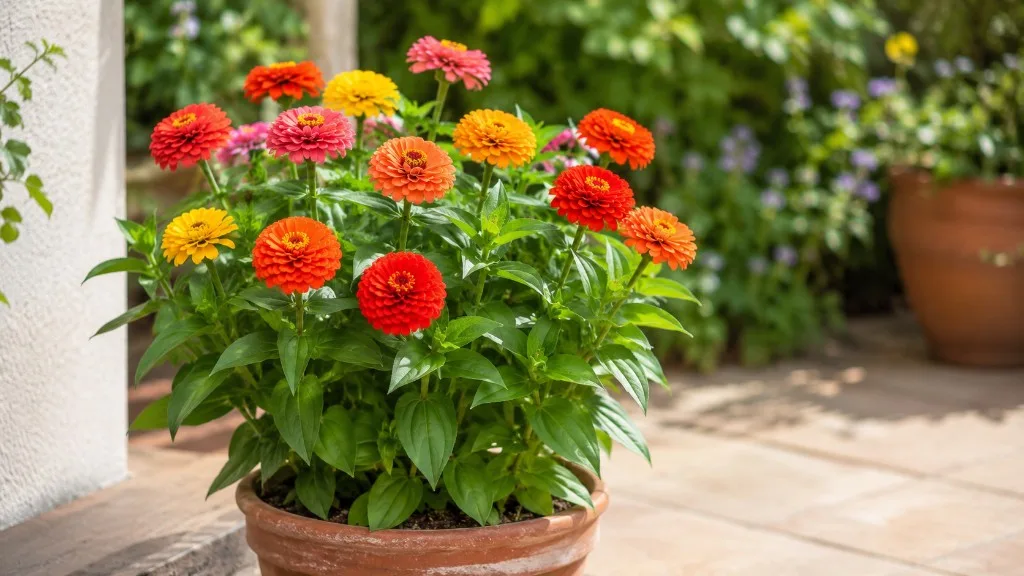
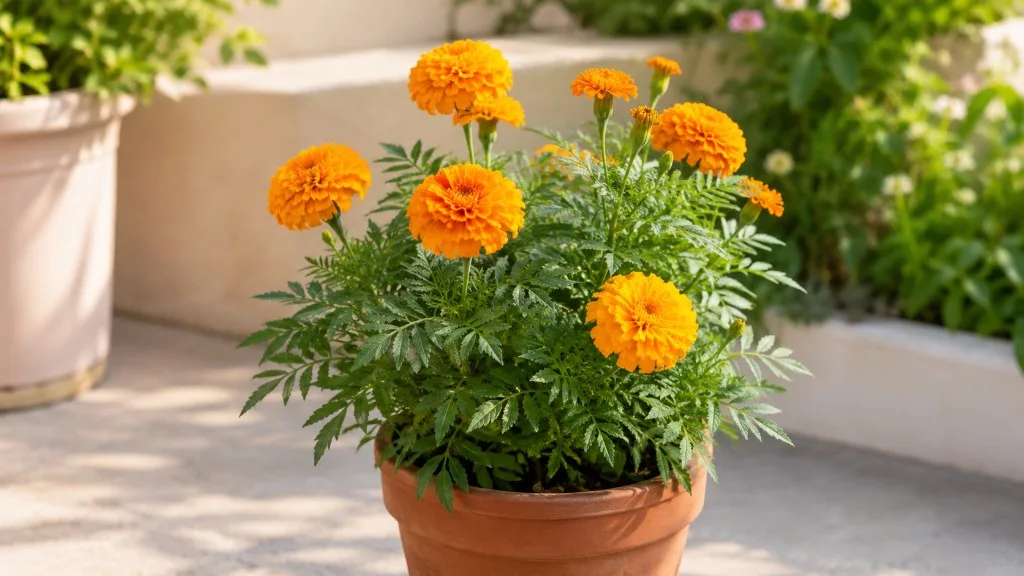
Zinnias, marigolds, sunflowers, gomphrena, purslane (portulaca), and pentas are fast once germinated—but starting them too early in March produces root-bound monsters that transplant badly. In zone 4–5, sow most of these 4 to 6 weeks before last frost, which often means late March into April, not the first warm weekend in early March.
Penn State Extension notes that dwarf marigolds can flower in about 5 weeks from sowing, while slow annuals like impatiens may need 3 months—another reason to read each packet instead of treating “flower seed” as one category.
Warm-climate gardeners with April frost dates can start zinnias and marigolds in early March without regret. Cool-climate gardeners should prioritize slow perennials in March and schedule fast annuals on a second sowing date three weeks later. For summer bloom planning beyond this May window, see our flower seeds to start right now guide.
Seeds to skip in March
Saying no is as important as the sow list. These crops usually suffer when started in March for a May planting date in cool zones:
- Cucumbers, squash, and melons — outgrow pots in weeks; start 2 to 3 weeks before planting, or direct sow when soil warms.
- Beans and corn — dislike root disturbance; direct sow after frost.
- Fast annual flowers (zinnias, marigolds) in early March in zone 4–5 — often leggy and root-bound by May unless you pot up repeatedly.
- Cool-season crops for fall — broccoli and cabbage for autumn harvest belong on a June or July sowing calendar, not March, unless you specifically want a late-spring harvest before heat.
If a calculated sow date still falls in deep winter for a heat-loving crop, you are starting too early—full stop. Note what went wrong this year and shift the calendar next season.
Setup that prevents leggy, waterlogged seedlings
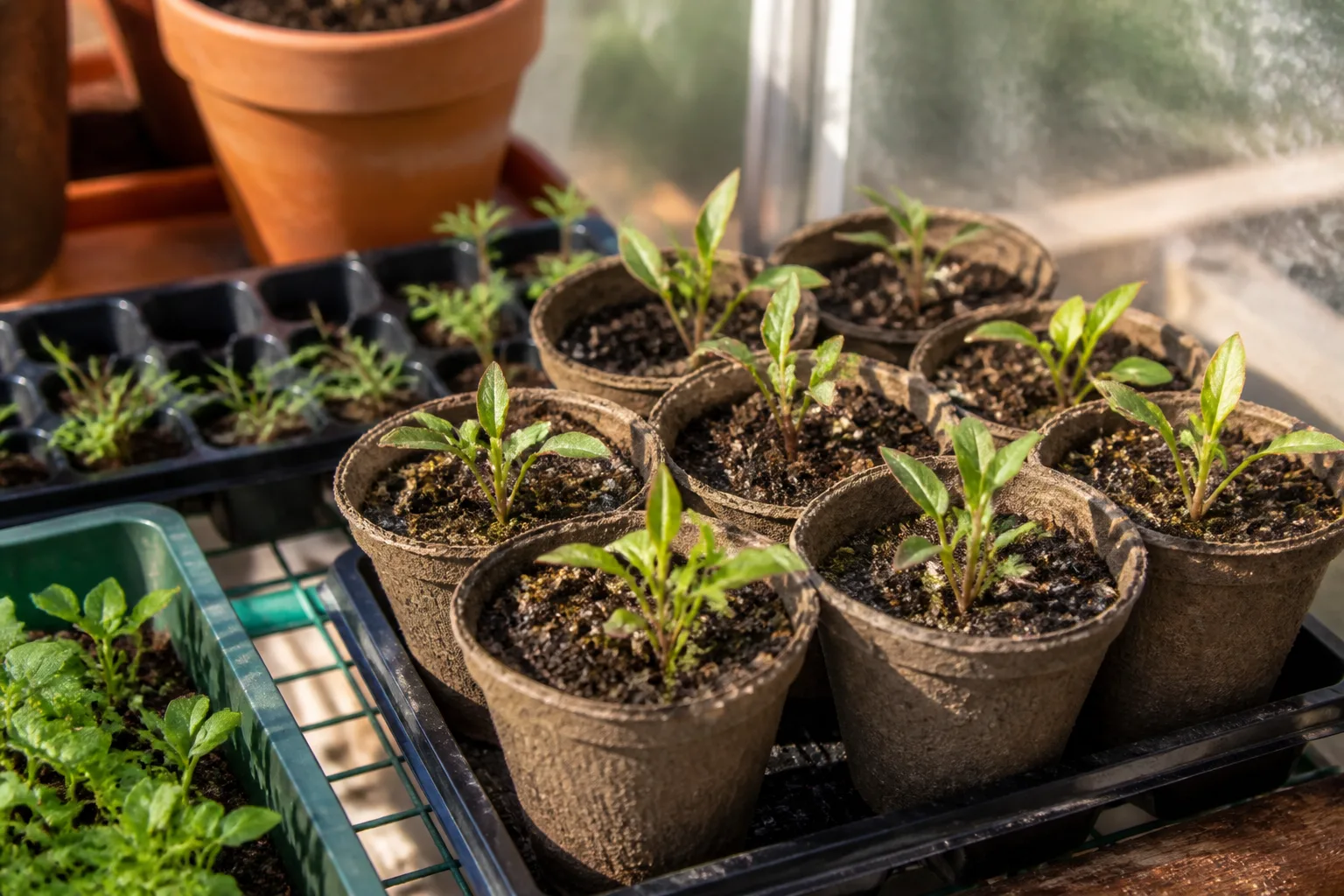
Great timing still fails with weak setup. Penn State Extension puts optimum germination temperature around 65–75°F (18–24°C) for most annuals, with warmer mats for peppers and eggplant. After germination, 14–16 hours of bright light an inch or two above the leaves beats any sunny windowsill in March.
Water with a fine mist or bottom watering so seeds stay moist but not saturated. Overwatering causes damping-off—a fungal collapse at the soil line. Thin once seedlings have one to two true leaves: Burpee’s thinning guide recommends snipping extras at the soil line with scissors rather than pulling, which disturbs the keeper’s roots.
Do not cover seeds that need light to germinate—check the packet. Do overcrowd only if you plan to thin ruthlessly; otherwise sow fewer seeds per cell. A heat mat without a thermostat can cook trays on a sunny afternoon—use a controller.
When May arrives, soil temperature matters as much as air temperature. Warm-season crops want soil at least 60°F (16°C) at planting depth. A soil thermometer is cheaper than replacing a row of pepper plants that stalled in cold ground.
Conclusion
March seed starting for May planting is a countdown exercise, not a shopping spree. Anchor your calendar to the last frost date, subtract weeks indoors plus hardening time, and match each crop to its real speed—8 to 10 weeks for peppers and slow perennials, 4 to 6 weeks for basil and fast annuals, and direct sowing for much of the cucurbit family.
Sow tomatoes, peppers, eggplant, lettuce, parsley, thyme, oregano, sage, basil, and slow perennial flowers in March if May is your outdoor planting month. Hold fast annual flowers until late March or April unless your frost date is early. Label trays, run lights long, thin without guilt, and harden off before the first warm weekend tricks you into planting too soon.
When transplant week comes, our seedling transplant timeline guide walks through true leaves, soil warmth, and the hardening-off days that turn indoor starts into outdoor survivors.



