22 Unique Flowers to Grow in Your Garden
Discover 22 unique flowers for sunny beds, moist shade, and containers, with honest zone, soil, bloom, sourcing, and winter-care advice.
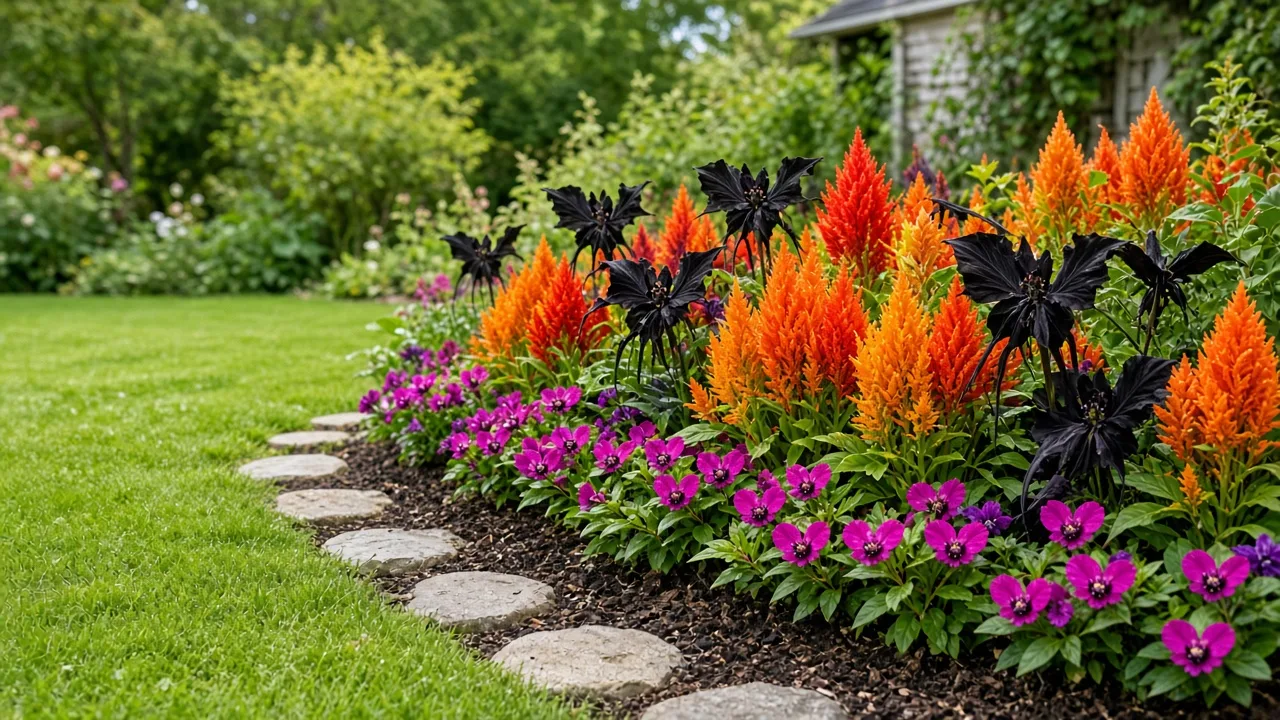
The most memorable flower in a garden is not always the rarest one. A bloom can feel unique because it has a bird-like profile, a strange scent, a color you rarely see, a night-only schedule, or an ecology that forces you to garden differently. The best choice is the one whose growing conditions match your site closely enough that the plant can look distinctive for more than one season.
This list includes open-bed perennials, annuals, bulbs, bog plants, and tender container subjects. Treat the hardiness ranges as a starting point, not a promise: winter wet, wind, summer heat, soil pH, and the amount of shelter around a plant can matter just as much as the number on a zone map.
What makes a flower worth the space?
Read the label before buying
Start with the plant’s habit, not its photograph. A 4-inch flower on a 6-foot plant needs a different position from a low ground cover, and a flower that disappears after spring may need companions to keep the bed from looking empty. “Unique” can describe a single cultivar, an entire genus, or simply a normal flower in an unusual season, so check the botanical name before you order.
The most useful label details are mature width, bloom window, soil moisture, winter hardiness, and whether the plant is a bulb, corm, rhizome, annual, or woody shrub. If a seller gives only a color and a dramatic common name, look for a second source before spending money.
Use a microclimate, not a wish
Watch the site for a full day. A south-facing wall can turn a marginal tropical plant into a viable container subject, while a low pocket that stays wet after rain can kill a drought-tolerant plant that looked perfect at the nursery. Morning sun with afternoon protection is especially valuable for plants that need light but scorch in hot, dry conditions.
Use this quick sort before you browse:
| Your garden condition | Strong starting choices | Main trap to avoid |
|---|---|---|
| Sunny, free-draining bed | Crown imperial, Echinacea, red hot poker, Batik iris | Heavy clay and winter standing water |
| Moist or wet bed | Hardy hibiscus, Rodgersia, purple pitcher plant | Assuming “moist” means roots should stay submerged |
| Cool, humid partial shade | Blue poppy, toad lily, Nora Leigh phlox | Hot afternoon sun and drying wind |
| Mild winter or movable container | Bird of paradise, chocolate cosmos, queen of the night | Leaving tender roots outside during a freeze |
| Warm greenhouse or conservatory | Black bat flower, jade vine, voodoo lily | Buying a plant that has no realistic home growing space |
Decide whether you want perennial or seasonal drama
Hardy perennials give you repeat value, but unusual forms often come with a short bloom window or a period of unattractive dormancy. Tender plants can produce the biggest visual payoff in one summer if you can move them under cover, while annuals are the safer way to test a color or shape before committing a permanent bed.
If you are new to unusual plants, start with one reliable structural perennial and one experimental container plant. That combination gives you a garden that still works if the experiment fails.
22 unique flowers, sorted by how they grow
Sun-loving garden performers
These are the most forgiving choices for a bright border, provided the soil drains well enough for the bulbs and rhizomes to rest without rotting.
1. Crown imperial (Fritillaria imperialis) — A ring of nodding bells beneath a leafy crown makes this spring bulb look architectural before most perennials fill out. Plant bulbs in fall in full sun or light shade, with excellent drainage and enough depth for the bulb’s size. The flowers and bulbs have a musky odor that can discourage some pests, but it can also be a reason to place crown imperial away from a patio. Let the foliage yellow naturally after flowering instead of cutting it down early; that is when the bulb is rebuilding.
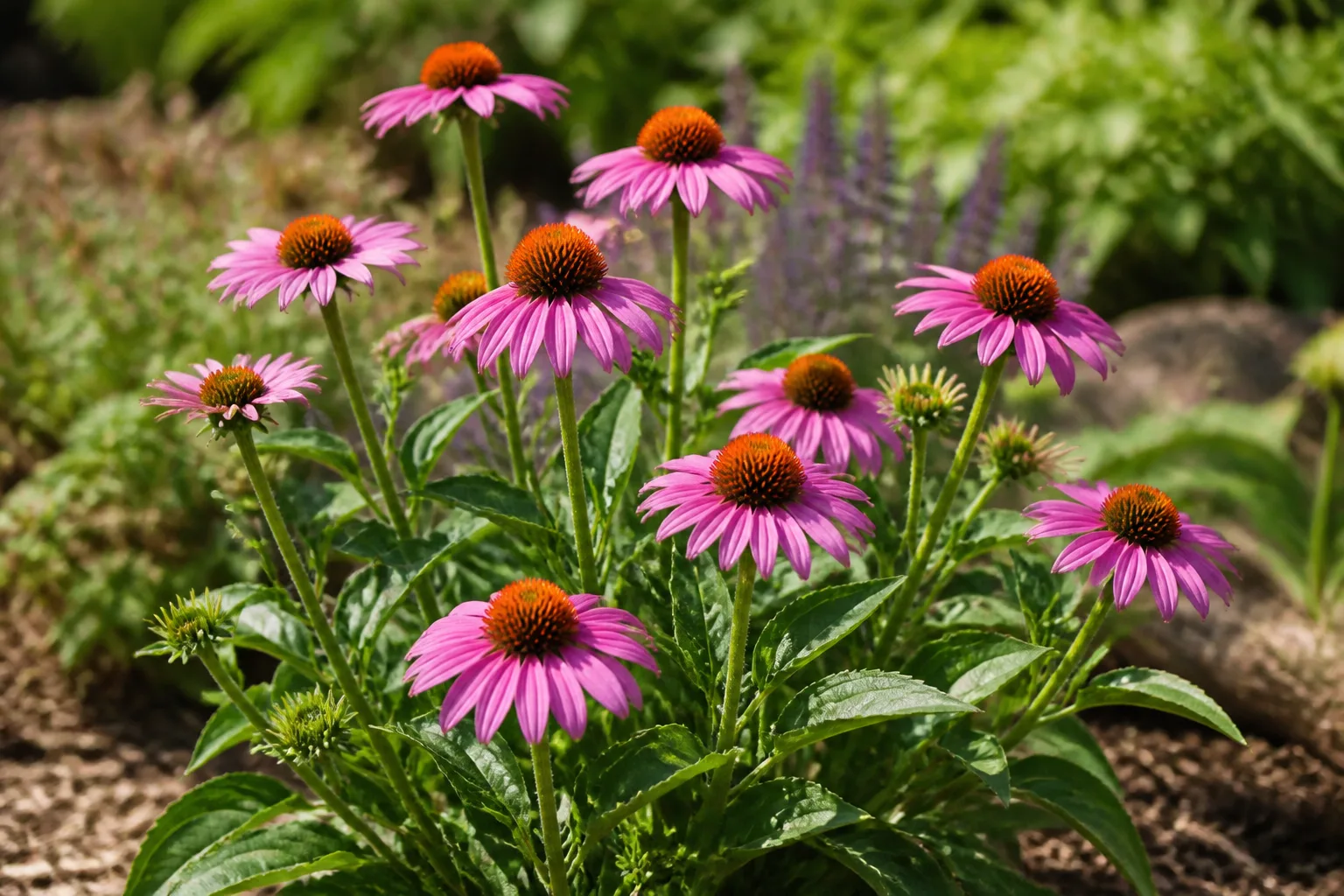
2. Secret Lust coneflower (Echinacea purpurea ‘Secret Lust’) — This cultivar is an unusual take on a familiar native perennial, with a fuller central disk and warm color that changes as the bloom matures. Give it full sun, average soil that drains well, and room for an upright clump. The species is drought tolerant once established and supports pollinators, but do not turn that into a watering rule for new plants: water deeply while roots are developing. Leave some seed heads standing for birds and winter texture. NC State Extension’s Echinacea profile is a useful reference for the species’ site tolerance and pollinator value.
3. Red hot poker (Kniphofia spp.) — Tall, bottlebrush-like spikes open from the bottom upward, often shifting from red or orange to yellow. It is a strong choice for a sunny border where vertical shape is more valuable than a long list of flower colors. Plant in rich but well-drained soil, protect the crown from winter wet, and remove spent spikes if you want a tidier, longer display. The genus varies considerably in size and hardiness, so buy a named cultivar for a small bed rather than assuming every red hot poker stays compact. NC State’s Plant Toolbox profile notes the importance of drainage, wind protection, and careful division.
4. Amethyst in Snow (Centaurea montana ‘Amethyst in Snow’) — White outer petals around a saturated purple center give this perennial its two-tone effect without demanding tropical conditions. It spreads into a useful ground-covering clump in sun or light shade, but a narrow bed may need division every few years. Use it at the front of a border or over a bank where its spreading habit is helpful. Cut it back after the first flush if it becomes floppy, then let a later flush fill the gap.
5. Batik iris (Iris germanica ‘Batik’) — Irregular purple-and-white streaks make each ruffled bloom look painted. Bearded iris needs sun and free-draining soil, with rhizomes set shallowly enough that the upper surface is not buried under a thick layer of soil. Divide crowded clumps after flowering when the plant has time to re-root before winter. The unusual pattern is the point, so position it where the flowers can be seen close up rather than lost at the back of a mixed border.
6. Perfect Storm hardy hibiscus (Hibiscus moscheutos ‘Perfect Storm’) — Dark foliage and large, dinner-plate flowers make this a focal plant even before it blooms. Unlike a tropical hibiscus, hardy hibiscus dies back in cold climates and flowers on new growth, so a bare winter crown is normal. Give it full sun, rich soil, and steady moisture; it is particularly useful near a pond, rain garden, or low part of the yard. Do not place it where the soil dries hard in summer. NC State’s rose mallow profile confirms its wet-soil tolerance, late-season bloom, and value to pollinators.
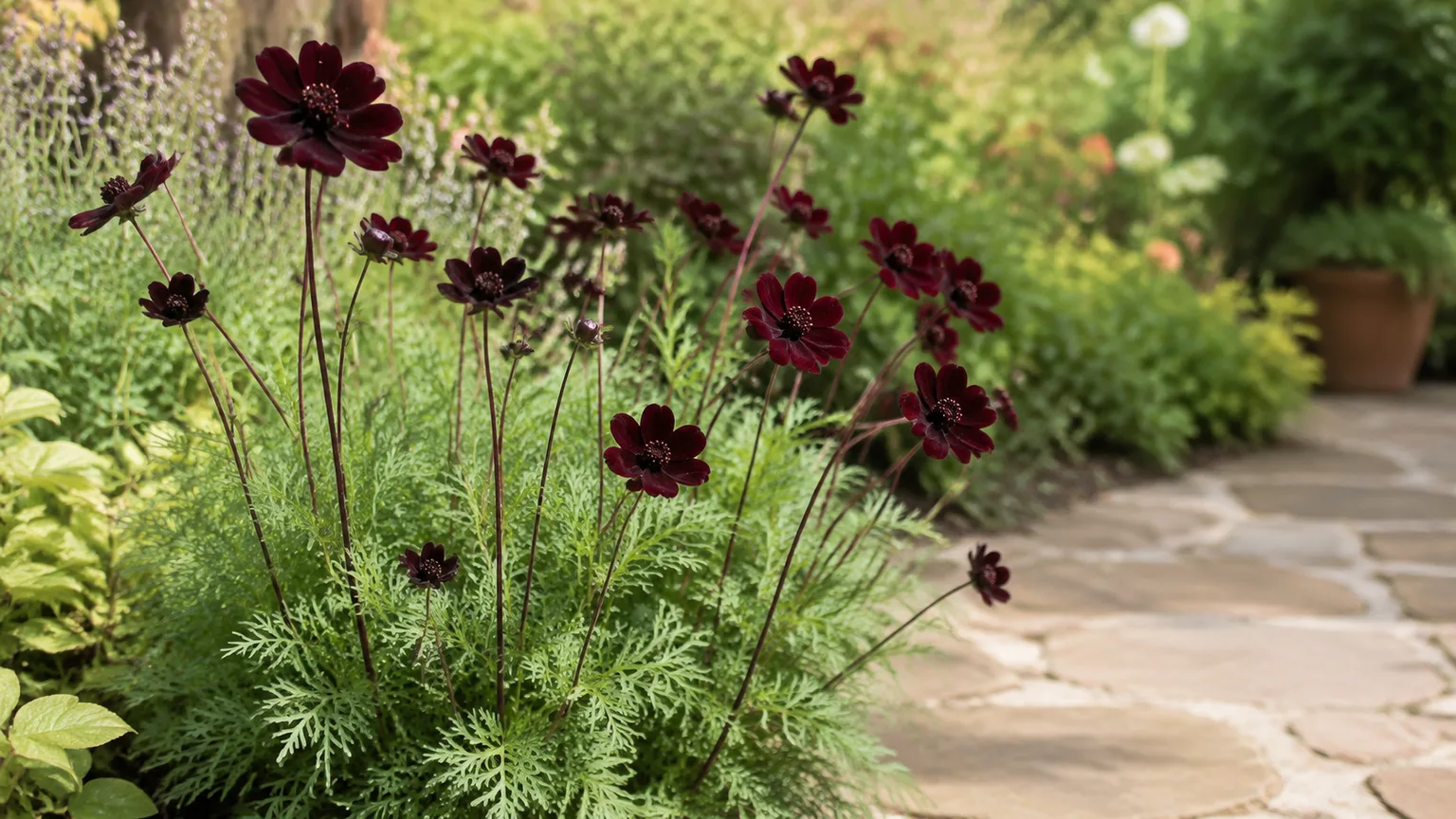
7. Chocolate cosmos (Cosmos atrosanguineus) — Dark red-brown flowers and a cocoa-like fragrance make this a sensory plant as much as a visual one. It prefers full sun and well-drained soil, but in colder regions it is better treated as a container-grown tender perennial: keep the corm dry and frost-free over winter, then restart growth in spring. The scent is most noticeable close to the flower, so grow it beside a path or seating area rather than at the back of a large bed.
8. Passionflower (Passiflora incarnata) — The intricate corona, anthers, and three-lobed foliage look almost too elaborate to be a garden flower. In climates where it is hardy, passionflower is a vigorous vine that needs a sturdy support and room for runners; in colder places, grow it in a large pot and move it under cover. Full sun encourages flowering, but the roots appreciate even moisture while the vine is establishing. The native mayapple passionflower is a better ecological choice than an unnamed tropical species when it fits your region. NC State’s passionflower profile can help distinguish its perennial vine habit from tender nursery hybrids.
9. Snake’s-head fritillary (Fritillaria meleagris) — Checkered, nodding bells are the attraction, and the plant is small enough for a front border or damp meadow-style patch. It prefers sun or light shade and soil that is reliably moist but not stagnant. Plant dormant bulbs in fall and avoid disturbing them once they begin to naturalize. This is a better choice for a cool, moisture-retentive lawn edge than for a hot, dry rock garden.
Moisture and shade specialists
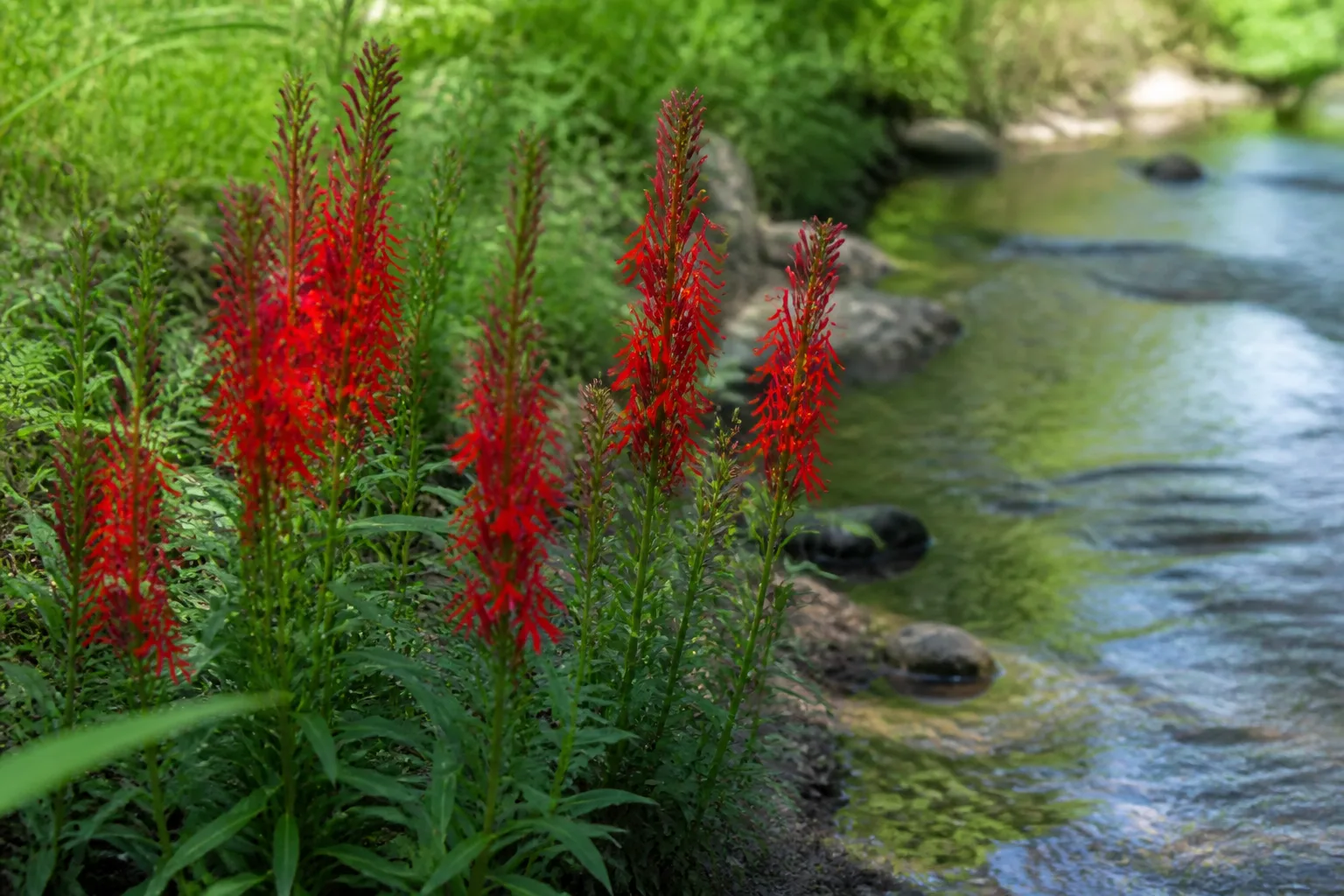
The flowers in this group are distinctive because they are adapted to conditions that defeat many standard bedding plants. “Wet” still needs a definition: moisture-retentive soil is not the same as an anaerobic hole that stays underwater.
10. Blue poppy (Meconopsis spp.) — The clean blue, saucer-shaped flowers are extraordinary, but blue poppies are not a universal perennial. They perform best where summers are cool, the air is humid, the soil is humus-rich and moist, and bright afternoon sun is filtered. The RHS warns that even a few sunny, dry days can scorch plants in unsuitable sites; it also recommends shelter from drying wind and careful surface sowing because the seed needs light. The RHS Meconopsis growing guide is the source to check before treating a blue poppy as a normal garden-center purchase.
11. Purple pitcher plant (Sarracenia purpurea) — The pitchers are modified leaves, but the dangling purple flowers are also unusual and appear on leafless stems. Grow this native carnivorous plant in a prepared bog garden or a container with acidic, low-nutrient media, bright light, and constant moisture. For containers, rainwater or distilled water is safer than mineral-rich tap water. Never add fertilizer or food scraps; the plant is adapted to nutrient-poor conditions and can be damaged by salts. Let it go dormant in winter and remove old foliage in spring. NC State’s purple pitcher plant profile covers its bog habitat, water quality, dormancy, and the conservation rule never to harvest wild plants.
12. Cape sundew (Drosera capensis) — Glistening tentacles catch the light before you notice the small flowers, making this a strong close-up plant for a bog pot or sunny terrarium-style display. Keep the medium acidic and nutrient poor, the pot consistently moist, and the water low in dissolved minerals. Do not put a sundew in ordinary fertilized potting soil. A shallow container with a visible water reservoir is easier to manage than a small decorative pot that dries in one afternoon. Follow the seller’s instructions for winter temperatures because sundews differ in dormancy needs.
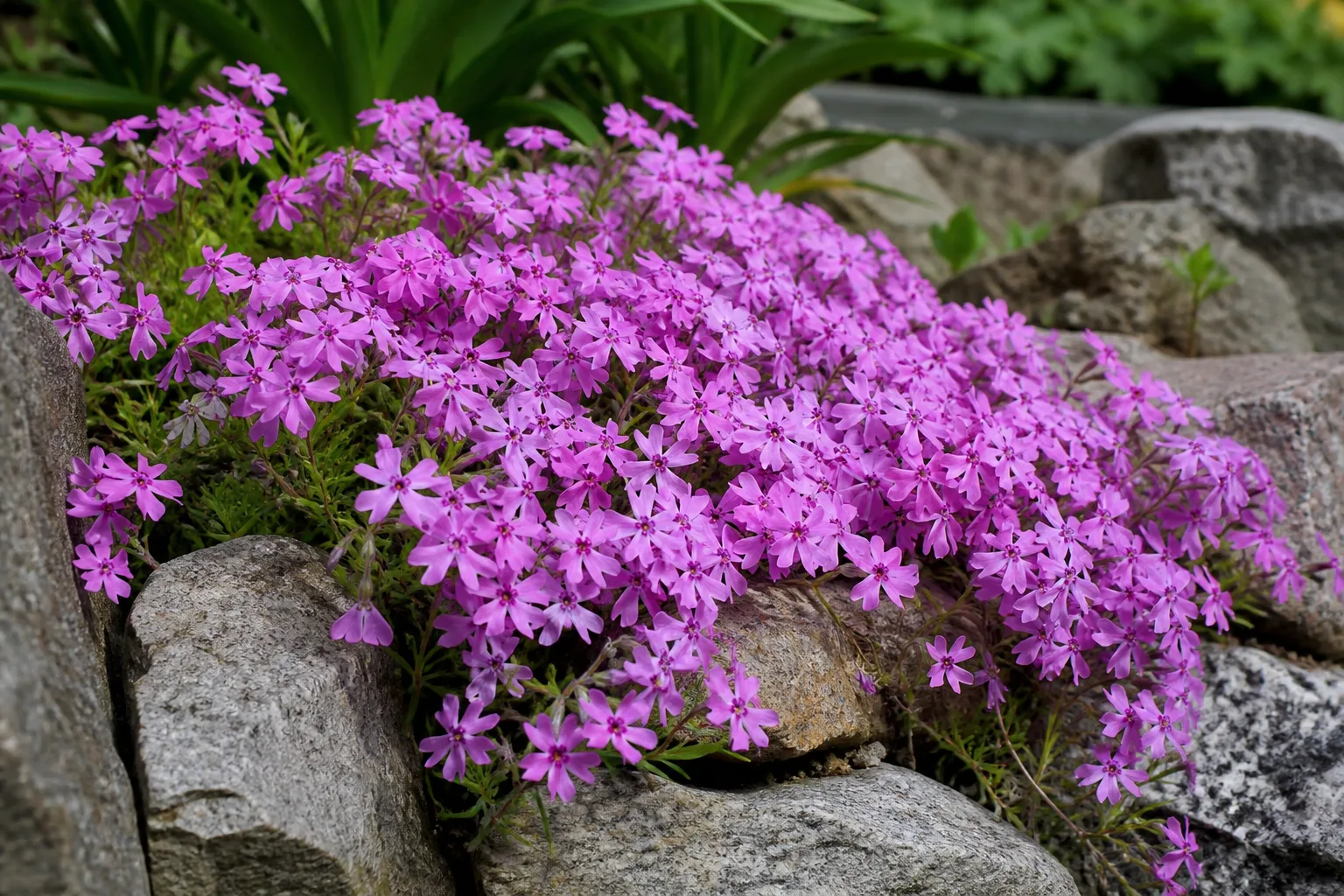
13. Nora Leigh garden phlox (Phlox paniculata ‘Nora Leigh’) — The white-edged foliage is unusual even when the pink-and-white flowers are not open, giving the plant a longer season of interest than a bloom-only rarity. Give it sun to light shade, rich soil, and air movement; crowded, damp foliage is more likely to develop disease. Water at the soil line during dry spells and deadhead after the first flower clusters fade. Use it behind lower perennials so the variegated leaves remain visible. NC State’s garden phlox profile provides the baseline for height, moisture, and disease considerations.
14. Rodgersia (Rodgersia pinnata) — This is a foliage-led choice with broad, horse-chestnut-like leaves and tall sprays of pale flowers. It needs partial shade, shelter from wind, and soil that stays evenly moist, making it excellent beside a stream, pond, or shaded downspout outlet. Give it space: a plant that looks modest in a nursery pot can become a substantial clump. Mulch the root zone, but do not bury the crown under a wet, compacted layer.
15. Toad lily (Tricyrtis hirta) — Orchid-like, spotted flowers appear late in the season when many spring novelties are finished. Plant it in humus-rich, evenly moist soil with filtered or morning light and protection from the hottest afternoon sun. It is a good answer for a woodland border or shaded path, where the small flowers reward close inspection. Let the clump establish before dividing; frequent disturbance is more likely to delay the show than improve it. NC State’s toad lily profile is a useful check on its shade and moisture preferences.
Warm-climate and container stars
These plants create the strongest tropical effect, but several are better moved indoors, into a greenhouse, or into a bright sheltered space than planted permanently in a cold-climate border.
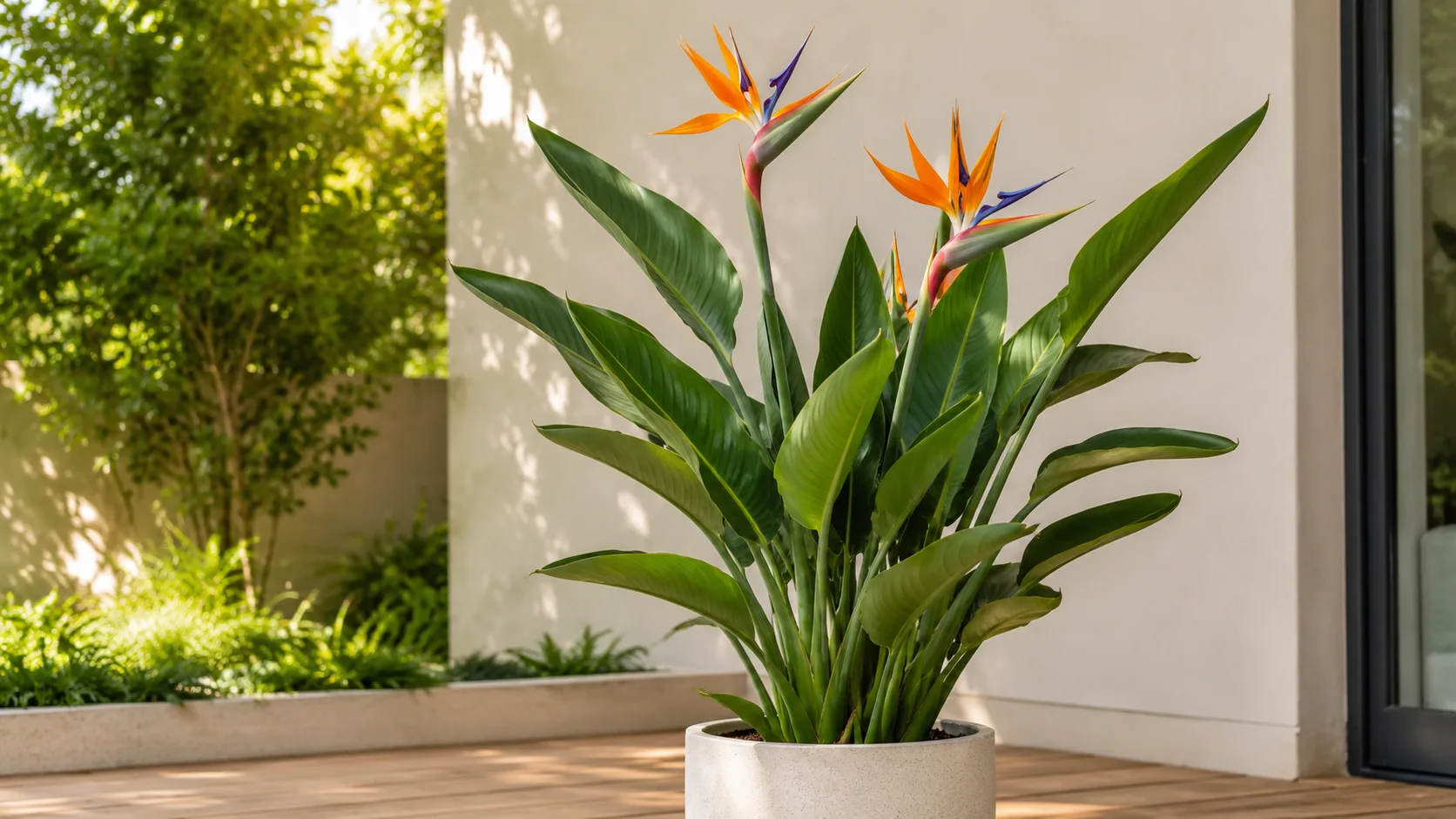
16. Bird of paradise (Strelitzia reginae) — The orange-and-blue flowers emerge from a beak-like spathe and look like a bird perched above the leaves. In warm climates, plant it in fertile, well-drained soil with sun or partial shade and good air circulation. Elsewhere, use a large container and bring it inside before nights turn cold. It likes bright light and regular water during active growth, but winter watering should be lighter. NC State’s bird-of-paradise profile also notes that the plant can be toxic to pets, so site it carefully around animals and children.
17. Red camellia, especially a winter-blooming cultivar (Camellia spp.) — A red camellia is not rare in the same way as a conservation plant, but flowers arriving in the cooler months make it unusual in a garden designed around summer color. Give camellias morning sun or bright filtered light, acidic soil rich in organic matter, and protection from harsh afternoon exposure and drying wind. Choose a cultivar suited to your winter temperatures; a plant can survive but lose buds to a late freeze. NC State’s camellia profile is a good reference for evergreen structure, winter bloom, and cultivar variation.
18. Voodoo lily (Amorphophallus konjac) — The maroon spathe and central spadix appear before or around the season’s single giant leaf, and the open flower smells of rotting flesh to attract carrion pollinators. In a warm climate, give it dappled shade, humus-rich but well-drained soil, and less water during winter dormancy. In cold areas, grow the corm in a container that can be protected from frost. The raw corm contains calcium oxalate and should not be eaten; gloves and a clear plant label are sensible. NC State’s voodoo lily profile explains the corm, scent, frost limit, dormancy, and raw-food hazard.
19. Jade vine (Strongylodon macrobotrys) — Long, hanging clusters of blue-green flowers are the reason to grow this climber, but the plant’s scale and tropical requirements are easy to underestimate. It needs warmth, humidity, bright filtered or gentle sun, and a sturdy support. In most temperate gardens it belongs in a conservatory or large greenhouse, not in an exposed bed. Buy only from a reputable cultivated source; a plant associated with tropical forest loss should never be a reason to support wild collection.
20. Parrot’s beak (Lotus berthelotii) — Crimson, curved flowers rise from silvery foliage and create a striking trailing effect in a basket, window box, or rock-garden container. It prefers full sun, sharp drainage, and cooler spring temperatures; hot, humid weather can end its best display. Let the soil dry slightly between waterings rather than treating it like a tropical bog plant. In a cold climate, take cuttings or move the container indoors before frost instead of expecting reliable outdoor survival.
21. Black bat flower (Tacca chantrieri) — Dark wing-like bracts, long whiskers, and a central cluster make this one of the most visually unusual flowers on the list. It wants warmth, humidity, fertile soil, and dappled shade, so a sheltered tropical garden or greenhouse is more realistic than a sunny border. Keep the medium evenly moist but never waterlogged, and avoid cold drafts. It is a specimen for a gardener who enjoys environmental control, not a low-maintenance annual.
22. Queen of the night (Epiphyllum oxypetalum) — This night-blooming cactus produces large, fragrant white flowers that may open for only one evening. Grow it in bright indirect light or gentle morning sun, a coarse, fast-draining mix, and a container with room for arching stems. A dry rest and cooler conditions can help mature plants set buds, but avoid abrupt changes once buds are visible. Put the pot beside a doorway, balcony, or seating area where the nocturnal bloom can actually be seen rather than hidden in a greenhouse.
How to plant an unusual flower successfully
Prepare the site before the plant arrives
Do the hard work before you buy. Dig a small test hole, fill it with water, and watch how quickly it drains; a plant described as “well drained” should not sit in a cold puddle for days. For a wet-site plant, test the opposite problem by observing whether the ground stays damp without becoming stagnant. Improve structure with organic matter where appropriate, but do not try to turn heavy clay into a bog or a bog into a rock garden with a single bag of amendment.
For bulbs and corms, label the planting spot so you do not disturb it while the plant is dormant. Plant depth should follow the package or species guidance rather than a universal rule. Gardening Know How’s unusual-bulb guide is useful for the broad sequence: plant at the season recommended for your zone, choose drainage carefully, and let bulb foliage die back naturally after bloom.
Water by root zone, not by calendar
New plants need a consistent root zone, but “water regularly” does not mean every plant gets the same schedule. Check the soil a few inches below the surface, feel the weight of a container, and account for wind and heat. A blue poppy, Rodgersia, or hardy hibiscus may wilt from dryness; a camellia or chocolate cosmos may suffer when the same watering habit keeps roots airless.
Carnivorous plants need a separate rule: their moisture and water quality are part of the growing medium. Keep purple pitcher plants and sundews away from fertilizer runoff, softened water, and rich compost. A normal flower fertilizer can be helpful for many ornamentals but harmful to a bog plant, so never generalize from one section of the garden to the next.
Plan dormancy and winter protection
Write down what happens after flowering. Hardy hibiscus disappears to the ground; a purple pitcher plant rests through winter; a chocolate cosmos corm may need frost-free storage; a bird of paradise may need a bright indoor position; and a queen of the night may need a cooler, drier period before it flowers again. The winter plan is part of the purchase decision, not an optional rescue step.
Protect roots according to the plant’s actual weakness. Mulch can buffer temperature swings, but a thick wet blanket around a crown can encourage rot. Containers need special attention because their roots experience colder temperatures than roots in the ground. Move them before the first hard freeze, not after the leaves have collapsed.
Design for a display that lasts
Pair a focal flower with reliable neighbors
Give an unusual plant a supporting cast that does not compete with its shape. Use low foliage beneath a tall crown imperial, textural grasses beside red hot poker, and plain green leaves behind a variegated phlox. A rare-looking bloom surrounded by five other high-contrast novelties can read as visual noise; one strong silhouette usually makes the garden look more intentional.
Match neighbors by need before matching by color. A moisture-loving Rodgersia should not share a bed with a drought-tolerant plant simply because both have purple flowers. Likewise, a carnivorous bog container should remain separate from a fertilized patio display even if the pots look good together.
Stretch the bloom calendar
Plant for succession rather than one spectacular week. Crown imperial and snake’s-head fritillary bring spring structure; coneflower, iris, and red hot poker carry the bed into summer; hardy hibiscus and toad lily extend interest later. Evergreen camellia foliage and the leaves of a well-placed Rodgersia or phlox keep the garden from collapsing visually between flower windows.
Deadhead when it improves the plant, but do not remove every spent head automatically. Echinacea seed heads feed birds and add winter form, while a self-seeding annual may be welcome in one bed and a nuisance in another. The right maintenance choice depends on whether you want repeat bloom, seed, structure, or a tidy edge.
Safety, sourcing, and conservation checks
Unusual does not mean unsafe, but unfamiliar plants deserve a safety check before they enter a family garden. Bird of paradise and voodoo lily have documented toxicity concerns, and many bulbs, corms, and ornamental vines should not be treated as edible because a common name sounds food-like. Poison Control’s plant-safety guidance recommends identifying the plant and contacting poison experts if an exposure occurs; ASPCA’s toxic and non-toxic plant database is a useful pet-specific check. Keep labels, do not let children or pets chew plant parts, and wash hands after handling irritating sap or corms.
Source plants from nurseries that can provide the botanical name and propagation history. Never dig a ghost orchid, rare orchid, or carnivorous plant from the wild. UF/IFAS describes the ghost orchid as a leafless epiphyte dependent on narrow wetland, host-tree, pollinator, and fungal relationships, with habitat loss and poaching still threatening its survival; its conservation publication is a reminder that a plant can be fascinating without being an appropriate garden purchase. The same principle applies to famous corpse flowers: Kew’s Plants of the World Online records titan arum as a tuberous plant native to western Sumatra’s wet tropical biome, not a normal temperate border plant.
Before planting any vigorous vine or naturalizing bulb, check your local invasive-plant list and the nursery’s hardiness information. Cultivated plants vary by cultivar, and a range printed on a web page cannot account for your wet winter, salt exposure, or reflected heat. When in doubt, start with one container, observe it for a full season, and scale up only after it proves it can grow without constant emergency care.
Conclusion
The best unique flower for your garden is the one that makes a clear promise and keeps it. Choose the bird of paradise for a movable tropical accent, blue poppy for a genuinely cool and moist site, purple pitcher plant for a carefully built bog container, hardy hibiscus for a wet sunny low spot, or coneflower and red hot poker when you want unusual form with dependable outdoor performance.
Give every plant enough room, the right moisture, and a winter plan before you buy it. That small amount of restraint turns a collection of novelty flowers into a garden with rhythm, repeat bloom, and enough reliable structure to make the unusual plants look their best.