10 Flowers to Plant in August for Fall Color
Discover 10 flowers to plant in August, with frost timing, heat-safe planting tips, and honest notes on seeds, starts, bulbs, and first-year blooms.
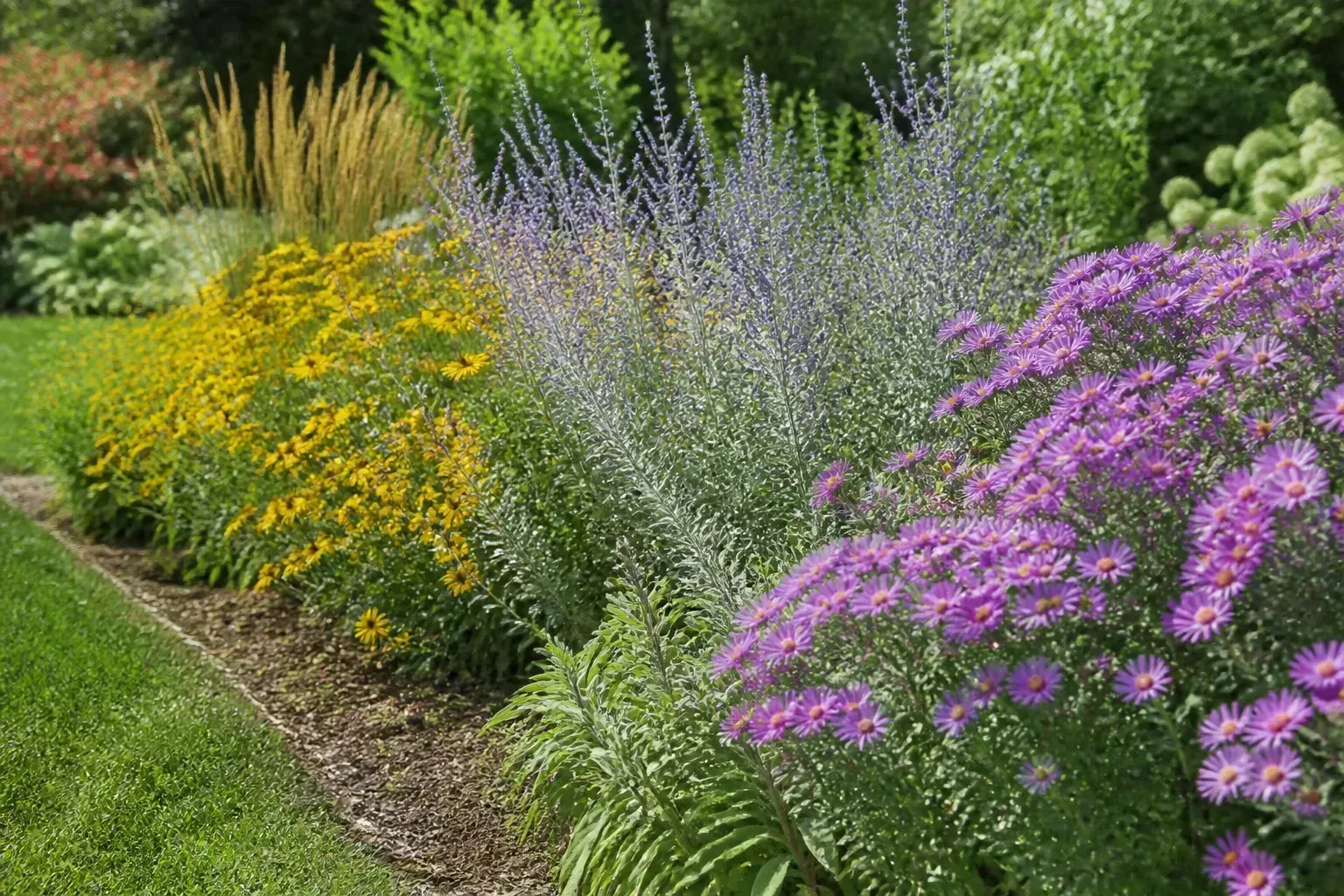
August is not the end of the flower-planting season. It is a useful handoff point: heat-loving plants can keep going, cool-season bloomers are about to improve, and many late-season perennials are already close to their natural flowering window.
The important distinction is that “plant in August” does not mean every plant will bloom from seed before frost. The result depends on your first frost date, the size of the plant you buy, and whether you are planting a seed, a rooted nursery start, a tuber, or a corm. A late-summer flower list is only useful when it tells you which form to buy and what to expect.
Before You Plant: Match the Flower to Your Frost Clock
Start with your average first frost date, then count backward. If a plant needs 60 to 80 days from seed to flower, it is a risky August seed purchase in a short-season garden but a reasonable choice as a budding nursery plant. The practical rule is simple: August seeds need a short seed-to-bloom window, while nursery starts remove much of the guesswork. Botanical Interests separates quick annuals from perennials that may establish now and perform better next year.
Use these three questions before you put anything in your cart:
| Question | If the answer is yes | Best move |
|---|---|---|
| Do you have at least 8 weeks before a hard frost? | The season is still long enough for some seeds and fast varieties. | Direct-sow quick bloomers or buy small starts. |
| Is your first frost less than 6 weeks away? | Roots have little time to establish. | Choose plants already in bud or bloom, or wait for spring perennials. |
| Is August still hot where you live? | New roots can dry before they grow into surrounding soil. | Plant at dusk, provide temporary shade, and water consistently. |
Seeds, Nursery Starts, or Summer Bulbs?
For a fall-ready bed, buy nursery starts when immediate color matters. Choose compact plants with healthy roots, several unopened buds, and foliage that is not wilted, scorched, or tightly root-bound. A plant already close to bloom can give you a dependable display even when a seedling would run out of season.
Seeds make sense when the flower germinates and blooms quickly, the soil can stay evenly moist, and you have enough frost-free days left. They are less dependable for the perennial choices in this list. Aster, coneflower, goldenrod, and ironweed can all be planted as young plants in August, but a small seedling may spend the rest of the season making roots rather than flowers.
Tubers and corms need a separate decision. Dahlias are frost-tender tubers, crocosmia grows from corms, and autumn crocus is planted from corms that can flower in the same season. These are not interchangeable with spring bulbs, and their winter limits vary dramatically by climate. Buy them only when the package’s planting window fits your local soil temperature and first-frost calendar.
The Heat-Safe Planting Routine
Prepare the bed before you bring the plants home. Remove exhausted annuals, pull weeds, loosen only the planting area, and mix in a modest amount of finished compost if the soil is depleted. Do not turn a late-summer planting into a rich, wet hole; roots need contact with the native soil and oxygen as much as they need moisture.
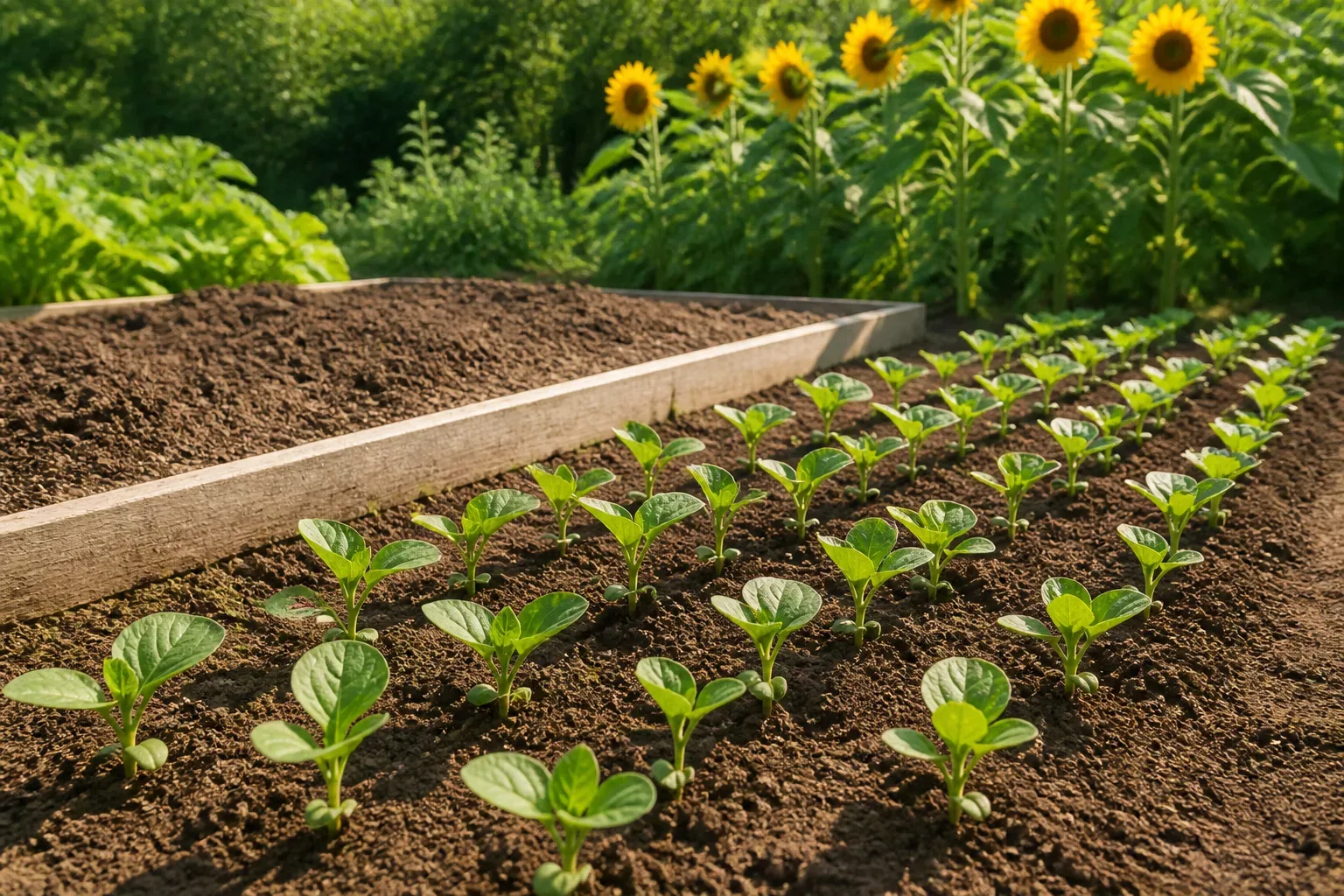
Plant in the late afternoon or on a cloudy day. Water the container before you disturb the root ball, slide it out without pulling the stem, and set the crown at the same depth it occupied in the pot. Water slowly until the surrounding soil is wet several inches down, then add a 2-inch layer of mulch while keeping it away from stems and crowns.
New plantings dry quickly in containers and at bed edges. Good Housekeeping’s late-summer guidance emphasizes keeping new flowers watered because hot days can continue well into fall, especially in pots. Check moisture by feeling the soil below the surface rather than relying on a damp mulch layer; water again when the root zone begins to dry, not automatically on a calendar. Good Housekeeping offers the same useful warning for August additions to tired beds and containers.
1. Dahlias
Dahlias are the high-reward choice for gardeners with a long, mild autumn. They produce saturated reds, oranges, pinks, and purples just when summer annuals begin to look tired, and established plants can keep flowering until frost. NC State Extension describes them as tender perennials in most of the country: tubers can be injured below about 25°F, so an August planting is sensible only where you have enough warm weather left or where you are starting with a robust potted plant rather than a dormant tuber.
Plant dahlias in full sun or light afternoon shade in fertile but well-drained soil. Avoid a low pocket that stays soggy after a storm; tuberous roots are more likely to rot there than to reward you with flowers. Stake tall cultivars at planting time, because adding support after a large plant flops can damage the roots.
If your first frost is close, buy a dahlia already carrying buds and treat it as a seasonal display. In a warm climate, you can plant a tuber about 3 inches deep, keep it evenly watered, and still get a late flush. Gardener’s Supply recommends warm soil, a sunny, well-drained site, and regular water during dry periods; it also notes that tubers are easy to lift and store after frost in colder climates. Read the dahlia growing guidance from Gardener’s Supply before overwintering.
2. Goldenrod
Goldenrod gives a late-summer bed the color of a low autumn sun. Native Solidago species carry branching sprays of small yellow flowers from late summer into fall, and the blooms supply nectar when many early-season flowers have finished. NC State’s profile for Canada goldenrod notes its value to bees and butterflies and its preference for full sun with moist but not waterlogged soil. NC State Extension’s goldenrod profile is a useful check on species identity and site fit.
Plant a healthy nursery start in August if you want a chance at same-season flowers. Water it consistently while roots move into the bed, then let the soil’s moisture pattern guide you. Goldenrod is not a plant for a tiny formal border unless you choose a restrained cultivar: some types spread by seed and rhizomes and are better suited to a meadow edge, rain garden, or naturalized section.
Do not blame goldenrod for every fall allergy flare. Its pollen is relatively heavy and moved mainly by insects, while wind-pollinated ragweed is the more common source of seasonal hay-fever symptoms. The practical takeaway is to choose the right species for your space, not to remove a useful native plant because its yellow flowers appear at the same time as ragweed.
3. Coneflower
Purple coneflower (Echinacea purpurea) is one of the safest late-summer perennial bets for a sunny bed. It tolerates heat once established, handles a range of soils that drain reasonably well, and can flower from early summer into mid-fall. An August nursery start may continue blooming if it is not severely root-bound or drought-stressed when planted.
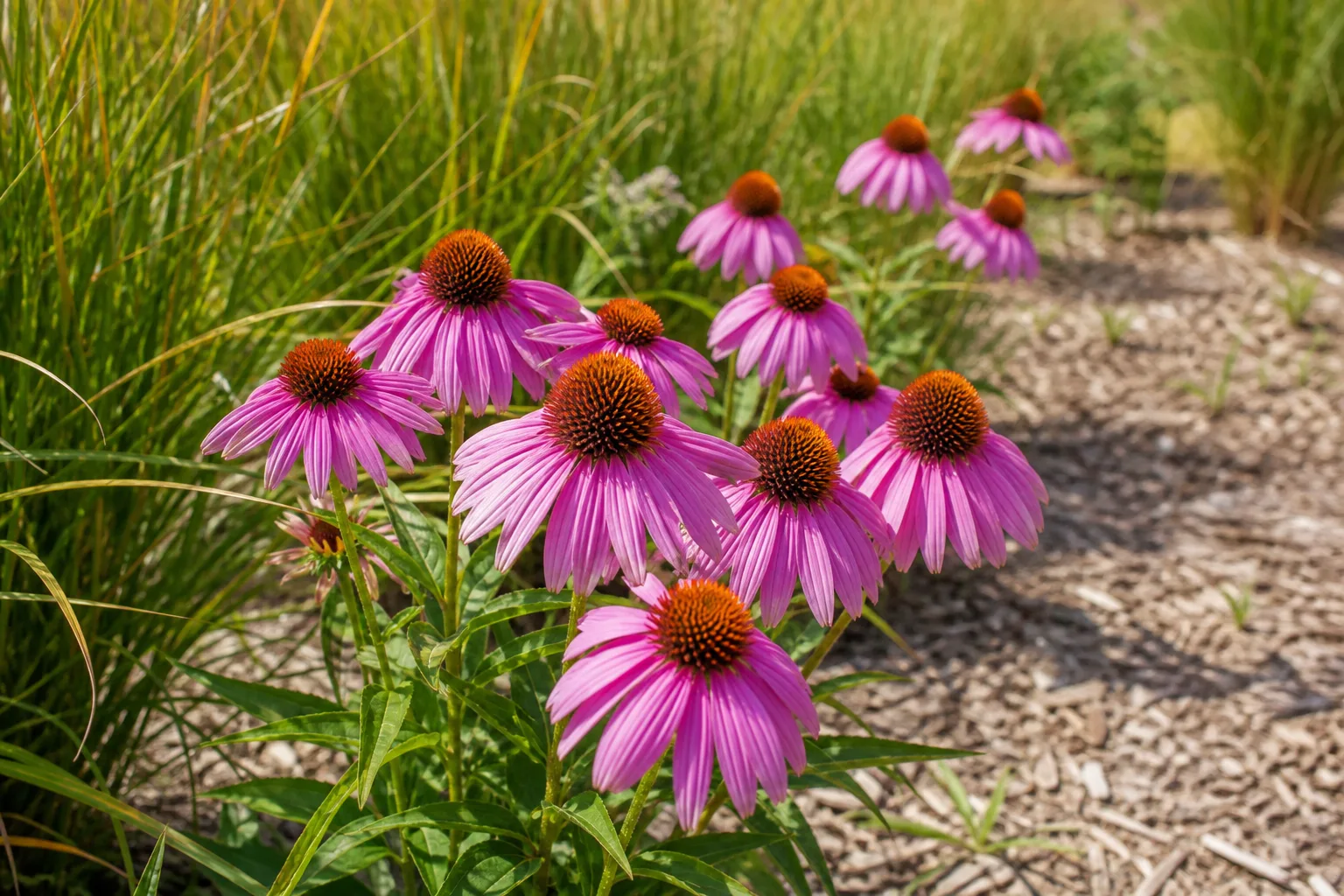
Give coneflower full sun to light partial shade, then water deeply while it settles. NC State Extension lists it as a drought-tolerant, heat- and humidity-resistant native perennial once established, with long-lasting flowers and strong pollinator value. See the NC State coneflower profile.
Deadheading is optional rather than automatic. Remove spent flowers when you want more color and a tidier border, but leave some cones standing in fall if birds use the seed heads. The upright seed heads also add winter structure, and leaving hollow stems partially intact can provide nesting habitat for stem-nesting bees.
4. Ironweed
Ironweed is the tall, dramatic choice for the back of a bed, a rain garden, or a moist meadow edge. New York ironweed (Vernonia noveboracensis) can reach 5 to 8 feet and produces clusters of deep purple flowers from midsummer into mid-fall. That height makes it valuable for a layered planting, but it also rules it out for the front of a narrow foundation bed.
Plant ironweed where the soil stays rich and moist without becoming stagnant. NC State Extension describes it as a native perennial that grows in full sun and adapts to average moist or wet soil; it also naturalizes readily. Use NC State’s ironweed profile to confirm the mature scale before you plant.
In August, choose a vigorous container plant and water the root zone carefully. Do not expect a small transplant to reach full height immediately, but do expect it to claim more space than its nursery pot suggests. If you want a shorter plant, plan to pinch or prune in spring rather than cutting it hard during the heat of establishment.
5. Sunflowers
Sunflowers are the quickest way to add vertical gold to an August garden, provided you choose a fast-maturing variety. A giant single-stem type planted late may make foliage and a promising stalk but never open before frost. Dwarf or branching cultivars are better bets because they can produce several smaller flower heads and reach bloom sooner.
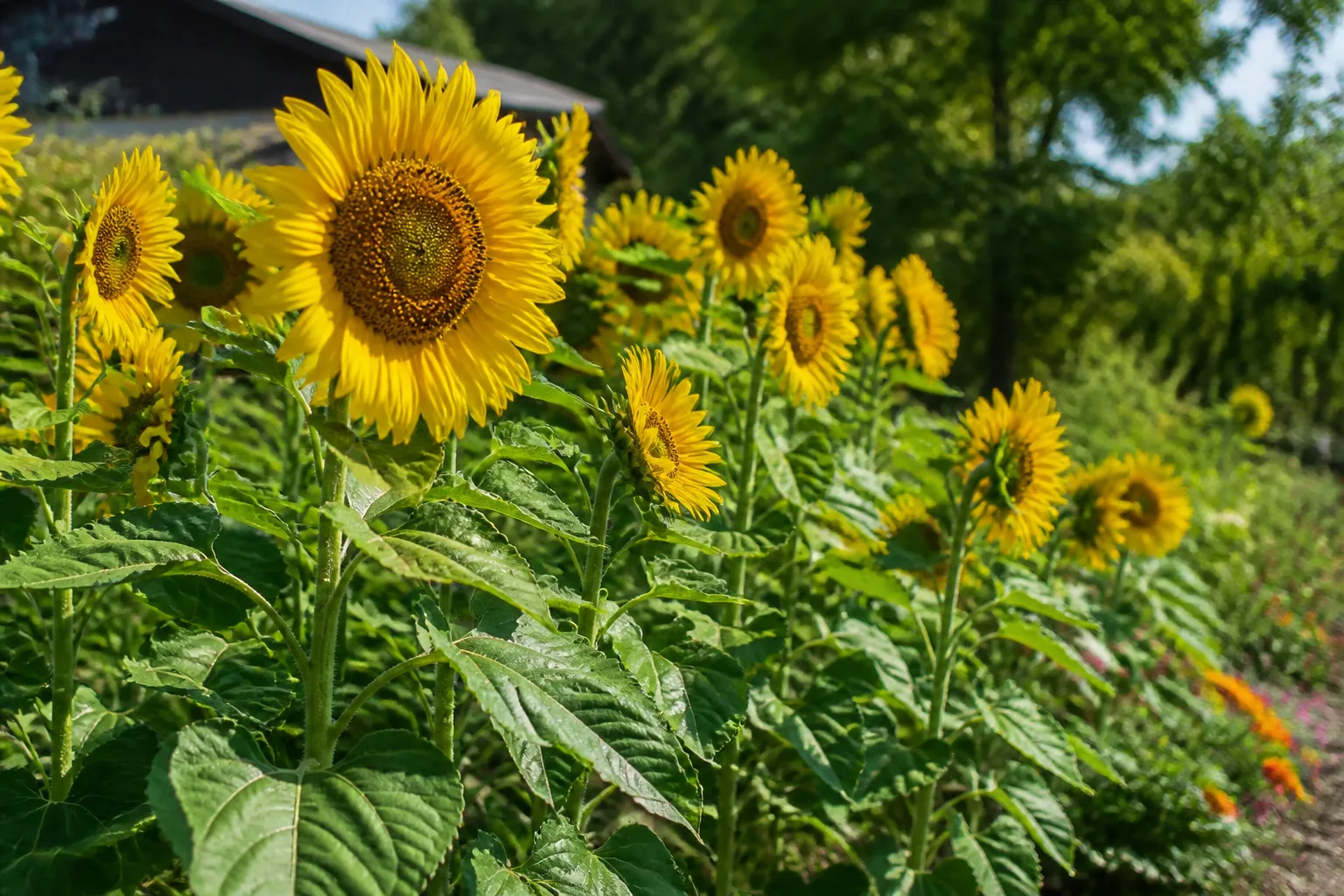
Plant sunflower seed directly into warm, loose soil in full sun when you still have enough frost-free days left. Botanical Interests recommends choosing quick-maturing types for August, especially in zones 5 through 9, and notes that branching forms can extend the display. Its August flower guide is especially helpful when comparing variety speed and climate.
Sunflowers need more room than a seed packet’s small size suggests. Give the roots a deep, open patch, water the seedbed gently until emergence, and thin seedlings rather than letting a crowded clump compete for moisture. NC State’s Helianthus annuus profile also documents sunflower value for pollinators, birds, and specialized bees, so leave some seed heads standing after flowering if wildlife matters to you. Read the NC State sunflower profile.
6. Sedum
Upright sedum, often sold as showy stonecrop or ‘Autumn Joy,’ is the low-maintenance anchor for a dry, sunny fall bed. Its fleshy leaves hold water, its flat flower clusters shift from pink to copper as the season advances, and the dried heads remain attractive after frost. It is a better August choice for a well-drained border than for a heavy clay pocket that stays wet.
Plant sedum in full sun or light shade in gravelly or sharply drained soil. NC State Extension notes that showy stonecrop handles drought and salt, prefers average to low fertility, and can suffer in overly moist soil; wet conditions can lead to rot. Check the NC State stonecrop profile.
Do not overwater it just because it is newly planted. Give the root ball a thorough drink at planting, then allow the soil to begin drying between waterings. If you pruned sedum hard in summer, flowering may be delayed, so leave a late-season plant intact when your priority is an autumn display.
7. Crocosmia
Crocosmia brings hot orange, red, or yellow flower sprays above sword-shaped foliage. It grows from corms, and many gardeners plant it for a vivid late-summer-to-fall accent rather than for a quiet filler. In hotter regions, a little afternoon shade can extend the flower display; in dry, windy sites, consistent moisture matters more than the “summer bulb” label suggests.
NC State Extension says crocosmia performs best in sun, should not be allowed to dry out, and is injured below about 28°F. It also notes that corms can remain in the ground in suitable climates but may need to be lifted, cleaned, and stored in cooler regions. Review the NC State crocosmia profile before treating it as hardy in your garden.
For August color, a container-grown plant in bud is more dependable than a late corm in a short-season climate. If you plant a corm, place it at the recommended depth in warm, workable soil and do not cut the straplike leaves down immediately after flowering; they recharge the underground corm for the next season. Give crocosmia space to spread, especially if the cultivar produces rhizomes.
8. Autumn Crocus
Autumn crocus (Colchicum autumnale) is a botanical surprise: it can send up naked, crocus-like flowers in fall before its leaves appear. Large corms planted at the right time can flower without waiting for a full season of leafy growth, which is why this is one of the better August corm choices for a late display.
Treat the plant as a safety issue, not just a pretty bulb. NC State Extension classifies autumn crocus as highly poisonous, with all parts—especially the corm—dangerous if eaten. Keep corms away from children and pets, wear gloves when handling them, and never confuse them with edible saffron crocus. See the NC State autumn crocus profile and toxicity details.
Plant large, firm corms in rich, well-drained soil in sun or partial shade. The plant tolerates some summer drought but does not want a permanently dry root zone. Expect the leaves later, after the flowers, and let them mature naturally rather than cutting them while they are still green.
9. Asters
New England asters are the classic late-season bridge between summer and fall. Their purple, pink, or rose flowers open from late summer into fall, and their nectar supports bees and butterflies after many early perennials fade. Aster is also a good example of why August planting should be described as establishment, not a guaranteed instant bouquet.
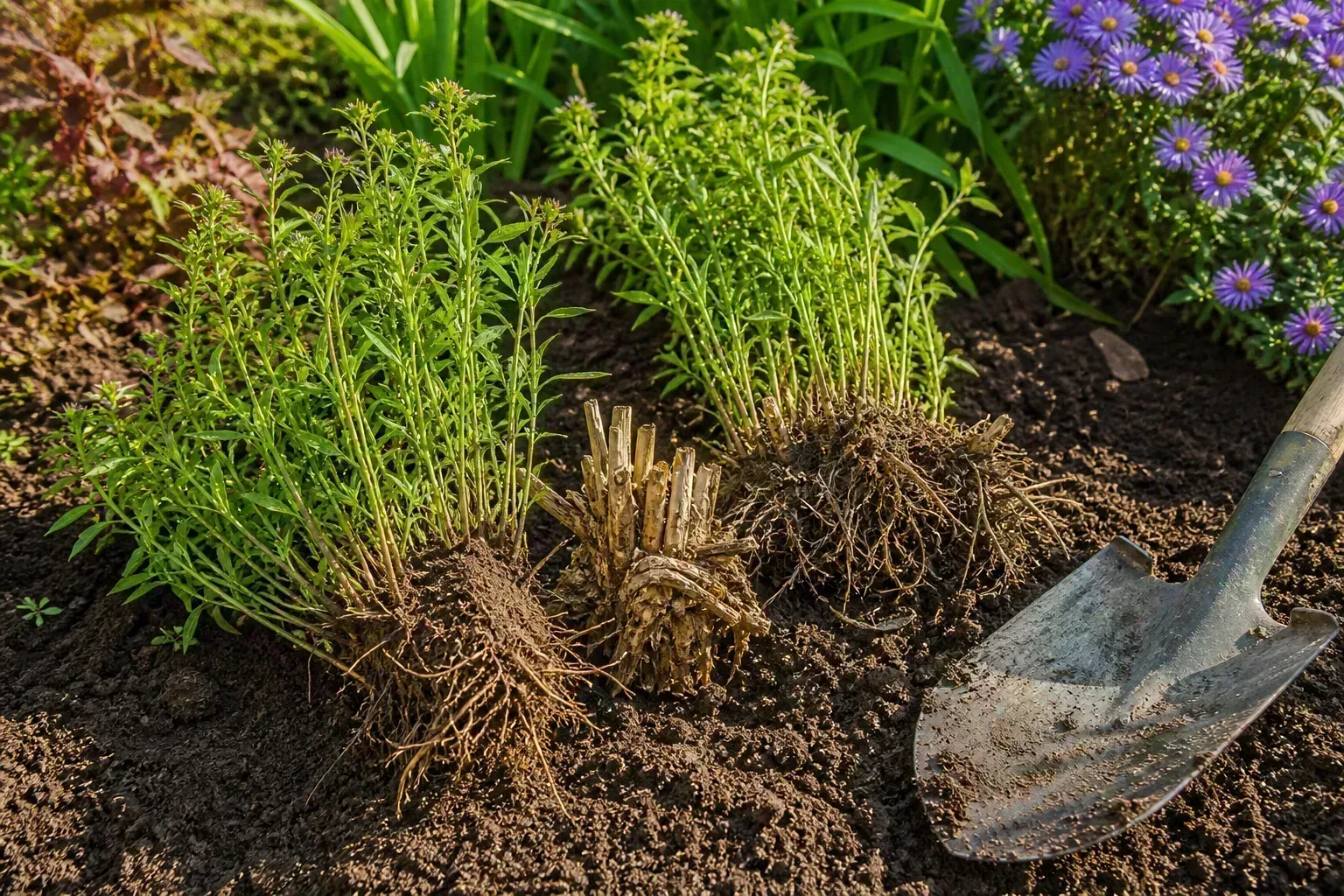
Choose a healthy nursery start with good airflow and plant it in full sun, moist but well-drained soil. NC State Extension recommends fertile, well-drained soil and notes that New England aster can form a large clump; it also suggests pairing it with goldenrod for a strong fall display. Read the NC State aster profile.
If the plant is already budding, you may get flowers this year. If it is small and leafy, the more honest expectation is a modest first season and a fuller show next year. Do not crowd it against a wall or dense shrub; good airflow helps reduce leaf disease, and enough space lets the clump develop without constant division.
10. Russian Sage
Russian sage (Salvia yangii) supplies airy blue-purple flower spikes and silvery foliage when a bed needs a cooler counterpoint to goldenrod, sunflowers, or dahlias. It flowers from summer into fall and is especially useful in a hot, dry, sunny border where moisture-loving plants would struggle.
Plant it in full sun and well-drained soil. NC State Extension warns against poorly drained or wet sites and notes that full sun improves flowering and reduces flopping. The species reaches roughly 2 to 4 feet tall and wide, so allow air and light around it instead of packing it into a tight group. See the NC State Russian sage profile.
Water a new plant regularly while its roots establish, but do not turn the bed into a bog. Once established, Russian sage is considerably more drought tolerant. Choose a named cultivar if you want a predictable habit; seed-grown plants can be rangier and less uniform.
How to Arrange Ten Flowers Into a Fall-Ready Bed
The strongest August bed is not ten equal rows. It is a short sequence of bloom heights, moisture zones, and flower shapes that can keep offering something after the first flush fades.
Use the tallest plants at the back: ironweed for a moist site, sunflowers for quick vertical color, and Russian sage for a dry, airy structure. Put goldenrod and asters in the middle layer, then use coneflower and sedum where you want durable flower heads and pollinator traffic near the path. Dahlias and crocosmia add saturated focal color, while autumn crocus works best as a small, clearly marked pocket rather than a plant scattered where children or pets might encounter the corms.
For a sunny, dry bed, combine sedum, Russian sage, coneflower, and a fast sunflower variety. For a moist pollinator bed, combine ironweed, aster, goldenrod, and coneflower, leaving enough room for mature clumps. Dahlias and crocosmia can bridge either composition if drainage is good, but they should not be used to “fix” a site that stays waterlogged.
What to Do for the First Four Weeks
The first month determines whether late-summer planting becomes a fall display or a collection of crispy leaves. Water is the main variable, but timing, mulch, and restraint matter too.
Week One: Protect Roots From Heat
Check new plants every day during a heat wave, especially black nursery pots and plants at the sunny edge of a bed. Water deeply enough to wet the root ball and the surrounding soil, but do not leave a saucer full of standing water beneath containers. Temporary afternoon shade is useful for cool-season starts such as asters and autumn-planted pansies, but sun lovers should be transitioned back to their intended light rather than kept shaded indefinitely.
Keep mulch 2 inches deep and several inches away from crowns and stems. Skip aggressive pruning and high-nitrogen feeding during this vulnerable week. The goal is root contact, not a forced flush of soft foliage that will wilt in the next hot spell.
Weeks Two Through Four: Adjust by Plant Type
As roots move outward, reduce the frequency of watering only when the soil actually holds moisture. Sedum and Russian sage should begin drying between drinks; ironweed and asters should remain evenly moist; dahlias, sunflowers, and crocosmia need consistent moisture but still require drainage. This is why one automatic “water every day” rule fails in a mixed bed.
Deadhead dahlias, coneflowers, and sunflowers when you want more flowers, but leave some coneflower and sunflower seed heads for birds. Let crocosmia foliage remain after flowering, and let autumn crocus leaves mature after its flowers disappear. If a newly planted perennial wilts repeatedly even when the soil is wet, check for a damaged root ball or poor drainage rather than adding more water.
When August Is Too Late for Fall Flowers
August is too late when the plant’s required establishment or seed-to-bloom period runs beyond your reliable growing season. In a short-season garden with a first frost only four weeks away, skip perennial seeds, giant sunflowers, and dormant dahlia tubers. Buy an established plant in bud, use a container you can protect, or save the bed for a spring planting when roots have time to grow.
It is also too late for a site that cannot be watered during the first few weeks. A late planting in a neglected bed is not automatically better than an early-fall planting after temperatures moderate. For cool-season flowers, September may be safer than the hottest part of August; for frost-tender dahlias and crocosmia, an even later date may simply shorten the display.
Read the plant tag for days to maturity, mature height, and hardiness, then compare those details with your own garden rather than a generic zone list. A plant can be technically hardy and still fail to bloom this year, and a plant can be listed for a broad zone range while struggling in a heat island, a wet clay bed, or an exposed windy corner.
Conclusion
The best flowers to plant in August are the ones that match the time and conditions you actually have. Dahlias, sunflowers, and crocosmia deliver strong color when warmth and drainage cooperate; sedum and Russian sage handle drier beds; ironweed and asters suit moist pollinator plantings; goldenrod and coneflower bring dependable late-season structure; and autumn crocus offers a fast, unusual display with a serious toxicity warning.
Choose starts when fall color matters, seeds when the frost clock allows them, and tubers or corms only after checking their temperature and winter limits. Plant in the evening, water the root zone consistently, keep mulch off the crown, and give each flower the soil and space it needs. That small amount of August planning is what turns a tired summer bed into a garden that still has something to say in October.



