When to Apply Pre-Emergent Herbicide
Apply pre-emergent when soil at 2 inches holds 55°F for several days—not on a fixed calendar date. Get regional windows, weather rules, and overseeding conflicts.
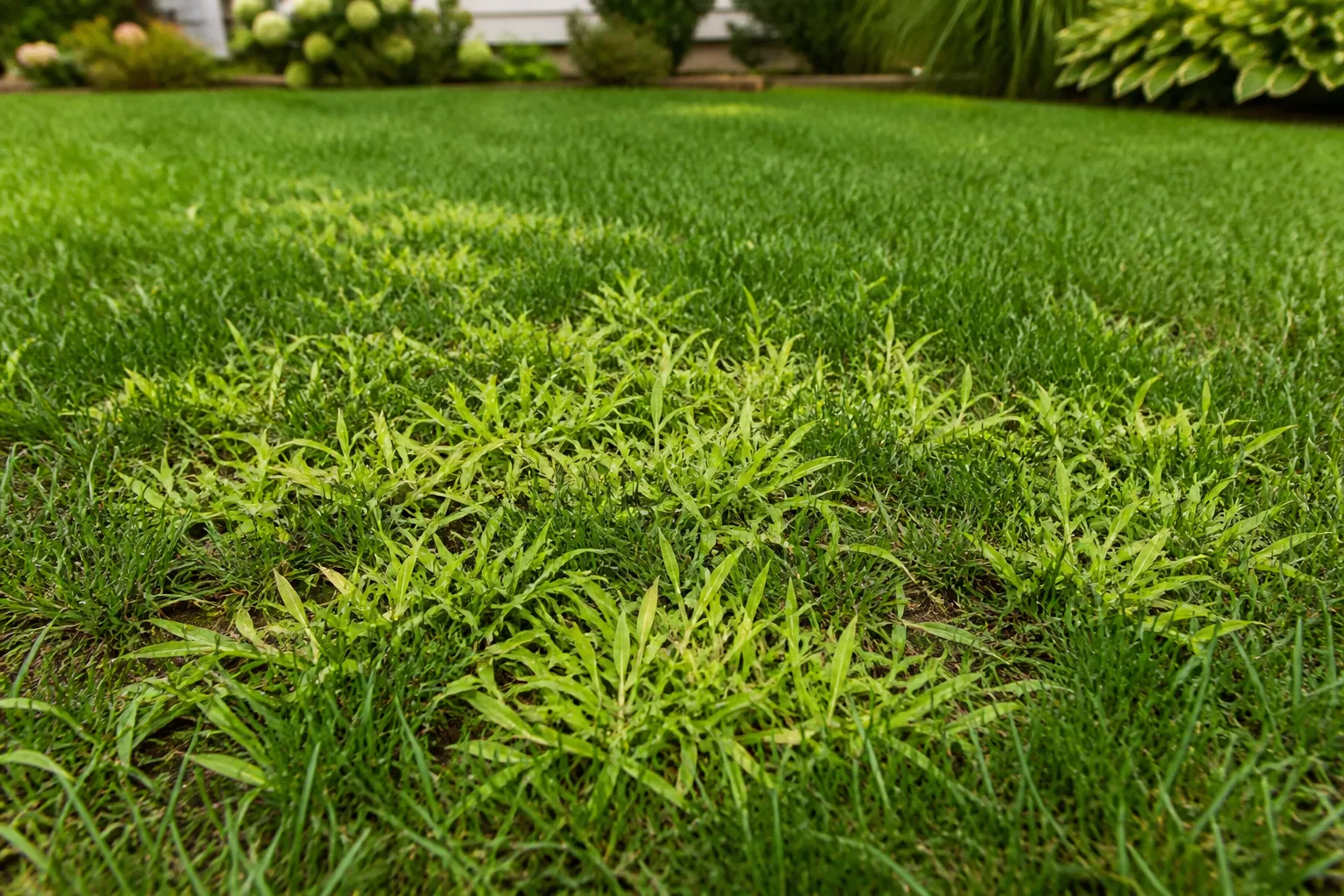
A bag of pre-emergent herbicide sitting in the garage does not know what month it is. Weed seeds do not either. They respond to soil temperature, moisture, and light—not to the first sunny Saturday that pulls you outside with a broadcast spreader. Apply too early on frozen or saturated ground and the product washes away or never forms a barrier. Apply too late and crabgrass, goosegrass, and other summer annuals are already rooted while your preventer sits uselessly on top of the soil.
The timing question is not “what date does the hardware store put weed preventer on sale?” It is “have target weed seeds started germinating yet—and is my soil in the right condition to hold the chemical?” Get those two answers right and one well-timed pass can save you a summer of hand-pulling pale clumps. Get them wrong and you will still be shopping for rescue products in July.
The Short Answer
Apply spring pre-emergent herbicide when soil at a 2-inch depth holds roughly 55°F for three to four consecutive days—and the ground is workable, not frozen, and not saturated. That threshold matches when crabgrass and many other summer annual grassy weeds begin germinating. In practice, that often means late February through mid-March in the Deep South and Southeast, March through early April in the Midwest and Mid-Atlantic, and mid-April into May in the northern tier—but your soil thermometer beats any national map.
For winter annual broadleaf weeds such as chickweed, henbit, and annual bluegrass, a separate fall pre-emergent pass goes down in late summer or early fall before those seeds sprout—typically when soil trends back toward the 70°F range cooling, not warming. Spring and fall timing target different weed groups; one application does not cover both seasons unless your product label and residual window explicitly say so.
What Pre-Emergent Herbicide Actually Does
Pre-emergent herbicides create a thin chemical barrier in the upper soil layer. They do not stop seeds from absorbing water and swelling. They interrupt the seedling’s ability to establish once germination starts—before the plant becomes a visible weed you can pull. University of Georgia Extension is clear: when weeds are already up and photosynthesizing, a standard pre-emergent is the wrong tool.
Common retail actives include pendimethalin (Scotts Halts and many “crabgrass preventer” bags), prodiamine (long-residual Barricade-class products), dithiopyr (Dimension—pre-emergent plus early post-emergent on very young crabgrass), benefin, and DCPA. Each has different residual length, grass-type restrictions, and seeding intervals on the label. Timing is universal; chemistry is not. For product-by-product comparisons, see our best crabgrass killer guide.
Pre-Emergent vs Post-Emergent
Post-emergent herbicides kill plants that are already growing—think liquid sprays on visible dandelion rosettes or quinclorac on young crabgrass mats. Pre-emergent products must be in place before the target weed emerges. The only common exception is dithiopyr, which can control crabgrass caught very early, before it tillers. If you can see spreading clumps across the yard in June, you missed the pre-emergent window and need a post-emergent strategy instead—outlined in our crabgrass removal guide.
The Soil-Temperature Rule Every Pro Uses
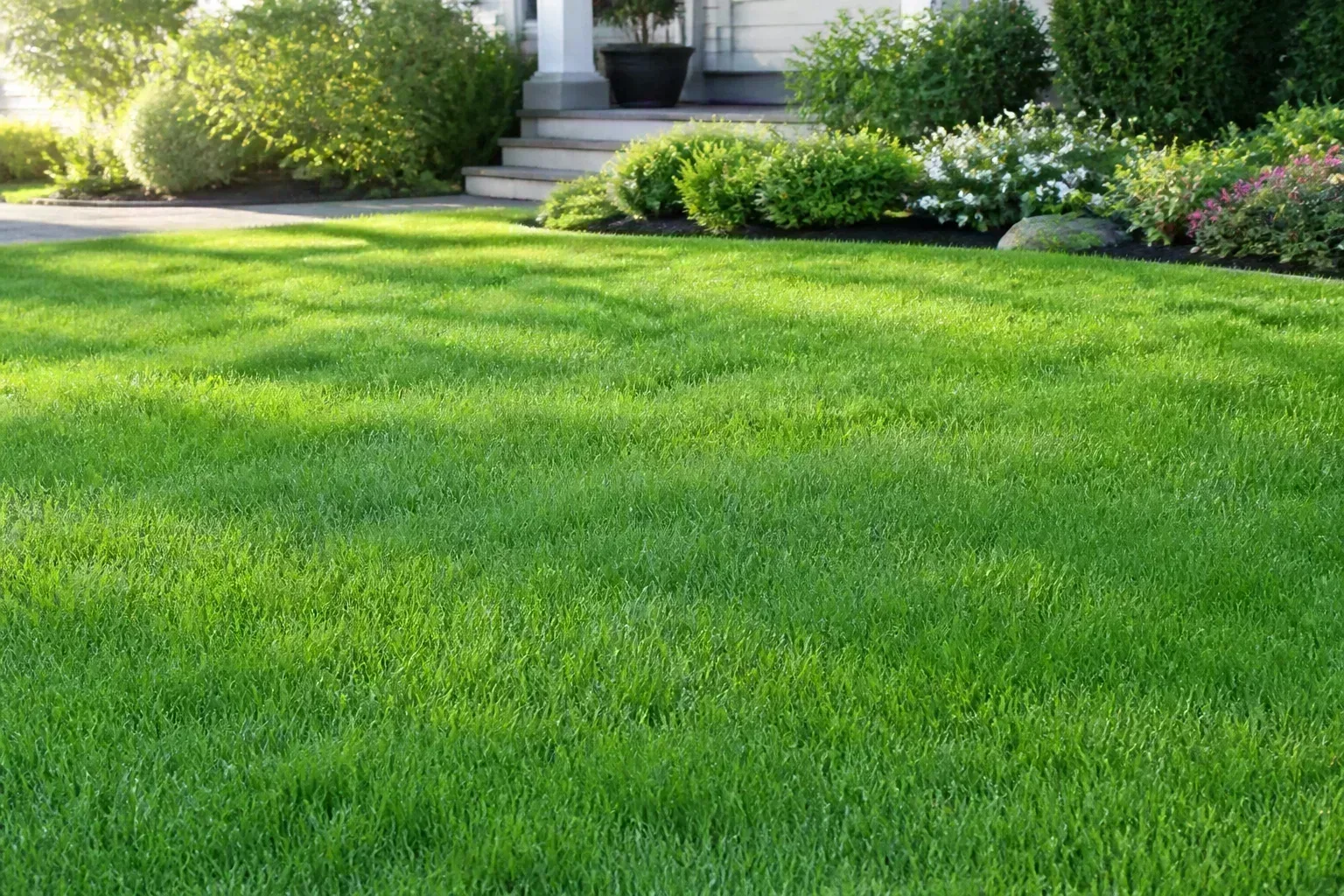
Crabgrass—the weed that drives most spring pre-emergent sales—germinates when 24-hour mean soil temperatures average about 55°F for three or four consecutive days. NC State TurfFiles documents this threshold and notes that warming winters are pushing germination earlier in many states; researchers have recorded February crabgrass germination in North Carolina in recent years.
The goal is to apply roughly 10 to 14 days before that germination wave—not after it. Pre-emergent needs time to move into the soil and form its barrier. Waiting until you see green fuzz along the driveway edge is waiting too long; concrete and asphalt heat up faster than open turf and give crabgrass a head start.
How to Measure Soil Temperature Correctly
Guessing air temperature from a weather app will mislead you. Soil warms and cools more slowly than air, and south-facing slopes, bare patches, and pavement edges run hotter than shaded lawn centers.
Use a soil thermometer or a probe-style digital thermometer. Insert it 2 inches deep—about the depth where crabgrass seeds sit. Take readings in three or four spots: a sunny open area, a shaded section, and near a sidewalk or driveway where heat radiates. Record the morning reading before direct sun spikes the surface; many turf specialists prefer a 24-hour average when tracking the 55°F trigger.
Log temperatures for a week. You are looking for a sustained trend, not one freak warm day in late January. If readings bounce between 45°F and 58°F, wait until the lower bound climbs and stays near threshold.
Why Calendar Dates Alone Fail
Extension calendars exist because they help you plan—not because soil obeys them. UGA Extension recommends applying summer-annual pre-emergent before soil reaches 55°F, with reference windows of February 15–March 15 in south Georgia and March 1–20 in north Georgia. Those dates shift every year with winter severity.
Microclimate matters as much as USDA zone. A lawn on a south-facing slope in zone 7 can hit threshold weeks before a low, shaded yard five miles away. Elevation, snow cover, mulch along beds, and last year’s thin turf all change the clock. Treat published date ranges as alarm reminders to start measuring, not as permission to spread without checking soil.
Is February Too Early for Pre-Emergent?
February is not automatically too early—and it is not automatically on time. It depends on whether your soil has crossed the germination threshold and whether conditions allow the product to work.
Southern and Coastal Zones
In the Gulf Coast, Florida, and the warmest parts of the Southeast, mid- to late February is often the correct pre-emergent window. NC State’s Fred Yelverton has recommended central North Carolina applications by the end of February, with mid-February targets east of Raleigh and very early March in the western Piedmont, precisely because crabgrass has germinated in February in four of five recent years studied.
If your 2-inch soil readings have held near 55°F for several days, the ground is thawed, and no heavy rain is forecast, February application is appropriate—not reckless. Epic Gardening notes that concrete and paved edges heat quickly and germinate crabgrass earlier than the open lawn; prioritize those zones mentally even if you broadcast across the whole yard.
Northern and Cold-Climate Zones
In zones 5 and colder, February is usually too early for application even if a brief thaw melts surface snow. Frozen soil, snowpack, and repeated freeze-thaw cycles prevent incorporation. Spreading granular preventer on hard-frozen turf in February often means the product sits on ice until a rain event washes it into storm drains—money and environmental load with zero weed control.
For northern lawns, February is better spent on prep (below) while you watch soil thermometers climb toward April or May application windows. An exception: if you are applying fall-labeled winter-annual pre-emergent for chickweed and henbit, that pass already happened the previous late summer or early fall—not in February.
Spring vs Fall Pre-Emergent Windows
Not all pre-emergent timing is about spring crabgrass. Weed biology splits into summer annuals and winter annuals, and each needs its own pass.
Spring pre-emergent (applied before soil hits 55°F warming) targets summer annual grassy weeds: crabgrass, goosegrass, sandbur, and similar. This is the application most homeowners mean when they ask about pre-emergent timing.
Fall pre-emergent targets winter annual broadleaf and grassy weeds: annual bluegrass, common chickweed, henbit, and swinecress. UGA Extension groups these as weeds that germinate in late summer and fall, live through winter, and die as summer heat arrives. Apply in early fall when soil is still warm enough for the herbicide to activate but before winter-annual seeds sprout—often August through October depending on latitude.
One spring application does not prevent winter weeds the following year, and fall products do not stop next summer’s crabgrass unless residual chemistry lasts that long—which most home products do not. Plan two timing decisions per year if you fight both weed groups.
Granular vs Liquid: Does Form Change Timing?
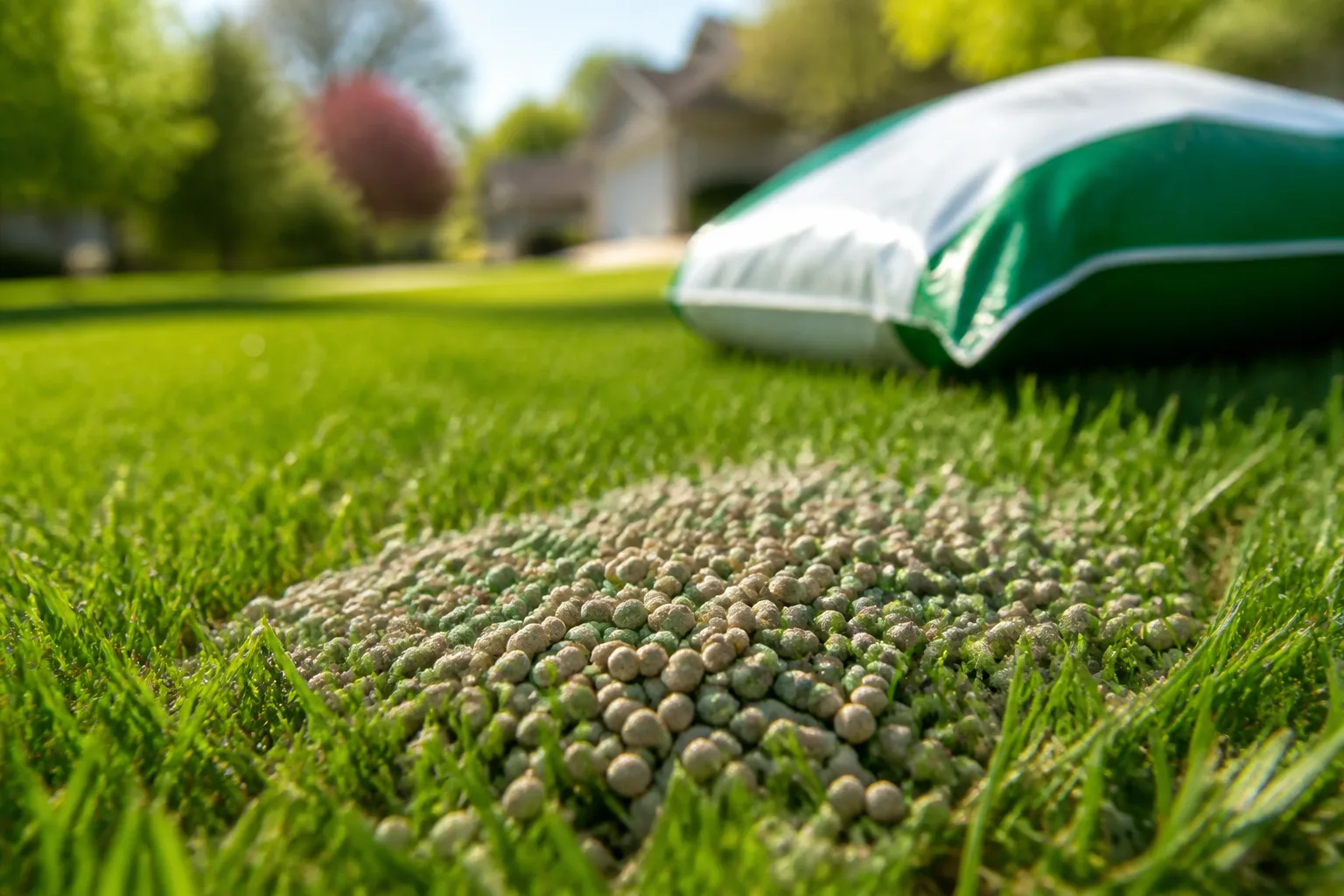
Timing is the same whether you spread granules or spray liquid concentrate. Form changes how the product moves into soil, not when biology says to apply.
Granular pre-emergent—often on a fertilizer carrier in weed-and-feed bags—requires a broadcast spreader, even overlap, and typically watering in or rainfall to dissolve granules and move actives off leaf blades into the soil. If you use a combo product, remember that nitrogen timing may not match herbicide timing; our spring weed-and-feed timing guide explains when to split fertilizer and herbicide instead of forcing one bag to do both jobs.
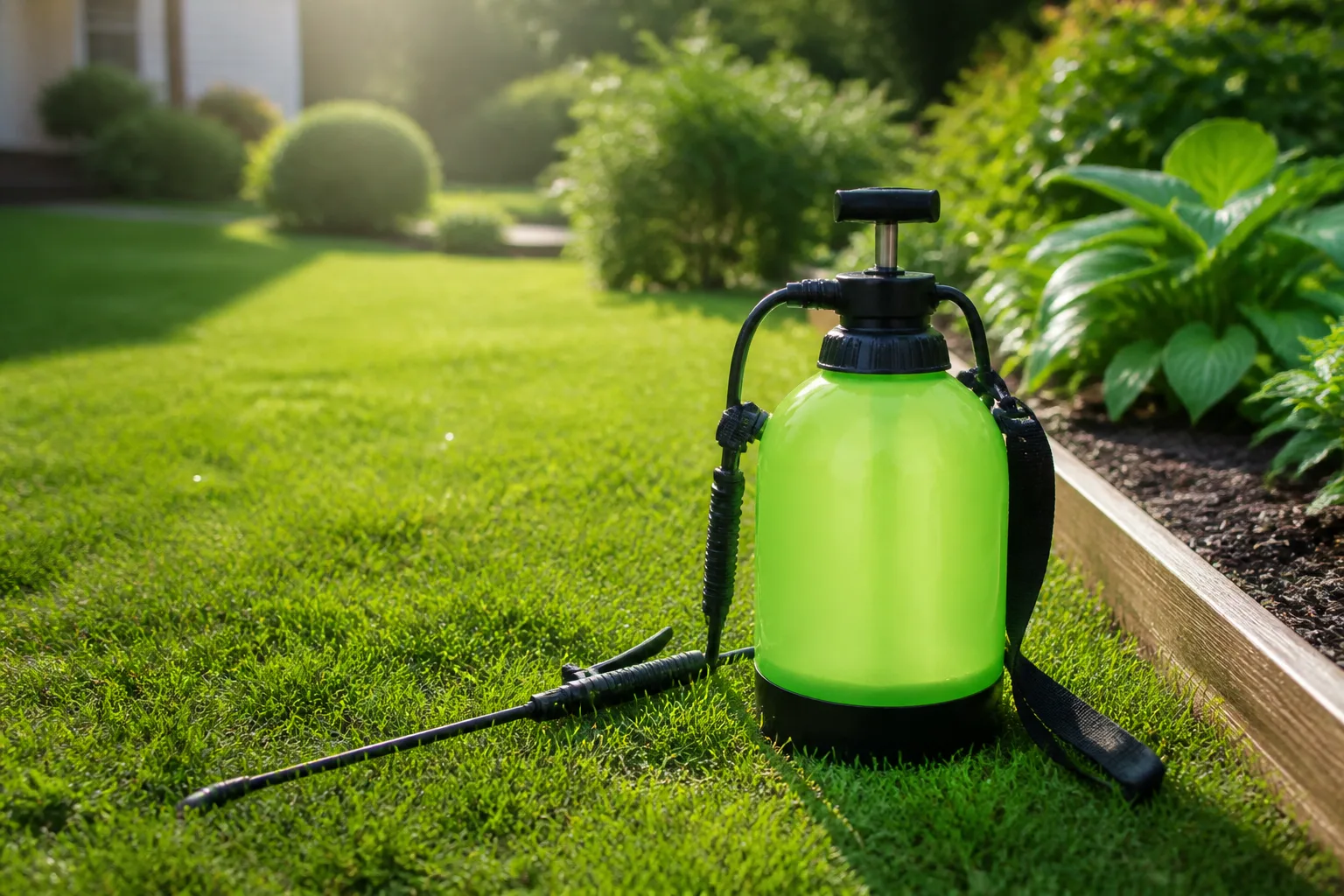
Liquid pre-emergent attaches to soil particles as spray dries and is often chosen for precise edges, beds, and strip spraying along pavement. It still needs moisture activation and still must go down before germination. Pick form based on equipment and site, not because one “works earlier.”
Weather Conditions That Ruin an Application
The right soil temperature on the wrong day still fails. Do not apply pre-emergent when:
- Soil is frozen or snow-covered. Product cannot incorporate; granules blow or wash away.
- Ground is saturated or standing water is present. Chemical runs off before binding to soil.
- Heavy rain is forecast within 24 hours before granules have been lightly watered in—check your label; some products tolerate rain better after initial activation.
- Extreme wind is blowing granules into beds, ponds, or neighbor property.
Ideal conditions: thawed, moist but not muddy soil, calm wind, and a light irrigation or rain event coming within the label’s activation window—not a downpour that sheets the product downhill.
Watering In and What Happens If You Skip It
Pre-emergent on top of grass blades does not stop weed seeds in soil. Most labels require 0.25 to 0.5 inch of rainfall or irrigation within 14 days of application to move the active ingredient into the germination zone. UGA Extension notes prodiamine specifically should be activated by at least 0.5 inch of rain or irrigation before weed seeds germinate and within 14 days after spreading.
If you spread and a drought follows, the barrier may never form. If you spread and a thunderstorm dumps 3 inches immediately, you may lose product to runoff on slopes. Light, even watering beats both extremes. A hose-end sprinkler running long enough to wet the soil surface without puddling is usually sufficient when rain is not cooperating.
Pre-Emergent and Overseeding Conflicts
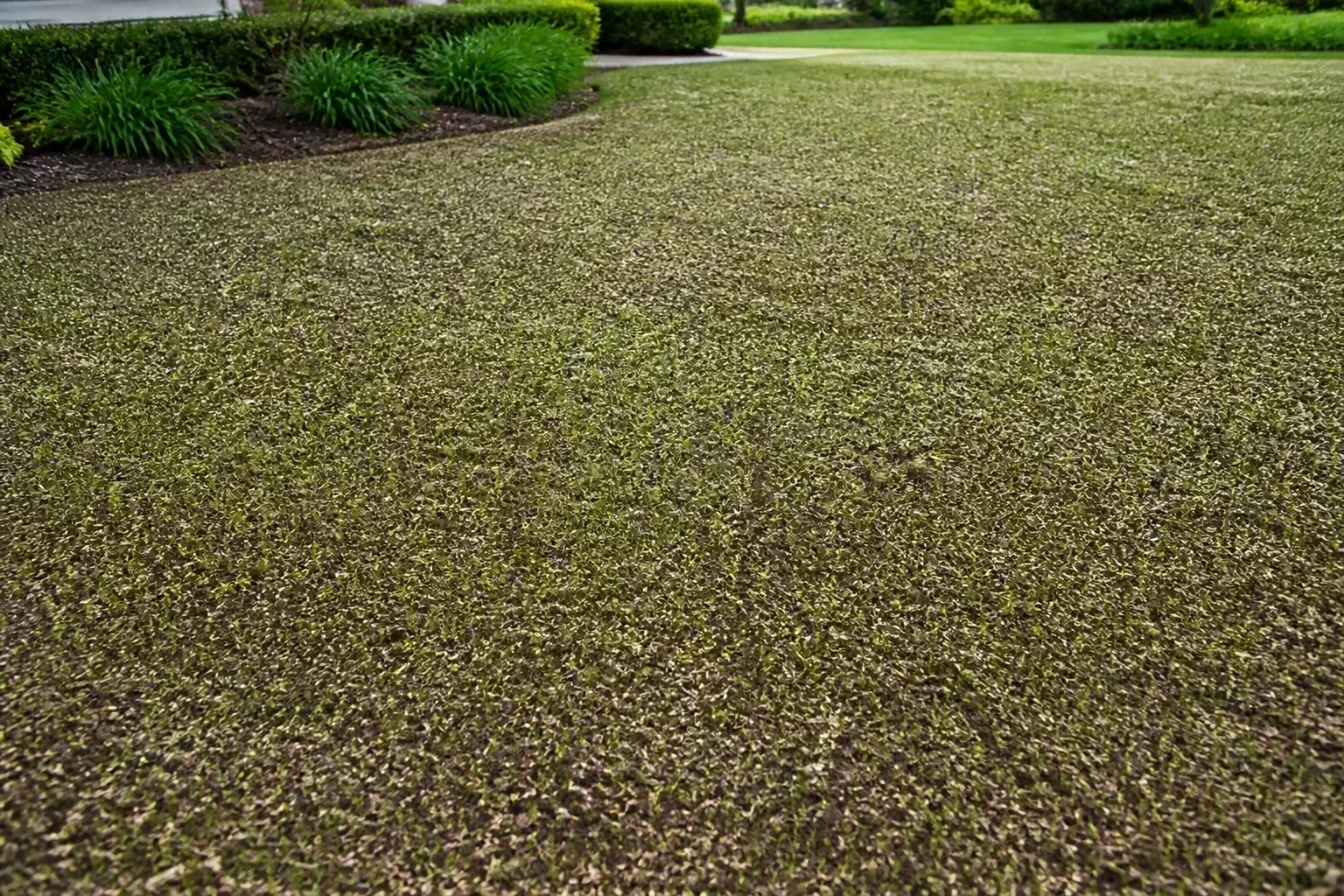
This is the conflict that ruins more renovation projects than any weed. Pre-emergent does not distinguish crabgrass seed from Kentucky bluegrass seed. It blocks all germination in the treated zone for weeks to months depending on active ingredient and rate.
General label guidance—always verify your bag:
- Pendimethalin: often about four months before overseeding or new lawn seeding; do not use on newly seeded areas until after the fourth mowing.
- Prodiamine: similar long intervals; avoid new sod until rooted and edges filled in.
- Dithiopyr: bermuda can be overseeded with perennial ryegrass in six to eight weeks under some labels; other turf types may need two and a half to four months.
If you plan spring aeration and overseeding, either skip spring pre-emergent that year and commit to fall prevention, or apply pre-emergent early and delay seeding until the label interval passes—often pushing seeding into late summer or fall, which is actually ideal for cool-season grass anyway. Read our fall overseeding guide for how to sequence renovation without fighting your own herbicide.
Never apply pre-emergent to areas you intend to seed within the label window. If you already spread preventer and need to patch bare spots, you are waiting—not hoping the label does not mean what it says.
Regional Timing Cheat Sheet
Use this table as a starting point, then confirm with your soil thermometer. Dates shift with yearly weather.
| Region / climate | Spring pre-emergent target (before 55°F trend) | Fall pre-emergent for winter annuals | Notes |
|---|---|---|---|
| Deep South, Gulf Coast | Late Jan – late Feb | Mid-Aug – early Oct | Earliest germination; watch pavement edges |
| Southeast, Piedmont | Mid-Feb – mid-March | Early Sep – mid-Oct | NC State recommends earlier than old calendars |
| Mid-Atlantic, lower Midwest | Early Mar – early April | Early Sep – early Oct | Match to local forsythia only as a rough cue |
| Upper Midwest, New England | Mid-Apr – early May | Late Aug – late Sep | February apps usually too early |
| Pacific Northwest (west) | Late Mar – April | Sep – Oct | Cool wet springs—avoid saturated apps |
| Mountain / high elevation | May | Late Aug – Sep | Snow cover delays soil warming |
When in doubt, apply slightly early on workable soil rather than visibly late—within label rates—because missed crabgrass is harder to fix than an extra week of residual on healthy turf.
What to Do This Month If It Is Too Early
If soil is still cold but you are itching to work the yard, use the wait productively:
Clear debris and winter damage. Rake matted leaves, sticks, and gravel tossed by snow blowers so spring spreader passes are even. Thin turf lets weeds exploit gaps later.
Service equipment. Sharpen mower blades, change oil, and calibrate your spreader before the rush weekend when everyone else is buying bags.
Test soil. A soil test through your county extension office reveals pH and nutrient gaps. Fixing phosphorus or pH in February beats guessing with random fertilizer in April. Our lawn fertilizer guide pairs with those results.
Check irrigation. Winterized systems need a slow spring startup inspection for cracked heads before you depend on them to water in herbicide.
Measure daily. Stick a thermometer in the lawn every few days and log it. You will know the exact week your threshold hits—better than any social media “put down pre-emergent now” post.
Conclusion
Pre-emergent herbicide timing is a soil-temperature decision, not a holiday. Measure 2 inches deep, watch for sustained readings near 55°F, apply on workable ground before summer annual weeds emerge, and water in per the label. February is on time in the warmest zones and too early where soil is still frozen—but only your thermometer and forearm test (thawed, not squelching) know for sure.
Split spring and fall passes if you fight both summer grassy weeds and winter annuals. Respect overseeding intervals so you do not block the grass seed you plant next. If the window already closed, switch to post-emergent rescue and plan an earlier preventer pass next year. Nail the biology once and July stays for mowing—not pulling crabgrass.