When to Plant Tulip Bulbs: Fall Timing by Zone
Tulips bloom in spring, but fall is planting season. Learn when to plant tulip bulbs by USDA zone, soil temperature checks, and how late you can still dig in.
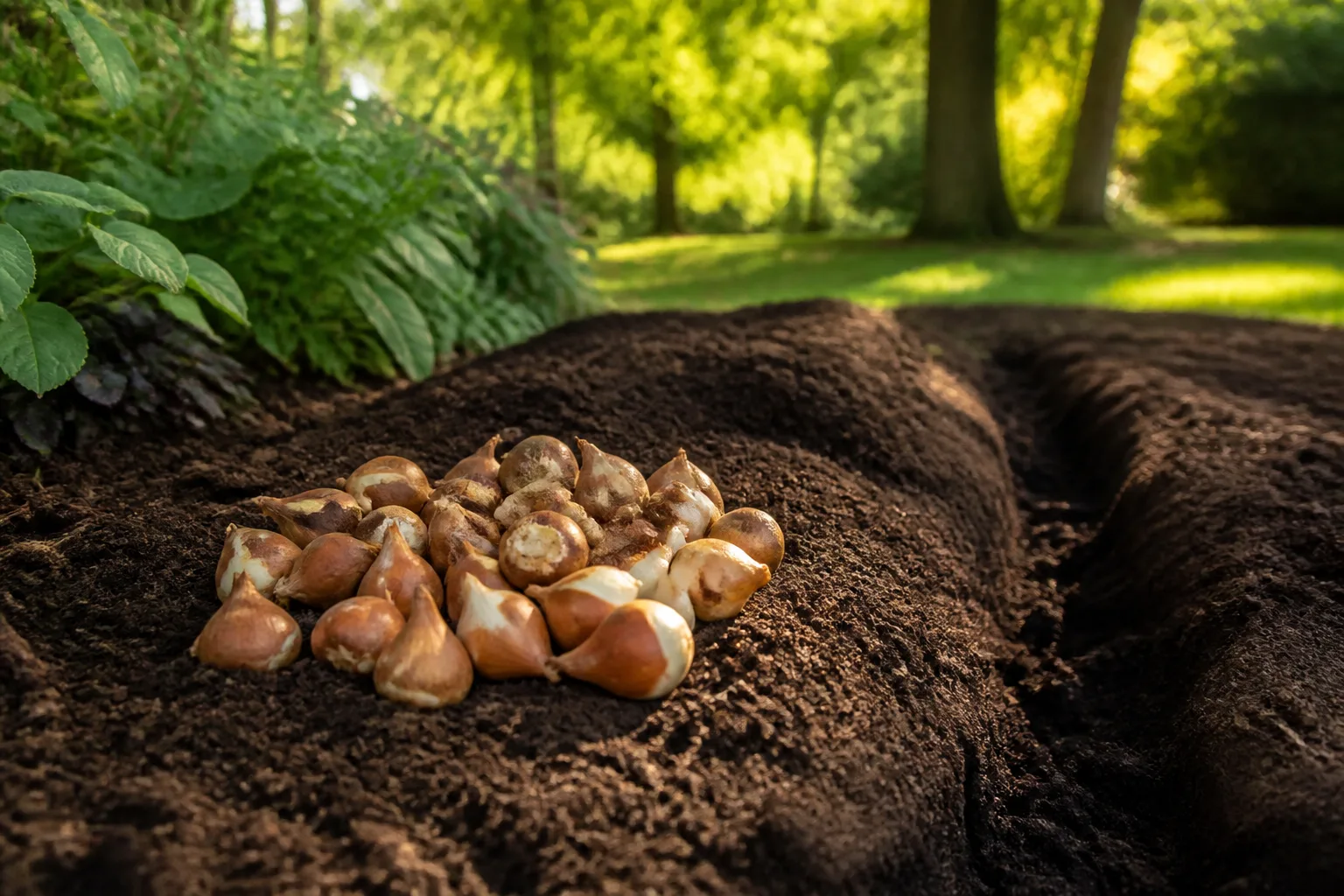
Tulips announce spring in March, April, and May, which is exactly why so many gardeners reach for a trowel at the wrong time of year. The planting window is fall — after summer heat leaves the soil and before the ground locks up for winter. Get that sequence right and you buy roots time to anchor, chill, and fuel next year’s stems. Plant on bloom season instead and you are asking a dormant bulb to do a job it cannot finish in one warm month.
The confusion is understandable. Garden centers sell potted tulips in spring, catalogs show fields of color when snow is melting, and “spring bulb” sounds like a spring task. Those potted plants were started months earlier. Field tulips you want in your own beds must go in while they are dormant, when nights are cool and soil is draining again. This guide gives you a practical fall calendar by USDA zone, the soil checks that matter more than a date on the bag, and the exceptions for warm winters and late purchases.
Why Tulips Belong in Fall, Not Spring
A tulip bulb is a storage organ, not a seed. It holds the food and embryonic flower for next year’s display. After you plant in fall, roots grow while air temperatures drop. That cool stretch — often called vernalization — is what triggers proper stem and flower development. Most tulips need roughly 10 to 14 weeks of temperatures below about 55°F before they can bloom well. Fall planting gives you that window naturally in zones 3 through 8.
Spring planting skips the setup phase. Even if you bury a firm bulb in April, it has little time to root before soil warms. NC State Extension notes that tulips lose floral vigor when soil temperatures reach about 70°F, which is exactly where many gardens head by late spring. You might see a short stem or a blind shoot — foliage with no flower — because the bulb never received adequate chilling or root growth. Fall is not a tradition; it is the biological schedule.
What bulbs are doing underground all winter
After planting, roots keep developing until the ground freezes. The bulb sits in cold dormancy, using minimal energy while cold hours accumulate. When days lengthen and soil warms in late winter or early spring, the flower stalk elongates and blooms follow, usually from mid-March through mid-May depending on cultivar and that year’s weather. Early, mid-season, and late tulip groups exist so you can stagger color — but all of them share the same fall planting season. Choosing “early” vs “late” varieties changes bloom time in spring, not when you dig the hole in autumn.
The Real Timing Rule: Cool Soil, Not a Calendar Date
Calendar month is a shortcut, not a law. A September heat wave in zone 6 can cook newly planted bulbs; a mild December in zone 8 can still be workable if soil drains and chill hours remain. The rule that holds everywhere: plant when soil has cooled after summer, while it is still workable, and before sustained hard freeze.
Penn State Extension recommends planting spring-flowering bulbs in fall before the first hard frost so roots establish before the ground freezes. The RHS tulip growing guide places dormant tulip bulbs in autumn, September through November, and stresses planting as soon as possible after purchase so bulbs do not deteriorate in a warm garage. Those two ideas work together: cool soil plus prompt planting.
Soil temperature and the two-week night check
You do not need laboratory precision, but you do need more than “it feels like fall.” Two practical checks:
Nighttime air temperatures: Wait until local nights have stayed in the low 40s°F for about two weeks. That pattern usually means soil has shed summer heat. In many regions that lands in October, not the first cool weekend in September.
Soil probe or thermometer: Push a soil thermometer 4 inches deep in the planting bed. Many gardeners aim for soil around 50–55°F or lower before planting tulips. If the bed still reads 60°F or above after a warm spell, wait another week and retest a shady corner of the same bed.
Workability matters too. Dig a test hole. If the soil smears into a slick clod that will bake into a brick, it is too wet or too warm to plant. Crumbly, cool soil that falls back into the hole is what you want.
When fall planting is too early (and what rot looks like)
Planting into warm, wet soil is the fastest way to waste a bag of bulbs. Heat plus moisture activates rot organisms before roots can establish. Warning signs after an early planting include a sour smell when you dig, soft brown spots on the bulb, or bulbs pushed out of soil by decay. If you already planted during a warm snap and nothing sprouts in spring, soggy remnants at planting depth are the usual answer.
If nights are still mild but bulb shipments arrived, store firm bulbs in a cool, dry, dark place with good air movement — around 50–60°F is commonly suggested — and plant when your two-week night check passes. Do not store them in a closed plastic bag on a heated porch.
When to Plant Tulip Bulbs by USDA Zone
Zones set the length of your chill season and how late soil stays warm. Use the table as a starting point, then let soil temperature override the month when weather is unusual.
| USDA zone | Typical planting window | What to watch for |
|---|---|---|
| 3–5 (cold north) | September into early October | Earlier frost; get roots in before ground freezes hard |
| 6–7 (moderate) | October (often ideal) | Balance cooling soil with enough weeks before freeze |
| 8 (mild winter) | November into December | Verify chill hours; consider pre-chilled bulbs |
| 9+ (warm) | Late November–December with pre-chilled bulbs | Treat many tulips as cool-season annuals |
Zones 3–5: September into early October
Short summers flip to cold fast. Penn State Extension notes that in western Pennsylvania (zones 5–6), September to October planting before first frost gives bulbs time to root. In zones 3–5, lean toward the early side of that range — often September once soil cools — because frozen ground can arrive by late October. Mulch after planting to buffer temperature swings, especially in exposed beds.
Zones 6–7: October is the sweet spot
This is the band where the “wait for cool soil” rule and the calendar agree most years. October nights in the 40s°F are common, soil drains after summer rains, and you still have eight to twelve weeks before deep freeze. If you are also planting daffodils and other spring bulbs, put those in first and save tulips for the later pass — tulips tolerate (and often prefer) a later slot than many companions.
Zones 8–9 and the pre-chilled workaround
Mild winters may not deliver 10–14 weeks below 55°F in the ground. Gardeners in zones 8–9 often buy pre-chilled bulbs from suppliers who cold-treated them, then plant in late November or December to limit warm-soil exposure before winter. Even then, many treat hybrid tulips as one-season displays and replant each fall rather than expecting perennial performance. Without adequate chill, expect blind shoots or stunted flowers — not a moral failure, a climate mismatch.
Tulips vs. Other Spring Bulbs: Why Tulips Go in Last
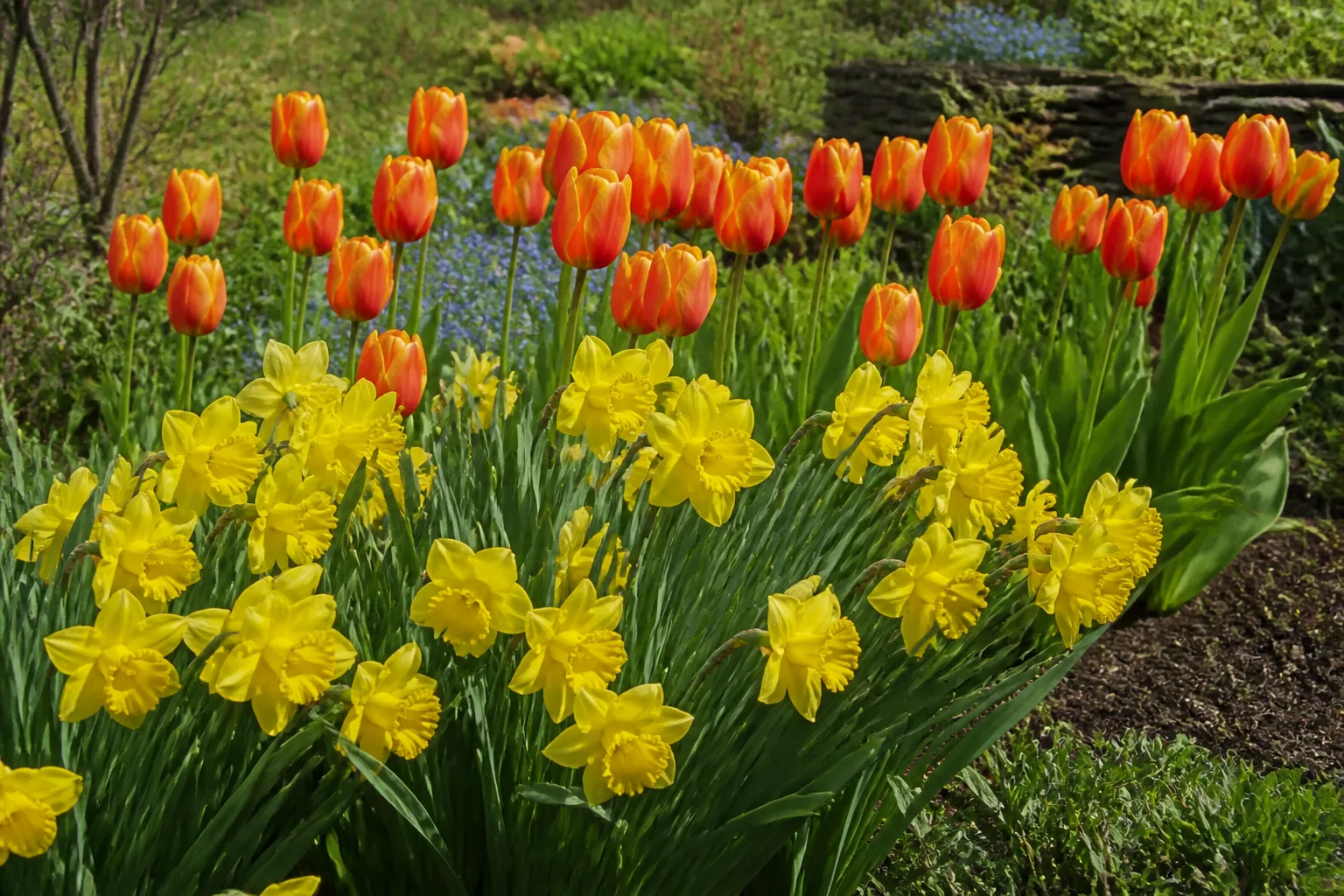
Not all spring bulbs share one planting day. Daffodils, crocuses, and hyacinths are commonly planted earlier in fall — sometimes from August into October — because they root quickly and tolerate slightly warmer soil at planting. Tulips are the stragglers. The RHS explicitly notes tulips grow well planted between September and December, with emphasis on planting soon after purchase; in practice, November is a trusted month for tulips even when daffodils went in six weeks earlier.
Why later helps tulips: they are more prone to fungal issues in warm soil and to premature top growth if planted during Indian summer. Sequencing also spreads garden labor. Finish structural fall perennial work and early bulbs first; plant tulips when the bed finally feels like autumn under your hand.
How Late Can You Plant Tulip Bulbs?
Late is defined by frozen ground and missing chill hours, not by guilt. If you can still dig and soil is cool, plant firm bulbs rather than storing them until next year. In zones 6–7, November planting often succeeds and is normal for tulips. December can work during a mild year if the ground is not frozen and enough cold weeks remain before spring.
January or later is only realistic in the coldest zones where extended sub-55°F weather continues after planting — and even then it is a gamble. Spring planting is not a standard fix. Without artificial chilling, bulbs lack the cold signal to bloom. Forcing in pots is a separate project with its own timeline.
Signs you are too late: pickax-required soil, ice in the top few inches, or fewer than about six viable cold weeks before consistent warmth returns. In those cases, pot bulbs in moist (not wet) potting mix, refrigerate at 35–45°F for 12–16 weeks (never with ripening fruit, which emits ethylene gas), then grow cool and bright indoors — or hold firm dry bulbs in cool storage until next fall.
What to do if bulbs sprout in fall
Green tips poking up in November look alarming but are common in mild falls. Leave them in place. Do not trim, fertilize, or mulch heavily on top of the shoots. A light loose mulch after the ground chills can protect from heaving frost. Foliage may get tip-burn in a hard freeze; the flower bud is usually still protected deeper in the bulb. Problems arise when sprouts pair with soggy soil — fix drainage, do not keep watering.
Step-by-Step Fall Planting for Strong Spring Blooms
Timing gets you to the right week; technique gets you to the right bloom.
Choose firm bulbs. Pass on soft, moldy, or desiccated ones. Bigger bulbs generally produce larger flowers. Buy from reputable sources and plant promptly.
Pick full sun for spring. Tulips need at least six hours of direct sun during the spring growing season. Under deciduous trees works because canopies are bare when tulips are active. Afternoon shade can help flower longevity in hot springs.
Amend for drainage. NC State Extension recommends fertile, organically rich, well-drained soil. Bulb rot follows standing water. Compost improves structure; a handful of bone meal or balanced bulb fertilizer at planting is optional in already fertile beds. Target pH 6.0–7.0 if you test soil.
Plant in groups. Drifts of 10–25 bulbs read better than polka dots. Space bulbs about two bulb-widths apart for perennial plantings; tighter for one-year bedding displays.
Water once, then mostly stop. Water deeply after planting to settle soil. Unless you are in an arid winter, natural rain and snow are enough. Overwatering dormant bulbs is a common rot trigger.
Depth, spacing, and orientation
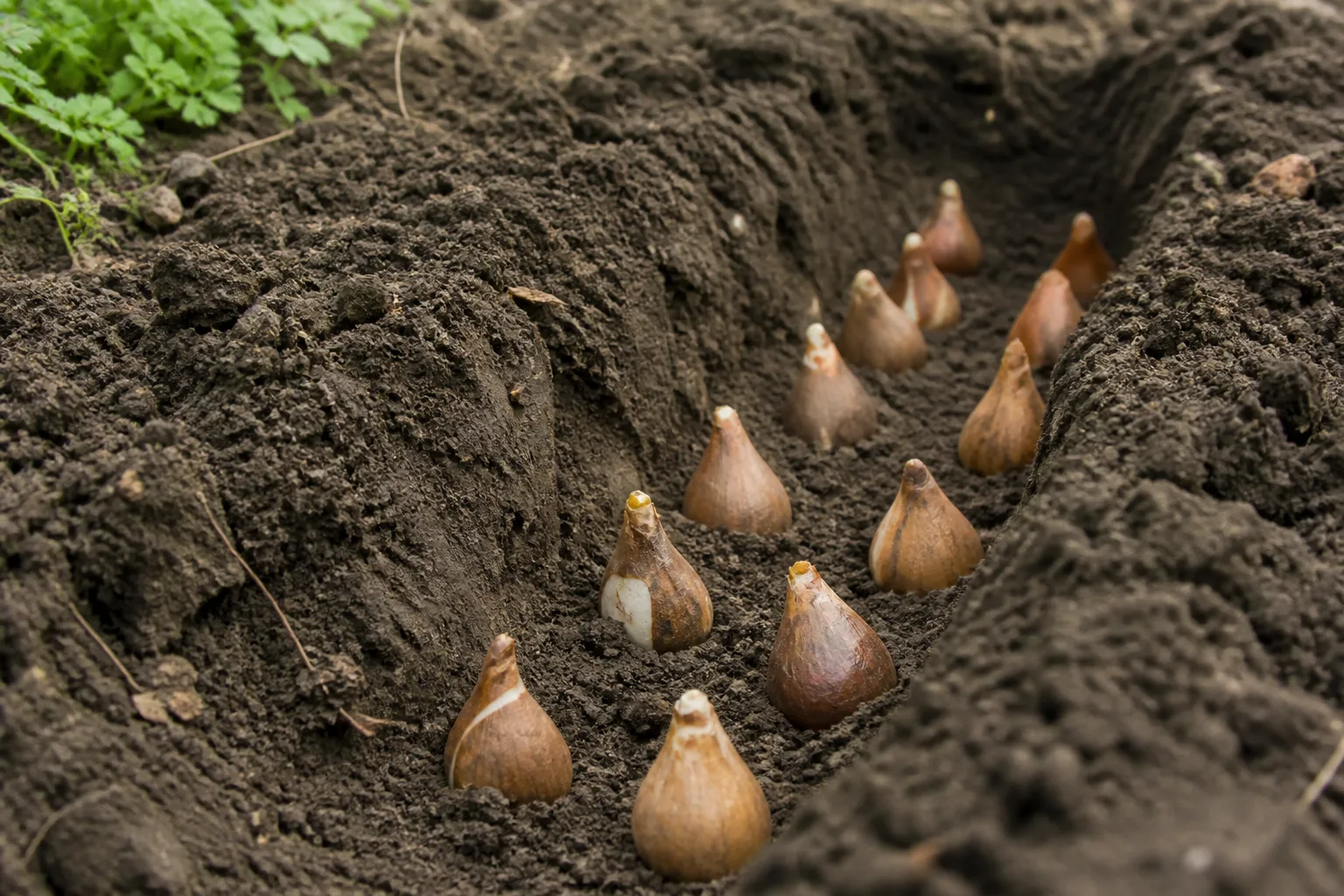
Plant two to three times the bulb’s height deep, measuring from the base of the bulb to the soil surface. A 2-inch tulip bulb often lands 5–6 inches deep. Pointed end up, root plate down. In very cold regions, the RHS notes slightly deeper planting can buffer penetrating frosts. In heavy clay, plant at standard depth but improve drainage rather than burying shallowly.
Containers, raised beds, and drainage fixes
Pots and raised beds dry and freeze differently than in-ground beds. Use pots with drainage holes and a quality potting mix — not garden clay alone. You can pack bulbs closer in containers (sometimes a dozen in an 18-inch pot) for a full display. Set pots outdoors where they receive winter chill; in zone 5 and colder, grouping pots against a house wall or insulating the pot sides reduces fatal freeze-thaw cycles. Elevate pots so they do not sit in saucers of ice water all winter.
Raised beds solve drainage when yard soil is heavy. If water pools after rain, add compost and consider a temporary gravel layer beneath the bulb zone — not a permanent bathtub. For more on grouping fall bulb work with other seasonal tasks, see bulbs to plant in November.
Protecting Planted Bulbs Through Winter
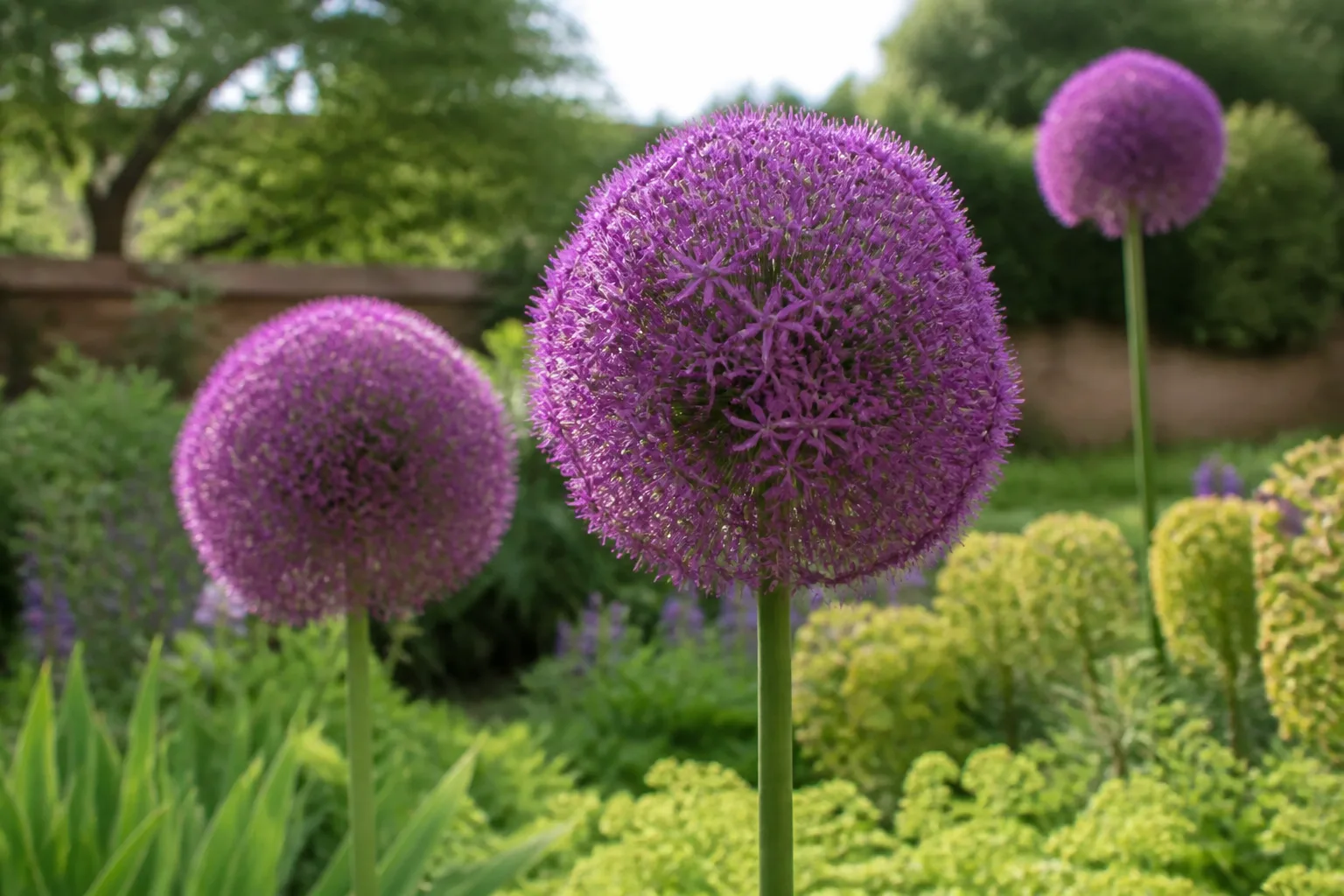
Squirrels, chipmunks, voles, and mice treat freshly disturbed soil like a menu. Chicken wire over the planting area or a buried cage around bulb clusters stops most digging. Some gardeners interplant with rodent-resistant bulbs such as alliums as a deterrent border. Planting a few extra bulbs — the “squirrel tax” — is cheaper than rage-planting in spring.
After planting, a 2–3 inch mulch of shredded leaves or straw moderates soil temperature and moisture as Penn State Extension describes for fall bulbs in general. Pull mulch back slightly when shoots emerge in spring. Avoid compacted bark slabs that shed water.
Deer eat tulip flowers, not always the leaves. If deer frequent your yard, site tulips near the house, use repellents early in spring, or accept that tulips are dessert and protect higher-value plantings first.
Perennial Tulips vs. Treating Them as Annuals
Technically tulips are perennials. In real gardens, many hybrid tulips peak in year one and fade afterward — NC State Extension states performance often declines substantially starting the second year, and many horticulturists treat hybrids as annuals. Species tulips, Fosteriana (Emperor), Kaufmanniana, Greigii, and some Darwin hybrids have better multi-year records when soil is dry in summer, sun is strong in spring, and spent flowers are deadheaded but foliage is left until yellow.
Two honest strategies:
Bedding annual approach: Plant lavishly in fall, enjoy the show, dig and compost spent hybrids after bloom if they decline. Simple and predictable.
Perennial/naturalizing approach: Choose labeled naturalizing or species types, plant in well-drained sun, allow foliage to ripen, avoid summer irrigation on the bed, and fertilize lightly when shoots appear in spring. Expect spread to be slow, not lawn-like.
Neither approach changes fall planting time. Both depend on getting bulbs in during that cool autumn window.
Conclusion
Beautiful spring tulips are decided in fall. Wait until soil cools and nights settle into the 40s°F, then plant promptly while the ground still yields to a spade. In zones 3–5, that often means September into early October; in zones 6–7, October and into November; in zones 8–9, late planting with pre-chilled bulbs is the realistic path. Plant tulips after earlier spring bulbs, set them deep enough in draining soil, water once, protect from rodents, and match your expectations — annual spectacle or slower perennial patch — to the varieties you chose.
Miss spring bloom season for planting. Hit the cool-soil window in autumn instead, and you give each bulb the winter it needs to become the flowers you actually wanted.