Daffodils Not Blooming? 6 Causes and Fixes
Green daffodil leaves but no flowers? Diagnose the six most common causes of blind daffodils and restore reliable spring blooms with expert-backed steps.
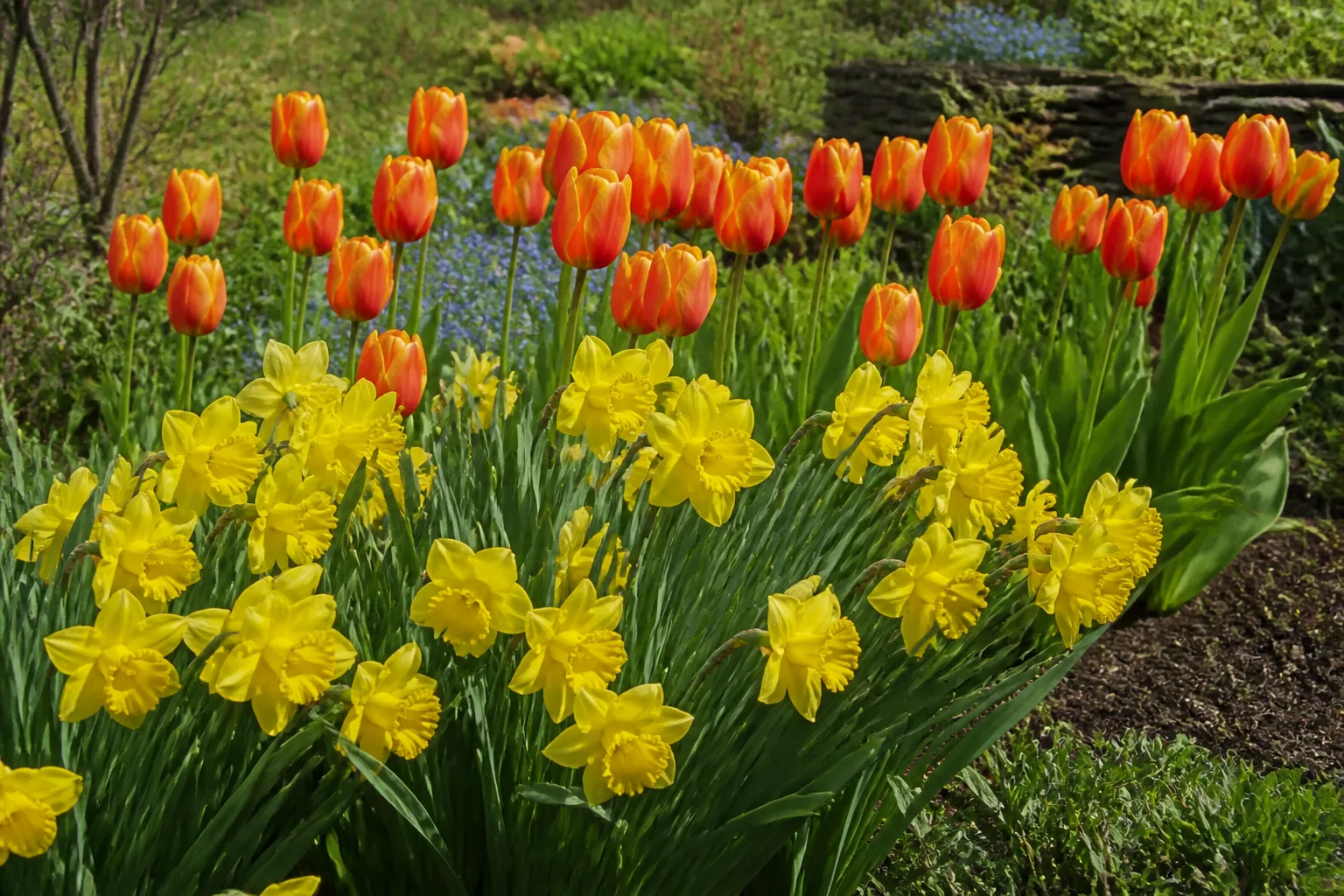
You waited all winter for yellow trumpets—and got a bed of green swords instead. Daffodils not blooming is one of the most common spring garden letdowns, especially in older plantings that once flowered reliably. The good news: foliage without flowers almost always traces back to a fixable cultural mistake, not a mystery curse on your yard.
Gardeners call this daffodil blindness—healthy leaves emerge each spring, but the flower buds never form or never open. According to the RHS, blindness is usually caused by growing conditions, though pests and disease can play a role. Once you identify which factor drained your bulbs’ energy reserves, you can correct it—though honest expectations matter. Most fixes show results the following spring, not overnight.
What “Blind” Daffodils Mean and Why It Happens
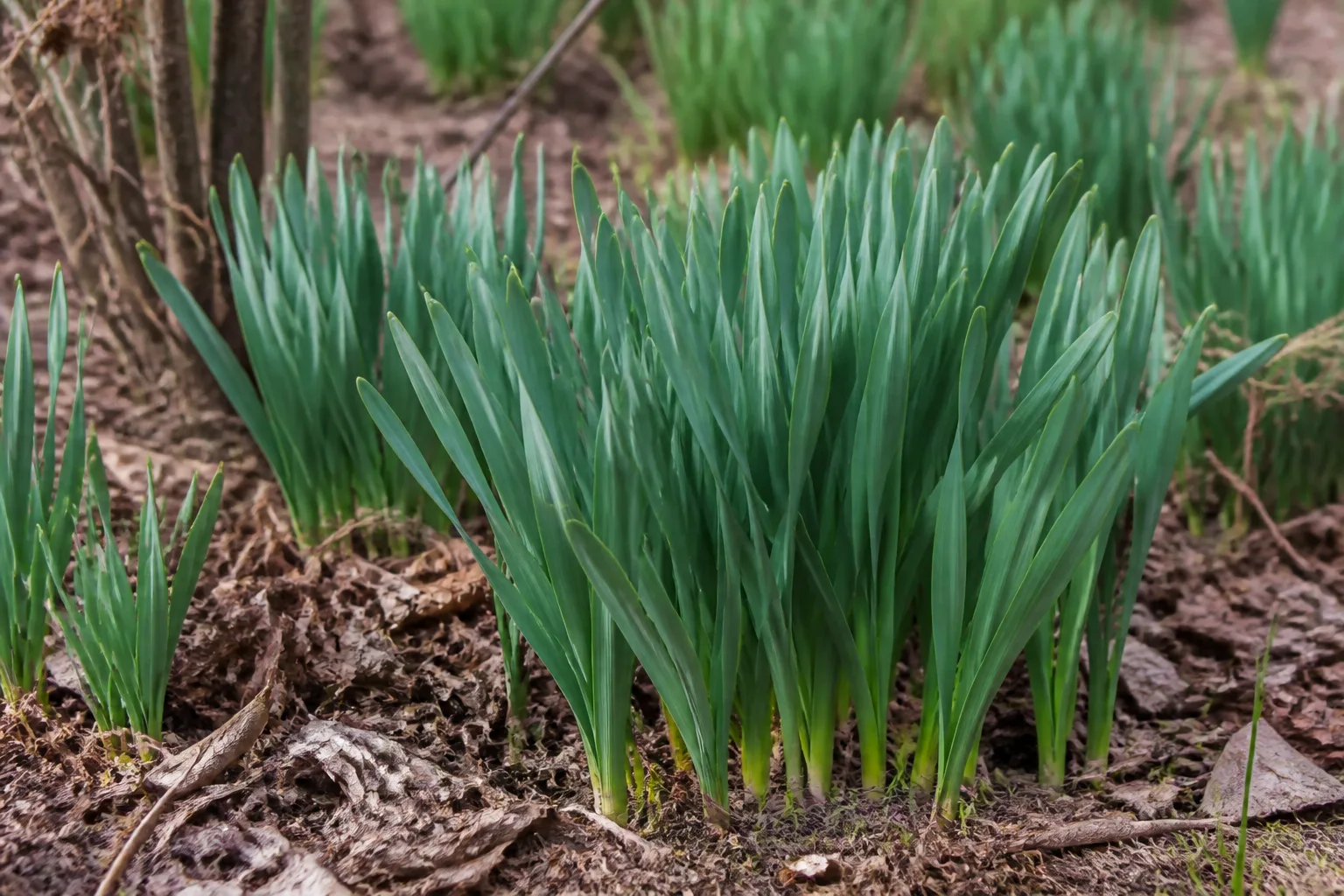
Blind daffodils are not dead daffodils. The bulbs are alive enough to push up leaves, which means roots survived and the plant is still photosynthesizing at some level. What failed is the flowering stage—the bulb did not store enough carbohydrates last season to produce a bloom bud, or the bud formed but could not develop.
How Narcissus Bulbs Store Energy for Next Spring
Daffodils (Narcissus) are true bulbs: layered storage organs that bank sugars produced by the leaves after bloom. The sequence matters. Flowers open in early to mid-spring, then fade. For the next six to eight weeks, the leaves remain green and active, converting sunlight into sugars that travel down to the bulb. That post-bloom window is when next year’s flower is built.
Cut the foliage early, let the soil bake dry, or crowd the bulbs so they cannot expand, and the storage cycle breaks. The bulb may still have enough reserves to grow leaves—leaf growth costs less energy than flowering—but not enough to mount a full bloom display. Epic Gardening notes that daffodils need roughly 10–14 weeks below 40°F (4°C) during dormancy, which is why fall planting in cold-winter climates works so well. Warm-zone gardeners face a separate set of chilling challenges covered later.
Newly purchased bulbs often bloom the first spring even under mediocre conditions because commercial growers pre-charge them with stored energy. That first-year-only bloom tricks gardeners into thinking a shady, crowded, or poorly drained site is fine—until year two proves otherwise.
Diagnose the Problem Before You Dig Anything Up
Resist the urge to stab a shovel into the bed the moment you notice missing flowers. Spring is for observation, not panic-digging. Walk the planting and note what you see above ground; that evidence points to the most likely underground cause.
What Healthy Foliage With No Flowers Tells You
Use this quick read before you commit to a fix:
| What you see | Likely cause | First action |
|---|---|---|
| Lush green leaves, zero stems | Too much nitrogen, overcrowding, or repeated early leaf removal | Leave foliage alone; plan fall division or relocation |
| Short, pale leaves in a formerly sunny bed | Increasing shade from trees or structures | Mark clumps; move bulbs after foliage yellows |
| Leaves emerge, then collapse or yellow early | Rot, bulb fly, or waterlogged soil | Dig one bulb carefully; inspect for mush or tunnels |
| Only a few blooms in a once-solid clump | Crowding or daughter bulbs too small to flower | Divide when dormant |
| Nothing at all—bare soil | Bulbs rotted, eaten, or never planted deep enough | Probe soil; check drainage and wildlife damage |
If leaves look vigorous but trumpets are absent, you are almost certainly dealing with one of the six cultural reasons below—not a lost cause. Gardening Know How emphasizes that poor bloom on established clumps usually means the bulbs need better conditions, not replacement—unless inspection reveals rot.
Reason 1 — Not Enough Sunlight (or Shade That Crept In)
Daffodils are not deep-shade plants. They need at least six hours of direct sun during their active growth period to flower well; eight hours is better for maximum bloom count. A site that was sunny when you planted bulbs five years ago may now be shaded by maturing maples, arborvitae, or a neighbor’s new fence.
Planting Under Deciduous vs. Evergreen Trees
Here is the nuance many guides skip. Daffodils often thrive beneath deciduous trees because they finish most of their growth before overhead canopies leaf out fully. That is why old farmsteads show naturalized drifts under bare-branched oaks and apples. Evergreen trees and north-facing walls are a different story—year-round shade starves the bulbs slowly, and blindness follows within a few seasons.
Fixing shade means relocating bulbs to an open bed. The best windows are late spring, just as foliage yellows, or fall from mid-August through October. If you wait until fall, push labeled stakes into the soil now so you can find the clumps after leaves disappear. Replant at the same depth, six inches apart minimum, in the sunniest spot you have. Expect reduced or no bloom the first year after a mid-season move; the bulbs need one full recharge cycle.
South-facing slopes, open lawn edges, and beds along driveways often outperform sheltered corners that looked “bright enough” in winter photos. Track your bed at 10 a.m., noon, and 3 p.m. during March—not July—because that is when daffodils are actively growing. If any of those checks land in deep shadow, treat shade as confirmed even when summer annuals still look fine there.
Reason 2 — Crowded Clumps That Need Dividing
Daffodils multiply. Each mother bulb produces daughter bulblets that grow alongside it, and over five to ten years a tidy row becomes a congested underground mass. When clumps spread wider than 12 inches (30 cm) with noticeably fewer flowers each spring, overcrowding is the prime suspect.
Crowded bulbs compete for nutrients, water, and space. Many offsets are too small to flower—they need more growing seasons to reach blooming size. The RHS recommends lifting overcrowded groups after foliage dies back, improving soil with compost, and replanting with 2–3 inches (5–7.5 cm) between bulbs.
How to Lift, Separate, and Replant in Fall
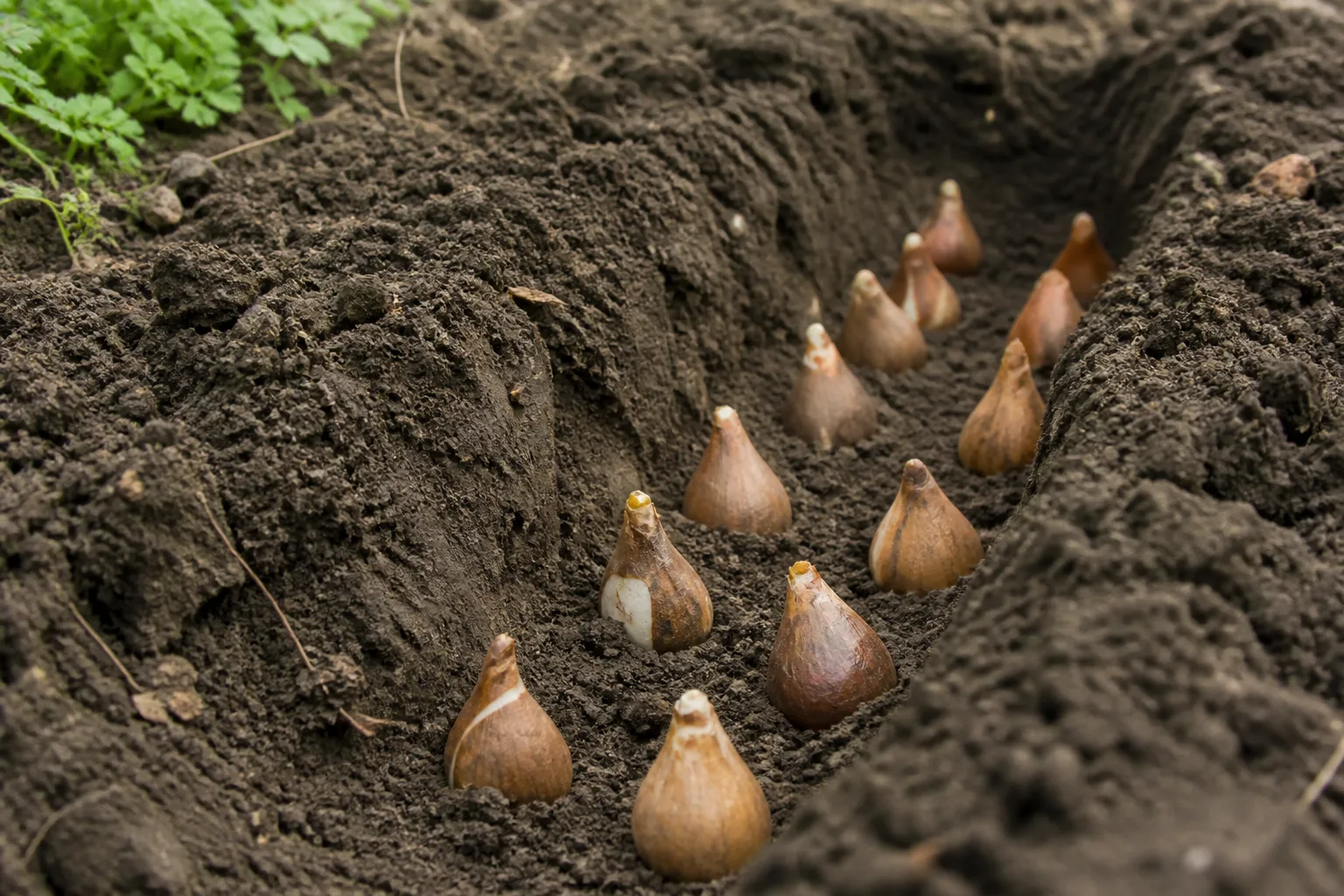
Wait until leaves have fully yellowed—usually six to eight weeks after bloom—before digging. Slide a fork under the clump and lift the whole mass. Brush off soil, discard soft or shriveled bulbs, and gently twist apart firm offsets. Replant large bulbs at flowering depth; tuck small ones into a nursery bed or the back of a vegetable row to bulk up for two years.
Division is not annual maintenance. Most plantings need it every three to five years. That rhythm keeps bloom counts high without constant disturbance. If your drift has been untouched for a decade, one fall division can transform a blind patch into a showpiece the following March.
When separating, keep the largest bulbs for immediate replanting in the display bed. Palm-sized clusters with five or more offsets often explain why a drift blooms heavily along the edges but goes blind in the center—the middle bulbs have been competing underground for years without fresh soil contact.
Reason 3 — Poor Drainage and Rotting Bulbs
Daffodils tolerate spring moisture but cannot sit in waterlogged soil during summer dormancy. Heavy clay, low spots that collect runoff, and compacted turf all keep bulbs wet when they should be dry. Wet conditions invite basal rot and general decay—the bulb literally dissolves at the base.
Symptoms include few or no shoots, yellowing leaves that collapse early, or bulbs that feel mushy when you dig them. If the planting site fails a drainage test—a 12-inch hole that still holds water after an hour—either amend heavily with compost and coarse grit, raise the bed four to six inches, or move bulbs to higher ground.
When replanting, set bulbs in loosened soil with the pointed end up and avoid pressing them into sticky wet clay on a rainy day. Good drainage is non-negotiable; no amount of fertilizer compensates for a bulb that has rotted.
Raised beds solve drainage faster than repeated grit amendments in heavy clay. A six-inch lift above grade, backfilled with half compost and half native soil, gives daffodils the dry summer rest they expect. In containers, use a pot with drainage holes and a gritty bulb mix—soggy patio pots produce the same blindness as boggy borders, usually within two seasons.
Reason 4 — Bulbs Planted Too Shallow or Too Late
Planting depth controls both winter protection and flowering behavior. The standard rule—endorsed by the RHS daffodil growing guide—is two to three times the bulb’s height, typically 6–8 inches (15–20 cm) for standard daffodils. Shallow planting exposes bulbs to temperature swings and encourages excessive splitting into tiny non-flowering offsets.
Timing matters equally. Bulbs planted after mid-November in cold climates may not establish adequate roots before freeze-up, leading to weak first-spring performance and blindness afterward. In most regions, the planting window runs mid-August through October, with earlier planting better than later. See our guide on bulbs you can plant in August for how fall timing fits into the wider bulb calendar.
If you suspect shallow planting, lift bulbs after foliage fades and replant deeper in improved soil. Mark the depth with a dibber or trowel marked in inches—guessing is how bulbs end up two inches under mulch and blind three years later.
Warm-climate gardeners in USDA zones 8b–9 face an added wrinkle: bulbs still need a cold dormancy period even when winters are mild. Pre-chilled bulbs from suppliers, or six to ten weeks in a refrigerator (not the freezer) before late-winter planting, can restore bloom in regions where soil rarely stays below 40°F long enough. Never store bulbs near ripening fruit—ethylene gas can damage the flower inside the bulb.
Reason 5 — Foliage Cut, Mowed, or Knotted Too Early
This is the most preventable cause—and the one lawn gardeners hit hardest. Daffodil leaves must die back naturally for at least six weeks after flowering before you remove or mow them. The RHS explicitly warns against tying leaves into knots, a once-common tidying trick that reduces photosynthetic surface and increases blindness risk.
Mowing naturalized daffodils in turf too early produces the same damage. If you grow bulbs in grass, choose cultivars bred for naturalizing, delay the first mow until foliage yellows, or relocate bulbs to a border where they will not meet the mower deck.
Deadhead Blooms, Not Leaves
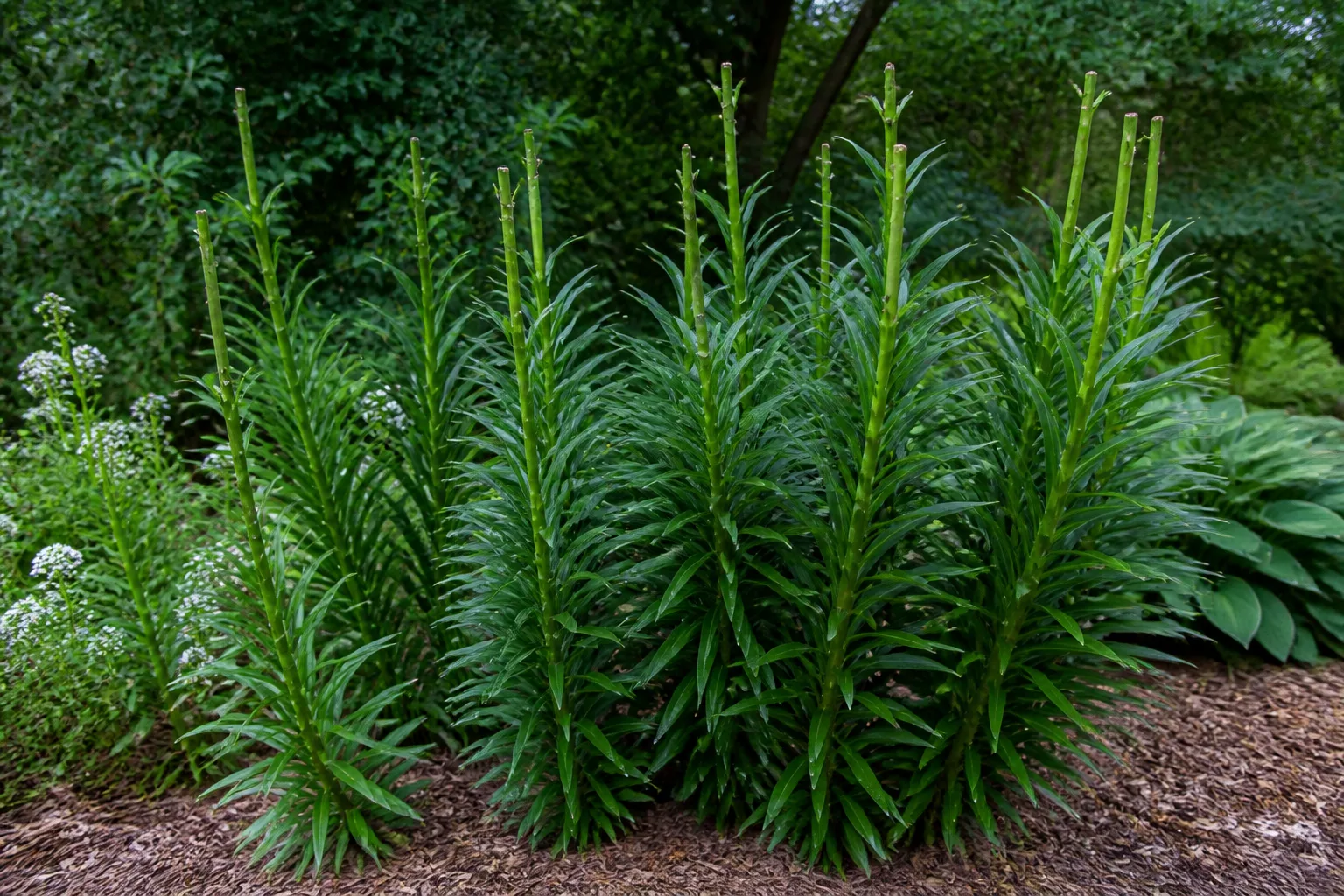
You should remove spent flowers—snap or cut the stem behind the faded bloom so the plant does not waste energy on seed production. Seed capsules divert carbohydrates away from bulb rebuilding. Deadheading is compatible with healthy rebloom; decapitating green leaves is not.
If untidy yellowing foliage bothers you, plant hostas, daylilies, or emerging perennials nearby to mask the die-back. Our companion plants for hostas guide pairs well with this strategy—hostas expand just as daffodil leaves fade. Never braid, rubber-band, or fold leaves while they are still green.
Reason 6 — Too Much Nitrogen or Starved Soil
Daffodils are light feeders, but the wrong fertilizer causes predictable trouble. High-nitrogen lawn food, fresh manure, or nitrogen-rich compost piled against emerging shoots pushes leafy growth at the expense of flowers. Gardening Know How recommends shifting to a formula with a higher middle number—phosphorus—such as 5-10-10 or 10-20-20 applied before bloom time, not a heavy spring lawn feeding.
Starved soil on sandy or depleted sites creates the opposite problem: weak blooms that decline year over year. The fix is modest. Apply a granular seaweed or bulb fertilizer as shoots emerge in spring, following package rates. After flowers fade, a high-potassium liquid feed (tomato food diluted per label) every one to two weeks until leaves yellow helps rebuild reserves—especially for container-grown bulbs.
Avoid the two extremes: no food at all on poor soil, and lush lawn fertilizer drifting into your bulb bed every April.
Beyond the Big Six: Dry Springs, Pests, and Disease
If cultural fixes do not explain your blind patch, look deeper—literally.
Dry springs have become a leading blindness trigger in the UK, according to updated RHS guidance. When rainfall fails after bloom, bulbs shut down early without refueling. Water thoroughly during dry spells after flowering until foliage yellows, even if you normally ignore the bed all summer.
Narcissus bulb fly larvae tunnel into bulbs, hollowing them out. Dig suspect bulbs in summer; discard affected ones in municipal green waste, not your compost pile. Stem and bulb nematodes and viral streaking (mosaic patterns on leaves) also weaken flowering. Virused stock should be destroyed rather than divided and shared.
Bulb fly damage often shows up as one blind plant in an otherwise healthy row—random, not uniform. Nematode issues spread slowly through a clump and may cause stunted, twisted foliage before blindness appears. If you lift bulbs and find a clean cavity or soft internal tissue with no firm heart, do not replant that stock; replace the hole with fresh bulbs in amended soil.
These problems are less common than shade, crowding, and early defoliation—but worth ruling out if one section of an otherwise healthy drift goes blind while neighbors bloom fine.
Your Season-by-Season Recovery Timeline
Blind daffodils rarely fix themselves in the same spring you notice the problem. Use this calendar instead of random digging:
Spring (now): Observe and record. Deadhead any blooms that did appear. Do not cut green leaves. Stake clumps you plan to move. Water if weather is unusually dry.
Late spring to early summer: Let foliage yellow completely. If you must lift for division or relocation, do it now. Improve soil with compost before replanting at proper depth and spacing.
Summer: Bed can rest. Mark moved plantings. Do not disturb dormant bulbs.
Fall (mid-August–October): Plant new bulbs, finish divisions, apply bulb fertilizer at planting time. This is the main repair season for depth, drainage, and spacing issues.
Next spring: Evaluate. Most corrected bulbs bloom within one to two seasons. Severely weakened or rotted bulbs may never recover—replace those spots with fresh stock from a reputable supplier, choosing firm, heavy bulbs with intact papery skins.
Keep a simple notebook entry each March: bloom count per clump, foliage height, and whether the bed stayed dry or soggy after bloom. That log turns a one-year mystery into a pattern you can fix on schedule instead of guessing again next April.
Conclusion
When daffodils aren’t blooming, the leaves are telling you a story about last year’s care—not this week’s weather. Shade that crept in, clumps that outgrew their space, leaves cut too soon, shallow planting, soggy soil, or the wrong fertilizer each starves the bulb’s bloom budget in predictable ways. Identify the pattern, correct it on the fall calendar, and let this season’s foliage recharge the bulbs you still have.
Blindness is frustrating, but it is rarely permanent. A patient gardener who stops mowing green leaves, divides crowded clumps, and replants into sun and sharp drainage usually gets trumpets back. Start with what you can see in March, finish the real work in September, and treat next spring as your report card—not today’s.