When to Harvest Herbs for Maximum Flavor
Harvest herbs at their best with a practical time-of-day rule, herb-by-herb timing, clean cutting technique, and drying or freezing advice.
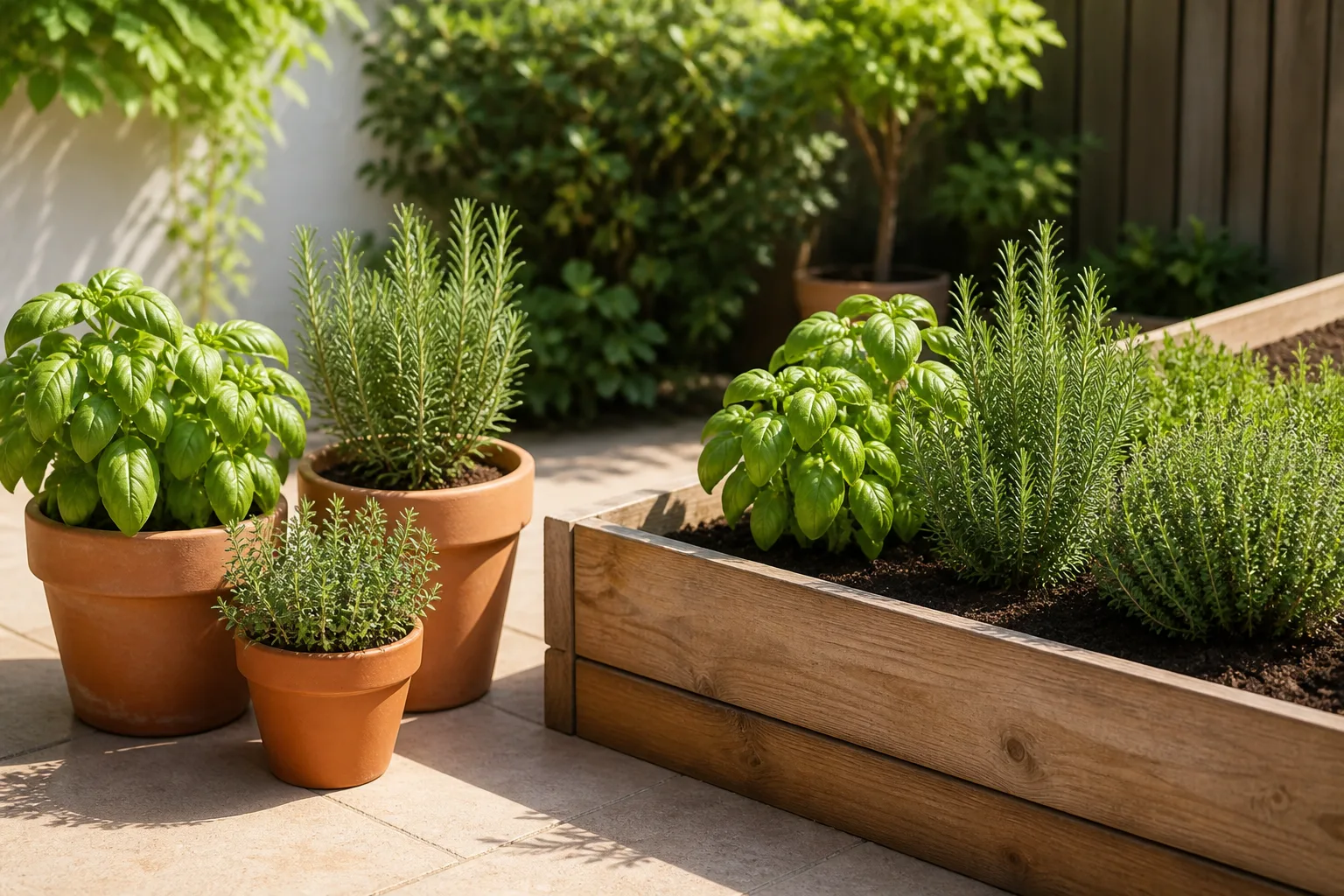
The best time to harvest herbs is usually a cool, dry morning after the dew has dried and before the sun heats the leaves. That timing helps preserve the aromatic compounds that make basil smell sweet, mint taste bright, and rosemary taste resinous. It is a strong default, not a law: the plant’s growth stage, the weather, and whether you plan to use the herbs fresh or preserve them matter just as much.
If you remember only one method, use this sequence: identify the part you want to eat, wait for the right stage of growth, choose a dry and reasonably cool window, then cut above a useful leaf node without removing more foliage than the plant can replace. A small harvest for dinner can happen whenever you need it; a large harvest for drying or freezing deserves more careful timing.
The short answer: harvest when the plant is cool, dry, and full of leaves
For most leafy culinary herbs, aim for mid-morning once surface moisture has evaporated. The leaves are still well hydrated from the night, but you are less likely to carry wet foliage into a jar or pile it into a basket while the plant is warming up. If there is no dry morning, wait until the leaves are dry later in the day rather than cutting wet stems simply to follow the clock.
The second part of the rule is growth stage. Basil, oregano, mint, sage, thyme, parsley, cilantro, and dill are generally most useful as leaf herbs before they put substantial energy into flowers and seeds. You can still eat them after flowering, but leaves may become coarser or the flavor may shift, and annual herbs such as cilantro and dill may have little leafy growth left once they bolt.
The third part is purpose. A few sprigs for tonight’s meal do not need a perfect essential-oil profile; convenience wins. A large batch that must survive drying or freezing benefits from cutting healthy, vigorous growth before heat, rain, or flowering has reduced its quality. That distinction prevents the common mistake of delaying every harvest until one ideal date and then finding the plant tired or overgrown.
Why morning often tastes best—but afternoon is not always wrong
Herbs make many of their characteristic aromas with volatile compounds, including essential-oil components stored in leaves, glands, and flowers. Heat and strong sun can make some of those compounds dissipate into the air, which is why a sprig cut in the cool part of the day often smells more intense than one cut after hours of hot sun. The effect is not identical for every herb, and it should not be confused with a guarantee that every morning harvest contains more of every desirable nutrient.
The broader research supports caution about one-size-fits-all rules. A PubMed-indexed study that compared annual and perennial aromatic plants in the Lamiaceae and Apiaceae families found that there was no single extraction duration that produced the right quality or quantity for every plant (PubMed abstract on essential-oil extraction). That work concerns extraction rather than a kitchen harvest, but it reinforces a useful gardening principle: aromatic chemistry changes by species and purpose, so “morning” is a helpful starting point rather than a universal measurement.
Choose flavor or storage before you cut
For fresh flavor, cut close to the time you will cook. Morning is excellent, but a healthy sprig harvested before dinner can be better than a perfect morning harvest left to wilt on a sunny counter. Keep the stems cool and out of direct sun while you finish the rest of the meal.
For drying, prioritize a dry day and a growth stage when the foliage is aromatic but not old, tough, or already declining. Wet leaves take longer to dry and can develop mold if packed or bundled too densely. For freezing, you have more flexibility, but the quality still starts with healthy, unblemished leaves; freezing does not make tired or heat-wilted foliage taste fresh again.
There is one practical reason to harvest in the middle of the day: some growers prefer slightly higher carbohydrate levels for post-harvest holding. If shelf life matters more than peak fragrance, a dry mid-day harvest can be reasonable, provided the plant is not wilting and the weather is not dangerously hot. In a heat wave, the cool early window wins for both flavor and handling because a stressed sprig collapses quickly.
Read the plant before you read the clock
The calendar can tell you when to start watching; the plant tells you when to cut. Look for vigorous, unblemished growth with enough leaves to support another round of photosynthesis. A plant that is wilted, recently transplanted, drought-stressed, or recovering from heavy pruning needs recovery time before a large harvest.
Check the stems and the growing tips. On branching herbs, a fresh shoot with several leaf pairs is usually a better harvest target than a bare, stretched stem. On herbs that grow in a clump, such as chives and parsley, select outer stems or individual leaves and leave the center to continue producing.
Leaf herbs are usually best before flower buds open
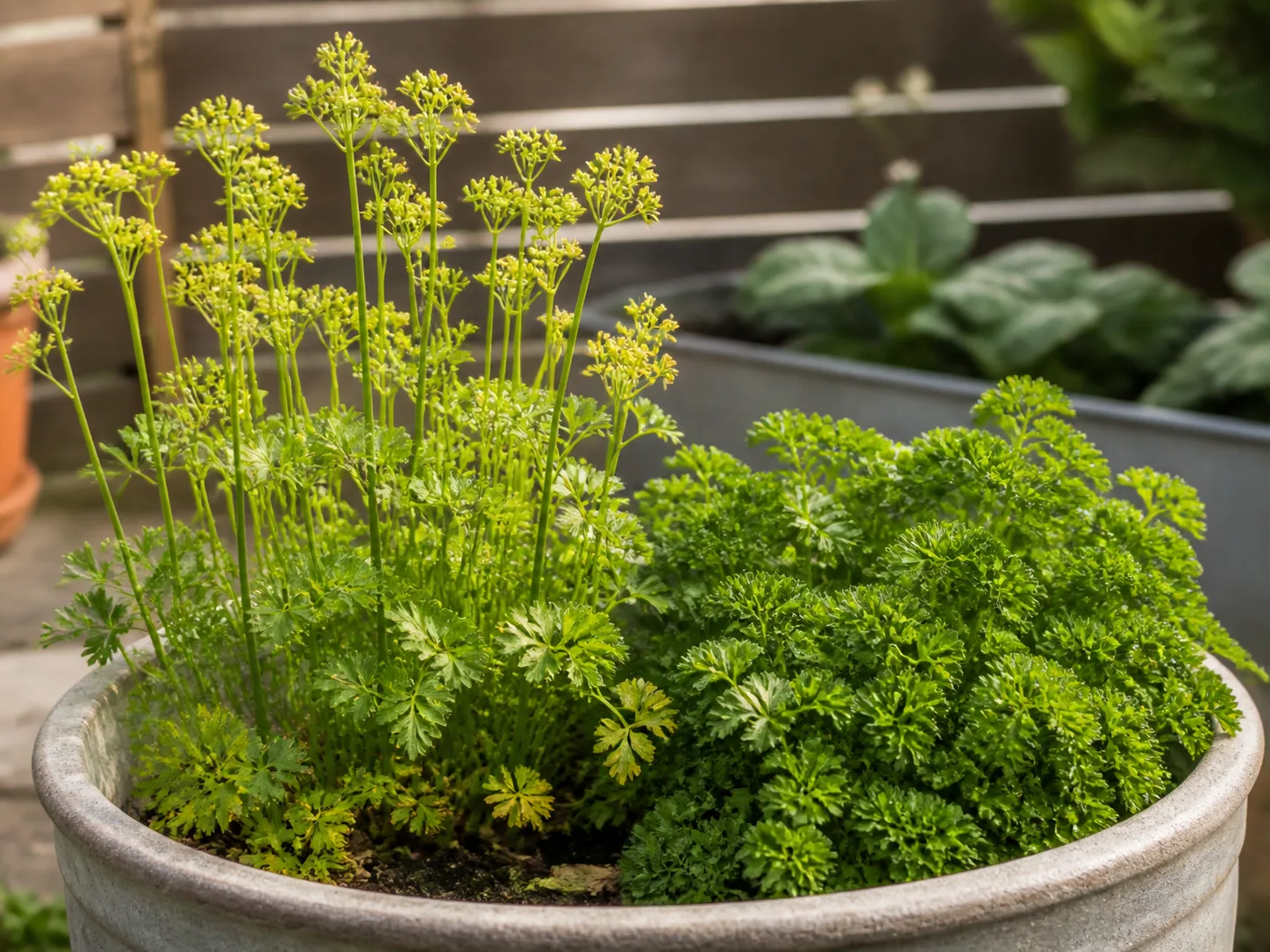
“Before flowering” is most useful as a rule for herbs grown primarily for their leaves. The visible signal is not always an open flower; it is often the small bud or elongated flower stalk that appears above the leafy canopy. When you see that signal on basil, oregano, mint, sage, parsley, or a similar herb, decide whether your goal is leaves, pollinators, flowers, or seed. Then harvest accordingly rather than treating the flower as a failure.
If you want tender leaves, remove flower buds as soon as you can while still leaving enough foliage on the stems. This redirects the next few cuts toward leafy growth, though it cannot make an annual herb ignore its life cycle forever. The RHS lists basil, coriander, and dill as annuals; parsley as a biennial; and herbs such as chives, oregano, mint, sage, tarragon, and thyme as perennials, a distinction that helps explain why some plants bounce back after a hard cut while others quickly run to seed (RHS herbs: growing and harvesting).
Flower and seed herbs need a different harvest stage
If you are growing an herb for flowers, the best stage is often just before or just after the blooms open, depending on the plant and your use. Lavender is commonly cut when buds are beginning to open for fragrance and dried display. Chamomile flowers are gathered as the blooms open, while chive flowers can be harvested fully open for fresh use, vinegar, or garnish.
Seed herbs follow a later signal. Let coriander, dill, fennel, or anise seed heads develop until the seeds are mature and dry enough to separate; green dill seed heads are a useful exception for pickling. Cut dry heads into a paper bag, finish drying them somewhere airy, and shake or rub the seeds free only after they are fully dry. A seed harvest is not a failed leaf harvest—it is a different crop from the same plant.
How to harvest herbs without stalling regrowth
Harvesting should look like purposeful pruning. Take enough to use, shape the plant back to active growth, and leave a functioning framework of leaves. Repeatedly stripping the same side or cutting every stem at the same height can leave a plant lopsided and expose tender growth to sun and wind.
Start with a quick inspection for insects, disease spots, and wilt. Harvest only clean, healthy material for the kitchen. If a pesticide or other treatment has been used, follow its label instructions and any stated harvest interval; “organic” does not automatically mean “ready to eat immediately.”
Use the right cut for soft and woody stems
Soft-stem herbs such as basil, dill, cilantro, and tender parsley can be pinched with your fingertips, but scissors or herb snips give you a cleaner, less crushing cut when the plant is dense. On branching stems, cut just above a pair of leaves or a visible node. Two side shoots can develop below that cut, giving you a bushier plant instead of a single long stem.
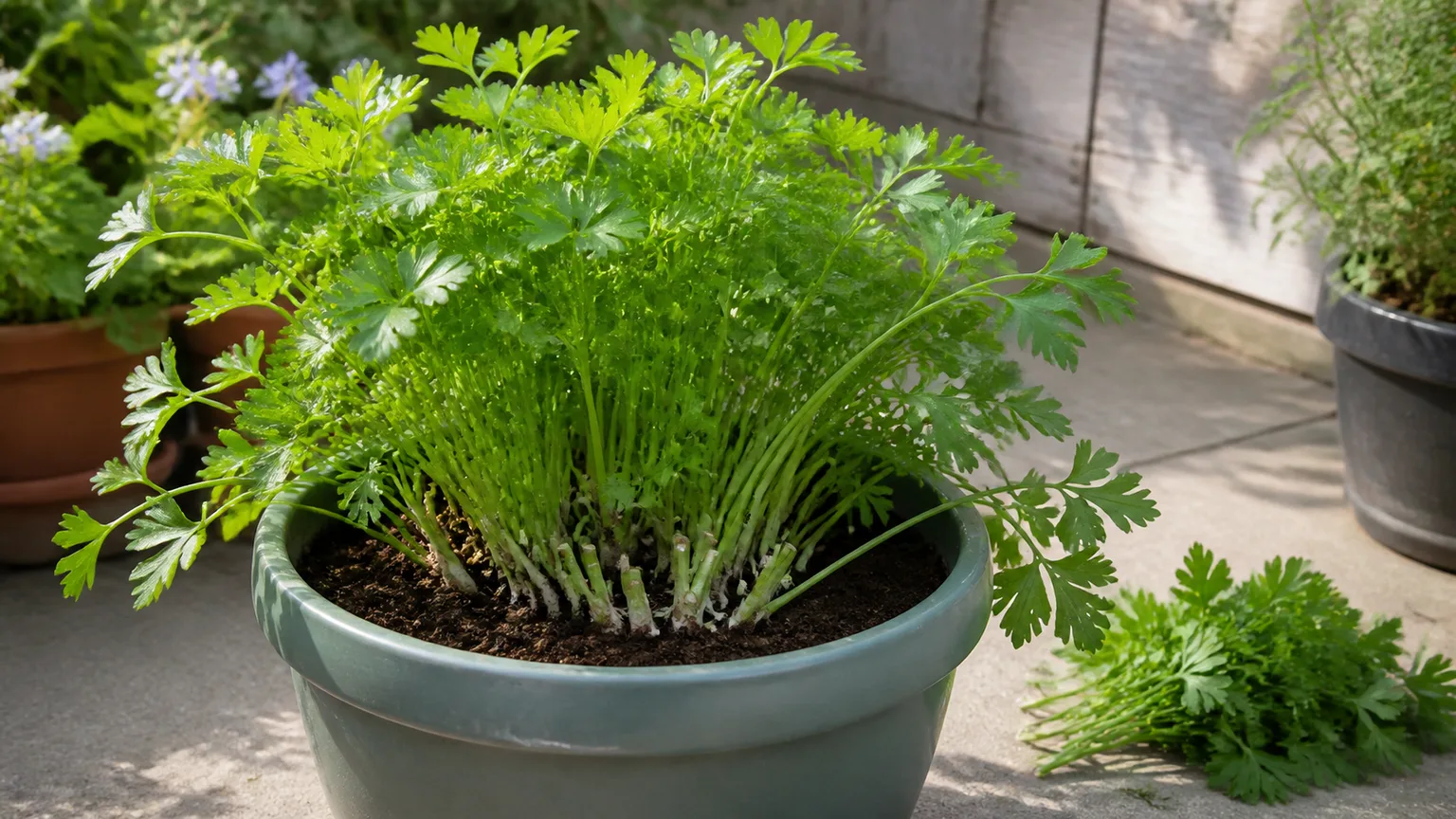
Parsley and chives grow differently. Clip parsley’s outer stalks close to the base and let the younger center growth remain. Cut chive leaves near the soil line when you need a bunch, rather than shaving only the tips of every blade; after flowering, the plant can be cut back to encourage fresh leaves.
Woody herbs such as rosemary, sage, thyme, and mature oregano need sharp snips or hand pruners. Harvest green, flexible tips and make the cut above a leafy section. Avoid cutting rosemary or other woody perennials deep into leafless old wood, where regrowth can be slow or absent. A clean cut is kinder to the plant and less likely to split a stem than twisting until it breaks.
Carry a shallow basket or bowl instead of a deep bucket. Lay delicate leafy stems loosely, keep heavy woody sprigs from crushing basil or parsley, and move the harvest to shade as soon as you can. This simple handling change often makes a larger difference than debating whether the cut happened at 9 a.m. or 10 a.m.
Herb-by-herb timing guide
The following guide is a practical starting point for common culinary herbs. Use it with the plant’s actual condition and your local weather. RHS guidance likewise treats herbs as a collection of annual, biennial, and perennial plants with different habits, rather than one interchangeable crop.
Basil, cilantro, dill, and parsley
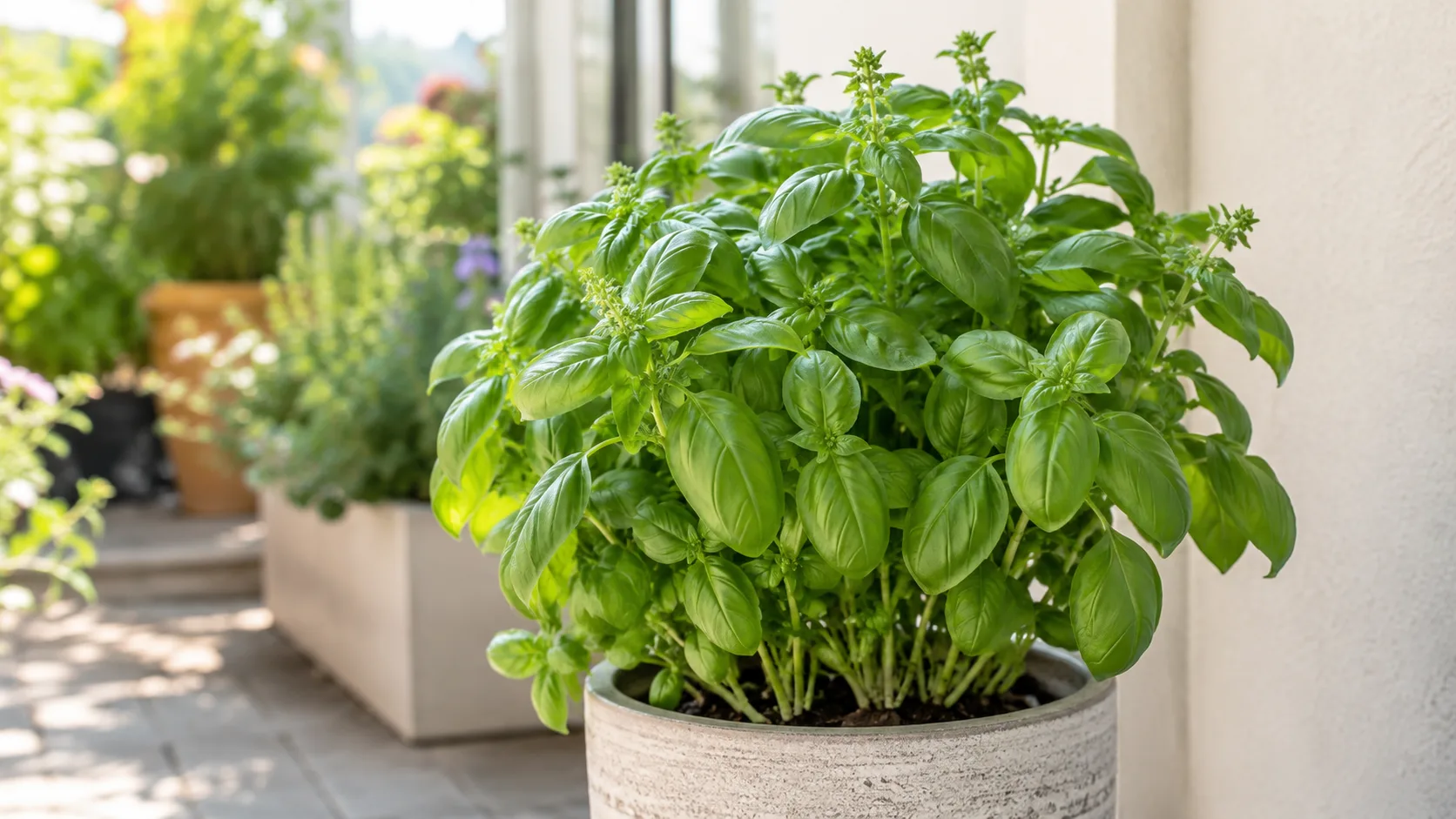
Basil: Begin harvesting once the plant has several strong leaf pairs and enough branching to spare. Pinch or snip above a leaf pair, remove flower buds if leaves are your priority, and keep making small cuts rather than waiting for one huge end-of-season harvest. Basil is tender and cold-sensitive, so a late-season harvest before a cool night can be more valuable than holding out for a perfect morning.
Cilantro: Harvest outer stems before the flower stalk stretches. Cilantro can bolt quickly in heat, long days, drought, or crowded soil, so sowing small batches in succession is more reliable than trying to keep one plant leafy indefinitely. Once it flowers, let some plants form coriander seed if that is useful; remove the rest when the leaves no longer justify keeping them.
Dill: Cut leafy fronds when the plant is actively growing and before the seed heads dominate. You can also harvest green heads for pickling or wait for mature, dry seeds for the spice cupboard. Avoid taking the central stem too early if you want the plant to branch, and allow a few heads to mature if you want volunteer seedlings next year.
Parsley: Pick individual outer stalks at the base throughout the growing season. This gives the center room to keep making leaves and avoids leaving long, bare petioles. Harvest a larger bundle before the plant sends up flower stalks, but remember that parsley is biennial and will eventually shift toward reproduction.
Mint, oregano, sage, rosemary, and thyme
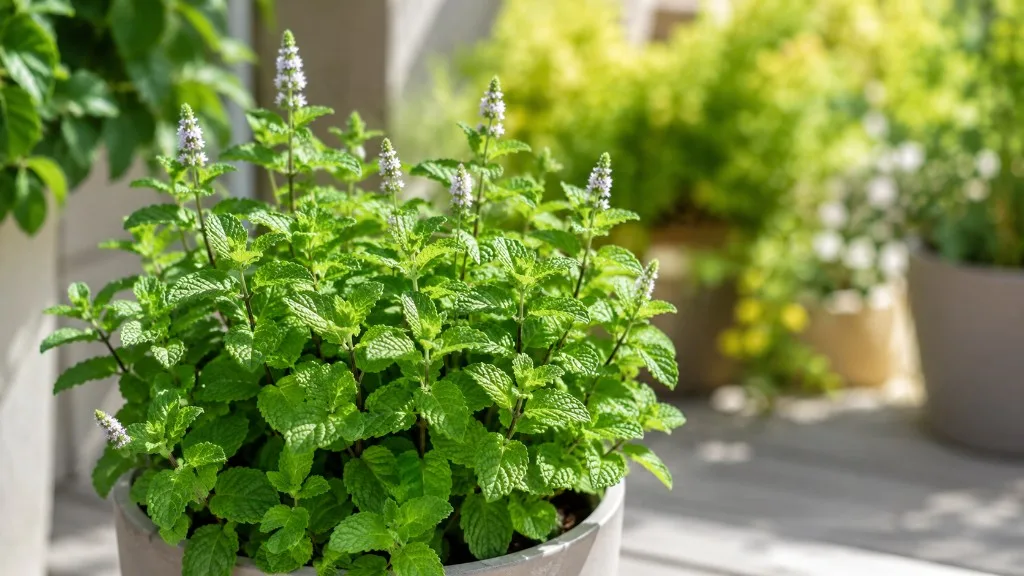
Mint: Cut leafy stems before full flowering for the cleanest leaf flavor, but do not panic if flowers appear. An established mint plant usually tolerates a substantial trim, especially when well watered and growing vigorously. Cut above a lower set of leaves, and contain mint in a pot if its runners are likely to invade nearby beds.
Oregano: Harvest small amounts whenever you cook, but cut larger amounts just before the plant flowers if you plan to dry the leaves. A healthy established plant can be sheared back moderately and will usually produce fresh shoots, but do not make a hard cut during drought or extreme heat.
Sage: Take young leafy tips before flowering for a softer texture, or harvest mature leaves as needed for cooking. Leave a framework of green growth after pruning, especially on older plants. Damp soil and low light are more likely to weaken sage than a careful harvest, so better drainage and exposure matter more than extra fertilizer.
Rosemary: Snip the green tips and use the woody stems for skewers, stock, or drying. Rosemary can be harvested through much of the growing season, but it does not appreciate being cut back repeatedly into bare wood. In cold areas, make the last substantial harvest early enough that the plant can recover before frost.
Thyme: Harvest soft new shoots for the best tender leaves, and cut flowering stems when you want to dry a larger quantity. Thyme is compact and woody, so use snips rather than pulling. Light trimming after flowering helps retain a neat shape, but a large old plant may not replace every stem you remove.
Chives, lavender, chamomile, and seed herbs
Chives: Cut leaves close to the base whenever you need them, and harvest flowers as they open if you want edible blossoms. If you want seeds, leave some flower heads in place until they dry. Cutting the entire clump back after flowering can produce a flush of tender leaves, provided the plant is healthy and the soil does not dry immediately afterward.
Lavender: Harvest stems when the lower buds are opening but most of the spike is still in bud. Cut long stems above the leafy portion of the plant and hang small bundles in a dark, airy place. Fully open flowers are still useful, but they are more likely to shed and lose fragrance during handling.
Chamomile: Pick the flower heads as they open, removing the whole head rather than collecting scattered petals. Spread them in a single layer and dry them thoroughly before storing. Leave some flowers for pollinators and seed if you want the plant to reseed.
Coriander, fennel, and anise: Decide whether you want leaves or seeds before harvesting. Leaf harvests happen early, while seed harvests wait until the heads brown and dry. Cut seed heads into a paper bag on a dry day, because damp heads are harder to finish safely and evenly.
Build a harvest routine for hot, wet, or cloudy weather
Weather should change your method, not make you abandon the crop. In a heat wave, inspect daily and harvest at first light after the foliage dries, before a small patch of wilting becomes a whole-basket problem. Keep the container shaded and take only what the plant can replace. If the plant is visibly limp, water the root zone and postpone a large cut until it has recovered.
After rain, wait for leaves and stems to dry if you are harvesting for storage. If a storm is approaching and you need fresh herbs for dinner, cut healthy sprigs before the rain, but do not strip an entire plant just because the forecast changed. A dry evening can be a perfectly good backup window when the morning stayed wet.
Cloudy weather can be an advantage for handling because it slows heat buildup. The plants may have less immediate sun stress, but dew can persist longer, so use your fingers to check whether leaves are truly dry. In cool climates, schedule a larger harvest before the first hard frost if a tender annual such as basil is still productive; do not sacrifice all the leaves waiting for a date on the calendar.
Containers need closer observation than garden beds. A pot can dry quickly, heat against a wall, or become crowded at the root level. The RHS recommends keeping containers near the house for easy picking and notes that shallow-rooted herbs need regular watering during strong growth; convenient access makes it easier to take small, frequent harvests rather than one damaging cut (RHS herb container guidance).
How much to take from one plant
For routine picking, remove about one-third or less of the plant’s leafy growth at a time. The exact amount depends on the herb, the plant’s size, the weather, and how much green tissue remains. A small basil seedling and a sprawling mint clump should not be judged by the same percentage alone.
Leave enough leaves for the plant to keep producing energy, and distribute cuts across the plant so it can branch evenly. If you need a large preservation harvest, take it in stages a few days apart when possible. This creates a rhythm of cut, recover, and cut again rather than turning the plant into a bare bundle.
Established mint and oregano can tolerate more rejuvenation than rosemary or a stressed annual, but “tolerate” does not mean “always recover.” Before a larger cut, look for firm stems, new growth, moist but not soggy soil, and several weeks of suitable weather ahead. After cutting, water consistently at the root zone and avoid adding a heavy dose of fertilizer as an emergency shortcut.
Keep herbs fresh after cutting
Sort the harvest before you bring it indoors. Remove yellow, diseased, insect-damaged, or crushed material. Shake leafy stems gently to dislodge insects, but do not bruise them. Keep different herbs separate if one is damp or strongly scented; mint’s moisture and aroma can affect a delicate bundle of parsley.
For immediate use, rinse only when needed and dry the leaves well. Store tender stems in a way that matches how you will cook them, and keep them cool without compressing them. Woody herbs can tolerate a little more handling, while basil can blacken when chilled too aggressively; the best kitchen method depends on the herb, not a universal storage trick.
Choose drying or freezing by leaf texture and intended use
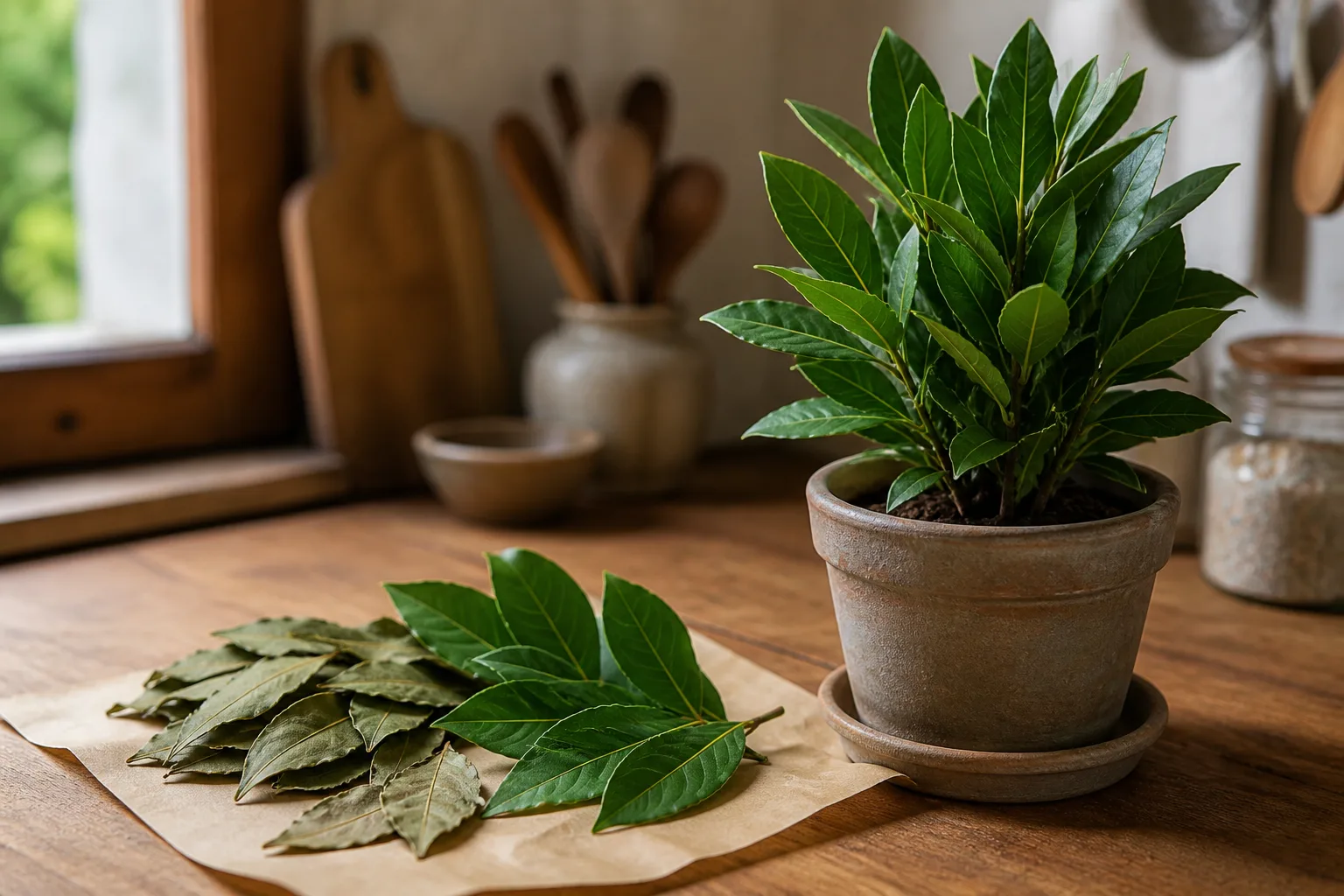
Drying is usually easiest for rosemary, thyme, oregano, sage, mint, bay, and chamomile. Gather clean, dry material, make small bundles or spread leaves in a single layer, and provide warm air movement without strong direct sun. The herbs are ready for storage when the leaves crumble easily and thicker stems no longer bend with moisture inside. If there is any softness or condensation in the jar, spread the herbs out and continue drying rather than sealing them.
Freezing often preserves the fresh character of basil, parsley, cilantro, chives, and dill better than drying. Chop the leaves, freeze them in small portions, or pack them into a freezer container so you can remove only what you need. Some gardeners freeze herbs in water or oil for cooking; choose the carrier based on the future recipe and label it with the herb and date.
Fresh Eggs Daily recommends drying herbs only after brushing off dirt, turning leaves as they air-dry, and crushing them only when completely dry; it also notes that dried herbs are best used within about a year for maximum flavor (Fresh Eggs Daily: how and when to harvest herbs). Savvy Gardening likewise separates leaf, flower, and seed harvests and suggests freezing tender herbs when a fresher flavor is the priority (Savvy Gardening: how to harvest herbs).
Common harvest mistakes and how to correct them
Cutting at the hottest part of the day: The plant may be heat-stressed, and the leaves can wilt quickly. Move the next harvest to a cool window, shade the container, and use the current cuttings promptly instead of expecting them to store well.
Harvesting wet leaves for storage: Moisture is not a flavor boost; it is a drying and mold problem. Wait for a dry window, spread the harvest out, and never close damp herbs in a jar or bag.
Removing every flower from every herb: If you grow only for leaves, remove buds from basil or cilantro when practical. If you want pollinators, edible flowers, or coriander seed, leave selected plants to flower and harvest the part you actually want.
Cutting too low on woody herbs: Bare wood can be a dead end for rosemary and older sage. Make the next cut in green growth, leave a leafy framework, and reduce the size of future harvests until new shoots appear.
Taking too much because the plant looks productive: A large, lush plant is not an invitation to remove all of it. Keep at least enough active foliage to support recovery, and take a second harvest later if the weather and growth allow.
Trying to fix bland herbs with fertilizer: Flavor depends on genetics, light, water, growth stage, harvest conditions, and storage. Feed according to the plant’s needs and soil/container conditions, not as a last-minute flavor correction. The RHS notes that herbs generally prefer fertile, well-drained conditions and that fast-bolting crops benefit from regular sowing; better growing conditions are a more durable answer than a heavy feed on harvest day (RHS herb-growing advice).
Treating one date as the harvest date: A summer solstice, first warm week, or end-of-season weekend can be a useful reminder to inspect, but it cannot account for latitude, cultivar, shade, container heat, drought, or a late spring. Let the plant’s buds, leaves, and weather decide.
Conclusion
For maximum flavor, harvest most leafy herbs in the cool morning after dew dries and before the sun builds, but let the plant and your purpose refine that rule. Pick leaf herbs before flowering when you want tender foliage, gather flowers as they open, and wait for dry seed heads when seeds are the crop.
Use clean snips, cut above a leaf node on branching stems, harvest outer stems from clumping herbs, and avoid cutting woody perennials into bare old wood. Take modest amounts from routine harvests, keep wet foliage out of storage, and freeze tender herbs when drying would flatten their fresh character. A short inspection every few days will give you better herbs—and healthier plants—than any rigid clock time.