How to Plant and Care for Zinnia Flowers
Learn how to plant and care for zinnia flowers, with clear advice on timing, sun, spacing, watering, pests, disease, and nonstop summer blooms.
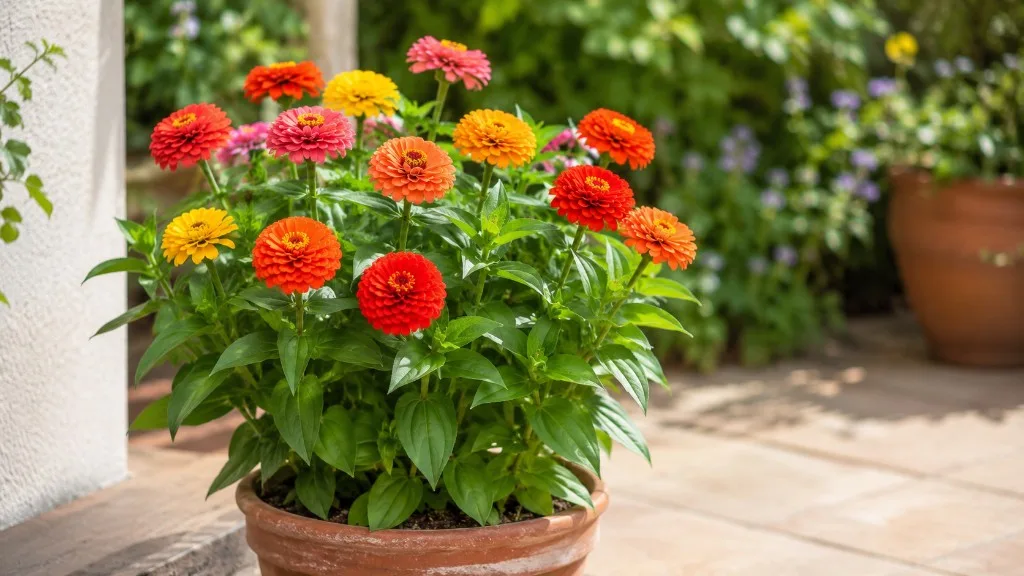
Zinnias are among the easiest flowers to grow, but “easy” does not mean every planting method works equally well. Give them cold soil, shade, wet leaves, or too little elbow room and they can become lanky, mildew-prone, or disappointing. Give them warmth, direct sun, room for air to move, and water at the root zone, and they reward you with a long run of bright flowers.
The most dependable plan is simple: plant after frost in a sunny, well-drained bed; sow seed where you want the plants to grow whenever possible; thin seedlings early; water deeply while roots establish; and harvest or deadhead flowers before they set seed. This guide covers that sequence, along with the adjustments that matter in containers, humid climates, and short growing seasons.
Start With the Right Zinnia for Your Garden
Most garden zinnias are cultivars of Zinnia elegans, a warm-season annual with flowers ranging from single, open centers to fully double, dahlia-like blooms. Zinnia angustifolia and hybrids involving it tend to be shorter and more tolerant of heat, making them useful for edging, containers, and places where a 3-foot plant would flop.
Choose by mature size before choosing by color. Compact cultivars work in pots and the front of a border; tall cultivars make better cut flowers but may need a position sheltered from strong wind. If pollinators are a priority, include some single or semi-double flowers: their exposed centers are easier for bees and other insects to reach than densely packed double blooms.
Choose a Site With Sun and Airflow
Plant zinnias where they receive at least six hours of direct sun, with eight hours often producing sturdier stems and more flowers. Morning sun is especially useful in humid areas because it dries dew quickly, while an open position prevents a dense canopy from holding moisture around the leaves.
Soil and drainage
Zinnias are flexible about soil texture and pH, but they are not forgiving of a constantly saturated root zone. Improve heavy soil with finished compost and, if water sits after rain, choose a raised bed or container rather than trying to solve a drainage problem with a small amount of fertilizer.
The goal is soil that holds enough moisture for roots but drains excess water within a reasonable time. A simple test is to dig a planting hole, fill it with water, let it drain, and fill it again. If the second filling remains for many hours, plant on a mound or in a better-drained location.
When to Plant Zinnias
Zinnias are warm-season plants. Wait until the danger of frost has passed and the soil has warmed; cold, wet ground slows germination and increases the chance that seedlings will rot. A calendar date is less useful than your local last-frost estimate and the actual weather pattern, since a late cold snap can undo an early planting.
In a long-season climate, sow a first crop once conditions are warm and make additional sowings every few weeks for a steady supply of young, productive plants. In a short season, start seeds indoors a few weeks before the last frost or buy healthy transplants, but do not hold them in small cells for too long. Zinnias grow quickly and become stressed when roots circle.
How to Grow Zinnias From Seed
Direct sowing is usually the best method because zinnia roots dislike unnecessary disturbance. Smooth the bed, water it once, and sow seeds about 1/4 inch deep. Covering them lightly is enough; deeply buried seed may run out of energy before it reaches the surface.
Keep the seedbed evenly damp—not muddy—until seedlings emerge. Germination commonly takes only a few days in warm soil, but cool nights or a crusted surface can make it slower. Once seedlings appear, move from frequent light sprinkling to deeper watering as the top inch of soil dries.
Starting indoors is useful when the growing season is short. Sow into individual cells, provide strong light close to the seedlings, and harden plants outdoors over about a week. Set them out with the root ball intact after frost, disturbing the roots as little as possible. A transplant that is already tall and root-bound may take longer to recover than a smaller, vigorous plant.
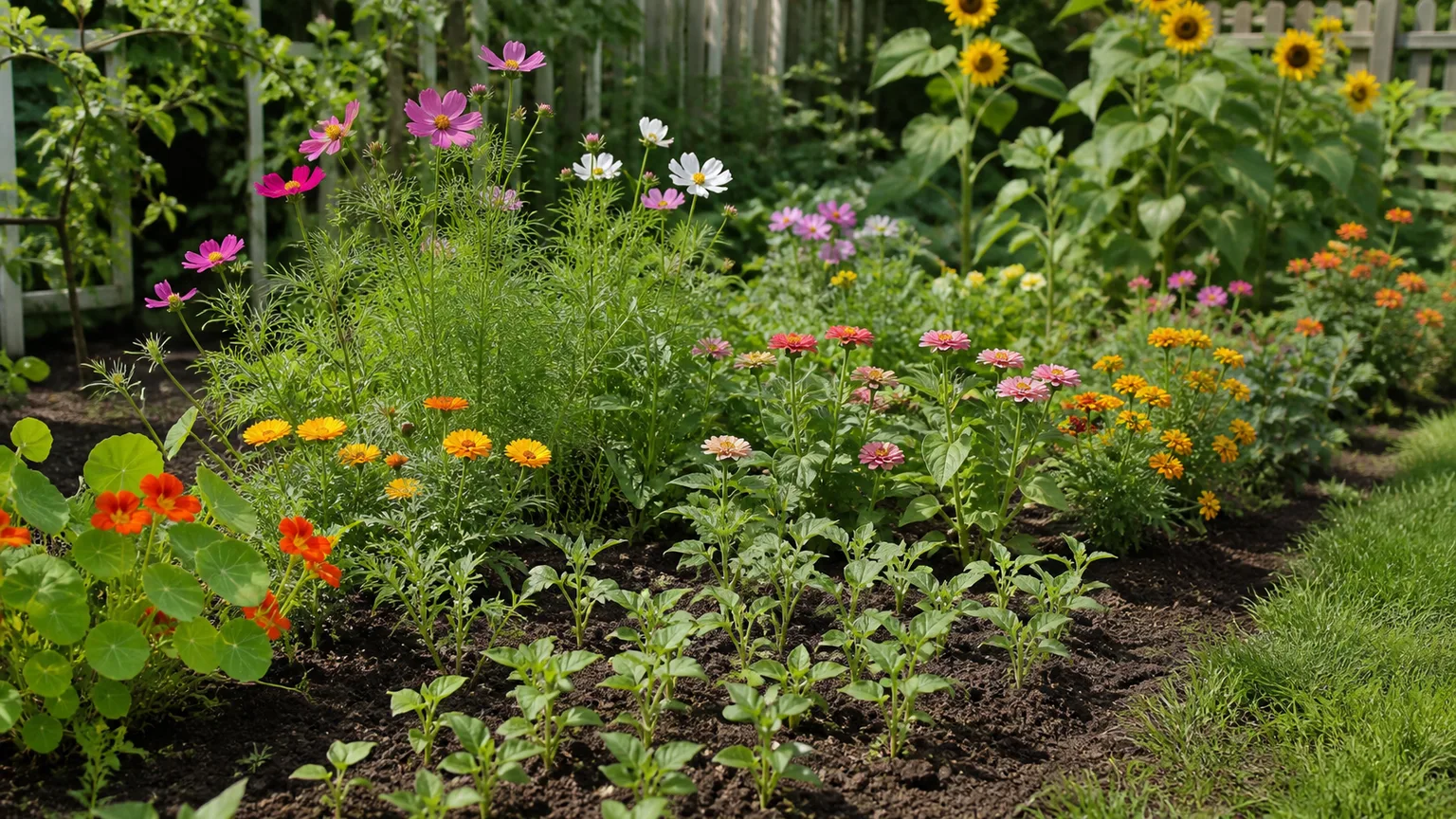
Direct sowing outdoors
Mark shallow rows or small planting pockets so you can tell zinnia seedlings from weeds. Sow two or three seeds per spot, then thin to the strongest plant after true leaves appear. Do not wait until plants are large: early thinning is easier on the remaining seedling and prevents a crowded, humid canopy.
Starting seeds indoors
Use a clean, well-drained seed-starting mix and bright light. Bottom watering can reduce disturbance, but empty any standing water after the mix is moist. Harden off seedlings by gradually increasing outdoor exposure and wind, then plant on a calm, mild day.
How to Plant Nursery Zinnias
Water the tray before planting so the root ball does not crumble. Dig a hole just as deep as the container and roughly twice as wide, loosen circling roots gently, and set the crown at the same level it was growing. Backfill with the soil you removed rather than burying the stem deeply.
Water slowly at the base immediately after planting. A small amount of temporary wilt during the first day is normal, but persistent wilt with wet soil points to root damage or poor drainage rather than a need for more water. Keep new transplants consistently moist while roots move into the surrounding soil, then lengthen the interval between waterings.
Zinnia Spacing and Support
Use the seed packet or plant label as the final word on spacing, because cultivars vary widely. As a practical starting point, compact plants may need 6 to 9 inches, medium plants about 9 to 12 inches, and tall, branching plants 12 to 18 inches or more.
Spacing is a disease-management decision as much as a design decision. If leaves touch in a humid bed, airflow drops and foliage stays wet longer. Crowding also produces thin, competitive plants. When in doubt, give a vigorous cultivar the wider spacing and fill the gap with a later sowing rather than planting a dense wall of seedlings.
Tall zinnias usually need no elaborate staking if they receive enough light and are spaced correctly. If a windy site or heavy flower heads cause leaning, add a low ring support early, before stems tangle. Avoid tying every stem tightly; flexible support looks better and lets plants move naturally.
Watering Zinnias Without Weakening Them
Established zinnias tolerate short dry periods, but drought tolerance is not the same as never needing water. Check the soil at root depth. If the top inch or two is dry and plants are beginning to wilt in the morning, water deeply at the soil line until moisture reaches below the main root zone.
New seedlings and transplants need more frequent attention than mature plants. Containers dry faster than beds, and a heat wave can turn a small pot from damp to dangerously dry in a single day. Water the soil rather than spraying the foliage, and water early enough that accidental splashes can dry.
Mulch helps moderate soil temperature and slows evaporation, but leave a small gap around each stem. A thick, wet collar against the stem invites rot and hides slugs or other pests. Drip irrigation or a low-flow wand is preferable to an overhead sprinkler for a crowded summer bed.
Feeding and Mulching
Zinnias do not need a high-nitrogen feeding program. Excess nitrogen can produce lush leaves and soft growth at the expense of sturdy stems and flowers. Start with compost or a reasonably fertile bed; if growth is pale or weak despite adequate light and water, use a balanced fertilizer according to its label rather than guessing at a stronger dose.
Container plants may need occasional feeding because repeated watering carries nutrients out of the pot. Even there, more fertilizer is not a substitute for sun, drainage, or a correctly sized container. Refreshing the potting mix and moving a shaded pot often solve a problem that fertilizer cannot.
Growing Zinnias in Containers
Choose a pot with drainage holes and enough volume for the mature cultivar. Dwarf zinnias are the safest choice for containers, while tall varieties can work in a large, heavy pot positioned where wind will not tip it. Use a quality potting mix, not garden soil alone, because garden soil compacts in containers and drains poorly.
Place the pot in full sun, check moisture often, and rotate it if growth leans toward the light. Do not let the container sit in a saucer of water. If roots fill the pot quickly, move the plant up one size or replace it with a succession sowing; repeatedly cutting back a stressed plant rarely restores its original vigor.
Pinching, Deadheading, and Cutting Flowers
When young plants are about 10 to 12 inches tall, pinching the growing tip can encourage branching. This trades a little early height for more side stems, so skip it if you need the earliest possible tall cut flowers or if the cultivar naturally branches well.
Harvest stems when the flower is open but not fully aged. The useful test is the “wiggle” test: hold the stem a few inches below the flower and gently shake it. A stem that bends loosely is still soft; a stem that stays fairly upright has the strength to last in a vase. Strip leaves below the waterline and recut stems before arranging.
Deadhead by cutting back to a healthy set of leaves or a side bud. Removing faded flowers prevents energy from going into seed production and keeps the bed looking fresh, but it is not a moral obligation: a healthy zinnia can keep flowering without perfect deadheading. Leave a few late flowers if you want seed for next year or food for seed-eating birds.
Common Zinnia Pests
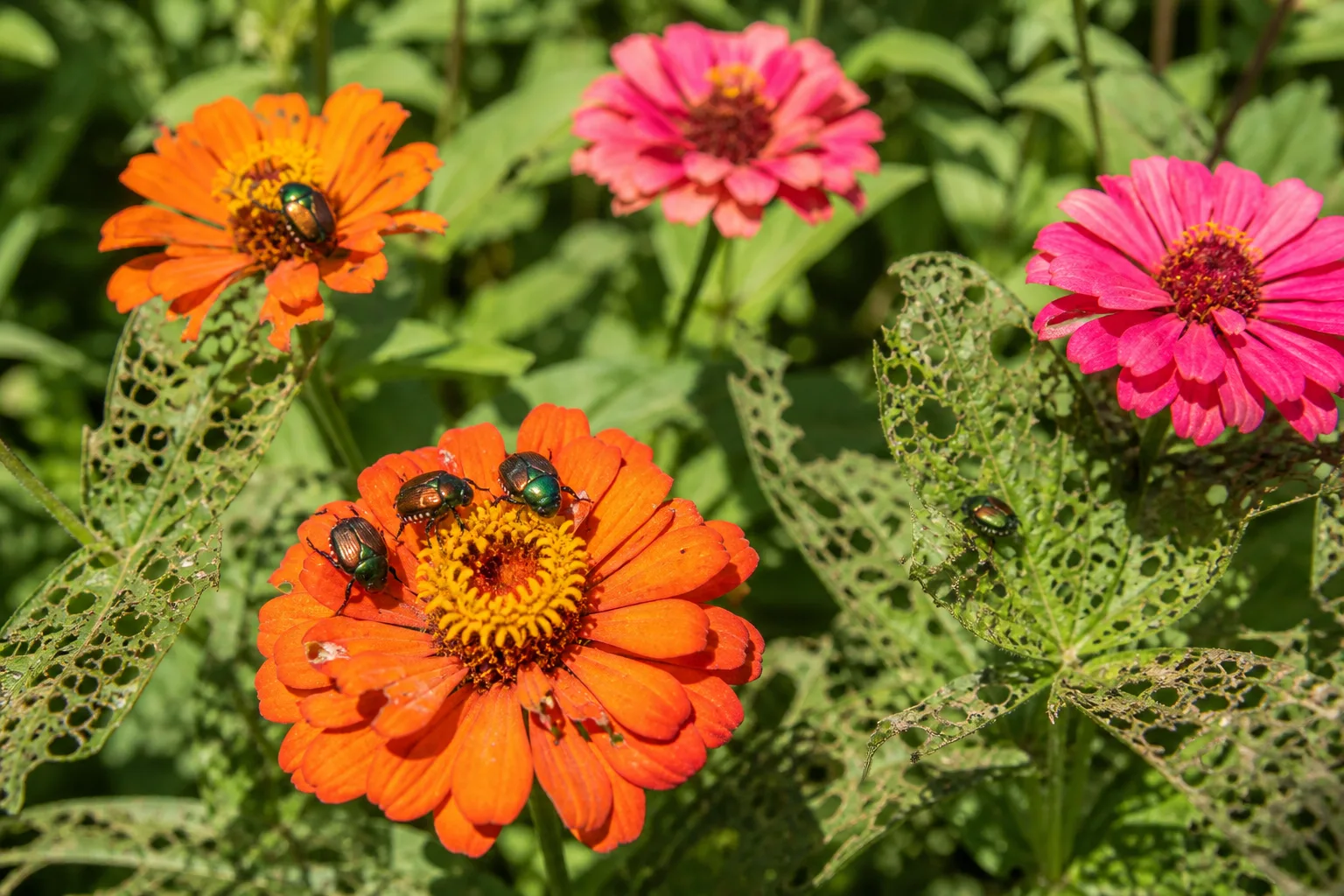
Aphids cluster on tender tips, spider mites thrive in hot, dry conditions, and Japanese beetles may skeletonize foliage or chew flowers. Inspect the undersides of leaves before reaching for a spray. A strong water stream can dislodge aphids, while reducing plant stress and improving coverage of the root zone helps discourage mite flare-ups.
For persistent soft-bodied pests, use a labeled insecticidal soap exactly as directed and test it on a small area first. Spray when temperatures are moderate and avoid coating open flowers when pollinators are active. Hand-picking larger beetles in the morning and removing badly damaged leaves can be more targeted than treating an entire bed.
Powdery Mildew and Other Diseases
Powdery mildew appears as white, dusty patches on leaves and stems, often when nights are humid and days are warm. It is favored by poor airflow, shade, crowded planting, and stressed roots. Remove badly affected leaves, increase spacing or airflow where possible, and water at the soil line.
Do not treat every pale mark as mildew. Check whether the material wipes away, whether it is concentrated on older leaves, and whether the plant is otherwise vigorous. Leaf spot, blight, and root rot require different responses; overwatering a plant with root trouble will make the diagnosis worse.
Sanitize pruners between visibly diseased plants, remove fallen foliage at the end of the season, and avoid composting diseased material unless your compost system reaches reliable high temperatures. Fungicides may protect new growth but rarely restore damaged leaves; follow the product label, local rules, and pollinator precautions.
Why Zinnias Fail to Bloom
The most common cause is not a mysterious nutrient deficiency. It is too little direct sun, often combined with rich fertilizer that makes leaves instead of flowers. Other causes include planting too early in cold soil, severe drought during bud formation, root-bound transplants, and cutting plants back so hard that they must rebuild before flowering.
Use a simple diagnosis: if stems are long and leaves are large but buds are scarce, check light and nitrogen first. If buds form and abort, check water consistency, heat stress, and pest damage. If flowers are plentiful but small, the cultivar, crowding, or insufficient root volume may be limiting them.
How Long Zinnias Bloom
In a frost-free stretch, zinnias can flower from early summer into fall. The first bloom date depends on whether you direct sow, transplant, or start indoors; repeated sowings often create a better succession than expecting one planting to carry the entire season.
Keep harvesting flowers, remove damaged foliage, and water deeply during extended heat. Plants naturally slow when frost approaches. Because zinnias are annuals, cold weather ends the plant even in regions where winters are mild; they do not reliably return from the root system the way a perennial does.
Saving Zinnia Seeds
Choose a healthy, open-pollinated plant if you want seedlings that resemble the parent. Hybrid seed may produce attractive but unpredictable offspring. Let a selected flower remain on the plant until the petals and flower head are thoroughly dry, then collect it on a dry day.
Break apart the head over a tray and separate mature, firm seeds from chaff. Dry them further in a cool room for several days before storing in a labeled paper envelope or airtight container in a cool, dry, dark place. Include the cultivar and collection year. If multiple varieties grow close together, expect insects to cross-pollinate them, so saved seed may not come true to color or flower form.
Conclusion
The best zinnia care routine is mostly about timing and restraint: wait for warmth, give plants real sun, leave room for air, water the root zone deeply enough to establish a strong plant, and avoid feeding your way out of poor conditions. Direct-sown zinnias often need less recovery than transplants, while a succession of sowings keeps the garden productive longer.
Watch the plants rather than following a rigid calendar. Thin crowded seedlings, harvest before flowers become tired, respond early to pests or mildew, and save a few dry seed heads if you want next year’s color for little cost. Those small decisions turn zinnias from a quick splash of summer color into one of the most dependable flower displays in the garden.
North Carolina State Extension: Zinnia elegans University of Minnesota Extension: Growing annual flowers from seed University of California IPM: Powdery mildew on ornamentals Royal Horticultural Society: Zinnia growing guide