Kale Soil Guide: Mix, pH & Drainage for Pots
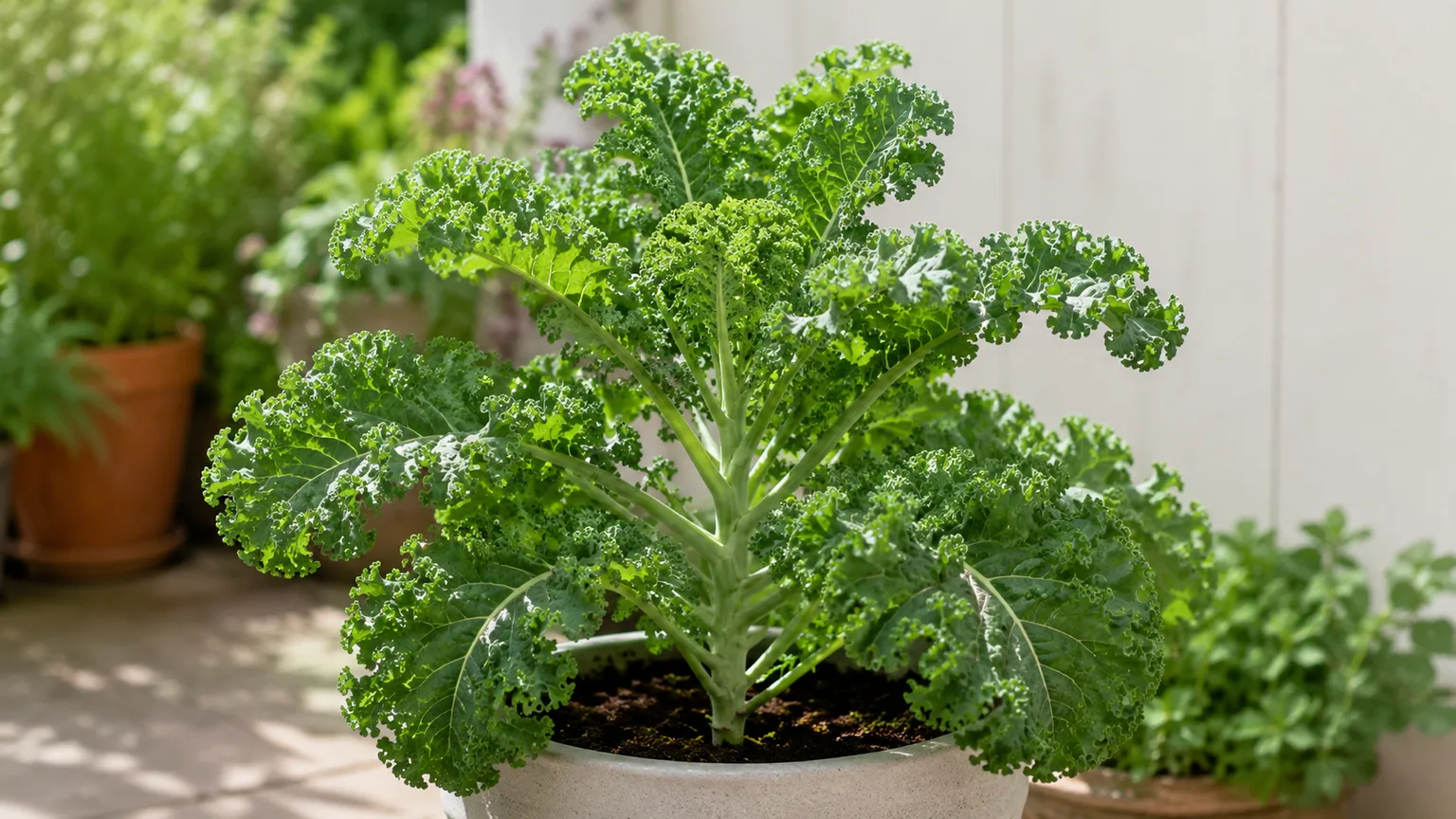
Kale Soil Guide: Mix, pH & Drainage for Pots
Kale Soil Guide: Mix, pH & Drainage for Pots
Kale (Brassica oleracea var. acephala) is grown for repeated leaf harvests, not for surviving months of dry neglect. Its shallow roots want steady moisture in the upper soil layer while still breathing between waterings. That combination—fertile, moisture-retentive, and well-drained—is the opposite of what many indoor gardeners reach for when they grab cactus blend or moisture-control houseplant mix.
On most Indian plains, kale belongs to the cool season: sow around October into November, harvest through winter, and expect leaf quality to drop when sustained heat returns. Soil that works in January can still fail in a humid monsoon balcony if drainage holes clog or saucers hold water. This page is about the root zone only. For the full growing picture, start with the Kale overview; for how often to irrigate once the mix is right, see the Kale watering guide.
Why kale punishes dense, dry, or soggy soil
Kale is a fast leafy brassica, usually treated as an annual even though the species is biennial. Leaves stay tender when the plant grows in cool weather with consistent root-zone moisture. Let the mix swing between dust-dry and waterlogged and you get tough, bitter foliage long before pest problems show up.
Shallow roots need air and even moisture
Kale roots spread relatively shallow compared with deep-rooted vegetables. They feed heavily from the top few centimetres of soil, which is why surface drying matters as much as drainage at the pot bottom. UF/IFAS Gardening Solutions notes that kale thrives in a wide range of soils but still needs regular moisture and sun for reliable crops—soil structure is how you deliver that moisture without drowning roots.
A mix that drains instantly, like coarse succulent media, forces you to water constantly and still risks midday wilting on a sunny terrace. A mix that stays saturated after every irrigation invites oxygen starvation at the stem base—the same conditions that trigger root rot on Kale and overwatering on Kale.
Cool-season leaf crops are not succulents
Houseplant advice often prioritises “fast drain above all else.” Kale is different. The RHS kale growing guide describes preference for rich, well-drained, firm soil with plenty of organic matter—not bare grit. Think vegetable-garden loam in a pot, not desert substrate.
In hot lowland summers, even perfect soil cannot rescue leaf quality; heat pushes kale toward flowering and bitterness. Soil preparation matters most when you are aligning the crop with winter sun and mild temperatures, which is when Indian balcony growers get their best harvests.
Ideal texture and fertility for Brassica oleracea kale
Target a fertile loam or improved potting base: enough fine material to hold water near roots, enough coarse fraction to let excess drain away. Mature compost supplies gentle fertility and improves both sandy and clay-dominated mixes (RHS soil preparation for vegetables).
Moisture-retentive loam with open pores
In garden beds, dig in well-rotted compost or manure and rake to a fine, firm seedbed before sowing or transplanting, as the RHS recommends for kale. In containers, use peat-free multi-purpose compost blended with aerating materials rather than field soil alone. Gardeners’ Path on growing kale in containers stresses well-draining, light soil amended with organic matter and warns that standing water in pots is a leading cause of failure.
Judge finished mix by behaviour, not bag marketing. After a deep watering, water should exit drainage holes within minutes, yet the centre of the root ball should still feel lightly moist two days later in cool winter weather—not sopping, not dust.
pH 6.0–7.5 and when to test
Kale tolerates a slightly acidic to neutral root zone. Container guides commonly cite pH 6.0–7.0 (Gardeners’ Path); LeafyPixels plant data extends the practical home band to about 6.0–7.5. That range suits most compost-based mixes without chasing laboratory perfection.
If leaves are pale while drainage is good, a soil test can reveal whether pH or nutrients are off—but structure problems masquerade as fertility problems. Compacted, airless mix produces yellow lower leaves and stalled growth that extra fertiliser will not fix. Confirm texture and watering first, then use the Kale fertilizer guide for feeding decisions.
Preparing mix for balcony pots in India
Terrace kale usually lives in plastic or ceramic pots that heat up on sunny winter days and cool quickly at night. The mix must buffer those swings by holding moisture without becoming a wet blanket during cloudy, humid weeks or unexpected pre-monsoon showers.
Starting blend: loam, compost, and grit
A workable starting point for one mature standard kale—adjust after you observe your own balcony:
- 50% good-quality potting mix or screened loam
- 30% mature, fully finished compost (not fresh manure)
- 20% perlite, rice hulls, or coarse coco chips for aeration
That ratio mirrors LeafyPixels kale hub guidance and balances moisture retention with drainage. Compact dwarf cultivars can live in a pot about 30 cm wide and deep; vigorous Lacinato or tall Scotch types need more root volume—often 20–30 litres for one full-size plant—so the mix does not dry out in a single sunny afternoon.
Every container needs multiple open drainage holes. A layer of stones at the bottom does not fix blocked outlets and steals root space. If you use a saucer to protect the terrace, empty it after irrigation or rain so the pot is not standing in stagnant water—a common setup mistake during winter drizzles on Indian balconies.
Drainage holes, saucers, and monsoon rain
Winter-growing kale rarely faces peak monsoon, but early-sown autumn seedlings and late-spring holdovers can sit in weeks of cloud and drizzle. When the mix stays dark and cool at the surface for many days, watch for mold on soil on Kale and fungus gnats. Scrape the top centimetre if it turns green or fuzzy, improve airflow, and let the upper layer dry slightly before the next deep watering.
If you must keep pots outdoors through heavy rain, tilt them slightly so water runs off, clear blocked holes, and consider moving small pots under eaves while still giving six hours of direct sun on clear days (Kale light guide). Soil cannot compensate for total shade or summer heat; it only supports the season when kale is meant to grow.
In-ground and raised beds
Where you have garden soil, kale is forgiving of soil type if you improve structure first. The RHS states kale will grow in most soils when enriched with organic matter and planted in sun or light shade.
Compost, firm planting, and rotation
Spread well-rotted compost or manure across the bed—not just in planting holes—and mix through the upper root zone when the soil is workable. Firm the surface before transplanting; kale can become top-heavy, and the RHS advises setting transplants deeper than in the seed tray so lower leaves sit at soil level and stems anchor securely.
Because kale shares club root and other brassica soil diseases with cabbage relatives, avoid planting year after year in the same spot without rotation. If last season’s brassica crop collapsed with swollen roots or unexplained wilting, do not reuse that bed for kale. Containers should get fresh mix rather than recycled brassica soil when disease is suspected.
Raised rows help on heavy clay that puddles in winter rain. Mound soil 10–15 cm so the crown drains faster while roots still access moisture below. On pure sand, extra compost increases water-holding capacity so kale is not on a perpetual drought cycle.
Warning signs your kale soil is wrong
Soil problems show up in leaves and stems before you identify a pest.
Yellow leaves, sour smell, and surface mold
Lower leaves yellowing while the mix stays wet often points to waterlogging or nitrogen loss in saturated, airless media—overlap with yellow leaves on Kale and drooping leaves on Kale. Wilting with wet soil is a red flag for root damage, not a call to water more.
Lift the plant gently from its pot if drainage has been poor: healthy kale roots are pale and firm; brown, mushy roots smell sour and require trimmed roots, fresh mix, and a smaller initial watering volume. A white or green fuzz on the surface usually means the top layer never dries—common with peat-heavy mixes on shaded, cool balconies.
At the other extreme, cracked, pale soil and limp midday leaves in dry winter air mean the mix is too lean or the pot is too small. Increase organic matter and pot volume before reaching for fertiliser alone. Bitter, tough leaves in dry soil tie back to moisture stress; see underwatering on Kale for the watering side of the same problem.
Refreshing soil between seasons
Kale is usually grown for one cool season per container. After harvest ends—heat, bolting, or pest pressure—empty pots and brush away old roots. Reuse mix only if the plant was healthy and you are not following another brassica immediately. Even clean-looking used compost loses structure and can harbour salt buildup from repeated feeding.
For seedlings started in trays, use free-draining seed compost with low salinity, then transplant into the richer final blend above once true leaves develop. The Kale repotting guide covers moving seedlings into their final pot; this soil page defines what should be in that destination mix.
When to use this page vs other Kale guides
Use this soil guide when you are choosing or fixing the root zone—before sowing, at transplant, or when leaves look stressed despite “correct” watering on the calendar. Switch to the Kale watering guide for how deep and how often to irrigate this mix. Use the Kale fertilizer guide once drainage and texture are sound but growth is still pale or slow. The Kale light guide matters when plants are leggy or sun-starved regardless of soil quality. For starting plants from seed or cuttings, see Kale propagation.
Related Kale guides
- Kale overview — season, cultivar choice, and harvest basics
- Kale watering — moisture checks matched to this mix
- Kale fertilizer — feeding after soil structure is right
- Kale repotting — moving seedlings into final containers
- Kale light — winter sun requirements on terraces
- Root rot on Kale — when wet soil has already damaged roots
Conclusion
Kale soil should behave like good vegetable loam in a container: fertile, slightly acidic to neutral, moist in the root zone, and never stagnant. Blend potting mix or loam with mature compost and a coarse aerating fraction, confirm water flows freely from drainage holes, and size the pot to your cultivar. Fix structure before chasing pH or fertiliser, rotate away from troubled brassica beds, and expect the best leaf texture during cool winter growth—not from treating kale like a succulent.
Related tool
Try the Soil Mix Calculator with kale pre-selected to estimate needs for your setup.