How to Prune Lettuce: Harvest Cuts & Bolting
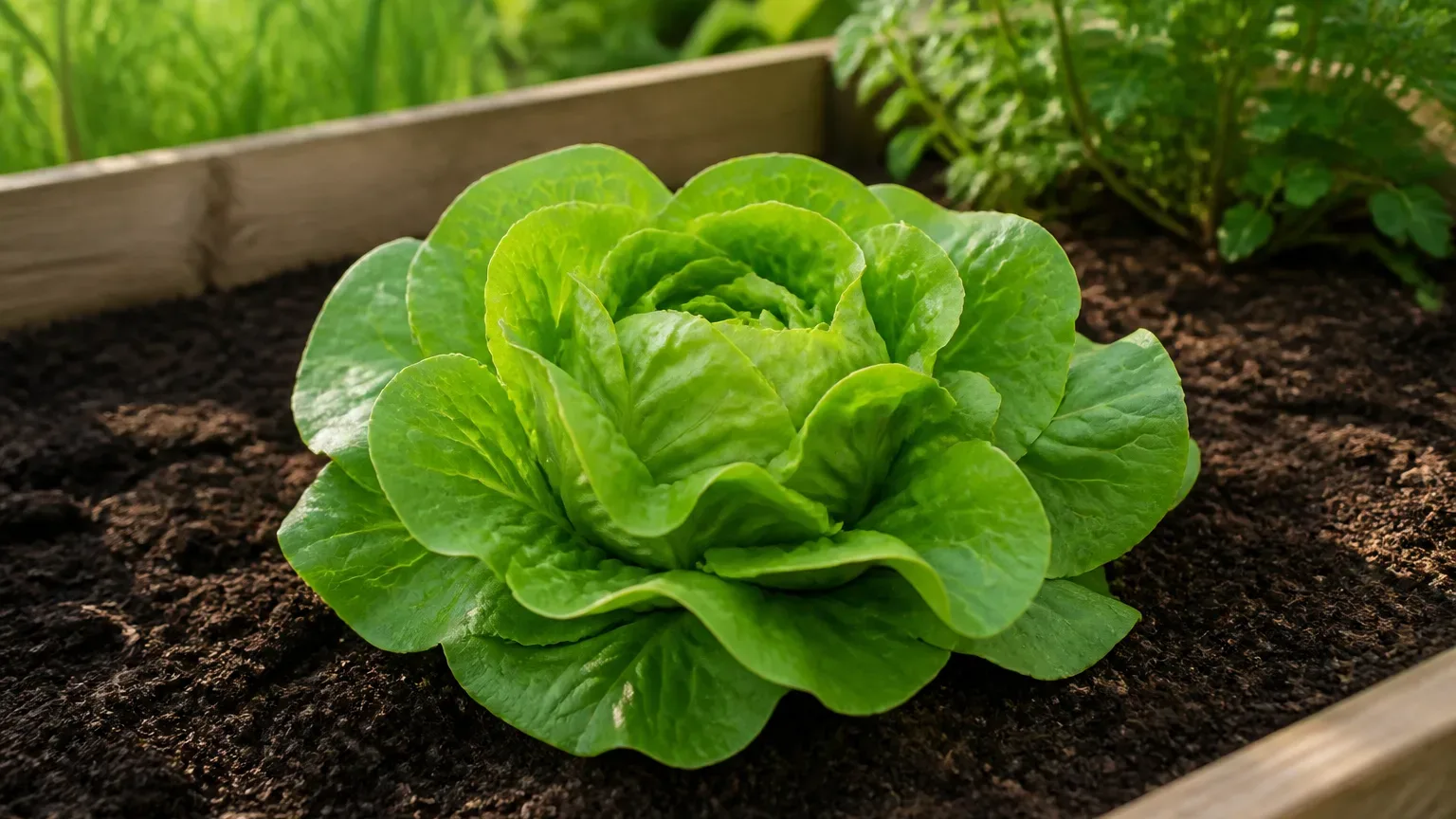
Lettuce Pruning: Harvest Cuts, Cleanup, and Bolting
Lettuce Pruning: Harvest Cuts, Cleanup, and Bolting
First, remove one fully yellow, torn, slimy, or soil-soiled outer leaf at its base. That single cleanup cut lets you inspect the crown before deciding whether to harvest more. Do not cut into the tight centre: on looseleaf lettuce, those small inner leaves are the next harvest; on a heading type, they are the developing heart.
Reviewed by LeafyPixels Review Board · Author: sai-ananth
Quick answer
Lettuce (Lactuca sativa) is not pruned like a shrub. Its useful cuts are outer-leaf harvesting, removal of damaged leaves, whole-head harvest, and an end-of-crop decision when the plant bolts. For looseleaf plants, take a few large outer leaves and preserve the central growing point. For butterhead, romaine, and crisphead cultivars grown for a head, avoid peeling away healthy wrapper leaves merely to make the plant look tidy; wait for the head to mature, then cut the whole plant through the stem.
NC State Extension describes both harvest paths: remove individual outer leaves so the centre keeps growing, or cut the whole plant at or just above soil level. Pruning cannot reverse heat stress, rebuild a cut heart, or turn a bolting plant back into a compact rosette. If leaves are wilting or margins are browning, check the lettuce watering guide before removing healthy tissue.
Decide whether you have looseleaf or heading lettuce
The cultivar determines what should be cut. Looseleaf lettuce forms an open rosette and suits repeated harvesting. Each round removes older outer leaves while the small leaves in the middle continue to expand. Baby-leaf sowings can also be cut as a low stand, provided the blade stays above the crown.
Butterhead, romaine (cos), and crisphead lettuce are commonly grown for a complete head. The RHS distinguishes hearting lettuces from cut-and-come-again looseleaf types: hearting plants are cut when mature, while looseleaf plants can supply pickings over several weeks. You can take a few outer leaves from romaine or butterhead, but every leaf removed reduces the head you are trying to build. Decide at planting time whether your goal is repeated leaves or one full head.
Use the lettuce overview if the cultivar name is missing. An open, spreading rosette with no dense centre usually behaves as looseleaf lettuce; upright folded leaves suggest romaine, a soft cupped centre suggests butterhead, and a dense round heart suggests crisphead.
What to check before making another cut
After the first damaged-leaf cleanup, look down into the plant:
- Centre: Keep the compact inner leaves and crown intact for repeat harvests.
- Outer leaves: Choose full-sized, healthy leaves that are easy to reach without pulling the plant sideways.
- Stem height: A rising central stem and wider gaps between new leaves signal bolting, not legginess that pruning will fix.
- Head formation: If a butterhead, romaine, or crisphead is closing inward, preserve healthy outer wrapper leaves until whole-head harvest.
- Moisture and heat: Limp leaves during warm weather need a moisture and temperature check, not automatic removal. Review lettuce light placement and watering before trimming.
- Disease: Remove collapsed or rotting leaves, but do not eat suspect tissue. If several leaves show spots or fuzzy growth, diagnose the crop rather than repeatedly grooming symptoms away.
Delay a discretionary harvest if the plant is severely wilted. Water the root zone, allow it to recover in cooler conditions, and reassess. A leaf that firms again is still useful; a leaf that remains yellow, slimy, or broken can come off.
Tools and clean handling
Use clean kitchen scissors, fine garden snips, or a sharp harvest knife. Fingers are adequate for a single crisp outer leaf only if you can snap it cleanly without twisting the crown. Scissors give better control in a dense container and reduce the chance of uprooting a shallow plant.
Wash your hands and clean the blade before cutting an edible crop. Keep cut leaf edges off the soil, place harvested leaves in a clean container, and wash produce before eating. If the plant has visible disease, clean the blade before moving to the next lettuce and discard affected material rather than mixing it into the harvest.
Lettuce releases milky sap when cut. NC State records low-severity skin irritation from the sap in susceptible people, so wear gloves if previous contact has bothered your skin. This is a handling precaution, not a reason to treat ordinary harvested lettuce as poisonous food.
How to harvest looseleaf lettuce without cutting the crown
For a leaf-by-leaf harvest:
- Hold one mature outer leaf where its blade narrows into the base.
- Cut the leaf close to its attachment point without nicking the short central stem.
- Move around the rosette, taking only a few of the largest outer leaves.
- Stop while the centre still has a generous ring of healthy leaves.
- Return the plant to its normal light and follow the lettuce watering guide as the remaining canopy continues growing.
For a low cut-and-come-again harvest, gather the loose foliage lightly and cut about 2.5 cm above the base, keeping the crown intact. The RHS specifically advises cutting leaves about 2.5 cm from the base and avoiding the central growing point. This method fits looseleaf plants and dense baby-leaf sowings better than mature heading lettuce.
Do not shave the rosette flush with the soil. If the centre is cut away, there may be no useful growing point left to rebuild the canopy. When plants are crowded, work slowly enough to avoid cutting a neighbouring crown.
How to harvest heading lettuce
For butterhead, romaine, or crisphead grown as a head, routine “pruning” should be limited to dead or badly damaged outer leaves. Healthy wrapper leaves feed and protect the forming centre. Cosmetic stripping creates a smaller head and exposes more tender tissue.
Harvest when the cultivar has formed the usable head you expect and before a central flower stalk starts lengthening. Support the head with one hand and cut through the stem just above soil level with a clean knife. The stump may produce a small second flush in favourable cool weather, but treat that as a bonus rather than postponing a new sowing. Whole heads can be cut above a short stump, and any later harvest will be smaller.
Romaine and butterhead can be harvested leaf by leaf if that is your chosen goal. Once you begin taking many outer leaves, however, stop judging the plant by normal whole-head size. The harvest system has changed.
Remove damaged outer leaves without over-cleaning
Cut fully yellow, torn, slimy, pest-mined, or soil-soiled leaves where they join the short stem. Remove leaves that lie flat on wet soil because they are hard to inspect and can trap debris around the crown. Use a clean cut rather than tearing down into the stem.
Do not remove a leaf only because its edge has a small dry mark. A mostly green leaf still supports growth, and aggressive cleanup can leave the crown exposed. When damage appears across several leaves, investigate the cause through the lettuce soil guide and watering guide instead of treating scissors as the cure.
What to do when lettuce starts bolting
Bolting is a developmental shift, not a shape problem. The central stem elongates, leaves become more widely spaced, and flower buds eventually form. USDA Agricultural Research Service defines bolting as stem elongation marking the transition from vegetative to flowering growth. Cutting off the top of that stalk does not reset the plant to its compact leaf-producing stage.
At the first clear stretch, choose one of two paths:
- Harvest now: Take any leaves that still taste acceptable, then remove the plant and sow a replacement.
- Save seed: Stop treating the plant as a leaf crop, allow it to flower and mature seed, and keep it separate from the kitchen harvest.
Lettuce is an annual, and increasing day length, temperature, cultivar genetics, and stress all influence flowering. The RHS notes lettuce is a long-day annual crop whose flowering can also be brought forward by stress. Cutting the stalk may briefly remove flowers, but it cannot undo the internal transition. In warm Indian lowlands, moving sowing to the coolest practical season and making succession sowings is more reliable than repeatedly topping an ageing plant.
How much can you safely remove?
There is no useful woody-plant percentage rule for lettuce. Base the limit on your harvest goal:
- Repeat outer-leaf harvest: Take a few mature leaves from each looseleaf plant and leave the central rosette substantial.
- Cut-and-come-again: Leave the crown and a short stem above the base.
- Heading crop: Remove only failed outer leaves until the one-time whole-head harvest.
- Bolting crop: Harvest what remains usable or remove the crop; preserving a percentage of foliage will not reverse flowering.
If regrowth gets smaller after several cuts, the plant is not asking for harder pruning. It may be reaching the end of its productive cycle, facing hotter weather, or growing with depleted root-zone resources. Use lettuce fertilizer guidance conservatively and favour succession sowing over trying to maintain one annual plant indefinitely.
Aftercare and signs of recovery
After an outer-leaf harvest, return the plant to stable conditions. Water the soil when needed without pouring water into the cut crown, and do not combine harvesting with repotting. Lettuce is usually sown or transplanted into its final position; the lettuce propagation guide explains why fresh seed is the normal replacement plan.
Successful recovery looks simple: the centre remains firm, inner leaves enlarge, and no cut base becomes soft or dark. In active cool-season growth, progress should be visible over the following days, though the next worthwhile harvest depends on cultivar, temperature, light, and how much was left. Failure looks like a damaged centre, collapsing petiole bases, worsening wilt, or a rapidly lengthening flower stalk.
Do not fertilize merely because leaves were harvested. Feed only according to the crop’s normal schedule and soil condition. Stable moisture and an intact growing point matter more than forcing rapid regrowth.
Common lettuce cutting mistakes
- Treating lettuce like a woody plant and looking for branches to shape
- Cutting through the compact centre during an outer-leaf harvest
- Stripping healthy wrapper leaves from a head-forming cultivar
- Pulling leaves hard enough to loosen the shallow root system
- Cutting wilted but otherwise healthy leaves before checking moisture
- Expecting removal of a flower stalk to reverse bolting
- Eating rotting, diseased, or contaminated leaves because the damaged area was trimmed away
- Trying to keep one exhausted annual productive instead of succession sowing
Related Lettuce guides
- Lettuce overview — identify the crop type and plan the harvest you want
- Lettuce light guide — manage sun and heat before blaming leaf shape
- Lettuce watering guide — distinguish temporary wilt from tissue that should be removed
- Lettuce soil guide — correct root-zone conditions behind repeated outer-leaf decline
- Lettuce fertilizer guide — support normal growth without overfeeding after harvest
- Lettuce propagation guide — replace an ageing or bolting crop by seed
Conclusion
Lettuce pruning is really harvest management. Start with one failed outer leaf, preserve the crown, and then match the cut to the cultivar: repeated outer-leaf picking for looseleaf lettuce, minimal cleanup followed by whole-head harvest for heading types. Once the centre stretches into a flower stalk, harvest or save seed; cutting the stalk is not a route back to tender vegetative growth.