Slow Growth on Philodendron White Princess: Causes, Checks
Quick answer
A Philodendron White Princess that stalls usually needs brighter indirect light first, not fertilizer. Move it to a bright spot near an east window or lightly filtered south light, confirm the roots are firm and the mix drains, and give it three to four weeks before changing anything else.
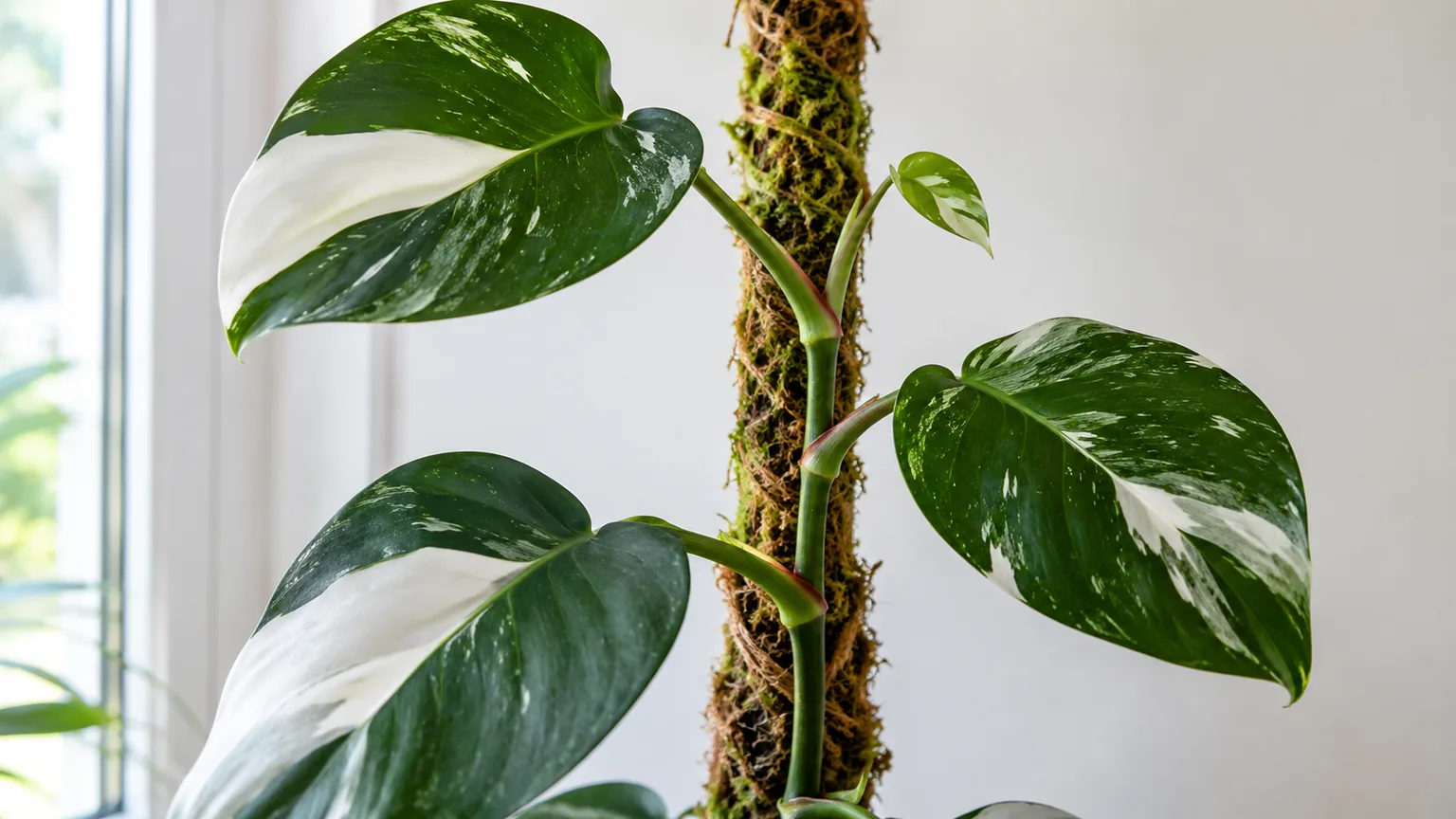
Slow Growth on Philodendron White Princess: Causes, Checks and Fixes
This guide covers slow growth on Philodendron White Princess. See also the general Slow Growth guide, watering, and light pages for this plant.
Slow Growth on Philodendron White Princess: Causes, Checks and Fixes
Quick answer
A Philodendron White Princess that stalls usually needs brighter indirect light first, not fertilizer. Move it to a bright spot near an east window or lightly filtered south light, confirm the roots are firm and the mix drains freely, and give it three to four weeks before changing anything else. For the general mechanics of stalled houseplant growth, see our slow growth guide. On White Princess, the pattern usually shows up as long gaps between small new leaves, fading variegation, or a shoot that simply sits still all summer.
White Princess is also a naturally unhurried plant. Its white-variegated leaves carry less chlorophyll, so it grows more slowly than an all-green philodendron even in good conditions. Judge it against its own pace, not against a pothos on the same shelf.
What slow growth looks like on White Princess
Expect one new leaf every few weeks through spring and summer, with each leaf roughly matching or beating the size of the last. True stalling looks different: no new spear for six to eight weeks in the growing season, new leaves unfurling clearly smaller, internodes stretching long and bare, or fresh leaves arriving mostly green after a run of nicely marbled ones.
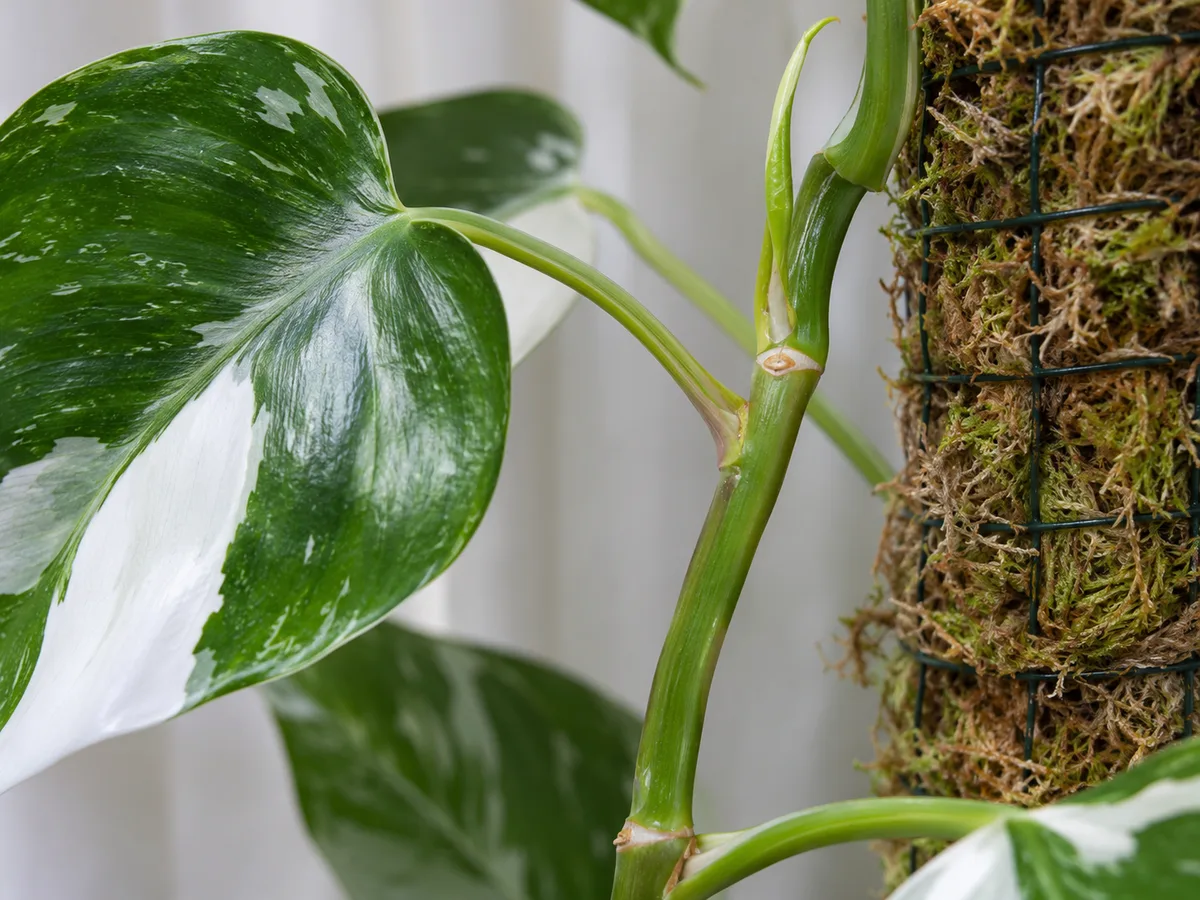
Compare new leaf size and stem spacing with this plant’s earlier growth; one image cannot show the time interval.
Pay attention to the variegation balance too. A shoot pushing almost entirely white leaves may sit still because those pale leaves contribute little energy, while a shoot reverting to all green is redirecting energy away from the variegated growth you want. Both patterns slow the plant in their own way and both point back to light.
Why White Princess stalls: the variegation energy budget
Every white sector on a leaf is tissue that does little photosynthetic work. Green tissue contains chlorophyll and carries out most of the leaf’s photosynthesis, while white tissue contains far less chlorophyll and contributes much less energy, so a heavily variegated plant runs on a smaller fuel supply than a green one of the same size (white variegation guide).
That is why White Princess is inherently slower than its green relatives and why light matters disproportionately. In dim conditions the plant cannot fund both maintenance and new leaves, so it stretches toward the light with small leaves and long gaps instead of filling in. Brighter conditions support healthy growth on these cultivars, though the exact white pattern on each leaf stays unpredictable.
A run of all-white or all-green leaves compounds the problem. Mostly white growth starves the shoot, while fully reverted green growth signals the plant is abandoning variegation to survive. If variegation fades across several nodes, improve the light before reaching for fertilizer or pruning, as covered in the light guide.
Light: bright enough to grow, gentle enough for white sectors
Philodendrons want bright indirect light rather than direct sun, kept above 15°C in average home humidity (RHS growing guide). White Princess sits at the bright end of that range because of its variegation penalty, yet its white and pink sectors scorch first under harsh sun. The practical target is an east window or a south or west window with sheer filtering, roughly one to two metres from the glass.
Distance deceives. Light falls off sharply as a plant moves deeper into a room even when the room still looks bright to human eyes, and a weak lamp run for long hours does not equal a stronger light at the right distance. Too little light produces leggy stems with wide spacing between small leaves, while too much burns the delicate pale tissue. If you move the plant closer to a window or under a stronger lamp, increase exposure over a week or two so leaves grown under gentler conditions do not bleach.
Winter complicates the reading. Short days naturally pause growth, so a December stall in an otherwise healthy plant is rest, not failure. Compare the current leaf interval with the same plant’s summer pace before diagnosing a problem.
Water, roots and the chunky aroid mix check
White Princess is the parent species Philodendron erubescens in variegated form: a climbing tropical that prefers partial shade, temperatures between 65 and 85°F, and moist, well-draining soil rich in organic matter (NC State Extension). Indoors that translates to a chunky aroid mix of potting soil, perlite and orchid bark, watered when the top few centimetres dry out. The watering guide follows a check-before-you-water rhythm for exactly this reason.
Roots drive growth speed more than most owners expect. A pot that stays wet for a week or more after watering suffocates fine roots, and damaged roots cannot deliver water or nutrients no matter how much you feed. Lift the nursery pot to judge weight, check that drainage holes run freely, and sniff for sourness. If the mix smells off or roots look brown and mushy, the stall is a root problem wearing a growth-problem disguise, and the soil guide explains how to rebuild a mix that holds moisture yet leaves air around the roots.
Rootbound plants stall differently: watering runs straight through, the plant drinks twice as fast as it used to, and roots circle densely at the drainage holes. That plant is not sick, it is simply out of room.
The first fix to try
First, fix the light position and nothing else. Place the plant where it gets genuinely bright indirect light, such as an east windowsill or just back from a filtered bright window, and leave it there for three to four weeks while watering normally.
Light earns the first move because every other fix depends on it. Fertilizer cannot restart a plant that lacks the energy to use it, and repotting a dim plant only adds transplant stress. One targeted change also lets you read the response: a fresh leaf spear emerging within a month means you found the bottleneck.
Feeding: when hunger is real and when it is not
A hungry philodendron tells you plainly. Growth runs slower than normal and new leaves arrive smaller than usual when the plant is underfed, which is corrected with a balanced liquid fertilizer applied monthly through spring and summer and every six to eight weeks in autumn and winter (philodendron feeding routine). Pale new leaves can additionally signal missing calcium and magnesium, the micronutrients philodendrons draw on heavily (philodendron nutrient signs).
But hunger is a diagnosis of exclusion on White Princess. Feed only while the plant is actively growing and only after light and roots check out, because pushing fertilizer onto a dim or soggy plant leaves salts in the mix that damage roots and brown leaf tips (RHS feeding advice). The fertilizer guide keeps doses deliberately light for this reason. If you suspect past overfeeding, water thoroughly until it runs from the drainage holes to wash excess salts through, and hold off feeding until the next leaf looks healthy.
Moss pole, pot size and the climbing habit
White Princess is a climber by nature and grows noticeably better with something to grip. Indoors it can be trained up a moss pole or trellis, which encourages larger leaves and steadier upward growth rather than a sprawling mound (climbing habit). A mature plant left to sprawl often reads as stalled when it is actually just unsupported: small leaves, floppy stems, aerial roots waving at the air.
Check the pot at the same time. A philodendron generally wants repotting every couple of years, moving one pot size up in late spring or early summer with fresh mix around the root ball. If roots mat around the drainage holes or the mix has collapsed into dust, repot into a slightly larger container with fresh chunky mix, secure the stem to its pole, and water in well. Do this only in the growing season; repotting a resting winter plant to force growth usually backfires.
Recovery timeline: what improvement looks like
Judge recovery by the newest growth, not the old leaves. Finished small leaves never resize, and browned white sectors never re-green. The first honest sign is a fresh spear emerging from the crown or the top node within three to six weeks of the fix in growing season.
Each successive leaf should then open at a steadier interval and hold its size, with firm texture and crisp variegation edges. Variegation balance may take two or three leaves to settle after a light correction. If three months pass with no new spear despite bright light, sound roots and light feeding, suspect hidden pests on the undersides and stem joints or a deeper root issue, and inspect closely before trying anything stronger.
Mistakes to avoid
Do not fertilize a stalled White Princess before confirming light and roots. Extra salts on damaged roots deepen the stall and burn the white margins first. Do not repot, relocate, prune and feed in the same week either; stacked interventions hide which change worked and compound stress on an already energy-short plant.
Resist blasting it with direct midday sun to force growth. The green tissue may cope while the white sectors bleach into dry brown patches that never heal. Raise light gradually and let the next leaves prove the position works. Finally, do not keep it cold: growth halts near chilly windows and air-conditioning drafts even when light looks adequate, so hold the plant in steady warmth in the 65 to 85°F band it prefers.
When to worry
Slow growth alone rarely kills a White Princess, but certain companions change the math. Unpot promptly if stems turn soft or black, the mix smells sour, several leaves yellow at once, or new growth arrives distorted with sticky residue or fine webbing. Thrips are a documented pest of Philodendron erubescens, and sap-feeders drain exactly the energy a stalled plant cannot spare.
A plant with firm stems, intact roots and clean leaf undersides is simply paused and will resume once its bottleneck clears. A plant with rotting stems at the base or no firm roots left has little to regrow from, and a fresh cutting from any healthy node is the more honest path.
How to prevent it next time
Keep the plant in stable bright indirect light year-round and adjust position with the seasons rather than leaving it to fade into a dark corner each winter. Water by checking the top few centimetres of mix, not by calendar, and use a slightly acidic, free-draining aroid blend around pH 5.0 to 6.0, the range philodendrons prefer (philodendron soil needs).
Feed lightly through the growing season, skip feeding while winter growth pauses, and refresh the mix and pot size on a two-year rhythm. A moss pole from early on keeps leaves sizing up instead of dwindling. For the full routine that keeps growth from stalling again, the care overview ties watering, light, soil and feeding into one schedule.
Related Philodendron White Princess guides
- Care overview — use this as the home base for the whole routine; come back to this slow-growth page when new leaves specifically stop or shrink.
- Watering guide — use when the mix stays wet too long or dries to dust; root-zone moisture decides whether stalled growth is a water problem.
- Light guide — use when leaves stretch, shrink, bleach or revert; light placement is the first suspect for any stall.
- Soil guide — use when drainage fails, salts build up or the mix has collapsed; repotting decisions start here.
- Fertilizer guide — use once light and roots are confirmed and hunger is the remaining suspect; dosing stays light on purpose.
Related tool
Use the Plant Growth Rate Calculator to log new-leaf intervals for slow growth on this plant, so you can tell a true stall from White Princess running at its naturally unhurried variegated pace.