Scindapsus Pictus Problems: Causes & Quick Fixes
Quick answer
Scindapsus Pictus is prone to 16 common issues - each link below is a plant-specific fix guide.
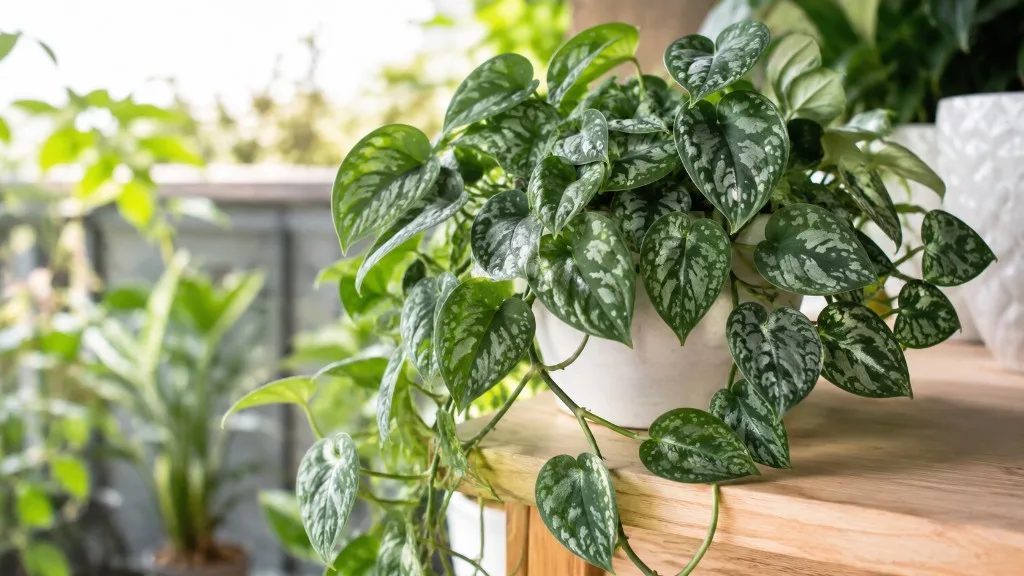
Scindapsus Pictus problems
Use the guides below to diagnose and fix common issues on Scindapsus Pictus. Each problem page explains why it happens on this species and what to do first.
Or use our problem diagnosis tool to narrow down symptoms.
Common problems on Scindapsus Pictus
Brown Tips
LowLikely cause: Low humidity or fluoride in tap water
Quick fix: Use filtered water; occasionally mist
Full fix guide →Leggy Growth
LowLikely cause: Low light
Quick fix: Move to brighter indirect light
Full fix guide →Likely cause: Overwatering or root rot
Quick fix: Check moisture; allow top half to dry before watering
Full fix guide →Aphids
MediumLikely cause: Aphids cluster on soft new Scindapsus Pictus vine tips and leaf undersides, leaving sticky honeydew on satin leaves. First step: isolate the plant and rinse vines thoroughly in the shower before apply
Quick fix: See plant-specific guide for step-by-step fixes.
Full fix guide →Drooping Leaves
MediumLikely cause: Drooping leaves on Scindapsus Pictus mean the vine has lost turgor-most often from underwatering (light dry pot) or overwatering (wet soil, firm stems going soft). First step: lift the pot and probe m
Quick fix: See plant-specific guide for step-by-step fixes.
Full fix guide →Fungus Gnats
MediumLikely cause: Fungus gnats on Scindapsus Pictus mean the soil surface stays wet too long-common when trailing vines in dim corners get watered on a calendar. First step: stop watering until the top half of the mix
Quick fix: See plant-specific guide for step-by-step fixes.
Full fix guide →Low Humidity
MediumLikely cause: Low humidity on Scindapsus Pictus shows as brown crispy leaf tips and edges on firm trailing vines while soil moisture stays normal. First step: move the plant away from heating vents and raise ambien
Quick fix: See plant-specific guide for step-by-step fixes.
Full fix guide →Mealybugs
MediumLikely cause: Mealybugs on Scindapsus Pictus show up as white cottony clusters tucked into leaf axils along trailing vines-not the plant's normal silver leaf spots. First step: isolate the plant and dab every visib
Quick fix: See plant-specific guide for step-by-step fixes.
Full fix guide →Mold on Soil
MediumLikely cause: White or gray fuzz on Scindapsus Pictus soil is usually harmless saprophytic mold feeding on damp organic mix-not a leaf disease. First step: scrape the top layer, then let the upper half of the pot d
Quick fix: See plant-specific guide for step-by-step fixes.
Full fix guide →Not Enough Light
MediumLikely cause: Not enough light on Scindapsus Pictus shows as long bare vines, dull silver blotches, and slow growth. First step: move the pot to bright indirect light within a few feet of an east or filtered south
Quick fix: See plant-specific guide for step-by-step fixes.
Full fix guide →Overwatering
MediumLikely cause: Overwatering on Scindapsus Pictus shows as yellow lower leaves, limp trailing vines, and mushy stems while soil stays wet. Stop watering immediately, move to brighter indirect light, and let the top h
Quick fix: See plant-specific guide for step-by-step fixes.
Full fix guide →Root Rot
MediumLikely cause: Root rot on Scindapsus Pictus follows chronic overwatering, poor drainage, or an oversized pot. Stop watering, unpot gently, trim mushy roots and soft stems, air-dry cuts 24 hours, then repot into air
Quick fix: See plant-specific guide for step-by-step fixes.
Full fix guide →Slow Growth
MediumLikely cause: Scindapsus Pictus is a naturally slow vine-modest spring and summer growth is normal. When no new tips appear for months, leaves stay small and pale, or internodes stretch, move the plant to brighter
Quick fix: See plant-specific guide for step-by-step fixes.
Full fix guide →Spider Mites
MediumLikely cause: Spider mites on Scindapsus Pictus show as pale stippling on satin leaves and fine webbing at vine nodes-often in winter dry air. First step: isolate the plant and rinse every leaf underside with lukew
Quick fix: See plant-specific guide for step-by-step fixes.
Full fix guide →Underwatering
MediumLikely cause: Underwatering on Scindapsus Pictus shows as inward-curling satin leaves, limp trailing vines, and bone-dry soil that may pull from the pot rim. First step: water thoroughly until excess drains, then r
Quick fix: See plant-specific guide for step-by-step fixes.
Full fix guide →Wilting
MediumLikely cause: Wilting on Scindapsus Pictus is not fixed by watering on autopilot. Probe soil moisture at 4–5 cm (1.5–2 in.) depth and lift the pot first-dry light mix usually means thirst; wet heavy mix with limp v
Quick fix: See plant-specific guide for step-by-step fixes.
Full fix guide →