How to Grow and Care for Winter Rye Grass
Grow winter rye grass successfully with a frost-based planting window, small-bed seeding math, low-input care, and a spring termination plan.
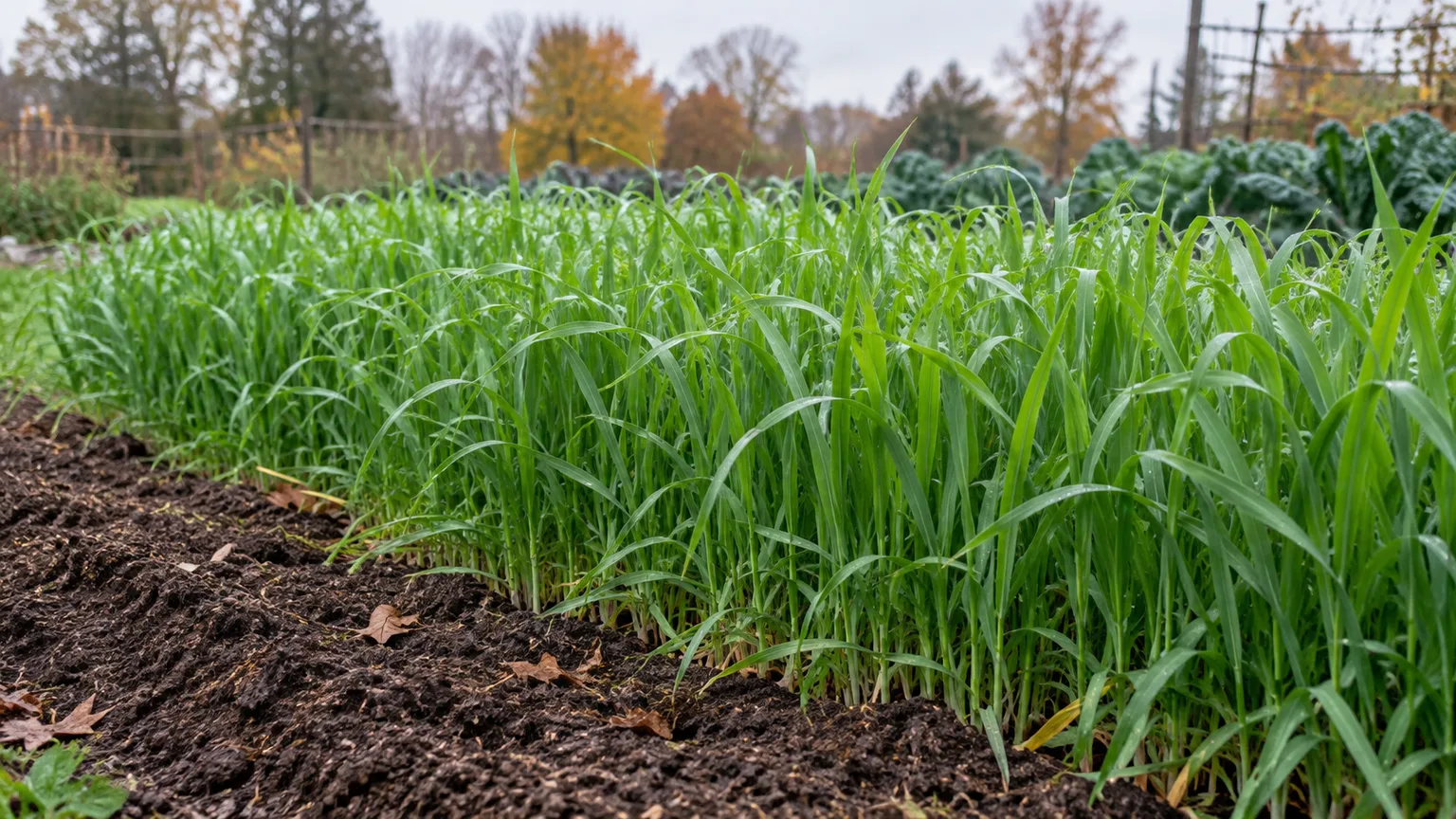
Winter rye is best grown as a temporary cover crop, not as a lawn. Also called cereal rye or Secale cereale, it is a winter annual grain that puts down living roots after the main garden crop is finished, protects bare soil through cold weather, and produces spring biomass that you can cut or incorporate as green manure.
The growing part is easy. The important work is choosing the right seed, sowing while the soil can still support establishment, and deciding how you will terminate the stand before it matures. A useful rye crop is timed to the next crop; an unmanaged one can reseed, consume spring moisture, delay planting, or leave carbon-rich residue that temporarily ties up nitrogen.
What Winter Rye Is and What It Is Not
Winter rye is a cool-season cereal grain with narrow leaves, a fibrous root system, and a strong tendency to tiller. It can germinate at temperatures near 34°F, stays mostly vegetative through winter when established in time, and then grows quickly as spring temperatures rise. Under fertile conditions and late termination, it can reach several feet tall and produce a heavy mat of residue.
That growth habit makes it useful wherever a garden bed would otherwise sit bare. Roots hold soil during rain and snow, the canopy competes with winter annual weeds, and the plant captures leftover nutrients that might otherwise move below the root zone. It does not magically manufacture fertility, though: cereal rye scavenges nitrogen rather than fixing atmospheric nitrogen the way a legume such as clover or vetch does.
Penn State Extension’s cereal-rye guide describes cereal rye as a winter annual that survives into very cold regions and performs best in well-drained soil around pH 6.0 to 7.0. Those are useful benchmarks, not a promise that every seed lot will overwinter equally well; planting date, soil moisture, exposure, snow cover, and establishment size all affect survival.
Decide Whether It Fits Your Garden
The right question is not “Is winter rye good?” It is “What job do I need it to do, and can I give it a spring exit?” Rye is a strong choice for an empty vegetable bed, a fallow strip, a new garden area at risk of erosion, or a high-nitrogen bed that needs living roots over winter. It is a poor choice for a container, a bed you must direct-sow with tiny seeds immediately in spring, or a space you cannot reach when growth resumes.
What winter rye does well
Rye earns its space through several overlapping jobs. Its roots and surface residue reduce soil loss, its dense stand shades many winter annual weeds, and its spring biomass can become mulch or organic matter. In a garden that is usually bare from October through April, those benefits can matter more than another application of compost because the soil is protected while the roots remain alive.
The plant is also a useful nitrogen scavenger. If tomatoes, corn, or another heavy feeder left available nitrogen late in the season, rye can take up some of it and hold it in plant tissue. That is a conservation benefit, but the nutrient is not immediately released to the next crop; it returns as the residue decomposes.
Where winter rye creates extra work
Rye’s vigor is both its advantage and its warning label. The spring stand can grow faster than a busy gardener expects, especially after an early sowing and a mild winter. Mature stems are harder to cut, the residue breaks down slowly, and the plant can use significant soil moisture just when spring vegetables are establishing.
There is also a timing trade-off. Delaying termination generally creates more biomass and mulch, while earlier termination gives the soil more time to warm and the residue more time to soften. If the following crop is a small-seeded direct sowing such as carrots, lettuce, beets, or dill, plan a gap after termination rather than treating rye like a finished mulch that can be seeded into immediately.
Rye is not a good “scatter it and forget it” crop. A neglected stand can make mature seed, and volunteer plants can appear in later beds. Before sowing, put the spring termination date on your calendar and decide whether you will mow, chop, tarp, till, or use a locally registered chemical option.
Choose the Right Seed Before You Sow
Buy seed labeled winter rye, cereal rye, or Secale cereale. A seed bag that says only “ryegrass” may contain a different plant with a different winter habit and a different management plan. Choose cleaned, tested seed with a germination percentage and, when available, information about the variety or seed lot. This reduces the chance that poor emergence is caused by old seed or unwanted weed seed.
Cereal rye versus annual and perennial ryegrass
Cereal rye is a grain crop grown for soil cover, forage, grain, straw, or green manure. Annual ryegrass (Lolium multiflorum) is a separate forage and temporary turf grass, while perennial ryegrass (Lolium perenne) is primarily used for permanent or cool-season turf. Annual ryegrass may be useful in some systems, but it is not a substitute for cereal rye when your goal is a winter-hardy grain cover crop with substantial spring residue.
The distinction also matters at the garden center. Cereal rye seed often looks like a grain seed and may be sold through farm or agricultural suppliers rather than the lawn-seed aisle. Do not choose a turf mix because the common name sounds similar; you may end up with a stand that is less suited to your frost window, termination method, or desired biomass.
Time Planting From Your First Frost and Spring Plan
Use your local expected hard-frost date as the starting point, then work backward. For a reliable home-garden target, sow roughly six weeks before the ground is likely to experience a killing frost. That gives seed time to absorb water, emerge, and build enough roots and leaf area to hold the soil. Earlier sowing usually creates more fall cover; later sowing may still produce a spring stand but often contributes little protection during winter.
The calendar shifts with climate. Penn State Extension gives a September-to-late-October window for its region, while University of Minnesota Extension reports that cereal rye can be sown later in Minnesota but that earlier September dates produced more spring biomass than an October sowing in a field trial. The practical takeaway is consistent: plant as soon as the previous crop is out and the seedbed is ready, especially if you want spring mulch rather than merely living roots.
If you are sowing after a summer vegetable crop, remove the crop before it becomes a barrier to seed-to-soil contact. If the bed opens late, sow anyway when moisture and soil conditions are workable, but lower your expectation. A late stand may germinate and overwinter without making a thick fall carpet; increasing seed quantity cannot fully replace the growing time it missed.
Do not plant solely by a “four weeks before frost” rule if the site is shaded, dry, or exposed. A sunny, moist bed may establish quickly; a dry bed beneath tree roots may not. The best window is the overlap between enough warm soil for emergence, enough time before hard frost for roots to anchor, and enough spring time for you to terminate the stand before the next crop needs the bed.
Prepare and Sow the Seedbed
Clear old vegetable stems and large weeds, then make the surface reasonably even. You do not need a perfect seedbed, but you do need consistent contact between seed and soil. Concentrated bands of crop residue can leave bare streaks, and large clods can leave seed suspended where it dries before germinating.
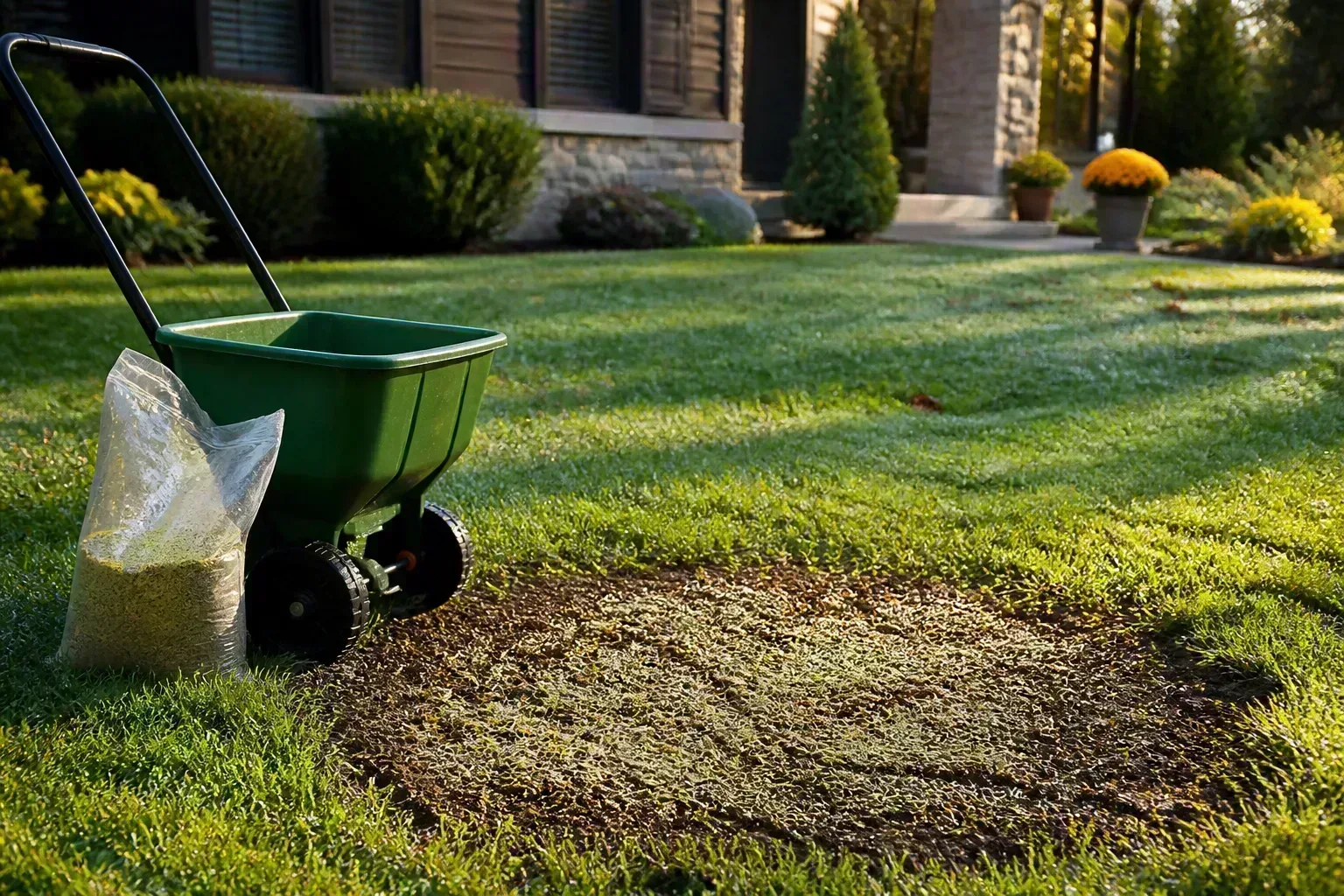
For a drilled planting, place cereal rye about 1 to 1.5 inches deep. If the soil is unusually dry, a depth closer to 2 inches can help, but do not bury seed deeply in cold, wet soil. For a small bed, broadcasting followed by light raking is often simpler; rake the seed into the upper half-inch of soil, firm the surface, and water once if rain is not expected.
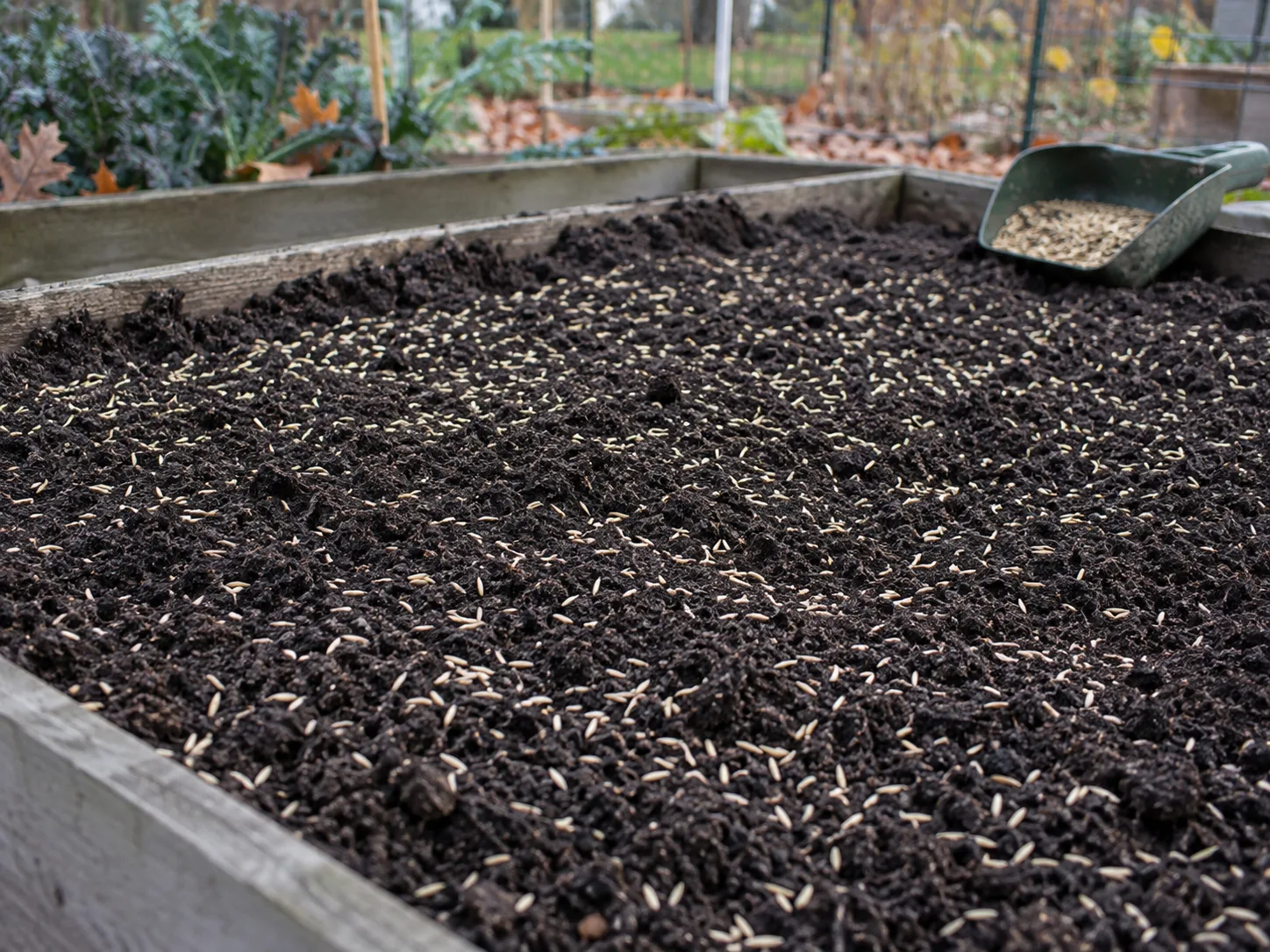
Broadcast a small garden bed
Penn State Extension’s seeding-rate research lists a broad cereal-rye range of 30 to 120 pounds per acre because the correct rate depends on the goal, planting method, and timing. For a home garden focused on ground cover and weed suppression, a useful starting range is 45 to 90 pounds per acre, which is about 1 to 2 pounds per 1,000 square feet.
That conversion makes a small bed easier to measure. A 4-by-8-foot bed is 32 square feet, so start with roughly 0.5 to 1 ounce of seed—about 15 to 30 grams—then adjust toward the higher end for a late sowing, exposed site, or a priority on fast ground cover. Split the seed into two batches and broadcast in crossing directions for a more even stand.
Lightly rake after broadcasting, then press the surface with the back of a rake or a board. You are not trying to compact the bed; you are removing air gaps around the seed. Water slowly enough that the seed does not wash into the low side of the bed. Keep the top layer damp until seedlings appear, especially if a warm, dry spell follows sowing.
Adjust the rate for late or uneven conditions
Use more care, not just more seed, when conditions are marginal. Penn State’s research notes that seed lots vary widely in seed size, so two bags measured by pounds can contain different numbers of seeds. If the package provides germination information, use it; calibrate a spreader or measure a test area instead of trusting the dial.
Increasing the rate can improve initial ground cover, but it cannot create the spring biomass that an early planting would have produced. For a very late sowing, prioritize even contact and moisture, and consider whether a winter-killing crop or a simple mulch would better match your spring schedule. In a mixture, reduce the cereal-rye rate so it does not dominate companion species; rye is especially competitive once spring growth starts.
Care for Winter Rye Through Fall and Winter
After emergence, care is light. Watch the bed during the first two weeks and water only when rain does not keep the seed zone moist. Once the stand is rooted and growing, average rainfall is usually enough for an outdoor bed. Do not set a lawn-style irrigation schedule; shallow, frequent watering encourages surface roots and adds unnecessary work.
Full sun gives rye the strongest stand. It can tolerate a range of soils, including some clay, but standing water and severe compaction work against establishment. If the bed stays wet after rain, solve drainage or choose a different cover crop before trying to compensate with fertilizer.
Weed the bed before sowing rather than planning to weed through a dense rye stand. A healthy rye canopy will compete with many winter annuals, but it is not a herbicide and it will not erase perennial weeds, a heavy seedbank, or weeds that emerge in gaps. Mow edges and remove mature weeds before they add seed to the bed.
During winter the foliage may flatten, discolor slightly, or stop growing without being dead. Test the crown and roots rather than judging the whole stand by leaf color. A stand that is thin in fall can still green up in spring, but bare patches may need a different spring plan because late overseeding into established rye is usually a competition problem.
Feed Only When the Soil or Stand Justifies It
Most home-garden cereal rye does not need fertilizer. The crop’s value often comes from collecting leftover nitrogen, and adding more can encourage tall, weak growth that lodges before you are ready to terminate it. Apply compost or fertilizer based on a soil test and the next crop’s needs, not because the cover crop looks like it should be fed.
There is one useful exception: a late stand following a heavy nitrogen feeder may benefit from a modest, soil-test-based nutrient correction if the soil is genuinely deficient. Penn State Extension notes that a small nitrogen application can help rye establish after a heavy feeder, but routine feeding is generally not economical. In a raised bed, the safest home-garden version is to let the next crop’s fertility plan—not the rye—drive any amendment decision.
The more important fertility decision comes at termination. Young rye residue has a lower carbon-to-nitrogen ratio and breaks down more readily. As the stand moves toward heading and anthesis, the residue becomes more carbon-rich; microbes may temporarily use soil nitrogen while decomposing it. That can make a following heavy feeder look pale even though the soil contains nitrogen that is temporarily unavailable.
If you need to plant corn or another hungry crop soon after a mature stand, account for that residue in your soil-test and nutrient plan. Do not apply a large dose blindly. If you need a fast-turning green manure, terminate earlier, chop the residue finely, and allow time for it to start breaking down.
Read the Stand Before Spring Termination
Walk the bed as soon as spring growth restarts. Look at four things: the stand’s height, whether seed heads are forming, how wet the soil is, and when the next crop must go in. These observations are more useful than a fixed date because a rye stand sown in August can be far ahead of one sown in late October.
Early spring is the simplest termination window for most home beds. Cutting while the stand is still leafy or just entering the boot stage gives less mulch but reduces the chance of mature seed, slows residue-related nitrogen tie-up, and leaves more time for the soil to warm. If you want maximum weed-suppressing mulch, you can allow more growth, but only if you have a cutting or crimping plan ready.
Scout while you decide. Chewed leaves, lodging, rust-colored pustules, smut, or darkened seed structures can signal pest or disease issues. Dense growth and wet spring weather raise the risk of poor air movement. A cover crop intended for soil protection is not automatically suitable for grain or animal feed; never feed a questionable stand to livestock, and ask your local extension office about a serious outbreak or unusual seedhead symptom.
Terminate Winter Rye Without Creating a New Problem
Terminate before seeds mature and harden. The right method depends on your scale, equipment, next crop, and tolerance for residue. A small bed usually needs a sharp mower, string trimmer, shears, hoe, or opaque tarp—not a farm-scale chemical program.
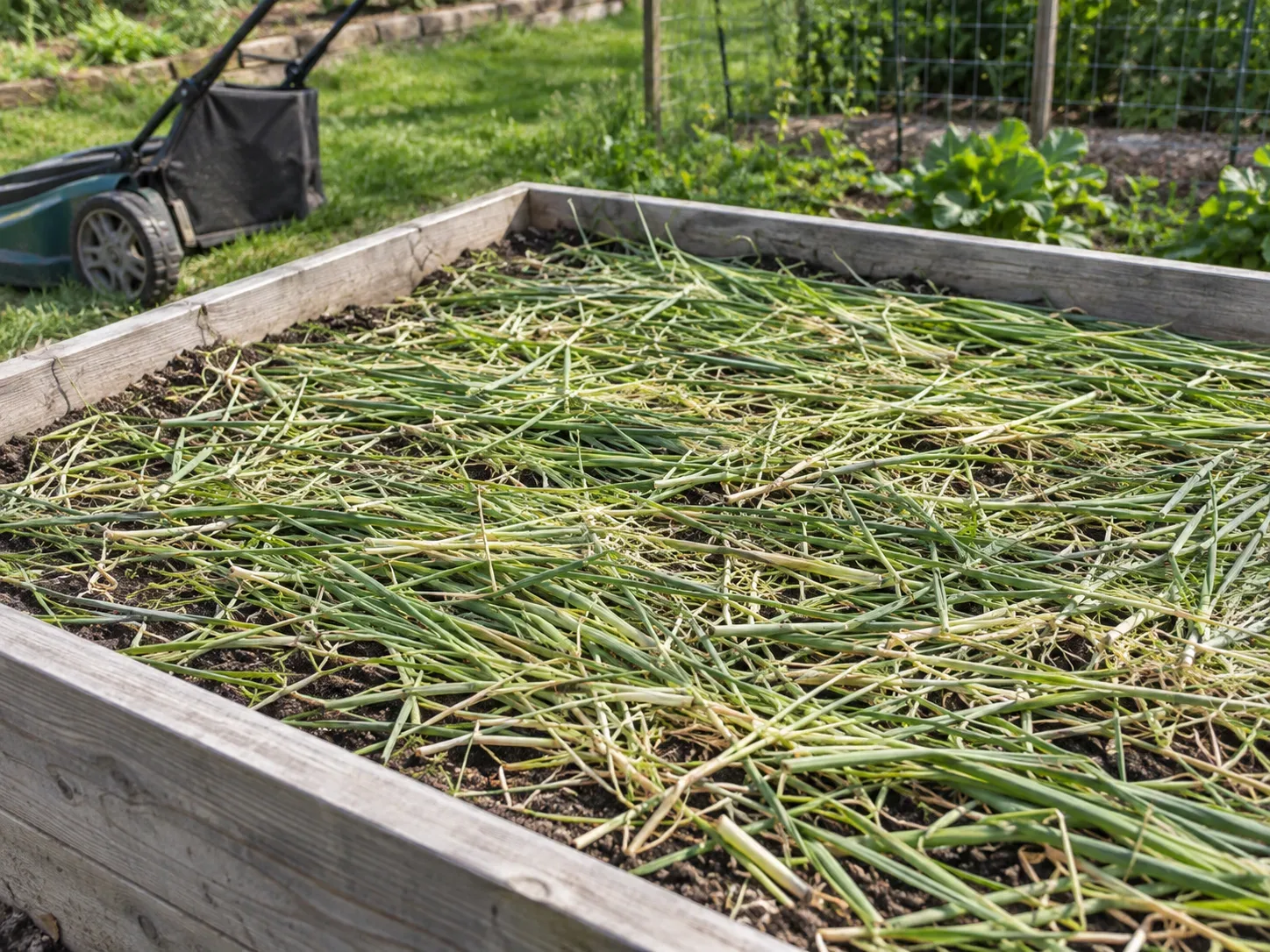
The University of Minnesota Extension cover-crop trial found that delaying termination increased cereal-rye biomass within a seeding date, but a late fall sowing did not catch up. That is the central management trade-off: more spring growth can mean more mulch and weed suppression, but it also means more difficult cutting, more water use, and a tighter planting window.
Mowing and tarping for a small garden
For a 4-by-8-foot bed, cut the rye low and spread the stems across the surface rather than leaving a tall pile in one corner. A string trimmer or sickle can handle a small stand; a mower works when the bed is accessible and the stems are not too tall. Cut before seed maturity, then inspect the crowns a week later. If green shoots are still rising, cut again or cover the bed.
An opaque tarp is a useful backup after mowing. Cover the bed tightly enough to block light, weigh the edges so wind cannot lift it, and leave it in place for roughly two to four weeks while the cut rye dies and begins to soften. Bootstrap Farmer’s cover-crop guidance describes tarping as a way to finish rye that regrows after mowing and to help exhaust light-sensitive weeds.
Tarping is not automatically better than cutting alone. It can heat or cool the soil depending on the material and weather, exclude rainfall, and delay access if you need to plant. Remove it, check that the crown is dead, and open a planting pocket rather than assuming a brown top means the whole plant is finished.
Tillage, crimping, and chemical options
Tillage is practical when the bed is large enough to justify a cultivator or garden tiller and when you want bare soil to warm quickly. Chop tall rye first so the tiller does not wrap, then work the residue into the upper soil. The trade-off is that tillage sacrifices the surface mulch that would otherwise protect moisture and reduce erosion.
Roll-crimping is better suited to a tall, high-biomass stand and a reduced-tillage system. It works best after the rye has reached anthesis, when the stems are less able to recover; crimping too early may flatten the crop temporarily without killing it. That later timing also raises the residue and nitrogen-management challenges, so it is rarely the easiest first method for a home garden.
Chemical burndown is used in agricultural systems, but do not copy a farm rate into a vegetable bed. Product registrations, pre-plant intervals, personal-protective requirements, and permitted uses vary by country and state. If you choose a pesticide, read the current label and local extension guidance; a mechanical or tarp method is often simpler for a small garden.
Plant the Next Crop Through or After the Residue
Plan the following crop before termination because the best rye exit changes with planting method. A dead, finely cut layer can protect transplants from soil splash and reduce weeds, but a thick mat can keep soil cool and make it harder for small seeds to reach moist soil. Rootiva Garden’s small-bed cover-crop workflow recommends allowing cut material time to begin breaking down before planting and treats mowing, tarping, and chop-and-drop as separate choices for home-scale beds.
For tomato, pepper, squash, cucumber, or other transplants, clear a planting pocket through fully terminated residue and make sure the soil beneath is workable. A transplant has a head start over a seed, but it still needs contact with moist soil and enough warmth. If the bed is cold and wet, removing some mulch from the row can help it warm.
For direct-sown carrots, lettuce, beets, spinach, or other small-seeded crops, wait about two to three weeks after termination when practical. Rye residue and living roots can temporarily suppress germination, and the effect is more noticeable in a heavy, fresh stand. If your planting date cannot move, terminate earlier, remove the thickest residue from the seed row, and sow into a clean, shallowly prepared strip.
Leave some surface residue when erosion or moisture conservation is the reason you planted rye. The goal is not to turn every benefit into a perfectly bare bed. Keep the residue off the crown of a transplant, avoid burying a dense layer too deeply, and watch moisture: mulch can conserve water in a dry spring but keep a wet bed slow to warm.
Prevent Reseeding and Troubleshoot Failures
The most common rye failure is not poor germination; it is missing the termination window. If seed heads are still green and soft, mow or chop immediately and remove any mature heads from the bed. If seed has already hardened, do not spread the cut heads around as mulch. Bag or remove them where practical, and monitor the bed for volunteers in the following season.
If the stand is thin, diagnose in this order: seed label and viability, seed-to-soil contact, moisture during germination, sowing date, and weed competition. Patchy bands often point to residue or spreader coverage, while an entire weak bed suggests dry soil, deep burial, poor seed, shade, or a planting date too late for fall growth. Reseeding a thin spring stand usually adds competition without solving the underlying timing problem.
If rye is tall and difficult to cut, divide the bed into manageable sections and cut before attempting to till. If it regrows after mowing, use a second cut or an opaque tarp. If the soil is too wet to work, avoid driving or tilling across it; wait for a workable surface, because compaction can undo the structure benefits the cover crop was meant to support.
If the next crop is pale or slow after a mature rye stand, look at residue thickness, soil temperature, moisture, and nitrogen availability together. Pull residue back from the planting row, check the soil with a test rather than guessing, and give the crop time to establish. The answer is not always more fertilizer: a cold root zone or a mat that blocks seed contact can be the real constraint.
Conclusion: Grow Rye as a Timed Soil Tool
Winter rye grass succeeds when you treat it as a scheduled soil-management crop. Buy cereal rye seed, sow it into a prepared and moist bed about six weeks before hard frost when possible, and use a measured rate that fits your space. Once established, it usually needs little attention beyond a quick winter check and a spring walk-through.
The decisive step is termination. Cut, tarp, till, or crimp the stand before seed matures, then match the residue to the next crop: more mulch for erosion and moisture protection, a cleaner and earlier bed for small direct-sown seeds. Rye can protect soil, suppress weeds, and capture leftover nutrients, but those benefits only carry forward when you plan its exit as carefully as its entry.