Are Eggshells Good for Your Garden? The Truth
Eggshells can add slow-release calcium, but they are not a cure-all. Learn when to test soil, how to prepare shells, and which garden uses make sense.
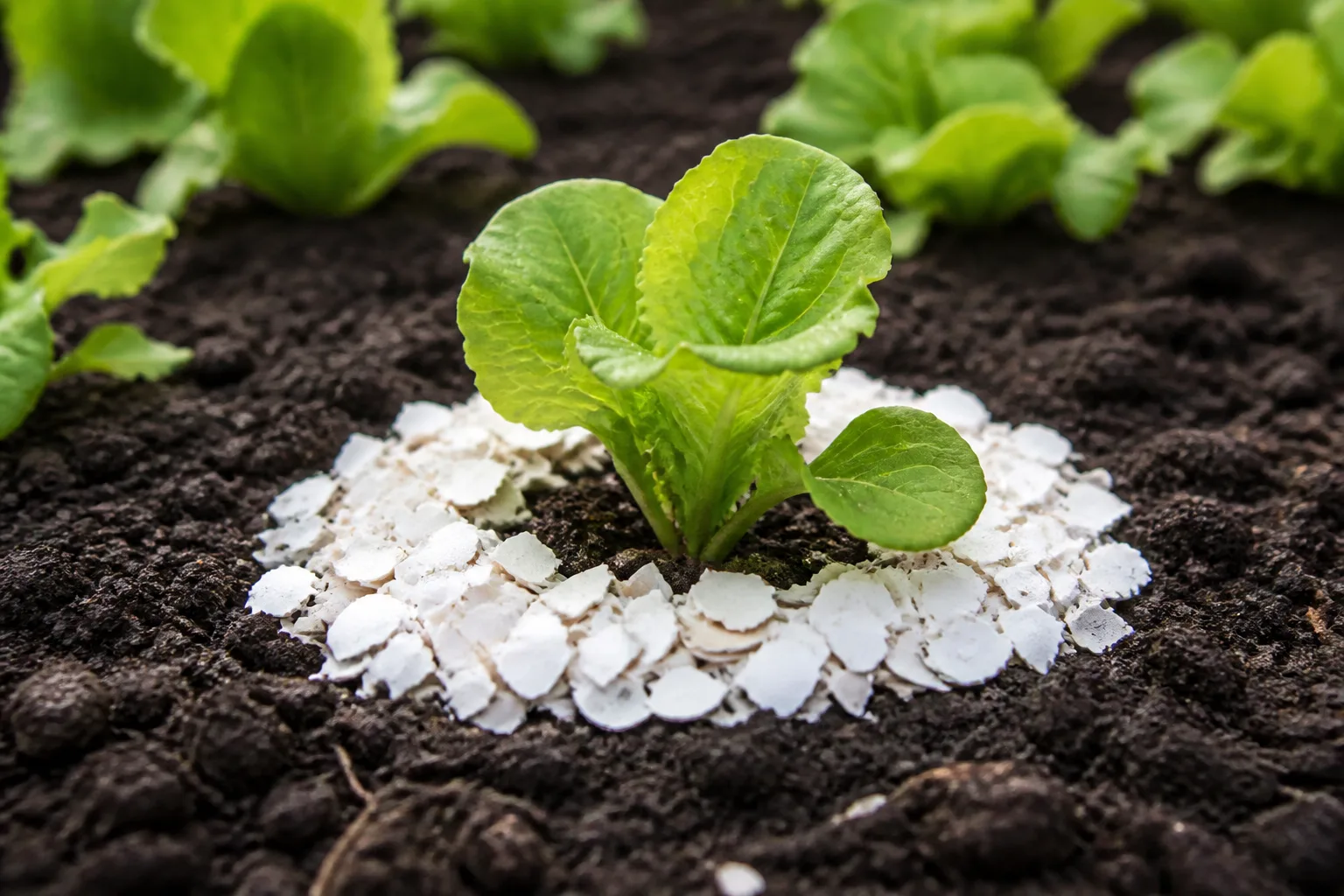
Eggshells can be useful in a garden, but they are not a complete fertilizer and they are not a magic fix for tomatoes, slugs, or tired soil. Their main contribution is calcium carbonate, delivered slowly; whether that helps depends on your soil test, the plant you are growing, and whether the plant can actually take up water and nutrients.
For most home gardeners, the sensible default is simple: rinse away egg residue, dry the shells, grind them if you want them to break down sooner, and add a modest amount to compost. Apply shells directly to a bed only when a soil test or a known soil problem gives you a reason. If a tomato has a black spot on its blossom end, stabilize moisture and inspect roots before reaching for calcium.
The short answer: helpful as a slow calcium amendment, not a cure-all
Eggshells are worth saving when you already compost or want a small, low-cost source of calcium carbonate. They can eventually add calcium to soil and contribute a little grit to a worm bin, but they will not replace nitrogen-rich fertilizer, finished compost, good drainage, or a test-guided soil amendment.
The deciding question is not “Do eggshells contain calcium?” They do. The better question is “Is calcium the thing this soil and plant are missing, and will the calcium become available quickly enough to matter?” A handful of shell fragments in a garden bed may still be visible long after the season has ended, so the effect is usually slow and modest unless the material is finely ground.
That distinction matters for a gardener trying to correct a visible problem. A useful amendment improves the root environment over time; it does not automatically reverse damage that has already formed on a fruit or leaf.
What eggshells actually contribute
Calcium carbonate is the main useful material
The rigid part of a chicken eggshell is mostly calcium carbonate, the same broad mineral family found in agricultural lime. Calcium helps plants build and stabilize cell walls, especially in actively growing tissues, while carbonate can push soil chemistry in a less acidic direction as it dissolves.
That does not make eggshells a fast fertilizer. Calcium carbonate is not highly soluble in plain water, and shell pieces expose very little surface area to soil moisture. A shell ground to a fine powder reacts sooner than a shell crushed into flakes because many more surfaces are available for moisture and soil organisms to work on.
In a small 2024 UGA Extension demonstration, a Master Gardener compared roughly equal additions of crumbled shells, ground shells, and eggshell tea in depleted potting soil. After about two weeks, the ground-shell treatment produced the largest measured increase in soil calcium, while the tea produced the smallest; the test is useful for comparing forms, not for setting a universal garden dose. (UGA Extension)
What eggshells do not provide
Eggshells are not a balanced plant food. They contain little of the nitrogen, phosphorus, and potassium that drive leafy growth, roots, flowering, and fruit production, and the amount of trace minerals is not predictable enough to use as a micronutrient program.
They also do not create organic matter simply because they came from the kitchen. A shell can be a useful compost ingredient, but its role is mineral and structural; the carbon-rich leaves, shredded stems, and other compost ingredients do the work of building humus. If your soil is compacted, adding a few shells will not fix its structure.
Think of shells as a narrow tool. They may fill a calcium or mild acidity-management gap, but they cannot compensate for a missing soil test, poor irrigation, a depleted fertilizer program, or a bed with little organic matter.
Decide with a soil test before adding them
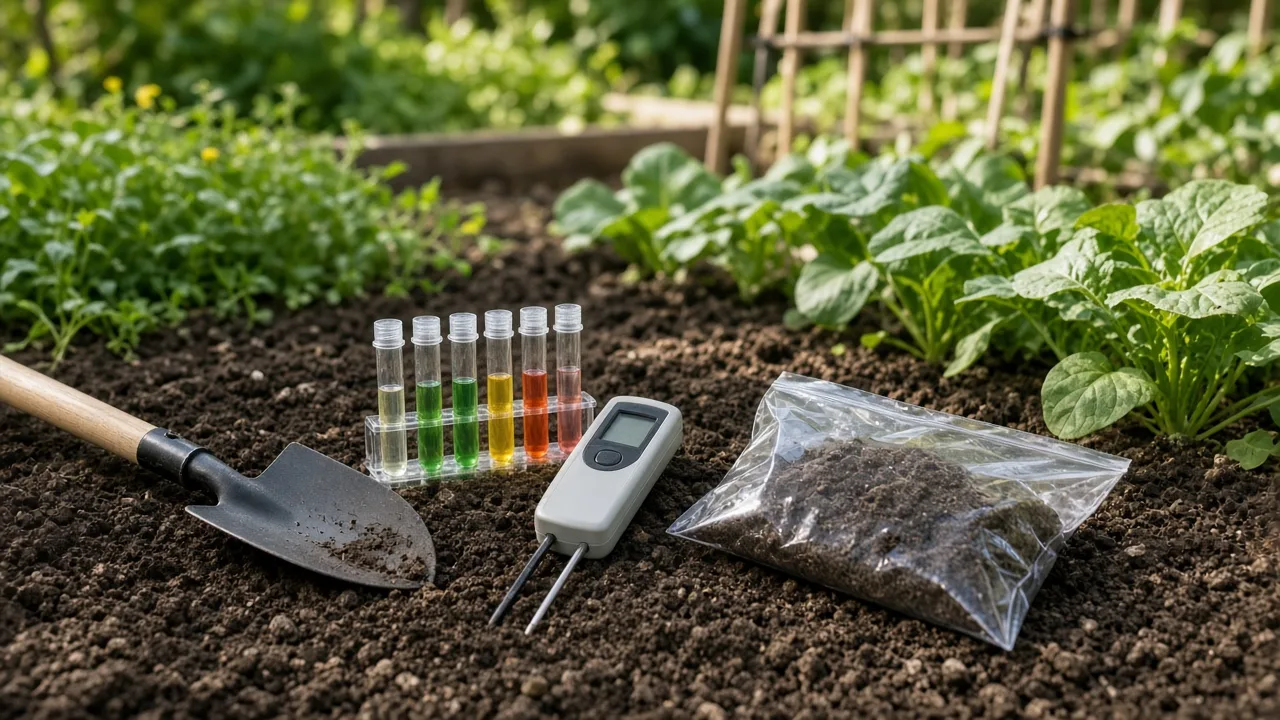
The most reliable way to decide whether eggshells belong in a planting bed is to test the soil first. A lab report can show pH and available calcium alongside phosphorus, potassium, magnesium, and other measurements; looking at those together is far more useful than guessing from a plant symptom.
If calcium is already adequate and pH is where your crop needs it, adding more is unlikely to improve growth. If pH is already high, calcium carbonate may move the soil farther from the conditions your plants prefer. A test also keeps you from treating a water-management problem as a nutrient deficiency.
Read pH, calcium, and texture together
A soil test is not just a yes-or-no calcium report. Pair the chemistry with the way the bed behaves after rain and during hot weather. A sandy bed may drain quickly and need more frequent watering, while a compacted clay bed may stay wet near the roots even when the surface looks dry; both situations can cause poor nutrient uptake for different reasons.
For tomatoes, UGA Extension describes a slightly acidic target around pH 6 to 6.5 and notes that the fineness of the shell powder and the existing pH affect availability. That is a planning range, not a command to add shells: follow the recommendation on your local lab report rather than trying to steer pH with kitchen waste. (UGA Extension)
Use this quick decision rule:
| What the test and bed show | Better choice |
|---|---|
| Calcium adequate, pH suitable | Skip direct shells; compost them if you want to reuse them |
| Calcium low and pH needs a small upward shift | Ask the lab whether finely ground eggshells or a measured lime product fits |
| pH already high or crop needs acidic soil | Do not add eggshell powder |
| No test, but you want to reuse scraps | Add clean, dry shells to balanced compost rather than dosing a plant |
| Tomato has blossom-end damage | Check moisture, roots, and fertilizer history before adding calcium |
Choose the right use for your garden
Compost: the best low-risk default
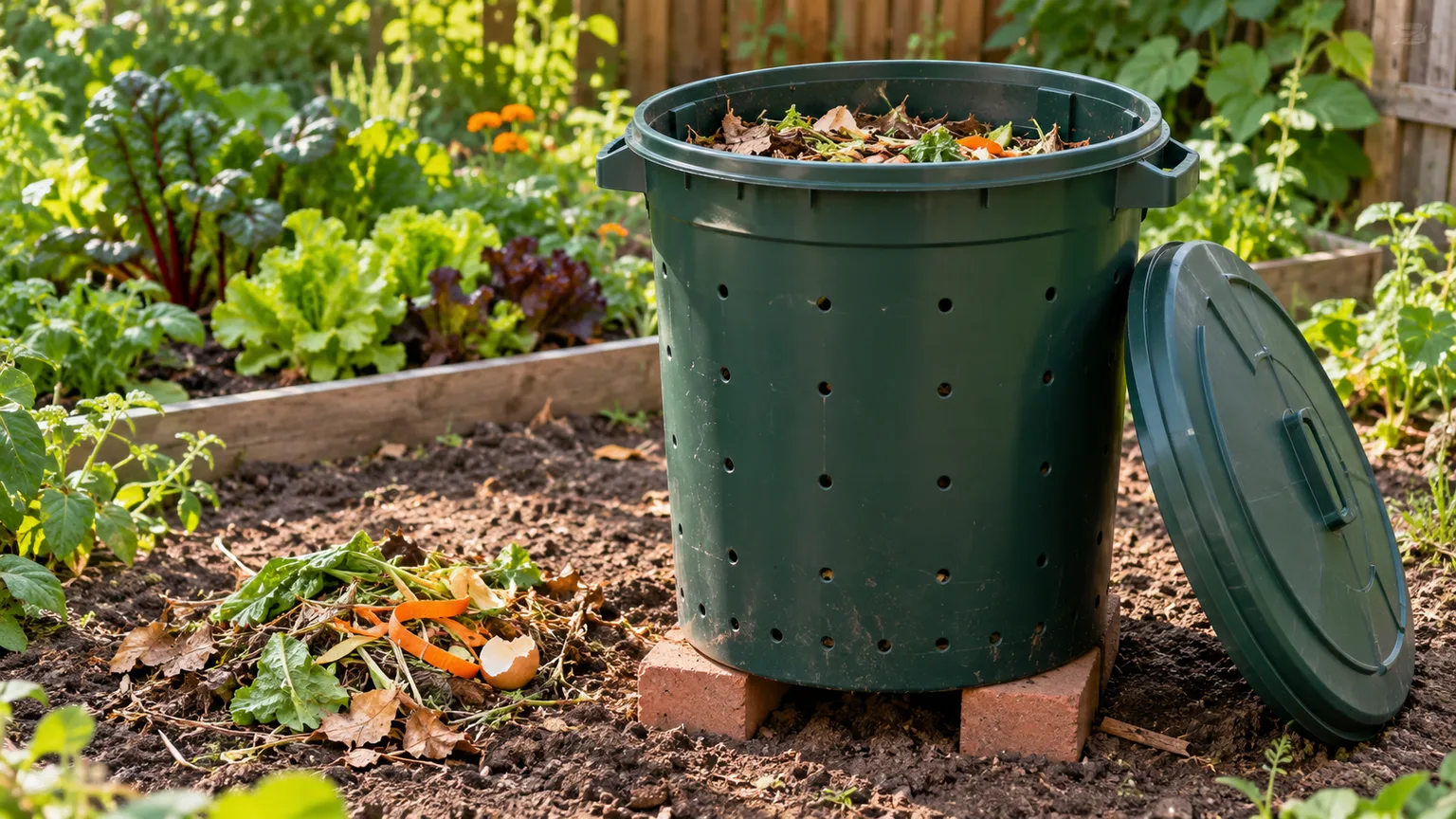
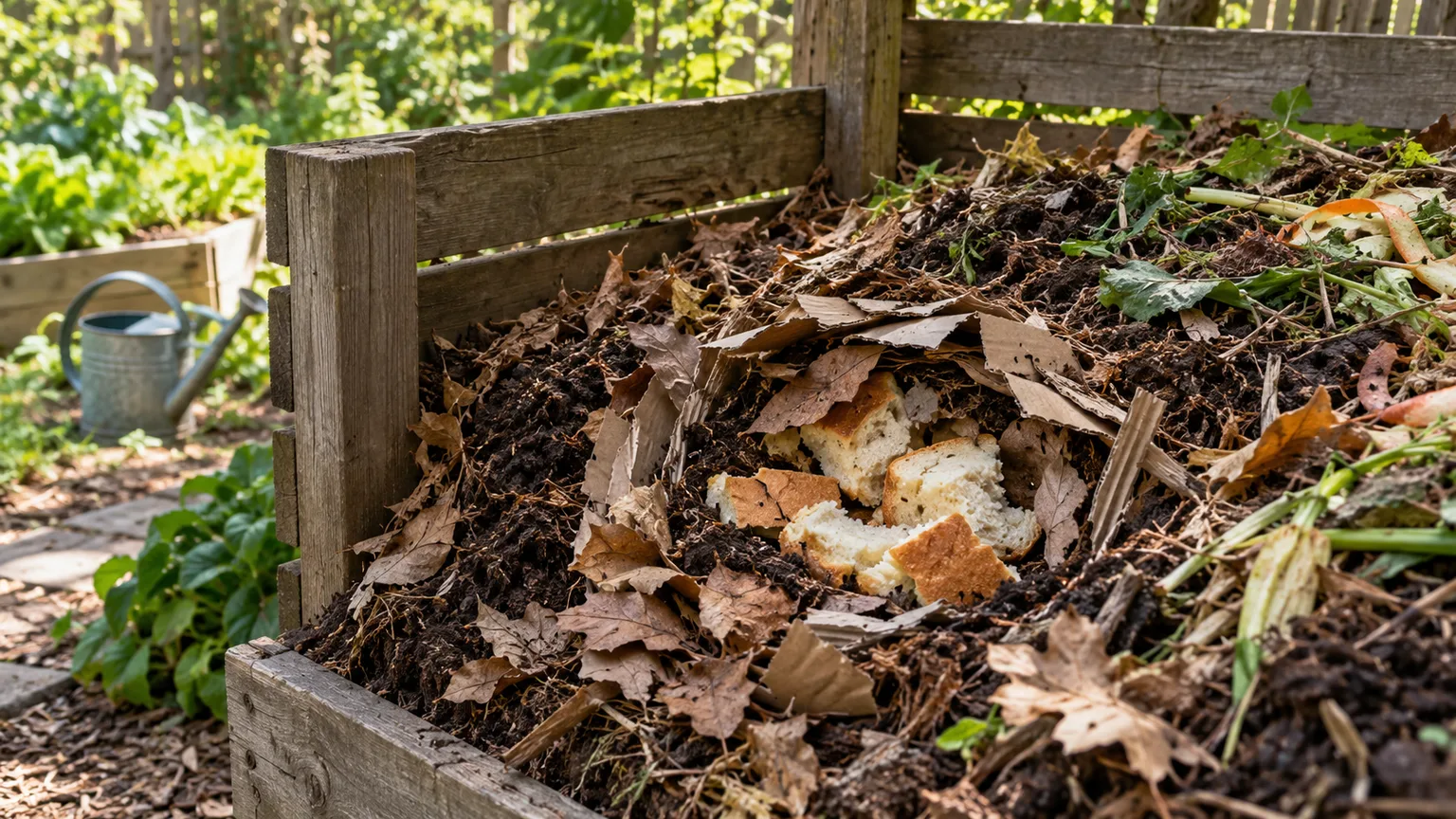
Composting is the best destination for eggshells when you have not tested the soil or do not need a targeted calcium amendment. Rinsed, dry shells can go into a normal aerobic compost pile, where they will eventually mix with the finished material even if small white flecks remain.
Grinding is optional for the biology of the pile but helpful for the finished texture and speed. Whole shells can remain recognizable for months because the pile does not dissolve mineral surfaces instantly; powder disappears into the mix more evenly. Add shells alongside a balanced mix of moist nitrogen-rich scraps and dry carbon-rich material rather than treating them as the main compost ingredient.
Do not add whole raw eggs just because you are saving shells. Egg residue can smell, attract flies, or tempt rodents, while a rinsed shell has much less appeal. Turn the pile, let the finished compost cure, and use ordinary food-safety habits: wash hands after handling scraps and avoid scattering dusty powder on windy days.
Soil amendment: grind, measure, and mix
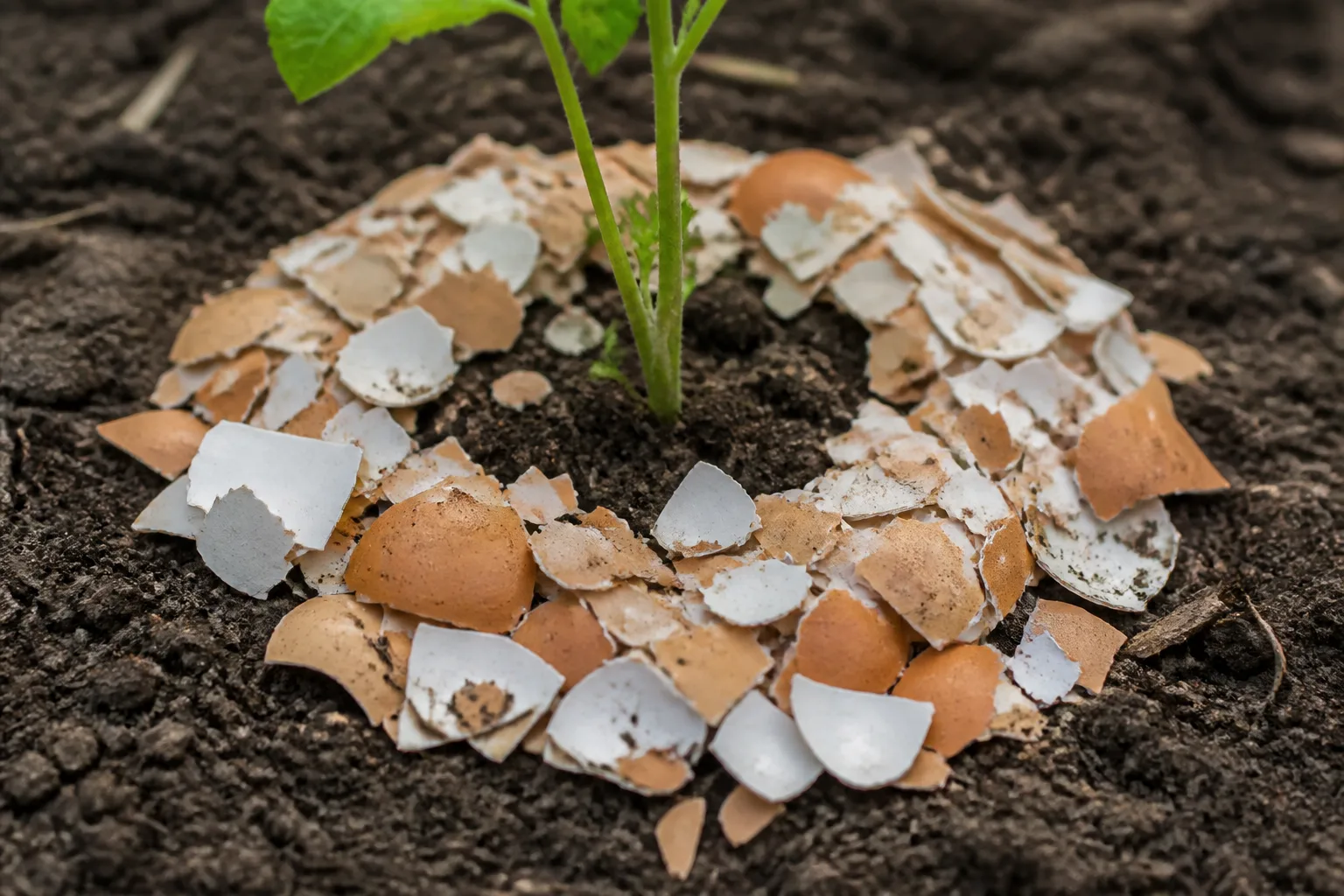
Direct application makes sense when a soil test identifies a calcium need and the crop can tolerate the pH direction of calcium carbonate. Clean the shells, dry them completely, grind them to a powder, and mix that powder into the root-zone soil rather than leaving a conspicuous ring on the surface.
The finer the powder, the faster it can participate in soil reactions, but faster is not always better. A large dose of a very fine material is harder to undo than a small amount of coarser shell, especially in a container or a raised bed with limited soil volume. Use the rate recommended by your soil lab; if you do not have one, do not invent a heavy “handful per plant” routine.
For a new bed, incorporate test-recommended amendments before planting and mix them evenly. For an established crop, avoid digging deeply around stems, because cutting fine feeder roots can create the very uptake problem you are trying to prevent. A light surface application followed by irrigation is often less disruptive, but the lab’s instructions should control.
Seedlings and worm bins: limited but sensible uses
Ground eggshells can provide grit in a vermicomposting bin, where earthworms benefit from fine mineral particles as they process food. Keep the amount modest and well mixed; the goal is grit and mineral balance, not a layer of shell powder that changes the bin’s texture or pH.
Starting seeds in half eggshells is a charming reuse project, but it is not a universal seed-starting method. The shell is small, drainage is easy to neglect, and vigorous seedlings such as tomatoes outgrow the space quickly. If you use shells, clean them, make drainage holes, use a clean seed-starting mix, and move the seedling into a proper container before roots circle or the plant becomes cramped.
Treat the shell as a temporary cup, not a guaranteed biodegradable pot. Whole shells break down too slowly to count on roots pushing through them in the garden, so crack the shell or lift the seedling out when transplanting.
How to prepare eggshells safely
Preparation takes three steps: rinse, dry, and grind. Rinsing removes egg white and yolk that can cause odor or attract pests; drying makes the shell brittle and reduces the chance of a damp clump growing mold in a storage jar.
Let cleaned shells air-dry in a single layer, or heat-dry them in a warm oven while you are already using it. A separate sanitation step is not required for the calcium to work, and an oven shortcut should not be treated as a substitute for maintaining a properly managed, cured compost pile. If your household has extra food-safety concerns, compost the shells rather than keeping a jar of raw residue beside food-preparation areas.
Once dry, grind small batches in a dedicated blender, coffee grinder, or mortar and pestle. Avoid breathing the powder and wipe the work surface afterward; a mask is sensible if you are making a large batch. Store the powder only when it is completely dry, in a labeled jar away from children and pets, and do not use a kitchen appliance for food again unless it can be cleaned according to the manufacturer’s instructions.
The useful texture depends on the job:
- Fine powder: fastest shell breakdown; best for a test-guided soil amendment or a smooth compost mix.
- Small flakes: slower release; suitable for compost when you do not need immediate availability.
- Jagged pieces: a short-lived physical material, not a dependable fertilizer or pest barrier.
Eggshell powder vs. crushed pieces vs. eggshell tea
These methods are often presented as interchangeable, but they solve different problems and have different limits.
| Form | What it does best | Main limitation |
|---|---|---|
| Fine powder | Delivers the most contact with soil moisture and breaks down sooner | Easy to overapply; can affect pH in a small root zone |
| Crushed flakes | Reuses shells in compost and releases calcium slowly | Large pieces may still be visible next season |
| Eggshell tea | Provides a small amount of whatever leached into the water | Strength is variable and the solid calcium remains behind |
Eggshell tea is not a standardized fertilizer. Boiling or steeping shells may extract some soluble material, but the concentration depends on the water volume, shell condition, heat, and steeping time. In the UGA comparison, tea changed measured calcium less than ground shells, which is a good reason not to make tea the centerpiece of a nutrient plan. (UGA Extension)
If you enjoy experimenting, use tea only as a low-stakes trial on a test area, not as an automatic biweekly treatment for every pot and bed. Do not assume a weak homemade liquid can repair a calcium-uptake failure overnight, and do not pour it into a container whose pH and nutrient levels are unknown.
Tomatoes and blossom-end rot: fix the root zone first
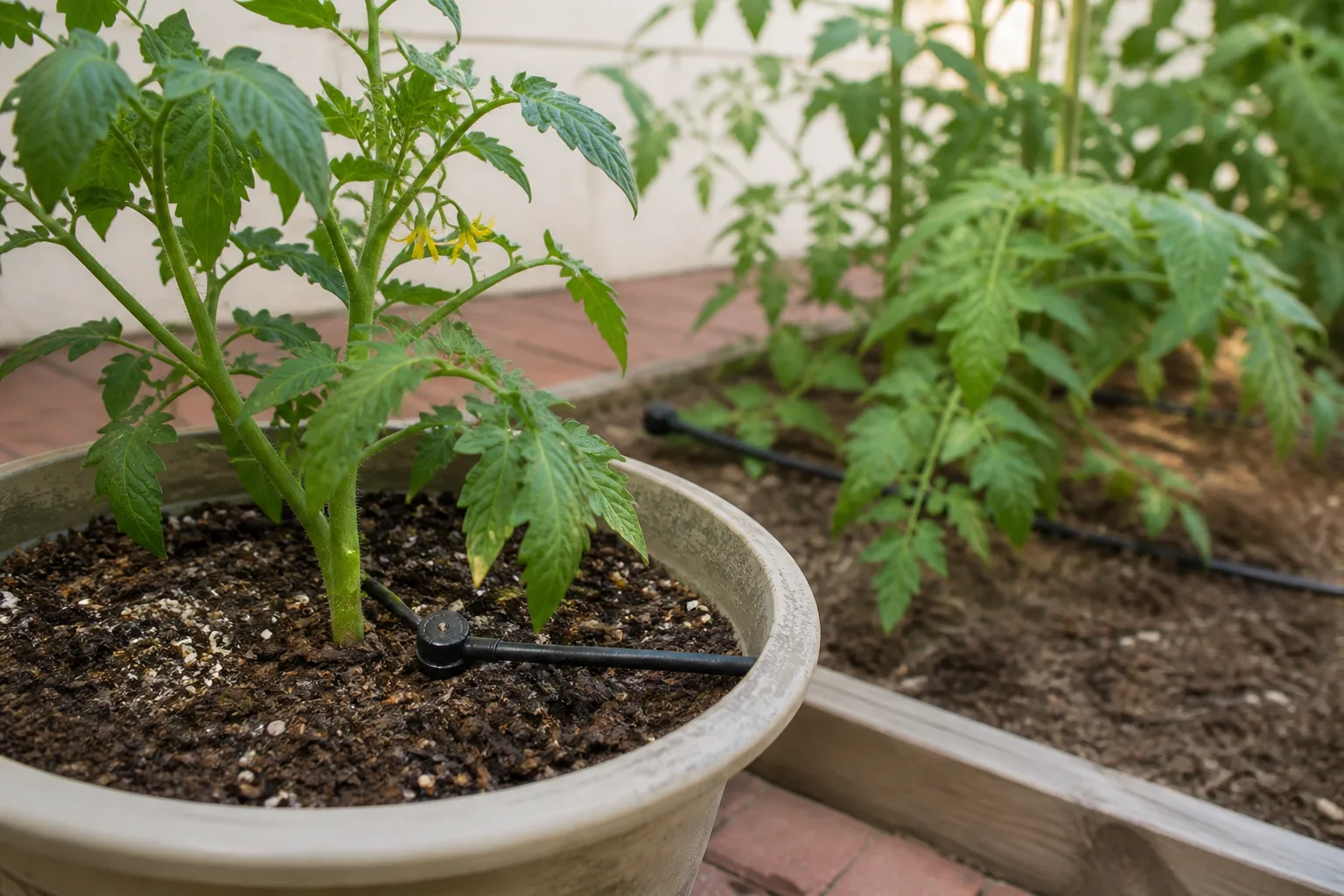
Tomatoes, peppers, eggplants, watermelons, and squash need a reliable supply of calcium while fruit tissue is developing, which is why eggshell advice often appears beside blossom-end rot advice. But blossom-end rot is frequently a calcium-uptake problem, not proof that the soil contains no calcium.
When the root zone swings from dry to saturated, roots may not supply water steadily. Root damage, compacted soil, fertilizer salt buildup, heat, a clogged drip emitter, or excessive nitrogen can also interrupt the movement of water and calcium to the developing fruit. The damaged patch on the blossom end will not heal after you add a powder; the aim is to protect the next flush of fruit.
A 2024 UGA Extension article makes the same distinction: eggshells contain calcium, but blossom-end rot is not always determined by the amount of calcium already sitting in the soil. Bob Vila’s practical review also emphasizes watering problems and root damage as common reasons that tomatoes show the disorder, rather than assuming a calcium amendment is the first response. (UGA Extension) (Bob Vila)
A practical week-one rescue sequence
Start with the plant, not the pantry. Remove fruit with a large, soft, wet, or moldy lesion, then check the soil several inches down and inspect the irrigation line, drainage, and root-zone disturbance from the previous week.
For the next seven days, make moisture steady rather than maximal. Water slowly at the soil line when the root zone begins to dry, pause if the soil is saturated, add a suitable mulch layer without touching the stem, and protect surface roots from hoeing or digging. Containers may need daily checks in hot weather; a deep bed may not.
Next, review the fertilizer label and recent applications. If the plant has been pushed into lush, soft growth by high nitrogen or the soil has accumulated salts, adding more calcium can distract from the real problem. Test the growing medium when practical, especially if multiple plants show symptoms or the problem returns after watering improves.
Only after the soil test supports calcium should you consider finely ground eggshells or a labeled calcium amendment. A measured product recommended by the lab is more predictable than a kitchen dose, while eggshell powder is a slow option suited to long-term soil building rather than emergency treatment.
Why eggshells do not reliably stop slugs
The sharp-shell ring is one of the most persistent eggshell claims, but it is not a dependable slug-control plan. Slugs can cross uneven barriers, move around them, or remain in the moist soil inside the circle, and a thin scattering of shells quickly loses any edge as it settles into the bed.
Gardener’s Path and Rural Sprout both describe the limitation clearly: crushed eggshells may look unpleasant to a gardener’s bare hand, but that does not make them a reliable barrier for a slug. Even if a particular pest hesitates briefly, the method does not tell you whether the population is rising or whether seedlings are still being damaged. (Gardener’s Path) (Rural Sprout)
If slugs are the problem, scout after dark or on cloudy mornings, reduce hiding places near vulnerable seedlings, water in a way that does not keep the surface wet overnight, and use a control method appropriate for your crop and local label directions. For cutworms, a physical stem collar and regular inspection are more direct than scattering kitchen waste. Eggshells can still go into compost; they just should not be sold to yourself as pest management.
When eggshells can create a problem
Eggshells are low-risk when used modestly, but “natural” does not mean chemistry-free. Calcium carbonate trends alkaline, so repeated additions can move a small root zone away from the pH your plants need, especially when a gardener combines shells with lime, wood ash, hard irrigation water, or alkaline potting ingredients.
Be especially cautious around acid-loving crops such as blueberries and other plants that depend on acidic soil. Do not use a shell ring to “sweeten” every bed, and do not apply a large powder dose simply because a fruit has a symptom. If a soil test says calcium and pH are adequate, the most plant-friendly choice is to stop adding it.
Fine powder also creates a handling problem: it can become airborne, cling to wet leaves, and form a hard layer if dumped in one place. Keep it on the soil, mix it evenly when appropriate, and avoid storing a damp jar that can smell or harbor mold.
Finally, do not confuse a visible piece of shell with a failed compost pile. Shells are mineral material and can linger after leaves and food scraps have broken down. Sift the finished compost if appearance matters, or grind the shells before adding them next time.
Do not use eggshells in indoor pots by default
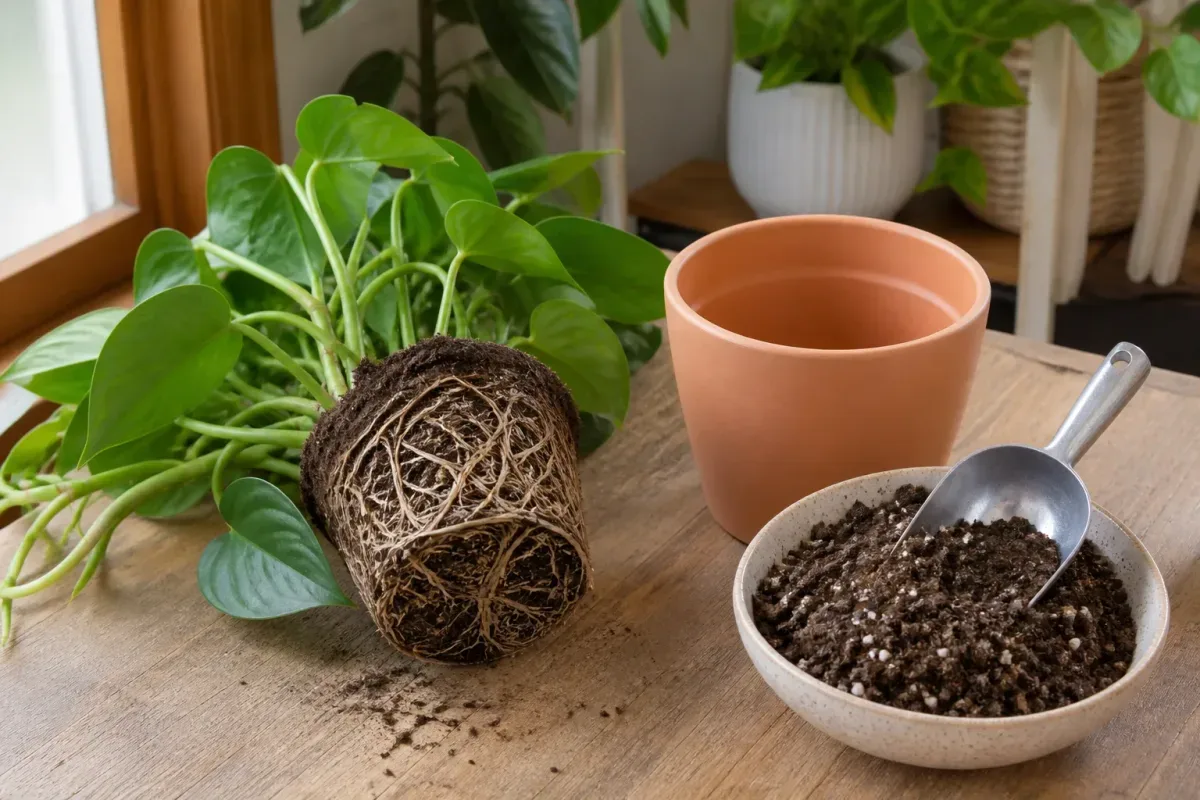
Houseplant pots are a poor place to practice blind soil amendment. The root zone is small, the potting mix may already contain a controlled nutrient charge, and drainage or pH can change faster than in a garden bed. A few shells will not transform a tired plant into a vigorous one, but a repeated powder dose can complicate diagnosis.
If an indoor plant is declining, check light, watering frequency, drainage, roots, pests, and the age of the potting mix first. Use a complete fertilizer at the label rate when the plant needs feeding, and repot into a suitable mix when the structure has collapsed. Consider eggshell powder only when a credible test identifies a calcium or pH need and the plant’s preferences support it.
Composting the shells is still a good indoor-to-outdoor reuse path. It keeps a mineral scrap in the nutrient cycle without adding an unmeasured ingredient to a pot where every teaspoon has an outsized effect.
Conclusion
Eggshells are good for your garden in a limited, useful way: they recycle a calcium-carbonate mineral into compost or soil, especially when the shells are clean, dry, and finely ground. They are not a balanced fertilizer, a fast calcium rescue, a reliable slug barrier, or a substitute for testing and steady root-zone care.
If you want one dependable routine, compost the rinsed shells and grind them when you care about texture or speed. If you want to apply them directly, test first, follow the lab’s recommendation, and keep the crop’s pH needs in view. For tomatoes with blossom-end rot, stabilize moisture and protect roots before adding calcium; that sequence is more likely to help the next fruit than any kitchen hack used on autopilot.