August Gardening Tasks That Keep Plants Growing Strong
August gardening tasks vary by climate. Learn what to do first, when to skip fertilizer or pruning, and how to time fall crops by your first frost date.
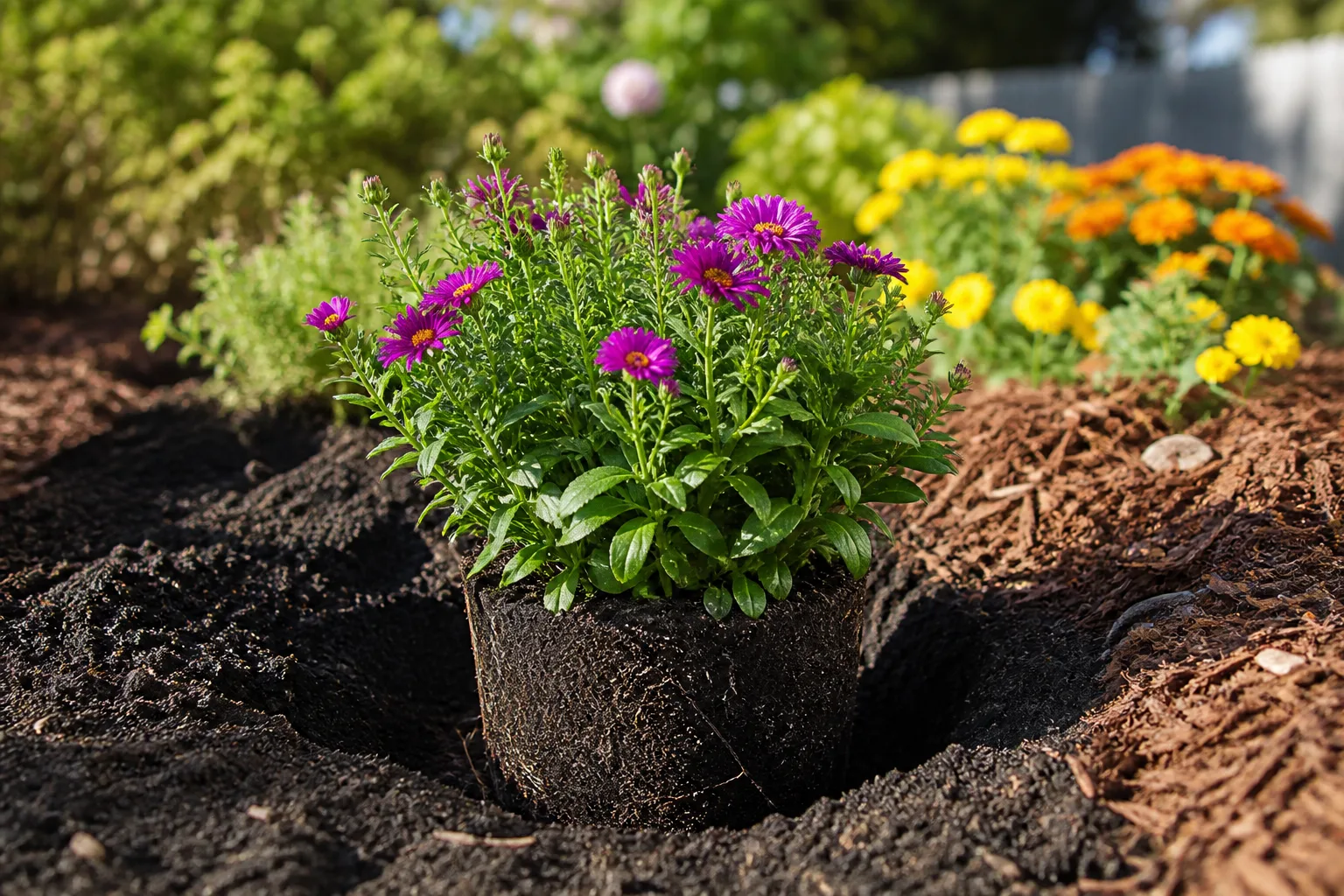
August is not a universal gardening season. In a hot, humid region it may be a month of crop rescue and fall sowing; in a short-season northern garden it may be the last comfortable window to harvest, divide a perennial, and order bulbs; south of the equator, August may be late winter. Use the calendar as a prompt, but let your weather, soil, plants, and first frost date decide the work.
Start With a Climate and Plant Check
Before reaching for fertilizer or pruners, walk the garden once with a notebook. Look at what is actively producing, what is wilting only in afternoon heat, what has stopped growing, and which beds will be empty soon. That five-minute inspection prevents two common August errors: treating normal seasonal decline as a watering emergency and forcing a struggling plant to continue when a replacement crop would be more productive.
Your local growing-season calendar matters more than a generic zone label. A USDA hardiness zone describes winter cold tolerance, not the exact date your vegetables will mature, how hot your soil is today, or when your first killing frost will arrive. For fall crops, use a local first-frost estimate and the seed packet’s days-to-maturity information; for flowers and shrubs, use the plant’s growth habit and regional extension guidance.
The August Order of Operations
If you have only an hour, complete these jobs in this order:
- Harvest ripe produce and remove fallen or split fruit.
- Check root-zone moisture and irrigation equipment before watering.
- Scout new growth and leaf undersides for pests or disease.
- Pull seeding weeds and clear only plant material that is truly finished.
- Calculate fall-crop dates before buying seeds or setting out transplants.
This order protects the harvest you already have while making room for the next one. Soil amendments, decorative cleanup, and tool sorting matter, but they should not displace a ripe bean harvest, a leaking emitter, or a tiny fall seedling that is drying out.
Harvest What Is Ready
Pick vegetables as soon as they reach the size and color you want, then check the plants again every two or three days during peak production. Beans become stringy, cucumbers become seedy, summer squash turn into clubs, and overripe fruit can tell some plants to slow down. Regular picking also makes it easier to notice new flowers, hidden fruit, disease spots, and branches that need support.
Harvest in the cool part of the day when possible. Use a knife or clean snips for peppers, herbs, and fruit with easily damaged stems instead of twisting hard enough to break the plant. Remove split, rotten, or ground-contact fruit from the bed, but do not throw every cosmetically imperfect vegetable away; a small blemish is not the same as decay.
The practical value of frequent picking is supported by the August checklist from Northern Gardener, which puts harvesting at the center of late-summer garden work. If you have more produce than you can use, preserve it, share it, or start a simple harvest log so next year’s planting choices reflect what your household actually eats.
Check Water Before Adding More
Do not water because the date says August or because one plant looks tired at 3 p.m. Push a finger or narrow trowel several inches into the soil near, but not against, the plant’s root zone. If the soil is cool and moist below a dry surface, wait; if it is dry through the active root zone, water slowly and thoroughly.
Morning is usually the best default because it gives foliage and the soil surface time to dry before night. Water at soil level with a soaker hose, drip line, or gentle stream, and check that water is reaching the bed rather than running down a path. Follow local watering restrictions, and do not confuse a brief shower with deep irrigation: a hard storm can wet the top inch while leaving the roots dry.
Scout for Pests and Disease
Inspect the newest leaves, leaf undersides, stems, flower buds, and fruit twice a week. Look for clusters of aphids, fine webbing from spider mites, chewed edges, caterpillar droppings, stippling, sticky residue, powdery growth, and lesions that are spreading from the bottom of a plant upward.
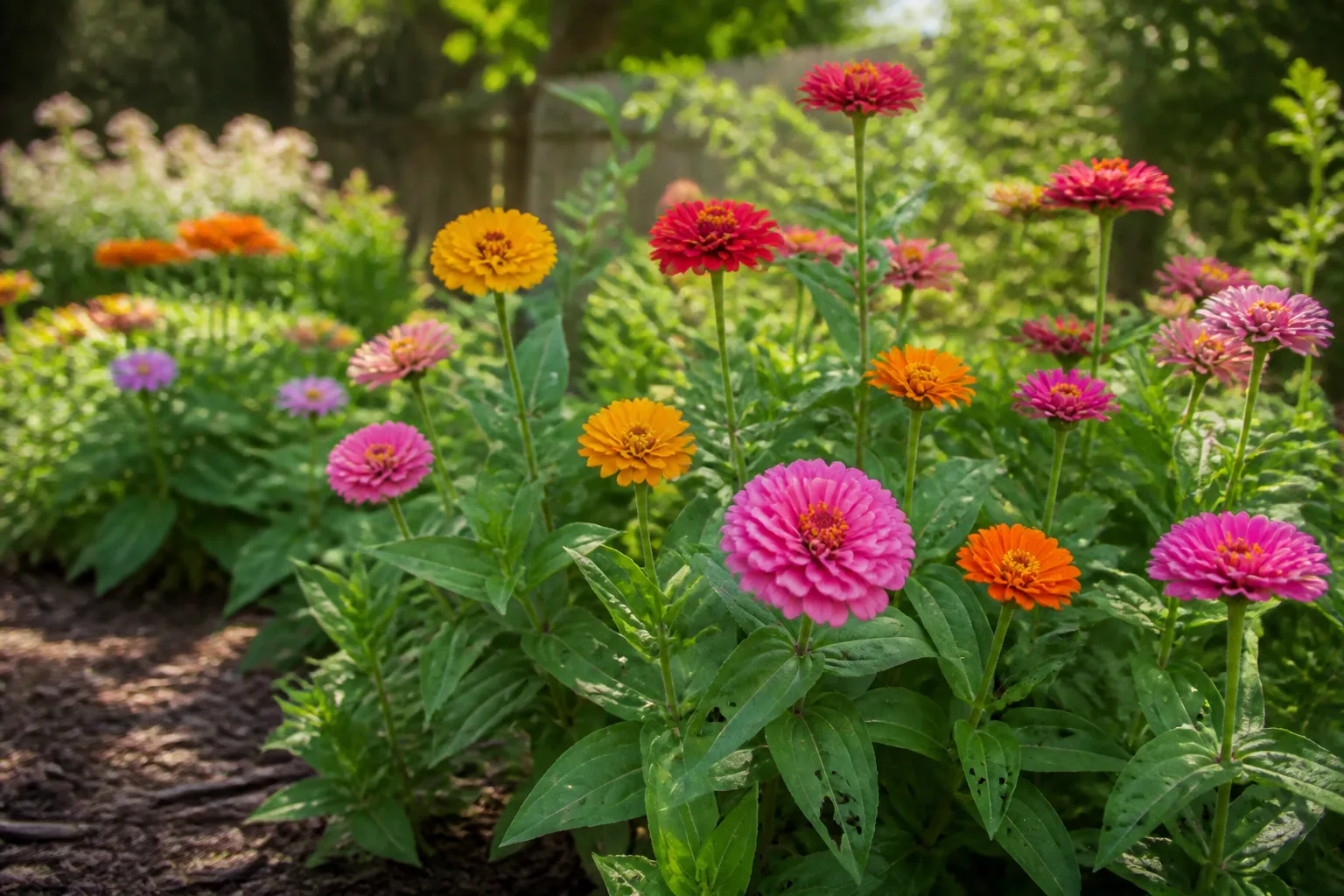
Identify the problem before spraying. Handpick caterpillars, wash soft-bodied pests from sturdy foliage with a directed stream, remove a badly diseased leaf, or use a row cover over young crops when those measures fit the plant. If you use a pesticide, read the product label for the crop, pest, rate, harvest interval, protective equipment, and pollinator precautions; “natural” is not a substitute for correct use.
Water Deeply, Then Adjust for Heat and Rain
The right August watering schedule depends on soil, plant size, wind, sun, rainfall, and container volume. A good system has two parts: water deeply enough to wet the active root zone, then wait until the plant and soil show that another drink is needed. Shallow daily splashes encourage shallow roots and can leave the center of a dense bed dry.
For an established vegetable bed, water at a pace the soil can absorb and check the depth with a trowel or probe. Heavy clay may need several short passes to prevent runoff; sandy soil may need more frequent checks. Newly planted seedlings, shallow-rooted greens, and plants in reflected heat have different needs from an established tomato or shrub, so one timer setting for the entire yard is rarely accurate.
The Northern Gardener August checklist reinforces the useful basics: water early, direct water to the plant base, and water deeply rather than frequently. In the low desert, Growing in the Garden uses a more intensive approach, including irrigation checks, morning observation, and different intervals for beds, containers, trees, and shrubs. Treat that as a regional example, not a universal prescription.
Raised Beds and In-Ground Gardens
Run irrigation while you watch the entire line. Repair clogged emitters, cracked tubing, blocked filters, and sprinklers that are watering the path or the side of a fence. Then check the soil in at least two places: the wettest-looking spot and the driest-looking spot. A mulch layer can make the surface look dry even when the root zone is adequately moist.
After heavy rain, pause the next irrigation cycle until you test the soil. If rain was brief or compacted soil shed water, loosen only the surface crust and water slowly at the base. Avoid digging around shallow roots in the hottest part of the day, and never turn a wilted plant into a waterlogged plant without checking the soil first.
Watch fruit for the consequences of uneven moisture. Tomatoes and other fruit can split after a dry stretch followed by a drenching; consistency is more useful than alternating drought and flood. Mulch reduces evaporation, but it does not repair a blocked drip line or compensate for roots in compacted soil.
Containers and Newly Planted Crops
Containers can move from adequately moist to dangerously dry much faster than garden beds, especially when they sit on hot concrete or are packed with thirsty roots. Check them daily during heat waves by feeling the mix below the surface and lifting a small pot to compare its weight with a fully watered pot. Water until some drains from the bottom, then empty any saucer that leaves the container standing in water.
New fall-crop seedlings need a gentler pattern. Keep the seed zone evenly moist while seeds germinate, then shift toward deeper watering as roots develop. Water early, provide temporary afternoon shade in intense heat, and remove the shade gradually when seedlings have several true leaves; permanent heavy shade can produce weak, stretched plants.
Weed, Mulch, and Protect the Soil Surface
Pull weeds after rain or irrigation softens the soil, but get them out before they flower and set seed. A small weed with a shallow root is a quick job; a mature weed carrying seed heads is a future workload. Bag weeds with mature seed or disease rather than adding them to a cool home compost pile.
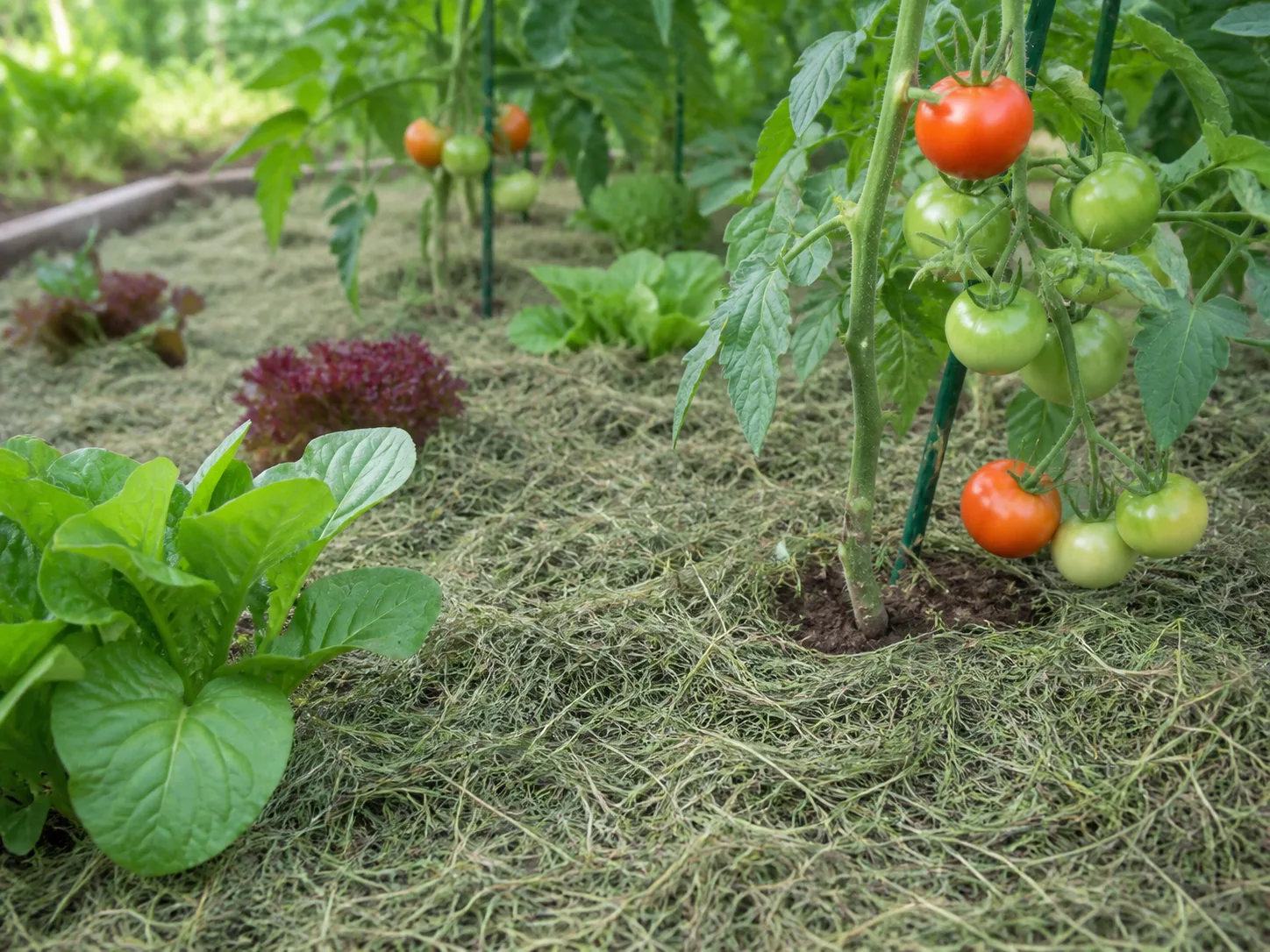
Refresh mulch where soil is exposed, using a loose layer of about two to three inches for most ornamental and vegetable beds. Keep the material a few inches away from stems and crowns so moisture does not stay against tender tissue and rodents do not gain a hidden runway. If using grass clippings, use thin layers of untreated clippings and let each layer dry rather than creating a hot, matted blanket.
Mulch is a moisture and temperature buffer, not a cure-all. It can reduce evaporation and soil splash, but thick mulch over cool, wet soil can slow drying and invite stem or crown problems. Pull it back slightly when direct-sown seeds need light contact with soil, and renew it after cultivation without burying plant crowns.
Feed Plants Based on Evidence, Not the Calendar
August is not an automatic fertilizer month. A plant that is actively growing, producing, and showing a nutrient need may benefit from a product appropriate for that crop, but a dry, heat-stressed, diseased, or dormant plant is more likely to suffer from a heavy feeding than to recover from it.
For a bed you will replant, a soil test is more useful than guessing from leaf color. Early fall is a practical time to test before adding lime or fertilizer, and UGA Extension specifically recommends using soil-test results to prepare fall crops. If you are behind schedule and the soil is depleted, a modest layer of mature compost worked into the planting area is a safer starting point than dumping high-nitrogen fertilizer across the whole bed.
Do not apply fertilizer to bone-dry soil, pile granules against stems, or assume more nitrogen means more flowers and fruit. Excess nitrogen can push soft foliage when the plant needs roots, airflow, and steady moisture. Feed containers and heavy-feeding annuals only according to the label and the plant’s active growth; reduce intervention as days shorten and the plant naturally slows.
Decide Which Summer Crops Should Continue
Keep a summer crop when it is still producing, has healthy new growth, and can reasonably mature another flush before your weather changes. Remove it when production has stopped, disease is advancing, roots are failing, or the space is needed for a crop that fits the remaining season. “It is August” is not enough evidence either way.
When removing a healthy plant, cut it at the soil line if pulling would disturb nearby roots, then reuse the space after clearing fallen fruit and weeds. For a plant with a contagious disease, remove the affected material promptly, clean tools between plants, and follow local guidance for disposal. Do not compost diseased foliage unless your compost system reaches and maintains the conditions required to destroy the pathogen.
Tomatoes, peppers, eggplants, cucumbers, squash, and basil may continue through late summer in long-season climates. Harvest them regularly, remove dead leaves that touch the soil, and support branches before fruit weight pulls them down. In a short-season garden, focus on ripening existing fruit rather than pushing a large flush of late growth that cannot finish.
Prune Lightly and Deadhead With a Purpose
Use August pruning to solve a defined problem: remove broken or diseased material, open a crowded canopy slightly, keep a productive herb from flowering, or deadhead an annual to encourage more blooms. Do not shear every shrub or cut every perennial to the ground simply because the garden looks untidy.
For tomatoes, remove yellowing or diseased lower leaves and a few crowded shoots, but keep enough healthy foliage to shade fruit and power ripening. Never strip a heat-stressed plant bare in one afternoon. For basil, harvest just above a pair of leaves before flower spikes dominate; frequent small cuts are gentler and more productive than one severe haircut.
Deadhead spent annual flowers by cutting back to a healthy leaf joint or branching point. Woody shrubs and many perennials are better left with their structural growth until the correct regional pruning window; hard late-season cuts can trigger tender regrowth that is vulnerable to cold. When in doubt, look up the species rather than applying a month-based rule.
Start the Fall Garden With Frost-Date Math
August is often the bridge between harvesting a warm-season garden and establishing cool-season crops. It is not too late if the crop can mature in the time remaining, the soil can support germination or transplant recovery, and you can protect seedlings during heat.
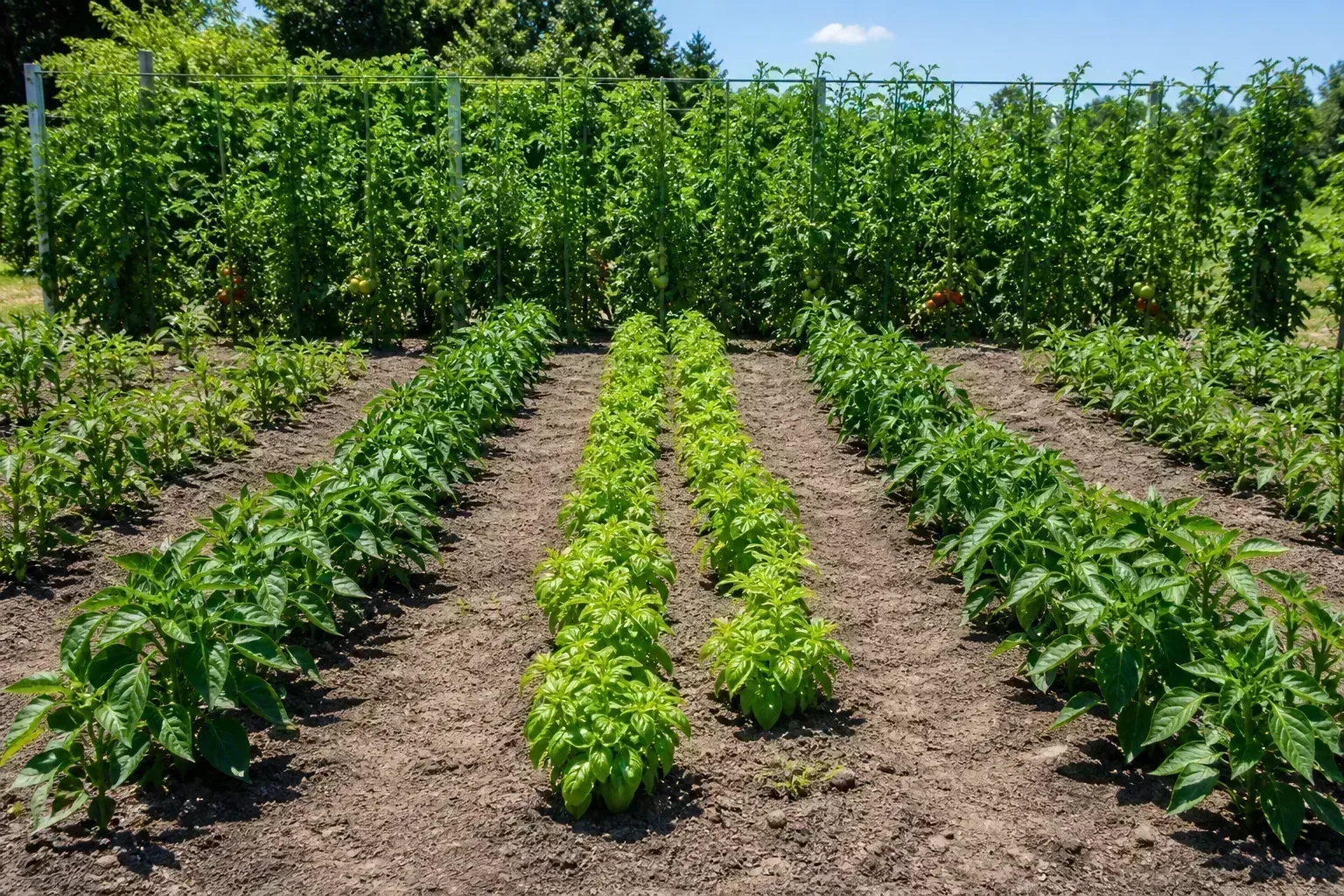
Start with the average first frost date for your location, then count backward using the seed packet’s days to maturity. Add a buffer of roughly 10 to 14 days for germination, transplant shock, short days, and slower autumn growth. Colorado State University Extension explains the same logic by adding time for seeds to germinate before estimating whether a crop fits the fall window.
For example, if your first frost is expected in 60 days and a radish packet says 25 days, the crop has room for a buffer and perhaps a second sowing. A broccoli variety listed at 70 days may not fit as a direct-sown August crop in that same garden, but a transplant or a faster variety might. The numbers are planning tools, not guarantees; heat, drought, shade, and disease can all slow the crop.
Choose Crops by Maturity and Method
Cool-season options often include radishes, spinach, lettuce, kale, collards, mustard, turnips, beets, carrots, green onions, broccoli, cabbage, cauliflower, and Brussels sprouts. Which ones belong in your August garden depends on region, variety, and whether you are sowing or transplanting.
Direct-sow crops that germinate quickly or tolerate root disturbance poorly, such as radishes, carrots, turnips, spinach, and some lettuces. Use transplants for slow-starting brassicas when your remaining season is short; UGA Extension identifies broccoli, Brussels sprouts, cabbage, and cauliflower as examples that are often best purchased as transplants, while listing several greens and root crops that can be seeded.
Prepare the bed before the ideal planting date. Remove finished crops, pull weeds, top up with mature compost if a soil test or bed condition calls for it, and make sure irrigation is ready. The Colorado State University Extension guidance also notes that garlic is a later fall planting for a summer plan, not a crop you harvest in August.
Give August Seedlings a Safer Start
Warm soil can speed germination, but the surface can dry out within hours. Make a shallow furrow, moisten it before sowing, cover seeds to the packet’s depth, and protect the bed with light shade or a floating row cover when the afternoon sun is severe. Keep the cover supported above the seedlings and allow airflow; a fabric pressed onto wet leaves can create a different problem.
Harden off purchased or indoor-grown transplants before exposing them to a full day of sun. Start with bright shade, add gentle morning sun over several days, and delay planting during a forecast of extreme heat if you can. Water the root ball before planting, transplant in the evening or on a cool day, and keep the soil evenly moist while new roots move into the bed.
In hot climates, August may be a preparation month rather than a planting month for some flowers and herbs. The regional checklist from Growing in the Garden is useful here because it shows how low-desert gardeners adjust irrigation, shade, pruning, and fall-bed preparation instead of blindly following a cool-climate list.
Keep Flowers, Herbs, and Perennials Useful
Deadhead annuals, cut herbs often, and photograph the garden while it is still showing its strengths and weaknesses. A quick photo of a bare patch, an overcrowded corner, or an afternoon-shade problem is more useful next spring than a vague note that “the border looked off.” Record which plants bloomed well, which needed constant water, and which attracted pests.
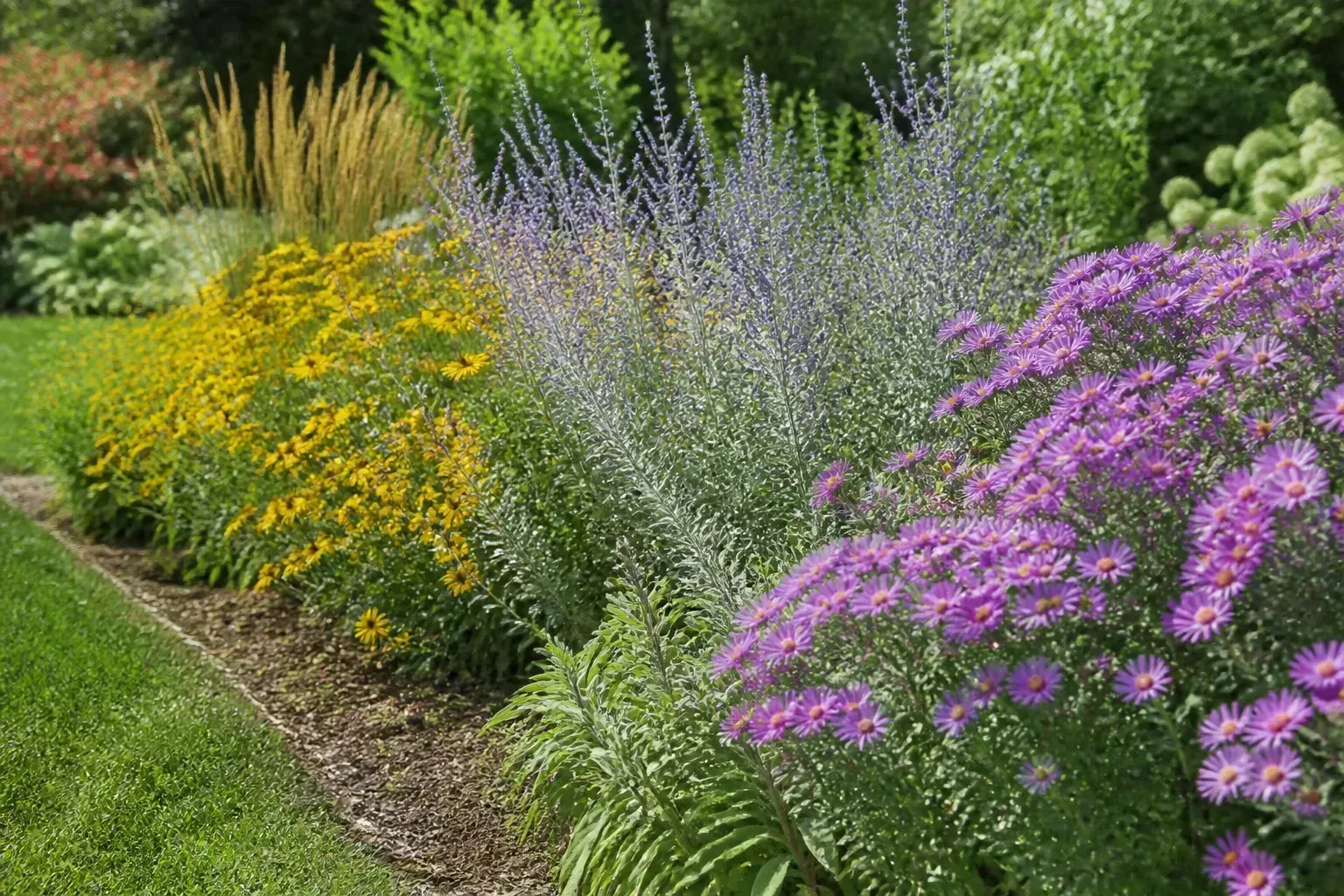
In climates where late summer is a suitable transplanting window, divide spring-blooming perennials after flowering and water new divisions well. Northern Gardener includes iris, peonies, and allium among plants that can be divided in late summer, but local soil temperature and moisture matter. Do not divide a plant that is collapsing from heat or drought simply because the calendar says it is the right month.
Order spring bulbs and specialty seeds early if local suppliers sell out, but plant bulbs according to the regional planting window rather than burying them immediately. In hot climates, the priority may be maintaining existing flowers and planning a later fall planting. In the Southern Hemisphere, reverse the seasonal logic: use local winter-to-spring guidance instead of treating August as late summer.
Make a Frost, Container, and Tool Plan
By late August, you do not need to winterize the entire garden, but you should know what will happen on the first cold night. List tender plants in containers that can move under cover, mark the beds where frost cloth will be useful, and check that stakes, hoops, clips, and clean fabric are available. A plan made before the forecast turns cold is more useful than a frantic search at sunset.
Inspect containers for cracked rims, blocked drainage holes, and roots circling so tightly that water runs down the gap between pot and mix. Do not repot every plant in late summer; repot only when the container is failing, the root ball is badly restricted, or the plant needs a safer growing medium. Otherwise, clean the pot exterior, top up the mulch or mix where appropriate, and keep the plant in a stable location.
Clean soil from pruners, shears, trowels, and harvest tools, then dry and oil metal parts according to the tool maker’s instructions. Coil hoses out of traffic, label seed packets, and write down which irrigation zones need repair. These small tasks protect the next season without sacrificing time during the current harvest.
Build a Repeatable 30-Minute Weekly Routine
The easiest way to keep up with August gardening tasks is to repeat a short route instead of waiting for a free weekend. Walk the same direction each time so you do not forget the bed behind the shed or the container at the back door.
Minutes 1–8: harvest. Pick ripe vegetables and herbs, remove split fruit, and note plants that are producing unusually well or poorly.
Minutes 9–15: water check. Test soil moisture in several beds, inspect emitters or hoses, and water only the dry root zones. Check containers separately.
Minutes 16–21: pest and disease scout. Turn over a few leaves, inspect new growth, and remove or isolate a problem before it spreads.
Minutes 22–26: weed and soil. Pull seeding weeds, refresh thin mulch, and clear debris that blocks airflow around plant bases.
Minutes 27–30: plan the next move. Count backward from the first frost date, mark a fall-crop bed, move a tender container, or write the one repair that must happen before the next visit.
If the garden is already stressed, make the first visit even simpler: harvest, check moisture, remove diseased material, and postpone cosmetic pruning. Strong gardens are usually maintained through small corrections made on time, not dramatic rescues after every plant has been pushed past recovery.
Conclusion
The best August gardening tasks are not the ones that fill the longest checklist. They are the actions that preserve ripe food, keep roots evenly moist, catch pests early, protect the soil, and give the next crop enough time to mature before the weather changes.
Start with a walk-through, then harvest, test the soil, scout, and calculate your fall planting window. Fertilize only when the plant and soil justify it, prune to solve a specific problem, and leave healthy plants alone when a hard cut would add stress. With a short weekly routine and a plan for heat, rain, and the first frost, your garden can keep producing while the season quietly changes direction.



