The 8 Best Mosquito Traps for Indoor and Outdoor Use
Compare eight mosquito traps for patios, bedrooms, and plant rooms. Learn trap types, placement, lure costs, and when source reduction matters more than hardware.
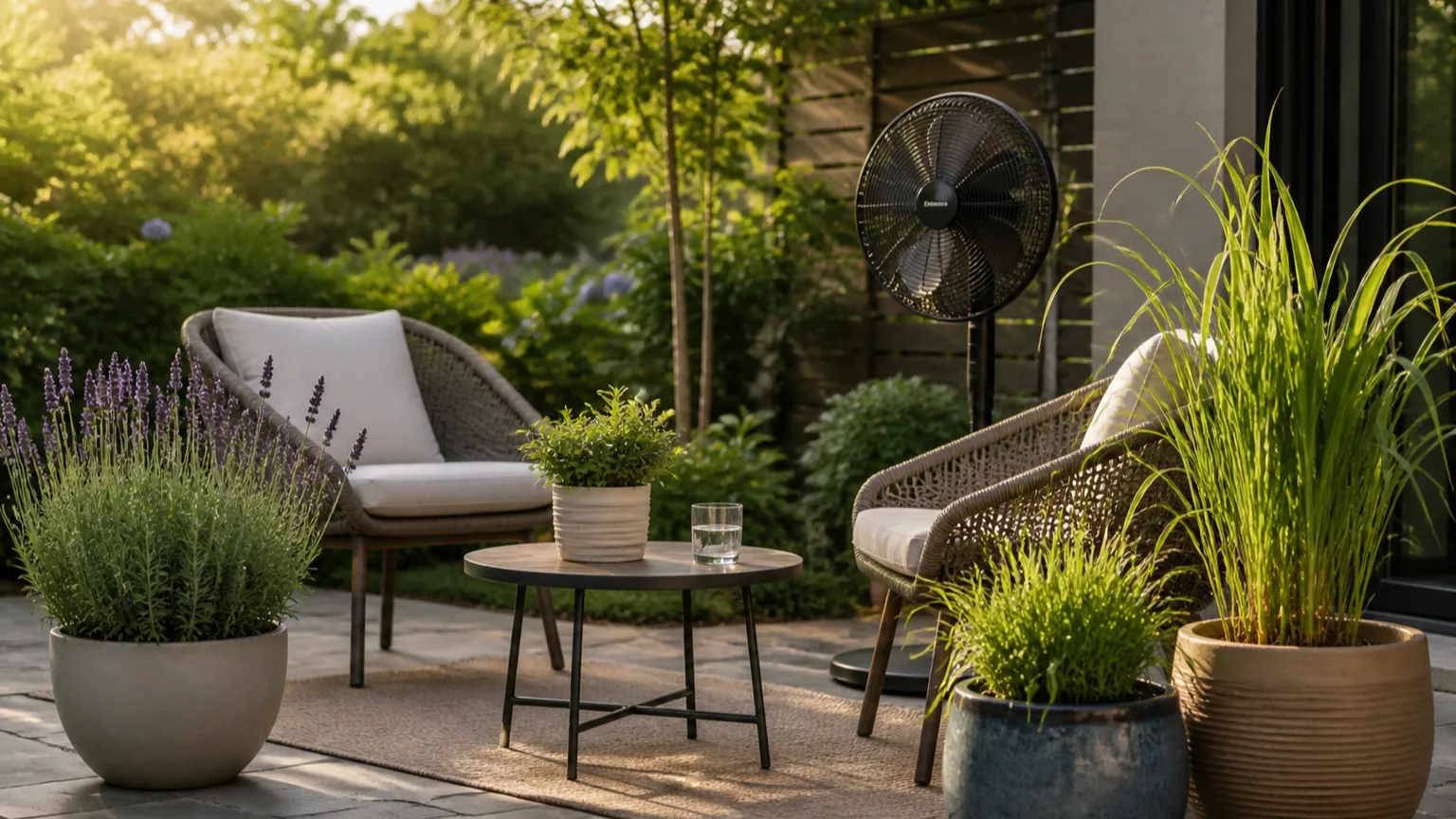
The best mosquito trap is not the one with the biggest acreage number on the box. It is the one that matches where mosquitoes are coming from, how much noise and maintenance you will tolerate, and whether you need to protect a bedroom, a plant shelf, or a full backyard perimeter.
A plug-in fan trap can quietly reduce stray mosquitoes and gnats in a kitchen. That same trap will not protect a patio during a humid evening if dozens of adults are emerging from a clogged gutter twenty feet away. A lantern zapper can kill flying insects all night, but it belongs downwind of your seating area—not above the grill. And a pack of yellow sticky stakes can catch a surprising number of insects around houseplants for less than the cost of a single lure refill.
I evaluated these eight options as use-case picks, not as a universal ranking. Product mechanisms and coverage claims were checked against manufacturer documentation; mosquito biology, source reduction, and trap limitations were cross-checked with the CDC’s mosquito prevention guidance, UF/IFAS Extension, and Penn State Extension’s home-landscape mosquito control advice. For broader yard layers—fans, plants, and repellents—see our guides to natural outdoor mosquito deterrents and the best bug repellents.
Start with standing water before you buy a trap
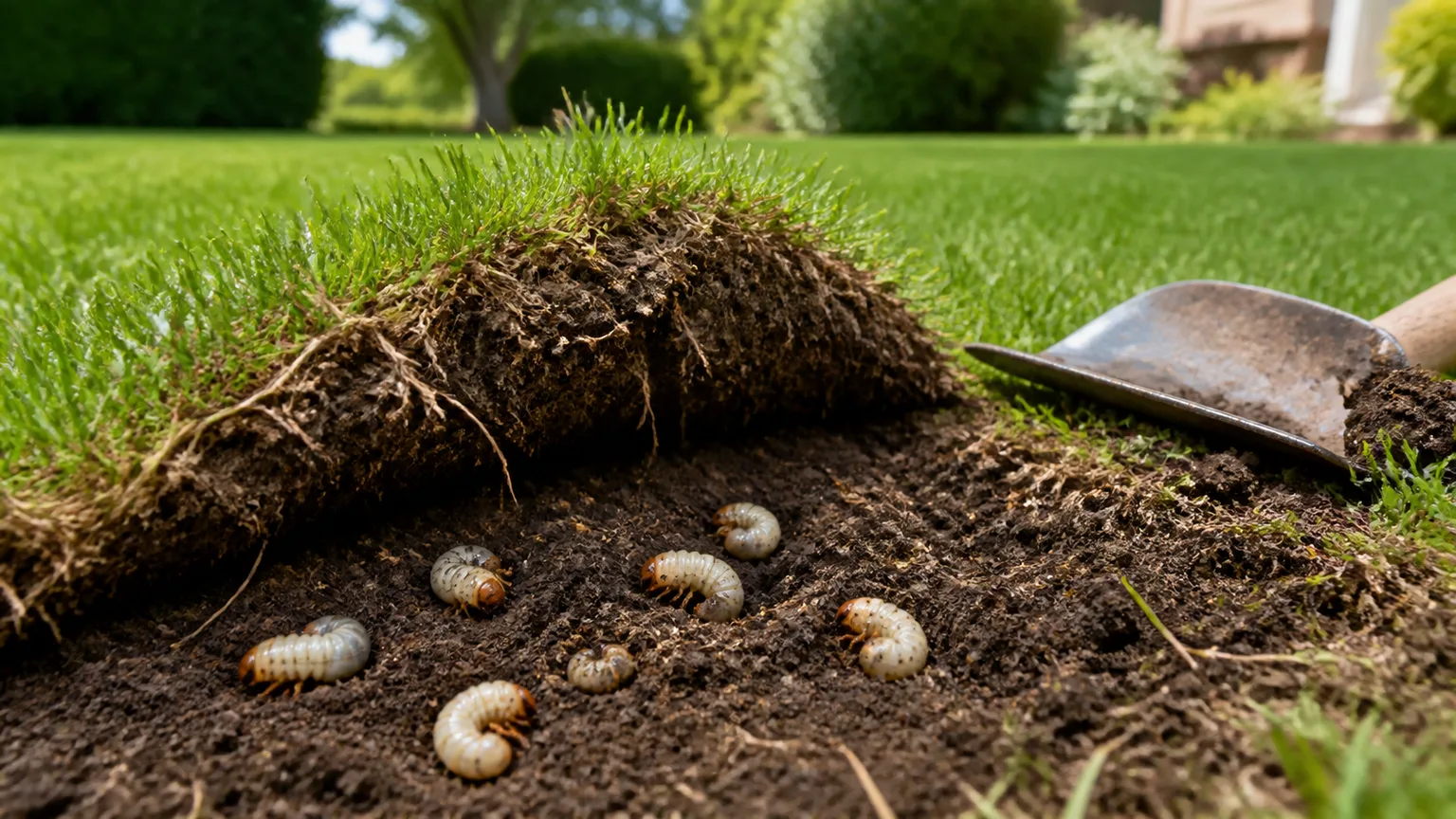
Mosquitoes do not need a pond. A flowerpot saucer, birdbath, clogged downspout, wheelbarrow, tarp fold, or forgotten toy can hold enough water for eggs and larvae. The CDC recommends emptying, scrubbing, turning over, covering, or throwing out water-holding items once a week—and again after heavy rain—because eggs can stick to damp surfaces even after you tip a container over.
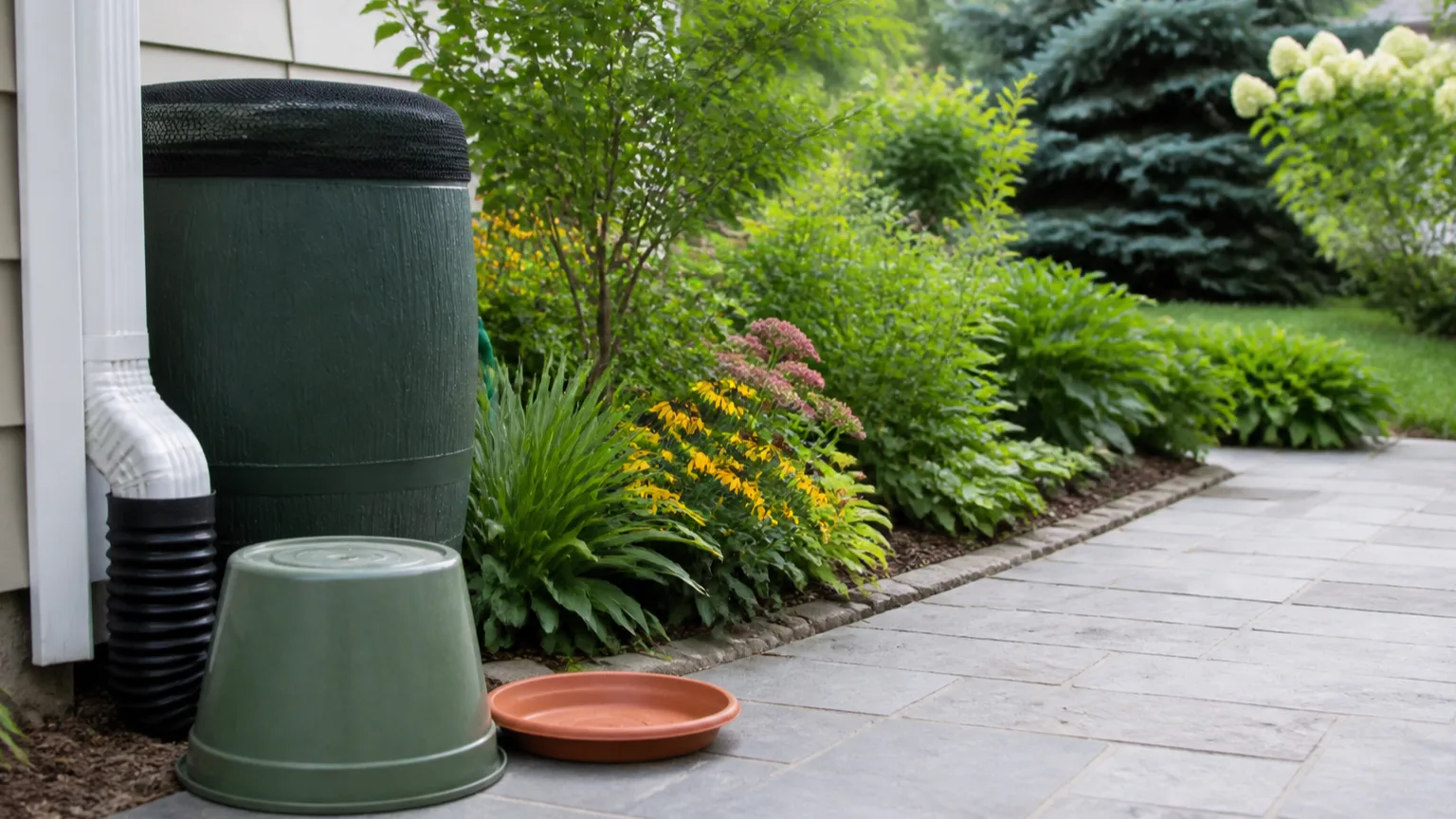
Walk the property after rain. Drain what you can, scrub containers that have held water, store buckets upside down, and fix low spots that stay wet. If water must remain—ornamental ponds, rain barrels, unused pools—use appropriate management such as circulation, tight covers, or a labeled larvicide like Bacillus thuringiensis israelensis (Bti) only as directed on the label for that water type.
Traps target adult mosquitoes already flying. They do not remove eggs, larvae, or pupae in hidden breeding sites. That is why the trap list below is paired with placement guidance and links to plants that support a broader prevention plan—not because a pot of lavender replaces water control.
What a mosquito trap can and cannot do
A trap can intercept adults near a source, reduce insect traffic in a defined zone, or monitor whether flying insects are present. It cannot guarantee bite-free evenings, replace EPA-registered skin repellent when disease risk is real, or fix a drainage problem.
UF/IFAS Extension notes that bug zappers do not provide reliable mosquito population control and can kill large numbers of non-target insects, including beneficial predators and pollinators. That does not make zappers useless—they can reduce flying annoyance in the right spot—but it means you should not buy a zapper expecting it to solve a breeding-site problem or protect you while you sit beside it.
Think in two layers: population pressure (water, vegetation, neighboring habitat) and personal protection (repellent, clothing, fans, screens). Traps sit between those layers as adult-capture tools.
| Your goal | Trap helps when… | Trap fails when… |
|---|---|---|
| Fewer mosquitoes at a patio table | Unit is downwind and 20–30+ ft from seating; standing water is reduced | Trap sits beside the table and attracts insects toward people |
| Stray mosquito in a bedroom | Small UV/fan trap runs with other lights off | Breeding site is indoors (rare) and not addressed |
| Gnats at houseplants | Sticky stake or indoor glue trap sits at soil level | Potting mix stays constantly wet and fungus gnats keep emerging |
| Large humid yard | Perimeter zapper or DynaTrap runs continuously for weeks | Expecting instant results without water removal |
How the main mosquito-trap types work
Most consumer mosquito traps use one of four mechanisms, often combined. None is automatically best; the trade-off is usually between attraction strength, noise, odor, cleanup, power needs, and bycatch.
UV light and electric-grid zappers
Outdoor lantern zappers use ultraviolet light to draw flying insects to an electrified grid. Models like the Flowtron BK-40D and Black Flag Bug Zapper often add an octenol lure cartridge that mimics mammal breath cues and can improve capture of some biting flies and mosquitoes.
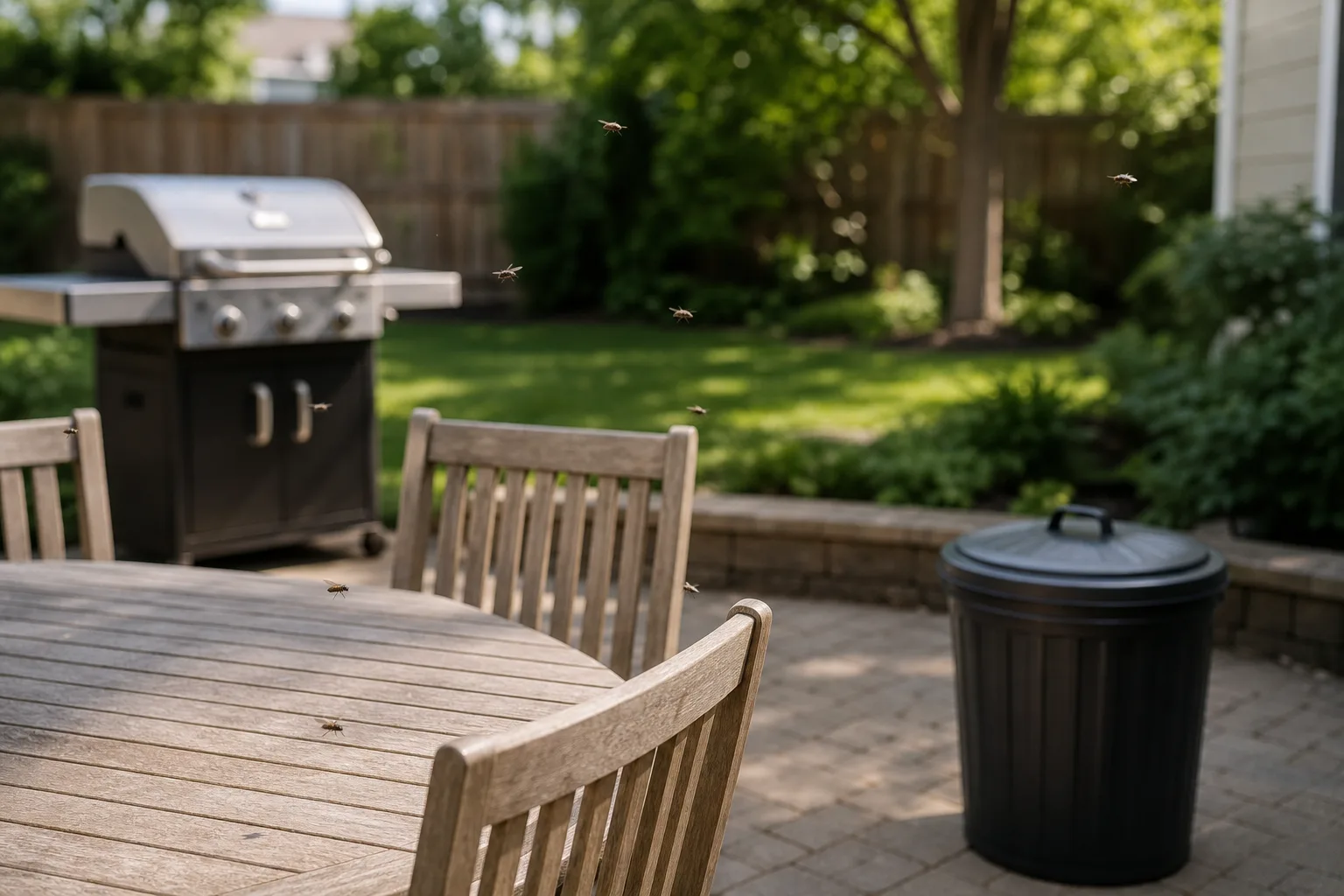
Zappers are loud when they fire, need outdoor-rated power, and may produce brief flashes or smoke when large insects hit the grid. They work best as perimeter tools placed between likely habitat and the area you use—not as porch lights above your head. Keep cords, housing, and dead-insect debris away from children and pets.
Fan-and-glue indoor traps
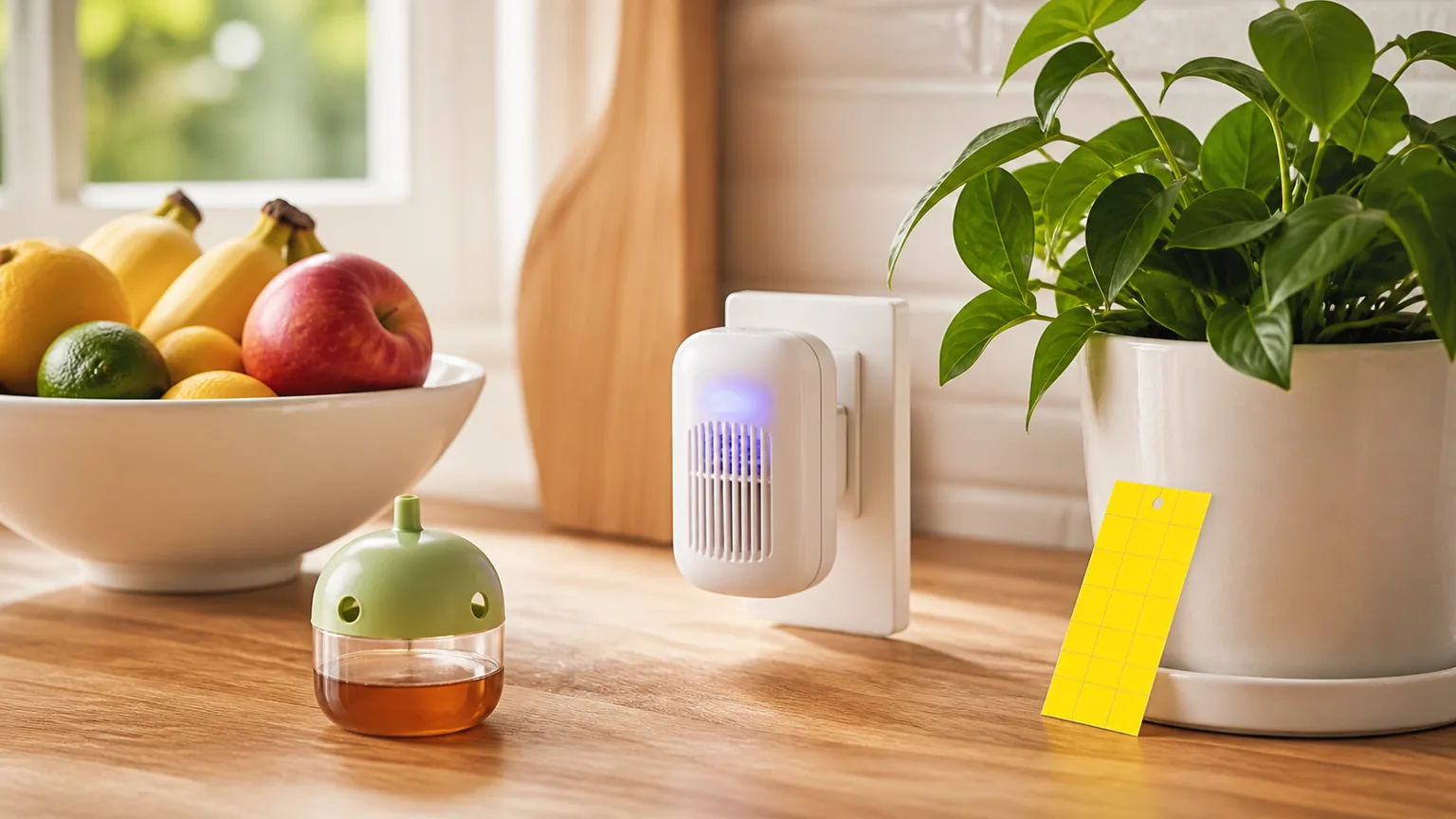
Units like the Katchy Indoor Insect Trap and Gardner Flyweb combine UV light with a fan that pulls insects onto a hidden glue board. They are quieter than zappers, do not spray, and fit kitchens, hallways, and plant rooms. Performance depends on dimming competing lights and replacing glue cards before they lose tack or fill up.
These traps catch mosquitoes opportunistically, but they are often more consistent on fruit flies, fungus gnats, and small moths near food or damp soil. Do not confuse a few captured gnats with solving wet potting mix.
Yellow sticky stakes and passive interceptors
Garsum Houseplant Sticky Traps and similar dual-sided yellow stakes intercept insects that land on a bright surface. They are inexpensive, need no outlet, and work indoors or in sheltered outdoor pots. Mosquitoes are not the primary target—fungus gnats, whiteflies, and other small fliers are—but a stake beside damp soil can catch the occasional mosquito exploring the plant zone.
The catch is visible, disposal can be messy, and the adhesive can transfer to fingers or pet fur. Treat them as monitors and supplemental capture, not whole-yard control.
Octenol lures and CO2-style attractants
Octenol cartridges (common on Flowtron and Black Flag units) typically last about 30 days and cost extra on top of electricity and bulb replacement. DynaTrap models use UV light on a titanium-dioxide surface to produce a small amount of CO₂-like attractant plus a quiet fan that pulls insects into a retaining basket where they dehydrate—no zap noise, but manufacturer guidance often recommends running the trap for up to six weeks before expecting a noticeable drop in breeding pressure.
CO₂-mimic traps can catch more flying insects than UV alone, but they still compete with human breath, body heat, and porch lights if placed too close to people.
Best overall outdoor zapper: Flowtron BK-40D
The Flowtron BK-40D Electronic Insect Killer is the strongest all-around pick when you want a hard-working outdoor perimeter trap and can place it away from seating. Flowtron rates it for up to one acre of coverage—a best-case envelope, not a promise that every mosquito in the neighborhood disappears.
The lantern uses a 40-watt UV bulb and a 5,600-volt grid. It ships with an octenol lure cartridge that helps pull biting flies and mosquitoes toward the light. Dead insects fall to the ground rather than collecting in a tray, which keeps maintenance low but means you should hang it over lawn or mulch, not a deck railing you touch daily.
What to expect: audible zaps, a bright glow, and a very short power cord—budget for an outdoor-rated extension cord and a hanging pole or shepherd hook. Place the unit roughly 25 feet from patio furniture or further if the noise and light distract you. Replace octenol cartridges about monthly during heavy season.
Best for: large yards, rural edges, and homeowners who want maximum outdoor capture and can tolerate zap sounds.
Skip it if: you need quiet operation beside a bedroom window, lack safe outdoor power, or want selective capture without killing beneficial insects near a pollinator garden.
Best indoor fan trap: Katchy Indoor Insect Trap
The Katchy Indoor Insect Trap combines UV light, a suction fan, and a glue board in a compact housing that hides dead insects from view. It plugs in via USB adapter and suits kitchens, bedrooms, and plant rooms where you want a discreet catch without bait odor.
Katchy lists roughly 320 square feet of coverage—enough for a small to medium room if competing lights are off. It catches mosquitoes, but it shines brightest on fruit flies, gnats, and small moths near fruit bowls, trash areas, or damp potting mix. Run it at night or dim the room for better results.
Refill glue boards are an ongoing cost. Keep the unit dry, away from food-prep splashes, and out of reach of curious pets that could knock it over.
Best for: apartments, kitchens, bedrooms, and mixed small-flying-insect problems.
Skip it if: you need whole-yard mosquito control or the insects are breeding in a drain or constantly wet soil you have not fixed.
Best budget monitor: Garsum Houseplant Sticky Traps
Garsum Houseplant Sticky Traps are the lowest-cost way to intercept insects around houseplants, patio pots, and damp soil. The dual-sided yellow stakes fold onto included supports and push into the potting mix without damaging roots.
At well under a dollar per stake in multi-packs, they are far cheaper than electric traps. They are water-resistant and UV-stabilized enough for sheltered outdoor pots, and they need no batteries. Mosquitoes are occasional bycatch; fungus gnats, whiteflies, and moths are the usual captures.
Dispose of heavily loaded stakes rather than peeling insects off adhesive by hand. Stackable stems let you raise the trap height for taller plants.
Best for: plant rooms, herb gardens, balconies, and supplemental monitoring on a tight budget.
Skip it if: you need invisible capture in a living room or large outdoor mosquito pressure where a perimeter trap is required.
Best mid-size outdoor zapper: Black Flag Bug Zapper
The Black Flag 2000-Volt Bug Zapper Insect Killer hits a practical middle ground: roughly half-acre claimed coverage, a built-in octenol lure, a safety guard around the grid, and a bottom collection tray that opens for cleanup. At about two pounds, it is easy to move between a deck hook, garage, and garden edge.
Black Flag recommends placing the trap about 20 feet from gathering areas—the same downwind logic as larger zappers, scaled for typical suburban lots. Expect zapping sounds at night and monthly lure replacement for best performance. Rinse the base with a hose when insect debris builds up.
Best for: suburban backyards, deck perimeters, and buyers who want octenol enhancement without Flowtron’s acre-scale footprint.
Skip it if: you cannot keep the unit away from doors and dining tables or you dislike audible kills near open windows.
Best plug-in glue trap: Gardner Flyweb Fly Light
The Gardner Flyweb Fly Light Indoor UV Insect Trap plugs directly into a standard outlet and uses UV light plus a replaceable glue card. Gardner rates it for up to 600 square feet, and the low profile works in hallways, enclosed porches, mudrooms, and utility spaces where a hanging lantern would look out of place.
It doubles as a soft nightlight and operates silently—no zap crackle when insects land on the adhesive. Dead bugs are visible on the card, which some people dislike, but the trade-off is quiet, continuous capture. Replacement glue boards and bulbs are an added cost; budget about half the unit price for a ten-pack of cards over a season.
Best for: enclosed patios, garages, basements, and indoor rooms that need always-on capture without odor.
Skip it if: children or pets can reach the exposed glue surface or you need outdoor-rated weather protection.
Best cordless outdoor option: Ryobi ONE+ 18-Volt Bug Zapper
The Ryobi ONE+ 18-Volt Bug Zapper is the pick when outlets are far away but you still want UV-grid killing power. It runs on Ryobi’s 18-volt battery platform—about six hours per charge in typical use—and includes a collection drawer that slides out for disposal.
Ryobi claims up to 1.5 acres of coverage, but real-world performance depends on placement. In camping and tailgate scenarios, the trap works best beside food tables or lit gathering points where insects concentrate—not as a distant perimeter device. The handle makes it easy to hang from a branch or set on a picnic table.
If you already own Ryobi outdoor tools, spare batteries reduce downtime. Water-resistant housing suits covered patios and camp kitchens, but do not leave it exposed to driving rain.
Best for: camping, tailgates, remote patio corners, and Ryobi households that want cordless flexibility.
Skip it if: you need all-night whole-yard protection without swapping batteries or you want silent bedroom operation.
Best wall-mounted sconce trap: Awoco LED Wall Mount
The Awoco LED 5W Wall Mount Sconce blends UV attraction and a sticky board in a sconce-shaped housing you can mount on a wall, fence, or porch post. Awoco lists up to 900 square feet of coverage and includes a 58-inch cord for flexible placement near—but not directly over—seating.
It runs quietly, emits a soft blue glow useful as a nightlight, and catches mosquitoes, flies, and other small insects without zap noise. Glue boards need replacement every two to three months depending on load, and bulbs eventually wear out. Installation uses included anchors; keep the open face away from heavy wind-driven rain unless the location is sheltered.
Best for: covered porches, garage entries, fence lines, and buyers who want function without a industrial-looking zapper.
Skip it if: you cannot mount hardware or need acre-scale outdoor capture.
Best quiet lantern-style trap: DynaTrap DT1100
The DynaTrap DT1100 Insect Trap is the best choice when you want serious outdoor capture without zap noise or visible electrocution. Its lantern profile hangs, wall-mounts, or sits on a table at least 20 to 40 feet from people, and the fan pulls insects into an internal basket where they dehydrate.
DynaTrap rates this series for about half an acre. The UV + TiO₂ surface produces a subtle CO₂-style attractant trail that can outperform UV-only lanterns on flying insects in general. The catch stays hidden inside, which makes it more patio-friendly than open-grid zappers.
The important expectation: DynaTrap recommends running the trap continuously for up to six weeks to interrupt local breeding cycles. You will still catch insects immediately, but population drops are gradual. All-weather construction suits open yards; plan on outlet power or an outdoor extension cord.
Best for: design-conscious patios, sleep-sensitive households, and yards where quiet continuous operation matters.
Skip it if: you need instant knockout power beside a single dinner table or cannot leave a trap running for weeks.
Placement rules that actually reduce bites
Placement is not a footnote. A trap beside your chair can advertise mosquitoes toward you even as it kills others. Professional guidance consistently stresses distance: mosquitoes locate hosts with scent and heat; poor eyesight means traps work better as perimeter interceptors than as table centerpieces.
Indoor placement that does not pull mosquitoes toward you
For fan-and-glue traps, choose an outlet near the activity but away from bright windows and open doors. Kitchen examples: a dim wall near the recycling bin, a plant shelf with fungus gnat pressure, or a hallway outside a bedroom. Run Katchy-style traps with room lights off when possible.
Sticky stakes belong in the pot, not on the dining table. Plug-in Gardner units should sit where pets cannot rub against the glue card. None of these replace fixing wet soil, drains, or ripening fruit—see our fruit-fly and gnat guidance when the catch is mostly tiny fliers at food or plants.
Outdoor placement and safe distance from people
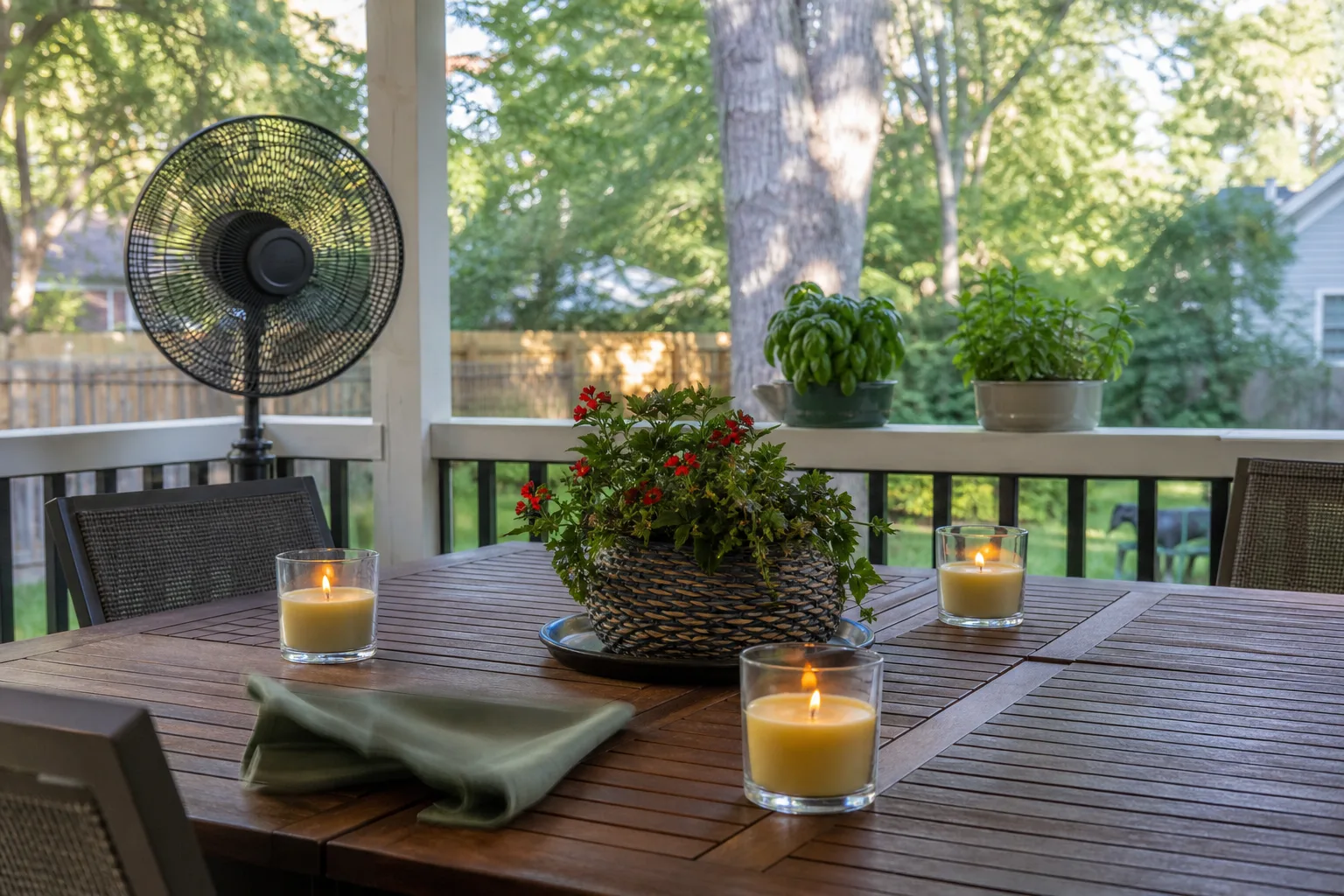
Outdoor zappers and DynaTraps belong between habitat and humans, downwind when possible:
- 20–30 feet minimum from patios, doors, grills, and play areas
- Not directly above seating or sleep windows
- Near shaded vegetation, fence lines, or damp zones where mosquitoes rest—then let the trap pull insects away from the house
- One trap per major source beats one trap beside the table
If bites continue after a week of correct placement and water removal, look for hidden breeding: clogged gutters, tarps, boat covers, tree holes, or neighbors’ unmanaged containers. Traps cannot fix those.
Pair traps with repellents and yard hygiene
Traps capture adults; EPA-registered repellents protect your skin when mosquitoes are still searching for hosts. The CDC lists DEET, picaridin, IR3535, oil of lemon eucalyptus, and 2-undecanone among effective options when used according to the label. Spatial repellents and fans add a local comfort zone during dinner; they do not replace weekly water emptying.
Layer the tools:
- Remove standing water weekly and after storms
- Run a perimeter trap away from seating during peak season
- Use skin repellent when disease risk or heavy biting pressure warrants it
- Add fans or screens at the table for immediate landing reduction
- Support with garden choices from our mosquito-repelling plants guide—as adjuncts, not magic barriers
Inspect zappers and glue traps for non-target catches near pollinator plantings. If you are killing more moths and beetles than pests, move the trap farther from flower beds or switch to a narrower indoor glue trap at the actual problem site.
Conclusion
The right mosquito trap depends on space, power, noise tolerance, and whether you are fighting a few indoor strays or a humid yard full of adults. The Flowtron BK-40D is the strongest overall outdoor perimeter pick if you can place it far from people and maintain octenol refills. The Katchy and Gardner Flyweb cover quiet indoor capture; Garsum sticky stakes offer cheap monitoring around plants; the Black Flag zapper fits typical suburban lots; the Ryobi excels when cordless convenience matters; the Awoco sconce suits mounted porch entries; and the DynaTrap DT1100 is the quiet long-game lantern for design-conscious patios.
None of these replaces standing-water removal or labeled repellent when bites carry real consequences. Start with the bucket walk, put traps on the perimeter—not on the picnic table—and treat capture counts as one layer in a plan that also includes screens, fans, and the repellent that matches your outing. That combination beats any single device promise on the box.