How to Grow and Care for Duranta Plant
Learn duranta plant care, including light, watering, pruning, flowering, container growing, winter protection, and berry safety.
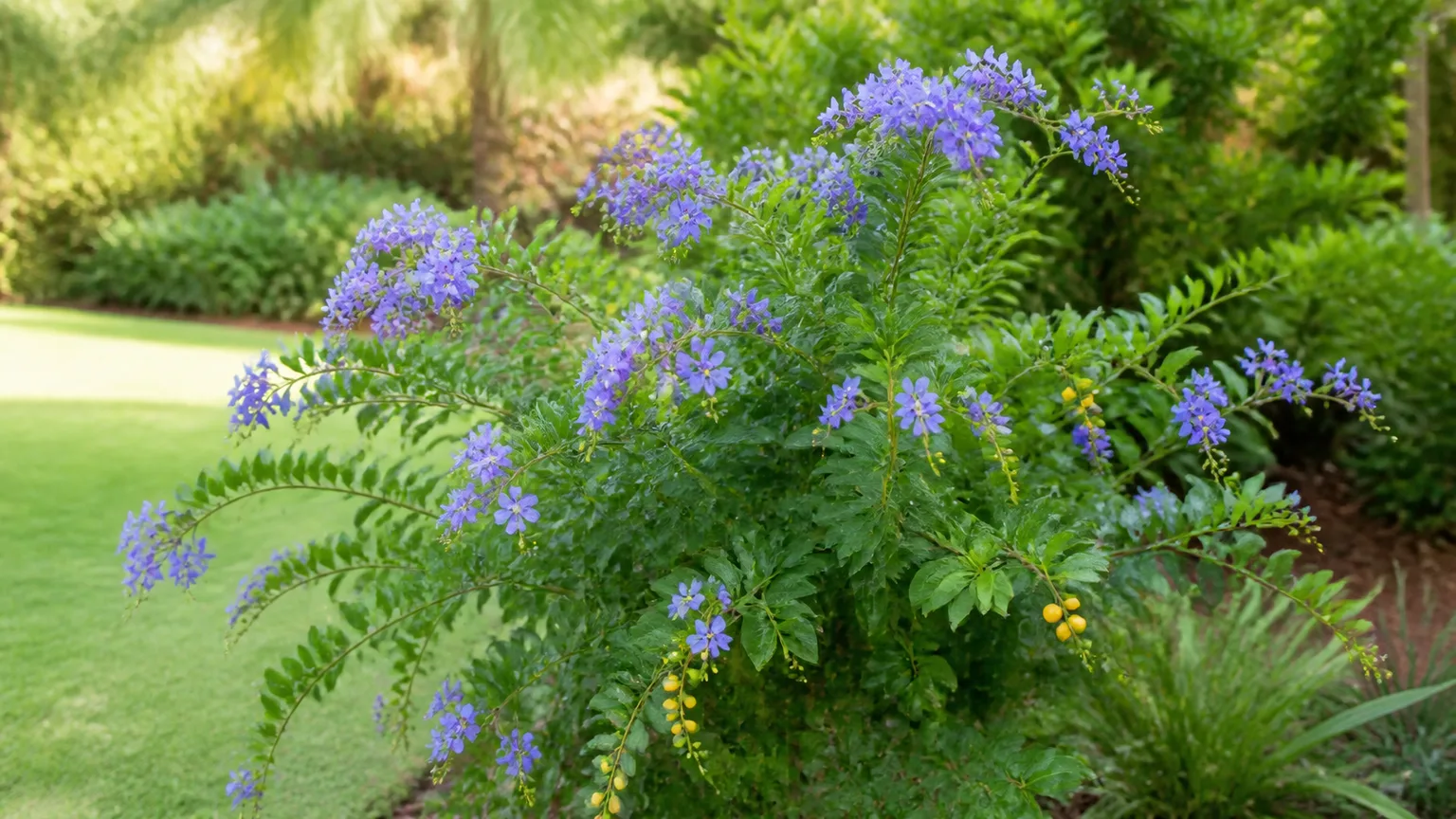
Duranta, often sold as golden dewdrops, sky flower, or pigeon berry, is a fast-growing tropical shrub with arching branches, tubular flowers, and showy golden berries. In frost-free regions it can become a large landscape plant. In colder climates it is usually grown as a seasonal annual, a movable container specimen, or a bright indoor plant for winter.
The first decision is not how often to water. It is whether you have room for a vigorous shrub and a plan for frost, fruit, and pruning. Get those right and duranta becomes a reliable source of color from late spring through fall. Skip that planning step and you may spend autumn fighting a shrub that has outgrown its bed, dropped berries where pets walk, or collapsed after the first unexpected cold night.
Know duranta before you plant it
The plant most gardeners encounter is Duranta erecta, a broadleaf evergreen in the verbena family (Verbenaceae). It is native to tropical and subtropical parts of the Americas and is widely grown as an ornamental for its flower clusters and trailing berry displays. Bees, butterflies, and hummingbirds visit the blooms; birds often eat the fruit without apparent harm, which is why the common name pigeon berry persists in older references.
Duranta is not a low-maintenance filler plant once it settles in. It grows quickly, flowers on new wood at the tips of the current season’s shoots, and can develop small thorns on mature stems. That combination rewards gardeners who prune with intention rather than those who plant and forget. Plan for yearly shaping if you want a tidy silhouette.
Key traits and mature size
In warm climates where it survives year-round, duranta commonly reaches 10 to 15 feet tall and 4 to 10 feet wide according to NC State Extension. The habit is arching and somewhat weeping, with flowers borne at the ends of new growth. Leaves are typically oval, opposite, and bright green, though gold or variegated cultivars exist.
Where winter kills the top growth, duranta often behaves like a large seasonal bedding plant, finishing one growing season at roughly 2 to 4 feet tall before frost. That size gap catches people off guard. A quart pot from the nursery can look manageable in May and overwhelming by September if you gave it full sun, good soil, and regular water.
Fruit follows flowers: round yellow-orange drupes about half an inch across hang in clusters from late summer into fall. They are decorative, which is exactly why safety planning matters if pets or children use the space.
Is duranta right for your climate?
Duranta is frost tender. NC State Extension lists USDA hardiness zones 9a through 11b for in-ground culture. In zone 8 and colder, treat it as an annual or grow it in a container you can move before the first hard frost.
Even within its hardiness range, a single cold night can burn foliage or kill branches back to live wood. Coastal and near-coastal sites in the Southeast often keep plants evergreen; inland pockets with sharper winter lows see more dieback. If your goal is a permanent hedge, confirm your microclimate before committing a long fence line to duranta.
Duranta has also naturalized outside its native range and is considered invasive or environmentally problematic in parts of Australia, China, South Africa, and several Pacific islands. Check local extension guidance or invasive-plant lists before planting in open ground, especially where birds can spread seed. In permitted areas, duranta works well in pollinator gardens, cottage-style borders, and coastal landscapes where salt and wind limit other flowering shrubs.
Duranta care at a glance
| Need | Practical target |
|---|---|
| Light | Full sun (6+ hours); light afternoon shade only in extreme heat |
| Soil | Fertile, well drained; tolerates sandy or rocky coastal soils |
| Water | Even moisture while establishing; moderate drought tolerance later |
| Feeding | Light feeding in poor soil or containers; avoid excess nitrogen |
| Pruning | Shape after flowering; remove weak or crossing wood |
| Temperature | Frost tender; protect below about 40°F (4°C) in containers |
| Mature size | Up to 10–15 ft tall in warm climates; much smaller as an annual |
| Wildlife | Pollinator-friendly flowers; berries toxic to people and pets |
| Pests | Watch for whiteflies; otherwise generally trouble-free |
| Landscape use | Hedges, borders, containers, and pollinator gardens in suitable climates |
Light, soil, and watering
Duranta’s performance is driven more by light and drainage than by elaborate feeding schedules. Place it where the plant receives direct sun for most of the day, then build soil structure that drains after heavy rain.
Full sun and heat tolerance
Full sun produces the densest foliage and the heaviest flower set. Plants in bright shade may survive but often stretch, bloom lightly, and develop long bare stems between leaves. In very hot, dry inland summers, morning sun with light afternoon shade can reduce leaf scorch without plunging the plant into deep shade.
Heat itself rarely limits duranta. It tolerates high summer temperatures and humid coastal air alike. What limits it is short days combined with cool indoor conditions, which is why overwintered plants sometimes stall until spring light returns.
Soil drainage and coastal exposure
Duranta prefers loamy or sandy soil with good drainage. It tolerates lean coastal soils and salt spray better than many flowering shrubs, which makes it a candidate for seaside gardens and roadside plantings near the ocean. In heavy clay, raise beds or amend with compost to improve percolation rather than planting in a soggy pocket.
Water newly planted duranta when the upper inch of soil begins to dry, soaking deeply to encourage roots downward. Established in-ground plants often manage on roughly 1 inch of water per week, including rainfall, though sandy soils dry faster. In containers, water when the top inch of mix feels dry and always empty saucers so the root ball does not sit in standing water.
Overwatering is a common container mistake. Duranta can recover from brief drought better than from chronic wet roots. If leaves yellow while soil stays wet, suspect drainage before reaching for fertilizer.
Mulch in-ground plantings with 2 to 3 inches of organic mulch, keeping it a few inches away from the main stems. Mulch moderates soil temperature and slows evaporation in summer without creating a soggy crown. Refresh mulch annually rather than piling new layers against the trunk year after year.
Fertilizing for flowers, not just leaves
Duranta is not a heavy feeder in rich garden soil. In lean ground or pots, apply a balanced, complete fertilizer during active spring and summer growth according to label rates. Slow-release products work well if you prefer fewer applications.
Avoid repeated high-nitrogen feeds. Nitrogen pushes soft leafy growth that needs more pruning and flowers less freely. If the plant is dark green, growing vigorously, and still not blooming, the problem is usually light, pruning timing, or root stress—not a lack of nitrogen.
Pale leaves across the whole plant can indicate true deficiency, but they can also reflect cold damage, root rot, or insufficient light. Inspect roots and drainage before escalating fertilizer. A stressed plant rarely responds well to heavy feeding.
Popular duranta varieties worth knowing
Nursery names vary, but these cultivar groups appear often:
‘Geisha Girl’ and ‘Sapphire Showers’ feature violet or purple flowers with white picotee edges—among the showiest selections for containers and borders. ‘Alba’ carries white flower clusters for a softer look. ‘Cuban Gold’ and ‘Aurea’ offer chartreuse or golden foliage on a more compact frame, useful as edging or contrast planting. ‘Variegata’ adds cream-edged leaves for year-round interest even when bloom is light.
‘Sweet Memories’ is sometimes sold as a thornless or nearly thornless form with purple-and-white flowers, which matters if you prune often or grow near paths. Regardless of cultivar, mature wood may still stiffen and scratch bare arms, so keep gloves handy.
When buying, match the cultivar to the job: a tall violet-flowered form for a back-of-border focal point, a gold-leaf dwarf for edging, and a heavy pot for anything you plan to overwinter indoors.
In mixed borders, pair duranta with sturdy evergreen shrubs it can lean against without smothering. Low companions that need full sun—lantana, dwarf bougainvillea in frost-free zones, or ornamental grasses—can fill the foreground while duranta supplies height and flower clusters behind them.
Pruning a fast-growing duranta
Without pruning, duranta can engulf walkways, lean on neighboring shrubs, and block windows. Because flowers form on new growth at stem tips, the best routine balances shape with bloom time.
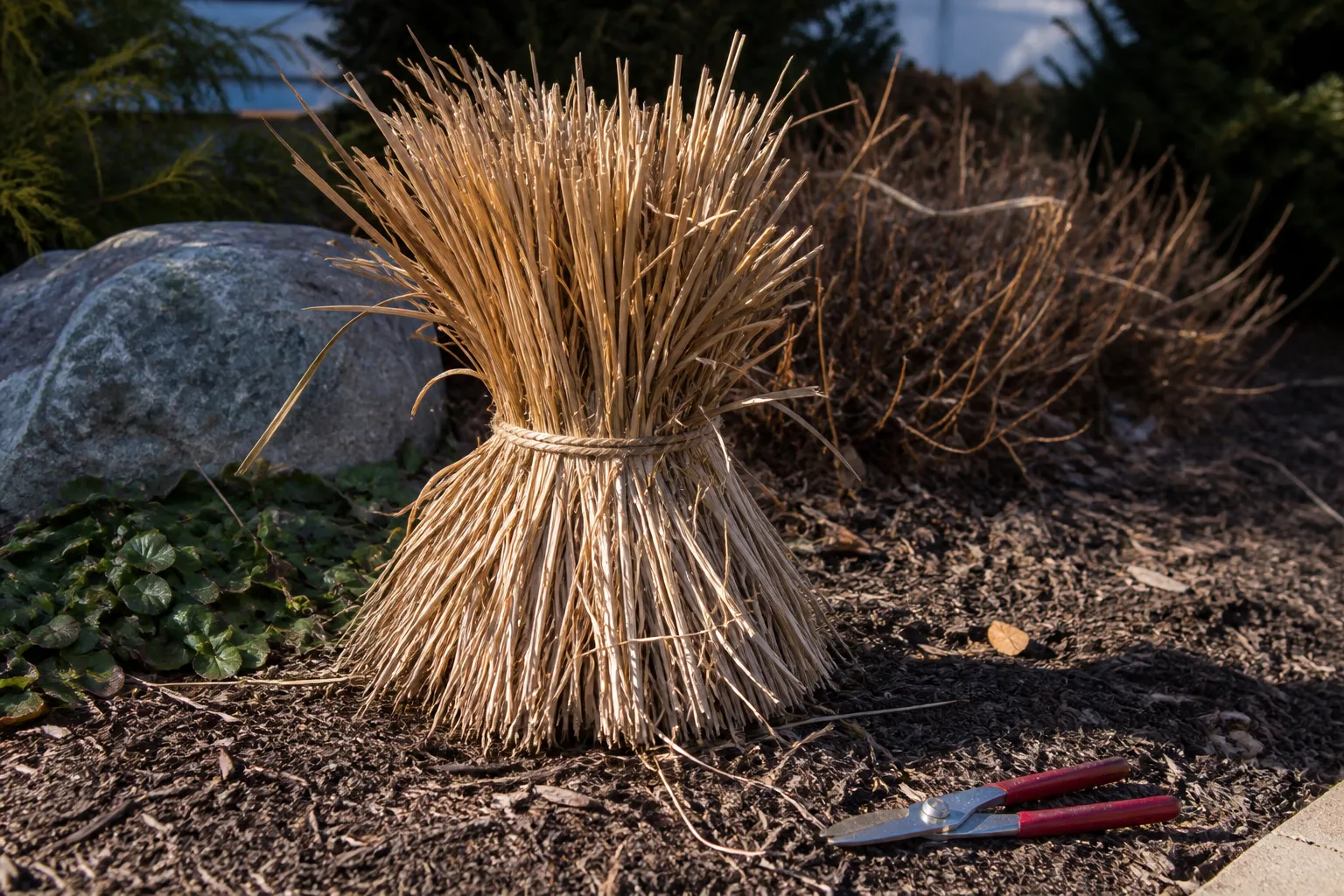
Remove dead, damaged, or crossing branches any time with clean pruners. For major shaping, prune after a flowering flush or during the warm growing season so the plant has months to regrow and set new buds. Avoid hard cutting immediately before expected frost; tender regrowth is more vulnerable to cold.
Work in layers: clear weak interior stems and suckers, keep a few well-spaced main branches, then shorten overly long shoots to outward-facing buds or side branches. Shearing duranta repeatedly into a tight ball creates a dense outer shell with poor airflow and fewer flowers. Selective cuts produce a healthier, more natural arch.
Wear gloves and long sleeves. Thorns are usually small but sharp on older stems, and sap may irritate sensitive skin. Bag and dispose of clippings that carry berries if pets or children could reach the compost pile.
How to encourage more blooms
More light is the first bloom booster. Once sun is adequate, keep soil moisture steady through bud formation—alternating flood and drought causes bud drop on many tropical shrubs. Hold nitrogen feeds and prune lightly enough that you are not removing every shoot that was preparing to flower.
Deadheading spent clusters keeps the plant tidy and can redirect energy, but it is optional for basic flowering. If you want berries for color, leave some mature clusters in place and remove only what you need for neatness or safety.
A hard prune or recent repot can delay flowering for several weeks while the plant rebuilds wood. That delay is normal. Resume consistent care rather than piling on fertilizer.
Bloom season typically runs from late spring or early summer until cool nights arrive in fall. Individual flushes can last weeks, with new clusters forming on fresh growth through the warm season. Flowers are tubular with five lobes, often blue, lavender, or white, and some gardeners notice a light vanilla-like scent on warm afternoons—though fragrance is subtle compared with the visual impact of the hanging racemes.
Propagating golden dewdrops from cuttings
Stem cuttings are the most reliable way to duplicate a favorite cultivar. Seed-grown plants from hybrid parents may not match the parent plant, though seed propagation is possible if you are not chasing a exact clone.
In summer, take a 6-inch softwood or semi-hardwood cutting from healthy, non-flowering shoots. Strip the lower leaves, dip the cut end in rooting hormone if you have it, and insert the stem into moist, well-drained potting mix. Cover with a loose plastic bag or place in a bright, humid spot out of direct midday sun.
Roots usually form in a few weeks. Tug gently to check resistance, then transplant into a slightly larger pot once new top growth appears. Overwinter rooted cuttings indoors if your main plant is too large to bring inside—this is a practical way to carry genetics through winter without hauling a 5-foot shrub into the dining room.
Seed propagation is possible if you collect ripe berries, remove the pulp, and sow in sterile moist mix at around 70°F, but germination can take 30 to 60 days and seedlings from hybrid parents may not match the nursery tag. Cuttings remain the better choice when you want a known flower color or leaf pattern.
Grow duranta in a container
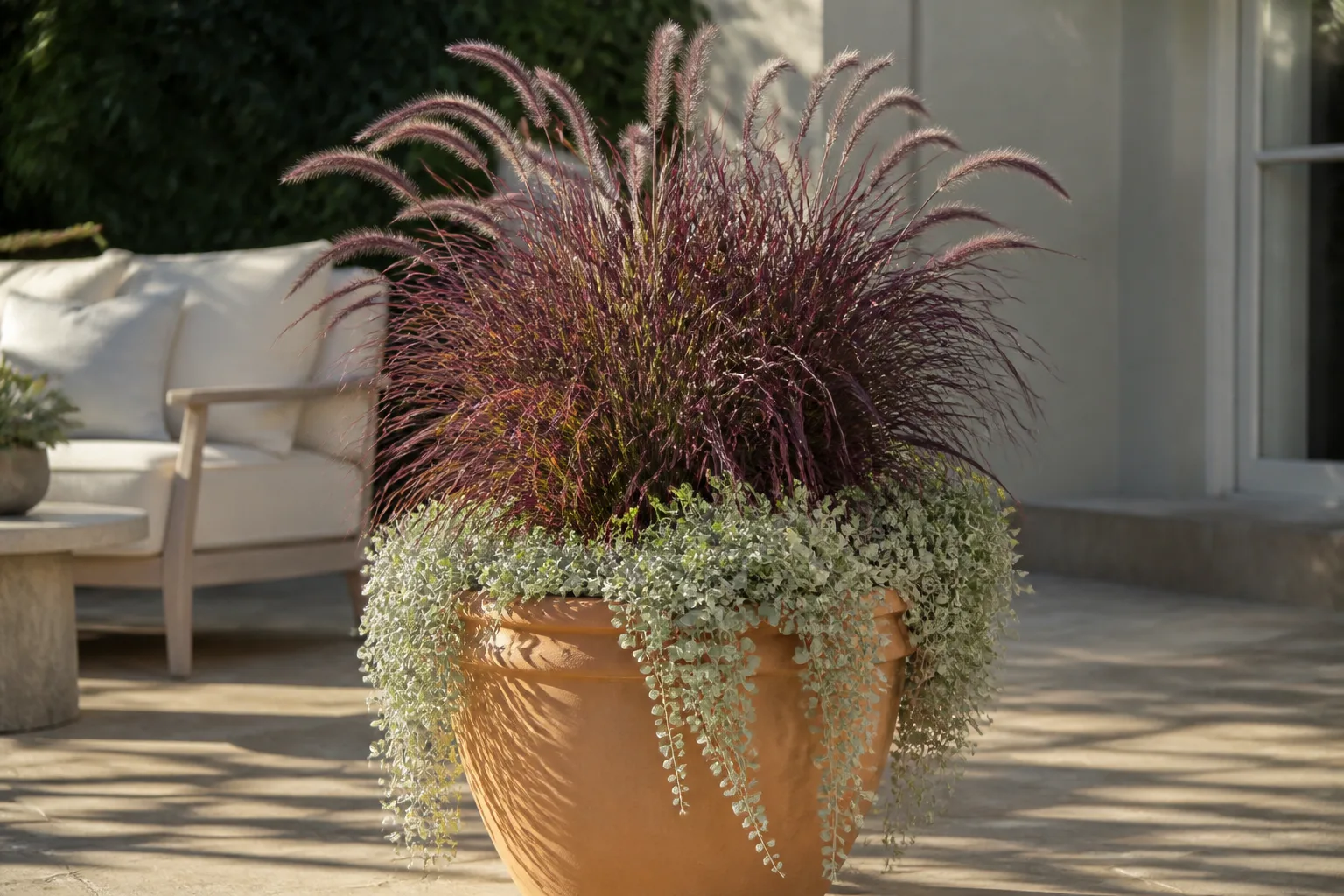
Containers tame size and simplify winter protection, but they do not slow duranta’s ambition. Choose a large, heavy pot with drainage holes—16 inches or more for a mature specimen—and fill it with quality potting mix, not garden soil.
Place the pot in full sun and rotate it every week or two so growth stays balanced. Water when the top inch dries, soaking until water runs from the drainage holes, then discard runoff. Container plants dry faster than in-ground shrubs and may need daily checks in midsummer.
Repot when roots circle the pot or emerge from drainage holes. Move up one pot size at a time; an oversized pot stays wet and invites root rot. Keep the root ball intact when shifting containers because duranta develops a branching root system that dislikes rough handling.
A well-grown container duranta can serve as a patio focal point, a poolside accent, or even a trained small tree if you select one strong leader and remove competing shoots. Expect to prune more often than with in-ground plants because root space limits but does not eliminate vigor.
Overwintering and frost limits
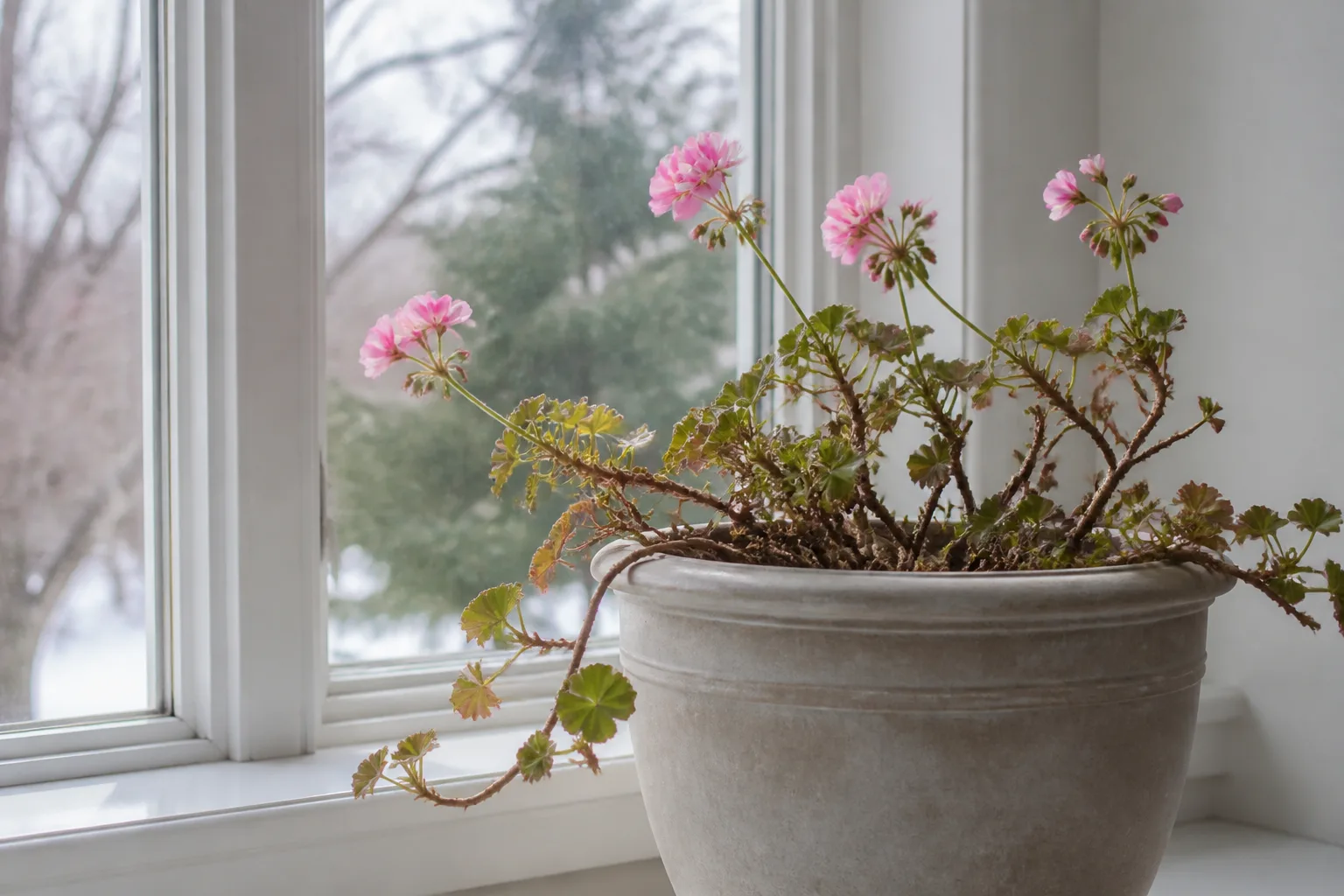
Bring potted duranta indoors or into a bright frost-free space before temperatures fall to about 40°F (4°C). Inspect leaves and stems for whiteflies and aphids so you do not import pests into the house. Reduce watering as growth slows and avoid placing the plant in a dark, overheated room—cool brightness beats a hot dim corner.
Indoor leaf drop after the move is common. Sudden light and humidity changes stress the plant; new indoor-adapted leaves usually follow if the roots are healthy. Hold fertilizer until spring growth resumes.
In-ground plants in marginal zones may survive root-hardy with mulch after dieback, but do not count on top growth surviving a hard freeze. Wait until spring to assess damage, then cut back to live wood. Blankets help briefly during light frosts but will not make duranta hardy in zone 6 or 7.
Gardeners in cold climates who treat duranta as an annual can simply compost frost-killed plants at season’s end. Taking cuttings in late summer provides a low-cost backup if you want the same cultivar next year. Label cuttings with the cultivar name so you are not guessing flower color when spring arrives.
Berries, pets, and planting safety
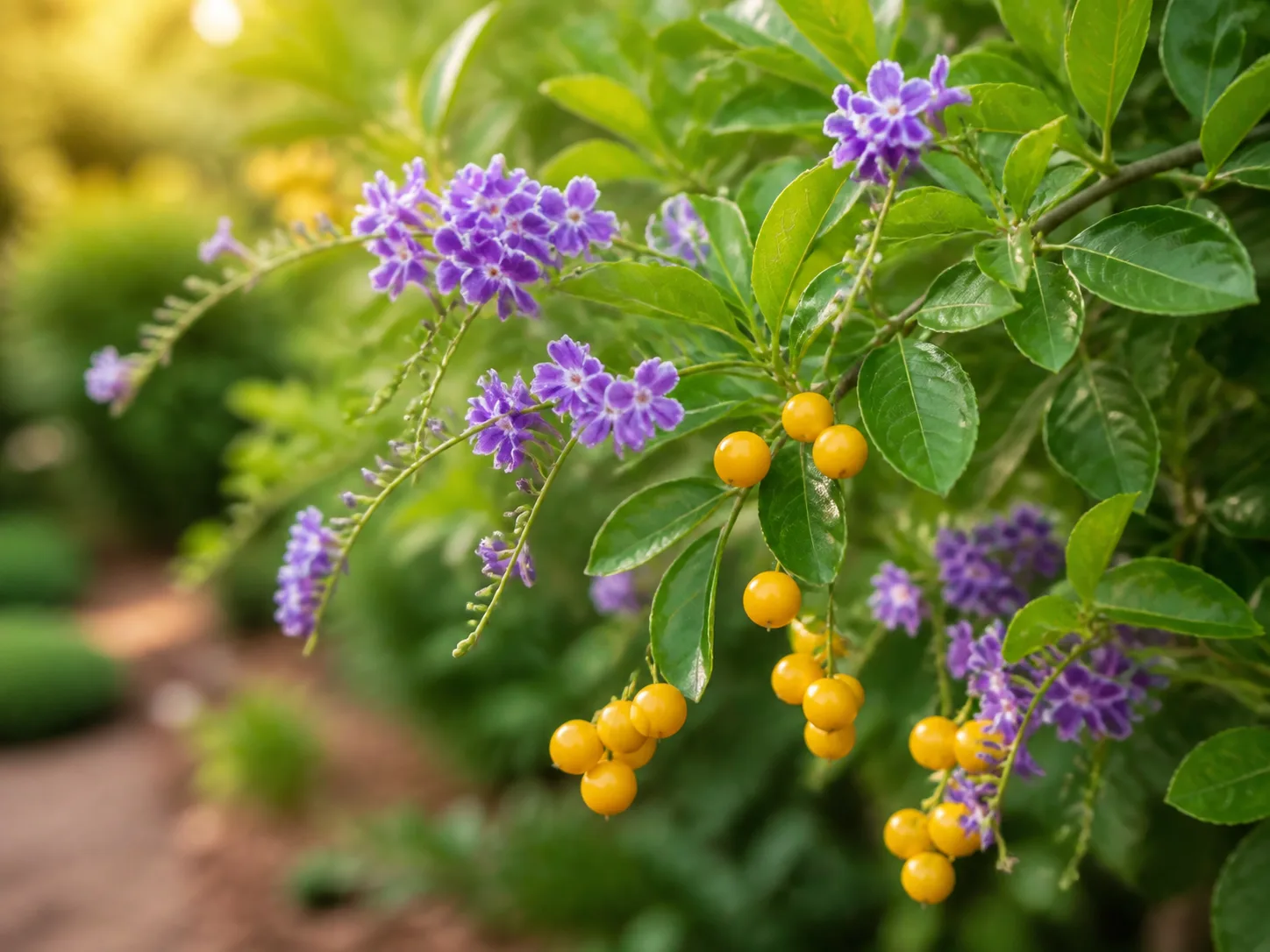
NC State Extension rates duranta as high severity poison, noting that fruit can be fatal to dogs and children if eaten. Birds eat berries without obvious harm, which can spread seed—another reason to think carefully about placement.
Keep duranta out of play yards, pet runs, and along paths where berries fall within reach. Sweep fallen fruit from patios and decks. Do not add clippings with berries to compost that might contact edible gardens unless you are certain the pile is inaccessible.
If ingestion is suspected, contact poison control or a veterinarian promptly with the plant name (Duranta erecta) rather than experimenting with home remedies. Wear gloves when pruning fruiting wood and wash hands afterward.
Where invasive-plant rules apply, removing immature fruit before birds distribute seed is a responsible practice even if the plant is allowed in your area.
Pests and diseases to watch for
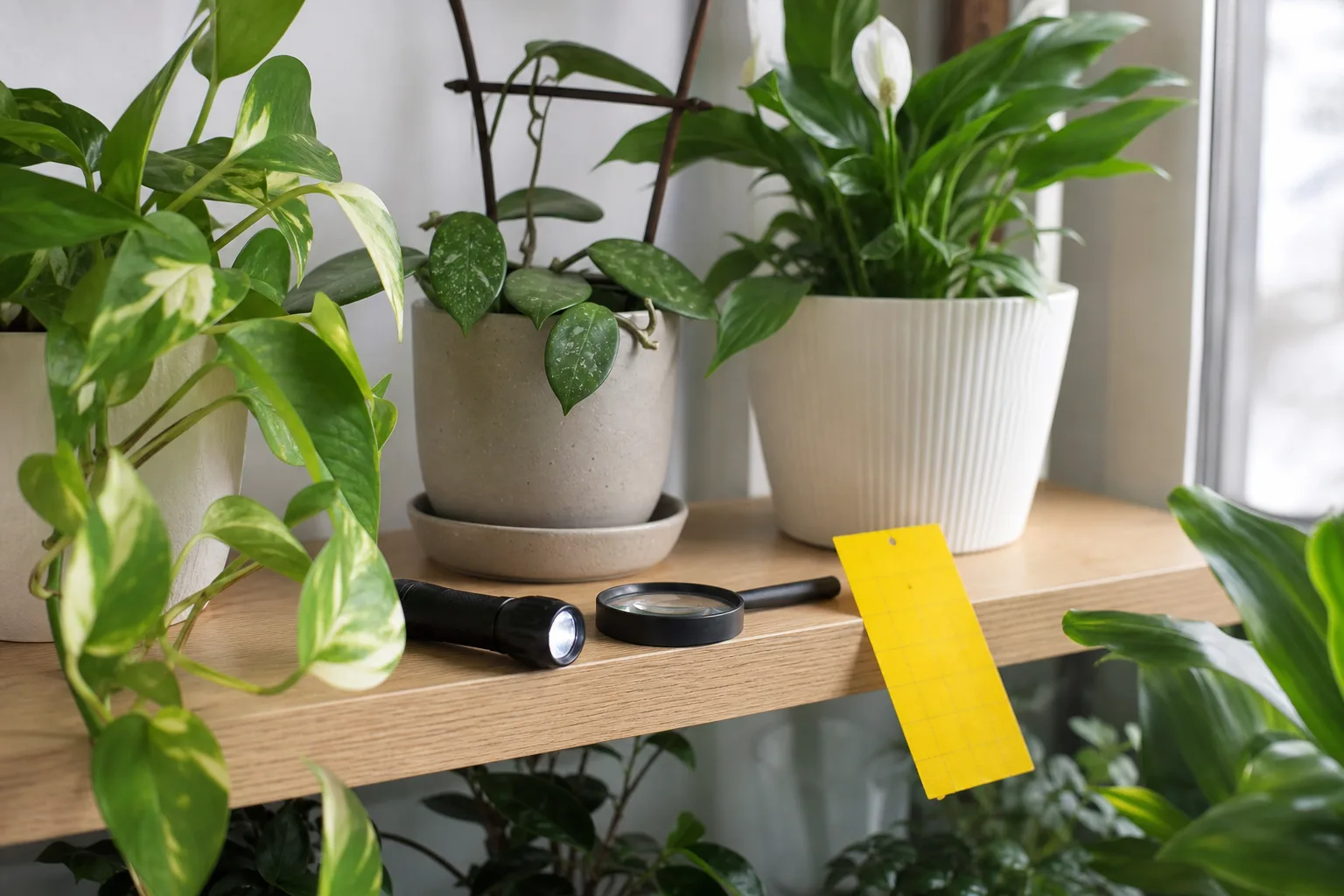
Duranta is generally healthy, but whiteflies are the most common serious pest. Infested leaves may look dull, and stems can develop sticky honeydew that leads to sooty mold. Check leaf undersides early, especially on plants brought indoors for winter.
For light infestations, rinse foliage with a strong spray of water or use insecticidal soap according to label directions. Repeat applications are often necessary because whiteflies reproduce quickly. Quarantine new plants before mixing them with overwintering collections.
Anthracnose and other leaf-spot fungi occasionally appear as tan or reddish lesions along veins, sometimes with cupped or distorted leaves. Remove affected foliage, avoid overhead watering that splashes spores, and improve airflow through selective pruning. Fungicides are rarely needed in home gardens if sanitation and drainage are corrected quickly.
Root rot from poor drainage is more common than exotic diseases. Fix water habits before spraying chemicals.
Deer generally avoid duranta, but hungry deer in dry seasons may sample new growth. Rabbits occasionally nibble tender shoots at the base. Physical barriers or repellents applied before damage begins work better than trying to rescue a repeatedly stripped plant midseason.
Common problems and fixes
Leaves drop after moving indoors: Expect some shedding when light and humidity change. Keep the plant in the brightest window available, reduce watering until growth stabilizes, and inspect for pests that stress recovering foliage.
Few or no flowers: Increase direct sun, ease nitrogen feeding, and review pruning history. A recent hard cut or root-bound pot delays bloom. Repot or root-prune if the plant dries out within hours every day.
Yellow leaves with wet soil: Improve drainage immediately. Let the upper soil dry slightly, then water less often. Soft, dark roots require repotting into fresh mix and removal of rotted portions.
Leggy, bare lower stems: Usually insufficient light. Move to fuller sun and cut back long shoots during active growth to force branching lower on the stem.
Sticky leaves and tiny white insects: Whiteflies. Treat promptly before bringing plants indoors, and isolate affected pots from clean houseplants.
Berries but few new flowers: The plant may be between flushes or finishing the season. Remove spent clusters if you want tidiness; leave some if berries are intentional and safety is controlled.
Conclusion: give golden dewdrops room
Duranta rewards gardeners who respect its pace and scale. Give it full sun, well-drained soil, and consistent moisture while it establishes, then prune after flowering to keep the arching habit in bounds. In cold climates, plan for frost with containers or cuttings rather than hoping an annual planting becomes permanent.
The berries are beautiful and risky. The growth is fast and manageable with sharp pruners. When you match cultivar to space and keep fruit away from pets and children, golden dewdrops become one of the most colorful warm-season shrubs you can grow—without turning every weekend into a rescue mission. Treat it as a seasonal star in cold climates and a long-term structural plant only where winters stay mild and local rules allow.