How to Grow and Care for Black Krim Tomatoes
Learn Black Krim tomato care from seed to harvest, including planting time, sun, soil, containers, pruning, watering, ripeness, and common problems.
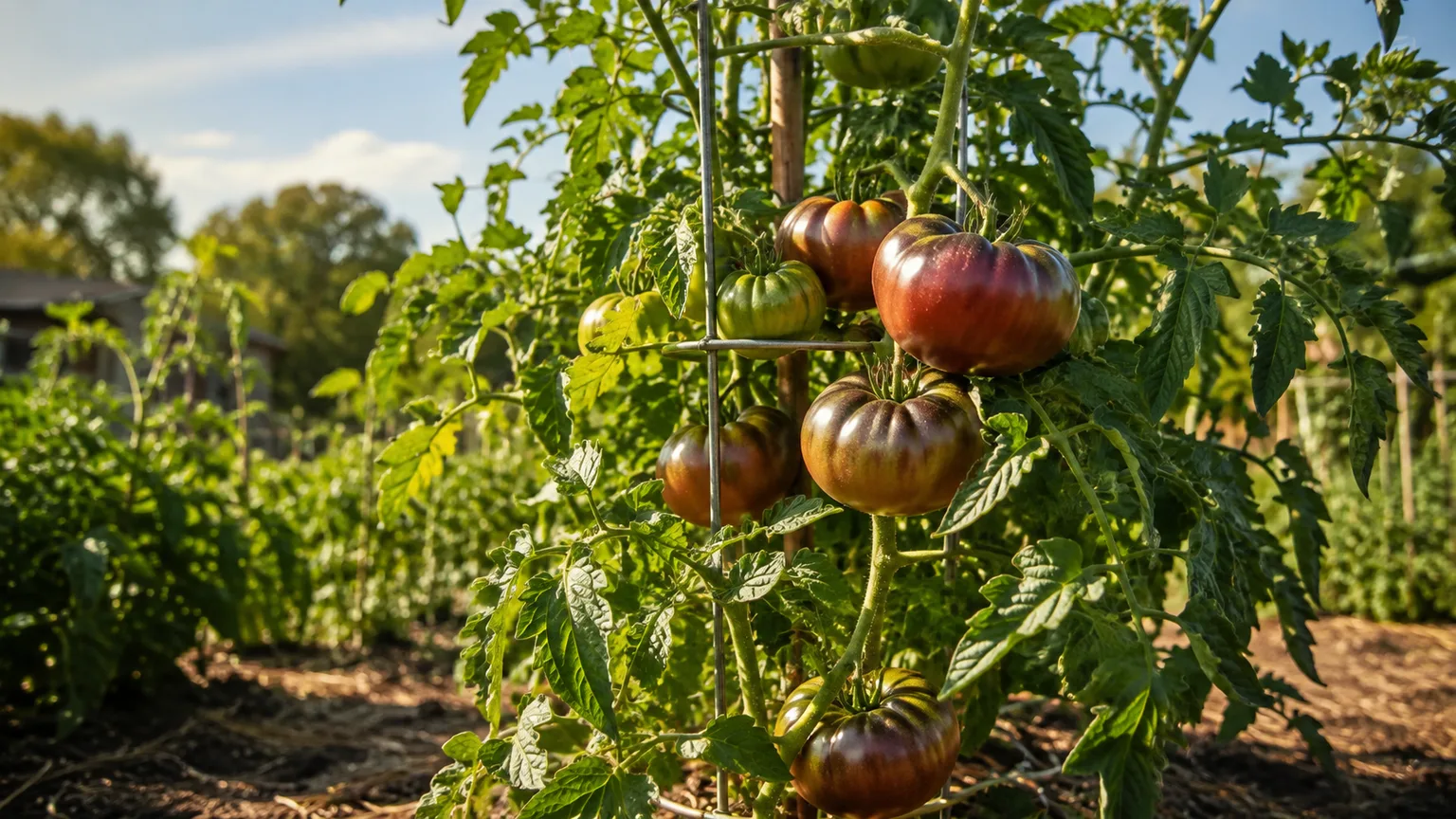
Black Krim is an indeterminate heirloom tomato with dark mahogany to purple-brown fruit, a rich flavor, and a habit of producing large, ribbed beefsteak tomatoes on a vigorous vine. It rewards a gardener who can provide full sun, sturdy support, and even moisture, but it is not the variety to cram into a small pot and water only when the leaves collapse.
The biggest ripening mistake is waiting for the shoulders to turn red. Black Krim fruit can remain olive green around the stem when the rest of the tomato is ready, so judge harvest by the overall darkening, a slight softening, and the fruit’s aroma. With the right expectations, the quirks that confuse new growers become useful signals.
The Short Answer: Give This Heirloom Warmth, Root Room, and Steady Moisture
Plant Black Krim after frost danger has passed, when the soil is warm and nighttime temperatures are reliably above about 50°F (10°C). Give it at least six to eight hours of direct sun, fertile soil that drains after rain, and a stake, cage, or trellis that is already in place when the seedling goes into the ground.
For a garden bed, space plants about 24 to 36 inches apart, with wider spacing when your climate is humid or the cultivar grows especially large. For a container, use one plant in a broad, stable 10- to 15-gallon pot with several open drainage holes. A smaller pot may keep a plant alive, but it leaves little margin for missed waterings, depleted nutrients, or a hot root zone.
The routine is simple: water the root zone deeply and consistently, mulch the soil without covering the stem, remove only the growth that makes the vine unmanageable or the lower canopy too damp, and harvest before an overripe fruit splits. The RHS profile for Black Krim describes it as a full-sun cordon beefsteak tomato suited to greenhouse or outdoor growing, with a mature height of roughly 1 to 1.5 meters.
What Makes Black Krim Different From an Ordinary Tomato?
Black Krim is a dark-fruited heirloom beefsteak tomato, usually grown as an indeterminate vine. Its fruits are flattened and ribbed rather than perfectly round, and mature tomatoes can range from deep red to mahogany-purple depending on the seed line, sunlight, heat, and stage of ripeness. Plantura’s variety guide also notes the characteristic green or olive shoulders and the variety’s late-leaning ripening pattern.
That appearance comes with a flavor trade-off that many gardeners consider worthwhile. Black Krim is grown primarily for fresh slicing, sandwiches, salads, and salsa; the soft, meaty texture is less suited to long storage than a firm hybrid. Its large fruit and thin skin also make it more vulnerable to cracking when the plant moves quickly from dry soil to heavy rain.
The dark color is not a sign of rot, and the green shoulder is not automatically a sign that the fruit needs another week. A ripe Black Krim can still have green tissue around the stem. If the fruit is hard, pale, and scentless, leave it longer; if it has darkened overall, yields slightly to gentle pressure, and smells sweet at the stem end, harvest it before the skin becomes fragile.
Keep pets away from the foliage and unripe plant material. The ASPCA tomato plant profile lists tomato plants as toxic to dogs, cats, and horses while noting that ripe fruit is non-toxic. Do not let pets chew stems, leaves, or discarded green fruit, and contact a veterinarian promptly if an animal may have eaten them.
Choose a Warm, Sunny Site Before You Plant
Full sun is the starting point for both growth and fruit quality. Choose a location with at least six to eight hours of direct light, good air movement, and shelter from strong wind. A sunny wall, greenhouse border, or protected garden bed can help in a short or cool season, while a dark container on heat-reflective paving may need protection from the hottest afternoon conditions.
Black Krim is a warm-season annual in most gardens. Do not use a calendar date as the only planting rule: wait until the local last-frost window has passed, the soil is warming, and nighttime temperatures are no longer dropping into cold, stagnant conditions. The RHS tomato growing guide recommends planting young tomatoes outdoors once temperatures are reliably above about 60°F (16°C), while the variety’s tenderness makes patience especially useful.
Avoid planting tomatoes in a bed that held tomatoes, potatoes, peppers, or eggplant recently if you can rotate. These crops share disease risks and can leave infected debris or volunteer plants behind. Penn State Extension’s tomato disease guidance recommends avoiding the same area for tomatoes and related vegetables more than once in three years where possible; in a small garden, move the crop as far as practical and remove all diseased residue at season’s end.
Start Black Krim From Seed or a Nursery Transplant
Buying a healthy transplant is the fastest route to fruit, especially in a short growing season. Starting from seed gives you access to more seed lines and lets you control the early growth, but Black Krim is not an early crop, so starting too late can push the first harvest into cool weather.
Seed-starting routine for a long-season heirloom
Sow seeds indoors about six to eight weeks before the date you expect to transplant outdoors. Use clean containers with drainage and a moist seed-starting mix. Plant seeds about 1/4 inch deep, cover them lightly, and keep the tray warm; the RHS tomato sowing guidance gives about 18°C (64°F) as a useful germination temperature.
As soon as seedlings emerge, remove the humidity cover and provide strong light. A bright window can work, but a grow light kept close to the foliage usually produces shorter, sturdier seedlings. Turn a windowsill tray regularly so the stems do not lean toward one direction, and use a small fan if the air is still and the foliage stays damp.
When seedlings have their first true leaves, thin crowded cells to one plant and pot them on if roots fill the small container. Keep the mix lightly moist rather than saturated. Overwatering young roots can cause more trouble than a brief dry surface, especially when the container has poor drainage.
Harden off and transplant deeply
Harden seedlings over five to seven days. Put them outdoors in a sheltered, shaded position for a short period at first, then gradually extend the time and increase light exposure. Bring them in if a cold night, strong wind, or sudden heat would overwhelm the young plant; Savvy Gardening’s tomato seed guide also emphasizes gradual outdoor exposure before transplanting.
Plant once the soil is warm and the plant is actively growing. Tomatoes can form roots along a buried stem, so remove the lowest leaves and set the seedling deeply, leaving the upper foliage above the soil. Water the root zone thoroughly, tie the stem loosely to its support, and add mulch after the soil has warmed, keeping it a few inches away from the stem.
Prepare Soil That Drains but Holds Moisture
Aim for a fertile, well-drained soil with enough organic matter to hold moisture without becoming waterlogged. A soil test is more useful than guessing from leaf color. The CDFA and UC Davis tomato fertility guidance places the useful tomato soil-pH range near 6.2 to 6.8 and shows why nutrient programs should respond to soil and plant needs rather than repeated blanket applications.
Work finished compost into the bed before planting, but do not bury the root ball in a pocket of pure compost. A sudden texture change can hold water around the roots while the surrounding soil remains dry. Improve the whole planting area where possible, break up compaction, and choose a raised bed if the site stays saturated after rain.
The best soil for Black Krim is not the richest soil you can create. Excess nitrogen can produce a lush canopy, delay maturity, and increase disease pressure without improving flavor. Build fertility before planting, then observe new growth, flower production, and fruit development before adding more.
Space and Support the Vine Before It Gets Heavy
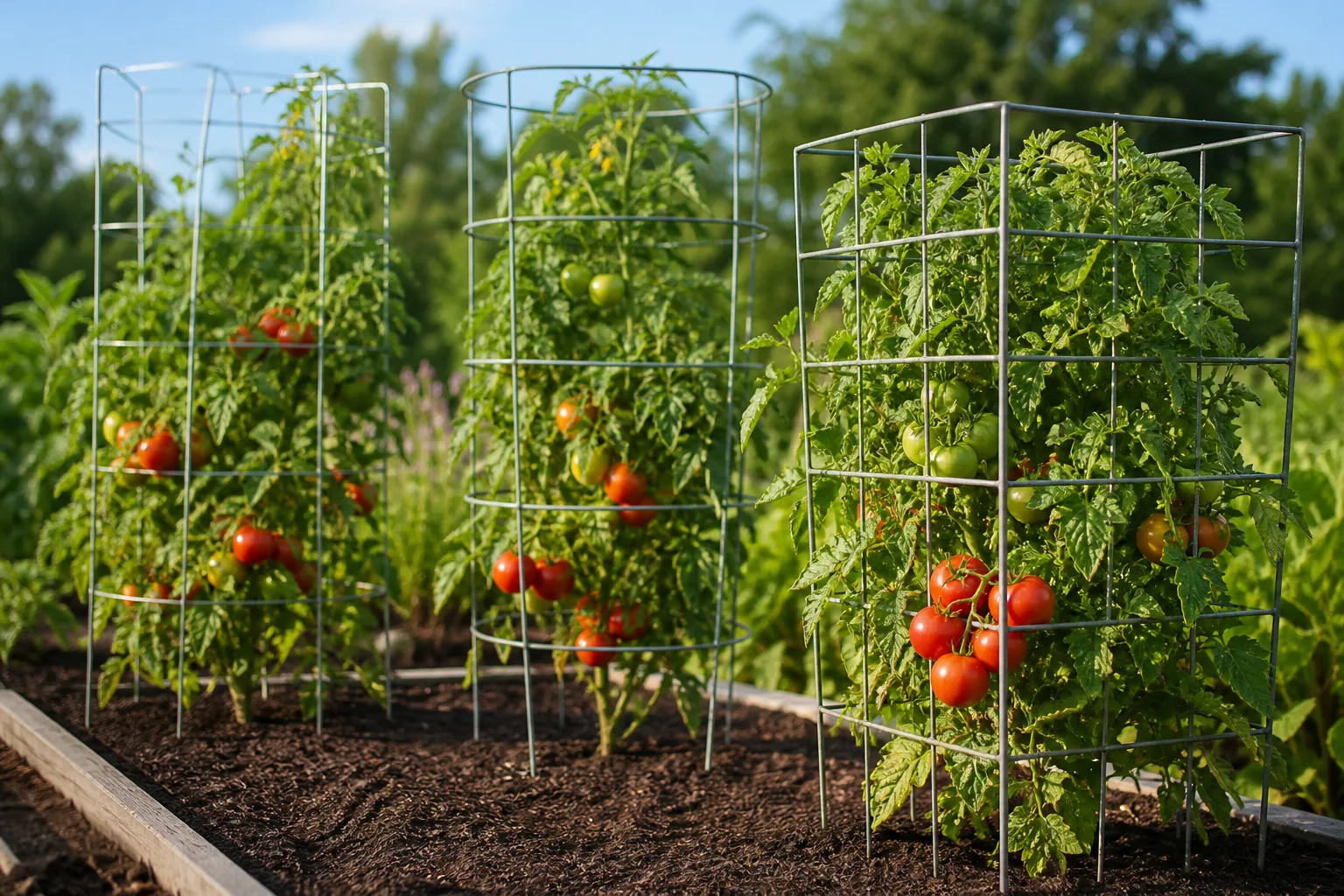
Black Krim is an indeterminate, or cordon, tomato: it keeps extending its main growing stem and can crop until frost stops it. A support installed after the vine is already loaded with fruit often damages roots or breaks branches, so install a tall stake, strong cage, or trellis at planting time.
Use a support that can carry the weight of beefsteak fruit and withstand wind. Tie the stem with soft material in loose loops, leaving room for expansion. A single stake works when you are willing to tie the vine regularly; a sturdy cage gives side branches more support but must be large enough for a vigorous plant.
Give each plant about 2 to 3 feet of space in a row and more if the foliage remains wet after rain. Leave a path or working gap so you can reach the stem, inspect the underside of leaves, and pick fruit without dragging branches through neighboring plants. Crowding does not just reduce airflow; it makes the first signs of disease much harder to see.
Grow Black Krim in a Container Without Starving the Roots
Container growing works when the pot is treated as a complete root environment rather than a decorative holder. Use one plant in a broad, stable 10- to 15-gallon container, or choose the largest practical vessel you can lift and position safely. A pot that is tall but narrow may hold soil while still tipping when a fruit-heavy vine catches wind.
Use quality potting mix, not straight garden soil. Garden soil tends to compact in a pot, slowing drainage and reducing air around the roots. Blend in only mature, clean compost, leave room at the top for watering, and confirm that every drainage hole is open before filling the container.
Place the pot in full sun with enough room around the foliage for airflow. Put it in its final position before filling if it is heavy, and use a saucer only to protect the surface beneath it; empty the saucer after watering. During hot weather, inspect the mix daily and expect the plant to need more frequent watering and feeding than a plant in the ground.
Water Consistently From Planting Through Fruit Set
Water the root zone deeply enough to wet the full container or the surrounding soil, then let excess drain away. The target is a steady moisture pattern, not permanently wet soil. Check several inches below the surface with your finger or a small trowel, and learn the weight of a watered container so you can spot drying before leaves wilt.
In-ground plants often need less frequent watering than container plants because the surrounding soil holds a larger reserve. Containers, porous pots, hot paving, wind, and a large leaf canopy can change the schedule quickly. Daily checking in hot weather is sensible; daily watering without checking can create waterlogged roots.
Mulch a garden bed with a 2- to 3-inch layer of clean straw, shredded leaves, or another suitable organic material, leaving a gap around the stem. Mulch buffers the soil against rapid drying and reduces splash onto lower leaves. In a container, a thin mulch layer can help, but do not cover the surface so deeply that you cannot inspect moisture.
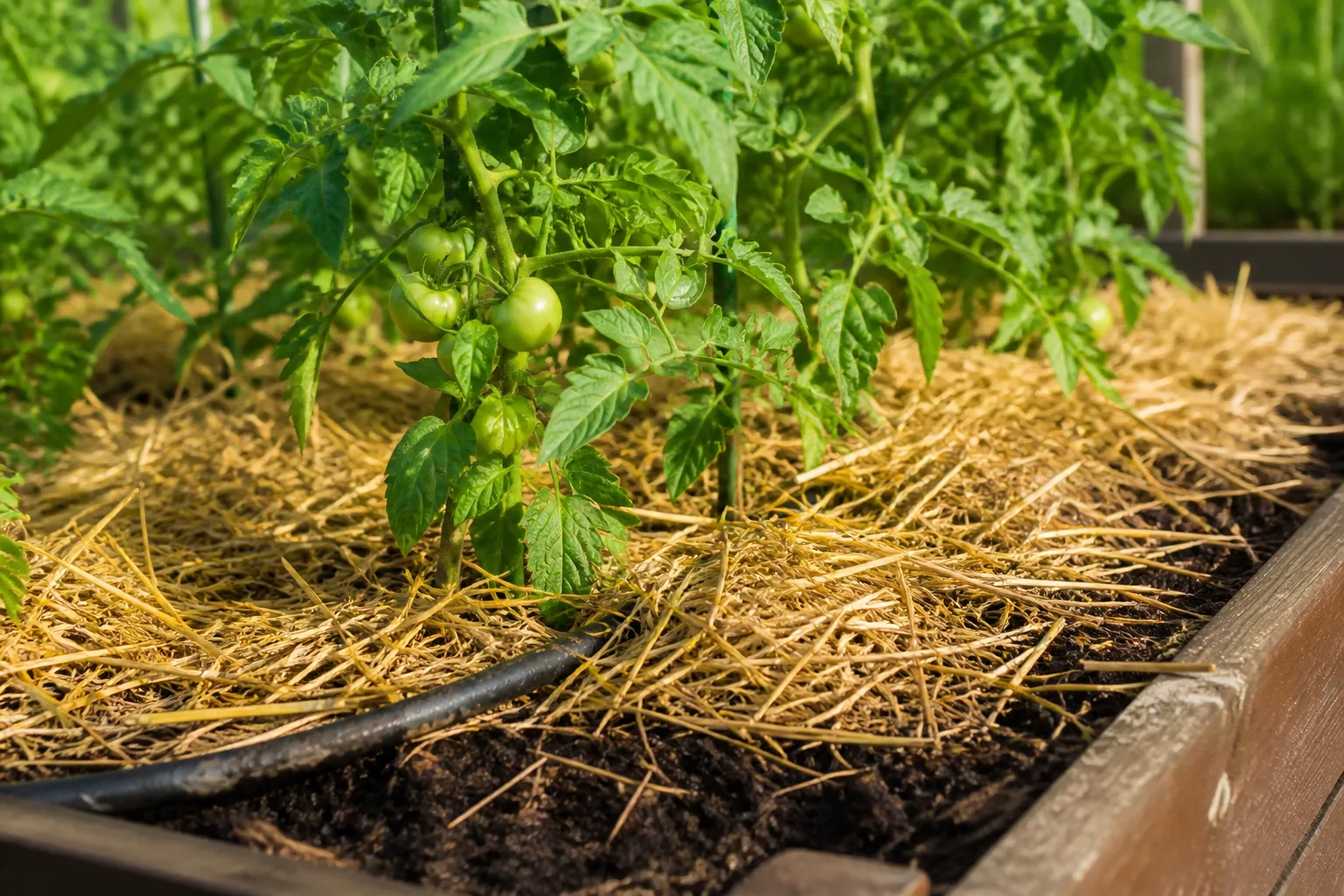
Avoid wetting the foliage when you can. Use a soaker hose, drip line, or a slow stream at the soil line, and water early enough that incidental splashes dry. Even moisture is especially important while fruit is swelling; drought followed by a heavy watering or rain can make Black Krim fruit split and can contribute to blossom-end rot.
Feed for Fruit Without Creating a Leafy, Late Crop
Start with a soil test and a fertilizer labeled for vegetables or tomatoes. A controlled-release product mixed according to its label can simplify feeding in a container, while an in-ground bed with good compost may need little additional fertilizer until the plant shows a real need. Do not combine several products just because each one promises more blooms or larger fruit.
Nitrogen is useful for leaves and stems, but too much produces the exact plant many gardeners mistake for health: dark, lush foliage with slow maturity and fewer usable tomatoes. The CDFA tomato fertility resource explains that nitrogen demand changes through the season and that excess nitrogen can delay maturity and increase susceptibility to disease and insects.
When the first fruits begin to swell, follow the fertilizer label for a tomato or vegetable feed and adjust for whether the plant is in a pot or in the ground. Container nutrients leach with repeated watering, so a diluted liquid feed at the label interval may be useful; do not feed a plant whose roots are saturated or severely heat-stressed. Water the mix first if the label permits and never use a stronger dose to compensate for pale leaves without checking the root zone.
Prune for Airflow, Leaf Cover, and Reliable Fruit Set
Pruning is a training decision, not a race to remove every leaf. A practical Black Krim setup is one main stem, or two well-supported stems if the plant is vigorous and your season is long. Remove small suckers from the leaf axils when they are easy to pinch, especially low on the plant, but keep enough healthy leaf area to shade developing fruit.
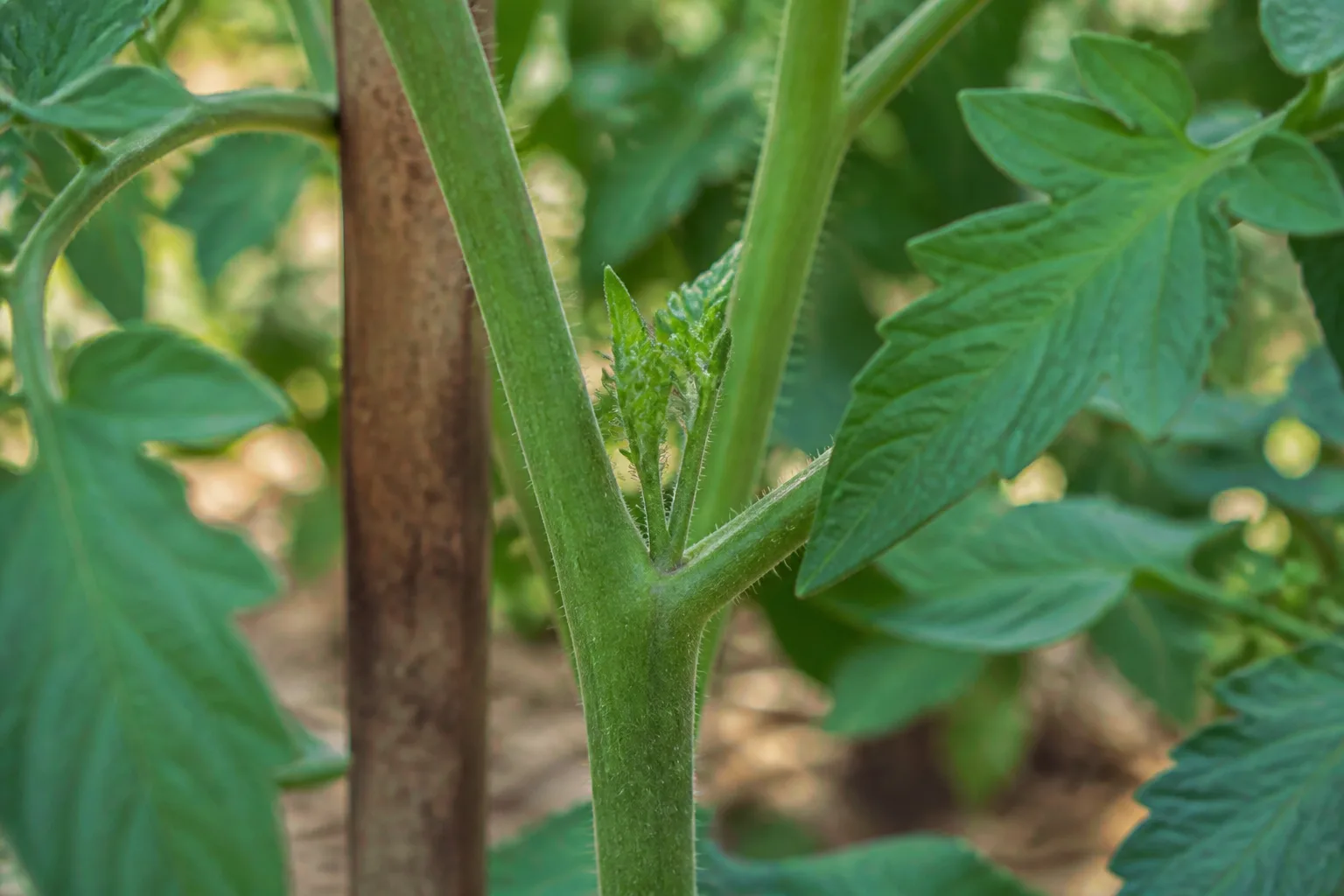
Check the V-shaped joints between the main stem and leaf branches so you do not mistake the growing tip for a sucker. Remove leaves that touch the soil, yellow leaves that are clearly declining, and dense growth that keeps the center of the plant wet. In a hot climate, aggressive leaf stripping can expose fruit to sunscald; in a humid climate, removing the lowest crowded leaves can improve airflow.
Tomato flowers are largely self-pollinating, but fruit set can fall when flowers face extreme heat, cold, drought, or still air. Gently tap the support or flower trusses in the morning when flowers are open if pollinators are scarce, and avoid spraying open blooms. Do not assume a flower that drops proves a nutrient deficiency; inspect recent weather and watering first.
About a month before the first expected fall frost, stop the plant from making endless new growth by pinching the growing tip and removing new flowers that cannot mature in time. This redirects the plant toward existing fruit, but only do it when you have enough season left for the fruit already on the vine to ripen.
Read Ripeness Correctly and Harvest Carefully
Start checking fruit when it has reached full size and the color begins to change. A ripe Black Krim is typically dark red, mahogany, or purple-brown overall, often with olive-green shoulders. The fruit should feel heavy and yield slightly to gentle pressure, not feel hard like an unripe green tomato or soft and leaking like an overripe one.
Color alone is unreliable for this variety. Do not wait for the shoulders to turn red if the lower and side portions have darkened, the skin has softened slightly, and the fruit smells sweet near the stem. Plantura’s Black Krim guide likewise describes ripe fruit as purple-brown with a softer skin, while RHS tomato harvesting advice recommends checking plants frequently and picking individually when fruit is ripe and fully colored.
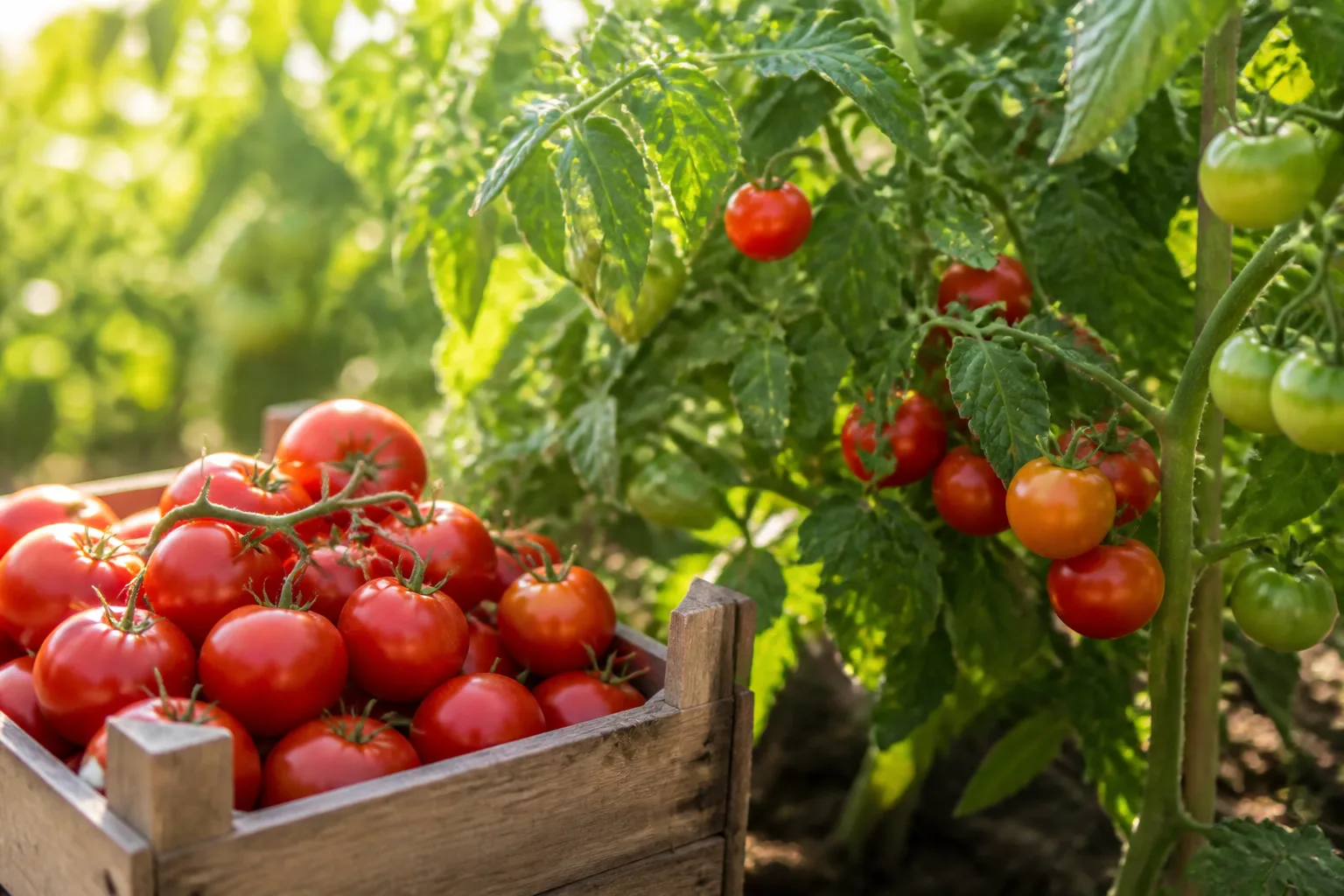
Harvest with clean pruners or a knife if the stem is holding tightly. Pick before a forecast of heavy rain when a fruit has begun to color, especially if the skin already shows tension lines. Let breaker-stage fruit finish ripening at room temperature out of direct sun when weather, pests, or frost make leaving it on the vine risky.
Save Seed and Use the Fruit at Its Best
Black Krim is generally sold as an open-pollinated heirloom, so seed saved from a healthy, properly ripened fruit can resemble the parent. That is not a guarantee of exact uniformity: pollen from another tomato variety can cross with the flower, and the resulting seed may express a mix in the next generation.
Choose a fully ripe, healthy fruit from a plant that performed well in your garden. Scoop the seeds into a labeled container with a little pulp and water, allow the mixture to ferment briefly until the gel breaks down, rinse away the debris, and dry the seeds thoroughly on a labeled surface. Store them cool, dry, and dark once completely dry.
Eat Black Krim fresh when you want its soft, meaty texture and complex flavor. Slice it for sandwiches, salads, or a tomato plate; use very ripe or slightly split fruit promptly in salsa or a quick sauce. Refrigeration dulls the texture of unripe tomatoes, so keep them at room temperature until they are ripe, then use or chill them briefly if necessary.
Troubleshoot Splitting, Green Shoulders, and Blossom-End Rot
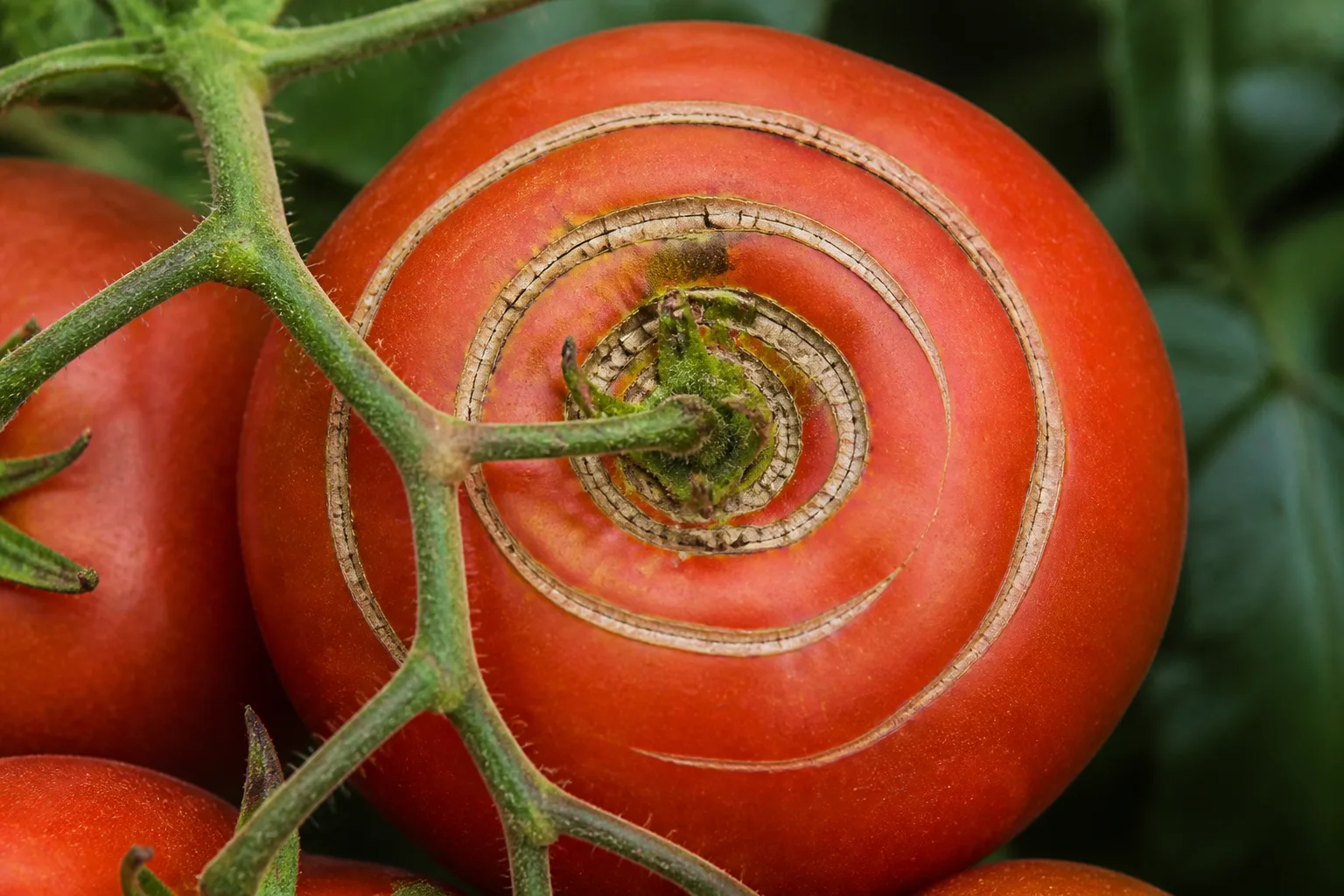
Splits are usually a water and growth problem amplified by variety. Radial cracks run out from the stem, while concentric cracks circle the shoulders. Both can follow a dry period and sudden heavy rain or irrigation, and large, thin-skinned heirlooms such as Black Krim have less margin than crack-resistant hybrids.
Keep the root zone evenly moist, mulch the bed, and harvest fruit that has started coloring before a major rain. A small, dry crack on an otherwise firm tomato can be cut away and the fruit used promptly; discard fruit that has become soft, moldy, or foul-smelling. Penn State’s tomato disorder guidance notes that drought followed by heavy rain can intensify both blossom-end rot and rain check, so the fix is to stabilize the growing conditions rather than simply add a product.
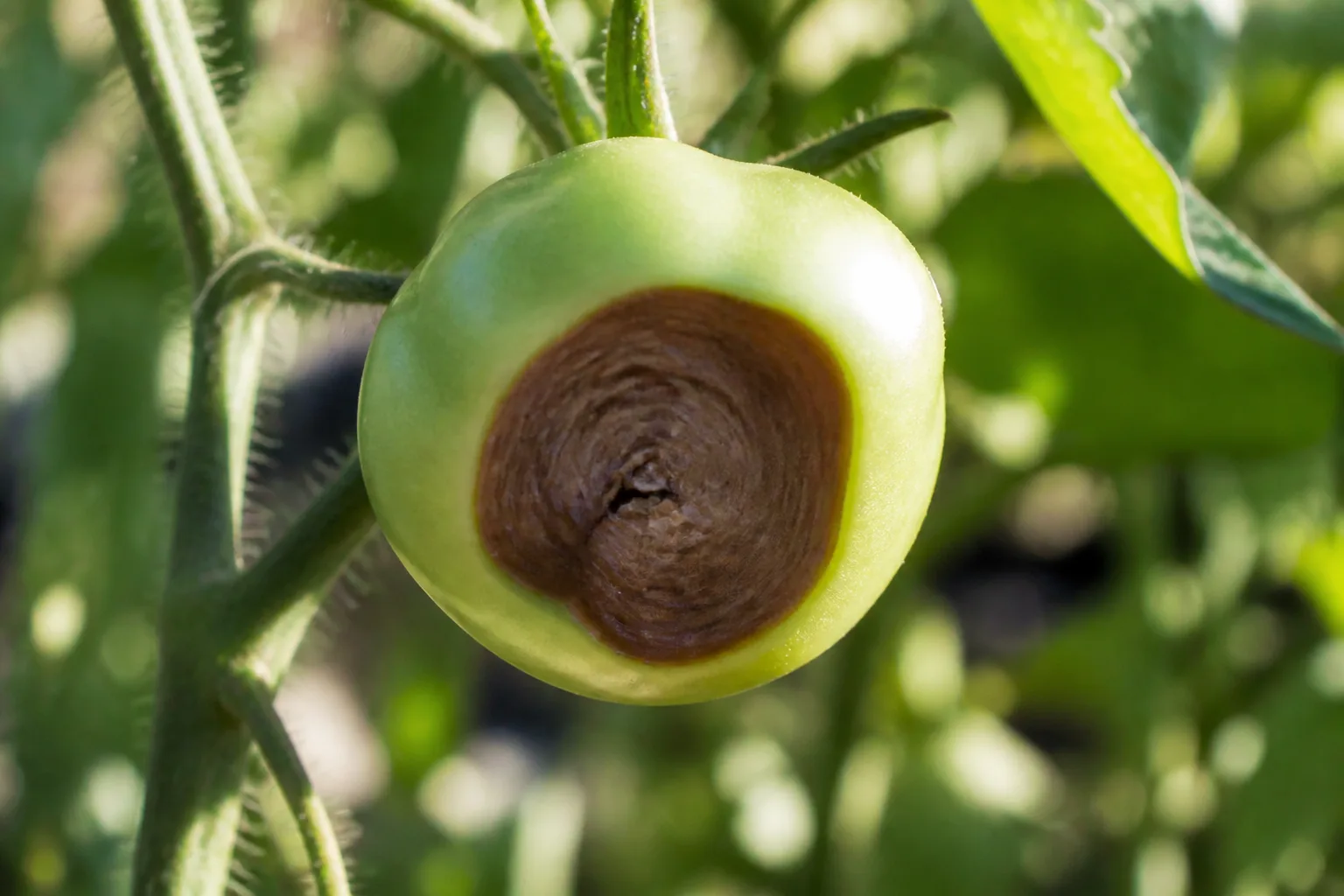
Blossom-end rot begins as a sunken, leathery brown or black area at the bottom of the fruit, opposite the stem. It is associated with calcium delivery and environmental stress, especially irregular moisture, high heat, salt stress, rapid growth, or excess nitrogen. Before adding calcium, confirm that the soil pH and calcium status are appropriate, then improve moisture consistency and remove affected fruit so later fruit can develop.
Green shoulders are a ripening characteristic, not the same as blossom-end rot. If the fruit is dark overall and yields slightly, pick it; leaving it on the vine while waiting for the shoulder to change can turn a flavorful tomato into a split or mealy one.
Diagnose Disease and Pest Damage Before You Spray
Inspect the plant at least twice a week, looking at lower leaves, new growth, stems, flowers, and fruit. Start with the pattern: a few old leaves yellowing is different from rapidly spreading spots; holes in leaves are different from a wilted plant with wet soil; and a fruit lesion is different from a leaf disease.
Early blight often begins as brown leaf lesions with concentric rings, usually on older lower foliage. Septoria leaf spot creates numerous small spots and can lead to premature leaf drop. Late blight can progress quickly in cool, wet conditions, with dark water-soaked lesions on leaves and stems. Penn State Extension recommends crop rotation, adequate spacing, mulch, proper irrigation, avoiding wet foliage, and removing infected material rather than composting it.
Remove badly affected lower leaves with clean pruners, but do not strip more than the plant can tolerate. Disinfect tools between diseased plants, keep volunteer tomatoes and weeds out of the bed, and dispose of infected material according to local guidance. If the diagnosis is uncertain or several plants fail at once, take clear photos and a sample to a local extension service instead of guessing at a pesticide.
Common pests include tomato hornworms, aphids, whiteflies, and chewing beetles. Look under leaves and around new growth before damage becomes severe, hand-pick large caterpillars when practical, and protect young plants with a temporary row cover if pests are a recurring problem. Remove the cover when flowers open so pollinators can reach the plant.
If you use a pesticide, identify the pest first and follow the product label for edible tomatoes, application timing, protective equipment, and harvest interval. Avoid spraying open flowers or treating a general symptom with a broad product. Good airflow, clean tools, healthy transplants, and regular scouting prevent more problems than a late-season spray habit.
Adjust Care for Heat, Humidity, and Short Seasons
In hot climates, keep roots cool with mulch and protect the plant from reflected heat without cutting away the entire leaf canopy. A Black Krim plant may pause flower set during extreme heat, then resume when nights moderate. Keep watering consistent, provide airflow, and judge success over several flower trusses rather than assuming one heat wave has ruined the crop.
In humid or rainy climates, use wider spacing, a sheltered but sunny position, and soil-level irrigation. Prune low foliage gradually so leaves dry faster, but preserve enough cover to protect fruit from intense sun. A greenhouse can extend the season, but it must be ventilated; warm, stagnant, wet air can make disease easier to establish.
In a short season, start seed on time, choose a warm planting site, and consider a nursery transplant that already has a head start. Use a row cover or other season-extending protection only when it does not trap excessive heat or block needed pollinator access. As frost approaches, harvest fruit showing the first color change and let it finish indoors.
Conclusion
Black Krim is worth growing when you want a richly flavored, dark beefsteak tomato and can give a vigorous heirloom the structure and attention it needs. Plant it in warm full sun, provide a large root zone, support the vine from day one, and keep moisture steady from flowering through ripening.
Its green shoulders, soft texture, and tendency to crack are part of the variety’s learning curve. Read the fruit by overall color, feel, and aroma; respond to cracking by stabilizing water; respond to blossom-end rot by checking moisture and fertility before adding calcium; and respond to leaf damage by identifying the pattern before treating it. That combination produces better fruit and a healthier plant than any single fertilizer or pruning trick.



