Blackberry Lily Care: Planting, Seeds, and Bloom Tips
Grow blackberry lily for spotted summer flowers and glossy seed clusters. Get practical planting, watering, seed-starting, division, winter, and safety advice.
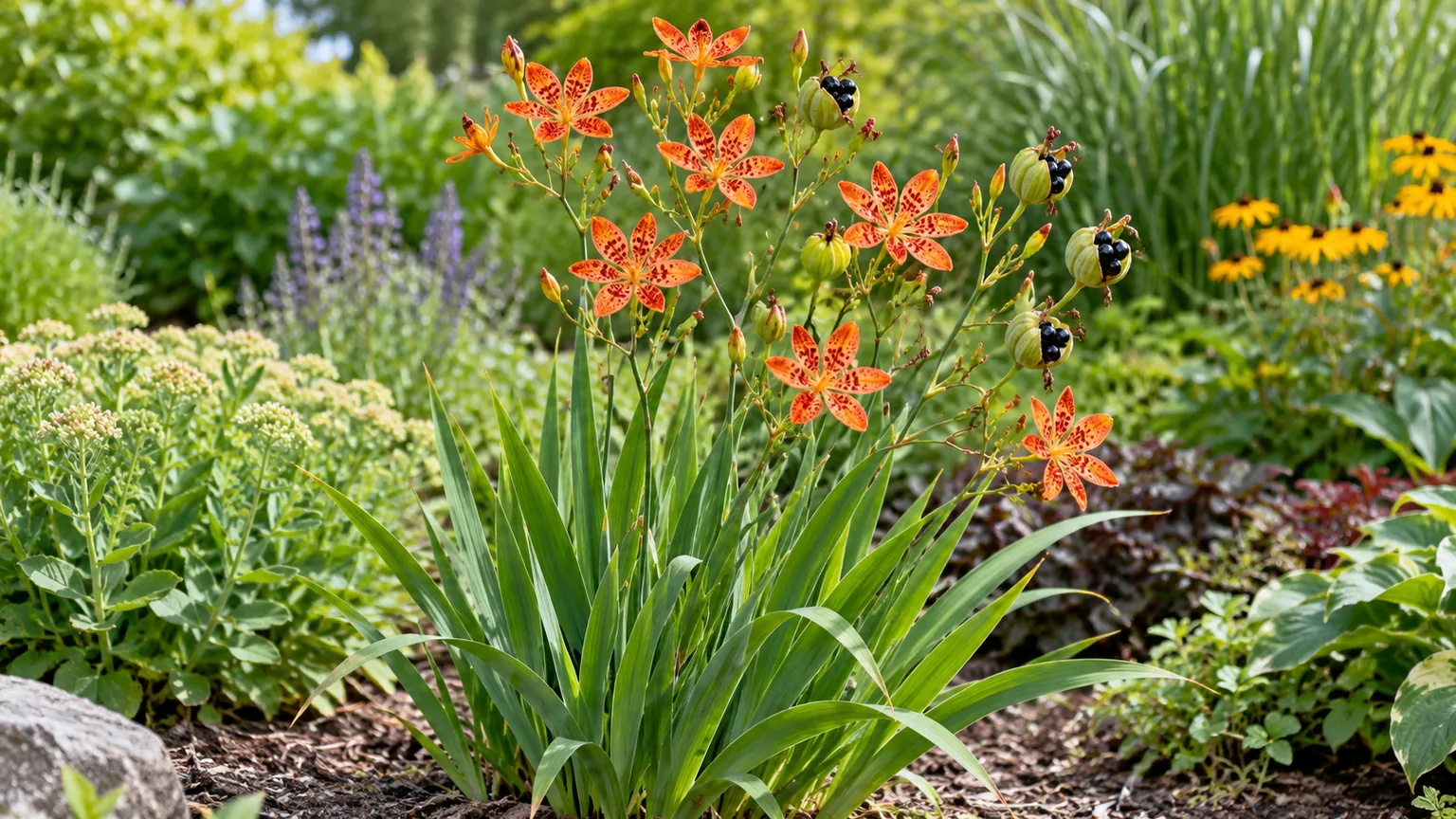
Blackberry lily is easiest to grow when you treat it like the iris it is: give its rhizomes sun and soil that drains, water a new planting while it settles in, and decide early whether you want the black seed clusters to remain. Its orange, red-spotted flowers are a summer accent, while the seedheads extend the display into fall and can scatter seedlings around the bed.
The common name creates two useful cautions. This is not a true lily and the black seeds are not edible; they belong to a perennial iris that spreads by rhizomes and self-sowing. Once you choose between a tidy clump and a naturalizing patch, the main care decisions become straightforward.
What Blackberry Lily Is (and What It Isn’t)
The accepted botanical name is Iris domestica; older labels may say Belamcanda chinensis. It is a rhizomatous member of the iris family, Iridaceae, native to parts of Asia. Flat fans of narrow leaves rise from the base, then wiry stems carry sprays of six-petaled flowers, usually orange with dark red spots. The plant commonly reaches about 2 to 3 feet, though flower stems can stand taller.
Each flower lasts only a day or two, but buds open in succession, so a healthy clump can flower for several weeks in mid- to late summer. Afterward, pear-shaped capsules split and expose glossy black seeds that resemble berries. NC State Extension and the Missouri Botanical Garden describe the same sequence of spotted summer flowers followed by persistent seed clusters, which is why the plant can be attractive long after peak bloom. (NC State Extension; Missouri Botanical Garden)
Do not confuse it with tiger lily, Lilium lancifolium. Both may have orange spotted flowers, but blackberry lily has flat iris-like leaf fans and grows from rhizomes; tiger lily is a true lily with a different bulb and flower structure. The seed clusters are also a visual feature, not edible fruit.
Choose a Site for Flowers and Easy Maintenance
Blackberry lily is a good choice for a sunny mixed border, cottage garden, coastal planting, or large container. It looks best where you can see its spotted flowers and later seedheads at close range, but the foliage is modest outside bloom. Pair it with neighboring perennials that carry the bed before and after its summer display rather than expecting it to be a season-long focal point.
Light: Aim for Sun, Allow Some Shade
Choose a site with full sun if you want the strongest flowering and sturdy stems. Light shade is tolerated, and the plant may appreciate afternoon shade in a very hot, dry garden, but deep shade often means fewer flowers and weaker, more elongated stems. NC State Extension recommends full sun to partial shade; UF/IFAS likewise notes that it can bloom in partial shade, though full sun produces the best display. (NC State Extension; UF/IFAS)
Use nearby plants or a low support to deal with wind rather than moving the lily into a dim corner. Its stems can reach 3 to 4 feet and may lean in an exposed bed, especially when heavy seed capsules develop. A position with morning sun and some protection from strong prevailing winds is often a better compromise than deep shade.
Soil: Drainage Matters More Than Richness
The main soil requirement is a route for excess water to leave the root zone. Blackberry lily grows in loam, sand, and clay if the site drains well, but rhizomes can rot in soil that stays saturated, particularly during winter. Missouri Botanical Garden specifically warns that poorly drained winter soil can be fatal, while UF/IFAS lists crown rot as a disease risk in persistently wet conditions. (Missouri Botanical Garden; UF/IFAS)
Before planting, notice how the area behaves after rain. If puddles remain for hours or the ground is heavy and compacted, choose a raised bed, a gentle slope, or a container rather than trying to fix a wet site with frequent amendments. Average garden soil is usually enough; very rich soil can make taller foliage without improving the flower show.
Planting Rhizomes and Nursery-Grown Plants
Plant nursery-grown clumps in spring after the soil is workable, or early enough in fall for roots to settle before the ground freezes. Bare rhizomes can also be planted in spring. If a supplier provides depth instructions for its stock, follow those; the growing point should be oriented upward, and the soil around the rhizome should be firm enough to remove air pockets without being packed hard.
NC State Extension’s guidance for small rhizomes is about 3 to 4 inches apart, at a planting depth of 5 inches to the base of the rhizome. That close spacing builds a dense patch. For a nursery-sized clump in a mixed border, allow more room—roughly 18 to 24 inches between plants—so the fans and neighboring perennials are not immediately crowded. The spacing difference reflects the starting size and the look you want, not a single universal measurement. (NC State Extension; Gardenia)
Water once after planting so soil settles around the roots, and label the spot. Blackberry lily can emerge later than nearby perennials, especially after a cold or wet spring; marking the planting helps you avoid digging through the dormant crown. If you are planting in a mass, group several rhizomes rather than spacing single plants evenly across a large bed, then use companion plants to fill the gaps while the clump expands.
Water for Establishment, Then Respond to Weather
Keep a new planting evenly moist while it roots, but never leave it standing in water. Once established, blackberry lily tolerates short dry periods better than it tolerates waterlogged ground. That does not mean it should be left bone-dry through a hot summer: moisture during active growth supports healthy leaves and flowers, and UF/IFAS describes the plant as drought-tolerant once established. (UF/IFAS; Wisconsin Horticulture)
Instead of following a weekly calendar, check the soil near the root zone. If the surface layer has dried and rain is not expected, water slowly enough to wet the soil several inches deep; if it remains cool and damp, wait. In a pot, check more often because the root ball dries faster than garden soil, and empty any saucer that holds water.
When leaves naturally die back after frost or seasonal dormancy, reduce watering. A dormant plant needs less moisture, and winter saturation is a greater risk than a dry surface. Do not compensate for poor drainage by watering less and less while leaving the plant in a persistently wet pocket; move or raise it if the soil remains soggy.
Fertilize Only When the Soil Calls for It
Blackberry lily is not a heavy feeder. In average garden soil, a layer of compost around the planting area is usually enough; there is no need to apply a high-nitrogen fertilizer on a routine schedule. Excess nitrogen can favor soft, leafy growth and make tall stems more likely to flop without solving a light or drainage problem.
If the plant grows poorly for more than one season, check sun, drainage, and crowding before adding fertilizer. A soil test is a better guide than guessing at nutrients. Where a test or poor soil indicates a need, use a modest balanced product in spring according to its label and avoid repeated feeding late in the season.
Keep the Bloom Sequence or Save the Seedheads
Flowering usually falls in summer, often around July and August in temperate gardens, though climate and cultivar shift the calendar. Several buds open over a succession of days, while each individual flower is brief. Once the flowers finish, seed capsules swell and turn from green toward tan before splitting to show the black seed cluster.
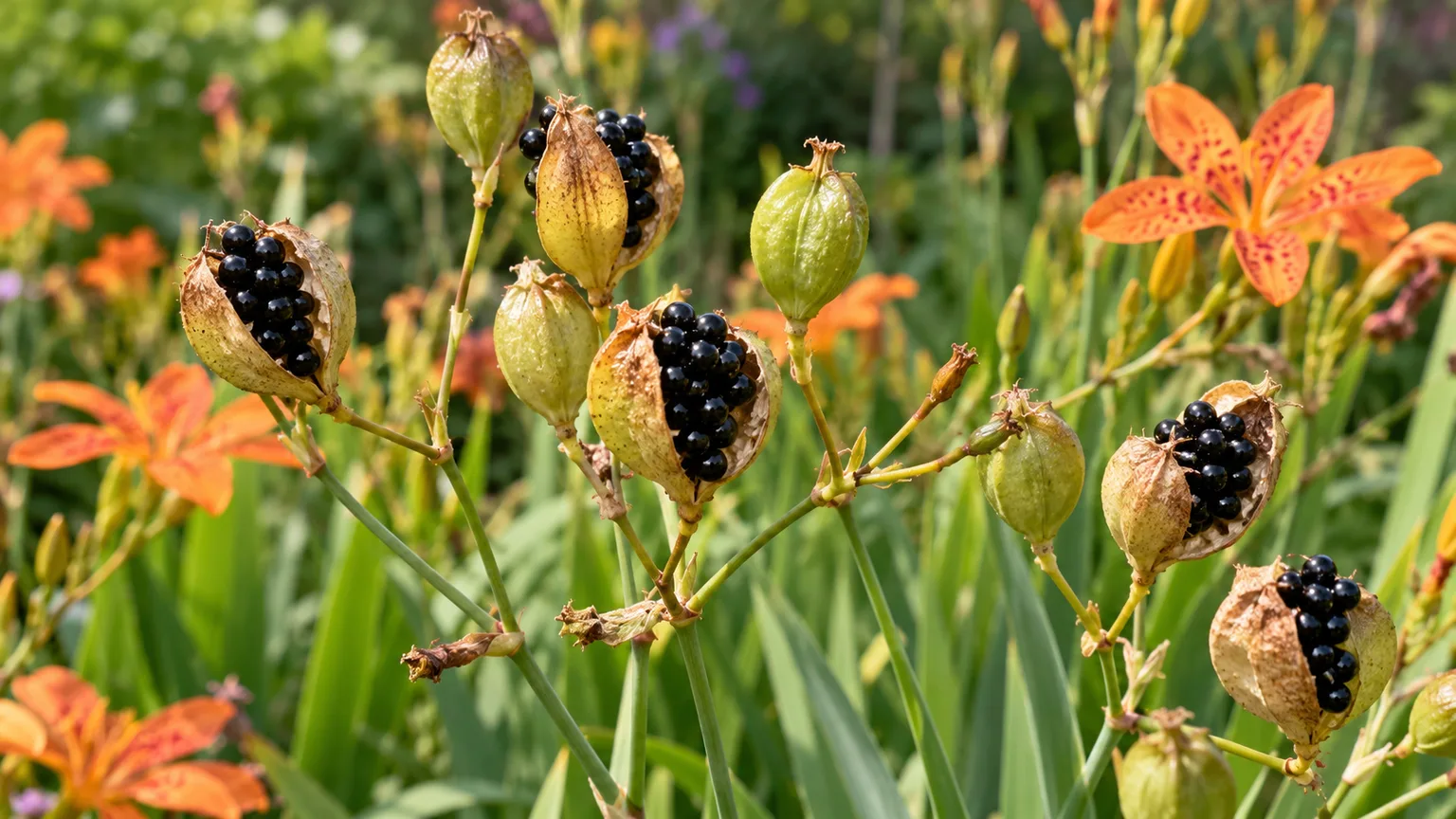
This gives you a choice: remove finished flower stems to encourage a tidier, longer floral display and reduce seedlings, or leave some stems for fall and winter interest. The seedheads can be attractive and are used in dried arrangements, but each retained capsule is a chance for seed to disperse. Wisconsin Horticulture notes both that deadheading can prolong bloom and that the persistent seedheads add winter interest. (Wisconsin Horticulture)
Deadhead Flowers Without Removing Future Buds
Do not cut a whole branched stalk as soon as its first flower fades if unopened buds remain. Snip off individual spent flowers or seed-forming ovaries as you go, then remove the stem near its base after the last bud on that stalk has finished. This keeps the remaining bloom sequence intact while preventing that stem from producing a full crop of seed.
If you want seedheads, leave a few strong stalks and remove the rest after flowering. If you want fewer seedlings, cut the stalks before capsules dry and open; once the pods split, gather the seeds rather than shaking the stems over the bed. The choice is about display and garden management, not plant health—the plant does not need seed to survive.
Manage Self-Seeding Before It Becomes a Chore
Blackberry lily can make a colony through both rhizome growth and volunteer seedlings. That is useful if you want a loose patch and are willing to thin it, but it can be unwelcome in a tightly edited border or near a natural area. Wisconsin Extension reports that seedlings are generally easy to recognize and remove, and UF/IFAS assesses the species as not a problem species in Florida; those findings do not mean every garden should let seeds spread unchecked. (Wisconsin Horticulture; UF/IFAS Assessment)
For a controlled clump, cut most stalks before the pods dry, then pull small seedlings while their roots are shallow. Leave only the seedheads you can reach and monitor. If you are planting near prairie, meadow, or other sensitive habitat, check your local invasive-plant guidance and remove seedheads rather than assuming a plant’s status elsewhere applies to your location.
Divide a Clump to Renew or Share It
Division gives you new plants sooner than seed and lets you reduce a crowded clump. It is also a practical way to renew an older planting: blackberry lily is often short-lived as an individual crown, but offsets and seed-grown replacements can keep the patch going. UF/IFAS suggests lifting and dividing every three to four years; Wisconsin Extension lists spring or early autumn as suitable times. (UF/IFAS; Wisconsin Horticulture)
Choose spring as shoots begin if your autumn is short or winters arrive early. In a milder climate, divide after flowering in late summer or early autumn, while there is still time for roots to settle. Water the clump the day before if the soil is dry, then use a fork just beyond the foliage to lift it with as many roots as possible.
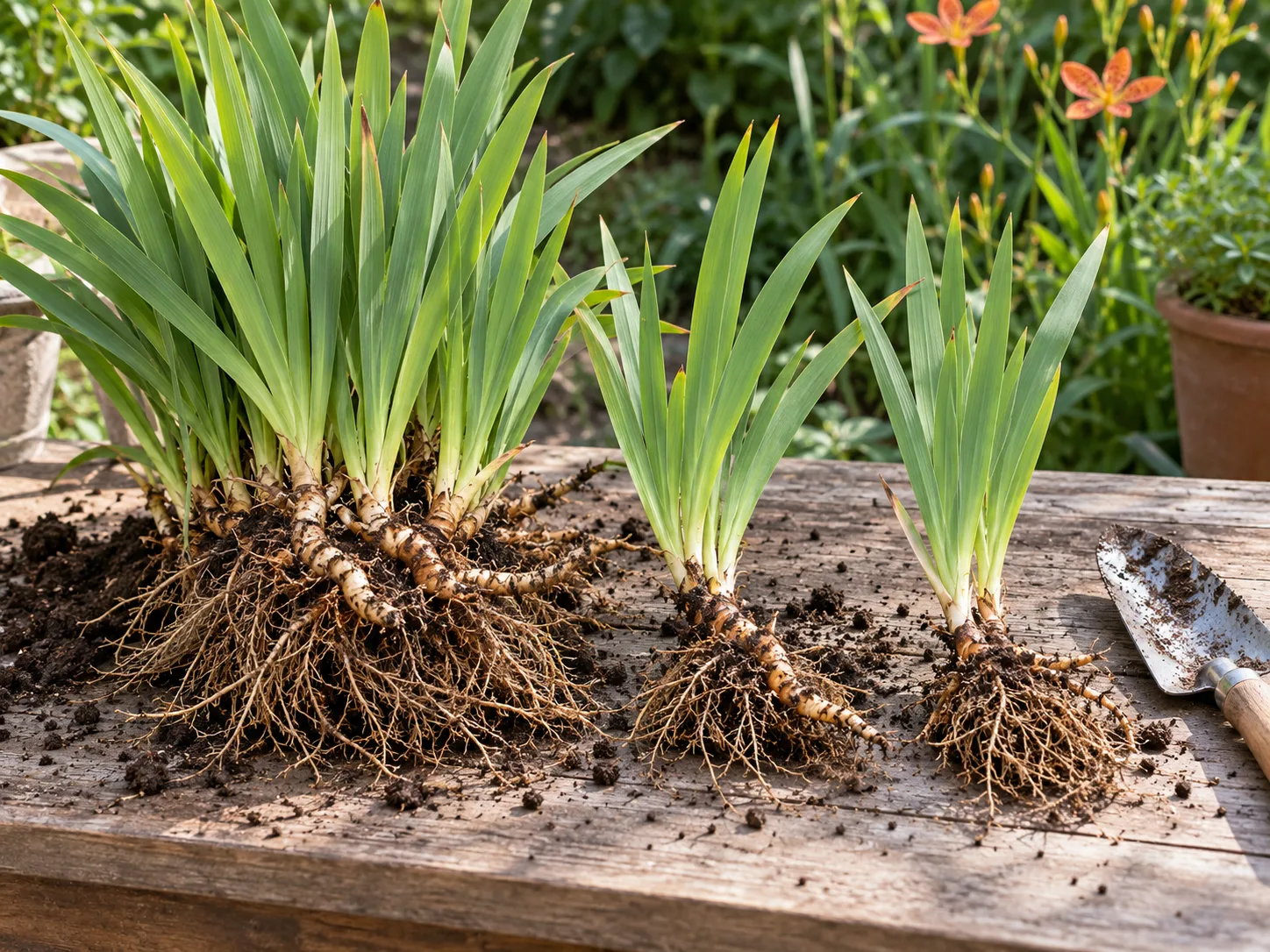
Separate the clump into sections that each have a firm rhizome and a healthy fan of leaves. Discard soft, dark, or hollow tissue rather than planting it back into damp soil, and clean the cutting tool between suspect sections. Replant divisions promptly at their former depth, water once, and keep the soil lightly moist until new growth resumes; a divided plant may take a season to return to full flowering.
Grow Blackberry Lily From Seed
Seed is inexpensive and makes it easy to create several plants, but seedlings may not match named cultivars exactly. Collect seed from dry, papery capsules just as they begin to split, or gather the ripe black seeds before they drop. Store them in a labeled paper envelope in a cool, dry place until sowing, and keep them away from children and pets because the seed clusters are not food.
Published propagation advice differs on whether seed needs a cold period. Wisconsin Extension reports germination in warm soil in one to two weeks, while the RHS recommends sowing in a cold frame in spring. A practical way to handle that variation is to sow a small batch in spring and another outdoors in fall, label both, and keep each medium evenly moist rather than abandoning a tray after a few days. (Wisconsin Horticulture; Royal Horticultural Society)
Choose Spring Starts or Fall Sowing
For an indoor start, sow seeds about ¼ inch deep in a seed-starting mix six to eight weeks before your last expected frost. Keep the mix warm and evenly moist, not saturated; move seedlings into bright light as soon as they emerge, then harden them off before planting outside. Wisconsin Extension reports that seeds may germinate in one to two weeks under warm, moist conditions, but allow longer if the seed is older or temperatures are cool.
For fall sowing, place seeds in a marked nursery row or pot outdoors and let seasonal weather act on them. Protect the pot from drying completely or being washed away, and move seedlings only after they have developed enough roots to hold a small plug together. Early-started seedlings may flower in their first growing season, but later sowings can take longer; give a young plant time to establish before diagnosing it as a non-bloomer.
Make Container Care Work
A container is useful if your garden soil stays wet or you want to move the flowers into view when they bloom. Choose a stable pot with drainage holes and enough depth for the rhizomes and roots; use a free-draining potting mix rather than dense garden soil. A single plant can fill a modest pot over time, while a group needs a wider container and more frequent moisture checks.
Place the pot in full sun or light shade, water when the root zone begins to dry, and let excess water drain fully. A container magnifies both drought and winter cold: a small pot can dry between checks in summer and freeze more quickly than a garden bed. Divide or repot when the clump is crowded and water no longer moves through the root ball evenly.
Protect the Roots Through Winter
Blackberry lily is generally grown in USDA zones 5 through 10, though the precise limits depend on the source and local conditions. Wisconsin Extension reports reliable survival in zone 5a and does not recommend routine winter protection for plants in the ground. In colder or marginal sites, the most useful protection is often a well-drained planting spot rather than a thick, wet mulch over the crown. (Wisconsin Horticulture; NC State Extension)
Leave foliage until it yellows or is damaged by frost, then tidy it if you prefer a cleaner bed. You can retain seed stalks for winter interest, but cut them before they open if self-sowing is a concern. In a pot, move the container to a sheltered, unheated location in a very cold winter or insulate it against repeated freeze-thaw cycles; do not bring a dormant plant into a warm room or keep the mix waterlogged.
Troubleshoot Fewer Flowers, Flopping, or Decline
When a young blackberry lily does not bloom, first check its age and light. Newly planted rhizomes may spend a season establishing, seedlings can take longer, and a shaded clump often makes leaves without many flowers. If it has been in place for years, also check whether neighboring plants have begun to shade it or whether excess fertilizer is driving foliage instead of blooms.
Flopping stems point to exposure, shade, or lush growth more often than to a need for aggressive pruning. Add a discreet stake or grow the clump among sturdier perennials, and avoid rich feeding. If stems collapse at the base and the crown feels soft, inspect drainage and the rhizome; a wet, decaying crown is different from a healthy stem bent by wind.
Brown leaf tips in a hot spell can reflect summer scorch when soil moisture is inadequate, while a plant that stays wet and yellows or softens may be suffering root or crown rot. UF/IFAS identifies scorch in hot full-sun conditions with insufficient soil moisture and crown rot in overly wet soil. Check the root zone before changing fertilizer or cutting foliage, then correct the condition that matches what you see. (UF/IFAS)
Spot Pests, Rot, and Pet-Safety Concerns
Serious pest problems are uncommon, but iris borers may damage rhizomes, and slugs, snails, or thrips can affect foliage and flowers. Look for a pattern: ragged chewing suggests slugs or snails, while a sudden wilt or soft base deserves a closer inspection at the crown. Lift only the affected section if needed, remove decayed tissue, and correct standing water before replanting sound divisions.
Treat the black seed clusters as ornamental, not edible. The RHS warns that the plant may be harmful if eaten and advises gloves and protective equipment when handling it; the ASPCA lists iris species as toxic to dogs, cats, and horses, with the greatest concentration in rhizomes. Keep seedheads and dug rhizomes away from curious animals, wash after handling, and contact a veterinarian or animal poison-control service promptly if a pet eats part of the plant. (RHS; ASPCA Animal Poison Control)
Choose Cultivars and Companion Plants
The species form has orange flowers spotted with red. ‘Hello Yellow’ is a compact selection with unspotted yellow flowers; ‘Hello Orange’ is also compact and keeps the characteristic dark spotting. ‘Freckle Face’ is known for producing generous sprays of orange-yellow flowers with red freckles. Cultivar names and availability vary among nurseries, so check the flower color and mature size on the current label rather than relying on an older catalog description. (Wisconsin Horticulture; Missouri Botanical Garden)
Use the lily as a small seasonal accent in a sunny perennial border, then combine it with plants that carry color or texture before and after its bloom. Black-eyed Susan, salvia, coneflower, or airy ornamental grasses can share a sunny, well-drained bed while giving the eye something to follow when blackberry lily is between flowers. Avoid planting it behind tall dense growth that hides the narrow fans and seed capsules.
Conclusion: Plant for Drainage, Then Manage Seed
Give blackberry lily a sunny or lightly shaded position, well-drained soil, and steady moisture while it establishes; after that, water in response to heat and soil rather than a fixed schedule. Its short-lived flowers arrive in a succession, and the seedheads can be either a second display or the source of seedlings you would rather prevent.
Choose the outcome that suits your garden: deadhead for a neater, more controlled clump, or keep a few pods and thin the volunteers. Divide every few years if you want to renew or share the planting, and keep the rhizomes and seeds away from pets and children who might eat them. With those decisions made, this unusual iris can be easy to grow and easy to manage.



