How to Grow and Care for Columbine Flowers
Learn how to grow columbine with practical advice on light, soil, watering, seed starting, pruning, pests, diseases, and summer dormancy.
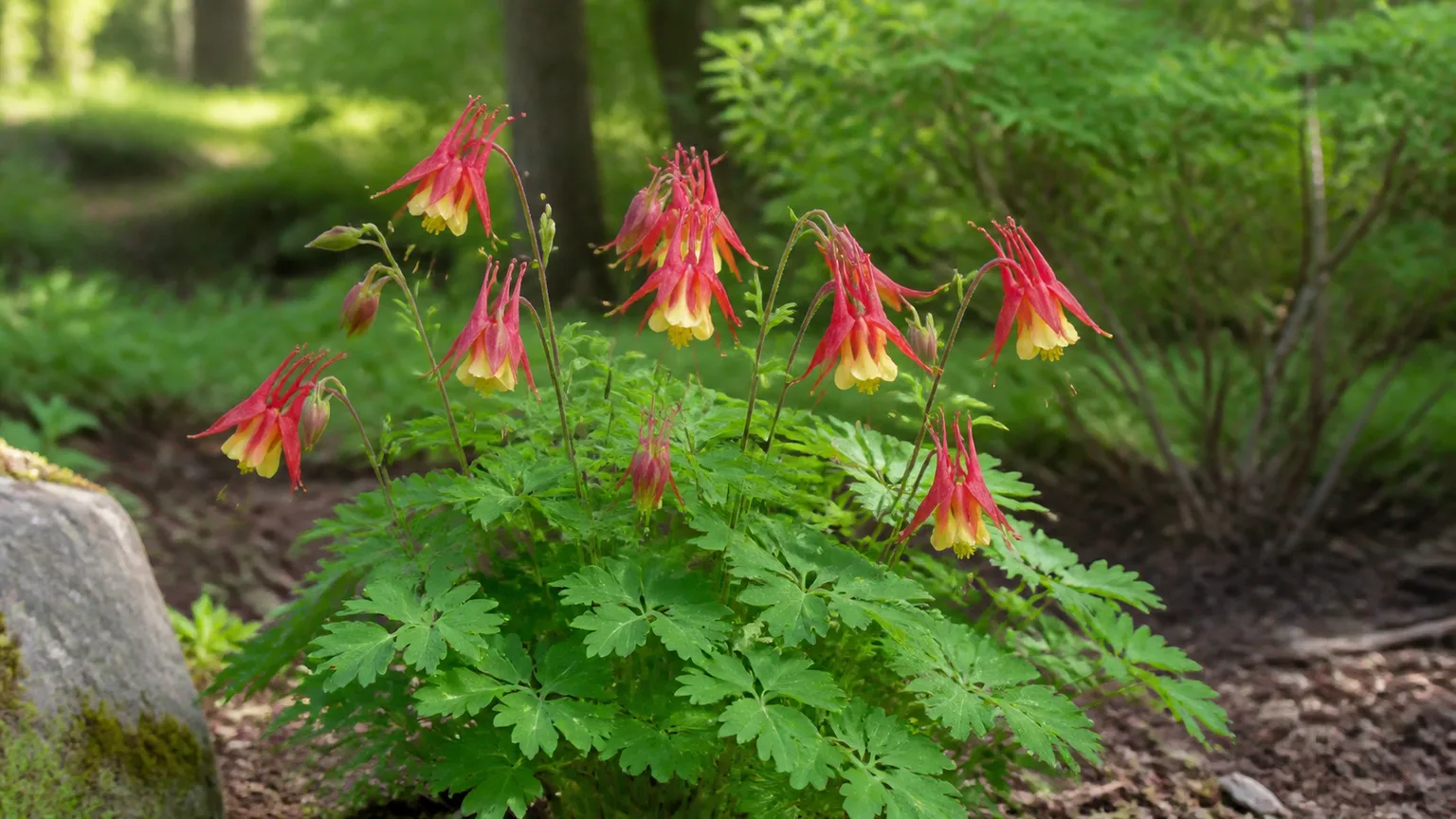
Columbine (Aquilegia spp.) is a graceful perennial for the part of the garden where spring is bright, soil is reasonably rich, and summer heat does not linger too harshly. Its nodding flowers have five rounded petals and distinctive backward-pointing spurs, while the foliage forms a soft, blue-green basal mound. Depending on species and cultivar, flowers may be red, yellow, white, pink, blue, purple, or two-tone.
The most useful way to think about columbine is as a cool-season perennial with a summer reset, not as a plant that should look lush every month. It flowers in late spring or early summer, often sets seed freely, and may yellow or retreat after hot weather. If drainage is good, the crown is not buried, and young plants receive steady moisture, that seasonal decline is usually normal rather than a sign that you have killed it.
The Royal Horticultural Society’s growing guide describes aquilegias as easy plants for rich, moist but free-draining soil and sunny or semi-shaded sites. That broad advice is sound, but the best placement depends on your climate, soil, and whether you want a tidy cultivar or a self-sown colony.
Start with columbine’s natural growth cycle
Columbine begins as a low rosette of divided leaves. Flower stems rise above it in spring, and the flowers attract early-season pollinators, especially bumblebees. After bloom, the plant’s priorities change: it is storing energy at the crown, ripening seed, and coping with warmer conditions.
Most garden columbines are herbaceous perennials, but individual plants are not necessarily long-lived. Two to four years is a reasonable expectation for many cultivated forms, with self-sown seedlings taking over if seed is allowed to mature. This is not a failure of care. It is part of the plant’s strategy, and it is why a patch can remain dependable even as its oldest rosettes disappear.
Choose light by climate, not by label alone
In a cool or mild-summer region, columbine can take full sun if the soil stays evenly moist. In a hot-summer region, morning sun with afternoon shade is safer, especially in a bed that reflects heat from masonry or paving. The goal is enough light for sturdy flowering without baking the shallow crown and foliage after bloom.
Use this simple test: if your garden’s strongest sun arrives during a cool spring and the bed becomes noticeably hotter in June, give columbine some afternoon protection. If summers are cool, full sun may produce more compact stems and heavier flowering. Dense shade produces floppy growth and fewer flowers, so “shade tolerant” should not be interpreted as “happy in darkness.”
Woodland edges, the bright side of a shrub border, and cottage-garden beds are often better than an exposed south-facing strip. Give each plant room for air movement; crowded, stagnant foliage stays wet longer and is more vulnerable to mildew.
Prepare soil that drains but does not dry instantly
Columbine wants moisture at the roots, but it does not want a permanently waterlogged crown. Before planting, loosen compacted soil and mix in finished compost. The amendment improves structure and water-holding in sandy soil, while also helping heavy soil form larger pores instead of remaining a sticky basin.
Do not create a small pocket of rich potting mix inside poor native soil. Water can collect at the boundary, leaving the roots wetter than the surrounding bed. Improve a broad planting area, or use a raised mound when drainage is genuinely poor. A slightly acidic to neutral soil reaction is suitable; a soil test is more useful than adding lime or sulfur by guesswork.
Keep mulch around, not on, the crown. A 1- to 2-inch layer of shredded leaves or fine bark helps moderate summer moisture and temperature, but mulch pressed against the basal rosette can hold dampness where rot begins.
Plant columbine without burying the crown
Plant nursery columbine in spring, once the soil can be worked, or in early fall while roots still have time to settle before hard freezes. Set the plant at the same depth it occupied in its pot. The crown—the point where leaves and roots meet—should sit at soil level, not several inches underground.
Water deeply after planting to settle soil around the roots, then check the bed every few days during the first several weeks. Space plants according to their mature size; many are about 1 to 2 feet wide, while compact forms need less room. Crowding is not just a cosmetic problem. It reduces airflow and makes irrigation harder to judge.
Water for establishment, then adjust to weather
Newly planted columbine needs consistent moisture while roots extend into surrounding soil. Water when the top inch of soil begins to dry, soaking the root zone rather than sprinkling the leaves briefly. Once established, water based on rainfall, temperature, soil, and exposure—not a fixed weekly rule.
In a cool, mulched bed, an established plant may need little supplemental water. In a hot container or sandy border, it may need checking every day. Water slowly enough to penetrate the root zone, and let excess drain. Repeated shallow sprinkling encourages a surface-rooted plant that is more vulnerable to heat.
If foliage yellows during a heat wave while the crown remains firm, move from “more fertilizer” to “check moisture and temperature.” Columbine may be entering summer dormancy. Cut it back to healthy basal growth and keep the soil from becoming bone-dry, but do not keep it constantly wet in an attempt to force summer leaves.
Feed lightly and avoid forcing foliage
Compost worked into the planting area is often enough. If growth is weak and a soil test does not point to a deficiency, apply a modest balanced fertilizer in spring as new growth begins. Follow the product label; more fertilizer is not a substitute for correct light and drainage.
Excess nitrogen can produce abundant leaves with fewer flowers and softer growth. Avoid routine high-nitrogen lawn fertilizer drifting into the bed. Columbine is not a heavy feeder, and its delicate stems look best when they grow steadily rather than being pushed all at once.
Choose columbine types for your garden
Species and hybrids differ in height, flower direction, heat tolerance, and self-seeding behavior. Native red columbine (Aquilegia canadensis) is valuable in a North American wildlife garden and typically carries red-and-yellow flowers. Common columbine (A. vulgaris) offers a wide range of garden forms, including double and spurless selections.
Rocky Mountain columbine (A. caerulea) has large blue-and-white flowers and is especially associated with cooler, well-drained conditions. Fan columbine (A. flabellata) stays shorter and suits the front of a border or a container. Read the mature height and local hardiness information before buying; a cultivar that thrives in a cool maritime garden may struggle in a humid, hot one.
Columbines cross-pollinate readily. If you grow several colors close together and save seed, the seedlings may not resemble either parent exactly. That is a benefit if you enjoy surprises and a drawback if you want a reliably uniform bed.
Grow columbine from seed
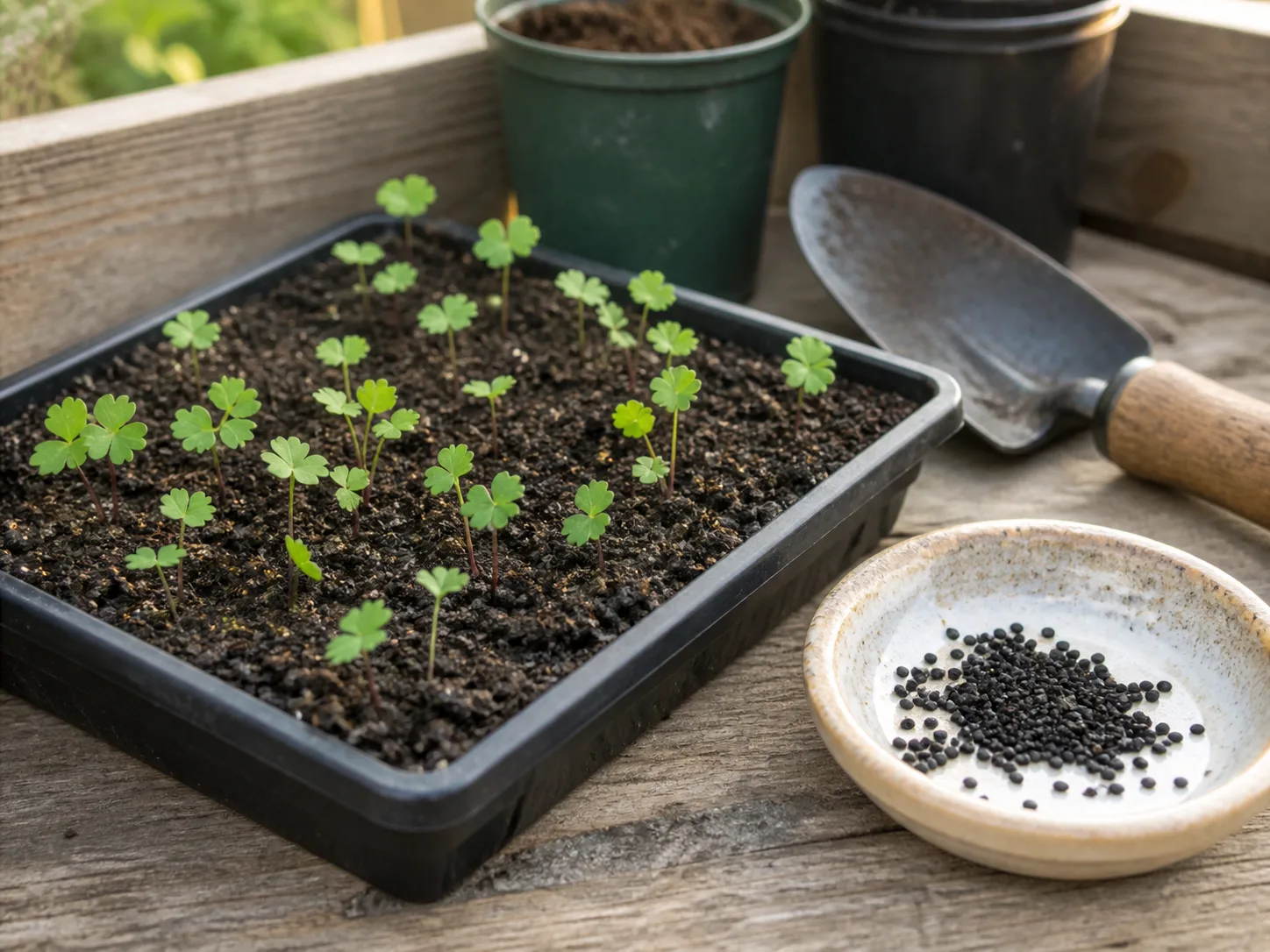
Seed is the easiest way to renew a patch, but patience matters. Spring-sown seed may produce leaves without flowers in its first year. Fall sowing or properly chilled seed can give plants the seasonal rhythm they need for spring flowering, although results vary by cultivar and growing conditions.
Collect seed when pods have dried and dark seeds begin to rattle. Sow fresh seed outdoors in a prepared bed, or store it in a labeled packet in a cool, dry place. If starting indoors, use a clean, moist seed-starting mix and press seeds onto the surface or cover them only lightly. They need light and should not be buried deeply.
Cold-stratify seed for reliable germination
Many columbine seeds germinate more consistently after a period of cold, moist conditions. Mix seed with barely damp vermiculite or place it on a moist paper towel inside a sealed bag, then refrigerate it for roughly three to four weeks. Do not freeze it, and check occasionally for mold or early roots.
After chilling, sow the seed in bright light at cool room temperature. Germination may take several weeks. When seedlings develop true leaves, pot them on carefully; the young root is more important than a large top. Harden plants outdoors gradually over about a week, then plant them without disturbing the root ball more than necessary.
Decide when to deadhead or let seed mature
Deadheading is a choice with a clear trade-off. Remove fading flowers if you want the bed to look tidy, want to redirect energy toward foliage and roots, or hope for a modest extension of bloom. Cut the stem just above a healthy leaf or side bud.
Leave some flowers if you want self-sown replacements, food for seed-eating wildlife, or a naturalized look. The seed pods add structure for a short time, and seedlings often appear in the gaps where the parent plant is beginning to decline. To prevent a takeover, remove only the pods that are opening toward paths or neighboring beds and leave a few in controlled locations.
Prune after flowering and through summer
When flowering is finished, cut back spent flower stems. If the foliage is still attractive, keep it; if heat, mildew, or yellowing has made it ragged, shear the plant back to its basal leaves. Fresh growth may appear when temperatures moderate, but do not expect a full second spring display in every climate.
Use clean, sharp pruners and remove diseased debris from the bed. Do not compost leaves that are heavily infected with a persistent disease unless your compost reaches reliable temperatures. Pruning immediately after bloom also makes it easier to see which plants are vigorous and which are entering their normal rest.
Grow columbine in containers
A container can solve heavy soil and let you move a plant away from harsh afternoon heat. Choose a pot with drainage holes and enough depth for a substantial root system—about 10 inches or more for a single mature plant is a useful starting point. Use a quality potting mix, not garden soil by itself.
Containers dry faster than beds, especially clay pots in wind. Check moisture with a finger several inches down and water thoroughly when the mix is beginning to dry. Never leave the pot standing in a saucer of water. After bloom, move the container to a cooler, lightly shaded position and reduce feeding; the plant still needs seasonal rest.
Protect roots through winter
Columbine is cold hardy when matched to the local climate and protected from winter wet. In late fall, remove collapsing foliage and flower stems if they harbor disease, but avoid digging up a healthy crown. A light mulch of leaves can buffer freeze-thaw cycles in exposed beds.
Container roots are less insulated than roots in the ground. In cold regions, sink the pot into the soil, move it to an unheated sheltered location, or wrap the container while keeping drainage open. Do not bring it into a warm living room and expect normal flowering; columbine is an outdoor perennial with a seasonal dormancy requirement.
Read the plant’s signals: pests, diseases, and stress
The most recognizable columbine pest is the leaf miner. Its larvae make pale, winding trails inside leaves. The damage can look dramatic but is often cosmetic on an established plant. Remove badly affected leaves, crush visible larvae where practical, and encourage a healthy plant rather than spraying automatically.
Sawfly larvae can strip foliage quickly, while aphids cluster on tender growth and flower stems. Inspect the undersides of leaves and handpick larger larvae. If treatment is necessary, identify the pest first and use a product labeled for that site and plant, following every label precaution. Broad, repeated insecticide applications can harm beneficial insects that visit columbine flowers.
Powdery mildew appears as a white coating, especially where foliage is crowded, nights are cool, and humidity is high. Improve spacing and airflow, water the soil rather than the leaves, and remove badly affected material. The Clemson Home & Garden Information Center’s powdery mildew guidance emphasizes sanitation, resistant plants where available, and label-directed fungicide use rather than improvised mixtures.
If leaves vanish overnight, investigate slugs in damp, sheltered beds. Look under pots, boards, and mulch after dark. Reduce hiding places, water in the morning, and choose a control labeled for use around the plants and animals you keep. Do not assume every hole is an insect problem: hail, rough handling, and heat damage can create similar symptoms.
Columbine is not an edible plant. Some Aquilegia tissues contain toxic compounds, so keep cuttings and plant material away from children and pets, and contact a poison-control or veterinary professional promptly if ingestion occurs. The University of California’s safe and poisonous garden plant reference is a useful reminder that “ornamental” does not mean safe to eat.
Use a seasonal columbine care calendar
Late winter to early spring: Check overwintered crowns, remove heavy debris, and begin watering only as growth resumes. Plant nursery stock once the soil is workable. Start chilled seed in bright, cool conditions.
Mid- to late spring: Watch for flower stems and keep newly planted columbine evenly moist. Install supports only if a tall cultivar flops. Enjoy flowers, inspect leaves, and decide which blooms you will deadhead.
Early summer: Cut back spent stems, leave selected seed pods, and monitor heat stress. Afternoon shade and a mulch ring are more useful than extra fertilizer when temperatures rise.
Mid- to late summer: Expect some plants to yellow or go dormant. Remove diseased leaves, keep crowns from sitting wet, and mark the location of plants that may return after a rest.
Fall: Plant new divisions or seedlings early enough to establish roots. Let a few mature pods release seed, then cut back untidy or diseased tops. Add a light, loose mulch after the ground cools.
Conclusion
Successful columbine care is mostly a matter of matching the plant to the season it actually wants. Give it bright light with protection from punishing heat, soil that holds moisture without staying saturated, and a crown planted at the correct depth. Water young plants consistently, feed modestly, and resist the urge to treat summer dormancy as a crisis.
Then choose your preferred style: deadhead for a tidier, slightly longer display, or leave selected pods and let new plants weave through the garden. With that decision—and a little attention to airflow, drainage, and early pest signs—columbine can return each spring with more character than the year before.