High-Impact Backyard Upgrades You Can Finish This Weekend
Plan a real weekend backyard refresh: 37 low-cost makeover ideas with cost tiers, skill tags, safety notes, and a Saturday–Sunday build order.
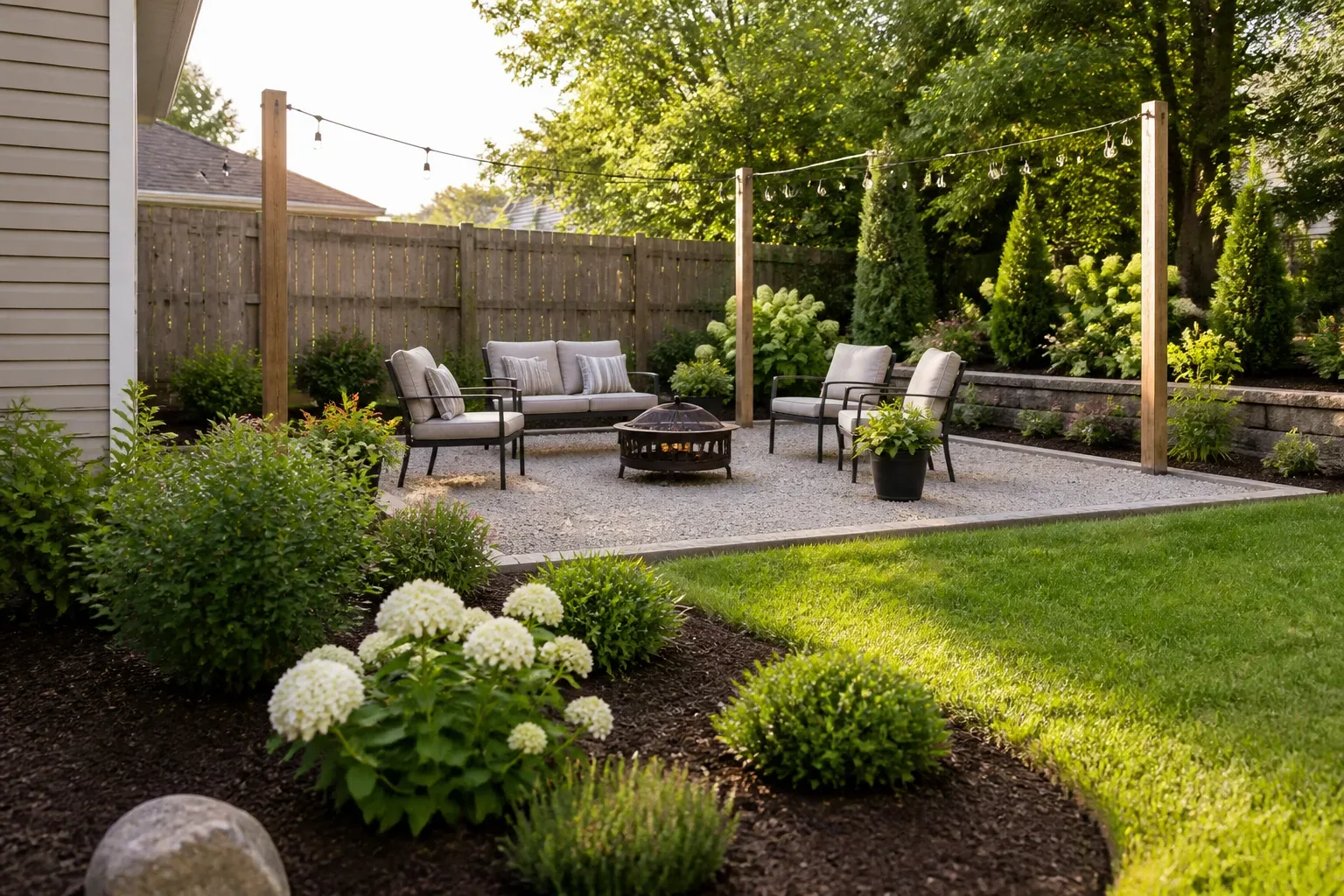
A weekend backyard makeover fails when you treat thirty-seven Pinterest photos like a shopping list. Most yards do not need thirty-seven projects—they need two or three that fix why you avoid going outside: no shade, nowhere to sit, muddy paths, or flat lighting after sunset. The ideas below are high-impact and low-cost on purpose, but they work best when you pick a zone, set a materials cap, and finish structure before decor.
UF/IFAS landscape guidance recommends mapping climate, drainage, users, and maintenance before buying plants or lumber (UF/IFAS planning tips). Use that lens here: function first, Instagram second.
Plan Your Weekend Backyard Makeover Before You Shop
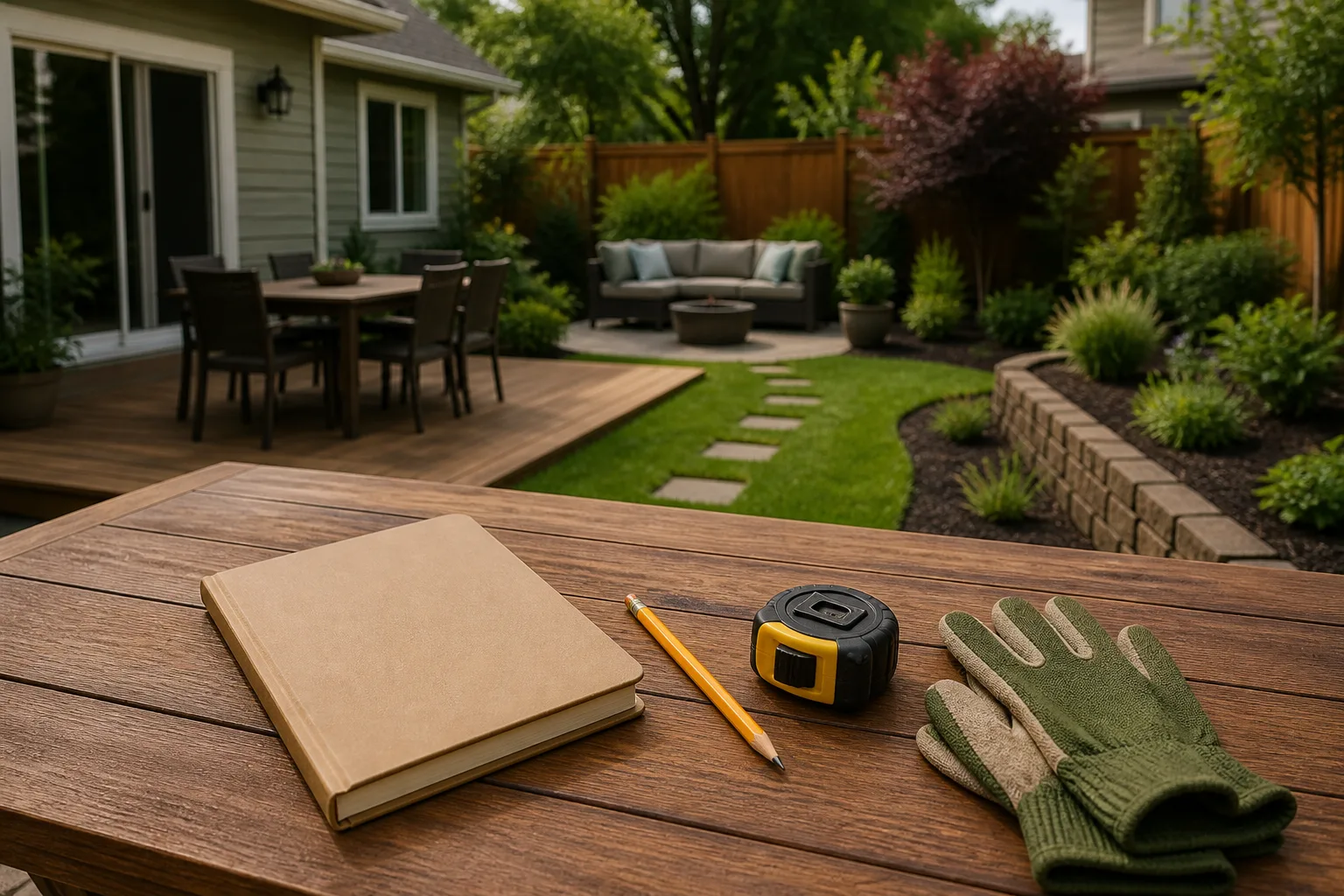
Run a One-Hour Yard Audit
Walk the yard with a notebook and label four zones: entry, cook/eat, lounge, and grow/play. Mark where noon sun burns, where water pools after rain, and which sightlines bother you. Circle one problem per zone—too hot at dinner, no path to the shed, no flat spot for chairs. Your weekend makeover should solve those circles, not every corner at once.
Check practical limits: Is there a GFCI outdoor outlet for lights? Does HOA restrict fence color? Will kids or dogs cross a new gravel path barefoot? Call 811 before any post hole for arbors, privacy screens, hammocks on posts, or fire features.
Pick a Realistic Budget Band
$ band (under ~$150): paint a door or bench, mulch a patio corner, stepping stones, candles, thrift cushions, fence gallery decor, pallet seating, container rearrange.
$$ band ($150–$500): pea gravel pad, raised bed lumber, string lights with mounting hardware, stock tank pool shell, privacy screen lumber, arbor kit, outdoor rug, hammock stand.
$$$ band ($500+): multiple gravel zones, large stock tank deck, commissioned mural, extensive deck paint/stencil, plumbed accessories.
A believable single weekend usually means one $$ anchor plus several $ styling moves—not seven builds.
Map Saturday Structure vs Sunday Style
Saturday — structure: level ground, lay fabric and gravel or mulch, set stepping stones, build one bed or screen, install arbor posts, hang trellis, mount lights on existing posts, assemble stock tank on level pad.
Sunday — comfort and character: paint dry surfaces only, stage containers, hang curtains and textiles, set rug and pillows, light candles, test movie setup, decorate fence/playhouse/coop.
If rain is forecast, flip the order: prep and paint under cover Saturday; ground work Sunday when soil is not soggy.
Ground and Path Upgrades That Define Zones Fast
Hardscape mistakes are expensive to undo. Fix drainage and outline before rugs and furniture land on top.
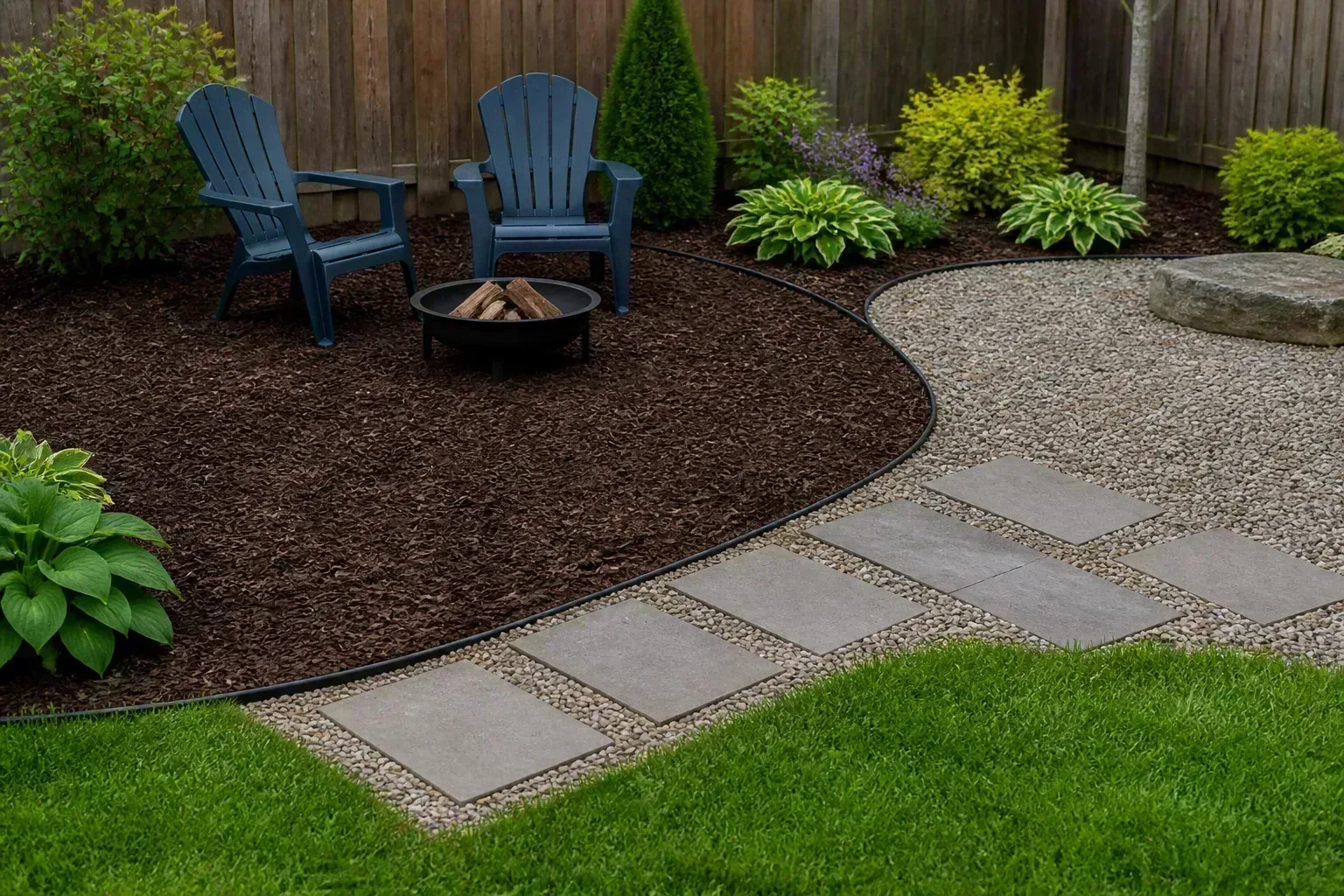
Mulch Patio, Pea Gravel, Stepping Stones, and Path Repairs (Ideas 1–7)
Idea 1 — Mulch a patio corner ($, beginner, 3–5 hours): Turn a bare, grass-struggling corner into a seating pad with 2–3 inches of shredded bark or wood mulch over landscape fabric. Extension mulch guidance favors spring application after light rain when soil is workable (UMN wood mulch notes). Keep mulch off siding and trunks. Skip if the area floods—solve water first.
Idea 2 — Pea gravel patio ($$, beginner–intermediate, 1–2 days): Outline the pad, remove sod, tamp subsoil, add landscape fabric, then 2–3 inches of pea gravel. Edging keeps gravel out of lawn. Cheaper than poured concrete; better drainage than solid paving on clay. Pair with our ideas for creating a backyard oasis for zone layout.
Idea 3 — Stepping-stone path ($, beginner, half day): Set pavers on compacted sand or dig shallow depressions so stones sit flush—tripping hazard if proud of soil. Space for your stride; one stone every 24–26 inches is a useful starting point.
Idea 4 — Turf patch lounge ($, beginner, 2–4 hours): A cut-to-size artificial turf scrap on bare soil reads eclectic under chairs. Unlike fabric rugs, turf drains if the base is not sealed. Request remnant sizes from local suppliers instead of a full roll.
Idea 5 — Fill missing bricks with stone ($, beginner, 2–3 hours): Where vintage brick paths crumble, river rock or fine gravel in gaps is faster than hunting matching brick—and gives cottage-garden texture. Tamp infill so it does not scatter.
Idea 6 — Wood or stone steps in gravel ($, beginner–intermediate, half day): Gravel paths hurt bare feet. Set timber treads or flat pavers in the gravel line for comfort without removing the whole path.
Idea 7 — Outdoor rug zone ($, beginner, 1 hour): A solution-dyed polypropylene rug under dining or lounge furniture defines a room instantly. Elevate on dry, swept hardscape; avoid permanent placement on lawn—mildew follows. Shake and dry after storms.
Grow Food and Flowers Without a Full Landscape Rewrite
Garden projects reward weekend timing when soil is workable and you are not racing sunset on Sunday.
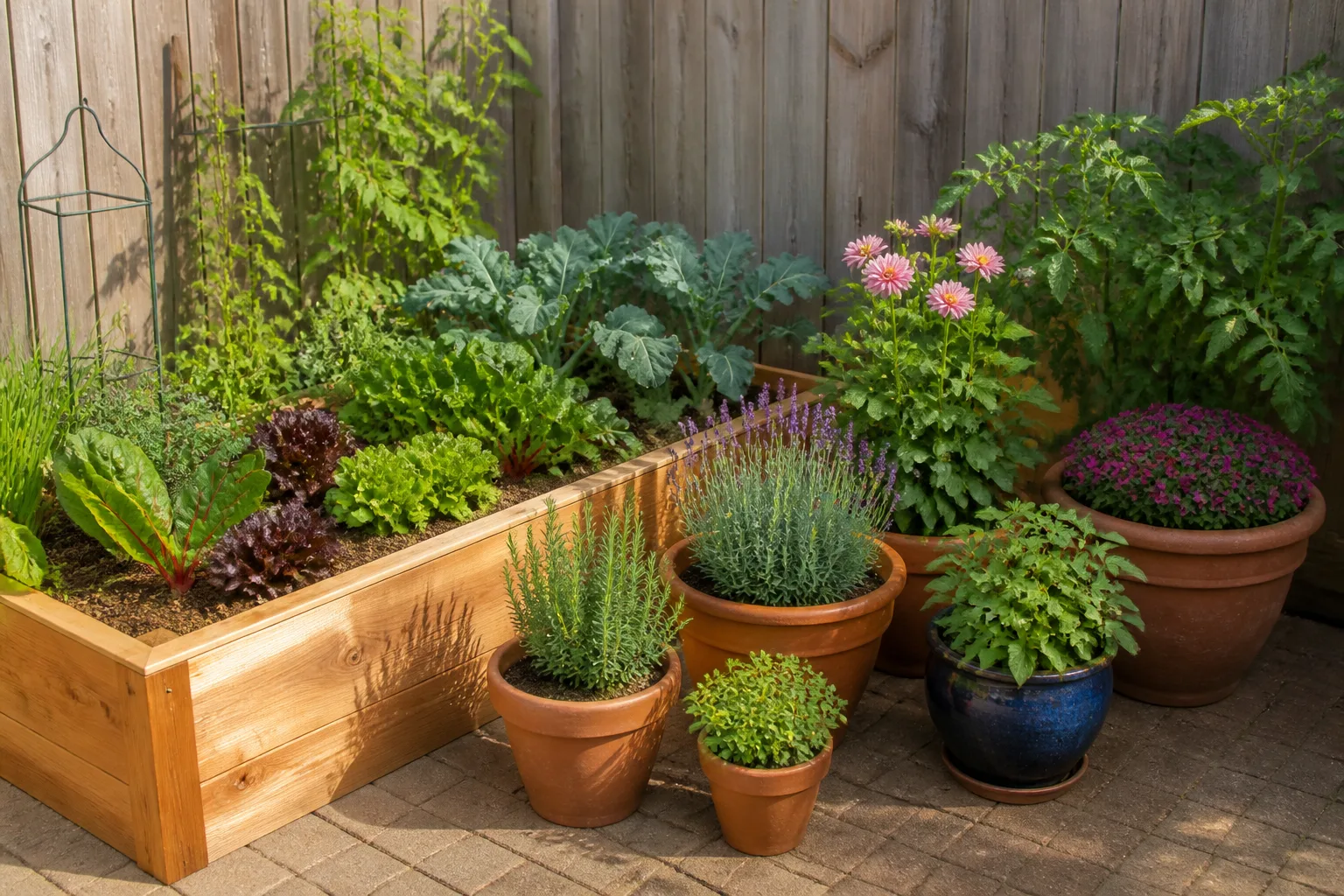
Raised Beds, Containers, Shelves, Arbors, and Trellises (Ideas 8–13)
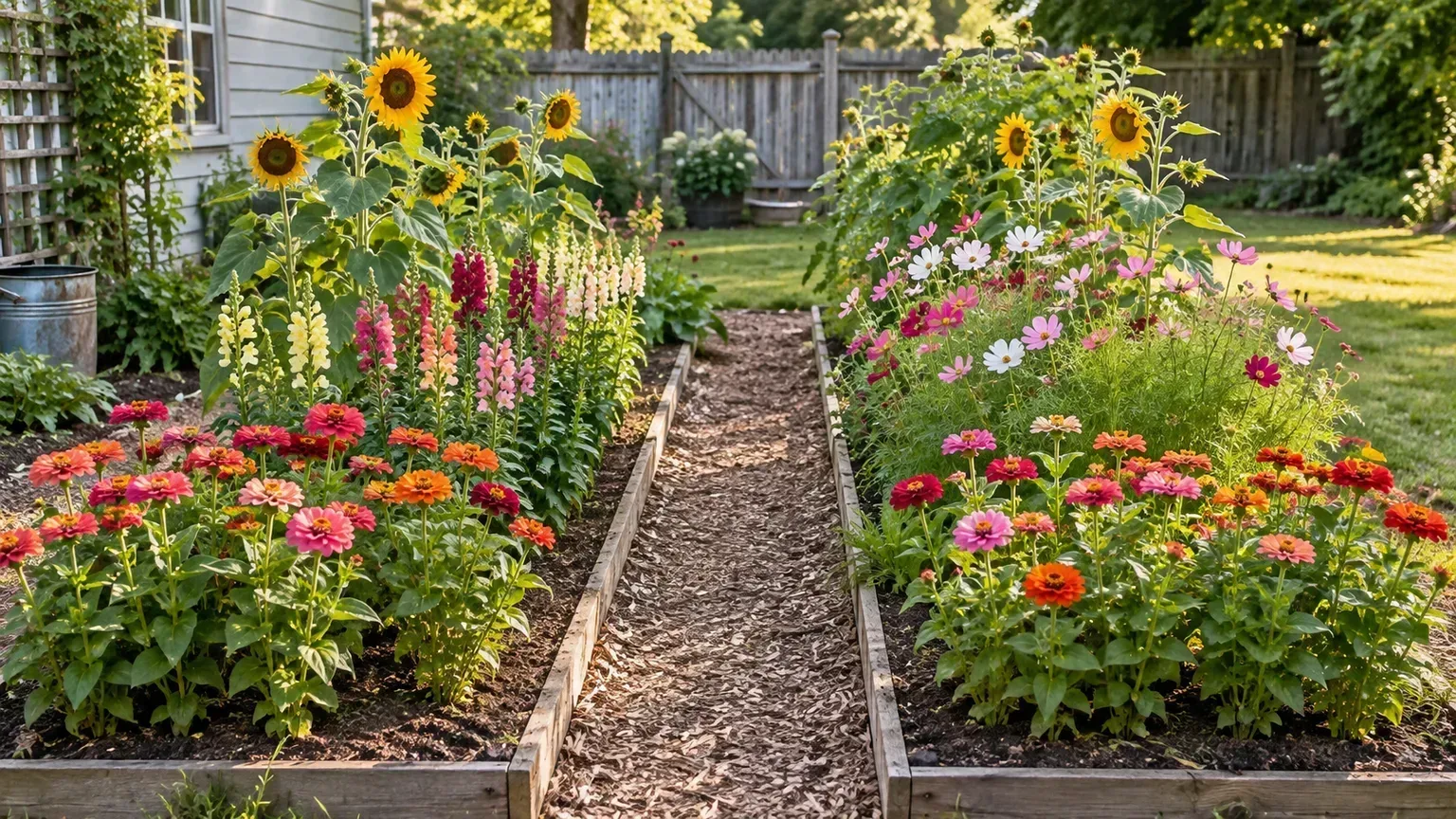
Idea 8 — One or two raised beds ($$, beginner–intermediate, 3–6 hours): A single 4×8 cedar or pine bed with exterior screws beats starting five beds you cannot fill. Line the bottom with hardware cloth if burrowing pests are common. Compare kit vs lumber in our best raised garden beds guide before cutting.
Idea 9 — Container garden refresh ($, beginner, 2–4 hours): Group pots in odd numbers, match glaze or fiber tones, and elevate on feet for drainage. Thriller–filler–spiller still works on patios. See best planters for material pros/cons and drain holes.
Idea 10 — Hanging plant shelf ($, beginner, 1–2 hours): Vertical shelves reclaim floor space on small patios. Repurpose a sturdy thrift unit; seal wood and drill drainage if pots sit directly on shelves.
Idea 11 — Outdoor growing station ($, beginner, 2–3 hours): Metal utility shelving near a hose organizes seedlings and propagation trays. Add a clip-on grow light only if you have dry covered storage—electronics and dew do not mix.
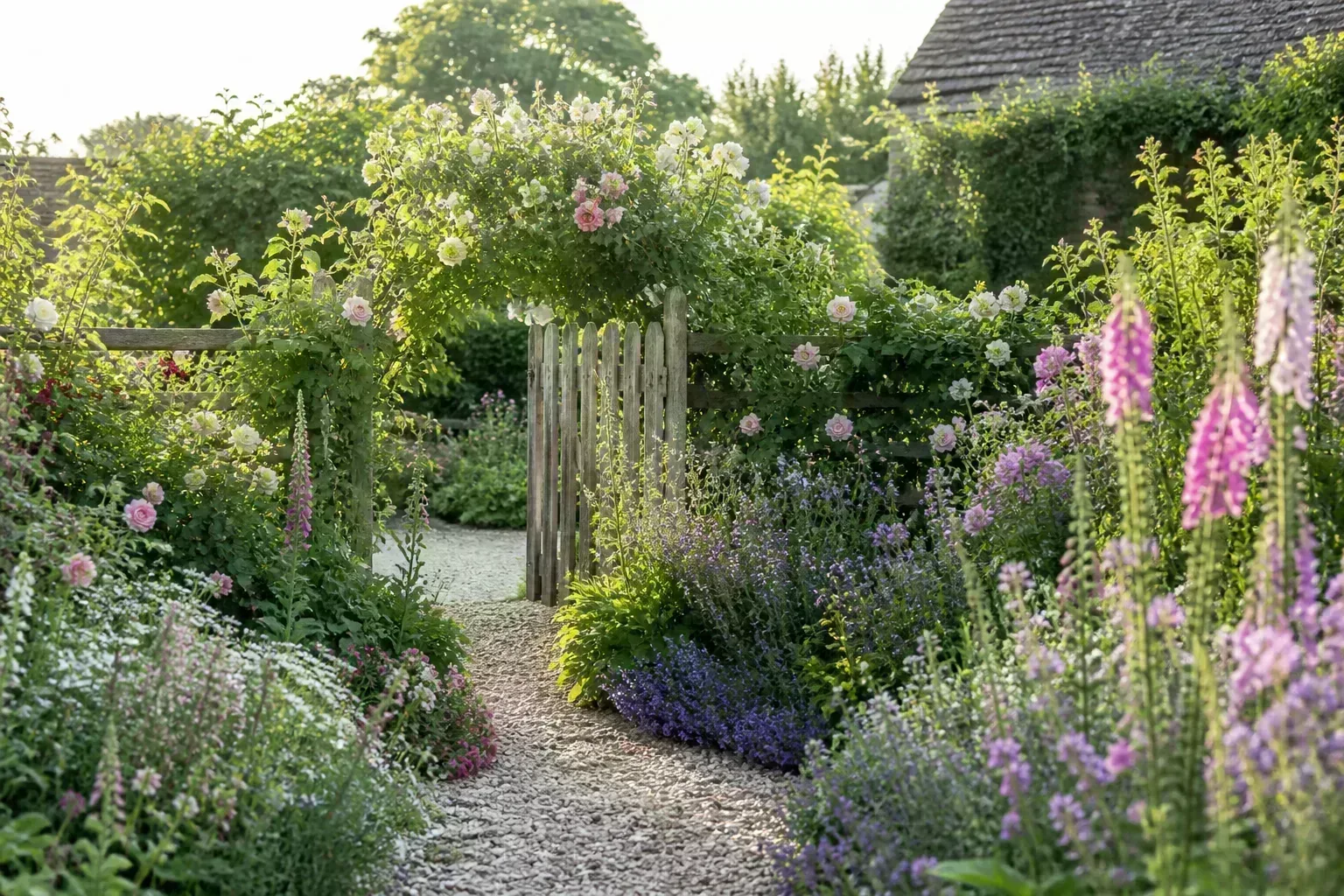
Idea 12 — Garden arbor at the gate ($$–$$$, intermediate, 1–2 days): An arched arbor frames the garden entrance. Set posts in concrete if wind is strong; plant a lightweight vine second season. Bare arbor still adds height.
Idea 13 — Decorative trellis ($, beginner, 2–4 hours): Mount trellis on a shed wall or behind a table so potted climbers or empty lattice become backdrop. Use standoff blocks for air circulation on wood siding.
Paint and Color Projects With Big Visual Payoff
Paint is fast—but only on dry, clean, compatible surfaces. Read the can label for fence, deck, and metal.
Fences, Doors, Decks, Benches, and Murals (Ideas 14–19)
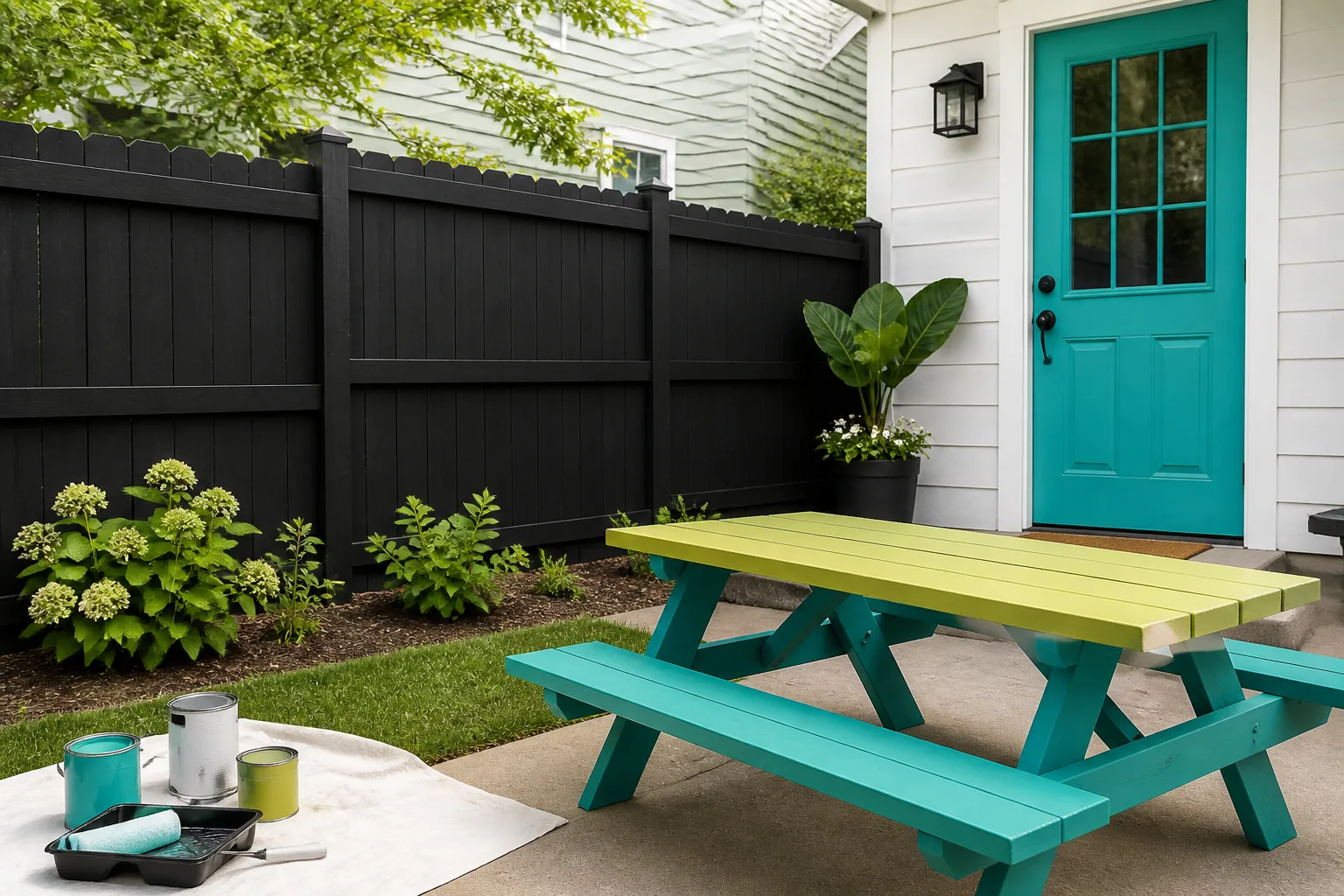
Idea 14 — Black privacy fence ($$–$$$, beginner, 1–2 days): Matte black fence paint reads modern and hides uneven boards. Expect repaint every 2–3 years on sun-blasted exposures. Clean mildew first; paint over damp pressure-treated wood only with products labeled for it.
Idea 15 — Bold back door ($, beginner, 3–4 hours): Back doors deserve the same accent color play as front doors. Low stakes, high joy. Use exterior satin on wood or metal primer system on steel.
Idea 16 — Painted picnic bench ($, beginner, half day): Sand splinters, prime if bare wood, then UV-rated exterior paint on a faded table. Color plus protection in one coat system.
Idea 17 — Stenciled deck design ($$–$$$, intermediate, 1–2 days): Stencil porch/deck paint over sound boards—illusion of tile without mortar. Practice on scrap; seal with compatible topcoat. Skip on rotting boards; replace first.
Idea 18 — Solid-color deck paint ($$–$$$, beginner–intermediate, 1 day): When stain fails, opaque deck coating homogenizes old boards. Pastels read playful with matching planters. Three hours active work plus dry time is realistic on small decks.
Idea 19 — Fence mural or commission ($$–$$$, intermediate+, multi-day): Treat the fence as an outdoor gallery wall. DIY with exterior mural paint and clear coat, or hire a local artist. Check HOA rules; south-facing art fades faster—budget maintenance.
Shade, Textiles, and Comfortable Outdoor Rooms
Comfort projects fail when wind, sun angle, and storage are ignored.
Umbrellas, Curtains, Rugs, Hammocks, and Soft Layers (Ideas 20–24)
Idea 20 — Patio umbrella over dining ($$–$$$, beginner, 1–2 hours): A tilt umbrella with weighted base extends meal hours. Anchor for wind; close when gusts arrive. More options in budget DIY backyard shade ideas.
Idea 21 — Outdoor curtains ($$–$$$, beginner, 2–4 hours): Fade-resistant panels on a covered patio soften glare. Use tie-backs on windy days; choose mildew-resistant fabric and store dry in winter.
Idea 22 — Hammock hang ($$–$$$, beginner, 2–4 hours): Tree straps protect bark; posts need lag hardware rated for swing load. No trees? A stand costs more but finishes same day.
Idea 23 — Throw pillows and blankets ($, beginner, 1 hour): Outdoor solution-dyed acrylic textiles mimic living-room coziness. Store in a dry bin—cushions left out year-round die fast.
Idea 24 — Pallet low table ($, beginner, 2–3 hours): Sand a heat-treated pallet, seal, add floor cushions. Inspect for loose nails and chemical stamps; avoid mystery industrial pallets for food contact.
Stock Tank Pools and Water-Corner Upgrades
Stock tanks are weekend-friendly compared with in-ground installs—but level ground and fill/drain plan matter.
Setup, Paint, and Spa-Like Accessories (Ideas 25–27)
Idea 25 — Stock tank pool ($$–$$$, intermediate, 1–2 days): Place on level, compacted base—full tanks weigh thousands of pounds. Hose fill, filter, and local code for setbacks if permanent. Cheaper than in-ground; still budget chemicals and cover.
Idea 26 — Painted stock tank ($, beginner, 1 day plus cure): Metal primer + exterior enamel or marine paint on galvanized steel. Stripes or solids personalize; prep with degreaser so paint adheres.
Idea 27 — Pool-corner spa styling ($, beginner, 2–3 hours): Towel hooks on fence, one lounge chair, bench for drinks, and umbrella for shade. Storage basket keeps clutter off the ground.
Light, Fire, and After-Dark Entertainment
Evening use separates a yard you visit from one you live in.
String Lights, Candles, Fire Pits, and Movie Corners (Ideas 28–31)
Idea 28 — Layered string lights and lanterns ($$–$$$, beginner, 3–6 hours): Warm-white LEDs on existing posts or arbor beams beat cool blue for ambiance (RHS garden lighting). Plug only into GFCI circuits; use outdoor-rated cords and clips—not nails through wire jackets.
Idea 29 — Citronella and votive candles ($, beginner, 30 minutes): Cluster votives in hurricane jars on tables; citronella helps lightly—do not rely on candles alone for heavy mosquito pressure.
Idea 30 — DIY fire pit evening ($$–$$$, intermediate, 1–2 days): A simple block or gravel-ring pit anchors conversation. Keep 10–25 feet from structures and overhangs, clear overhead branches, and check burn bans (Smokey Bear campfire spot guidance). Full layouts: DIY backyard fire pits.
Idea 31 — Backyard movie corner ($$–$$$, beginner, 2–4 hours): Portable screen + projector beats draping sheets in wind. Run power safely; bring electronics inside when dew forms. String lights frame the zone without washing out the image.
Privacy, Structure, and Personality on the Perimeter
These projects shape how enclosed and intentional the yard feels.
Screens, Crate Walls, Fence Galleries, and Small Structures (Ideas 32–37)
Idea 32 — Crate wall privacy ($, beginner, 3–5 hours): Stack sturdy wood crates with screws through corners; anchor tall stacks to posts. Insert pots for living texture. Not a substitute for code fencing where required.
Idea 33 — Lumber privacy screen ($$–$$$, intermediate, 1–2 days): Vertical slats on posts carve a quiet seating nook. Perfect mount for string lights. Verify property line setbacks.
Idea 34 — Fence gallery wall ($, beginner, 2–4 hours): Woven baskets, enamel plates, and metal finds on exterior-rated hooks turn a blank fence into art. Avoid heavy ceramics in hail zones; use stainless hardware.
Idea 35 — Seasonal playhouse decor ($, beginner, 1–2 hours): Wreaths, potted annuals, mini lights—rotate like a front porch so kids feel ownership.
Idea 36 — Chicken coop curb appeal ($–$$, beginner, half day): Paint trim, add shutters, plant shallow boxes. Ventilation and predator-proofing beat cute alone.
Idea 37 — Garden accent table ($, beginner, 1 hour): A small side table stages plants, watering cans, and drinks where a full dining set would crowd. Thrift metal stands weather fast—seal or store seasonally.
Conclusion
Budget-friendly backyard makeover ideas work when you treat them as a menu, not a mandate. Audit your yard, choose one structural win for Saturday—gravel pad, raised bed, screen, or fire pit—and layer paint, light, and textiles on Sunday. Stay inside one budget band, respect electrical and fire safety, and defer anything that needs dry weather or a permit.
If you only do three things this weekend, make them shade, seating, and warm light in the zone you will actually use. Everything else on this list can wait until next month—and your yard will still look intentional, not half-finished.