7 Best Planters for Indoor and Outdoor Plants
Find the best planter for houseplants, patios, and window boxes with sizing rules, drainage science, material trade-offs, and seven picks ranked by real use case.
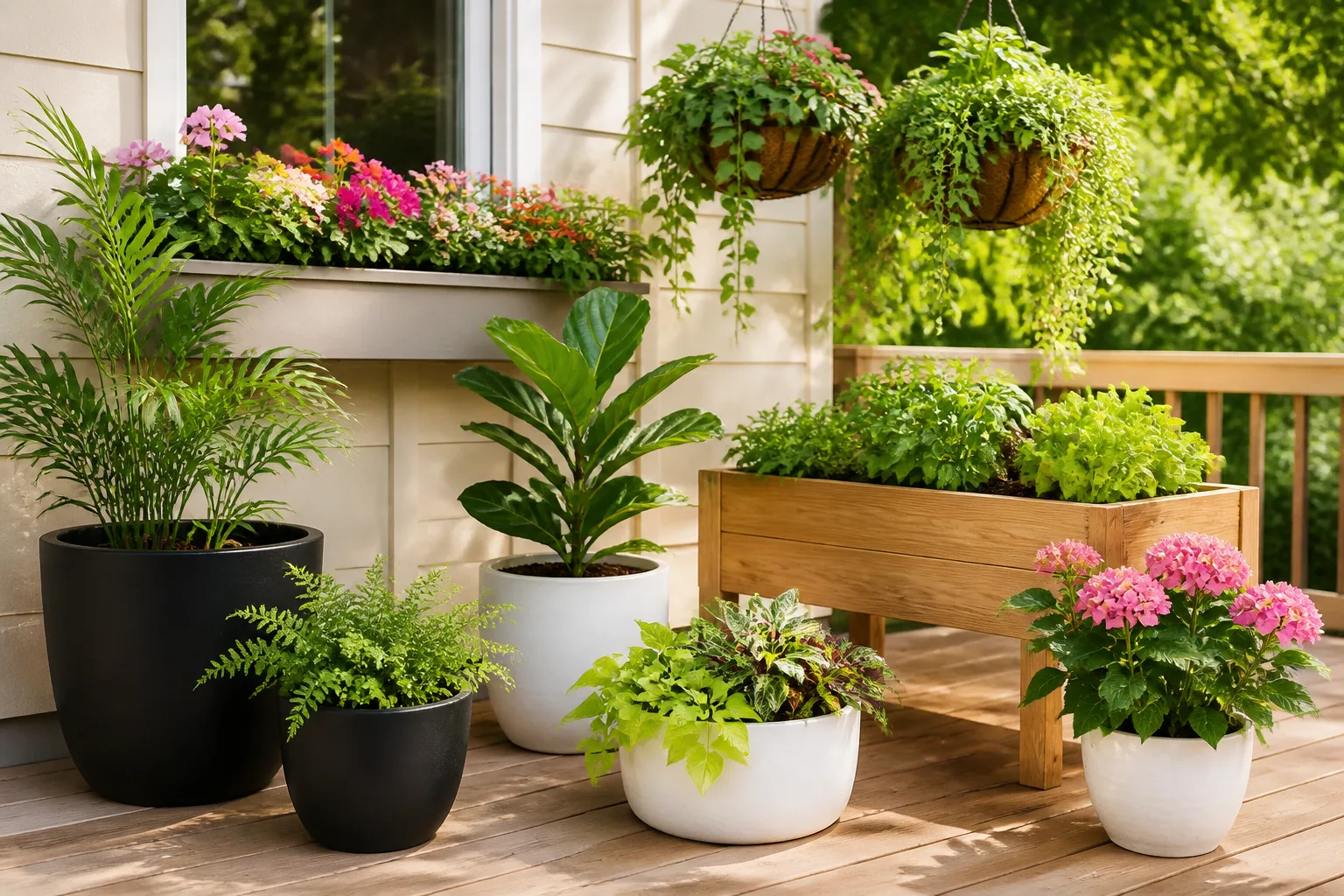
A planter is not a decoration you buy after the plant—it is the environment your roots live in. The prettiest pot on the shelf can still drown roots, bake soil on a south-facing patio, or crack the first time a January freeze hits glazed ceramic. The seven picks below cover the jobs plant parents actually run into: a versatile indoor-outdoor tub, a budget set for spreading color around the house, a furniture-safe ceramic for living rooms, a standing-height outdoor bed for vegetables, a self-watering reservoir for travel weeks, hanging baskets for trailing vines, and a window box built for curb appeal. Read the decision rules first; the products make sense only after size, drainage, and material align with your plant.
Quick Picks: Match the Planter to the Job
Prices shift with sales; ranges below reflect typical 2025–2026 street pricing.
| Best for | Pick | Why it wins | Main compromise |
|---|---|---|---|
| Balanced everyday use | HC Companies Eclipse Round | UV-stable polypropylene, multiple drain holes, removable inner saucer, wide size range | Thin walls; add your own outer saucer indoors |
| Lowest cost per pot | Quarut Set of 4 | Four matching barrels under ~$40, saucers included, weather-resistant plastic | Smaller than photos suggest; tight saucer fit |
| Indoor statement pot | D’vine Dev Ceramic | Glazed ceramic, mesh net, felt pad, fitted saucer | Single drain hole; heavy when filled |
| Patio vegetables & herbs | Best Choice Raised Bed | Waist-high fir frame, liner, closed bottom, critter barrier | Assembly can frustrate; immobile once filled |
| Vacation watering buffer | Gardife 12-Inch Self-Watering | Visible reservoir, wick system, sturdy sidewalls | Cotton wick needs replacement; saucer can loosen |
| Trailing plants overhead | La Jolie Muse Hanging (2-pack) | 13-inch bowls, UV plastic, hooks included | Rope less durable than chain |
| Curb-appeal window display | Mayne Fairfield Window Box | Sub-irrigation reservoir, steel brackets, 15-year warranty | Heavy loaded; masonry screws not included |
If you only need one houseplant pot and already own saucers, start with the Eclipse or D’vine Dev depending on whether the plant wants faster or slower dry-down. If you are furnishing a patio for food, skip decorative pots entirely and jump to the raised bed or a dedicated raised garden bed kit.
How to Choose a Planter Before You Buy
Retailers blur pot and planter on the same shelf, but the practical split is scale and placement. A pot usually holds one root ball you move and repot often—think 6-inch nursery sizes on a windowsill. A planter is a larger or architectural vessel for outdoor display, multiple plants, or a statement floor piece. The label matters less than root volume, drainage path, and where the container will live. Our pot vs planter guide walks through nursery pots, cache pots, and when each setup wins; use it when you are unsure whether you need a grow pot inside a decorative shell or a single holed vessel you plant into directly.
Size and Root Room: The Rule Most Shops Skip
Oversizing is the most common expensive mistake. When you repot, choose a container only one size up—about 1–2 inches wider in diameter for pots 10 inches or smaller, and about 2–3 inches wider for larger containers, as Penn State Extension recommends for houseplants. Extra empty mix around a small root ball stays wet longer, reduces oxygen at the root zone, and invites the anaerobic conditions behind root rot. If roots still fit but the mix is exhausted, refresh soil in the same size rather than jumping larger for aesthetics.
Depth matters as much as width. Shallow-rooted succulents and many herbs tolerate 6–8 inches of effective soil. Most houseplants want 8–12 inches. Patio vegetables and deep-rooted shrubs need 12–18 inches of quality mix above any false bottom or reservoir—measure planting depth, not just exterior height. A raised planter advertising 30 inches tall may offer far less soil if a reservoir or liner eats the bottom third.
Drainage Holes, Saucers, and Cache Pots
If you plant directly into a planter, drainage holes are non-negotiable for most ornamental plants. Excess water must leave the root zone; soggy mix drives oxygen out of pores, and oxygen loss is the core mechanism extension services describe for houseplant decline. A decorative planter without holes works only as a cache pot: keep the plant in a holed nursery pot inside, water the inner pot, and empty the outer vessel every time—never let runoff sit. University of Wisconsin-Madison Extension ties chronic wetness in outer shells directly to root rot outbreaks that look like random yellowing.
Do not add a gravel layer at the bottom thinking it helps. University of Illinois Extension explains that gravel creates a perched water table—saturated mix sits higher in the pot instead of draining faster. Improve drainage with holes, a well-aerated potting mix, and appropriate pot size—not a false bottom. Deep Green Permaculture details the capillary physics if you want the full picture; the actionable takeaway is amend mix or change container geometry, not rocks.
Saucers protect floors and decks, but they are not storage. Empty them after every watering. Indoors, a fitted saucer plus felt pad (as on the D’vine Dev pick) beats guessing when water has cleared the drain hole.
Planter Materials Compared: What Changes for Your Plants
Material changes dry-down speed, weight, frost tolerance, and salt behavior—not just aesthetics. Iowa State University Extension groups quality container selection around drainage, durability, weight, and insulation; those four factors map cleanly to the materials below.
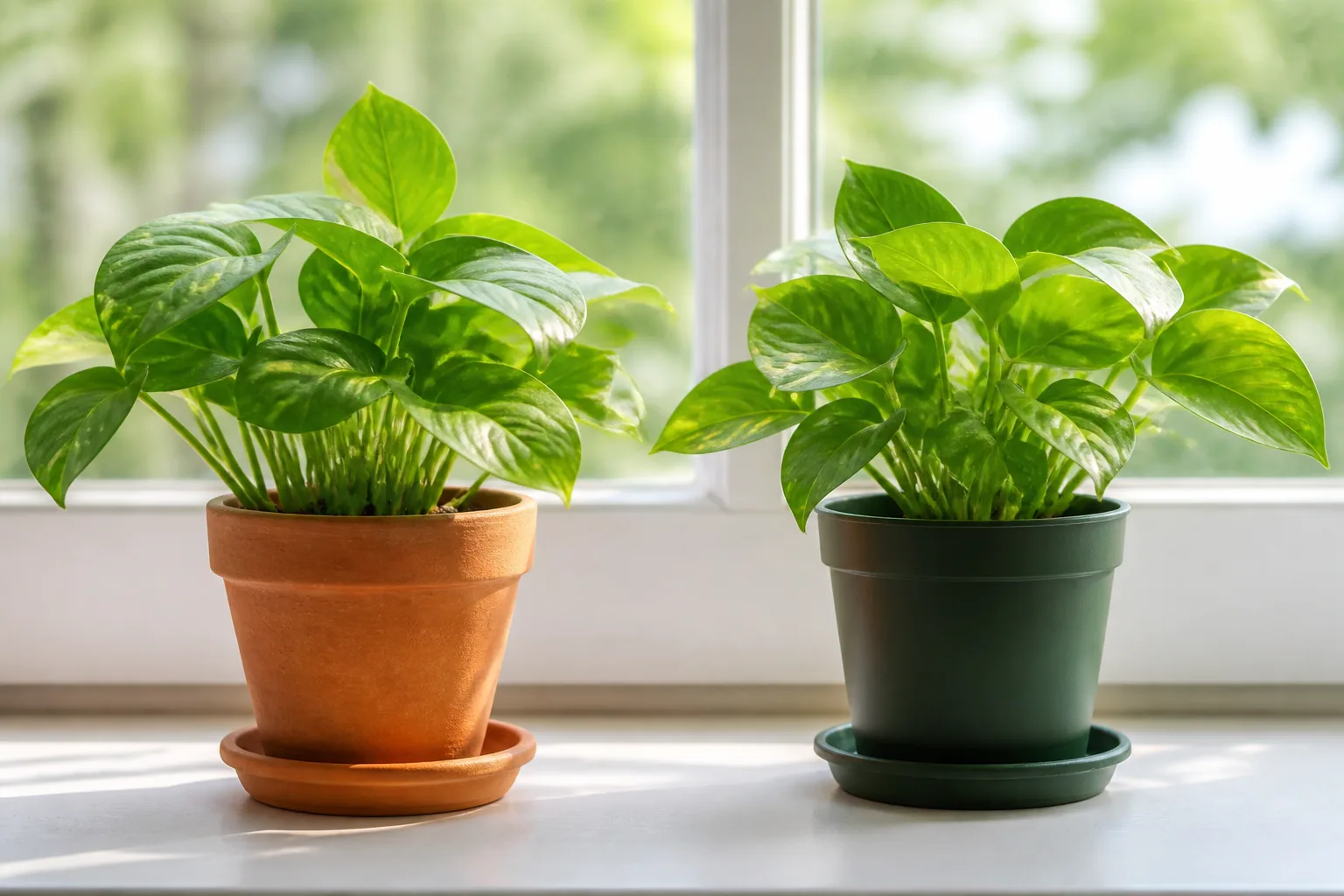
Polypropylene and resin (Eclipse, Quarut, Gardife, La Jolie, Mayne) are lightweight, UV-formulated on outdoor grades, and nonporous—mix stays wet longer than unglazed clay. They excel on balconies you rearrange seasonally and budgets that need multiple matching pots. Cheap thin plastic can warp in full sun; look for labeled UV resistance on outdoor pieces.
Glazed ceramic (D’vine Dev) behaves like plastic for moisture because the glaze seals the wall. It is heavy, breakable, and best for indoor or sheltered outdoor use. The weight is an advantage for top-heavy plants that tip light pots. See our terracotta vs plastic comparison for how porosity changes watering rhythm.
Unglazed terracotta is not on this pick list but deserves mention: faster dry-down through porous walls, ideal for cacti and chronic overwaterers, poor choice for ferns that want steady moisture.
Wood (Best Choice raised bed) insulates roots modestly and looks natural on decks, but it rots without maintenance, stains decking if drainage is poor, and weighs far more than it appears once filled. Seal or line as the manufacturer directs; never assume “weather resistant” means maintenance-free.
Metal planters heat soil on hot pavement—fine for sun-loving annuals, risky for sensitive roots without insulation or shade. Concrete and fiberglass trade weight for stability on windy rooftops; fiberglass mimics stone at half the load.
Match material to how fast you want soil to dry and how often you can lift the pot. A moisture-loving calathea in a porous terracotta bowl on a heating vent is a different problem than a rosemary in resin on a full-sun patio.
Indoor vs Outdoor Placement: Different Failure Modes
Indoor planters fail quietly: standing water in cache pots, saucers left full, pots too large for winter light levels, and glazed ceramics without airflow under furniture skirts. Outdoor planters fail loudly: UV fade, frost crack, wind tip, deck staining, and soil that goes from saturated to concrete in one July afternoon.
Indoor checklist: holed vessel or disciplined cache-pot emptying; saucer or felt pad under ceramics; weight appropriate to pet and kid traffic; size matched to current roots, not fantasy mature size.
Outdoor checklist: UV rating or known weather exposure; drain holes that won’t clog with soil (mesh net helps); frost plan for ceramic—store empty or wrap; deck load for elevated beds and large filled tubs (soil plus water easily exceeds 100 pounds per cubic foot); wind exposure for tall narrow pots and hanging baskets.
The Royal Horticultural Society notes that container plants dry faster than ground plantings and need more attentive watering—especially on hardscape where reflected heat accelerates evaporation. Group outdoor pots by water need so one thirsty fern does not sit beside a dry-loving succulent for convenience.
Best Overall: The HC Companies Eclipse Round Planter
Best for: A single large indoor-outdoor specimen—fiddle-leaf fig, patio citrus, or porch ornamental—that needs room without ceramic weight.
The Eclipse line hits the sweet spot between price and function: matte polypropylene in a wide color range, pre-drilled drainage holes, and a removable internal saucer that lifts saturated mix off standing water without the gravel myth. UV-resistant formulation reduces fade on sunny stoops, and sizes scale from tabletop to statement floor pots (~20-inch models land near $40–50 on sale).
What we like: Multiple drain holes beat single-hole ceramics for outdoor rain events; lightweight body makes seasonal moves realistic; neutral matte finish stays background to foliage.
Trade-offs: Walls feel thin compared to fiberglass—fine for ornamentals, less reassuring if kids kick it daily. The internal saucer is not a furniture saucer; add an external tray indoors. No integrated water reservoir—this is a hand-water pot for growers who want predictable dry-down.
Specs snapshot: ~20 × 20 × 17 inches on large sizes; UV-resistant polypropylene; indoor/outdoor; removable drainage saucer.
Best Budget: Quarut Set of 4 Plant Pots
Best for: Dressing multiple rooms, a rental balcony, or a starter collection without committing to one expensive vessel.
Four 12-inch barrel-style pots for roughly the cost of one mid-tier ceramic buy serious square footage. Recycled polyethylene survives sun and frost better than bargain thin pots, and included saucers mean you are not hunting accessories at checkout.
What we like: Coordinated look for four corners of a porch; barrel texture reads warmer than flat plastic; ~2.5-gallon capacity suits herbs, pothos, and medium annuals.
Trade-offs: Dimensions run smaller than lifestyle photos imply—measure your shelf before assuming 12 inches of soil depth. Saucers fit tight; overflow can bypass the tray if you water aggressively. Not the pick for a single dramatic tree—buy one larger Eclipse instead.
Specs snapshot: ~12-inch top diameter; plastic; 4-pack; drainage holes + saucers; brown barrel finish.
Best Indoor: D’vine Dev Ceramic Planter with Drainage
Best for: Living-room focal plants where you want glazed ceramic weight and a clean saucer line without drilling your own holes.
Glazed ceramic seals the wall, so mix retains moisture longer than terracotta—appropriate for many tropical houseplants if you verify dry-down with a finger or meter. The kit includes a mesh drainage net (keeps mix from washing out), fitted saucer, and felt pad that protects hardwood from scratches and micro-scratches from grit under the saucer.
What we like: Furniture-safe accessories included; stable base resists tip from top-heavy growth; crisp white matte glaze fits modern interiors.
Trade-offs: Single drainage hole limits flush speed—water carefully or bottom-water to avoid brief saucer floods. No drain plug for switching to cache mode. Heavy when filled; treat outdoor summer staging as temporary, not freeze-season storage.
Specs snapshot: ~10 × 10 inches; glazed ceramic; ~2.6 gallons; mesh net, felt pad, saucer included.
Best Outdoor: Best Choice Products Raised Garden Bed
Best for: Vegetables, herbs, and flowers on a patio or yard edge when bending to ground level is not happening.
This is a planter category shift: not a movable pot but a waist-high fir box with liner, closed bottom, and drainage holes that protect decks from soil wash while keeping critters out of the root zone. Ergonomic height suits standing gardeners, wheelchair-adjacent access, and anyone who treats gardening as weekend therapy rather than kneeling labor.
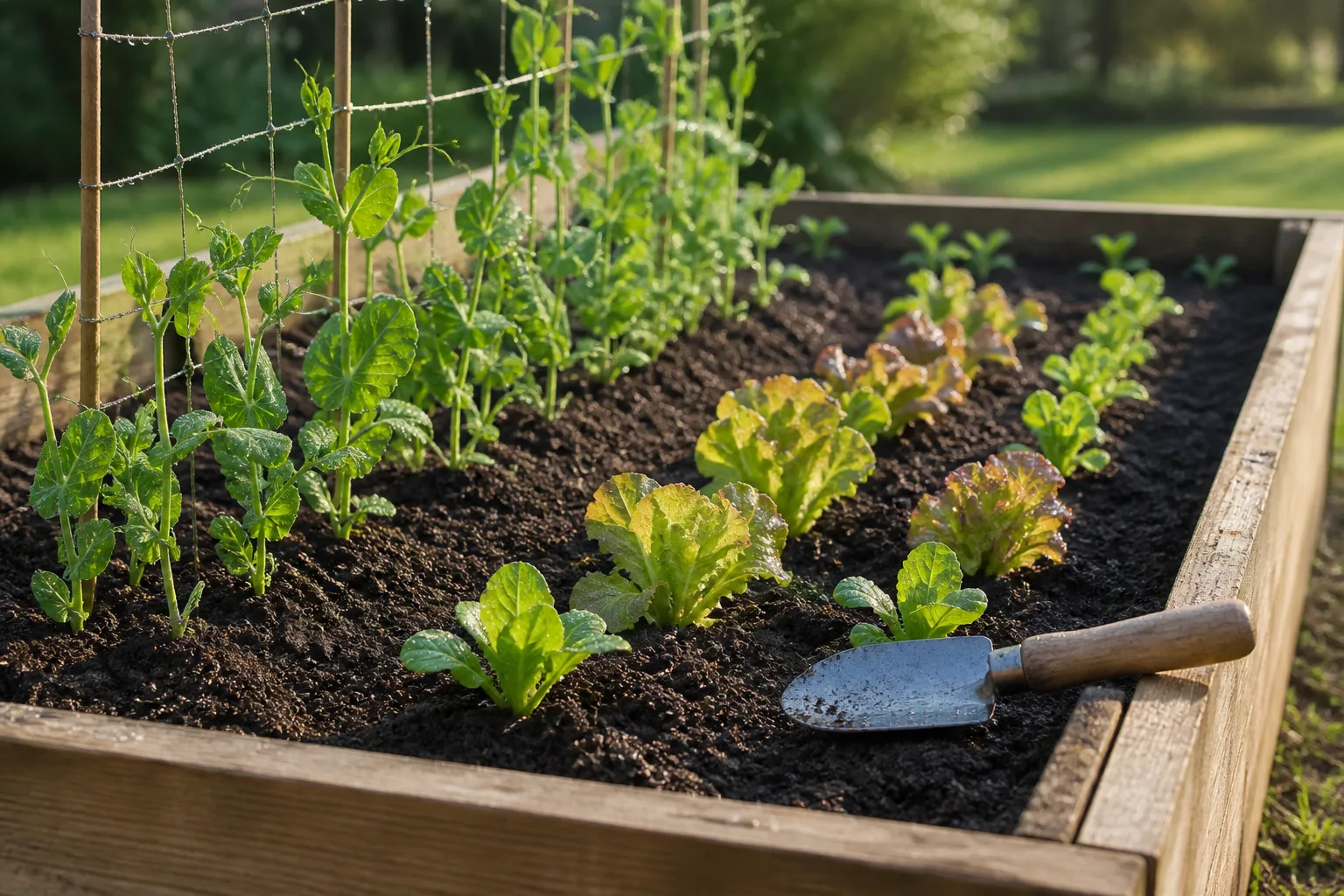
What we like: ~48 × 24 × 30 inches yields real soil volume for tomatoes, peppers, and basil; liner contains mix; elevated design reduces rabbit and mole pressure compared with open ground beds.
Trade-offs: Assembly reviews cite misaligned pre-drills—budget a drill and patience. Once filled with mix and water, it is furniture, not a pot you slide for sun. Wood needs periodic inspection for warp and rot; stain or seal per climate. For deeper-root crops (carrots, large indeterminate tomatoes), confirm effective depth above the liner—shallow elevated beds suit greens and herbs better than long taproots.
Specs snapshot: ~48 × 24 × 30 inches; fir wood; outdoor; bed liner; drainage holes.
Best Self-Watering: Gardife 12-Inch Self-Watering Planter
Best for: Medium houseplants when you travel or forget mid-week checks—but only if you accept reservoir maintenance.
The Gardife uses a separate bottom reservoir and cotton wick to pull water upward on demand, with a visible window or lip for refills. Sidewalls at ~4 mm feel sturdier than discount self-watering tubs that flex when you lift a root-bound plant.
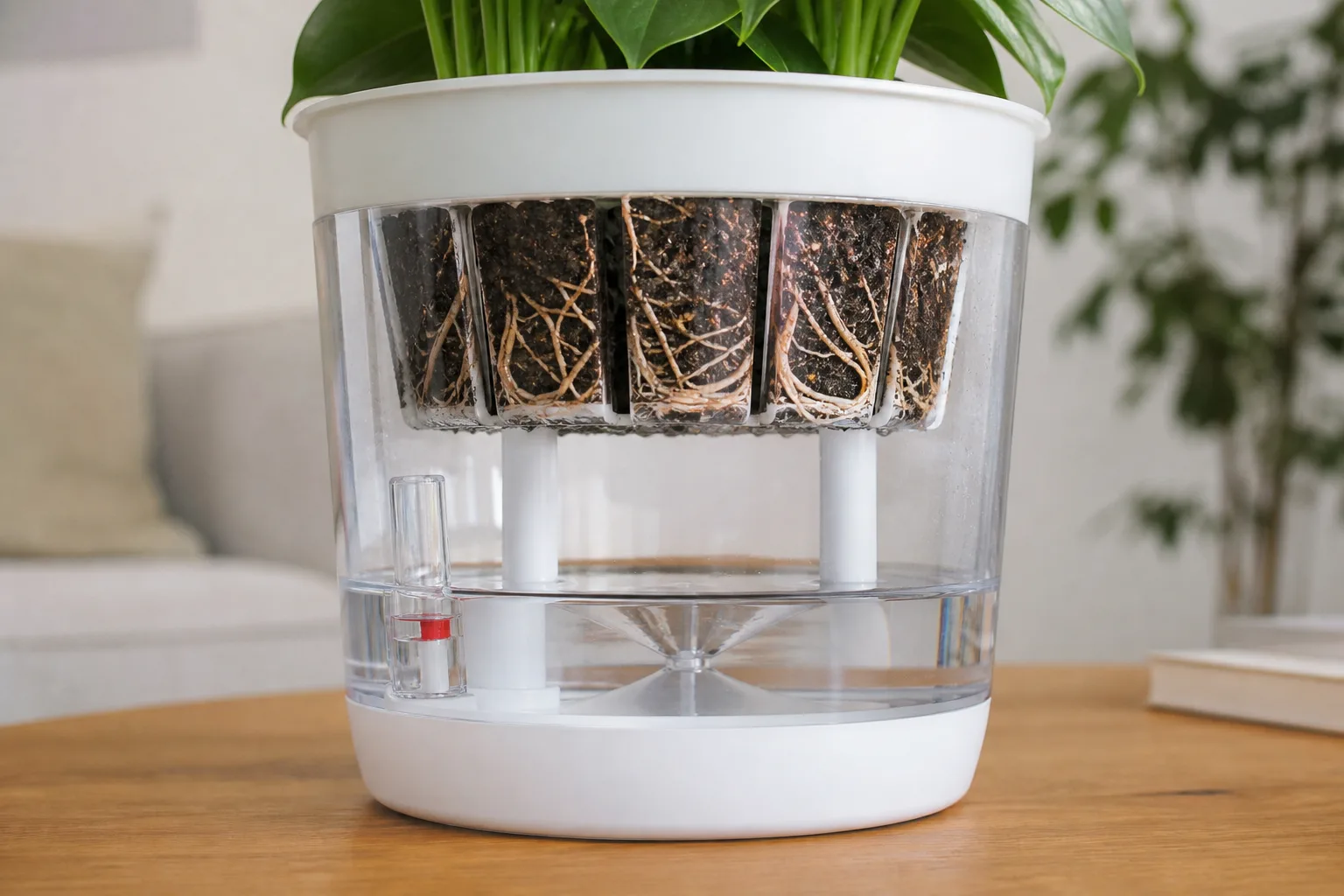
What we like: Reservoir decouples daily watering from root flooding when functioning correctly; speckled two-tone finish hides soil splash; works indoors and on protected porches.
Trade-offs: Cotton wicks decay every few months—stock replacements or migrate to wickless reservoir designs. Saucer threads can loosen and leak if overtightened. Not every plant tolerates constant bottom moisture; succulents and dry-loving species often do better in the Eclipse. Read our full self-watering pots guide for salt buildup, algae, and top-flush schedules reservoirs require.
Specs snapshot: ~12-inch top; recyclable plastic; ~3 gallons; wick + reservoir saucer.
Best Hanging: La Jolie Muse 13-Inch Hanging Planters
Best for: Trailing pothos, ferns, petunias, and bacopa where floor space is zero.
A two-pack of 13-inch UV-resistant bowls with hooks included undercuts buying hardware separately. Concrete-textured matte plastic reads heavier than it weighs—important when a loaded basket can exceed 20 pounds of mix plus plant.
What we like: Large single drain hole suits quick rain flush outdoors; ~2-gallon capacity supports mature trailers; UV formulation resists fade on south-facing eaves.
Trade-offs: Rope hangers weather and fray faster than chain—inspect annually and upgrade hardware for permanent installs. Confirm ceiling or bracket rating for dynamic wind load, not just static weight. Indoor use demands a saucer strategy or careful sink watering to avoid drips on furniture.
Specs snapshot: ~13-inch diameter × 6-inch depth; UV plastic; 2-pack; hook included.
Best Window Box: Mayne Fairfield Window Box Planter
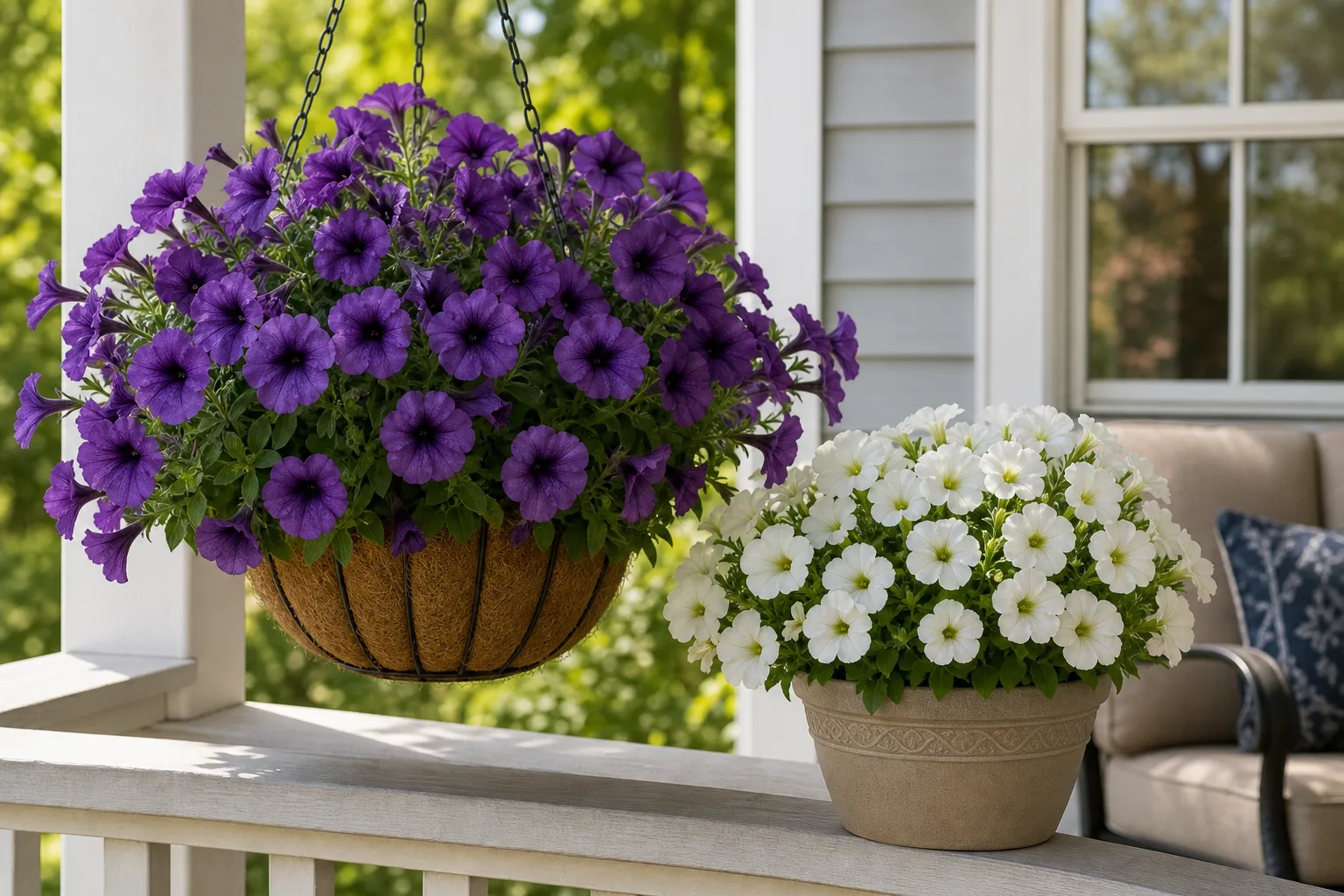
Best for: Curb-facing annual displays—petunias, calibrachoa, geraniums—where you want sub-irrigation and hidden brackets.
Mayne’s Fairfield line is the grown-up answer to flimsy press-in boxes: heavy-duty polyethylene, integrated water reservoir, steel mounting brackets that hide behind the fascia, and a 15-year warranty against manufacturing defects. At ~36 inches wide and 6.5 gallons of mix, you can stage tall back-row plants with trailing front spillers for a full look without daily hand-watering on a hot driveway wall.
What we like: Self-watering reservoir stretches time between refills on exposed brick; UV-resistant white stays crisp longer than unpainted wood; bracket system looks built-in when mounted level.
Trade-offs: ~13.5-pound empty weight plus saturated mix demands solid studs or masonry anchors—wood screws ship; buy masonry fasteners separately for brick. Loaded boxes are not trivial on older siding—verify structure. White plastic shows soil splash; plan for midseason wipe-down. Reservoir systems still need occasional top-watering to flush salts, same as indoor sub-irrigation pots.
Specs snapshot: ~36 × 11 × 10.8 inches; UV polyethylene; sub-irrigation; brackets included.
Self-Watering vs Hand-Watering: When the Reservoir Helps
Self-watering planters are not autopilot—they are time buffers. A functioning reservoir extends the gap between refills by supplying water from below through capillary wicking or porous columns. That helps consistent drinkers (many ferns, peace lilies, window-box annuals in heat) and owners who travel for long weekends.
They fail when owners treat them as set-and-forget: wicks clog or rot, reservoirs grow algae, salts concentrate at the soil surface without occasional top-watering, and dry-loving plants sit in chronic bottom moisture. Hand-watered pots like the Eclipse or D’vine Dev give you direct feedback every time you lift a pot or probe mix—better for learning a plant’s rhythm.
Use self-watering when: you know the plant tolerates steady moisture, you will check the reservoir weekly, and you will top-flush monthly. Skip it when: the plant is succulent, cactus, or winter-dormant and you tend to “top off” water without checking.
When to Skip a New Planter Entirely
A new planter is not always the fix. Stay in the nursery pot when roots still fit, drainage is good, and you empty cache runoff religiously. Refresh mix in the same size when soil is depleted but roots are not circling. Drill holes in an existing decorative pot if material allows, instead of buying a duplicate. Borrow a cache pot for aesthetics while keeping the grow pot for watering discipline.
Repot into a larger holed container when: roots circle the bottom, water runs through in minutes, or growth stalls in spring despite adequate light. Jumping to a new planter for every aesthetic whim transfers shock risk without solving care problems—and oversized vessels cause more rot than cramped ones.
Conclusion
The best planter is the one that matches root size today, drainage you will actually maintain, and material suited to where it sits—not the trendiest silhouette on a product card. The HC Companies Eclipse covers most indoor-outdoor single-plant jobs; Quarut stretches budget across four spaces; D’vine Dev polishes living rooms; Best Choice elevates patio food growing; Gardife buffers travel weeks if you service the wick; La Jolie lifts trailers overhead; Mayne Fairfield dresses windows with less daily fuss. Run the sizing and drainage rules first, then buy once. Your plants notice the container long after you stop noticing the color.



