Order Seeds in Winter: Selection, Timing, and What to Look For
Pro gardeners order seeds in winter for first pick of catalogs. This guide covers frost-date math, packet labels, vendor strategy, and storage.
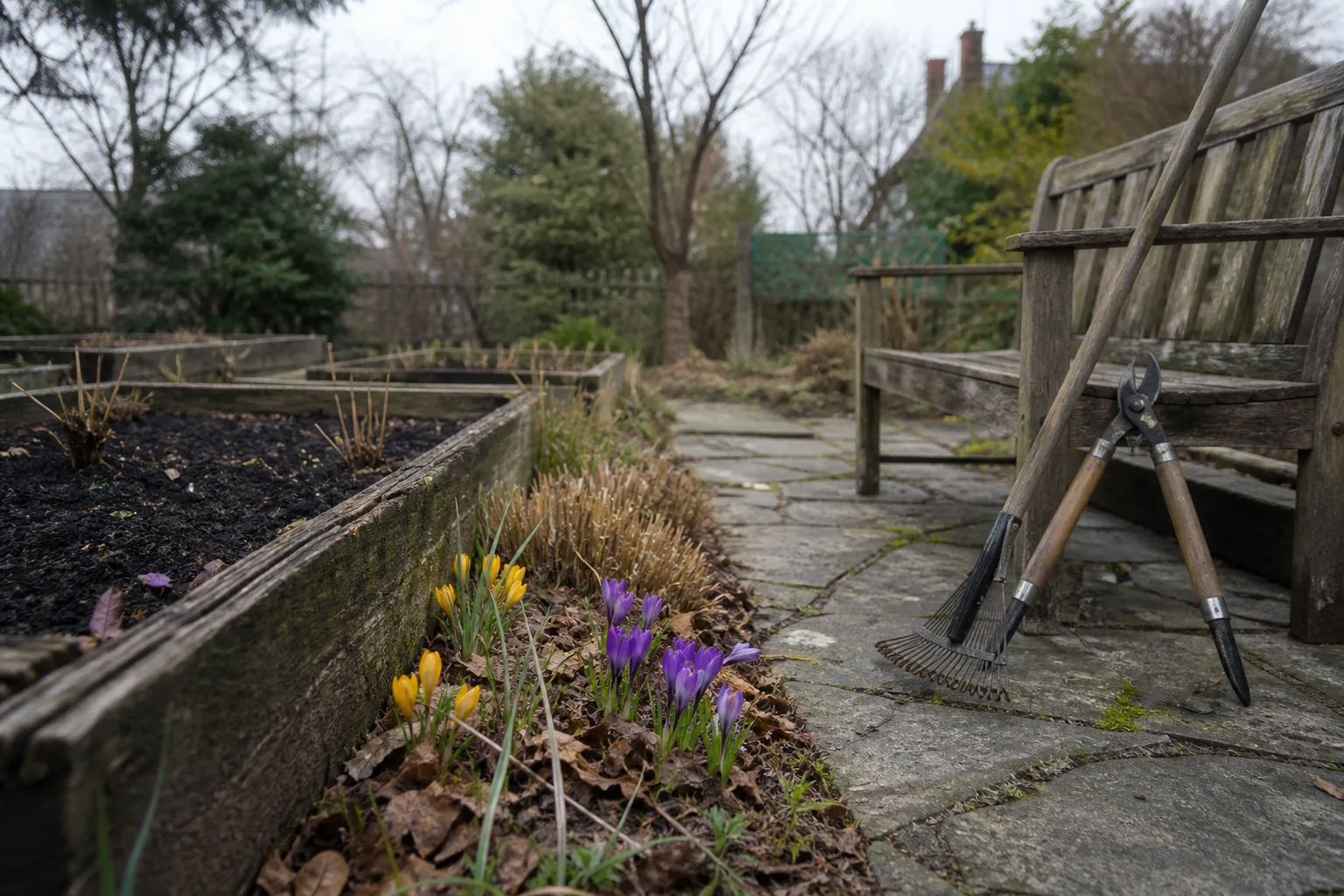
Snow on the ground is not downtime for serious gardeners—it is order season. While big-box racks still hold last year’s leftovers, mail-order catalogs and specialty seed houses release fresh inventories in January and February. That is when you get first pick of new releases, rare heirlooms, and the exact tomato or flower strain you bookmarked last summer. Wait until the first warm weekend in April and you are choosing from whatever survived the rush, not what you actually planned to grow.
The best time to order seeds is not a single calendar date. It is the window that gives you selection plus lead time: enough weeks to receive shipments, read packets, and start indoor crops on schedule. For most U.S. gardeners in zones 4–7, that window opens in January and peaks through mid-February. Gardeners in warmer zones order on a different clock, and direct-sow crops can wait longer—but the winter catalog window still matters if you want variety, not just availability.
Why January and February Beat Spring for Seed Orders
Seed companies time catalog releases to catch gardeners during planning season, not planting season. Ferry-Morse’s growing resource center notes that many gardeners in moderate zones should start buying seeds around January and February, roughly aligned with the 6–8 weeks before last frost when indoor sowing begins (Ferry-Morse seed-buying timing). Ordering in that window is less about superstition and more about inventory physics: supply is highest, shipping queues are shortest, and you still have evenings to map the garden before trays fill the windowsill.
Winter ordering also turns seed shopping into a design exercise instead of a panic purchase. You are comparing days-to-maturity, thinking about succession sowings, and deciding whether last year’s powdery-mildew-prone zucchini deserves another chance. Backyard Boss puts it plainly: winter is when sellers push new offerings and counters are not yet picked over (Backyard Boss winter seed shopping). That breathing room is hard to recreate once spring fever hits and everyone orders at once.
Catalog Drops and First-Choice Selection
Most major seed houses refresh online catalogs and print editions in early to mid-January. New varieties—often limited-run breeding lines or trendy cut-flower annuals—tend to sell through in the first wave of orders. If you want a specific color of snapdragon or a newly introduced disease-resistant pepper, January is when those SKUs exist in quantity.
Catalog browsing is also when you catch labeling details that impulse spring buys skip. You can compare whether two “cherry tomato” listings actually differ in days to maturity, indeterminate vs determinate habit, or resistance codes. A January order backed by a written plan beats three rushed packets grabbed beside potting soil in May.
Heirloom and Limited Varieties Sell Out Fast
Heirlooms and regionally adapted open-pollinated lines rarely scale like mass-market hybrids. Baker Creek–style rarities, heritage beans, and specialty melons can go out of stock by February once social media and garden forums circulate favorites. If your garden plan depends on a non-commercial variety, treat January as a hard deadline—not a suggestion.
Limited stock is not marketing theater. Small seed growers harvest finite pounds per year. When an heirloom squash sells out, you may wait 12 months for the next harvest. Ordering early is the only reliable way to lock in genetics you cannot substitute at a garden center rack.
Work Backward From Your Last Frost Date
“Order seeds in winter” only helps if you know why winter matters for your yard. The anchor date is your average last spring frost—the point you count backward from for indoor sowing and forward from for transplanting. Find it through your state cooperative extension planting calendar, the Old Farmer’s Almanac frost-date tool, or local master gardener resources (Almanac indoor seed-starting timing).
Hardiness zone alone is too coarse. A zone 6 garden against a south-facing wall can plant a week earlier than an exposed plot two miles away. Write down your frost date, then build the rest of the schedule from there. If you have not done that math yet, our guide on when to start planting a garden walks through turning frost dates into a full spring calendar.
The Order-to-Sow Timeline Most Gardeners Miss
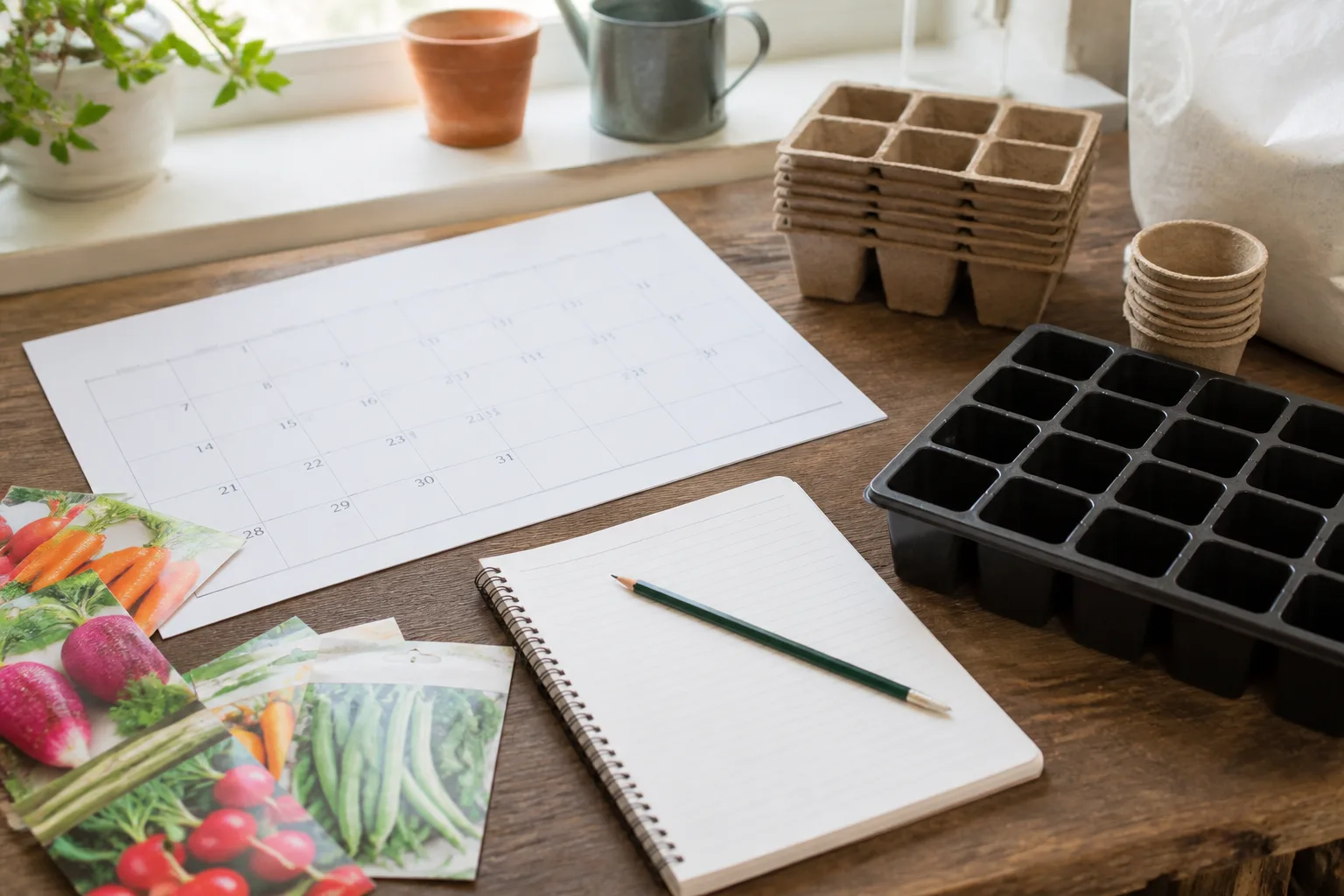
A practical rule used by many homesteaders and market gardeners: order seeds 4–8 weeks before you intend to sow them, which builds in shipping delays and packet review time. If you plan to start tomatoes indoors 8 weeks before a May 10 last frost, sow around March 15—meaning seeds should arrive by mid-February at the latest. Onions and celery need even earlier indoor windows; they are January-order crops in zones 5–7.
Epic Gardening’s indoor seed-starting overview emphasizes matching sow dates to each crop’s frost tolerance rather than treating every packet the same (Epic Gardening seed-starting guide). UMN Extension likewise frames indoor starting as a countdown from transplant goals, not from today’s weather (UMN Extension starting seeds indoors). Order deadlines follow the same logic: slow crops pull your purchase date earlier.
Zone-by-Zone Ordering Windows
Use this table as a starting point, then adjust for your microclimate and crop list:
| USDA zone | Typical last spring frost | Order seeds by | First indoor sow targets |
|---|---|---|---|
| 3–4 | late May–early June | January | Late February (onions, celery); March (tomatoes, peppers) |
| 5–6 | mid-April–early May | January–February | January–February (slow crops); March (warm-season) |
| 7–8 | late March–mid-April | December–February | January (flowers like snapdragons); February–March (veg) |
| 9–10 | February–March | November–January for cool season; late winter for summer | Year-round staggered sowing |
Zones 9–11 gardeners order cool-season crops in late summer and fall for winter harvests—that is a separate calendar from the January rush northern gardeners know. If you garden in both worlds (snowbird beds, Gulf Coast winter garden), split orders by season instead of assuming one winter cart covers the year.
What to Look For on a Seed Packet
Ordering early only pays off if you buy the right genetics for your space. Seed packets are legal labels as much as marketing—they must communicate information you need before checkout. Winter catalog time lets you read slowly instead of squinting under fluorescent garden-center lights.
Days to Maturity, Germination Rate, and Plant Type
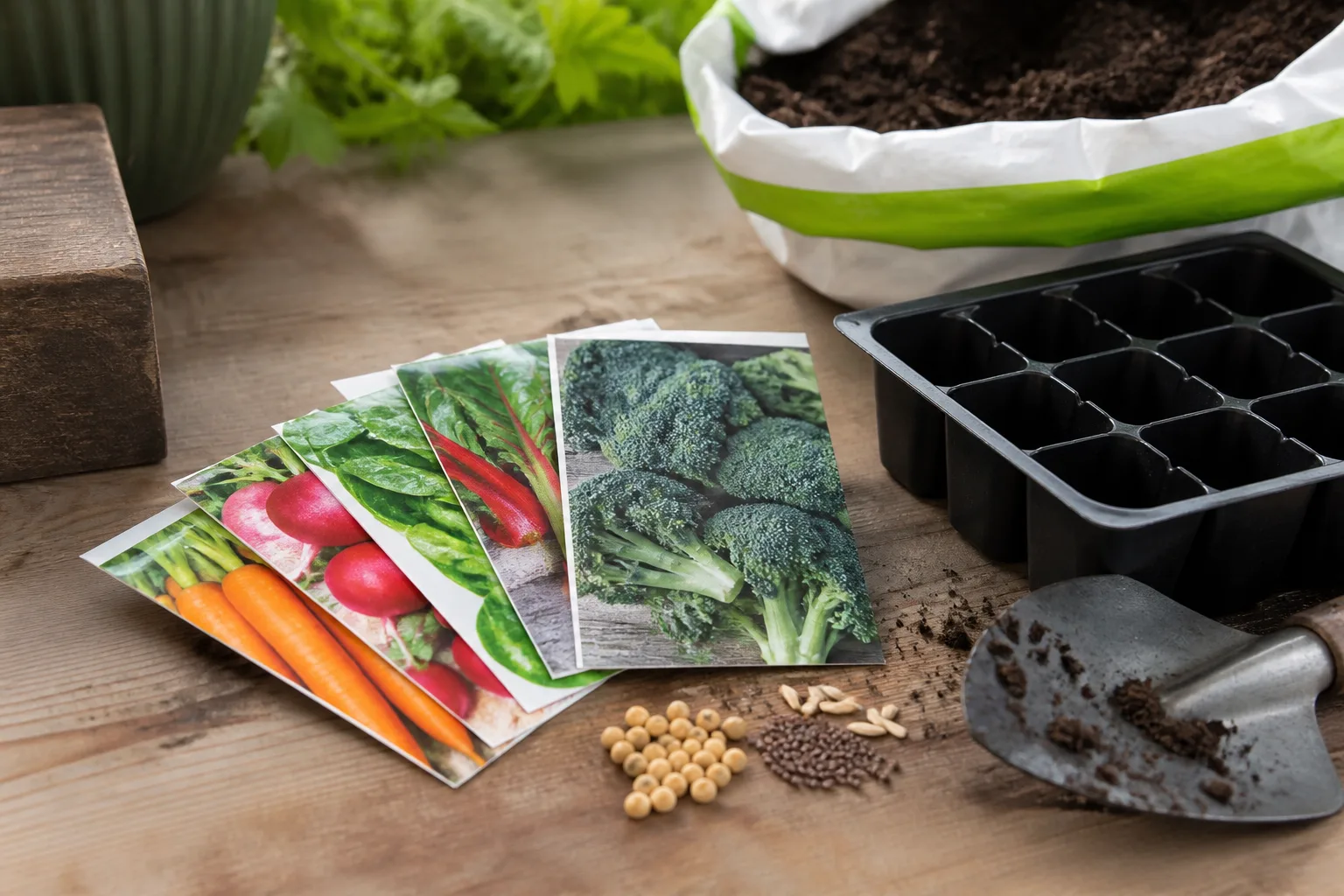
Days to maturity (DTM) tells you how long from transplant—or direct sow, depending on the packet—to harvest. Short-season zones should favor lower DTM numbers; long-season areas can chase larger melons and late corn. Germination rate (when listed) estimates what percentage of seeds in the lot should sprout under ideal lab conditions. Home conditions run lower; a 85% rated lot still beats mystery bulk seed with no data.
Plant type—annual, biennial, or perennial—controls whether you are filling this summer’s bed or investing in a multi-year border. Planting depth and spacing belong on the same label; ignoring them is how gardeners end up with overcrowded carrot threads and shaded lettuce. Backyard Boss’s packet glossary is a useful shorthand for these fields (Backyard Boss seed packet terms).
| Packet term | What it means for your order |
|---|---|
| Days to maturity | Harvest timing—critical for short seasons |
| Germination rate | Expected sprout percentage under ideal conditions |
| Plant spacing | Final spacing after thinning—drives how many packets you need |
| Planting depth | How deep to sow—shallow for lettuce, deeper for beans |
| Plant type | Annual vs perennial—changes bed planning |
Open-Pollinated, Hybrid, and Treated Seed Labels
Open-pollinated (OP) and heirloom seeds breed true if you isolate them from cross-pollinating neighbors—good if you save seed. Hybrid (F1) crosses deliver uniform vigor and disease resistance but do not breed true next year; you reorder annually. Neither is “better” universally—hybrids win on reliability in wet, disease-prone summers; heirlooms win on flavor experiments and seed saving.
Treated seed carries fungicide or other coatings (often bright pink). Helpful in cool, damp direct-sow conditions; skip if you want untreated organic plantings or worry about handling around pets and kids. Organic seed must meet certification rules for how parent plants were grown—important for organic certification of your garden, not just personal preference.
Check GMO status if that matters to you; most home-garden packets are non-GMO, but specialty field-crop listings differ. When catalogs use photos, read the variety name carefully—“Saladette” is not interchangeable with “Roma” even if both look red and oval in a thumbnail.
Split Your Order Across Vendors Strategically
No single seed house excels at everything. Many experienced gardeners split orders by strength: one vendor for hybrid vegetable lines and disease resistance, another for cut-flower annuals, a third for regional heirlooms or legumes. Winter ordering time is when you compare shipping minimums, bundle discounts, and whether a company ships from a climate similar to yours (relevant for live plants, less so for seeds).
Keep a simple spreadsheet: variety, vendor, DTM, quantity, indoor vs direct sow, and notes from last year. If you tracked performance in a garden journal, January is when those notes become next season’s cart. Ordering from two or three trusted sources beats one mega-cart filled with impulse varieties that do not fit your bed dimensions.
Also watch shipping windows. Some companies pause shipments during extreme cold not because seeds die in transit—dry seed tolerates freezing—but because they avoid liability for live plants and plug trays in the same order. Separate bare-root perennial orders from seed orders when policies differ.
Indoor vs Direct-Sow Crops Change Your Deadline
Not every packet belongs on a February windowsill. Cool-season crops that transplant early—onions, leeks, broccoli, cabbage, snapdragons, stock—justify the earliest order and sow dates. Our February flower seed-starting guide and vegetable indoor-starting guide map specific crops to week counts before frost.
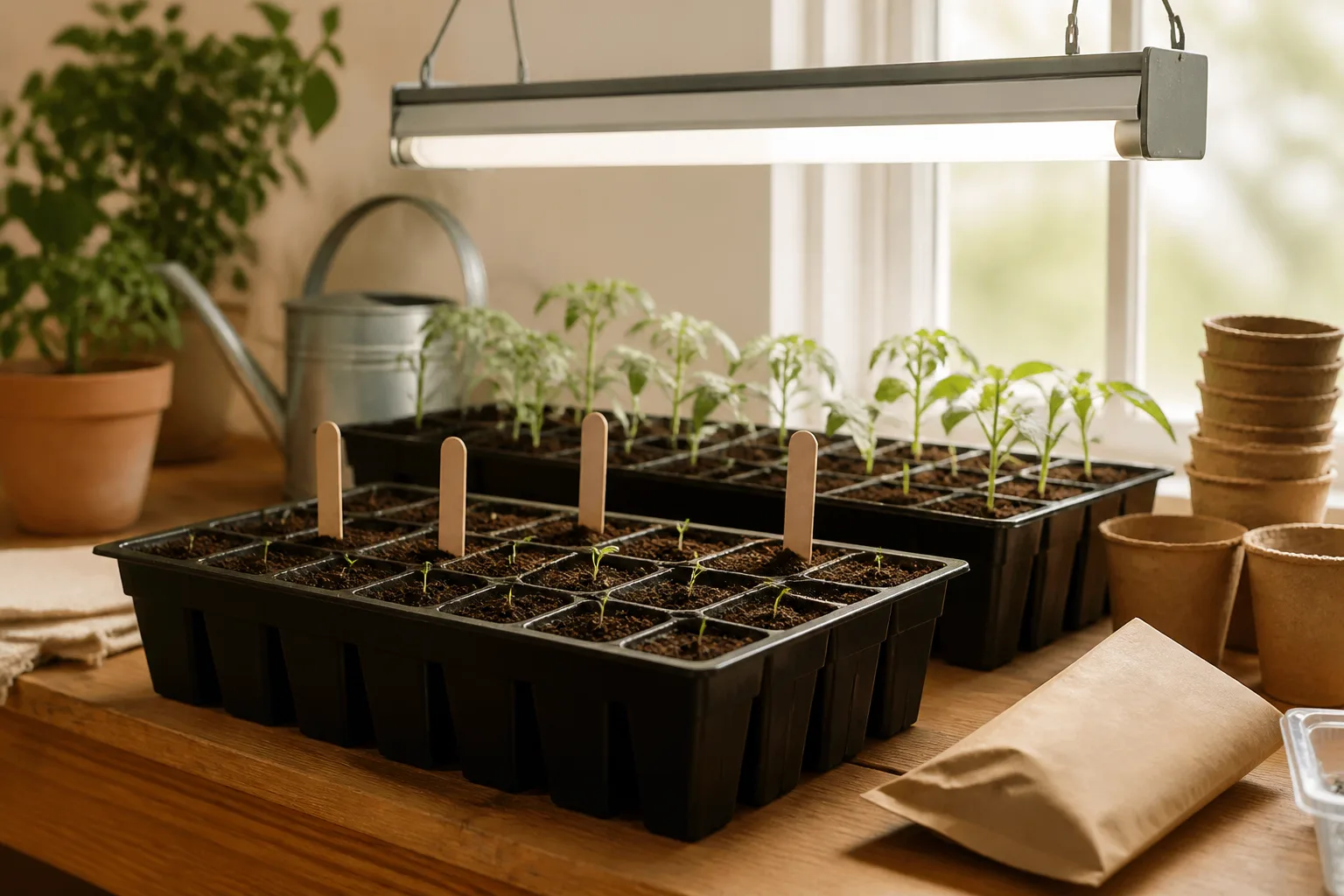
Warm-season crops started indoors—tomatoes, peppers, eggplant—need orders placed by mid-February in zones 5–6 so you can sow in March. Direct-sow crops—beans, corn, squash, zinnias, cosmos—only need seeds on hand a week or two before soil warms. You can delay those lines until late winter or early spring if heirlooms are not in the mix.
Crops That Can Wait Until Late Winter or Spring
You have flexibility on:
- Fast direct-sow annuals (radish, bush beans, sunflowers) when you are not chasing rare colors
- Second succession plantings of summer crops—order extra cucumber or basil seed in May for July sowing
- Cover crops ordered closer to sow date if stock is common (oats, buckwheat)
- Fall garden seed (often ordered in summer for August sowing)
Waiting can even save money: end-of-season sales appear, though selection is thin. The trade-off is predictable—you choose from leftovers. For the backbone of your garden (main-season tomatoes, primary pepper line, favorite cutting flowers), winter ordering still wins.
Store Seeds Correctly If You Order Early
Seeds do not “expire” on a fixed date like milk. They gradually lose viability—the percentage that germinates declines. Ferry-Morse explains that proper storage keeps aging slow: cool (ideally below 50°F), dark, and stable moisture (Ferry-Morse seed storage guidance). Many gardeners use airtight jars or bins in a refrigerator; silica gel packets help in humid climates.
Keep seeds in original packets for labeling, then batch by sow year. Onion and parsnip seed fade faster than cucumber or lettuce; buy those fresh annually even if you stash extras. Before relying on old inventory, run a germination test on a damp paper towel—ten seeds on a plate, keep moist, count sprouts after a week.
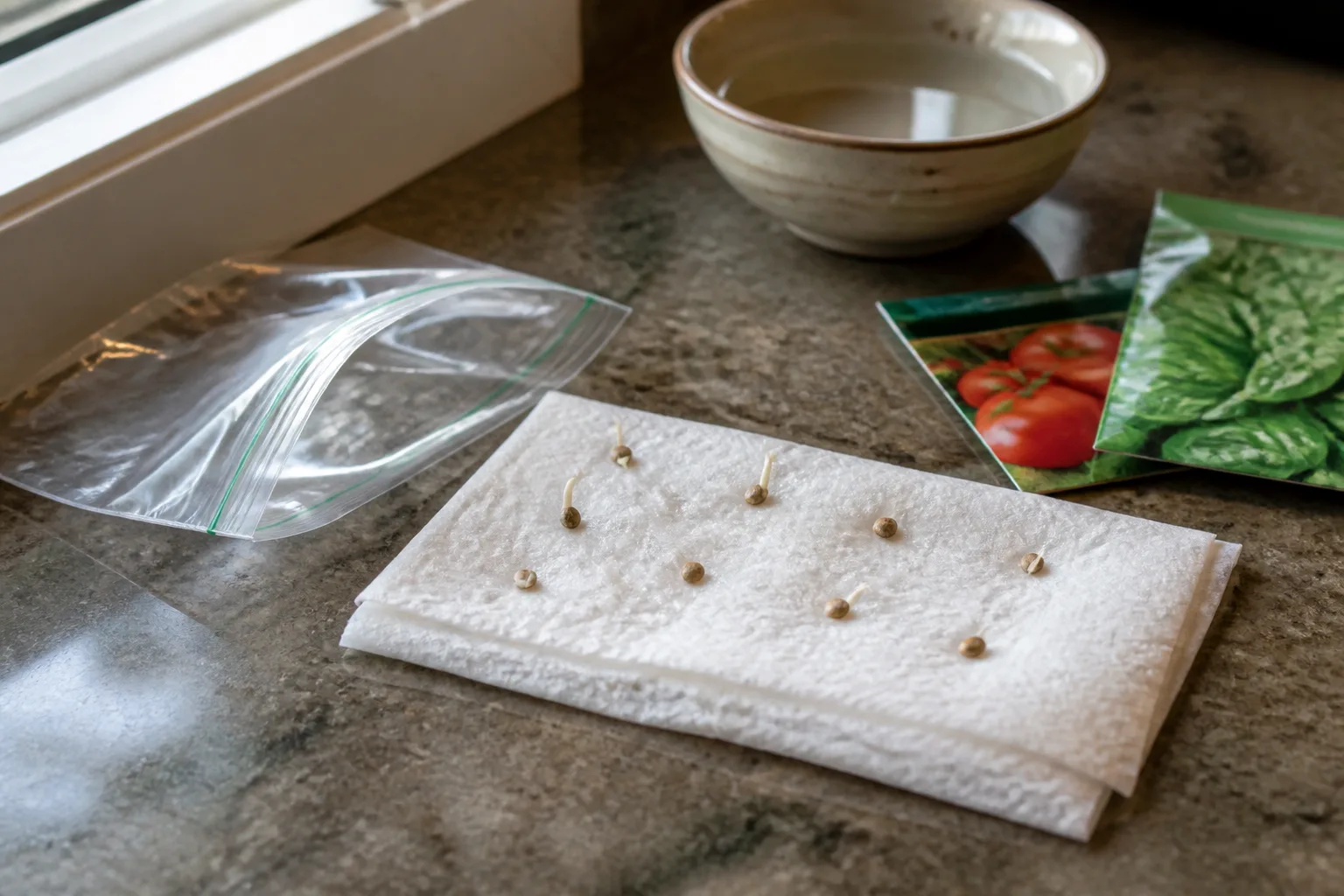
Ordering early plus storing well beats panic buying in April. It does not mean hoarding decade-old tomato seed because “seeds never expire.” They do not expire; they quietly disappoint.
Common Seed-Ordering Mistakes to Avoid
Ordering without a garden map. Seeds are cheap; bed space is not. Sketch beds, note sun exposure, and assign quantities before you checkout. Three packets of sprawling winter squash in a 4×8 raised bed is a planning error, not a seed problem.
Chasing every new variety. One or two experiments per year teach more than ten untested lines fighting for space. Keep proven winners on the list; slot newcomers where failures will not starve your main harvest.
Ignoring days to maturity in short seasons. A 95-day heirloom melon is a beautiful gamble in Minnesota and a reasonable bet in Georgia. Match DTM to frost-free days plus indoor lead time.
Starting indoors too early. Ordering in January does not mean sowing tomatoes in January unless you have greenhouse-level light and room to pot up. Early ordering supports planning; it does not accelerate safe sow dates. See how to start seeds indoors for setup and timing guardrails.
Skipping packet instructions on soil temperature. Some seeds need 70°F soil; sowing into cold mud wastes the packet you waited to buy. Soil thermometers cost less than one impulse seed order.
Forgetting fall and winter crops. If you grow fall brassicas or overwintered garlic, those seeds belong on the same winter order—not a forgotten August reminder.
Conclusion
The best time to order seeds is when you still have choice and calendar room—for most gardeners, that means January through mid-February, before heirlooms vanish and before indoor sowing deadlines arrive. Use your last frost date to work backward, read packets like specification sheets, and split orders across vendors that excel at different crops. Store what you will not sow immediately in cool, dry, airtight conditions, and accept that some direct-sow lines can wait while slow indoor crops cannot.
Winter seed ordering is not retail therapy. It is the cheapest insurance policy your garden gets: the right varieties, on your timeline, ready when the first tray lights turn on. Place the orders that match your map—not the catalog cover—and spring becomes execution instead of scramble.



