Citrus Peels for Garden Pests: Do They Work?
Citrus peels can be useful compost, but they are unreliable pest control. Get a practical, pest-by-pest plan for protecting plants naturally.
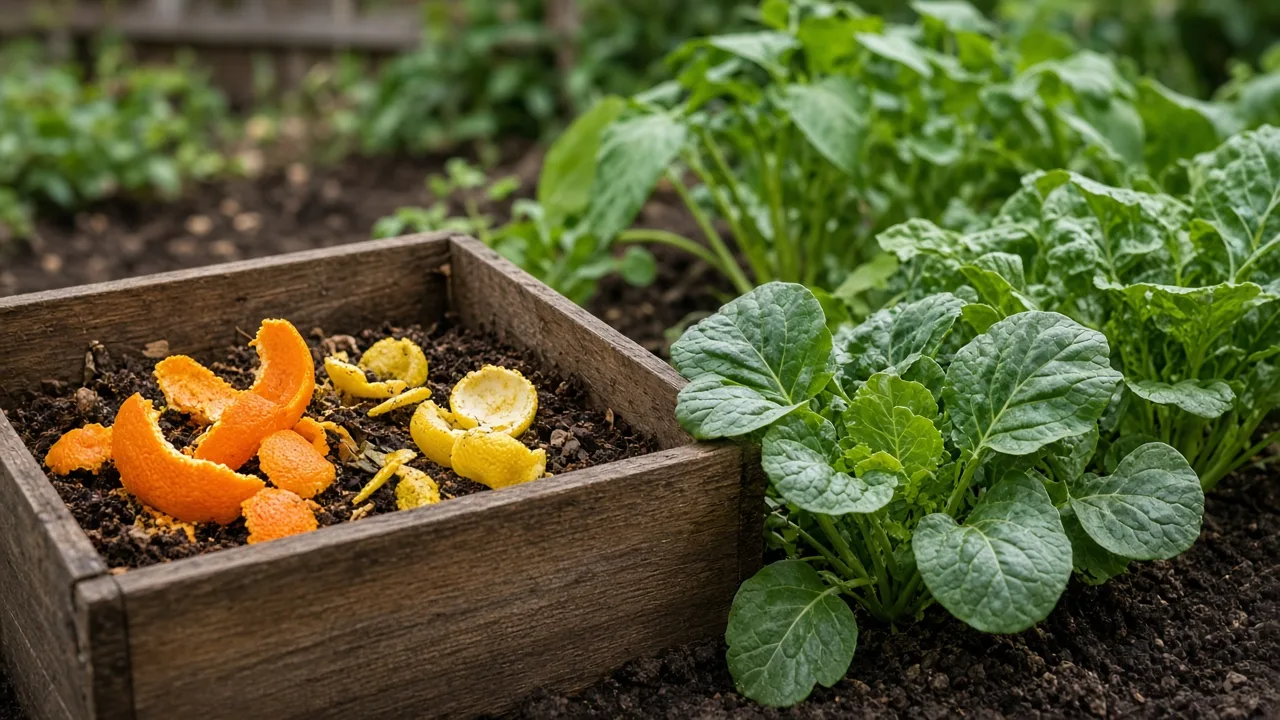
If you have a bowl of orange, lemon, or grapefruit peels, scattering them around a plant feels like an elegant solution: reuse a kitchen scrap, release a strong smell, and make hungry insects leave. The trouble is that a powerful citrus aroma is not proof of a reliable garden repellent.
The practical verdict is simple. Loose citrus peels may release a small amount of fragrant oil for a short time, but there is not good evidence that they protect a garden from pests in a dependable, lasting way. Use them as a compost ingredient once they are chopped and balanced with other organic material. For an active infestation, identify the pest and use a method aimed at that pest—water, hand removal, exclusion, habitat management, or a labeled product.
The short answer: useful scrap, unreliable repellent
UGA Cooperative Extension agricultural entomologist Gabrielle LaTora gives the most useful distinction: concentrated citrus essential oils and extracts can repel or kill some insects in research, but discarded peels do not contain enough readily available compound at the plant surface to behave like a measured pesticide. The brief period when oil evaporates is quickly followed by dilution, drying, and loss of scent. (UGA Cooperative Extension)
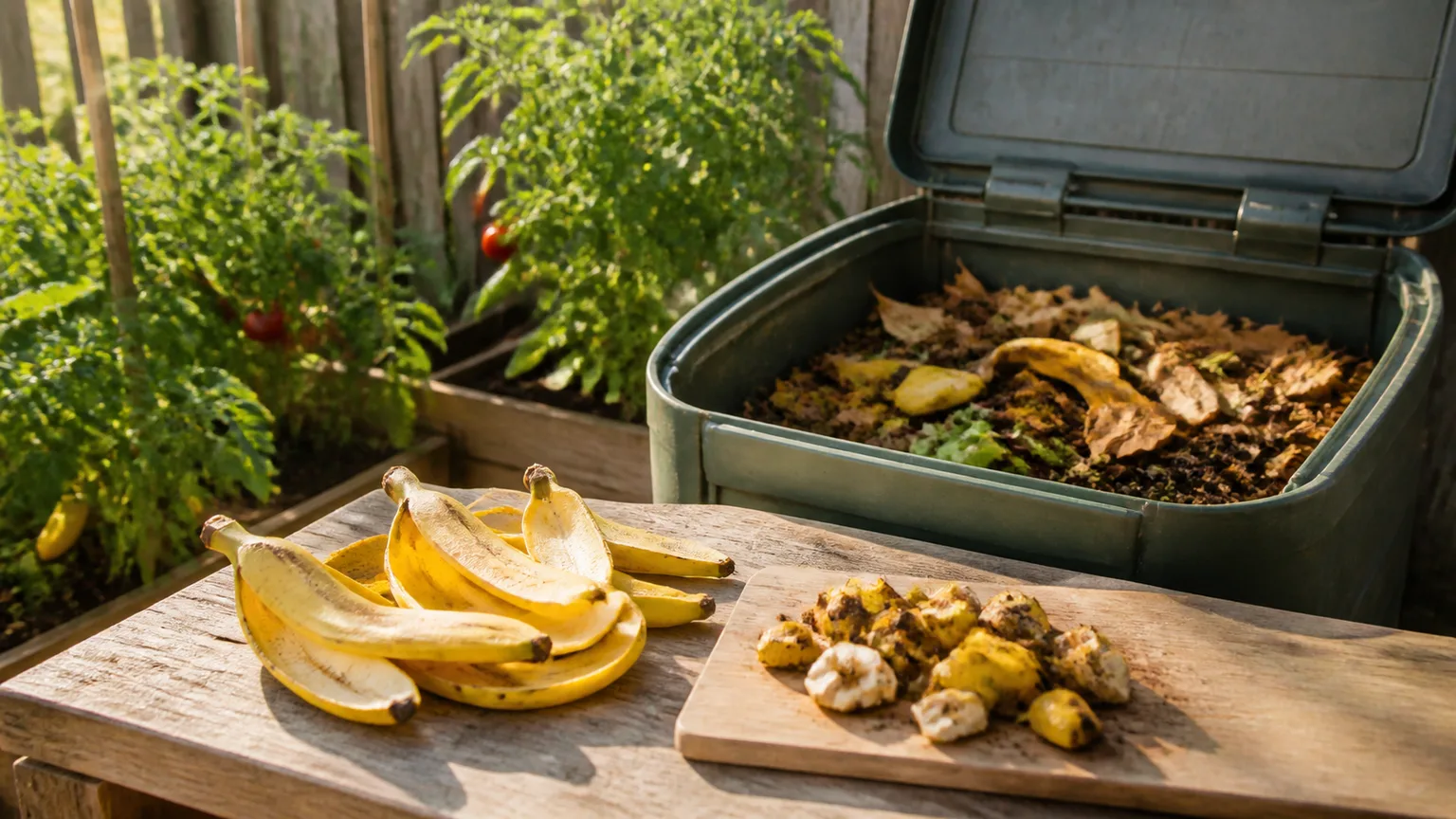
That means the answer is not “citrus never affects insects.” It is “a few kitchen peels are too inconsistent to be your control program.” A gusty patio, a damp mulch bed, a hot balcony, and a shaded vegetable patch will all change how quickly the peel dries and how far its volatile compounds travel. Even if an insect avoids one fresh peel for a moment, that is not the same as preventing feeding, egg-laying, or reinfestation.
Why citrus scent sounds like a pest-control solution
The colored outer layer of citrus rind, called the flavedo, contains oil glands. One of its best-known compounds is d-limonene, a terpene responsible for much of the familiar orange scent. Terpenes can have biological activity, including repellent, toxic, or antimicrobial effects, depending on the insect, formulation, exposure route, and concentration.
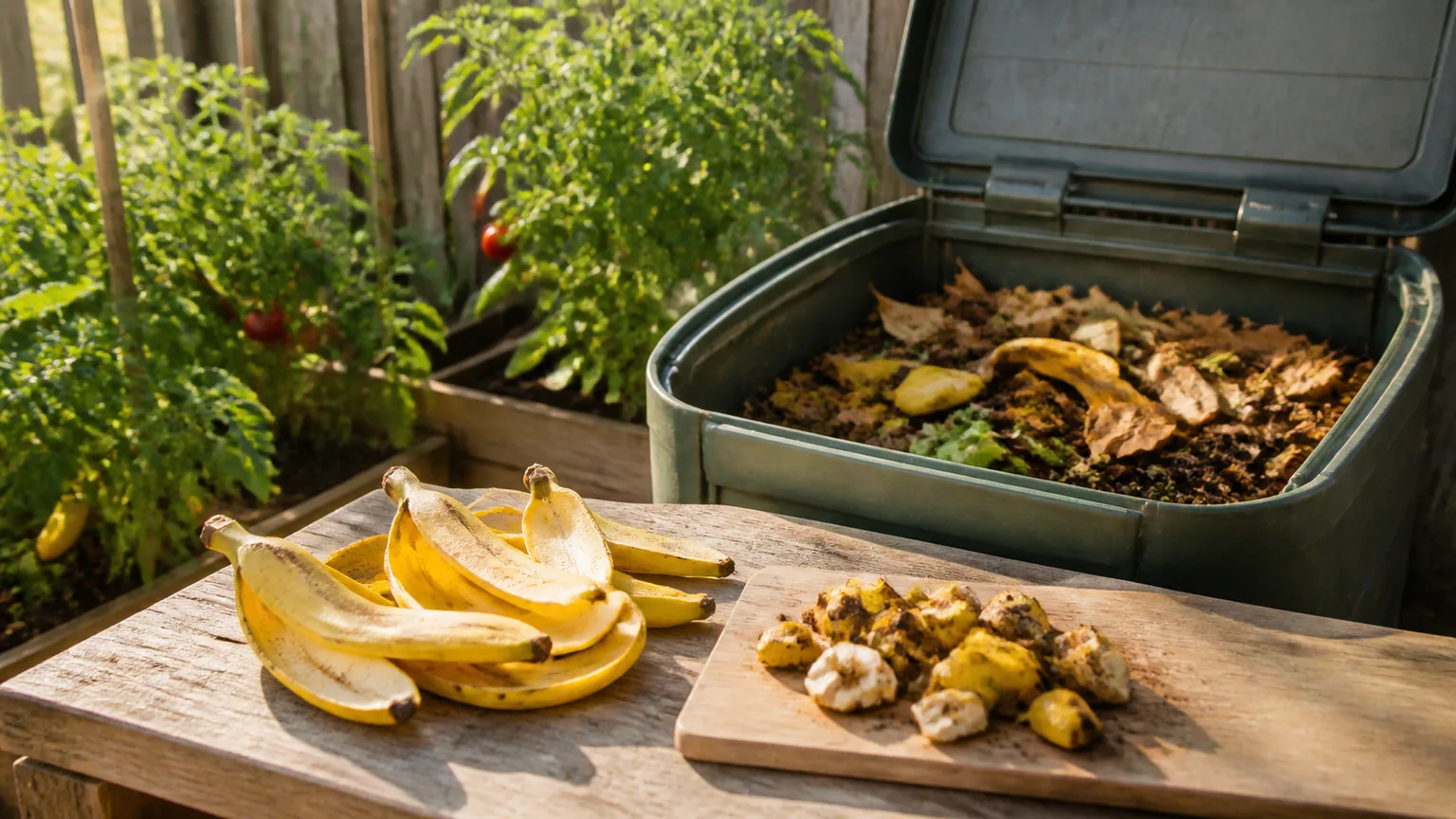
This is where online advice often skips a crucial step. A laboratory result with extracted oil, an emulsified spray, or a formulated commercial product cannot automatically be transferred to a whole peel sitting on potting soil. The test material, dose, contact time, and delivery method are different.
“Volatile” means a compound readily moves from a liquid or solid surface into the air. That movement creates the smell you notice when you zest an orange—and also explains why the smell fades. A repellent effect based on airborne concentration needs enough compound, close enough to the target, for long enough to matter.
Once a peel dries, its accessible oil is reduced. Rain can wash soluble material away, while heat and airflow speed evaporation. Burying a peel does not preserve a protective cloud around roots or leaves; it simply begins decomposition in the soil. The peel may eventually contribute organic matter, but it is no longer functioning as a predictable insect barrier.
What the research actually tested
Peer-reviewed work shows why citrus oil gets associated with pest control. A PubMed-indexed study tested a 1% limonene mixture with emulsifiers against mealybugs, scales, whiteflies, and root mealybugs. The mixture performed well in greenhouse tests, but it was a carefully prepared solution, not a handful of food scraps. The same abstract notes plant injury on some ferns, gingers, and delicate flowers, even though thicker-leaved ornamentals tolerated it better. (PubMed: Limonene for control of mealybugs and scale insects)
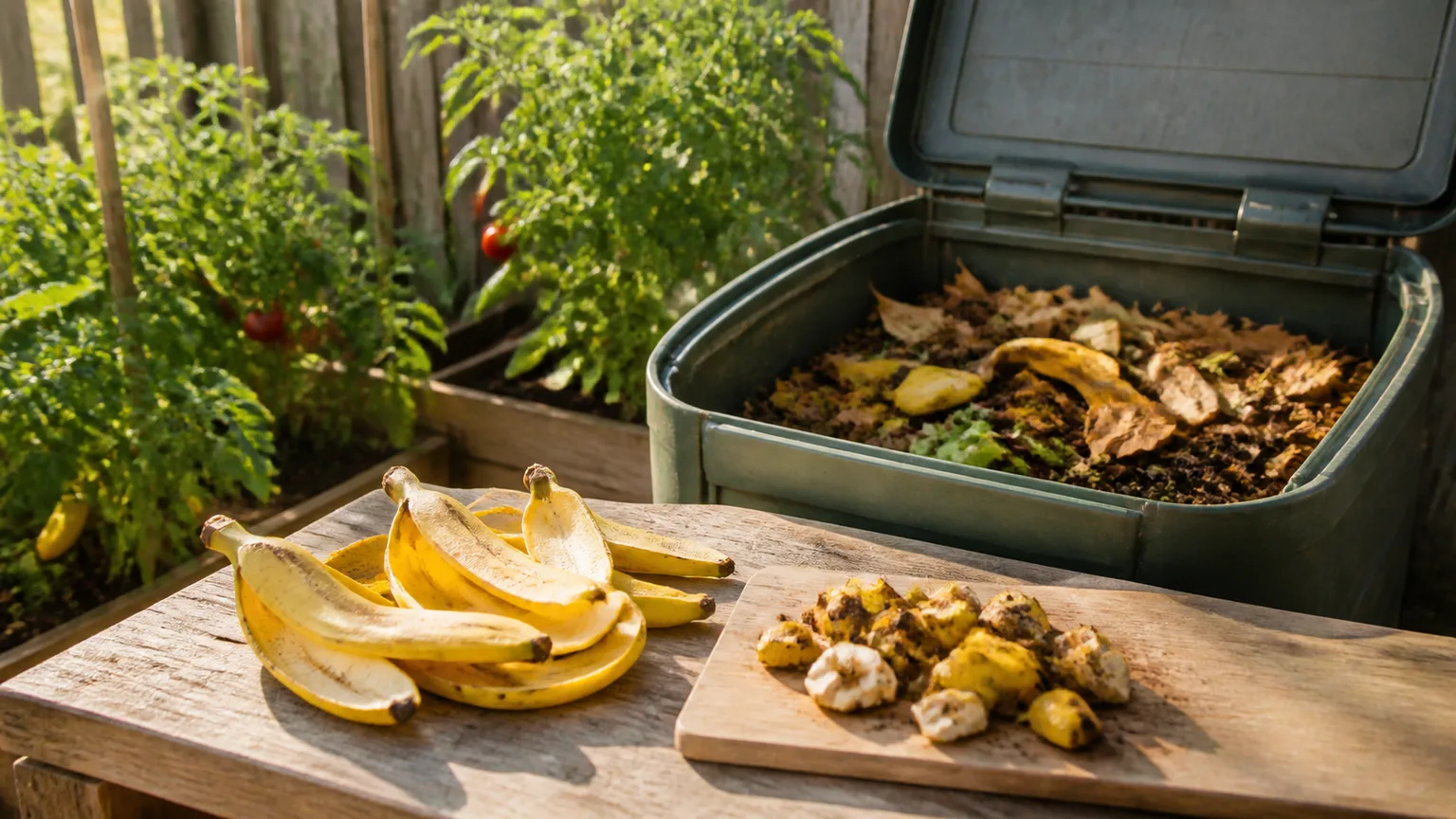
Another open-access study examined orange oil against Drosophila melanogaster larvae at measured concentrations ranging from 100 to 10,000 parts per million. The researchers analyzed the oil’s chemical composition and found that limonene levels varied among samples; lethality also varied. This is useful evidence that citrus compounds can be biologically active under experimental conditions, not evidence that an intact peel delivers a known dose in a garden. (NCBI PMC: Orange oil and larvicidal activity)
The fair interpretation is narrow: citrus oil deserves study as a pesticide ingredient, while loose citrus peels deserve a compost bin. Treating those as interchangeable inflates the evidence and can lead to burned leaves, wasted time, or an infestation that spreads while you wait for a scent-based fix.
Which pests might be affected—and which will not be
A fresh peel might briefly alter the behavior of an insect passing directly over it, but garden pests do not all respond to smell in the same way. Aphids feed on plant phloem, whiteflies colonize leaf undersides, and spider mites thrive in dry conditions. None of those problems is solved simply because an orange peel is on the soil several inches away.
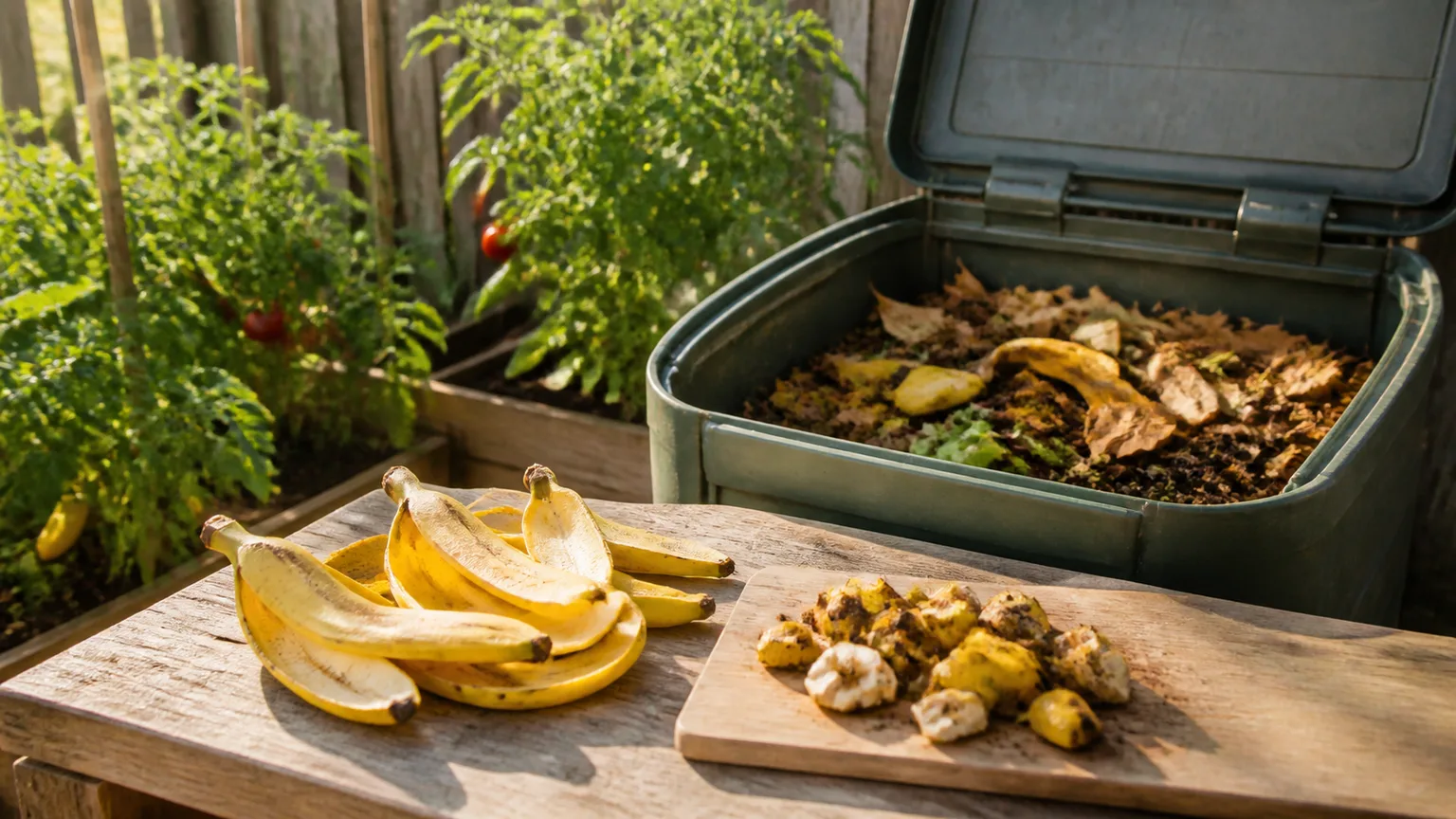
Slugs and snails are another poor match for the hack. They are attracted to moisture and shelter, and food scraps can become an additional reason to investigate a bed. Larger visitors such as raccoons or rodents may also be interested in decomposing food. A gardener hoping to deter one category of pest can accidentally make the bed more attractive to another.
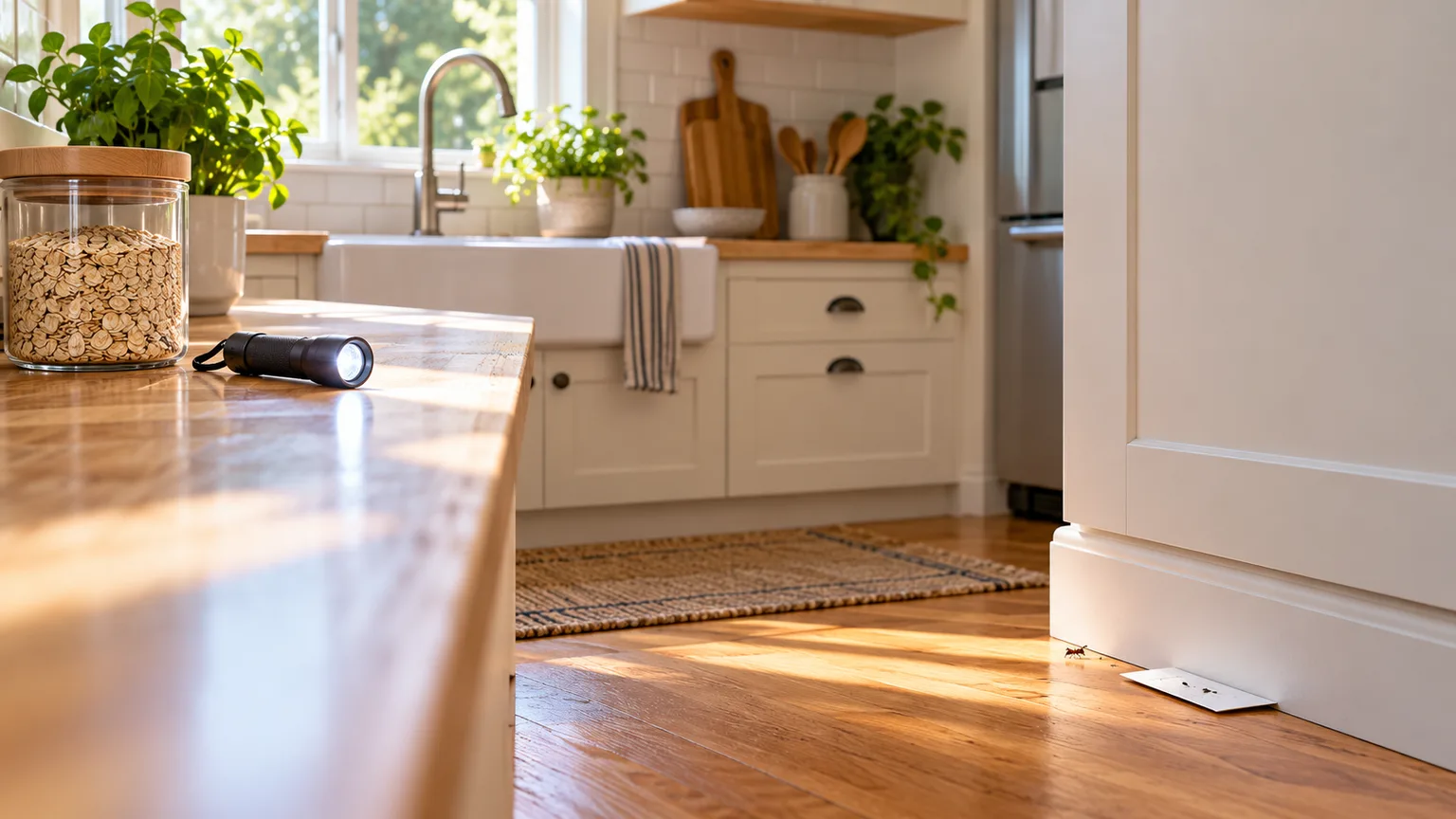
If the target is mosquitoes on a patio, remember that a few peels do not remove standing water, breeding habitat, or the carbon dioxide and body heat that help mosquitoes find people. If the target is ants, identify whether ants are tending aphids for honeydew, nesting in a pot, or simply crossing a path. The remedy follows the cause; “citrus” is not a diagnosis.
How peels can create new garden problems
Leaving food scraps on the surface can make a bed untidy and can extend the time that organic material remains attractive to flies and scavengers. Whole peels also break down slowly compared with finely chopped scraps because their tough rind exposes less surface area to decomposer organisms.
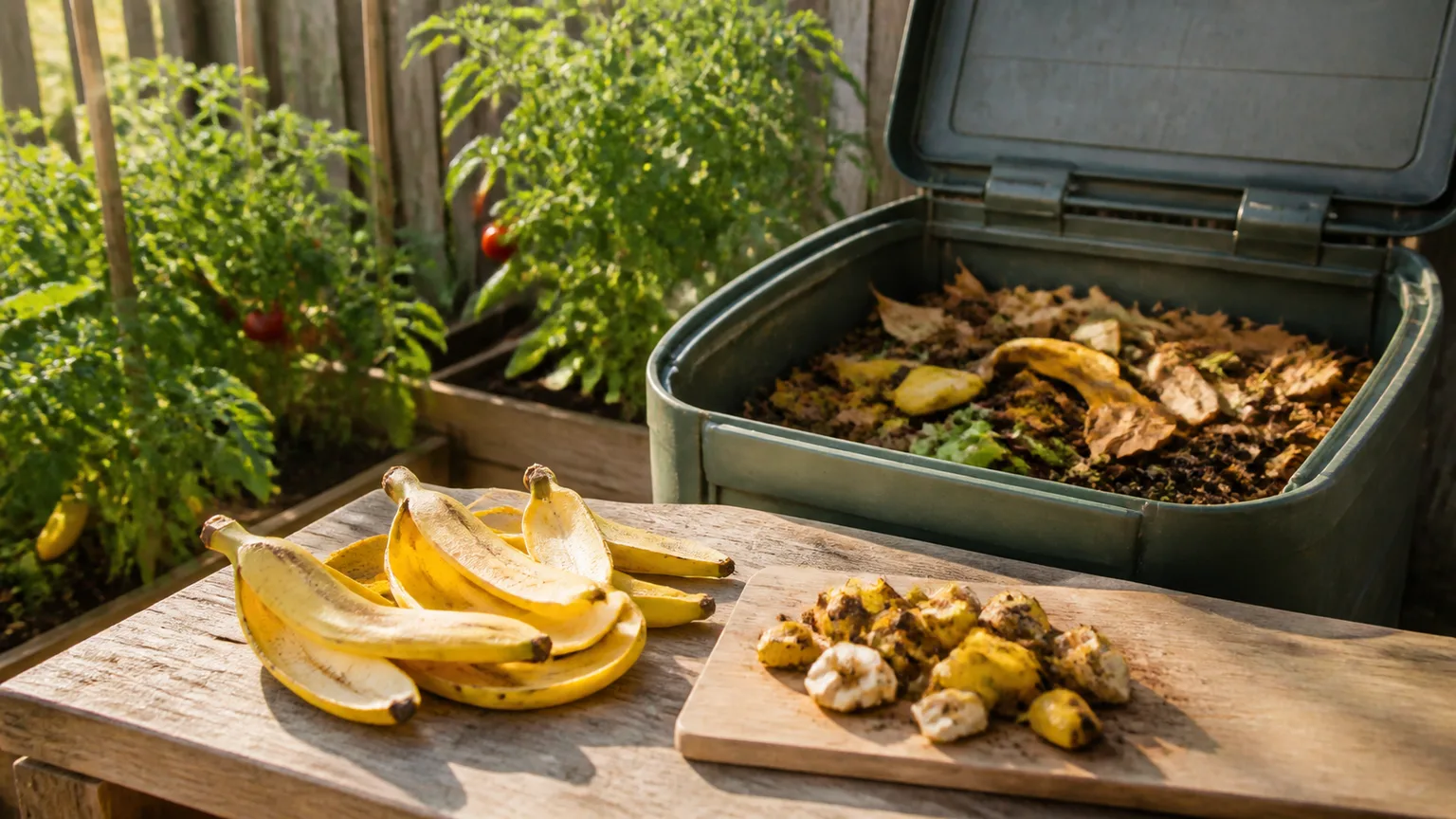
Large amounts of citrus are not a good fit for a small worm bin. Acidic, oily scraps can be stressful when they make up too much of the feedstock, and a sudden pile of peels can create a wet, sour pocket. Moderation and balance matter more than the label “natural.”
Do not use citrus peels as a perimeter bait or pile them around seedlings. If an animal is already visiting, remove the scraps, secure compost, and address access to birdseed, fallen fruit, trash, or water. If slugs are the problem, inspect at dusk and look under boards, dense mulch, and pot rims rather than assuming a peel will repel them.
The best use for citrus peels is finished compost
Citrus peels can be a useful addition to a conventional compost pile. Chop them into small pieces, mix them through a varied blend of “greens” and “browns,” and keep the pile aerated and appropriately moist. UGA’s extension guidance emphasizes balancing citrus with other materials and fully composting it before adding it to garden soil.
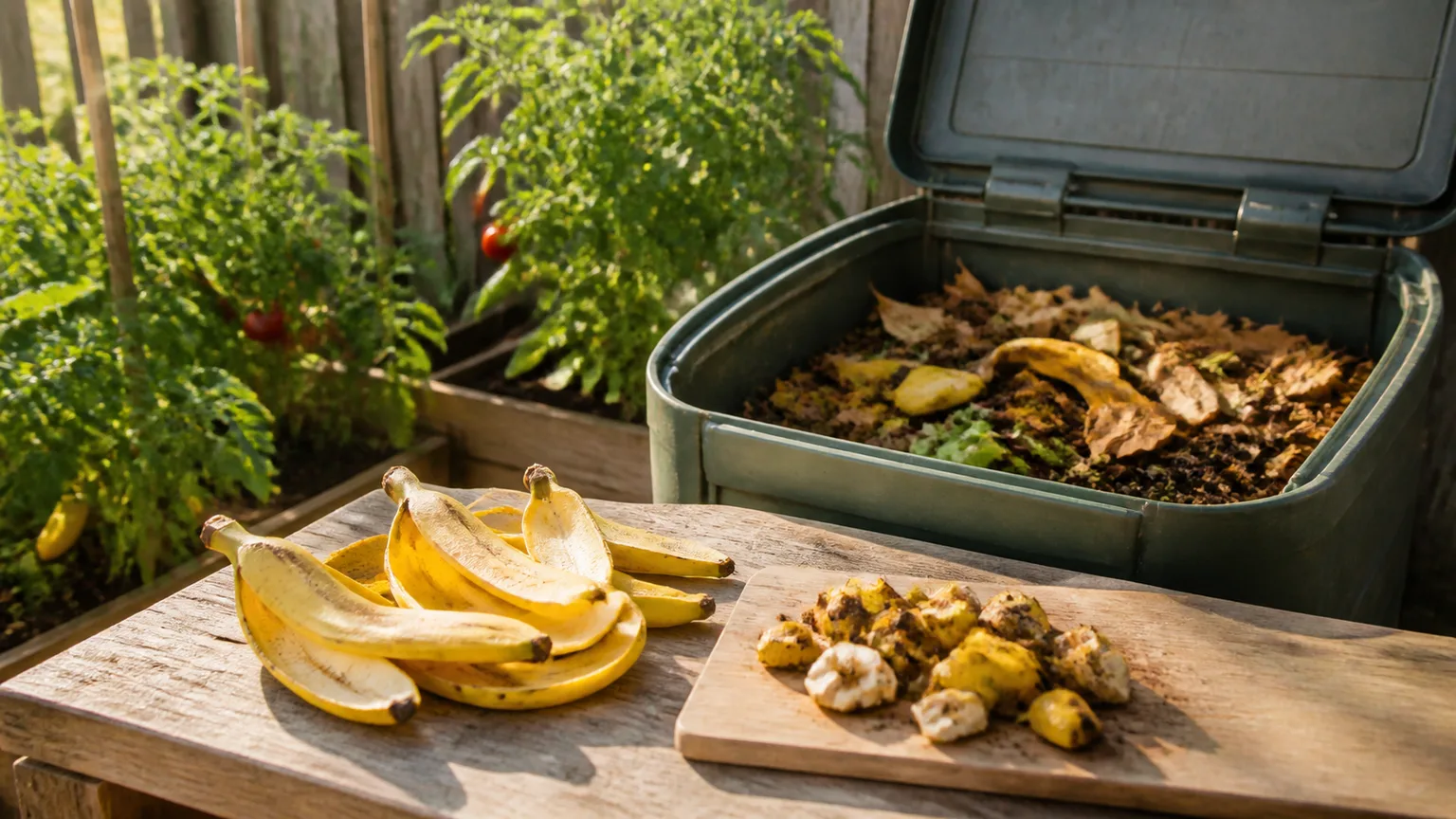
Finished compost should look dark and crumbly, smell earthy rather than sour, and contain few recognizable scraps. At that point, the value comes from organic matter and nutrients returned through decomposition—not from a lingering insect-repellent film. Add the finished compost as a soil amendment or mulch layer appropriate to the crop, rather than burying fresh peels beside roots.
A quick pest-identification check before you act
Before applying anything, spend five minutes checking the plant. Look at new growth, leaf undersides, stems, soil surface, and nearby mulch. Note whether damage is holes, stippling, sticky honeydew, webbing, distorted growth, or missing seedlings. Take a close photograph and compare the pattern with a university extension or local horticulture resource.
Then ask three questions:
- Is the pest present now? Chewed leaves without a visible insect may point to a nocturnal feeder, caterpillar, or past damage.
- Is damage increasing? A few aphids with lady beetle larvae nearby may call for monitoring, not eradication.
- Does the plant need intervention? A stressed plant can look worse than the pest population warrants; watering, airflow, light, or overcrowding may be the larger problem.
Five low-impact methods that outperform scattered peels
Wash soft-bodied insects off with water
A firm stream of water can dislodge aphids and some mites from leaves and stems. Spray the undersides and growing tips without shredding tender foliage, then repeat every few days while you monitor. This works by removal and disruption, not by poisoning, so it is especially useful when the infestation is localized and the plant can tolerate rinsing.
Use mesh as a physical barrier
Fine mesh or floating row cover can prevent flying or crawling pests from reaching young kale, brassicas, eggplants, and seedlings. Install it immediately after planting and seal the edges; a cover laid loosely over a bed is not a barrier if beetles can enter from the sides. Remove or manage the cover when flowers need pollination.
Protect beneficial insects and habitat
Lady beetles, lacewings, predatory bugs, spiders, and tiny parasitoid wasps are part of the control system. Fine Gardening’s aphid guidance describes the value of reducing aphids rather than trying to wipe out every one, because predators need prey to establish. Diverse flowers provide nectar and pollen, while avoiding broad, unnecessary sprays preserves the insects doing free pest management. (Fine Gardening: How to Keep Aphids Under Control)
Treat with a labeled product only when needed
If monitoring shows that feeding is increasing or a crop is at meaningful risk, choose a product labeled for the crop and pest. Follow the label for dilution, protective equipment, pollinator precautions, harvest interval, and re-entry. “Organic,” “botanical,” and “natural” do not mean harmless to leaves, aquatic life, pollinators, pets, or the gardener.
Fix conditions that favor the pest
Avoid excessive nitrogen that produces soft, lush growth attractive to aphids. Improve airflow where mites thrive, remove badly infested leaves when practical, clean tools between diseased plants, and quarantine new container plants before placing them with a collection. Prevention is often less dramatic than a spray but more durable.
What to do about aphids, whiteflies, and mites
For aphids, start with water, pruning of heavily infested tips, and a check for ants and beneficial predators. If ants are protecting aphids for honeydew, reducing the ant route can help biological control work. Avoid automatically releasing purchased lady beetles; without suitable habitat, they may disperse quickly.
For whiteflies, inspect leaf undersides and use yellow sticky cards near—never touching—the foliage to monitor adults. A small population may be managed with repeated water sprays or a labeled contact treatment that reaches the underside. For spider mites, rinse foliage, raise humidity only if airflow remains good, and correct hot, dry conditions; webbing and fine stippling usually call for repeated follow-up rather than one application.
Do not spray citrus oil or a homemade citrus infusion onto a valuable plant as a test. A concentrated oil can strip waxes or damage tender tissue, and a boiled-peel water has unknown strength and shelf life. Test any labeled product on a small area according to its instructions, then wait for the stated observation period before treating the whole plant.
What to do about slugs, snails, and chewing pests
For slugs and snails, scout after dusk or after rain. Remove hiding places, water in the morning when possible, hand-pick with gloves, and use barriers or a labeled bait only when monitoring shows a recurring problem. Citrus peels are not a dependable barrier and may function as food rather than deterrent.
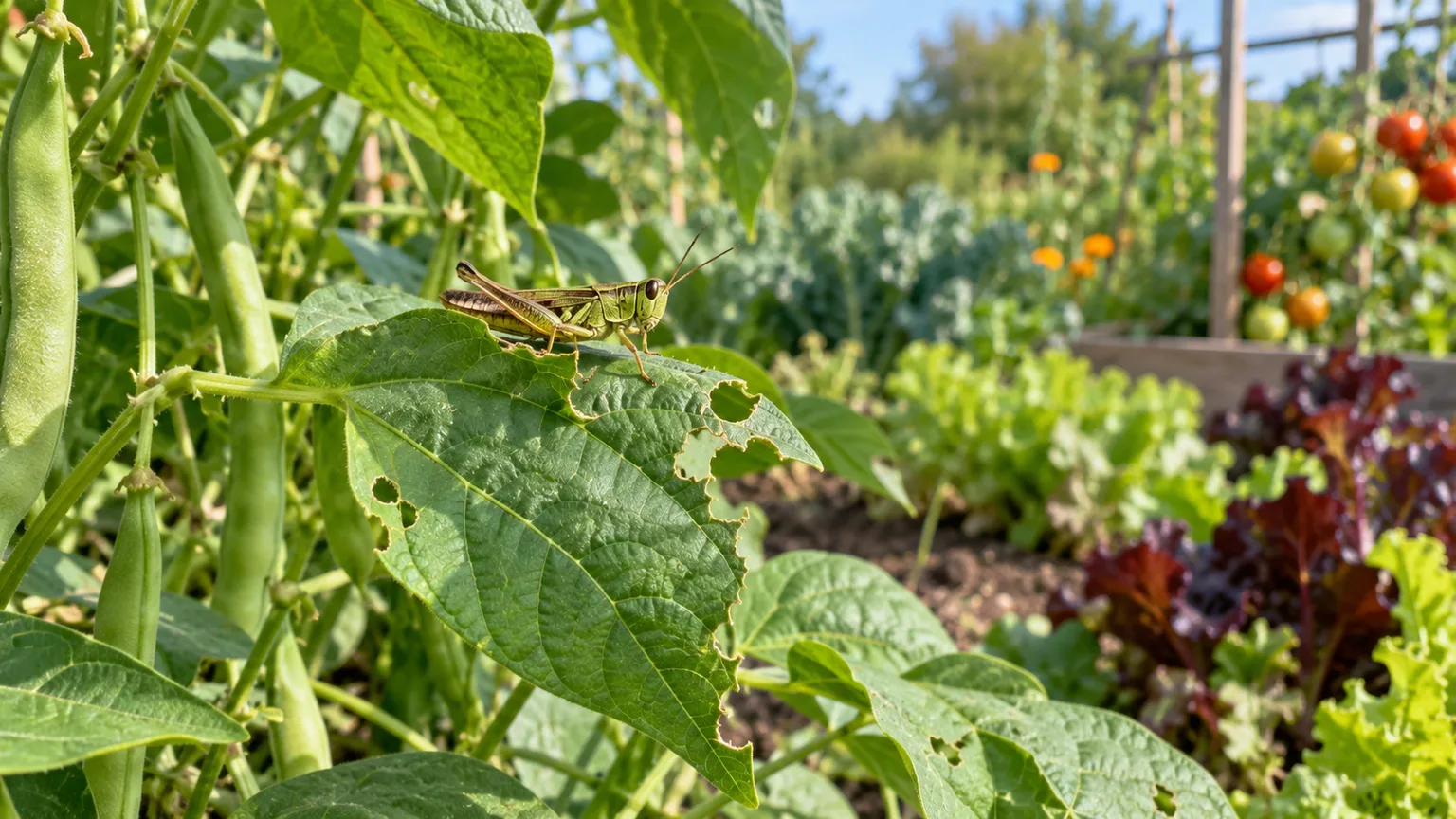
For caterpillars and beetles, inspect leaves and hand-pick when numbers are low. A row cover protects new plantings, but it must go on before the pest arrives. If damage is serious, identify the species first: a treatment that works on a chewing caterpillar may be irrelevant to a beetle or leaf miner.
Why homemade citrus sprays are a bad shortcut
Boiling peels in water, blending them, or adding citrus oil to dish soap does not produce a standardized pesticide. The concentration changes with fruit variety, peel age, water volume, heat, extraction time, and storage. Soap formulations also differ: a household detergent may contain solvents or fragrances that injure leaves, while insecticidal soap is a labeled product designed for a specific use.
The research on limonene is not permission to improvise a 1% spray. That concentration is a measured formulation, and the study itself documented plant-sensitivity differences. If you want to use a citrus-based pesticide, choose a registered product whose label names your plant and target pest. Otherwise, compost the peel and use a method with a known, lower-risk mechanism.
A seven-day garden pest reset
Day one, identify the pest and photograph the damage. Isolate a container plant, remove visible scraps, and check whether ants, webbing, honeydew, or nighttime feeding changes the diagnosis. Day two, rinse or hand-remove what you can and prune only tissue that is heavily infested or already damaged.
By day three, install mesh on vulnerable seedlings and remove hiding places around the crop. On days four through six, inspect the same leaves at the same time each day; record whether live pests and fresh damage are rising or falling. On day seven, decide based on the trend: continue monitoring, repeat the physical method, or select a labeled treatment that matches the pest.
This sequence prevents the most common mistake—switching remedies every day without learning whether the first intervention worked. It also leaves room for predators to arrive and for a plant to recover from cosmetic damage.
Indoor plants need a different approach
Do not put citrus peels in houseplant pots. They can mold, attract fungus gnats or fruit flies, and create a decomposing layer that stays wet against the stem. For an indoor pest, move the plant away from others, inspect every leaf and node, wipe or rinse it as appropriate, and repeat the treatment on the pest’s life cycle rather than expecting one pass to catch eggs.
Keep homemade sprays away from indoor collections, children, and pets. Ventilation, leaf sensitivity, and accidental contact are harder to manage indoors. A small, labeled treatment used exactly as directed—or simple mechanical removal—gives you much more control than a fragrant kitchen experiment.
Conclusion
Citrus peels are useful, but pest-free is not the use they are best suited for. The oils inside citrus rinds can show insect activity when extracted and applied at measured concentrations; a whole peel releases too little, for too short a time, to protect a garden reliably. It may also attract scavengers, slugs, or decomposers if left on the soil.
Chop peels into a balanced compost pile and wait until they are fully decomposed. For pests, identify the culprit, watch whether damage is increasing, use water or hand removal where it fits, protect vulnerable plants with mesh, and preserve beneficial insects. Only then consider a labeled product. That decision path is less flashy than scattering orange peels, but it is far more likely to protect the plants you actually want to grow.