How to Grow and Care for Cebu Blue Pothos
Learn Cebu Blue pothos care, from bright indirect light and airy soil to watering, climbing support, propagation, pruning, pests, and pet safety.
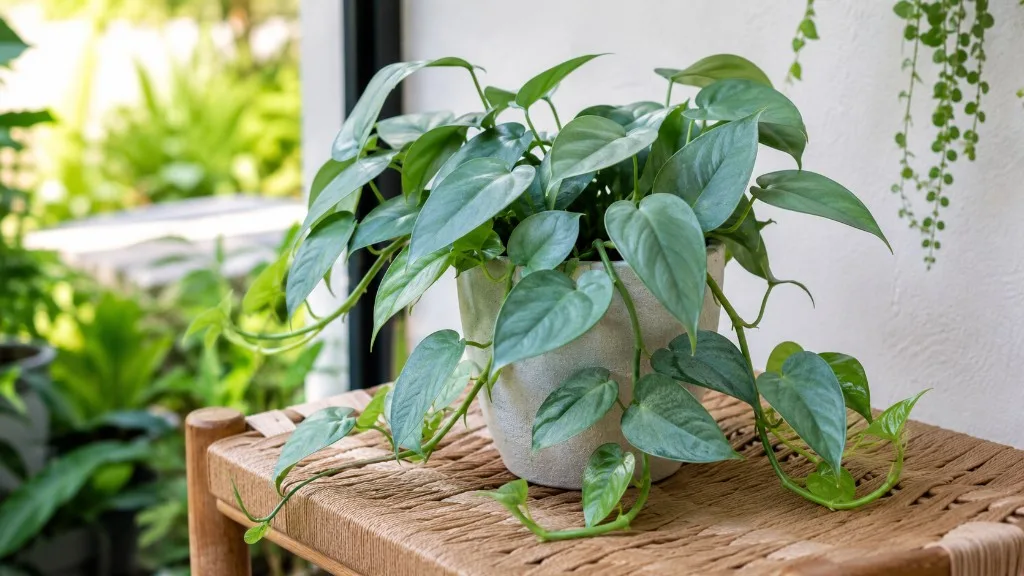
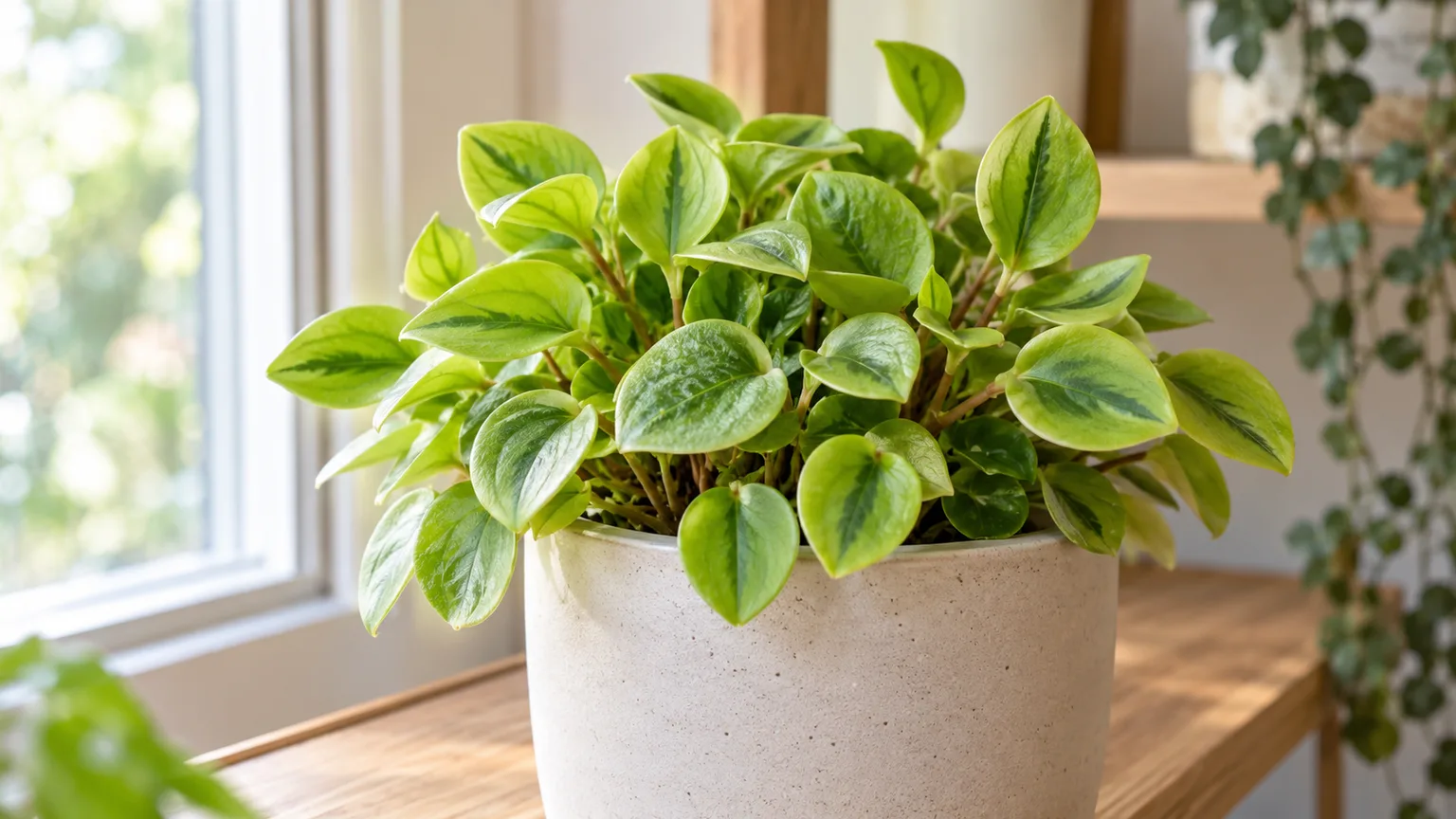
Cebu Blue pothos (Epipremnum pinnatum ‘Cebu Blue’) is an easy tropical vine with narrow, blue-green leaves that look almost metallic in bright filtered light. It is forgiving enough for a first aroid, but it is not identical to golden pothos: it usually wants better light, responds strongly to vertical support, and may change leaf form as it climbs.
The most reliable routine is simple: give it bright indirect light, plant it in an airy mix, water when the upper root zone has dried, and decide early whether you want a trailing basket or a climbing specimen. This guide also covers propagation, repotting, pests, yellow leaves, root rot, and the plant’s calcium oxalate safety issue.
Cebu Blue Pothos at a Glance
Use this table as a starting point, then adjust to the pot, season, and room. A small pot in a warm bright window may dry in days; a large pot in a dim room may stay wet for weeks.
| Care factor | Practical target | What to watch first |
|---|---|---|
| Light | Bright, indirect or filtered light | Stretched growth in dim light; scorch from hot direct sun |
| Water | Water when the top 1–2 inches of mix are dry | Wet mix plus yellow leaves points to root stress; dry mix plus curl points to thirst |
| Soil | Moisture-retentive but airy and well drained | A sour smell or slow dry-down means the mix is too dense or the pot is too large |
| Temperature | About 65–86°F (18–30°C) | Cold drafts and abrupt temperature changes stall growth |
| Humidity | Average household humidity is usually workable; moderate humidity supports cleaner growth | Crispy tips with dry mix can indicate dry air or inconsistent watering |
| Fertilizer | Diluted, balanced feed during active growth | Salt crust or brown tips means feeding is too strong or too frequent |
| Growth form | Trail from a shelf or climb a pole/trellis | Climbing may produce larger, more mature leaves |
| Safety | Keep away from chewing pets and children | Leaves and stems contain calcium oxalate crystals |
What the Plant Is and How It Grows
The name “pothos” can hide an important distinction. Cebu Blue is a cultivar of Epipremnum pinnatum, a climbing evergreen in the arum family, Araceae; it is not the same species as golden pothos, Epipremnum aureum. NC State Extension describes the species as a tropical climber that can grow as an epiphyte, meaning its stems may climb away from the ground and use aerial roots for support.
Indoors, the cultivar is usually sold and grown for its narrow, lance-shaped juvenile leaves. The blue color is a soft silvery cast rather than a true blue pigment, so it can look greener in dim light or after the leaves are dusty. Epic Gardening also highlights the cultivar’s narrow leaves, blue-green sheen, and preference for bright indirect light. Wipe the foliage gently with a damp cloth when needed; clean leaves also make it easier to spot pests.
Juvenile Leaves Versus Mature Foliage
Juvenile Cebu Blue leaves are smaller, narrow, and mostly whole-edged. When a vigorous plant climbs high enough and receives consistent warmth, light, and support, E. pinnatum can produce larger, more deeply split or fenestrated mature leaves. That change is a growth phase, not a switch you can force by adding fertilizer.
You may keep a plant juvenile for years in a hanging basket, and that is not a failure. A pole can encourage the mature phase, but only if the plant has enough energy to climb. If light is weak or the root ball is waterlogged, adding a moss pole will not solve the underlying problem.
Give Cebu Blue Pothos Bright, Filtered Light
Place Cebu Blue pothos near a bright east- or west-facing window, or a few feet back from a bright south-facing window behind a sheer curtain. The goal is strong ambient light without hot midday rays sitting on the leaves. The RHS Epipremnum growing guide likewise recommends bright indirect light and warns that direct sun can scorch foliage.
This plant can survive a dimmer position, but survival is not the same as good growth. In low light, new leaves tend to be smaller, internodes become longer, and the vine may produce a thin cascade with bare stretches between leaves. Move it brighter gradually if it has been in a dark room; an abrupt jump from shade to hot glass can bleach or scorch foliage.
Use new growth as your light meter. A firm new leaf with good blue-green color means the current spot is doing its job. Older leaves do not regain size or repair scorch, so judge a move by the next few leaves rather than waiting for old damage to disappear.
Build an Airy Soil Mix and Choose a Drainage Pot
Cebu Blue pothos wants a mix that holds some moisture while leaving air around the roots. Start with two parts quality indoor potting mix to one part perlite. Add a modest amount of medium orchid bark if your mix collapses or stays wet, but do not treat chunky ingredients as a substitute for a drainage hole.
The container needs at least one open drainage hole. A decorative cachepot can hide a nursery pot, but pour off water that collects in the outer pot after watering. Do not put a layer of gravel in the bottom of a pot as a drainage fix; it takes away root-room without creating a dependable dry zone.
The RHS growing guide describes an open, slightly acidic, moisture-retentive compost and cautions against overpotting because extra mix stays wet longer. In practice, a pot only one size larger than the root ball is safer than a large container chosen to “give the plant room.”
Water by Root-Zone Dryness, Not by Calendar
Check the top 1 to 2 inches of mix with a finger or wooden skewer. When that layer is dry and the pot feels noticeably lighter, water slowly and thoroughly until a little drains from the bottom. Empty the saucer or cachepot instead of leaving the root ball in runoff.
Do not let a calendar decide for you. A bright, warm plant may need water every 7–10 days, while the same plant in a cool, dim winter room may need two weeks or longer. Pot size, terracotta versus plastic, airflow, root density, and the thickness of the mix all change the interval.
The right target is even dry-down, not bone-dry soil and not permanently wet soil. If the surface dries while the center remains heavy and damp, wait. If water runs straight down the pot wall, the mix may have become hydrophobic; moisten it in several slow passes rather than flooding the plant repeatedly.
Set Temperature and Humidity Without Overcomplicating It
Keep Cebu Blue pothos in a warm, stable room, ideally around 65–86°F (18–30°C) during active growth. Avoid cold window glass in winter, air-conditioner blasts, heater vents, and doors that open directly to cold outdoor air. A short cool spell may only stall a leaf; repeated drafts can produce curl, yellowing, or leaf drop.
You do not need a greenhouse to grow this plant. Moderate household humidity is generally adequate, and the RHS notes that Epipremnum is more adaptable to ordinary indoor air than many tropical houseplants. If tips crisp while the root ball is correctly watered, group plants together or use a small humidifier. A hygrometer is more useful than guessing from the calendar.
Misting is a weak fix for dry room air. It wets the leaf surface briefly but does not raise room humidity for long, and repeated wet foliage in stagnant air can invite spotting. If the room is dry, change the room conditions; if the soil is dry, water the root ball; do not use misting to cover either diagnosis.
Decide Whether to Trail or Climb
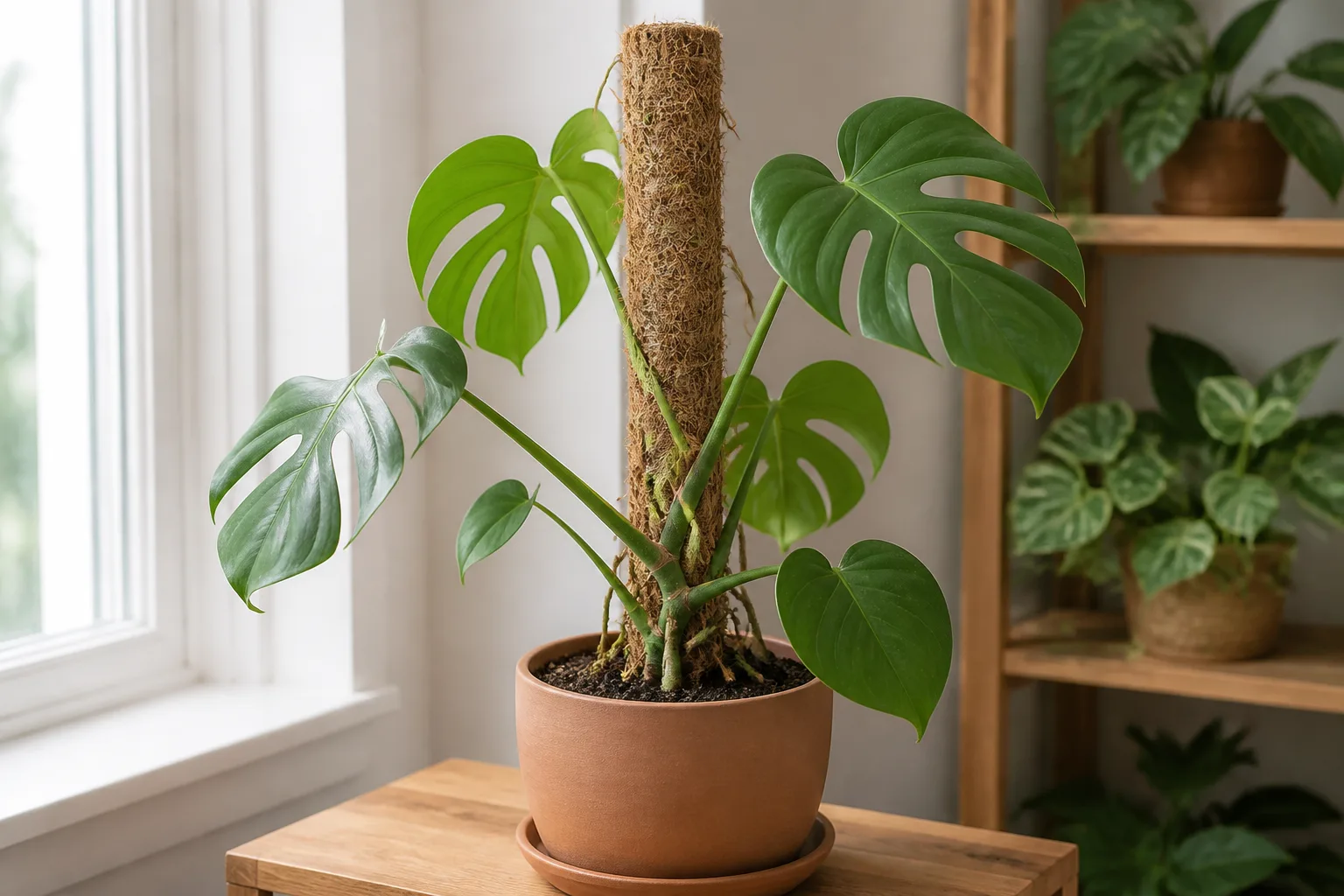
Both forms work. A hanging basket or high shelf gives you a graceful cascade and keeps care straightforward. A moss pole, coir pole, trellis, or narrow stake gives the vine a vertical route and may encourage larger, more mature foliage when light and warmth are strong enough.
Choose the form before the vines become tangled. Trailing plants can be pruned into a fuller shape, while climbing plants need a support that is stable in the pot and tall enough for the intended growth. The RHS guide explains that Epipremnum stems use aerial roots to grip supports and may need occasional tying.
Train Stems Without Crushing Them
Place the support close to the stems, then guide each vine around or against it. Use soft ties or loose clips, leaving enough room for the stem to thicken. Do not force a rigid bend at a leaf node, and do not bury a long section of stem just to make it touch the pole.
If you use a moss- or coir-covered pole, keep its surface slightly damp during active growth so aerial roots have a chance to attach. A dry pole still provides structure, but it behaves more like a trellis. Never keep the potting mix wet simply because the pole is dry; the pole and the root zone are separate moisture decisions.
Fertilize Lightly While It Is Growing
Feed once every four weeks during active growth with a balanced liquid houseplant fertilizer diluted to half the label strength. Begin after the plant has settled into fresh mix, and pause if it is not producing new growth, has just been repotted, or is already showing root stress.
The exact months depend on your light and climate. A plant growing steadily under bright light may use a light feeding program for more of the year; a winter plant sitting nearly dormant does not need the same input. The RHS recommends monthly feeding during the growing season, while the practical rule is to feed growth rather than a date on the calendar.
Brown tips and a white crust on the soil can signal fertilizer salts. Flush the pot with plain water until runoff is clear, let it drain fully, and resume at a lower frequency. Fertilizer cannot compensate for low light or damaged roots.
Prune for Fullness and Useful Cuttings
Pruning is optional for health but useful for shape. Remove yellow, dead, or pest-damaged leaves with clean scissors, then shorten long bare stems by cutting just above a healthy node. That node may produce a side shoot, while the removed section can become a cutting.
For a fuller pot, take several tip cuttings and plant them back into the same container after they root. Do not remove most of the live foliage at once; the parent needs leaves to make energy while it rebuilds. Prune more aggressively in spring or early summer when the plant is actively growing.
Clean the blades before moving from a suspect plant to a healthy one. Wear gloves if your skin is sensitive, keep sap away from eyes and mouth, and wash tools after use.
Propagate Cebu Blue Pothos in Water
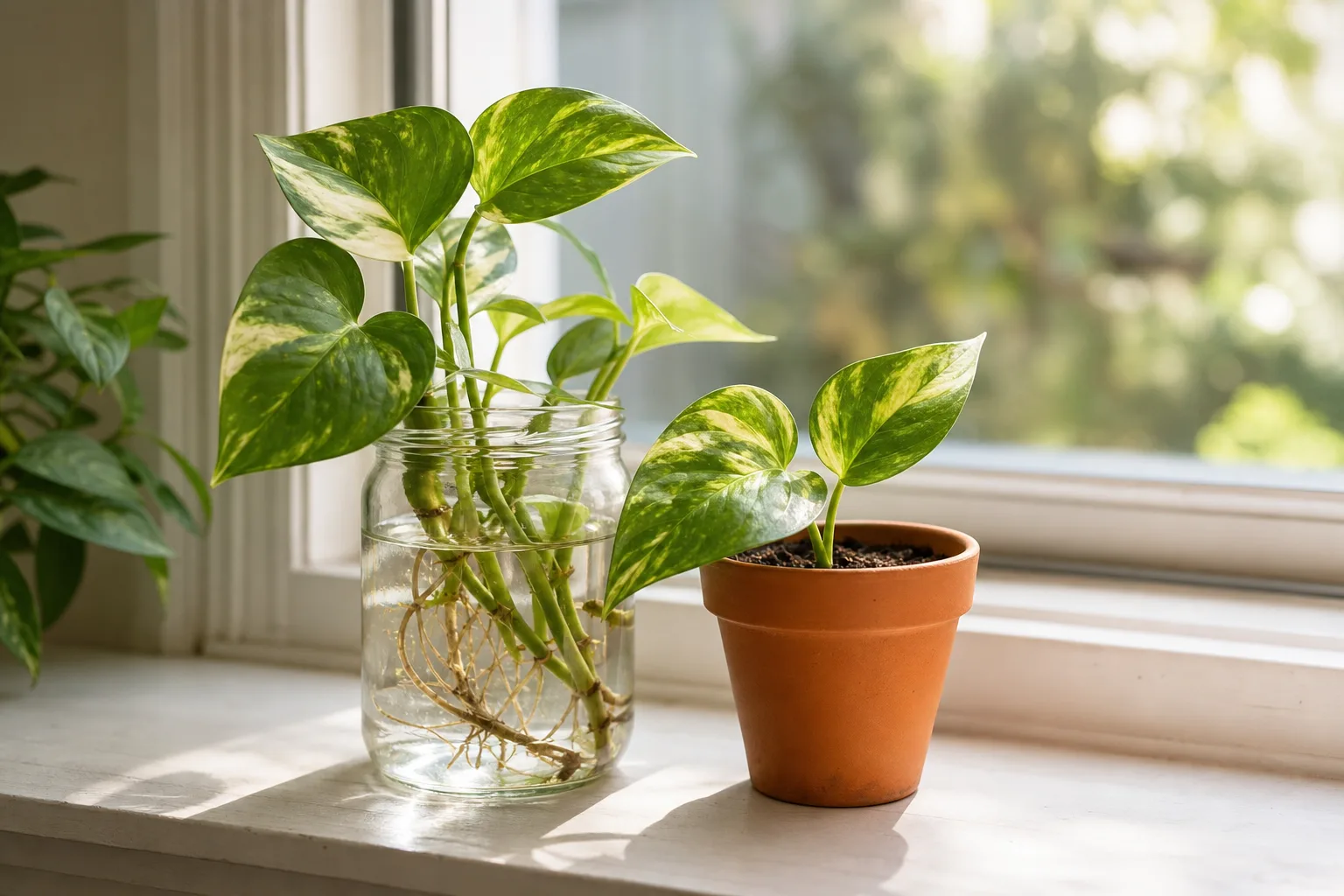
Water propagation is convenient because you can see the roots. The key rule is simple: every cutting needs a node. A leaf or petiole without a node may stay green for a while, but it cannot make a complete new plant.
- Choose a healthy vine and cut just below a node with clean, sharp scissors. A 4–6-inch cutting with one or two leaves and two or more nodes gives you useful margin for error.
- Remove leaves that would sit below the waterline. Submerged leaves decay and foul the water.
- Put the cutting in a clean jar of room-temperature water. Keep the bare nodes under water and all leaves above it.
- Set the jar in bright indirect light, away from hot direct sun. Change the water about once a week or sooner if it becomes cloudy.
- Wait for roots to branch rather than transplanting at the first tiny nub. When roots are roughly 2–3 inches long, move the cutting into a small pot of moist, airy mix.
Rooting may take a few weeks and is slower in cool, dim conditions. If the cutting base turns brown and soft, trim back to firm tissue, refresh the jar, and improve light and warmth. If no node was included, start again with a better cutting.
Move Water Roots Into Soil
Water-grown roots are accustomed to constant moisture, so transplant shock is possible. Place the rooted cutting in a small drainage pot, cover the nodes lightly, and water once to settle the mix. For the first 1–2 weeks, keep the mix evenly moist but never saturated.
After that settling period, let the upper layer dry between waterings as you would for an established plant. Do not fertilize until you see new growth. A little droop after the move is less important than whether the stem stays firm and a new leaf eventually appears.
Root Cuttings Directly in Soil or Moss
Direct soil propagation avoids the water-to-soil transition. Cut below a node, remove the lower leaf, and place at least one node against or just under moist propagation mix. Keep the mix lightly and consistently damp, not muddy, in a warm spot with bright indirect light.
Sphagnum moss can also work when it is hydrated, squeezed out, and kept airy. Cover the node, leave leaves exposed, and use a loose clear cover only if the air is dry; open it for ventilation. Check after a few weeks rather than pulling the cutting up every day.
Layering is another low-risk choice for a long trailing vine: pin a node against moist mix while the cutting is still attached to the parent. Once it has rooted, cut the connection and pot the new section. The RHS Epipremnum guide lists stem cuttings and layering as practical propagation methods.
Repot When the Root Ball Needs Room
Repot in spring or during another period of active growth when roots circle the container, emerge from drainage holes, or dry out unusually fast after watering. Slide the plant out and check whether roots are firm and pale rather than assuming every slow leaf is a repotting signal.
Choose a container only one size larger. Set the plant at the same depth, backfill with fresh airy mix, and water thoroughly once. Then return to the dry-down test instead of watering again because the calendar says so. A much larger pot can create a wet pocket around a small root ball and increase rot risk.
If you are repotting because of root rot, remove only roots that are brown, soft, or hollow, keep firm roots, and use fresh mix and a clean pot. Treat the recovery as a watering and drainage correction, not as a reason to add fertilizer immediately.
Troubleshoot Yellow Leaves, Curling, and Slow Growth
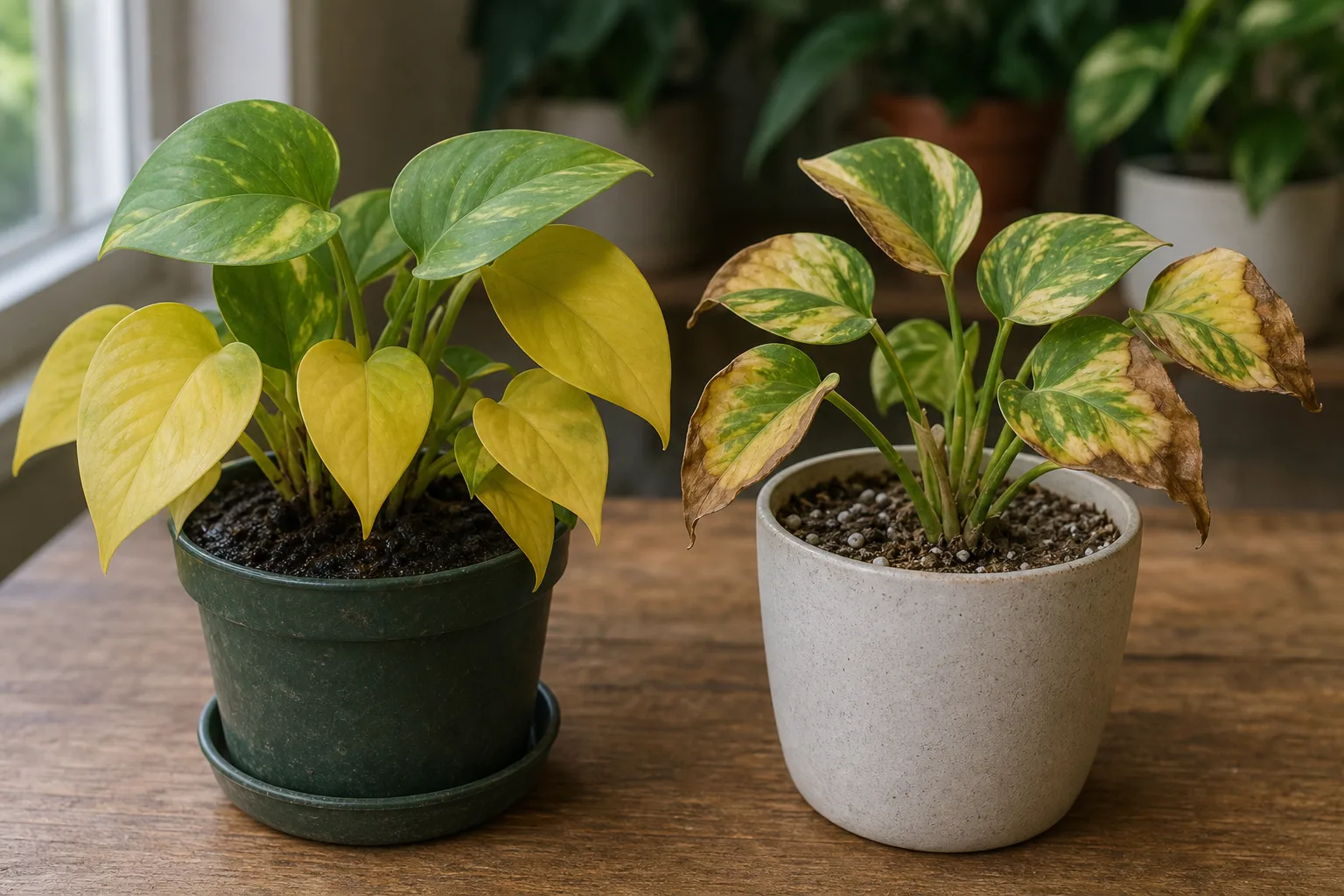
One older lower leaf slowly fading can be normal aging. Several leaves turning yellow together, yellowing that reaches new growth, or a plant wilting while the mix is wet deserves investigation. Start with the root zone and pot weight before changing light, water, fertilizer, and humidity all at once.
| Symptom | Check first | Likely direction |
|---|---|---|
| One oldest lower leaf yellow; new growth is healthy | Soil moisture and stem firmness | Normal leaf turnover |
| Several soft yellow leaves; pot stays heavy | Drainage and roots | Overwatering or root stress |
| Curling with a very light pot and dry mix | Moisture several inches down | Underwatering |
| Pale, small leaves and long gaps | Window distance and seasonal light | Too little light |
| Tan patches on the window-facing side | Direct sun and heat at the glass | Sun scorch |
| Brown tips with dry mix | Humidity, watering consistency, salts | Environmental or root-zone stress |
Do not expect a yellow or scorched leaf to turn green again. Cut it off once it is mostly damaged, then judge the correction by the next new leaf. The indoor plant watering guide and houseplant yellow-leaf guide can help when the symptom is not specific to Cebu Blue.
Check the roots before treating the leaves. Root rot is more likely when the pot stays wet for many days, the plant wilts despite damp mix, the base becomes soft, or the soil smells sour. Slide the root ball out carefully. Healthy roots are generally firm; brown, mushy, collapsing roots need to be removed before repotting into fresh, well-drained mix.
If the root ball is dry and the mix has pulled away from the pot, rehydrate slowly and confirm that water reaches the center. If the roots are healthy but growth is thin, fix light and support before feeding. A symptom is evidence to interpret, not a command to water.
Manage Pests and Prevent Repeat Problems
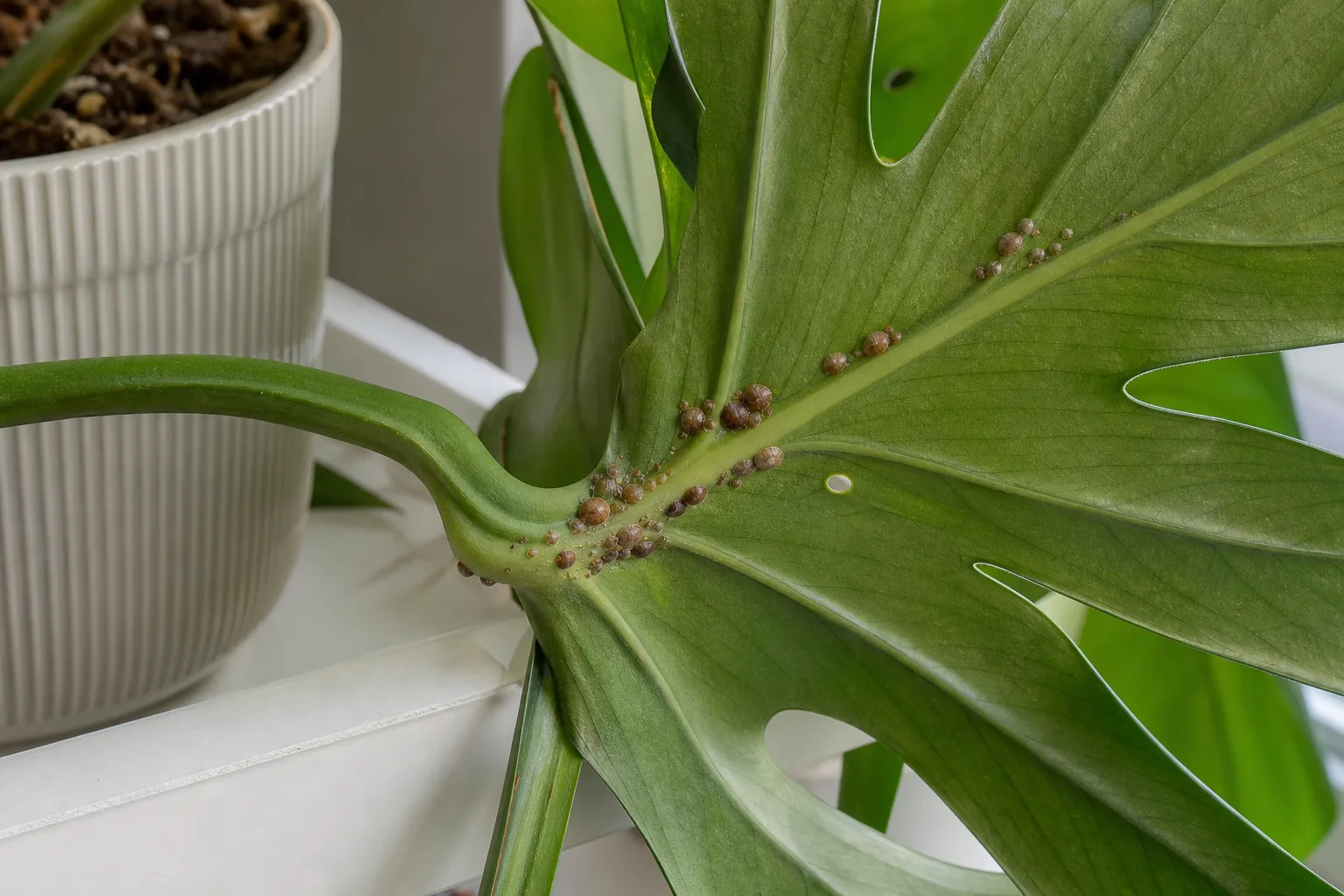
Inspect new plants before they join your collection, then check leaf undersides, nodes, and the pole or trellis monthly. NC State Extension lists mealybugs, scale, thrips, and spider mites among pests to monitor on E. pinnatum; fungus gnats are more closely tied to persistently wet mix than to the plant itself.
Mealybugs look like cottony clusters at nodes. Scale looks like fixed brown or tan bumps, while spider mites may leave fine webbing and pale stippling. Thrips can scar new leaves and hide in tight growth. Isolate an affected plant, remove visible insects, rinse foliage when the plant and room can dry quickly, and use only a product labeled for the pest and plant if further treatment is needed.
Pest control fails when the plant is returned to the collection after one pass. Recheck at intervals appropriate to the product label, wipe the undersides, clean the shelf, and correct the stress that made the plant easy to colonize. Do not spray a stressed plant with a homemade concentration that has not been tested for foliage safety.
Keep Cebu Blue Pothos Away From Pets and Children
Cebu Blue pothos is not pet safe. NC State Extension identifies Epipremnum pinnatum as toxic to cats, dogs, and humans because of calcium oxalate crystals in the leaves and stems. Chewing can cause mouth and throat irritation, drooling, vomiting, and difficulty swallowing; severe symptoms need prompt professional help.
Put the pot and every trailing section where a curious cat, dog, or child cannot reach it. Wear gloves if handling the plant causes irritation, keep cuttings out of cups that could be mistaken for drinking water, and wash hands after pruning. If a pet may have eaten part of the plant, contact a veterinarian or ASPCA Poison Control promptly rather than waiting for symptoms.
Conclusion
Cebu Blue pothos thrives when you manage the root zone, not when you follow a rigid schedule. Give it bright filtered light, a drainage pot with airy mix, and water only after the upper mix dries; then choose trailing or climbing support based on the foliage you want.
For a fuller plant, prune above nodes and root the cuttings in water, soil, or moss. When something looks wrong, read the combination of leaf pattern, pot weight, soil moisture, light, and root condition before treating it. That routine keeps this unusual Epipremnum pinnatum cultivar attractive, propagatable, and much easier to recover when a season or room changes.