How to Grow and Care for Chocolate Cosmos
Chocolate cosmos care made practical: when to plant, how to keep tubers healthy, why flowers fail, and how to protect this fragrant perennial in winter.
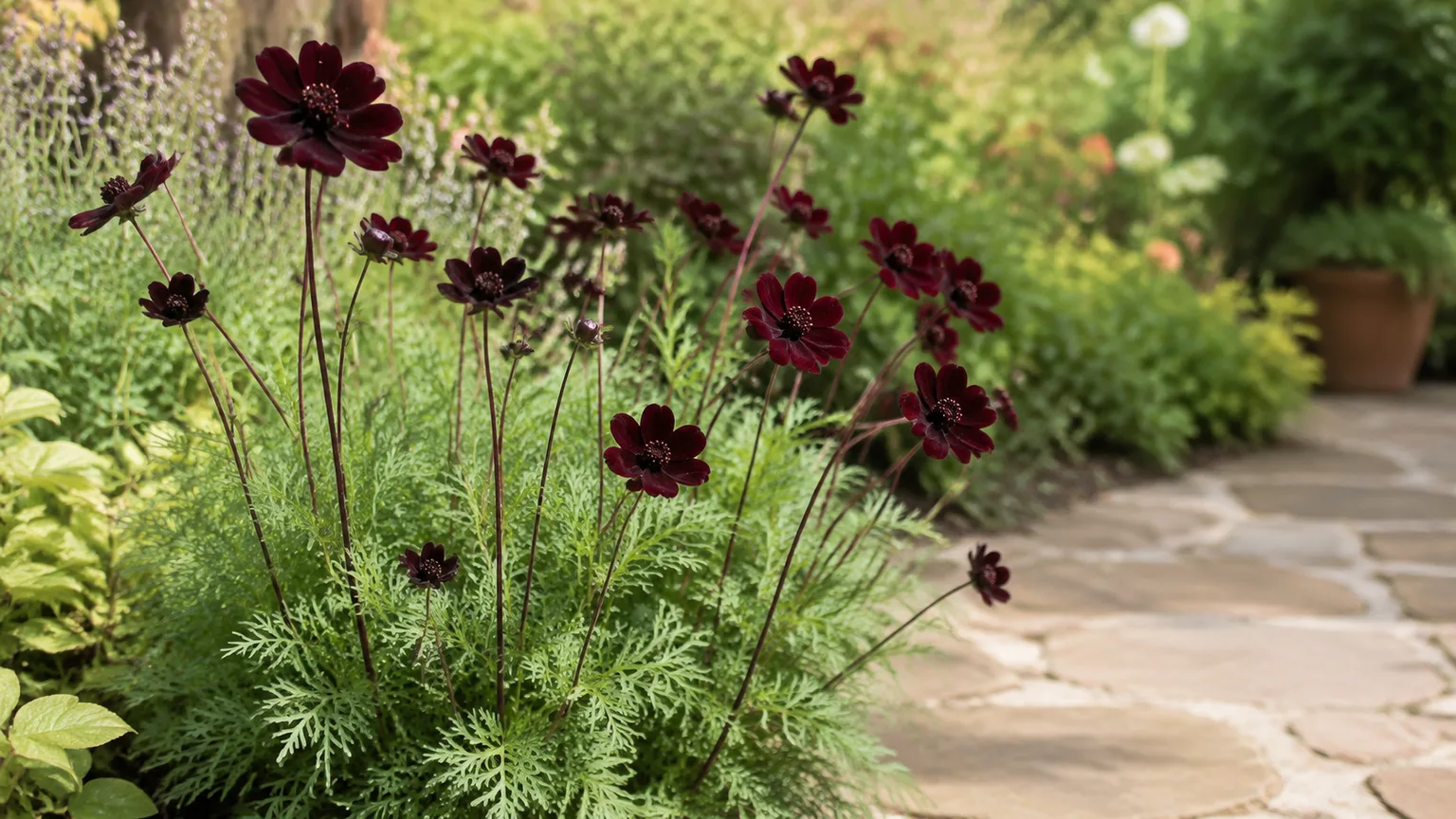
Chocolate cosmos (Cosmos atrosanguineus) is a plant of contrasts: its flowers look almost black in a border, yet they can release a warm, chocolate-like fragrance on a sunny afternoon. It is also a perennial with a practical asterisk. The plant survives as a tuberous perennial where winters are mild, but gardeners in colder or persistently wet regions often grow it as a summer display and protect the tubers indoors.
The reliable formula is full sun, excellent drainage, moderate fertility, and a winter plan made before frost. Water new plants deeply while they establish, then allow the upper root zone to dry a little between drinks. The plant is not difficult, but it is unforgiving of two common mismatches: treating a dormant tuber as if it were a thirsty annual, or assuming a favorable hardiness label means a wet, exposed container will survive winter.
Start With the Right Chocolate Cosmos Plant
Buy a healthy, actively growing plant or firm tuber from a reputable nursery. Look for clean foliage, sturdy reddish stems, and a root or tuber that feels firm rather than soft, hollow, or sour-smelling. If the label names a cultivar such as ‘Choca Mocha’ or ‘Black Magic,’ use its mature height and width for spacing; the plant’s final shape can be more compact or more upright than the species description.
Chocolate cosmos is sometimes called black cosmos or black dahlia, but it is not a dahlia and should not be assessed by dahlia flower form alone. The RHS describes it as a spreading, tuberous perennial with pinnately divided leaves and bowl-shaped, maroon-crimson flower heads in late summer. The RHS profile is a useful identity check when a listing uses only a vague common name.
The species has an unusual conservation story. Research on long-term storage describes C. atrosanguineus as rare and endangered and evaluates tissue-culture and cryopreservation methods for keeping genetically stable material. That study supports a careful conclusion: the plant’s survival in cultivation matters, but “rare” does not mean every nursery plant is a wild-collected specimen, nor does it justify treating the flowers as edible or harvesting material irresponsibly.
Chocolate Cosmos at a Glance: Site, Soil, and Season
| Need | Practical target |
|---|---|
| Light | Six or more hours of direct sun; more is usually better if the soil does not bake dry. |
| Soil | Moderately fertile, moist but well-drained soil; a raised bed or pot is safer than a soggy planting hole. |
| Water | Deeply after planting, then water when the upper few inches have dried and the plant is actively growing. |
| Mature size | Commonly about 2 to 3 feet tall, with a spreading width around 1 to 2 feet; cultivar and climate change the result. |
| Bloom season | Usually mid-summer into fall or late summer, depending on planting time and local temperatures. |
| Flower | Velvety maroon to deep crimson, usually about 2 inches wide, with a chocolate-like scent that varies with warmth. |
| Winter behavior | Perennial in mild climates; lift or protect tubers where frost, winter wet, or exposed containers are likely to kill them. |
Hardiness numbers are a planning aid, not a guarantee. The RHS lists the plant as H3 in its system, while horticultural references commonly place it in a broad zone range that includes warmer parts of zone 7 through zone 10. Gardenia’s profile also notes that height, bloom time, and color can differ by climate. Read those ranges as an invitation to consider winter temperature, soil moisture, and wind together.
Plant Chocolate Cosmos in a Sunny, Drained Spot
Choose a position that receives direct morning and afternoon sun and is protected from the strongest wind. Chocolate cosmos can tolerate some dry soil once established, but a sun-baked site with no irrigation is not the same as a sunny site with evenly managed moisture. Tall neighboring plants can shade the lower foliage and make stems stretch toward light, so leave enough space for air to move around the clump.
Prepare the soil by loosening it wider than the root ball and blending in mature compost only when the ground is poor. Aim for soil that holds some moisture but drains freely after rain. Do not fill a heavy-clay hole with a small pocket of loose potting mix and assume that solves drainage; water can collect at the boundary and keep the tubers wet.
Plant after the danger of hard frost has passed and the soil is workable. Set a nursery plant at the same depth it grew in its pot. If planting a tuber, follow the supplier’s depth instructions and keep the emerging crown shallow enough that new shoots can reach warmth quickly. Water once to settle the soil, then pause until the top layer begins to dry rather than keeping the bed constantly saturated.
Test Drainage Before You Plant
If you are unsure about the site, dig a hole roughly 12 inches deep, fill it with water, and let it drain. Fill it again and observe the second drainage cycle. Persistent standing water is a strong reason to raise the bed, choose a container, or move the plant to a slope rather than trying to compensate with frequent amendments.
This simple test also helps explain why two gardeners can report opposite results. In sandy soil, a weekly soak may be appropriate during hot growth; in compact soil, that same schedule may leave a tuber cold and oxygen-starved. The RHS recommendation is the useful middle ground: moderately fertile, moist but well-drained soil in full sun, with mulch in autumn and tubers lifted before the first frosts in colder areas. Use its cultivation notes as a starting point, then adjust to the actual root zone.
Water to Establish, Then Let the Soil Breathe
Water a newly planted chocolate cosmos thoroughly so moisture reaches the full root ball. During the first few weeks, check the soil every few days because small roots can dry faster than a mature clump. Water again when the surface has dried and the root zone is beginning to lose moisture, but do not turn the bed into a daily wetting routine.
Once growth is strong, water deeply during dry spells and allow the top few inches to dry slightly between sessions. A finger or narrow trowel is more useful than a calendar: inspect near the plant, not just at the edge of the bed. Sandy soil may need more frequent attention, while a clay bed may need much less water than the leaves suggest.
Direct water at the base in the morning when possible. Wet foliage that remains damp overnight creates a friendlier environment for grey mold and leaf disease, especially when plants are crowded. A layer of organic mulch can even out moisture, but keep it a little away from the crown and stems so the tubers do not sit in a damp collar.
In autumn, let watering taper as foliage yellows and the plant enters dormancy. Do not keep a dormant pot wet simply because the container is still outside. The tuber needs protection from freezing, but it also needs air around it; cold, waterlogged storage is a common route to rot.
Feed Lightly for Flowers, Not Foliage
Chocolate cosmos is not a heavy feeder. Work a modest amount of finished compost into the planting area before growth begins, or apply a flowering-plant fertilizer at the label rate if the soil is genuinely poor. A low-to-moderate nitrogen approach is sensible because a lush canopy without flowers often reflects a mismatch between leaf production and reproductive growth.
Do not fertilize a dormant tuber and do not keep feeding late in the season when the plant is preparing to shut down. Too much fertilizer can also raise salt levels in a container, especially when the pot is watered lightly and the mix is allowed to dry unevenly. MyGardenLife’s care guidance similarly emphasizes following fertilizer directions and notes that excessive feeding can damage plants.
If the plant is green but not flowering, fertilizer is not the first fix. Check direct light, planting date, crowding, and whether the plant is still establishing its tuberous root system. Adding more feed to a shaded plant rarely creates the flowering conditions it lacks.
Prune and Deadhead for a Longer Display
Deadhead chocolate cosmos as flowers fade. Follow the spent stem down to a pair of healthy leaves or a branching point and snip just above it. Removing old flower heads keeps the plant tidy and redirects energy toward new buds instead of seed production. Gardeners who want a natural, slightly loose look can leave a few flowers for late-season texture, but routine deadheading generally gives the longest, cleanest display.
Pinch young stems only if you want a bushier plant and have enough growing season left for it to branch. A very late pinch can delay flowers in a short summer. If the plant becomes tall and open, check light and spacing before reaching for the shears; pruning cannot fully correct stems that grew in shade.
After a killing frost or once the foliage has clearly yellowed in a warm climate, cut the top growth back as part of the dormancy routine. In a cold climate, do not cut and lift prematurely while the plant is still actively green unless a hard freeze is imminent. A little time to move nutrients down into the tuber improves the odds of a strong restart.
Choose Between a Garden Bed and a Container
A garden bed is the easiest option when your soil drains well and your winter is mild enough for outdoor survival. In-ground roots also receive more insulation than roots in a small pot, so a plant that overwinters safely in the ground may fail in an exposed container during the same winter.
A container is the better choice when the ground is heavy, your garden is very wet in winter, or you expect to lift the plant. It also puts the flowers near a patio or seating area where a warm afternoon can make the fragrance easier to notice. The trade-off is faster drying in summer, less root insulation in winter, and the need to move a large pot without damaging dormant tubers.
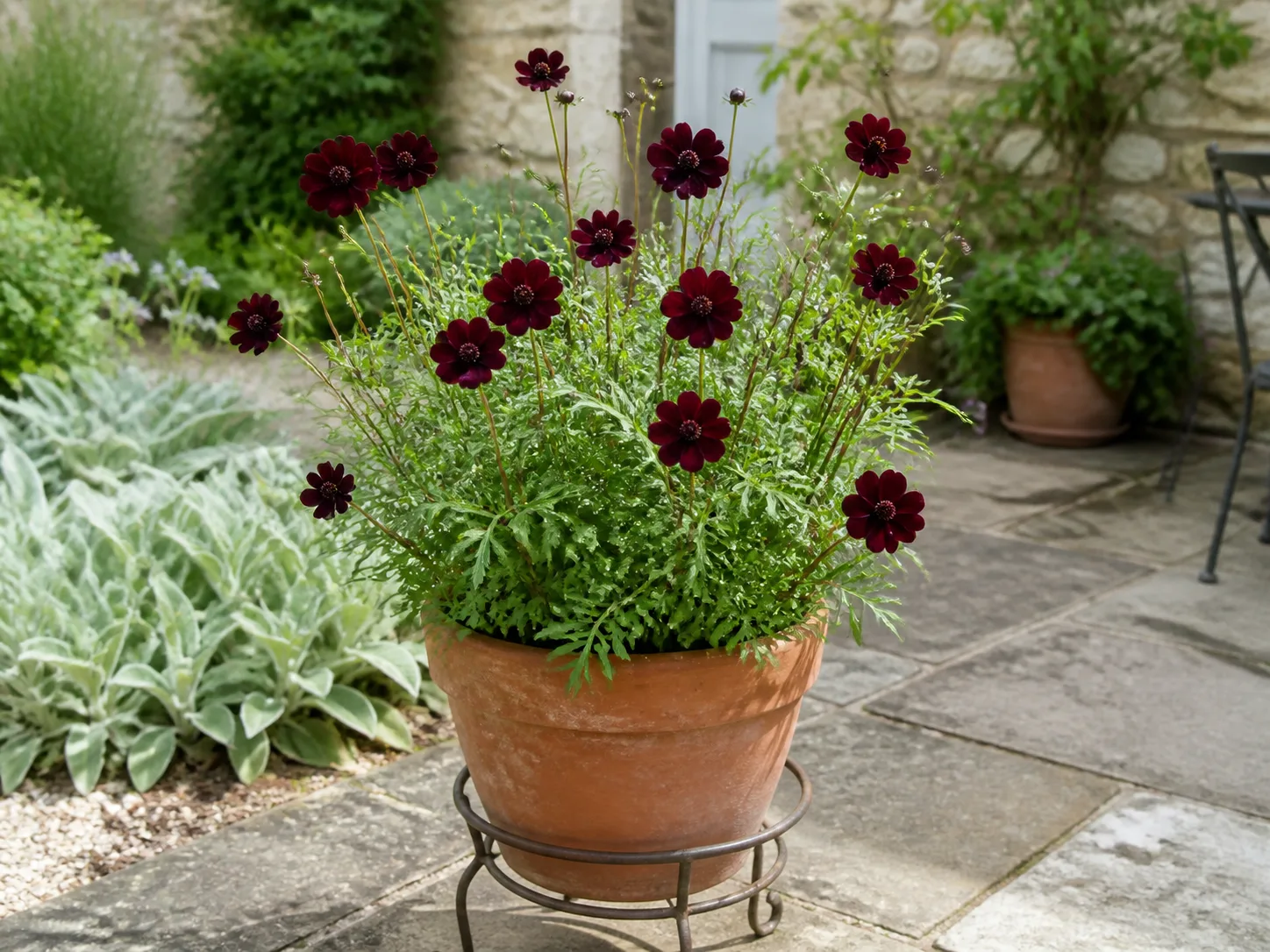
Choose a pot with generous drainage holes and enough width for the plant to mature without becoming top-heavy. Use a quality potting mix amended with coarse perlite, pumice, or grit if the mix holds water for too long. Avoid a dense garden-soil-only fill, and do not rely on a layer of stones at the bottom to fix a water-retentive mix above it.
Set the container where it receives full sun and where rain cannot keep the mix saturated for days. Water thoroughly until excess runs from the holes, then empty any saucer. In hot weather, check the mix more often than you would an in-ground plant; in cool autumn weather, do the opposite and reduce watering as growth slows.
A terracotta pot can help a careful gardener see and feel drying, but it is not magic. It may dry too quickly in a hot, windy position and can be vulnerable to freeze cracking. Drainage holes, a free-draining mix, and a workable winter location matter more than pot material alone.
Grow Chocolate Cosmos From Tubers
Tubers are the most dependable way for home gardeners to carry chocolate cosmos from one season to the next. Plant purchased tubers in spring when the soil is warming, or replant stored tubers after the risk of hard frost has passed. Space them so mature foliage can dry after rain rather than touching neighboring plants.
Handle tubers gently; a dry, firm tuber can still be alive even when it shows little growth. Plant with the buds or crown oriented upward when visible, cover with the recommended depth of soil, and water once. After that first drink, wait for signs of active growth and soil drying before watering again.
Divide crowded clumps in spring
Division is useful when an established plant has become crowded or when you want more plants without gambling on seed. Dig widely so you do not slice through the entire clump, lift it with as much root material as possible, and brush away enough soil to see the buds. Use a clean, sharp knife to separate sections, keeping a viable bud and firm tuber tissue with each division.
Discard pieces that are soft, foul-smelling, or extensively blackened. Dusting a fresh cut lightly with horticultural charcoal is optional, but it cannot rescue tissue that is already rotting. Replant divisions promptly at the original depth, water to settle them, and keep the bed evenly but not constantly damp while new shoots appear.
Expect divided pieces to spend energy on roots before they make a large flowering display. A slow first season does not automatically mean the division failed. The plant’s mature size can take two or more seasons, especially after a stressful move; the RHS lists a two-to-five-year time to maturity for its profile plant. That maturity note is a useful antidote to overfeeding a young plant that simply needs time.
Can You Grow Chocolate Cosmos From Seed?
Do not plan to collect and save chocolate cosmos seed as you would seed from ordinary garden cosmos. Cultivated chocolate cosmos is most often multiplied vegetatively, and home-collected seed is not a reliable way to reproduce the named plant. A packet sold as chocolate cosmos may represent a specialist propagation offering, but check the grower’s instructions and do not assume every seed will be viable or true to type.
Basal cuttings taken in early spring with bottom heat are another propagation option for experienced growers; Gardenia lists this method for the species. Its propagation note is more useful than taking random stem cuttings in summer and waiting indefinitely. For most home gardens, however, a healthy nursery plant or a careful tuber division has a better balance of predictability and effort.
Overwinter Chocolate Cosmos by Climate
In a mild, well-drained garden, cut back after foliage dies and cover the root zone with a light insulating mulch. Mulch is protection, not a substitute for drainage. If winter rain sits over the crown, a thick wet blanket can increase rot rather than prevent cold damage.
In colder regions, or anywhere winter soil stays wet, lift the tubers after the foliage has yellowed and the plant has entered dormancy. Container-grown plants can be cut back and moved to a frost-free garage, cellar, or other cool location. They do not need a warm, sunny windowsill while dormant; warmth and moisture can push weak shoots before light and outdoor temperatures are ready.
Lift and store tubers in cold or wet regions
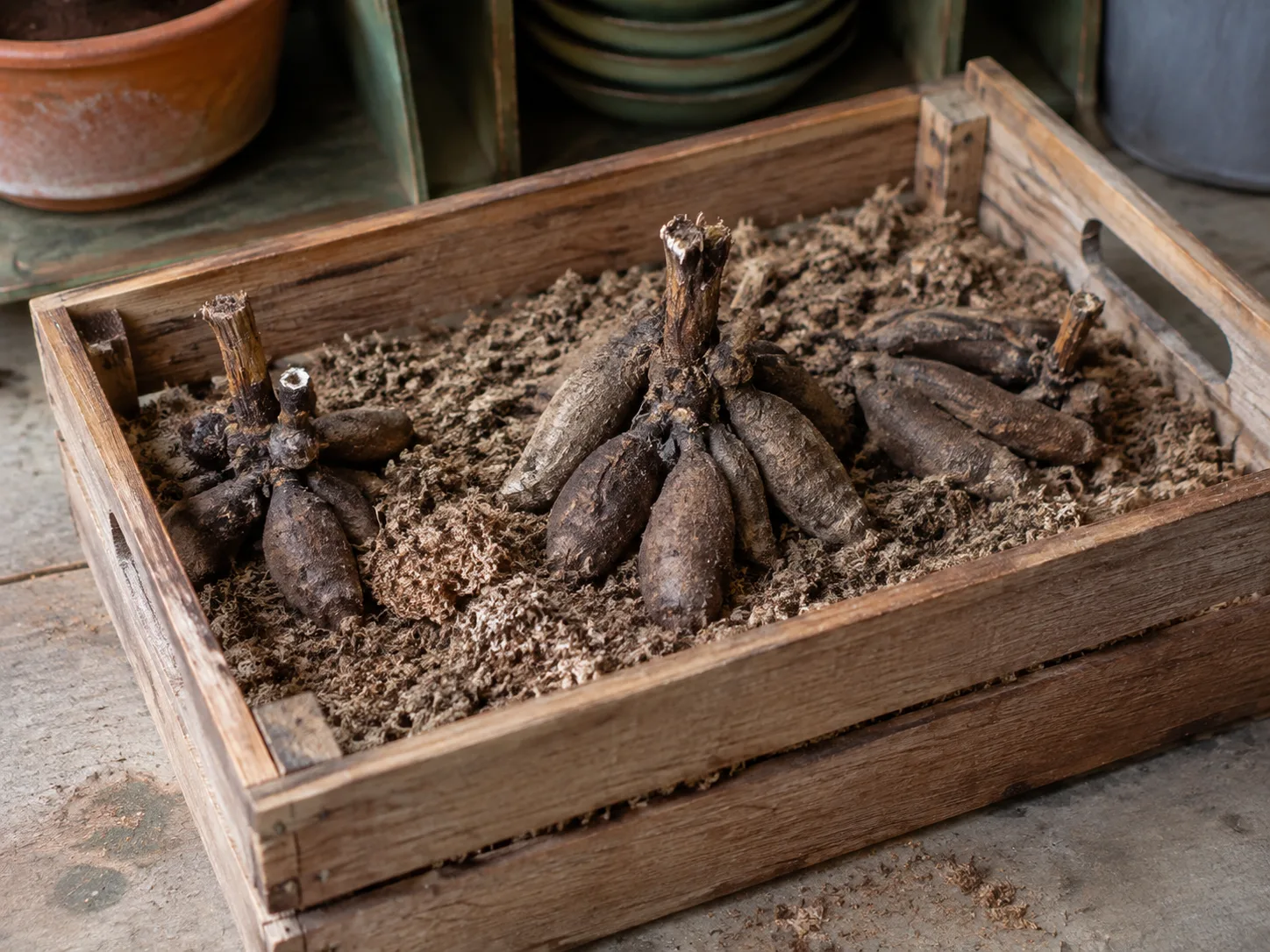
Use this sequence for a more dependable storage season:
- Wait until foliage has yellowed or frost has ended active growth, unless a sudden hard freeze is forecast.
- Cut stems back, leaving a short stub so you can handle the crown without scraping it.
- Lift the clump carefully and shake off loose soil. Do not wash the tubers and then pack them wet.
- Let the tubers air-dry in a shaded, frost-free place until the surface is dry.
- Pack them in barely moist peat-free material or another suitable storage medium that is not wet. A paper bag or ventilated box is better than an airtight plastic container.
- Check every few weeks. Remove any soft or moldy piece before it touches the rest, and correct storage if the tubers are shriveling severely or staying damp.
The right storage condition is cool, dark, frost-free, and only slightly humid. The exact temperature depends on the space and the grower’s method, but “cool and dry” is safer than a warm cupboard or an unheated shed that freezes. Replant in spring when conditions improve, then gradually return a potted plant to outdoor light rather than moving tender new growth from darkness into intense sun in one step.
Troubleshoot Leaves, Stems, and Missing Flowers
Start with the root zone and recent weather before changing fertilizer or digging the plant up. Chocolate cosmos responds to several stresses with similar symptoms, and the fastest diagnosis comes from pairing the leaf symptom with soil moisture, light, and season.
Yellow leaves or soft stems
Yellow lower leaves with persistently wet soil point first to overwatering, poor drainage, or tuber stress. Pause irrigation, improve airflow, and inspect the crown if decline continues. Soft stems, a sour smell, or blackened tuber tissue are more serious than a few old leaves turning yellow as dormancy approaches; remove rotted material and move healthy pieces to a cleaner, drier medium.
Yellowing with bone-dry soil can instead reflect drought or heat stress. Rehydrate slowly with a thorough soak rather than a series of tiny surface sprinkles. If the plant is in a pot, make sure water is actually passing through the mix rather than running down a gap at the container wall.
Wilting, small blooms, or floppy growth
Wilting on a hot afternoon is not enough evidence to water immediately. Check the soil several inches down and look at the plant again in the evening. Dry soil calls for a deep drink; wet soil plus wilting suggests damaged roots, poor drainage, or heat around the container.
Small flowers or no flowers most often send you back to light, maturity, and feeding. Give the plant direct sun, avoid high-nitrogen fertilizer, and do not crowd it against taller plants. A recently divided or newly purchased plant may need a full season to establish. Floppy stems are more likely when light is weak, growth is overfed, or wind catches a plant that has not been pinched or supported early.
Prevent Pests and Disease With Airflow
Chocolate cosmos is generally low-maintenance, but the RHS lists possible foot rot and grey mould, while aphids can appear on tender growth. Its pest and disease notes suggest a practical prevention strategy: do not keep the foliage wet, give each plant room, and remove dying flowers and leaves before they become a damp mat.
Inspect new growth and the undersides of leaves weekly during warm, active growth. A few aphids can often be dislodged with a firm stream of water; more persistent infestations deserve an identification-first response and a product used strictly according to its label. Avoid spraying a stressed, heat-dry plant in full sun, and do not use pesticide advice copied from a different crop or climate.
Grey mold is favored by stagnant, humid conditions and dead tissue. Improve spacing, water at the base, and remove affected material. If a container mix stays wet for days, the strongest disease control may be repotting or changing the site rather than applying another treatment. Gardenia also describes the plant as fairly pest-free and tolerant of dry soil, but that should not be mistaken for immunity when drainage and airflow are poor. Its profile is best read as a baseline, not a promise.
Use Chocolate Cosmos in a Fragrant Garden
Plant chocolate cosmos where people actually pass by: beside a path, near a patio, or at the front edge of a mixed border. Its dark flowers have more visual impact against silver foliage, pale blooms, grasses, or soft green leaves than buried in a bed of similarly dark flowers. The plant also works in a cutting garden and in a container where you can move it closer to a seating area during bloom.
Treat the fragrance as a bonus with weather-dependent volume, not as a permanent room-filling perfume. The scent is usually easiest to notice on warm, sunny days and may be faint in cool or cloudy conditions. NurseriesOnline notes that gardeners can experience the scent differently and that warmth helps; 12 Tomatoes captures the appeal of the red-velvet-like fragrance without turning it into a promise every plant will meet every afternoon.
For a longer display, combine one or two chocolate cosmos plants with flowers that peak before and after it, then deadhead the cosmos as it fades. Keep companion plants from shading the crown, and leave enough space to lift the tubers if your winter plan requires it. The best planting is not the one with the most plants; it is the one that lets you see the flowers, reach the soil, and make the seasonal decision at the right time.
Conclusion
Chocolate cosmos thrives when you respect what it is: a sun-loving, tuberous perennial that enjoys moderate moisture during growth but needs protection from frost and stagnant winter wet. Give it a bright, airy position, plant into soil that drains after rain, water by checking the root zone, and feed lightly so flowers—not soft foliage—get the advantage.
If you garden in a mild climate, mulch the dormant crown and watch winter moisture. If your winters are cold or wet, grow it in a pot or lift the tubers after dormancy and store them cool, frost-free, and barely dry. Divide firm tubers in spring when you want more plants, and buy rather than save seed when you want a dependable start. With those few decisions made in advance, the deep flowers and warm scent become a repeatable summer pleasure instead of a one-season gamble.