How to Grow and Care for Cleome (Spider Flowers)
Grow cleome (spider flowers) with practical seed-starting, sun, soil, spacing, container, cultivar, and troubleshooting advice for a long summer bloom.
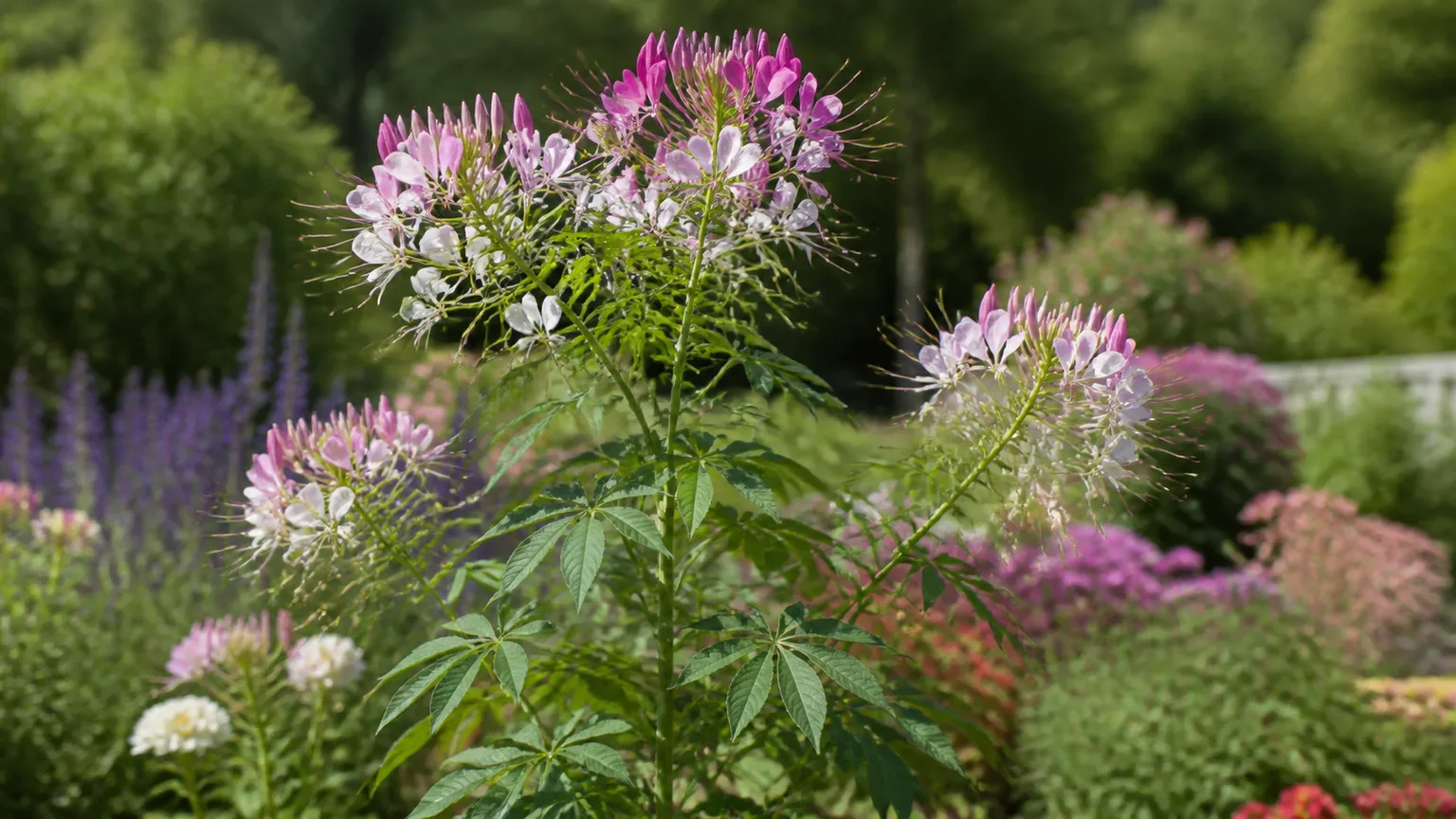
Cleome earns its place in a summer border by doing a job many bedding flowers cannot: it rises above shorter plants, keeps adding flowers along an upright stem, and brings an airy, almost architectural shape to a sunny bed. The catch is that the classic forms can become very tall, prickly, sticky, and enthusiastic about producing seed.
The most reliable way to grow cleome is to choose the cultivar before you plant, give it real sun and drainage, sow the seed when the soil is warm, and leave enough space for mature plants to branch. Once established, it needs less pampering than many annuals, but it will not compensate for shade, waterlogged roots, or a crowded bed.
What cleome is and what to expect
The common garden spider flower is usually sold as Cleome hassleriana or under the related name Cleome houtteana. University of Wisconsin–Madison Extension notes that these names are used for the tall annual commonly grown from South American stock, while the RHS genus guide describes Cleome as a much larger genus containing annuals, perennials, and evergreen shrubs. For a home garden, the seed packet’s cultivar and mature height matter more than trying to force every plant in the genus into one care profile.
Treat it as a warm-season annual
In a frost-prone climate, grow cleome as an annual: it germinates and grows during the warm season, then dies after a hard frost. It may appear to “come back” the next year because open-pollinated plants drop seed, but that is volunteer seedling behavior, not the same plant surviving winter.
Classic cleomes commonly reach about 3 to 6 feet, although compact cultivars may stay closer to 18 to 24 inches. The RHS profile for C. hassleriana lists an upright plant to about 1.5 meters with palmate leaves and terminal flower spikes, while Wisconsin Extension records taller plants that can become nearly as wide as they are tall when given room.
The spider look comes with spines and seed pods
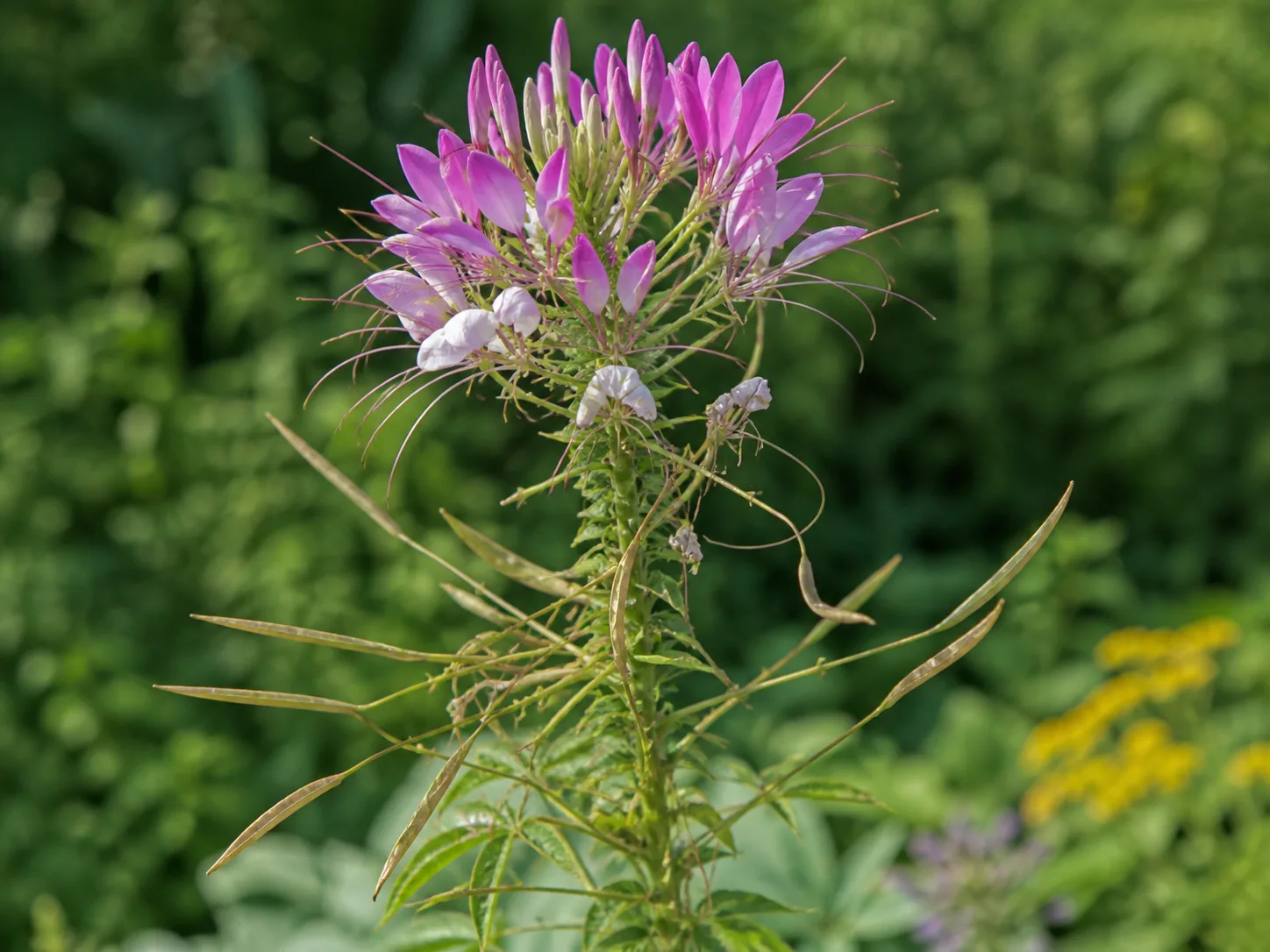
The nickname refers to long stamens that radiate from the flowers and to the thin, angled seed pods that form beneath the newest blooms. A cleome raceme can keep extending upward while older flowers below turn into pods, so a plant may show flowers and developing seed at the same time.
Many older forms have prickles on the leaf midrib and small spines at the base of each leaf stalk. The foliage can also feel sticky and have a musky or skunky odor, especially in hot weather; wear gloves if you dislike that texture or are handling a thorny cultivar. Newer sterile or vegetatively propagated types were bred to reduce some of those drawbacks.
Choose a cleome cultivar before planting
The right cleome is less about flower color than about height, seed behavior, and how much you want to handle the plant. The cultivar details below come from Wisconsin Extension’s spider-flower profile, RHS profiles for ‘Helen Campbell’ and ‘Violet Queen’, and UF/IFAS Extension’s overview of newer breeding lines.
| Type or cultivar | Approximate size and behavior | Best fit |
|---|---|---|
| ‘Helen Campbell’ | About 4–5 feet; white flowers; fragrant | Back of a border or cut-flower planting |
| Queen series, including ‘Violet Queen’ | About 3–5 feet; bold colors; usually seed-grown | A classic self-sowing summer display |
| ‘Linde Armstrong’ | About 18–24 inches; compact, thornless, and non-scented | Front or middle of a bed and large containers |
| Señorita series | About 2–4 feet; thornless, non-sticky, odorless, and sterile | A tidier display with little volunteer spread |
| SPARKLER™ 2.0 | About 36–44 inches; branching hybrid series | Medium-height borders and cut flowers |
| SPIRIT™ series | About 2–4 feet; branching vegetative cultivars | A shorter, fuller form without relying on saved seed |
Treat catalog heights as planning ranges, not guarantees. Soil fertility, water, wind, plant density, and the length of your growing season can all change the final shape, and some trade names are used differently by different sellers.
Tall, seed-grown forms for borders and pollinators
Choose a tall Queen type or ‘Helen Campbell’ when you want a temporary screen, a dramatic back-of-border plant, or a mass of flowers that can reseed itself. Set tall cleome behind shorter annuals because the lower stem often becomes bare as the plant flowers upward; a front layer of salvia, petunia, snapdragon, or another mounding plant can hide that gap without shading the cleome’s crown.
Tall seed-grown forms also give you the most satisfying seed-saving experience. Leave a few pods to mature, collect dry seed at the end of the season, and accept that the next generation may vary in height or color rather than matching the parent exactly.
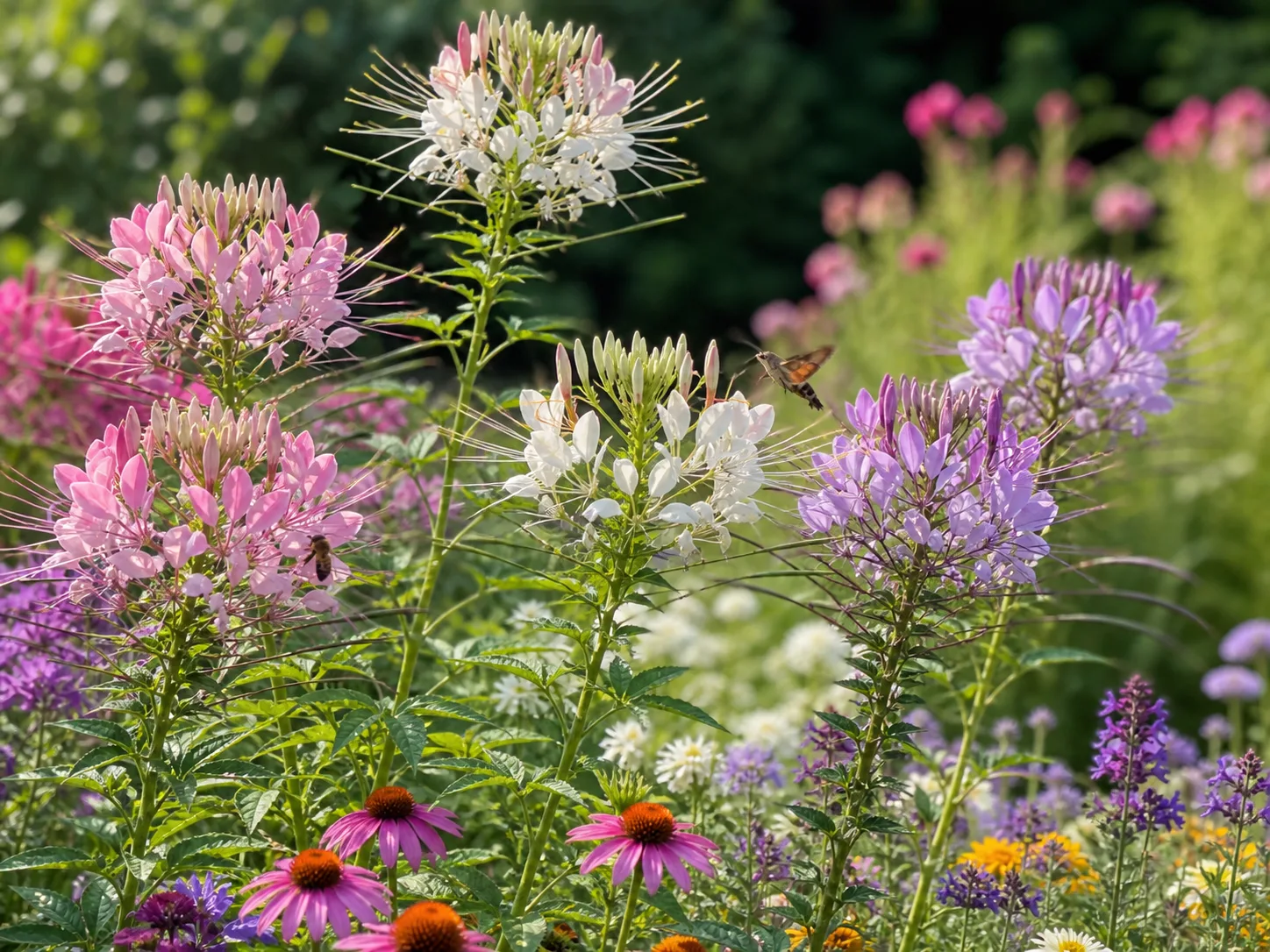
Short, thornless, or sterile forms for easier control
Compact and sterile cultivars are the better choice when you garden in a small bed, use containers, dislike prickly foliage, or need a predictable color and height. ‘Linde Armstrong’ stays much shorter than the classic types, while Señorita cultivars are bred to be thornless and sterile, so they do not fill the bed with volunteer seedlings.
The trade-off is that sterile plants are usually purchased as transplants rather than saved from seed. If your priority is a free annual display that returns through volunteers, choose a fertile seed-grown type; if your priority is containment and easier handling, pay for the compact or sterile line.
Give cleome the right site
Full sun and smart placement
Give cleome a location with at least six hours of direct sun, and more if your climate is mild or cloudy. The RHS cultivation guidance calls for a warm, sunny spot, and both Wisconsin Extension and Fine Gardening list full sun as the preferred exposure.
Shade does not always kill cleome, but it changes the plant’s shape: stems stretch, branches become weaker, and flowers are less abundant. Place tall plants at the back of a border or in the center of an island bed, and keep them far enough from shorter flowers that the afternoon shadow does not erase the reason you planted those neighbors.
Allow for wind as well as sun. A well-spaced cleome in full sun often stands without support, but a 5-foot plant beside a fence, on an exposed balcony, or in a storm-prone garden may need a discreet ring, stake, or nearby shrub to keep the stems from whipping and splitting.
Drainage, watering, and soil fertility
Cleome grows best in average, well-drained soil rather than a heavily amended, constantly wet bed. The NC State Plant Toolbox entry for Cleome describes the genus as suited to dry or medium moisture in full sun, while the RHS lists well-drained soil across common soil types.
Water new seedlings whenever the surface begins to dry, because their roots are small and shallow during establishment. After the plant branches and its root system is established, let the top layer dry somewhat between deep waterings, but do not confuse drought tolerance with a need to stay bone-dry; prolonged drought can reduce flowering and make a tall plant wilt.
A two- to three-inch layer of mulch can slow evaporation, but keep it a little away from the stem base. Fertilizer is usually unnecessary in decent soil, and a high-nitrogen feed can produce a leafy, floppy plant with fewer flowers. If cleome is pale and weak, check light, roots, and watering before reaching for fertilizer.
Grow cleome from seed
Direct sowing is usually the simplest route because cleome grows quickly once warm weather arrives and many varieties develop a strong root early. If you start indoors, use a method that lets you move the young plant with its root ball intact rather than keeping it in a small cell until it becomes root-bound.
Direct sowing outdoors
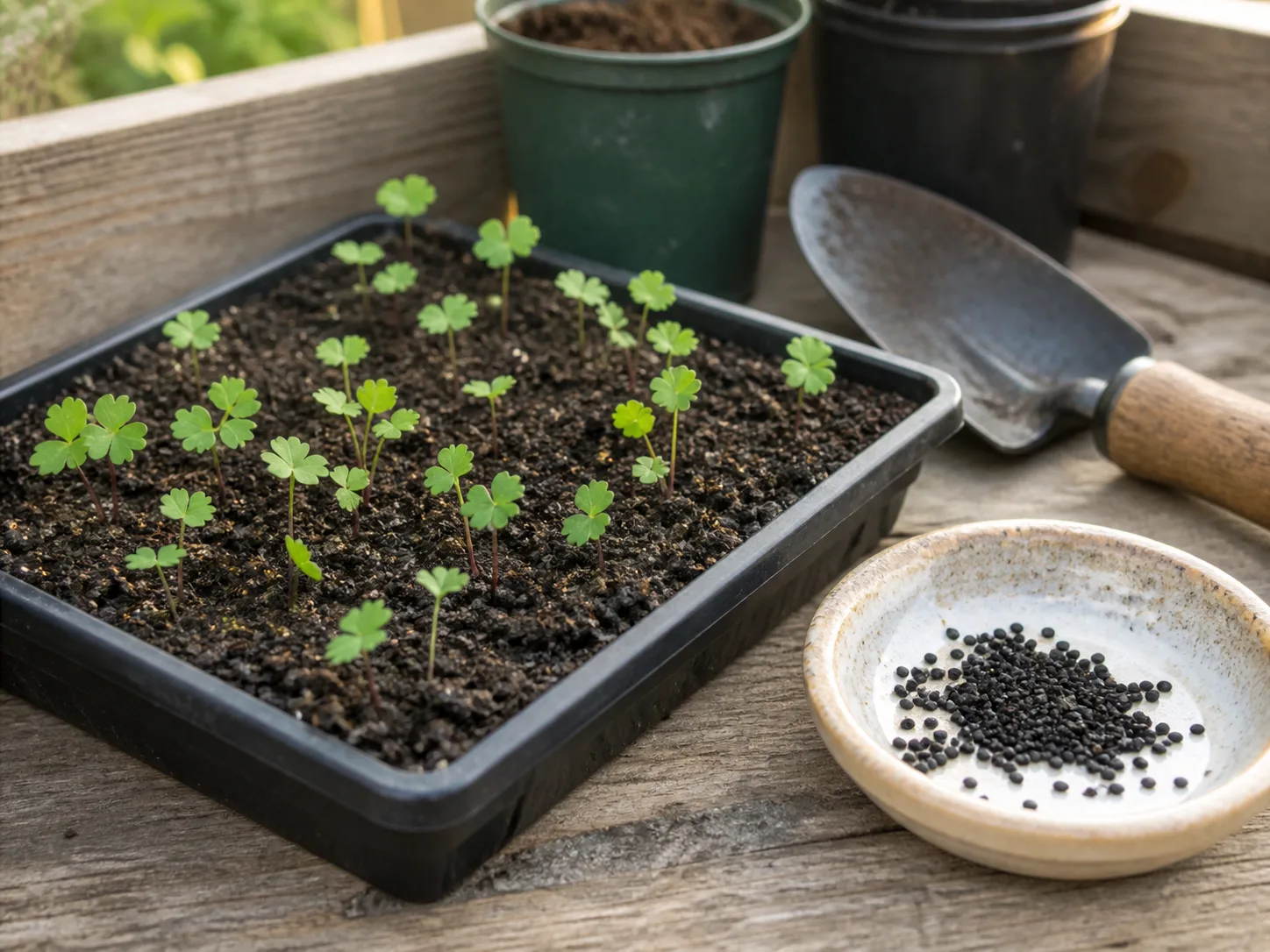
Wait until the danger of frost has passed and the soil is genuinely warm. Sow Right Seeds’ cleome seed guide recommends surface sowing in warm soil because the seed needs light to germinate; press each seed gently onto the surface instead of burying it under a thick layer of mix.
Use this sequence for a bed or large container:
- Loosen the top inch of soil and remove large clods, roots, and weeds.
- Scatter or place seeds on the surface, then press them into contact with the soil.
- Mist or water gently so the seed is not washed into a hole.
- Keep the surface evenly moist until seedlings appear, but never leave it saturated.
- Thin early, when seedlings are easy to identify and move, to the spacing your cultivar needs.
Germination can be uneven when soil is cool or the surface dries. Give the patch another week of warm, even moisture before assuming the seed failed, and check the seed packet’s age because cleome seed can lose vigor in storage. If volunteer seedlings appear the next spring, keep only the strongest plants and remove the rest before their roots tangle.
Starting indoors when the season is short
Start cleome indoors about six to eight weeks before the average last frost if your growing season is short or you want earlier flowers. Sow one or two seeds per deep cell, leave them at the surface or barely covered according to the packet, provide bright light and warmth, and thin to the strongest seedling.
Do not delay the move outdoors just to make the seedling look large. Harden it off gradually after frost danger has passed, then transplant on a mild day with the root ball intact. A young plant that pauses for a few days after transplanting is normal; a long-stalled plant in a cramped cell is more likely to become stressed, root-bound, or late to flower.
Some gardeners pre-chill cleome seed for a few days to encourage faster germination, but this is not a universal requirement. Follow the packet first, and use chilling as a small experiment only when the variety or a trusted supplier recommends it.
Care from seedlings to the first frost
Spacing, pinching, and staking
Thin or transplant small cleomes at least 12 inches apart, and give large cultivars 18 to 24 inches or more. Wisconsin Extension notes that plants can be spaced as far as 3 feet apart when you want a bushier, more open specimen; that extra room also improves airflow and makes the thorny plant easier to inspect.
If you want a shorter, more branched plant, pinch the growing tip once while the plant is young and actively growing. Pinching trades some early height for side branches, so skip it when you want a tall, narrow screen or when the season is already short.
Staking is a backup, not a basic requirement. Correct light and generous spacing usually produce strong stems, but a tall cultivar in a windy location may need support before it leans; install a ring or stake while the plant is still small so you do not disturb its roots later.
Feeding, deadheading, and seed saving
Keep the care routine simple: water deeply during prolonged dry weather, remove damaged leaves, and avoid pushing soft growth with frequent fertilizer. If the soil is healthy and the plant has good light, extra feeding is more likely to create height and foliage than to fix a bloom problem.
Cleome does not need deadheading to keep flowering because new flowers continue above older blooms and seed pods. Remove spent flower clusters for a tidier look, but remove the developing pods when your real goal is to prevent self-seeding; the two tasks are related but not identical.
To save seed, leave pods on the plant until they turn dry and begin to yellow or brown, then collect them before they split. Dry the pods in a paper bag or open container, label the color and cultivar, and store the seed cool and dry. Saved seed from a hybrid or sterile cultivar may not be viable or may not reproduce the parent’s traits, so save from fertile open-pollinated forms when consistency matters.
The easiest way to control volunteers is to make one deliberate choice. Leave a few pods on one or two plants if you want next year’s seedlings, and remove the rest while they are still green; do not let every plant mature hundreds of pods and then expect spring thinning to be quick.
Cleome also works as a cut flower if you enjoy its scent and texture. Cut stems when the lower flowers are open and place them in water promptly, wearing gloves for thorny types; remove any lower foliage that would sit below the waterline.
Troubleshoot common cleome problems
Poor flowering, weak stems, and damaged leaves
When a cleome is tall but barely flowering, check the site before blaming the seed. Shade is the first suspect, followed by excessive nitrogen, crowded seedlings, root disturbance, and drought during bud formation. Move the next planting to a brighter position, thin earlier, and keep water consistent while buds are developing rather than trying to rescue a mature, stretched plant with heavy feeding.
Weak, leaning stems usually point to shade, too much water and nitrogen, or a wind-exposed location. Improve light and drainage, stop feeding, and support the plant if necessary; do not crowd more plants around it to hide the lean, because that reduces airflow and makes the original problem harder to diagnose.
Small holes in young leaves can come from flea beetles or other chewing insects, while clusters of insects on soft tips may be aphids or whiteflies. Inspect leaf undersides and stems first, remove minor infestations by hand or with a water spray, and use an insecticidal soap only as directed on its label when the pest pressure justifies it; avoid spraying open flowers when pollinators are active.
Powdery mildew or rust is more likely when plants are packed together, foliage stays wet late into the day, or air cannot move through the bed. Thin the planting, water at the soil line, remove badly affected leaves, and do not compost diseased debris unless your local composting guidance permits it. The RHS plant profile describes cleome as generally disease-free, which is useful context: a problem usually calls for correcting the growing conditions before assuming the plant needs a routine spray.
Late-season yellowing or loss of lower leaves can be part of the plant’s normal aging, especially after a long flowering period. If the top remains green and the plant is still producing flowers, remove the lowest damaged leaves and keep harvesting rather than trying to force a late flush with fertilizer.
Containers require a more deliberate choice than garden beds. Use a large pot with drainage holes and a light, free-draining mix, choose a compact cultivar, and expect to water more often than an in-ground plant; a tall classic cleome can become top-heavy and dry out quickly in a small container. If you want a container display that stays manageable, ‘Linde Armstrong’ or a Señorita type is a better starting point than a 5-foot Queen series plant.
Cleome is often left alone by deer and rabbits because of its spines and strong foliage, but no plant is universally pest-proof. Treat that reputation as a bonus, not as permission to skip scouting, especially when a stressed plant is growing beside a heavily infested vegetable or when whiteflies are common in your region.
Conclusion
Grow cleome where it can be tall, warm, and visible: full sun, well-drained soil, enough space to branch, and a position that will not shade shorter plants. Direct sowing after frost is the easiest method for fertile varieties, while early indoor starts and compact sterile cultivars make sense when the season or the garden demands more control.
The final decision is whether you want cleome’s self-seeding habit. Leave a few dry pods if volunteer flowers are welcome, or remove them before they split if you want a predictable bed. With the cultivar, spacing, and seed-control choice made up front, spider flowers deliver height, unusual texture, and a steady summer food source for visiting pollinators without becoming a maintenance surprise.



