9 Best Companion Plants for Coleus
Pair coleus with impatiens, caladiums, ferns, begonias, and more. Learn how to match light, moisture, scale, and growth habit before planting.
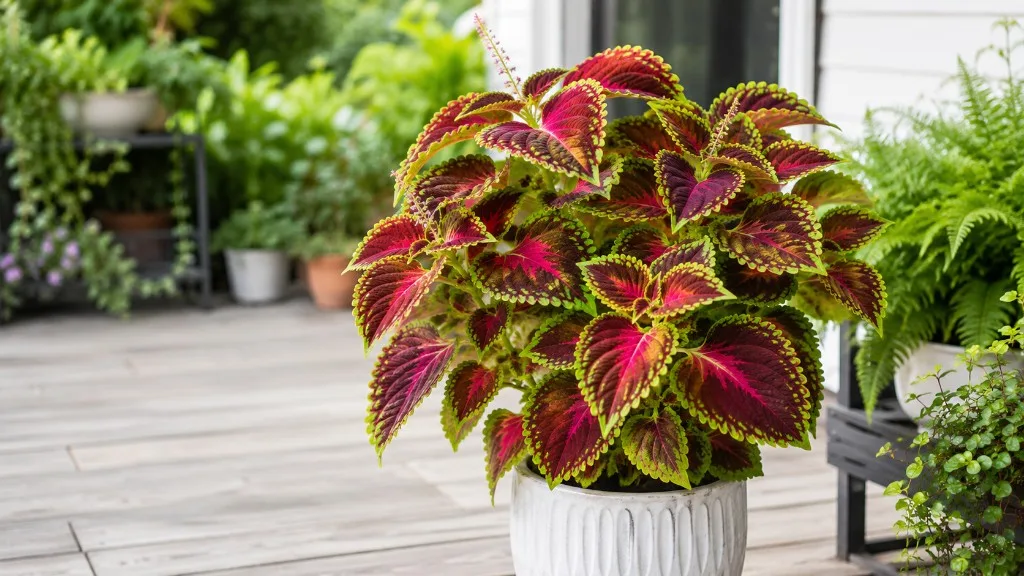
The best coleus companion plants are not simply the ones that look tropical in a nursery display. They are plants that can live in the same light, tolerate the same watering pattern, and occupy a different visual or physical layer. Start with those conditions, then choose the flower color or leaf shape that makes your coleus look intentional.
For most traditional coleus, that means moisture-retentive but well-drained soil and bright filtered light or partial shade. Newer sun-tolerant cultivars widen the options, but the label still matters. The North Carolina Extension Gardener Plant Toolbox describes Coleus scutellarioides as a plant for moist, rich, loose soil and part shade, while noting that full shade can make it leggy and full sun can cause wilting (North Carolina Extension Gardener Plant Toolbox’s coleus profile).
Here are nine useful partners, followed by a way to choose among them. Think of the list as a menu: you usually need one focal plant, one supporting texture, and one flower or spiller—not all nine in one pot.
The compatibility rule: match light and moisture first
“Companion” is often used as if a neighboring plant automatically improves coleus health. In practice, these are mostly design companions. Their value is that they can share a growing situation while adding height, movement, flowers, or a contrasting leaf shape. Plant Addicts makes the same practical point in its coleus companion guidance: select plants that prefer well-draining soil, consistent moisture, and similar light, then use foliage and bloom color to build the display (Plant Addicts’ coleus companion guide).
Use this four-part test before buying:
| Question | What a good match looks like | What a mismatch looks like |
|---|---|---|
| Light | Both plants tolerate the actual morning, afternoon, or filtered light in the spot | One plant needs full sun while the other scorches there, or one becomes thin in deep shade |
| Moisture | Both prefer regular watering but still need drainage | A thirsty fern shares a tiny pot with a plant that must dry between waterings, or roots sit in saturated soil |
| Scale | One plant is the focal point and the others stay in proportion | An elephant ear or canna shades out a compact coleus within weeks |
| Growth habit | Upright, mounding, fine-textured, and trailing forms have clear roles | Every plant is upright and bold, or a vigorous vine smothers the center |
Read your coleus cultivar before choosing neighbors
The same common name covers plants with different sun tolerance and final sizes. Missouri Botanical Garden lists coleus as a part-shade to full-shade plant with medium water needs, but also notes that some newer cultivars tolerate full sun; it recommends moist soil that does not dry out and pinching to keep plants bushy (Missouri Botanical Garden’s coleus profile).
If your tag says shade, choose impatiens, ferns, caladiums, begonias, or fuchsia. If it says sun-tolerant, you can test a brighter combination with canna or sweet potato vine, but do not assume the whole display wants the same amount of afternoon sun. When the tag is missing, give the coleus morning sun or bright dappled light, protect it from hot reflected heat, and avoid putting a sun-loving companion in the same small container.
Also decide whether the plant is for one season or a long-term display. Coleus is a tender perennial in warm climates but is usually grown as an annual where frost occurs. A mixed pot may look perfect in June and become crowded or cold-damaged by autumn, so leave enough space to lift, replace, or move the most tender plants.
Planting in a bed versus a pot changes the best companion
In a garden bed, roots have more room to sort themselves out and a tall neighbor can sit behind coleus without taking over the entire root zone. In a container, every plant shares the same limited mix. A plant that is an excellent visual neighbor—especially elephant ear, canna, or sweet potato vine—may be a poor roommate in a small pot.
For beds, use coleus to fill the middle or front of a layered planting. Put taller cannas or ti plants behind it, use ferns or caladiums to soften the transition, and reserve trailing plants for the edge. For containers, start with the mature size on the label, not the size of the nursery pot. A 12-inch pot generally works better with one strong coleus and one restrained accent than with four vigorous plants competing for water.
One container needs one watering rhythm
Good drainage does not mean letting a moisture-loving container dry completely. Water when the upper layer has begun to dry but before coleus leaves repeatedly wilt; then water thoroughly until excess drains from the bottom. Empty a cachepot or saucer so roots are not standing in water.
The New York Botanical Garden’s indoor coleus guidance emphasizes keeping the mix moist and protecting the plant from cold, while also recommending occasional pinching to maintain a bushy shape (New York Botanical Garden’s coleus care answer). The same principle helps outdoors: choose neighbors that can handle the way you actually water, not the way a plant label sounds in isolation. If one companion needs daily water and another stays happier with a dry surface, use separate pots grouped together instead of forcing them into one mix.
1. Sweet potato vine for a bright spiller
Sweet potato vine (Ipomoea batatas) gives coleus an immediate edge treatment. Its heart-shaped leaves trail over a pot or spill between taller plants, making it a strong choice when coleus is the upright focal point. Chartreuse foliage wakes up burgundy, chocolate, and deep red coleus; purple or near-black vine creates a quieter echo with lime or yellow-green leaves.
Use it at the rim, not in the center. Sweet potato vine can grow quickly and turn a carefully spaced container into a wall of foliage. In a bright spot, a sun-tolerant coleus and a lime vine can share a large pot; for a shade coleus, choose a location where the vine still receives enough brightness to stay full. Gingham Gardens includes sweet potato vine among its trailing choices for shade containers but also cautions that vigorous groundcovers can take over if they escape their planters (Gingham Gardens’ shade-container guide).
Best role: Spiller at the edge of a large container or the front of a raised bed.
Watch for: Vigor, drying at the pot edge, and stems that cover the coleus rather than framing it.
2. Canna lily for height and tropical scale
Canna lily (Canna spp.) supplies the broad leaves and vertical presence that a low, mounded coleus cannot. It is useful in a large patio tub or the back of a summer bed, where the canna creates a tall backdrop and the coleus fills the lower layer with patterned color.
This pairing needs more planning than a simple shade pot. Cannas are generally happiest in warmth and brighter light, and large plants can cast shade over coleus or drink heavily from the same soil. Pair a canna with a sun-tolerant coleus in a roomy container, or place them near each other in a bed with the canna to the north or back side. If your coleus is a traditional shade cultivar, grow the canna in its own pot or use it as a background plant where the changing shadow does not leave coleus in cold, dark conditions.
Best role: Thriller or back-of-bed anchor.
Watch for: Oversized leaves, tuberous roots, and a light requirement that may not match shade-only coleus.
3. Ti plant for upright color
Ti plant (Cordyline fruticosa) brings a strong vertical line and strappy leaves in green, red, pink, or burgundy tones. It works when your coleus display needs a central exclamation point rather than another mound of small leaves. A red ti plant can pull a red vein from the coleus, while a green form gives patterned foliage some breathing room.
Use ti plant as a separate potted thriller in a container grouping if the climate is cool or the planter is small. It is a warm-climate tropical, so its outdoor season and winter needs may be different from those of coleus. In a sheltered patio arrangement, group the pots close enough to read as one composition while still allowing you to move the ti plant indoors before cold weather.
Keep the root zone evenly watered but not swampy, and do not bury the stem deeply to make a tall plant more stable. A heavy, well-drained pot is usually more reliable than cramming a tall ti plant into a lightweight mixed container.
Best role: Thriller in a large pot or upright background in a warm bed.
Watch for: Cold exposure, wind toppling, and a plant that becomes the entire composition instead of framing the coleus.
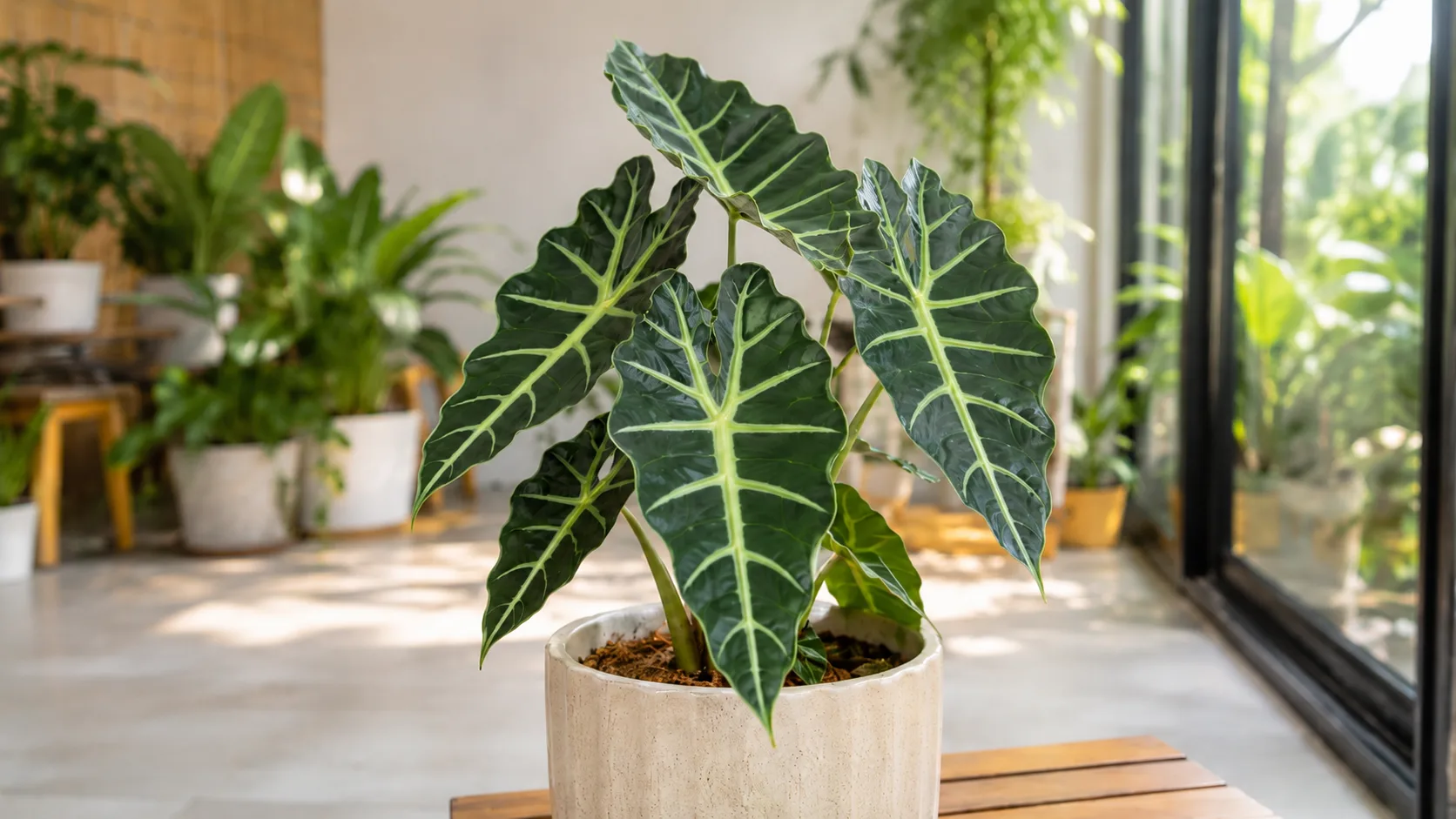
4. Elephant ear for large-leaf contrast
“Elephant ear” covers several genera, including Colocasia, Alocasia, and Xanthosoma. Their oversized leaves make coleus look more detailed by comparison: place a patterned coleus beside one large, simple leaf and both shapes become easier to read. This is one of the best pairings for a tropical bed or a large container where you want drama without relying on flowers.
The catch is scale and water. Elephant ears can become much larger than the coleus bought at the same time, and some types are especially thirsty in hot weather. A large elephant ear may also shade a compact coleus completely. Let the elephant ear occupy the back of a bed, or use two separate containers with matching pot colors so the plants read as a pair without sharing roots.
Choose Alocasia or another more upright form when you want a cleaner container silhouette. Use a spreading Colocasia where the bed has room and the soil drains well. Keep the soil consistently moist but never assume moisture-loving means waterlogged; coleus still needs oxygen around its roots.
Best role: Thriller, bed anchor, or separate companion container.
Watch for: Rapid size increase, root competition, heavy shade, and waterlogged soil.
5. Impatiens for reliable shade flowers
Impatiens are among the easiest flowering partners for coleus because they solve the main problem of a foliage-first display: they add a steady bloom color without demanding harsh sun. White impatiens create a clean pause beside red or burgundy coleus. Coral and pink flowers warm up green, bronze, or chartreuse foliage.
Traditional bedding impatiens and New Guinea impatiens are not identical in size or tolerance, so check the tag before combining them. Give the plants room for airflow and water the soil rather than keeping the leaves wet late into the day. A shady container that stays soggy is not automatically healthy; drainage and spacing still matter.
Impatiens work especially well as fillers around an upright coleus. They are also forgiving in a bed where the coleus is used as a seasonal accent among other shade plants. If the site receives almost no light, expect more foliage and fewer flowers from both the overall planting and any flowering companion.
Best role: Filler for a part-shade pot, window box, or front-of-bed ribbon.
Watch for: Crowding, poor airflow, and assuming all impatiens have identical light needs.
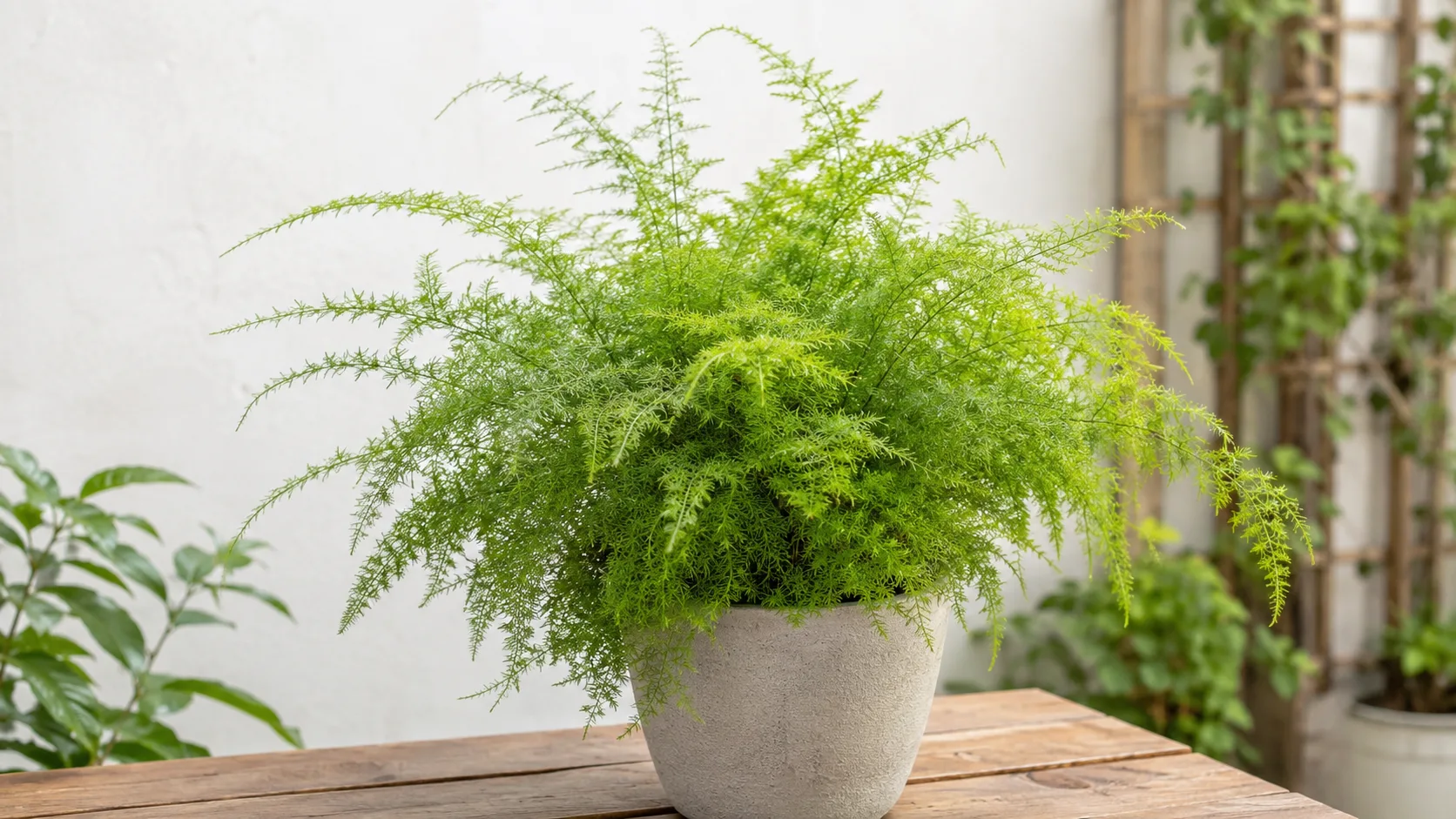
6. Ferns for fine texture
Ferns give coleus a softer texture and a green backdrop that makes intense leaf colors look less busy. Their fronds can arch around a pot, rise behind a low coleus, or connect a tropical planting to a woodland-style bed. Asparagus fern is especially useful in containers because its fine foliage contrasts with coleus’s broad, serrated leaves; Boston and other true ferns create a fuller, more traditional shade look.
The practical match is filtered light and regular moisture, but the watering pattern still needs attention. A fern in a hanging basket may dry faster than a coleus in a large floor pot. If you combine them, use a container large enough to buffer temperature and moisture swings, and check the root zone rather than watering by calendar.
Plant Addicts notes that ferns pair best with plants that share partial-to-full shade and well-drained, consistently moist soil, and it specifically lists coleus, impatiens, fuchsia, and begonias among tender annual companions for summer displays (Plant Addicts’ fern companion guidance). That is a useful compatibility rule, not a promise that every fern species will behave the same way.
Best role: Fine-textured filler or soft background.
Watch for: A small pot that dries too quickly, fronds blocking airflow, and pairing a thirsty fern with a drought-tolerant plant.
7. Caladiums for patterned foliage
Caladiums and coleus make a foliage-only display feel as colorful as a flowering container. Caladium leaves are larger, thinner, and often marked with white, pink, or red; coleus leaves are usually smaller and denser. Use the difference in scale to create a deliberate pattern rather than placing two plants with identical leaf sizes side by side.
A caladium can be the thriller in a large pot with coleus tucked around its base, or it can sit behind a row of compact coleus in a bed. Give both plants warmth and consistent moisture, but leave enough space for the caladium leaves to open. Overcrowding makes the leaves fold into one another and hides the very contrast that makes the pairing work.
Caladiums are tender and may go dormant or fail in cold soil. In a frost-prone area, a container gives you the option to move the planting or lift the tubers, but only if the pot is manageable. Treat the arrangement as seasonal unless you are gardening in a climate where both plants can remain warm.
Best role: Foliage thriller or mid-height layer in a warm shade bed.
Watch for: Cold soil, crowded leaves, and a pot that is too small for both root systems.
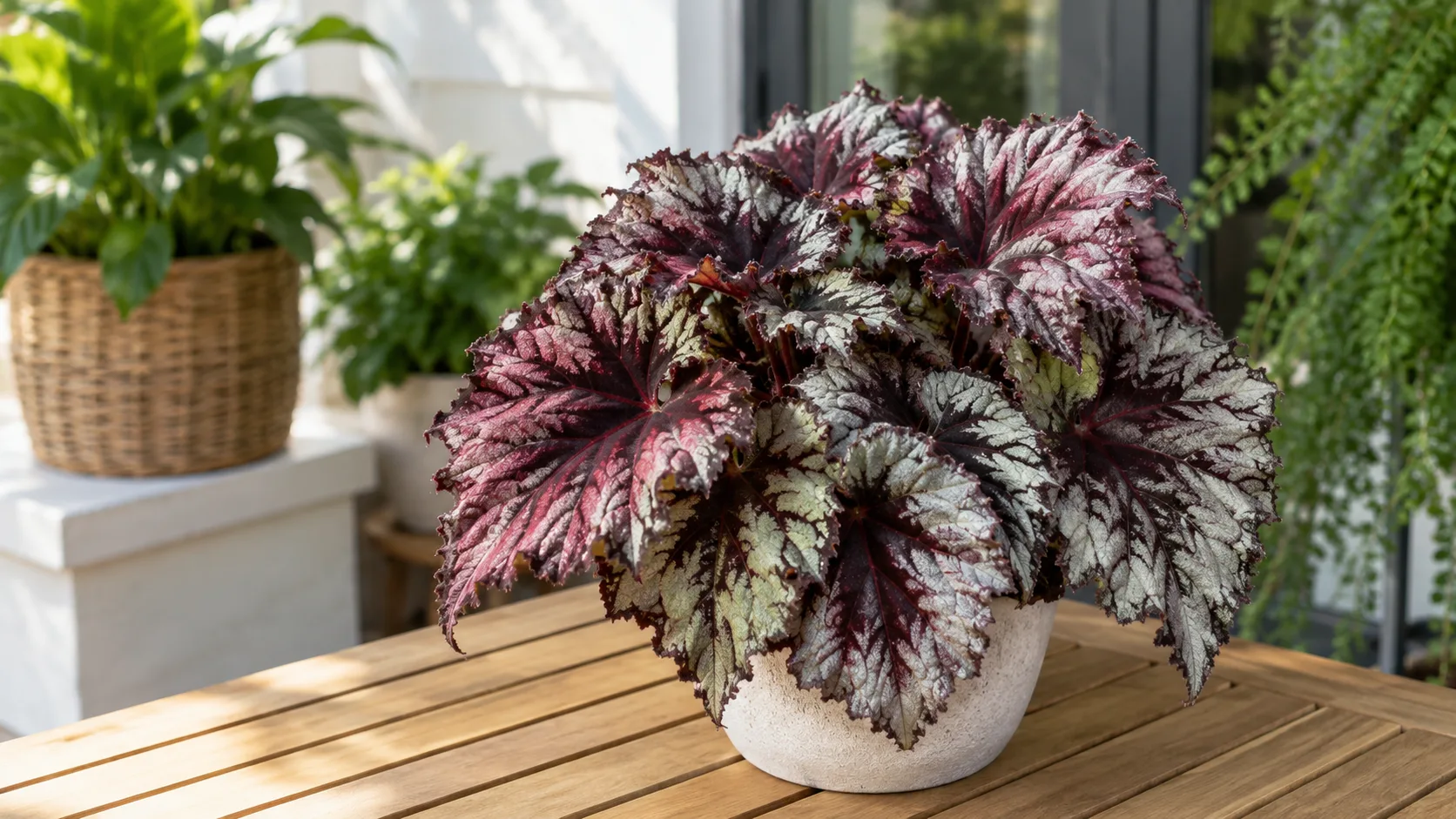
8. Begonias for flowers or leaf color
Begonias are a flexible coleus partner because the group includes both flowering and foliage-focused plants. Wax begonias add compact blooms and a neat edge. Tuberous begonias contribute larger flowers for a sheltered container. Rex begonias contribute metallic, silver, purple, or patterned leaves when you want a display with no need for constant bloom.
Match the begonia to the same light rather than shopping by flower color alone. A begonia that needs bright shade and a coleus that scorches in afternoon sun can share a covered porch, while a sun-tolerant coleus may be happier beside a more sun-flexible wax begonia than a delicate rex type. Both plants prefer a well-drained mix; regular moisture is useful, but a decorative pot without a drainage hole is still a root-rot risk.
Use the begonia’s flower or leaf color as an echo. Orange flowers can pick up warm bronze in coleus, white flowers can clarify a dark container, and silver begonia leaves can calm a high-contrast coleus with several colors. Keep one plant visually dominant so the combination does not become a competition of patterns.
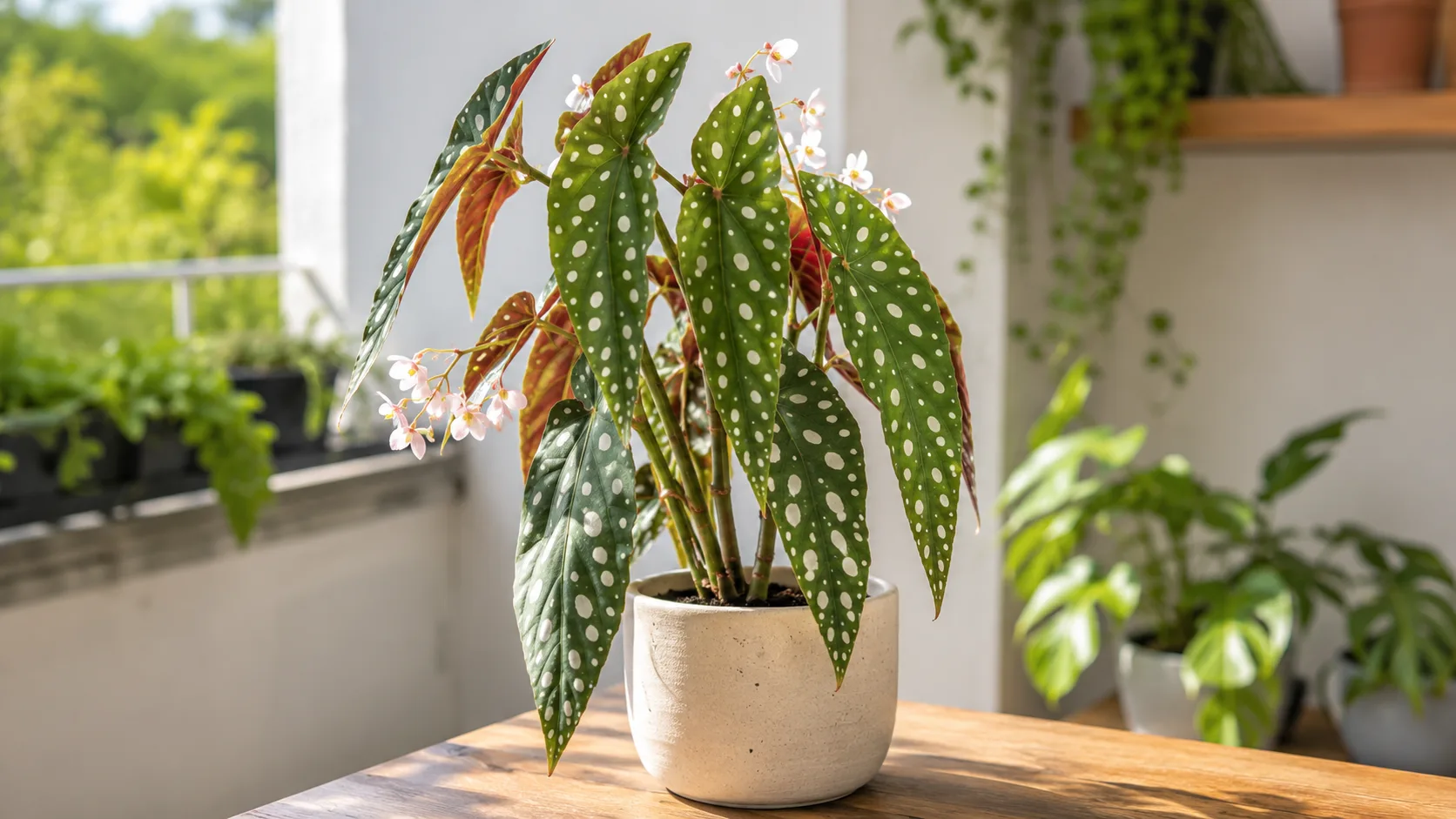
Best role: Flowering filler, low edge plant, or foliage counterpoint.
Watch for: Mixing begonia types with different heat and light tolerances, and overwatering a pot with poor drainage.
9. Fuchsia for hanging movement
Fuchsia adds a shape coleus cannot provide: pendant flowers that hang below the foliage. Red, pink, purple, and white blooms bring movement to a still planting and are especially effective in a raised pot or hanging basket where the flowers can be seen from below.
Put fuchsia at the edge of the container or in a neighboring basket, with coleus providing the upright or mounded mass behind it. This keeps the dangling stems visible and prevents a tall coleus from hiding the flowers. Fuchsia generally prefers bright shade or gentle morning light, regular moisture, and protection from the hottest afternoon conditions, so it is a better partner for traditional shade coleus than for a full-sun patio recipe.
Heat is the important limitation. A fuchsia can look perfect in a cool spring display and struggle when a reflected-heat wall turns the container into an oven. If your summers are very hot, group it with coleus in a shaded location or keep the two as separate pots so the fuchsia can be moved without disturbing the coleus.
Best role: Spiller, hanging-basket partner, or lower layer in a sheltered container.
Watch for: Hot afternoon sun, fast-drying baskets, and flowers hidden behind dense foliage.
Three combinations to copy
The easiest way to build a mixed display is to choose one combination based on the site rather than trying to use every plant on the list. Start by observing the spot at midmorning and midafternoon, then check how quickly a test pot dries. A bright covered porch, a cool dappled bed, and a hot patio are three different gardens even if they are only a few steps apart.
Best shade container
Use one upright or mounding coleus, one white or coral impatiens, and one asparagus fern. Put the coleus slightly back or in the center, let impatiens fill the front, and place the fern where its fine fronds can arc outward. This gives you a color focal point, a flower, and texture without adding a highly aggressive spiller.
Choose a pot with drainage holes and enough width for the fern to expand. Keep the mix evenly moist, but do not water just because the surface looks dark; check below the top layer and account for rain if the container is outdoors.
Best brighter patio pot
For a sunny or mostly sunny patio, use a sun-tolerant coleus with canna as the vertical anchor and chartreuse sweet potato vine at the rim. This is a high-impact combination for a large tub, not a small tabletop pot. Plant the canna toward the back, place coleus where its color is visible, and give the vine room to spill.
If the coleus tag does not confirm sun tolerance, separate the canna and vine into adjacent pots. You will have more control over placement, watering, and seasonal replacement, and the display can still read as one composition when the containers share a color or material.
Best layered garden bed
In a warm bed with filtered light, place elephant ear or caladium behind coleus, then add begonias or impatiens toward the front. The large leaves establish scale, coleus supplies saturated mid-level color, and the flowers finish the lower edge. Use fuchsia in a raised container nearby if you want hanging movement without crowding the bed.
Leave space between the plants at planting time. Coleus grows quickly, and a caladium or elephant ear can expand dramatically once heat arrives. The display should look slightly sparse on day one so that air can move through it in midsummer.
Avoid these mismatches and common mistakes
The most common mistake is choosing by color and discovering later that the plants need opposite care. Cacti, succulents, rosemary, and other drought-oriented plants are poor shared-pot companions for ordinary coleus because their soil should dry more thoroughly. On the other side, a moisture-loving group can still fail if the container has no drainage or sits in a saucer of standing water.
Do not let a vigorous companion become the hidden main plant. Sweet potato vine can cover coleus, elephant ear can shade it, and canna can outgrow a small pot. Prune or redirect spillers early, and move oversized plants to separate containers before the root zone becomes tangled.
Do not assume deep shade is ideal just because coleus tolerates it. Coleus may survive there but stretch toward light, producing long stems and less color density. A little morning sun or bright dappled light often gives a fuller shape, while a sun-sensitive cultivar still needs protection from hot afternoon rays.
Finally, do not use “companion” as a substitute for inspection. The North Carolina Extension profile lists aphids, whiteflies, and spider mites among possible coleus problems, especially indoors. Check the undersides of leaves, isolate a plant that arrives infested, and correct light or watering stress before blaming a neighboring plant.
Conclusion: choose companions by conditions, then by color
The best coleus companion plants are the ones that fit the site you actually have. Impatiens, begonias, ferns, caladiums, and fuchsia are reliable starting points for a bright shade display. Sweet potato vine, canna, ti plant, and elephant ear add bigger shapes and stronger structure when you have enough room, warmth, and—where needed—a sun-tolerant coleus.
Before planting, make three decisions: identify the coleus light requirement, decide whether the plants will share a container or simply sit near one another, and assign each plant a role such as thriller, filler, or spiller. Once those basics match, use color as the finishing tool. The result will look better, and the plants will have a much better chance of staying full and healthy through the season.



