Do Mothballs Repel Spiders? Safety and Better Options
Mothballs kill clothes moths in sealed bins—not roaming house spiders. Learn why off-label use fails, health risks, and what exclusion pros use instead.
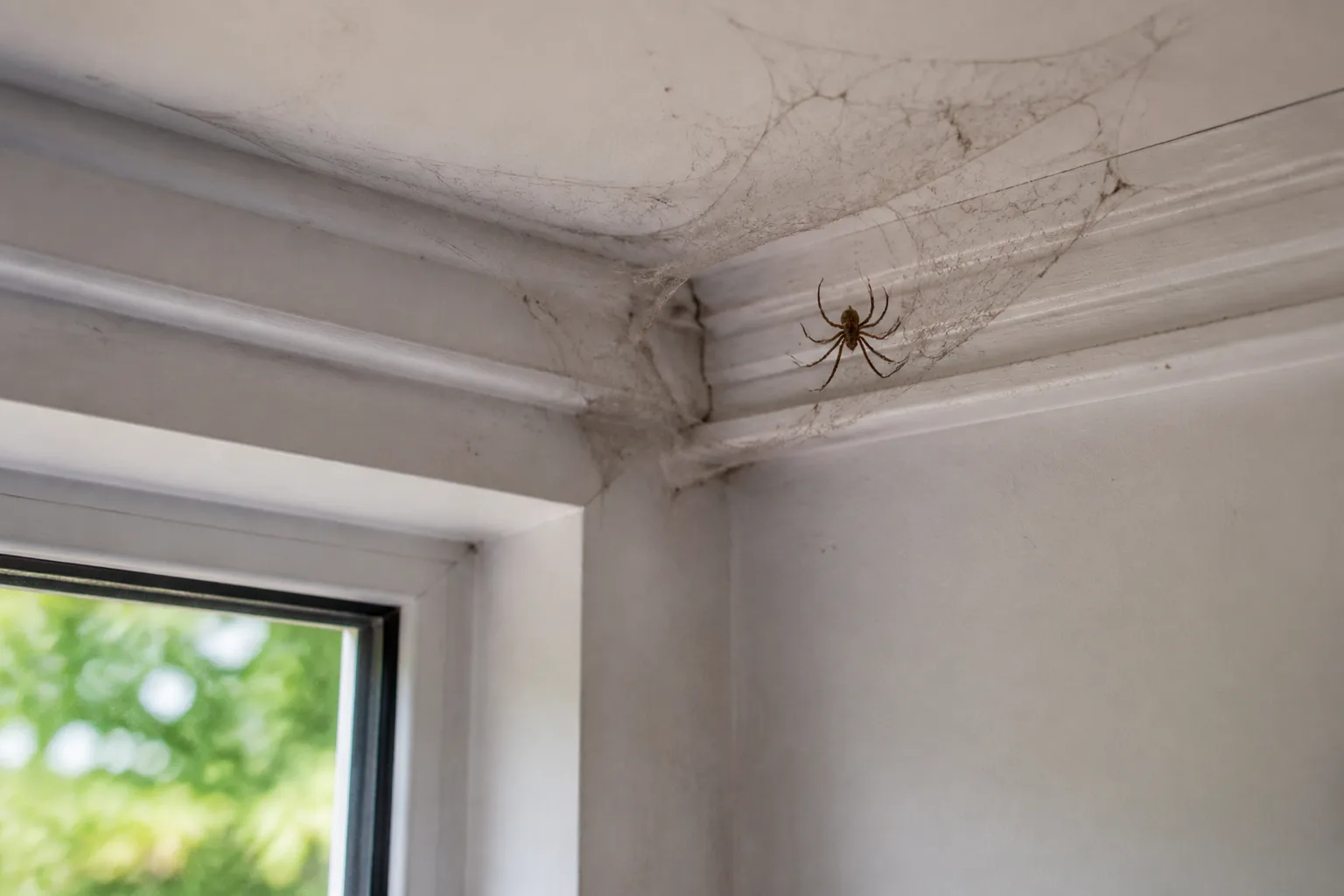
You found a stringy web behind the water heater, searched “mothballs spiders,” and now you are staring at a box that smells like your grandmother’s cedar chest. The internet is split: some blogs swear mothballs repel every crawling thing, while pest threads warn about headaches, pet poisonings, and fines. Mothballs do not reliably keep spiders away, and using them in open rooms, attics, or crawl spaces for spider control is off-label, often illegal, and a poor trade for your indoor air quality.
Mothballs are registered pesticides for clothes moths and fabric pests inside tightly sealed containers—not roaming arachnids in living spaces. The National Pesticide Information Center (NPIC) is explicit: mothballs are not wildlife repellents, vapors must be trapped to work as designed, and use in open air can harm people, pets, and wildlife that touch, eat, or breathe the fumes. If spiders are your problem, you need structural exclusion and prey reduction, not naphthalene disks in a jar with nail holes.
The Short Answer: No — and Off-Label Use Is Risky
No, mothballs are not an effective or appropriate way to keep spiders out of your home. At best, fumes in an open basement might irritate a spider long enough to wander elsewhere for a few hours. They will not create a lasting barrier, they will not clear an established population, and they introduce a toxic vapor you, your children, and your pets will breathe.
Mothballs can kill clothes moth larvae when label directions are followed inside airtight storage. Spiders are predators with a wide menu—flies, ants, springtails, other spiders—not a single moth species in one drawer. Colorado State University Extension notes that spider control succeeds through sanitation, habitat modification, and targeted pesticides where needed—not by sprinkling unrelated insecticides and hoping for a side effect.
Why the “Mothball Hack” Persists Online
Decades of folk advice conflated “strong smell” with “keeps pests away.” Mothballs do smell intense. Spiders do use chemoreception. It is an easy leap—especially when a closet mothball coincides with fewer cobwebs in that one sealed bin. Correlation is not control. Meanwhile, blogs that recommend attic mothballs rarely mention that using a pesticide against any pest not on the label violates federal law in the United States, per NPIC’s mothball regulation guidance.
What Mothballs Are Actually Designed to Do
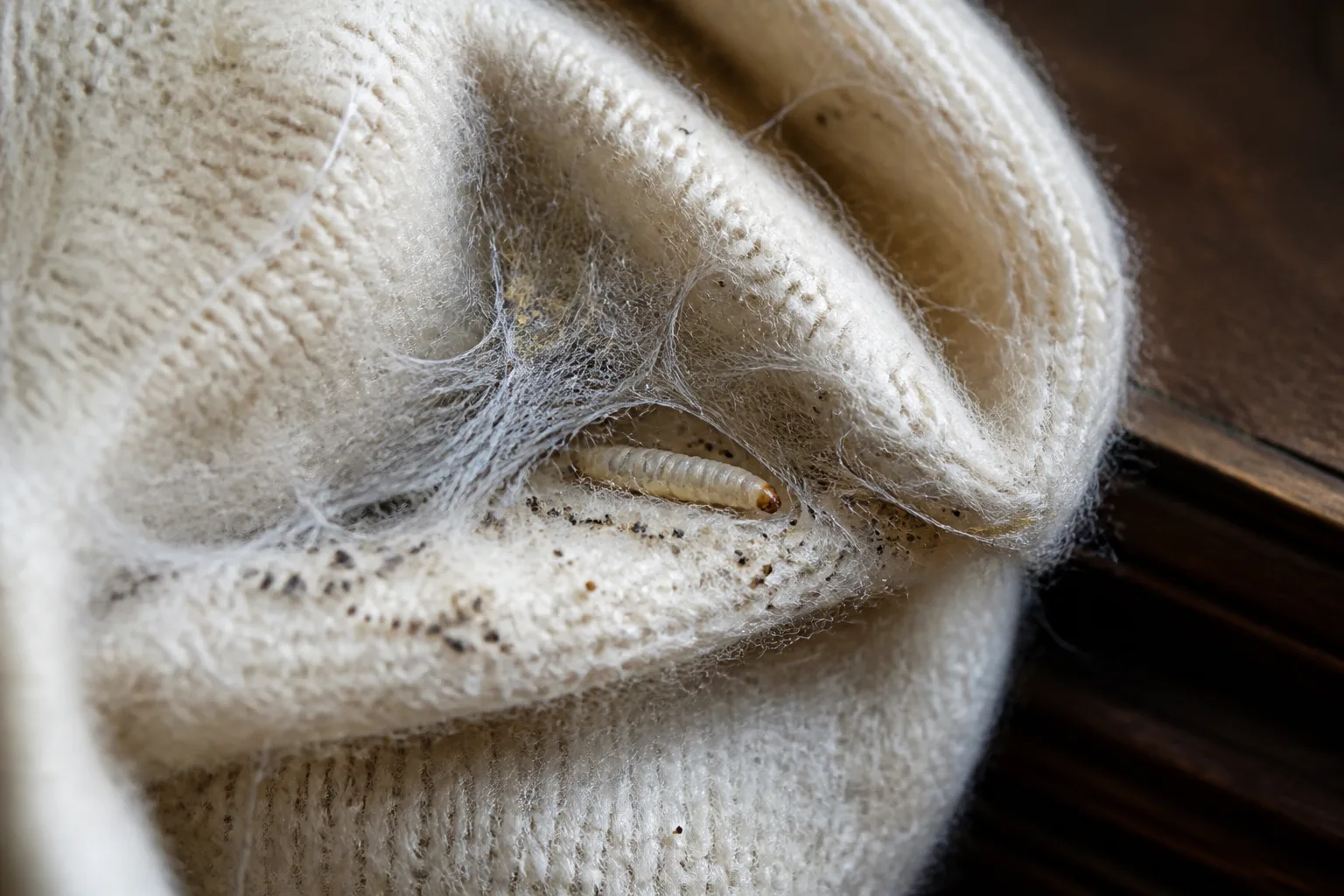
Mothballs, flakes, crystals, and bars are solid fumigants that slowly release vapor. In the U.S., active ingredients are almost always naphthalene or paradichlorobenzene (p-dichlorobenzene, PDB). Both are insecticides registered to kill clothes moths and related fabric pests when vapor concentrations build inside a closed, airtight space with the textiles being protected.
That design matters. The kill mechanism depends on trapped gas reaching lethal levels over time. NPIC states that labels direct users to place product in tightly closed containers so fumes do not accumulate in rooms where people and pets live. Using mothballs loosely in a closet with a vent, under a bed with open air flow, or scattered in a crawl space is the opposite of the label—and the opposite of how the chemistry was tested.
Naphthalene vs Paradichlorobenzene: Know Your Label
Not all mothballs are interchangeable. Read the active ingredient before you buy—or before you decide the old box in the garage is “probably fine.”
| Feature | Naphthalene mothballs | Paradichlorobenzene (PDB) mothballs |
|---|---|---|
| Odor | Sharp, classic mothball smell | Less intense to many noses |
| Typical registered use | Clothes moth control in sealed storage | Clothes moth / fabric pest control in sealed storage |
| Indoor air concern | Can raise naphthalene to occupational-like levels in small rooms | Still a fumigant; off-label open use is unsafe |
| Pet risk | High — ingestion or heavy vapor exposure is an emergency | High — PDB toxicosis reported in dogs and cats |
| Spider control? | Not labeled; not effective | Not labeled; not effective |
Columbia University’s Center for Children’s Environmental Health notes that a single box of naphthalene mothballs can elevate indoor naphthalene to concentrations seen in mid- to upper-level occupational exposure, with higher levels in small apartments and enclosed areas. That research context is about air freshener misuse and chronic exposure—not a reason to add more vapor for spiders.
Why Airtight Containers Are Non-Negotiable
Picture two scenarios. In Scenario A, wool sweaters sit in a sealed plastic bin with the correct number of mothballs per label. Vapor builds, larvae die, and your living room air stays separate. In Scenario B, mothballs sit in a perforated jar in the attic. Vapor escapes immediately, concentration never reaches a reliable insecticidal level for roaming pests, and you inherit the exposure.
NPIC warns that non-airtight containers—or no container at all—let toxic vapors leak into living spaces for long periods. That mistake is common. It is also why “I put mothballs in the crawl space” stories sometimes end with nausea, headaches, or a veterinary ER visit—not a spider-free house.
Why Mothballs Fail as a Spider Repellent
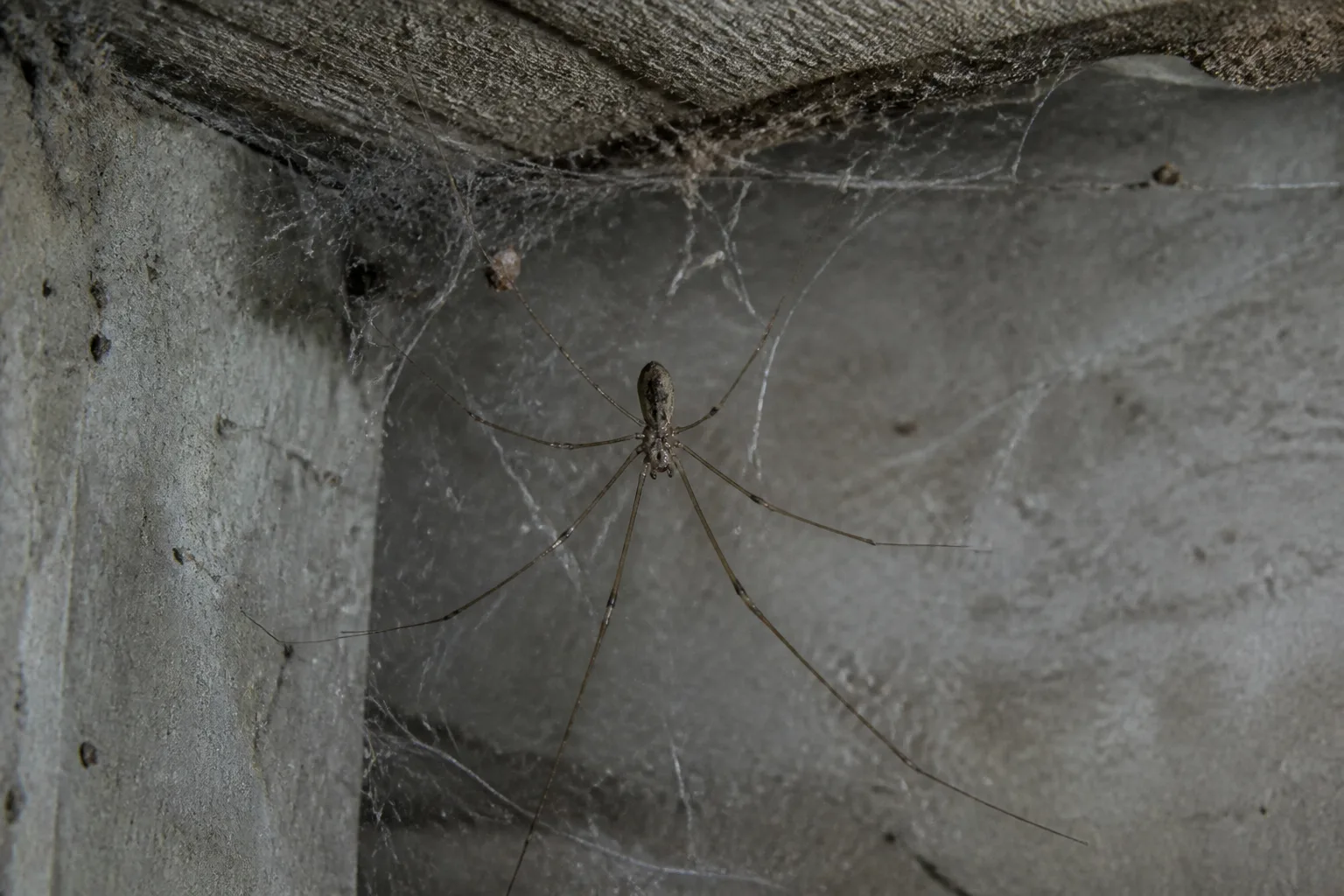
Even if you ignore legal and health issues for a moment, mothballs still make a weak spider strategy. Spiders are not clothes moths. They do not eat wool. They do not nest in fabric folds the way Tineola larvae do. A fumigant tuned for one pest in one micro-environment does not translate to perimeter defense for agile hunters and web-builders moving through wall voids.
The “Starve Their Food” Theory Falls Apart
You will hear that mothballs help spiders indirectly by killing moths—their food. Clothes moths are one prey item among dozens indoors. House spiders also eat flies, gnats, midges, ants, beetles, and each other. Colorado State University Extension describes spiders as beneficial predators and emphasizes that eliminating prey can limit spider numbers—but that means broad insect control (trash discipline, fly screens, moisture fixes), not a few mothballs in one drawer.
Kill a few moths in a sealed bin and the cellar spider by the bathroom vent still has drain flies. Scatter mothballs in open air and you may not even reliably kill moths, let alone starve a wolf spider hunting at floor level. Spiders relocate toward prey and shelter. Remove the buffet and seal the doors; do not perfume the kitchen with naphthalene.
Open-Air Fumes Dissipate Before Spiders Care
Entomologists who study urban pests consistently note that mothball vapor in ventilated spaces does not hold concentration long enough to repel or kill mobile spiders. Crawl spaces, garages, and porches exchange air. HVAC pulls attic air through the house. A “repellent” that dilutes in minutes is not a perimeter treatment.
Spiders also behave differently by species. Jumping spiders stalk by day. Cellar spiders hang in webs. Wolf spiders roam floors at night. None of them schedule their travel around a slowly shrinking mothball three feet away. Compare that to a sealed crack they cannot crawl through—a physical exclusion that works 24/7 without vapor.
Off-Label Mothball Use Can Harm People, Pets, and Indoor Air
This is the section that should end the attic-jar experiment. Mothballs are pesticides. The label is the law.
Legal and Label Requirements You Should Not Ignore
NPIC states plainly: using mothballs in a way not specified on the label is illegal and can harm people, pets, or the environment. Labels specify fabric pest control in enclosed containers—not snake repellent, not rodent control, not spider prevention in living areas. Some imported mothballs sold online lack proper EPA registration; contents and risks are unknown.
Pet Poison Helpline lists mothballs as a poisoning risk for dogs and cats, with naphthalene and PDB causing vomiting, lethargy, breathing difficulty, tremors, and liver or kidney injury depending on dose. Ingesting even one ball can be life-threatening for a small pet. Vapor in a closed room pets cannot leave is a slower but real exposure route.
Children mistake mothballs for candy. Adults develop headaches and nausea from chronic low-level exposure. NPIC also warns against outdoor use that contaminates soil and water. Spider control is not worth that profile when vacuuming and caulking exist.
What Actually Works: Exclude, Then Remove Attractants
Pest management pros summarize spider control in two words: exclude and remove. Extension services add a third beat—reduce prey—because spiders follow food. That integrated pest management (IPM) sequence beats any fumigant hack.
Step 1: Seal Entry Points and Harborages
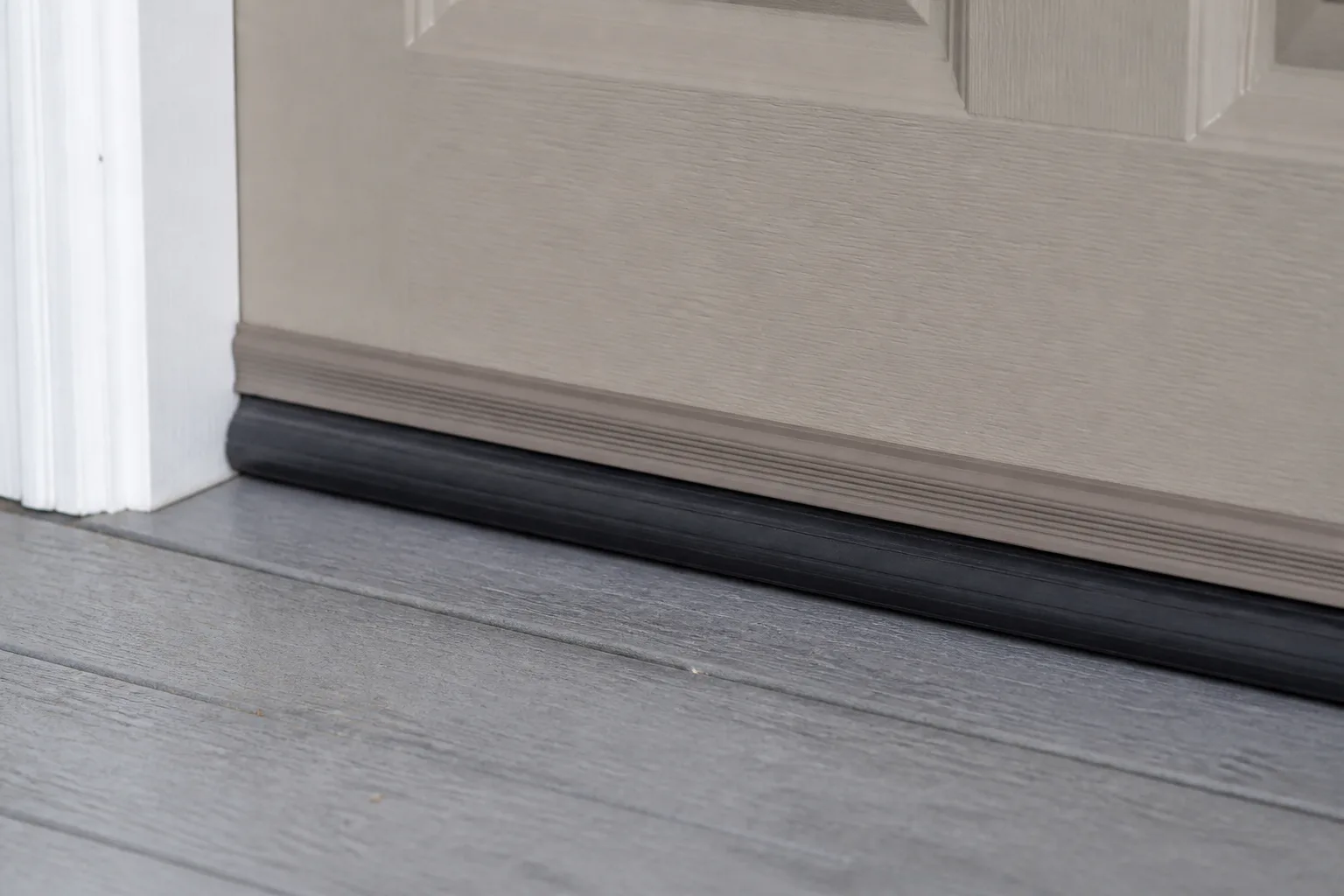
Walk the exterior at dusk with a flashlight aimed along the foundation. Look for gaps around pipes, cables, dryer vents, AC lines, and door thresholds. Inside, check basement window wells, garage-to-house doors, and crawl-space accesses.
- Install or replace door sweeps and weatherstripping where light shows through closed doors.
- Caulk cracks wider than 1/8 inch on the exterior; foam backer rod helps large gaps before sealant.
- Repair torn window screens and add fine mesh to attic vents where local code allows.
- Move firewood, compost, and rock piles away from the foundation—they are spider hotels against your siding.
- Declutter dark storage so spiders lose hiding sites; CSU Extension recommends limiting boxes on basement floors.
Physical exclusion is boring. It is also the highest-return spider step—and it does not poison indoor air.
Step 2: Cut Prey Insects and Exterior Light Lures
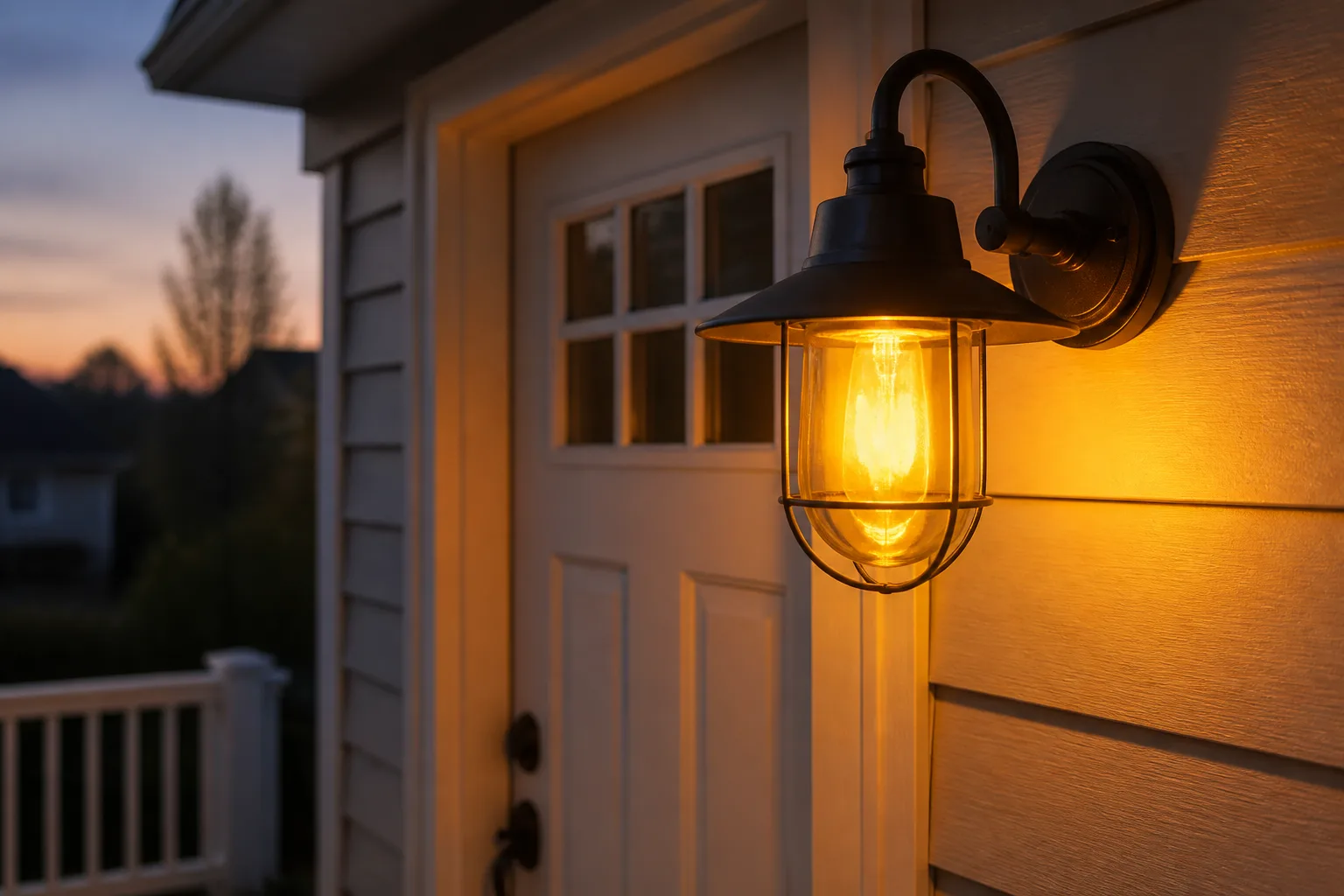
Spiders are nature’s fly swatters. Bright white porch lights pull moths, midges, and beetles to your doors; hunting spiders set up nearby. Swap to warm-spectrum LEDs, add motion sensors, and keep fixtures away from entry doors where possible. Our guide on what smells spiders hate explains the same food-chain logic: repelling a few moths at the light matters less than not recruiting insects in the first place.
Inside, dry up moisture spiders and their prey share. Fix leaky faucets, run bath fans, and address condensation in crawl spaces. Store fruit in the fridge, rinse recycling, and take trash out before it ferments—fruit flies and gnats are spider appetizers. If silverfish or clothes moths are the actual fabric pests, use label-legal closet storage methods (sealed bins, laundering before storage, cedar or lavender as supplements)—not open mothballs—see NPIC’s clothes moth resources linked from their mothball regulation page.
Step 3: Remove Webs and Use Targeted Tools
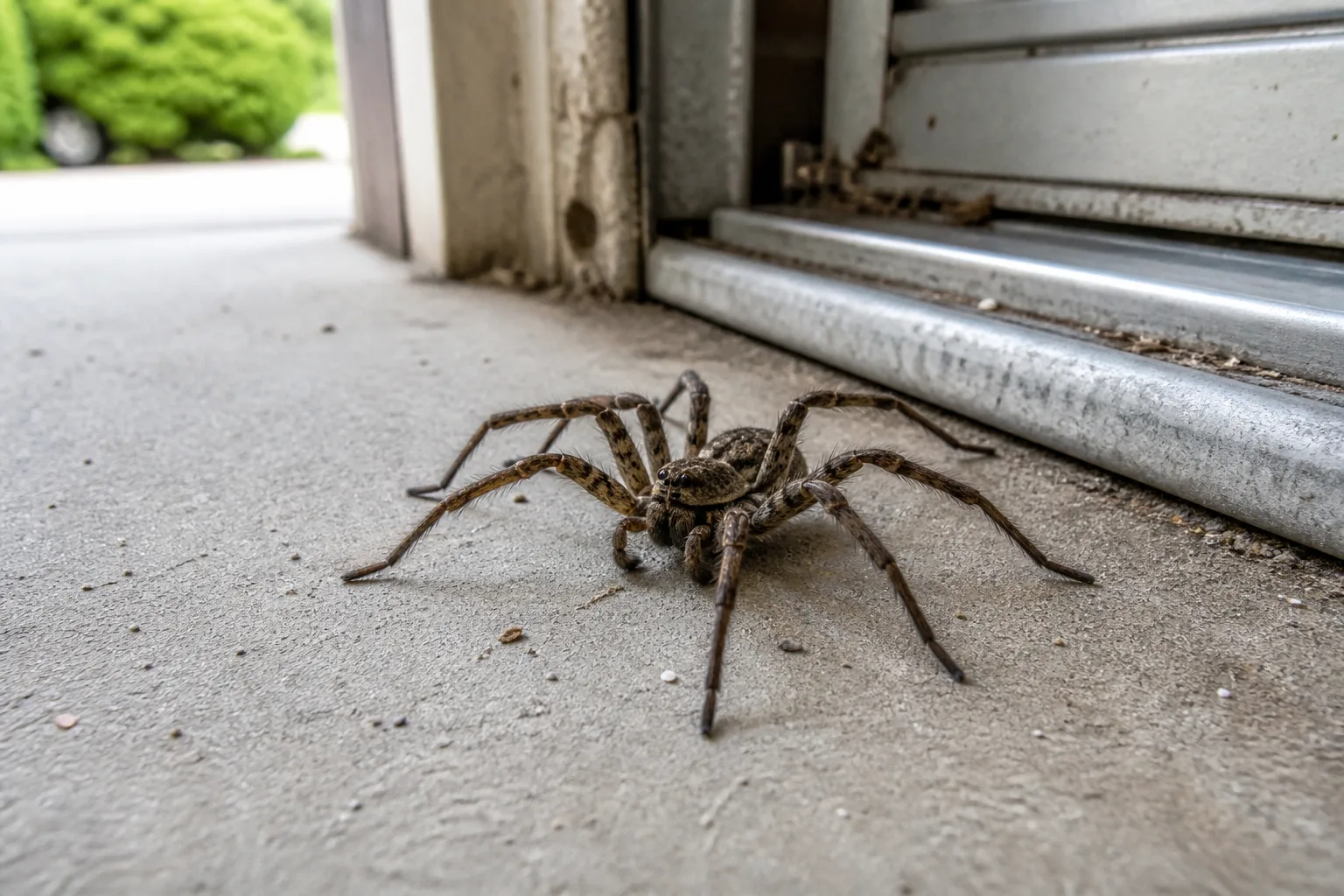
Colorado State University Extension recommends regular vacuuming or brushing of webs at corners, eaves, and window frames. Vacuum the spider too if you are not relocating it. Sticky traps along baseboards in garages and basements catch wandering spiders and document whether numbers are dropping—same tactic we recommend in silverfish prevention.
For occasional indoor spiders, cup-and-card relocation works for harmless species. Identify before you panic: our common house spiders guide separates American house spiders and cellar spiders from black widows and brown recluses by markings, web type, and range.
Residual insecticides labeled for spiders may help when applied to corners and harborage sites per label—not broadcast fogging. CSU notes total-release foggers have little effect on spiders. If you spray, choose pyrethroid products explicitly labeled for indoor spider control, treat cracks and baseboards only, and keep pets and kids out until dry. Aromatherapy-grade oils and scattered mothballs are not substitutes for sealing and cleaning.
Safer Spider Deterrents That Beat Scattered Mothballs
If you want a scent layer after exclusion work, use options with clearer risk profiles and better evidence at entry points. Peppermint and horse chestnut oils show spider-avoidance behavior in lab tests; they fade quickly but are not registered pesticides off-gassing naphthalene in your bedroom. Our what smells do spiders hate walkthrough covers dilution rates, refresh schedules, and pet safety—especially keeping concentrated oils away from cat beds and bird cages.
Diatomaceous earth in dry wall voids or garage corners can desiccate crawling insects (spider prey) when applied lightly in areas pets cannot stir up dust. Sticky traps and increased vacuuming outperform odor alone. None of these replace caulking. They stack on top of it.
For porch and patio concentrations, see how to get rid of spiders on your porch for exterior-specific lighting, vegetation trimming, and sweep schedules that complement indoor work.
When to Call a Pest Control Professional
DIY IPM clears most nuisance spiders. Call a licensed pro when:
- You repeatedly find black widows or brown recluses in sleeping areas, play spaces, or shoes—confirm ID with our common house spiders guide and regional range maps.
- Webs and egg sacs return across multiple rooms after four to six weeks of sealing, cleaning, and prey reduction.
- Someone in the home has a bite with spreading pain, muscle cramps, ulcerating sores, or systemic symptoms—seek medical care immediately; bring the spider or a photo if safe.
- Infestations involve wall voids, cathedral ceilings, or commercial kitchens where ladder work and labeled residual products need professional handling.
Ask for inspection-based IPM: exclusion first, targeted treatment second, not automatic whole-house fogging. A good technician should explain what species they see and what prey is supporting them.
Conclusion
Mothballs are clothes-moth tools for sealed storage, not spider repellent for open living spaces. Off-label use exposes your household to legal risk and real poisoning hazards while doing little to keep spiders away. The durable fix is classic IPM: seal how they enter, dry and clean what attracts their prey, remove webs, and use labeled products only where monitoring shows they are needed. Save the mothballs for airtight wool bins—if the label allows—and let exclusion do the work spiders actually respond to.
If you are weighing scent barriers next, pair structural fixes with the entry-point plan in what smells do spiders hate. If you need species-level peace of mind, start with common house spiders before you reach for any pesticide.



