What Causes Silverfish in Houses and How to Get Rid of Them
Silverfish in the bathroom or basement? Learn what attracts them—humidity, starch, and hidden gaps—and follow a three-week plan to remove and prevent them.
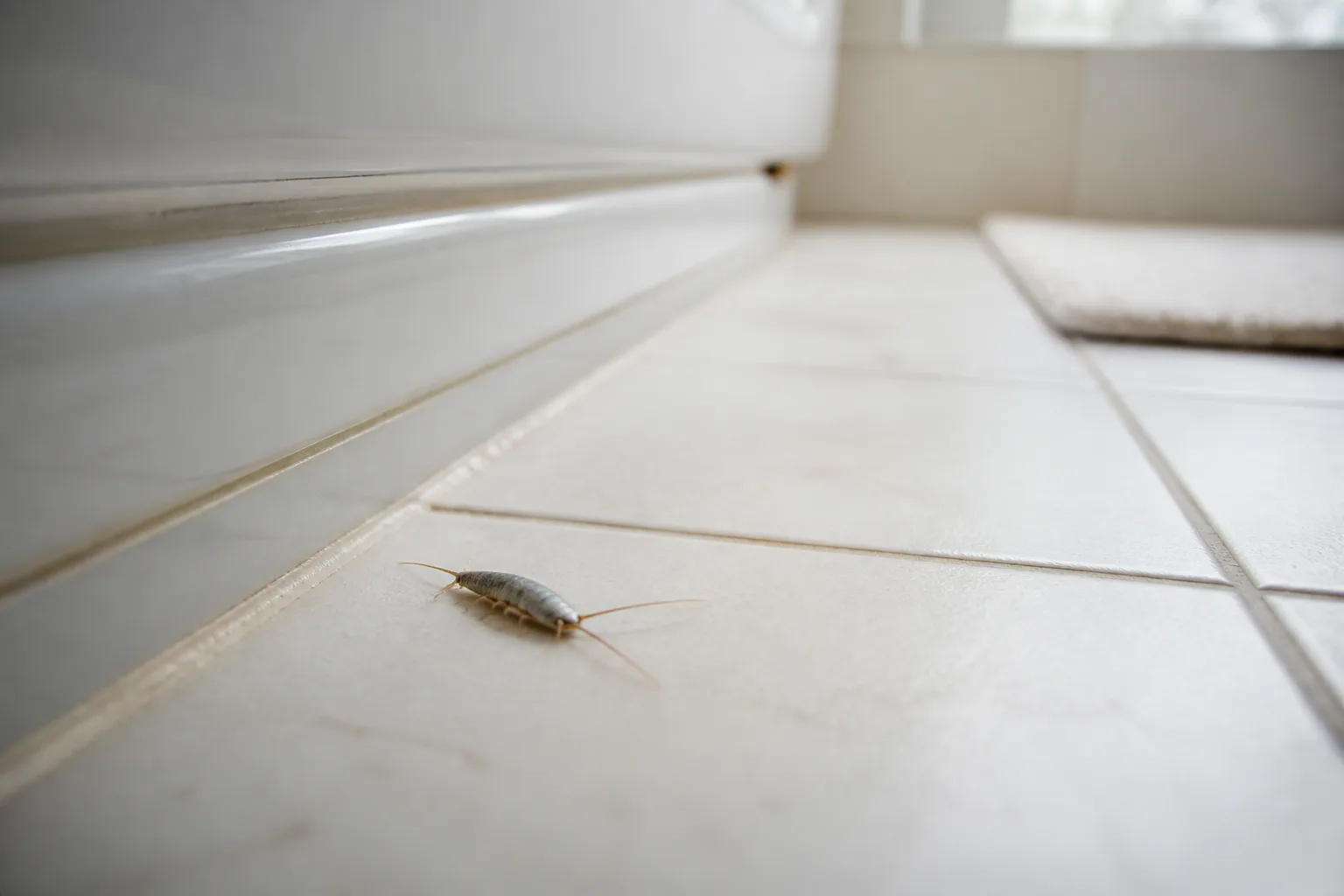
You flip on a bathroom light and a silvery insect darts behind the baseboard before you can react. That flash of movement is unsettling, but it is also useful information: silverfish are telling you something about your home’s moisture, food, and gaps. They do not bite or spread disease, yet they can chew through book bindings, wallpaper paste, starched fabrics, and stored paper if the conditions stay in their favor.
The durable fix is not a panic spray. It is understanding what causes silverfish to move in, then removing those causes in a logical order—monitor, dry, clean, trap, seal, and escalate only when the evidence demands it. This page walks through that sequence so you can protect your belongings without treating every room like a chemical zone.
The short answer: moisture and starch feed the problem
Silverfish enter and stay in homes for three overlapping reasons: high humidity or hidden moisture, accessible starchy or protein-rich food, and cracks or voids that let them hide and travel. Remove the damp microclimate and easy meals, and populations usually shrink even before you reach for insecticides.
If you need the fastest mental model, use this triage table before buying products:
| What you notice | Most likely cause | First move |
|---|---|---|
| One insect in a dry upstairs room | Accidental wanderer or hitchhiker | Trap and inspect nearby storage |
| Repeat sightings in a bathroom or basement | Chronic humidity or a slow leak | Check RH, fans, and plumbing |
| Notched paper, book glue damage, or fabric stains | Active feeding near a harborage | Move storage, vacuum edges, set monitors |
| Insects along baseboards in multiple rooms | Established population in voids | Dry + trap + targeted crack treatment |
For a deeper removal walkthrough after you identify the pest, see our guide on how to get rid of silverfish. If your main question is blocking entry routes, how silverfish get inside covers gaps, cardboard imports, and construction voids.
What silverfish are (and how to spot them fast)
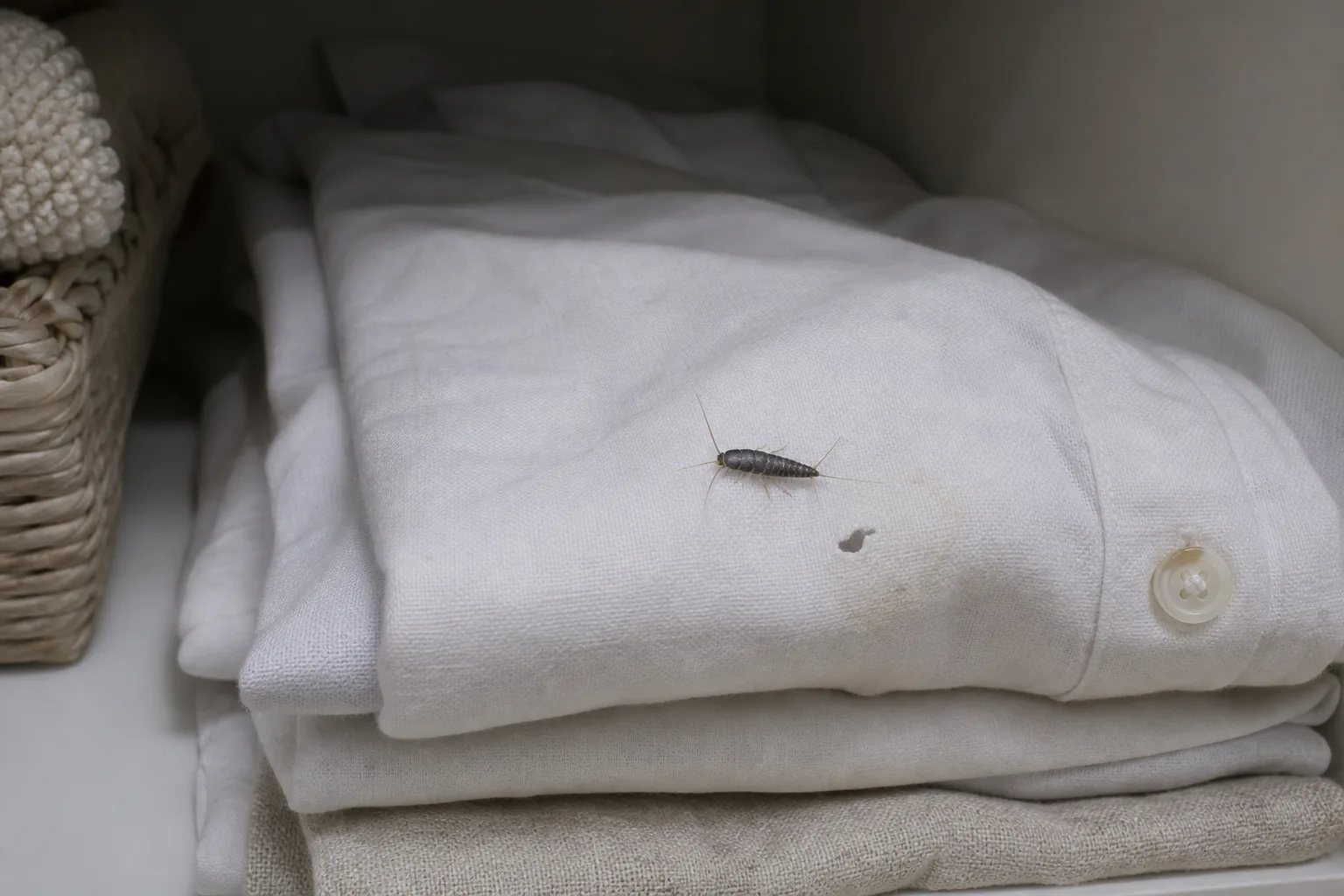
The common silverfish, Lepisma saccharina, is a small, wingless insect with a flattened, tapered body, two long antennae, and three bristle-like tail filaments. Adults are usually shiny silver or pearl gray and roughly one-half to three-quarters of an inch long. They run quickly—often with a fish-like wiggle—and are mostly active at night.
Penn State Extension describes silverfish and their close relative firebrats as nuisance bristletails that can damage cereals, books, papers, wallpaper, and other starchy materials. Their flat bodies let them disappear into cracks so narrow you would never notice them without a flashlight. Immature bristletails look like smaller adults and develop scales after several molts.
Silverfish vs firebrats and common look-alikes
Misidentification sends you to the wrong room. Firebrats (Thermobia domestica) share the same three tail bristles but prefer hot, humid microclimates—furnace rooms, hot-water pipes, attics in summer, and areas above 90°F. Silverfish favor cooler damp zones such as basements, bathrooms, and book storage on exterior walls.
| Feature | Silverfish | Firebrats |
|---|---|---|
| Color | Silvery-metallic gray | Mottled brown-gray |
| Temperature preference | Cool, damp | Warm, humid |
| Typical rooms | Basement, bathroom, closet | Near boiler, water heater, hot attic |
| Control emphasis | Dehumidify cool zones | Fix heat + moisture at appliance walls |
Booklice, carpet beetle larvae, and cockroach nymphs are common look-alikes. If you only saw a blur, place a sticky monitor or photograph the next specimen on white paper before choosing pesticides. Identification changes where you inspect and prevents unnecessary chemical exposure.
Damage and allergy signs that confirm the pest
One silverfish in a bathtub may have fallen in and become trapped—they generally do not crawl up through drains. More convincing evidence is a pattern: repeated nighttime sightings in the same room, pepper-like fecal specks in corners, pale scales or cast skins under stored items, and irregular scraping on paper, envelopes, wallpaper, or starched fabric.
Silverfish do not bite humans, but shed scales may aggravate allergies in sensitive people when populations grow large (PubMed: silverfish allergens). The practical urgency is protecting valued paper and textiles and fixing moisture problems that also risk mold and structural decay—not medical treatment.
For fabric damage comparisons, our article on insects that eat holes in clothes helps separate silverfish grazing from moth and beetle damage.
What causes silverfish to move into houses
Silverfish are ancient insects that lived in damp outdoor refuges long before houses existed. They do not invade because your home is “dirty.” They invade because a building offers humidity, food, and shelter in combination—and once inside, they can live for years and reproduce slowly but steadily.
Humidity, leaks, and the microclimates they exploit
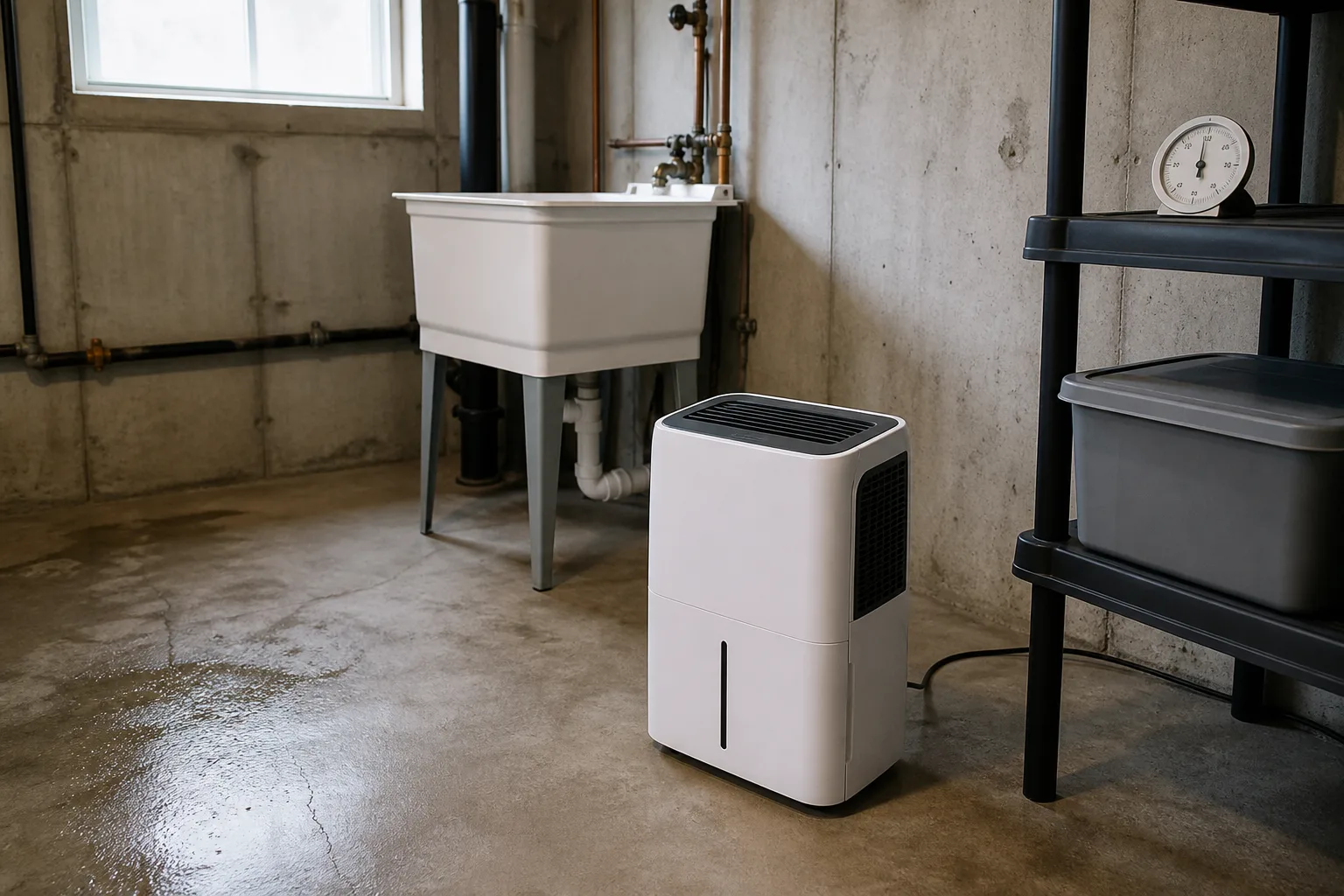
Silverfish lose water easily through their cuticle and are drawn to places where relative humidity stays elevated. Bathrooms after steamy showers, basements with wicking concrete slabs, laundry rooms with unvented dryers, and closets packed against cold exterior walls all create the damp microclimates bristletails prefer.
Penn State Extension notes that silverfish desire cooler temperatures and are usually found in basements, while firebrats tolerate drier air but seek warmth. A practical indoor benchmark is to drive problem zones toward 45–50% relative humidity for several continuous weeks—not necessarily every room in the house, but the specific spaces where you see insects or damage.
Fix slow leaks before you buy traps. A dripping tub surround, sweating pipe, or gutter overflow against the foundation can sustain silverfish even when a room-wide hygrometer looks acceptable. Use exhaust fans after showers, size dehumidifiers to the space, and vent dryers fully to the exterior.
Food sources you may not think of as food

Popular advice says silverfish “eat books,” which is only partly true. Behavioral studies cited by Penn State Extension show bristletails often prefer dried beef extract, dead insects, and high-protein items over pure carbohydrates—though they will scrape cellulose from paper, wallpaper paste, cardboard glue, flour, pet food, and natural fabrics.
That diet detail matters for control. Vacuuming edges removes dust, scales, and insect debris they cannibalize. Sealing dry goods in airtight containers cuts pantry access. Moving rare books off damp basement floors into sealed bins protects bindings while you dry the room. Discarding every sentimental journal rarely clears an infestation if humidity and wall voids remain.
Clutter amplifies the problem: stacked cardboard on concrete, magazines beside exterior walls, and fabric piles in unaired closets all combine starch plus moisture plus hiding places in one package.
How silverfish get inside and spread room to room
Silverfish slip through foundation cracks, gaps under doors, torn screens, and spaces around utility penetrations. Their bodies fit into cracks roughly 1/16 inch wide. They can also hitchhike on infested cardboard, stored books, or fabric moved from a damp garage.
Once indoors, they travel along wall voids, pipe chases, and ceiling gaps, appearing in bathrooms while harboring behind baseboards in adjacent rooms. That is why trap counts in one zone should trigger inspection on both sides of the wall, not just surface spraying in the room where you saw an insect.
Which rooms attract silverfish first
Not every space in a home carries equal risk. Use this room map to prioritize inspection:
Bathrooms combine steam, cellulose toilet paper, and baseboard gaps. Check behind the toilet, under the vanity, and along tub surrounds for condensation.
Basements and crawl spaces offer cool humidity, concrete moisture, and cardboard storage on the slab—one of the highest-risk combinations in older homes.
Kitchens and pantries matter when dry goods sit in paper bags, pet food is left open, or crumbs accumulate in humid corners.
Closets on exterior walls develop condensation when packed storage blocks airflow. Wool and cotton are less favored than starchy sizing, but stains and scale dust still accumulate.
Attics and utility rooms may host firebrats near hot pipes while silverfish feed on stored paper in the same damp season. Treat the temperature profile of each microclimate, not just the insect name.
If you are focused on long-term exclusion after drying, our how to keep silverfish out of your house guide goes deeper on sealing, bait placement, and humidity targets.
A three-week plan to get rid of silverfish
Sprays that kill visible insects often miss eggs and void-dwelling adults. A phased plan gives you feedback at each step and avoids repeating the same mistake—treating chemistry while moisture stays high.
Week 1: monitor, dry, and remove harborages
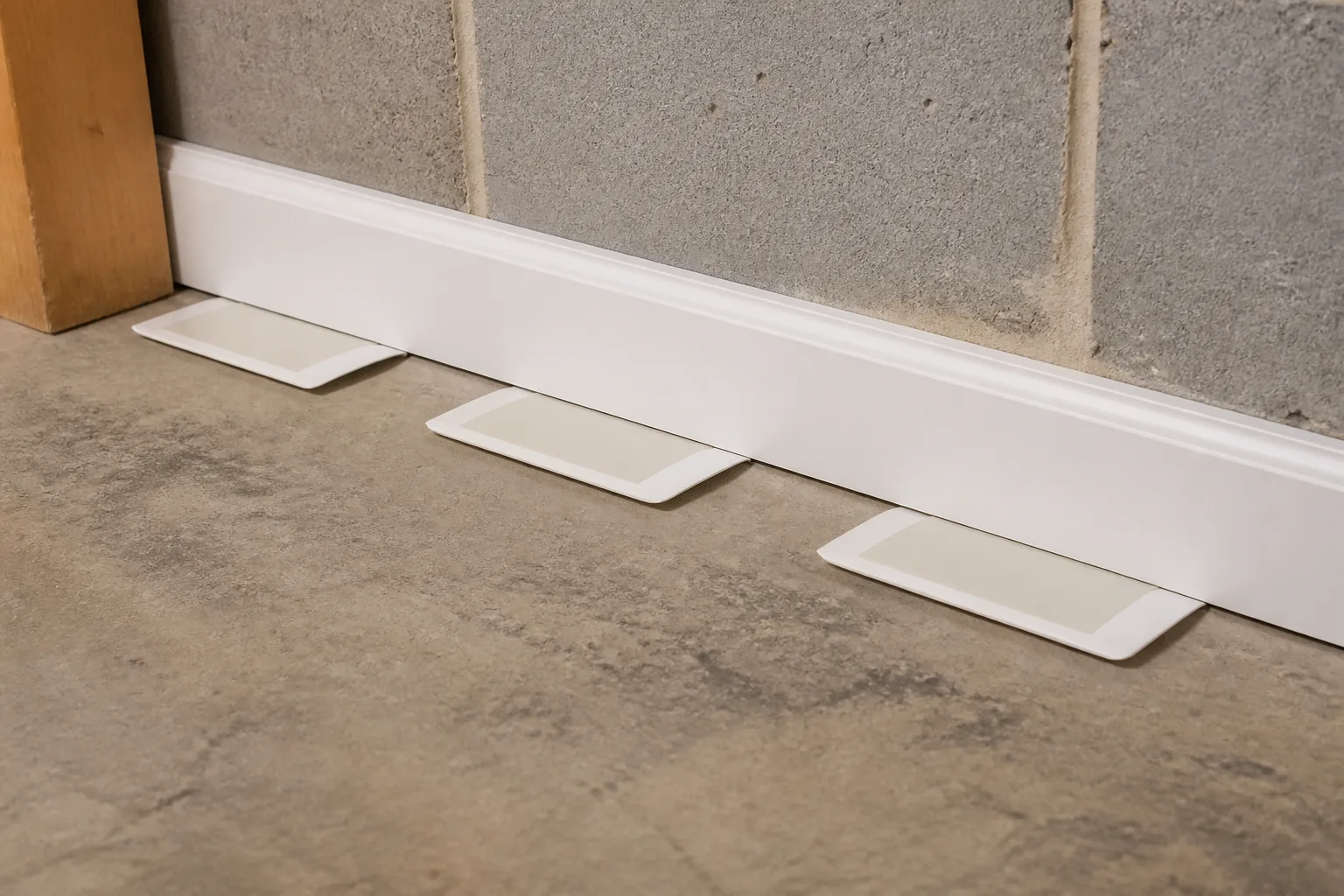
Start with evidence, not product labels. Place plain sticky insect monitors flat where walls meet floors in bathrooms, basement perimeters, and closet corners. Label each trap with date and location, then check every few days.
Simultaneously, lower humidity in hot spots: run bathroom fans 20–30 minutes after showers, empty dehumidifier buckets or install a drain hose, and repair the most obvious leak you find. Move cardboard off concrete onto shelves or sealed plastic totes. Vacuum baseboards, upholstered edges, and closet floors to remove scales and food dust.
By the end of week one you should have a trap map showing where traffic concentrates and a moisture fix in progress. No improvement after seven days usually means an unrepaired leak or an untreated adjacent void.
Week 2: trap, clean textiles, and use desiccants safely
Wash or dry-clean clothing and linens stored in infested zones according to care labels. Shampoo carpets and clean area rugs where you see stains or scales. Continue monitoring—rising catch counts mean the location is still a harborage.
If populations are small and areas stay dry, add food-grade diatomaceous earth as a thin dust in cracks and along inactive baseboards, not as airborne clouds. Gardening Know How emphasizes using food-grade DE—not pool-filter grade—and wearing a dust mask during application until the powder settles. Keep children and pets out of treated areas until cleanup; DE only works while dry.
Jar traps complement dust: tape the outside of a glass jar, add a starchy bait such as a small piece of bread or cereal, and place where monitors show activity. Silverfish climb the tape, fall in, and cannot escape smooth glass.
Week 3: seal gaps and decide if you need stronger control
Caulk baseboards, tub edges, and window casings in rooms with confirmed activity. Add door sweeps on basement entries and seal utility penetrations where codes allow. Sealing damp voids alone will not work—pair exclusion with the drying you started in week one.
If trap counts fall and no new damage appears, stay the course another two to three weeks while eggs hatch and fail in drier air. If catches remain high or book damage spreads, consider boric acid baits or residual dusts labeled for silverfish in inaccessible cracks—never broad carpet sprays in living areas.
The EPA notes that boric acid can control insects when used as directed, but it is toxic if ingested. Treat it as a targeted void tool, not a sprinkle-everywhere fix, and keep it away from children and pets.
Safe removal methods ranked by risk and effectiveness
| Method | Best for | Limitations |
|---|---|---|
| Dehumidification + leak repair | Root cause in damp rooms | Slow; eggs hatch on staggered schedule |
| Sticky monitors | Mapping traffic, small populations | Does not clear wall voids alone |
| Glass jar traps | Catching active foragers | Labor-intensive at scale |
| Food-grade DE dust | Dry cracks and void edges | Useless when wet; inhalation risk during apply |
| Boric acid bait/dust | Persistent hotspots after drying | Toxic if mishandled; must stay dry |
| Scent deterrents (cedar, bay) | Short-term drawer repulsion | Do not kill eggs or clear voids |
| Professional IPM | Multi-room damage, inaccessible voids | Cost; must be inspection-based |
Avoid fogging the whole house. Broadcast sprays contact floors and air while missing insects inside wall voids, and they add pesticide exposure without fixing moisture.
DIY traps that actually catch silverfish
Glass jar trap: Tape the exterior for grip, bait with starch, check nightly, and dispose of captured insects outdoors.
Rolled newspaper trap: Lightly dampen a rolled newspaper tube, place where silverfish travel, and discard after several days sealed in a bag. This aggregates insects but does not replace drying.
Sticky monitors: Lay traps along walls—not open floor centers—and move them toward catch-heavy zones weekly.
Diatomaceous earth, boric acid, and scent deterrents
Cedarwood oil, bay leaves, citrus, cinnamon, and lavender are often cited as repellents. Silverfish may avoid strong scents in a small drawer, but scents do not resolve humidity or void harborages. Use them as optional drawer liners after you dry and clean, not as standalone control.
A diluted cedar spray (roughly 10 drops essential oil in 4 ounces of water) can be applied to closet corners and along baseboards in test areas—avoid saturating fabrics and spot-test first. Replace bay sachets when fragrance fades.
For deeper bait-and-dust placement rules, see how to keep silverfish out of your house.
How to prevent silverfish from coming back
Prevention is the same logic as removal, maintained over time:
Keep problem-zone humidity near 45–50% RH during humid seasons. A hygrometer costs little and tells you whether your dehumidifier is actually winning.
Store starch and protein foods in airtight containers, including pet kibble, flour, pasta, and cereal. Wipe pantry shelves and sweep floors where crumbs collect.
Reduce paper and cardboard clutter, especially on basement concrete. Replace damp moving boxes with sealed totes.
Dust and vacuum regularly along baseboards, behind books, and under furniture. Silverfish feed on dust and dead insects as readily as wallpaper paste.
Maintain exterior drainage: clean gutters, extend downspouts, and grade soil away from the foundation so indoor drying is not fighting wet walls.
Inspect seasonal storage before bringing boxes from garages or sheds into living spaces.
Silverfish are persistent; they can survive weeks without food and over 300 days with water alone (Penn State Extension). They will not “go away on their own” unless you remove the moisture and food that made your home hospitable in the first place.
When to call a professional
DIY IPM handles many light to moderate infestations. Call a licensed pest professional when:
- Book, wallpaper, or fabric damage keeps spreading after four to six weeks of documented dehumidification, trapping, and sealing
- Sticky trap counts stay high in multiple rooms despite RH near 50% in problem zones
- Treatment requires wall void dusting, attic voids, or heat-source areas you cannot safely access
- You rent and structural moisture needs landlord repair—document traps and hygrometer readings first
A qualified technician should inspect, monitor, and propose targeted baits or desiccant dusts—not automatic whole-home fogging. Ask for integrated pest management aligned with EPA IPM principles: identify, monitor, act on thresholds, and prefer least-toxic effective tools.
Earwigs, centipedes, and cellar spiders prey on silverfish outdoors, but you should not rely on house spiders alone to clear an indoor infestation. Biological control is a bonus, not a plan.
Conclusion
Silverfish show up when a house offers them moisture, starchy or protein-rich food, and places to hide. The cause is almost always structural or environmental— a humid basement, a slow bathroom leak, cardboard on concrete, or gaps along baseboards—not a moral failing about cleanliness.
Get rid of them by monitoring first, drying the rooms they prefer, removing easy meals and harborages, trapping survivors, sealing entry routes, and using labeled desiccants or baits only where evidence points. Expect improvement over two to six weeks as humidity drops and eggs fail in drier air, not overnight magic from a surface spray.
Protect the books and fabrics you care about, fix the moisture problems that attracted silverfish in the first place, and escalate to professional IPM only when damage or trap counts prove the voids are beyond safe DIY reach. That sequence is slower than a fogger—but it is the approach most likely to keep silverfish from coming back.



