7 Smells That May Help Keep Spiders Away
Spiders avoid peppermint, horse chestnut, lavender, and other strong scents at close range. Learn which smells work, how to apply them safely, and what to do when aroma alone is not enough.
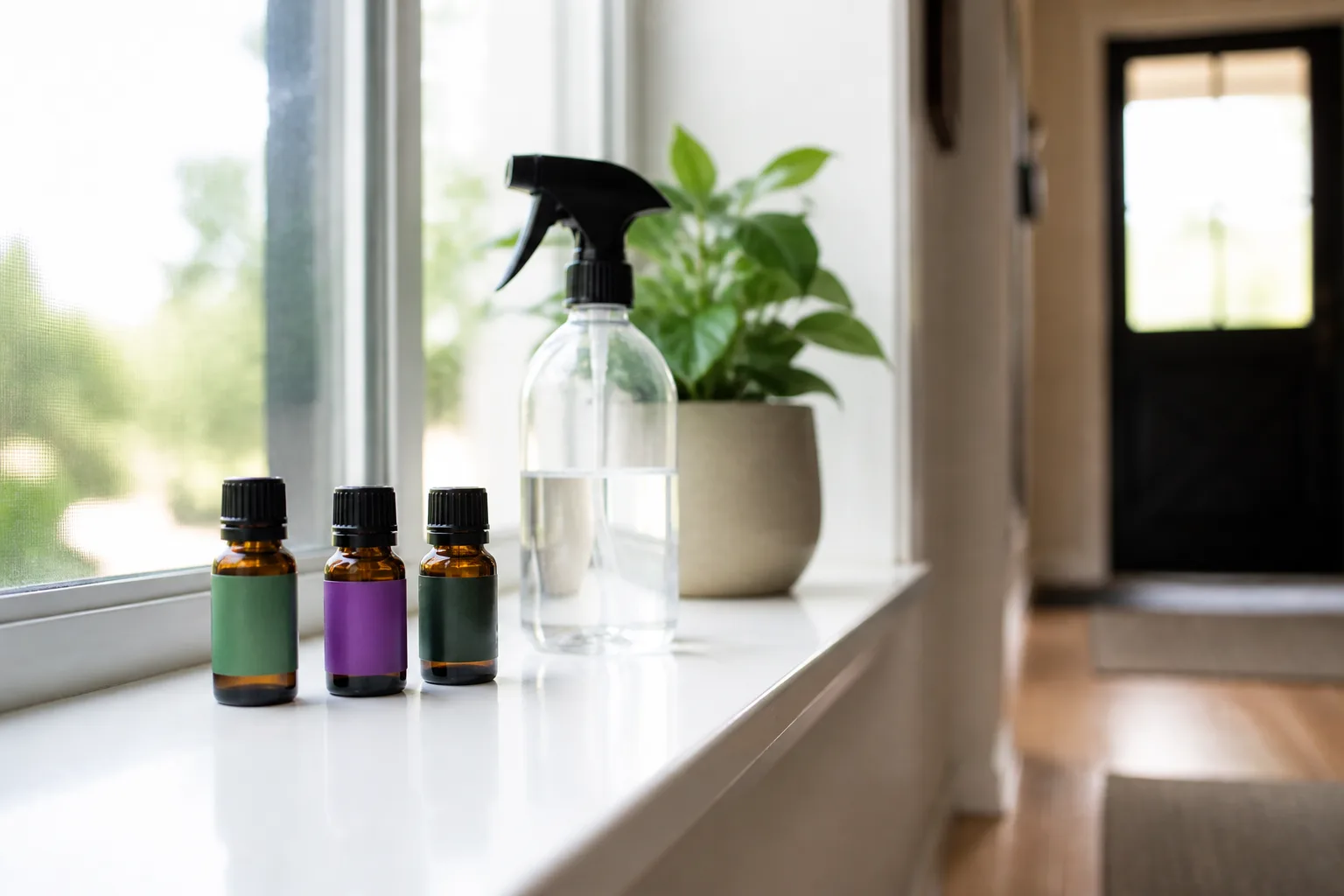
A spider in the bathroom corner is usually doing free pest control. Still, when webs multiply along baseboards or a wolf spider sprints across the kitchen floor at midnight, you want action that works without turning the house into a chemical fog. The seven smells spiders are most likely to avoid at close range are peppermint oil, horse chestnut oil, lavender, basil, thyme, pine oil, and tea tree oil. Used at doors, windows, and other entry zones, they can make your home less inviting — but only as one layer in a larger plan.
Think of these scents as a short-range deterrent, not a force field. Spiders navigate partly by smell, and strong plant volatiles can disrupt that search behavior in laboratory tests. In real homes, aroma fades fast, drifts unevenly, and does nothing about the insects spiders hunt or the cracks they walk through. The winning approach pairs scent barriers with sealing, cleaning, and reducing prey — the same integrated pest management (IPM) logic extension services recommend for spider problems.
The Short Answer: Scents Discourage Spiders at Close Range
If you want a fast starting point, prioritize scents with the strongest spider-specific evidence, then support them with herbs that repel feeder insects. Peppermint oil and horse chestnut oil are the only two scents tested directly against spider settlement in peer-reviewed research. Lavender, basil, thyme, pine, and tea tree have weaker direct spider data but can still help by making entry points smell hostile and by reducing flies, mosquitoes, and gnats that draw spiders indoors.
Place fragrance where spiders cross, not in the center of a large room. Refresh sprays weekly at active thresholds, keep concentrated oils away from pets and children, and run exclusion work in parallel. The UC Statewide IPM Program notes that most indoor spiders are beneficial predators and that focus should stay on removing webs, sealing gaps, and reducing insect prey — not blanket pesticide spraying.
Why Spiders React (or Don’t) to Strong Smells
Spiders are not insects. They do not groom residues off their legs the way ants do, so floor sprays that kill crawling bugs often miss spiders entirely. That is why scent-based barriers target a different mechanism: chemoreception. Spiders use sensory hairs on their legs and pedipalps to detect airborne chemicals, which helps them find prey, mates, and sheltered harborages.
How Spiders Use Smell to Navigate
When you open a bottle of peppermint or tea tree oil, you are releasing volatile organic compounds — especially monoterpenoids such as menthol, linalool, and terpinen-4-ol. In enclosed lab arenas, those volatiles can discourage spiders from settling in treated zones. Researchers propose that spiders avoid these odors because they signal danger, unfamiliar habitat, or respiratory irritation — similar to why many arthropods steer clear of strong botanical oils.
At home, volatiles disperse quickly. A spray that smells sharp on Monday may be imperceptible by Thursday, especially near HVAC returns, sunny windowsills, or frequently opened doors. That is why refresh schedules matter as much as oil choice.
Food Chain Logic: Repelling Prey Versus Repelling Spiders
Many “spider repellent” scents work indirectly. Lavender, basil, thyme, and pine are better documented against mosquitoes, houseflies, and gnats than against spiders themselves. Fewer feeder insects means fewer reasons for a spider to camp near your kitchen trash or porch light. Spiders follow food. If flies cluster around rotting fruit or unsealed recycling, aroma at the far end of the room will not outcompete that buffet.
Smells that attract spiders indirectly include anything that pulls insects indoors: fermenting food, overripe produce, sticky recycling, and bright outdoor lights that draw moths and midges to window screens. Fix those attractants first; scent is a supporting actor.
Peppermint Oil — The Most Studied Spider Repellent
Peppermint oil tops the list because it is the scent most often cited in spider-specific research. In a 2018 study published in the Journal of Economic Entomology, Fischer, Ayasse, and Andrade tested natural compounds against settlement behavior in two spider families. Mint oil volatiles reduced spider settlement in their laboratory arenas — one of the few direct tests rather than internet folklore.
That does not mean a single cotton ball cures a garage infestation. Lab conditions are small, controlled, and short-term. Your front door sees rain, wind, vacuuming, and daily traffic. Still, peppermint remains the best first scent for entry-point sprays and threshold barriers because both direct spider data and extensive insect-repellent literature support it.
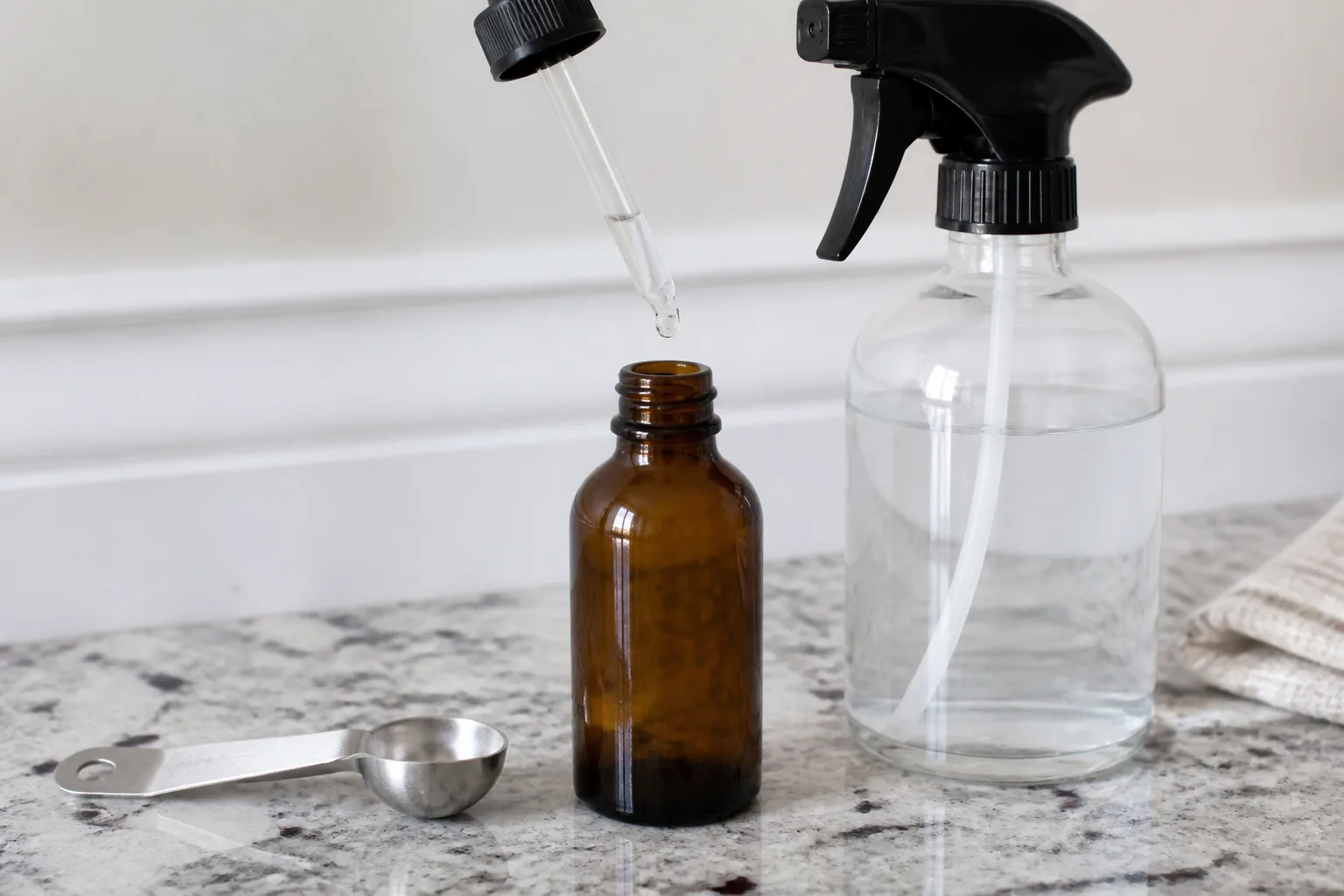
For a basic spray, add 10–15 drops of peppermint essential oil to 16 ounces of water plus 2–3 drops of unscented dish soap to help the oil disperse. Mist door frames, window sills, basement stair corners, and garage thresholds — not entire floors. Reapply weekly or after rain. For a deeper dive on mint chemistry and bug-repellent limits, see our guide on whether peppermint oil repels bugs.
Horse Chestnut Oil — A Surprising Lab-Tested Option
Horse chestnut (Aesculus hippocastanum) is the overlooked scent on most DIY lists. The same Fischer et al. study found that chestnut volatiles also deterred spider settlement in lab tests — putting horse chestnut oil in rare company with peppermint as a compound tested directly on spiders rather than assumed from insect data.
Horse chestnut essential oil is harder to find than peppermint and can be pricey. If you source it, treat it like any concentrated botanical: dilute, patch-test painted surfaces, and keep bottles locked away from pets. Raw horse chestnuts themselves are not edible and are toxic if ingested; the oil is for aromatic use only, never as a food or pet remedy.
Use horse chestnut oil the same way as peppermint — diluted entry spray or oil-dampened cotton balls in discrete corners — and refresh often. Pair it with peppermint in fall when late-summer spider activity peaks and males roam more visibly indoors.
Lavender — Calming for You, Disruptive for Crawling Guests
Lavender is the gentlest scent on this list for human noses and one of the most popular in closet and linen traditions — a overlap shared with moth-repellent sachets. For spiders, direct evidence is thinner than for peppermint, but lavender oil contains linalool and other monoterpenes that many insects avoid at close range.
Dried lavender bundles, sachets, or a few drops of oil on cotton tucked behind entryway furniture can add a low-level barrier without overpowering a living room. Lavender works best in small, semi-enclosed zones: mudroom benches, window-seat storage, and porch cubbies where air moves less aggressively than across an open kitchen.
If you grow lavender, a healthy pot on a sunny sill adds light fragrance and may discourage small flying insects — though a lone houseplant rarely produces enough volatile strength to repel spiders across a whole room. For growing tips, see our lavender care guide.

Basil and Thyme — Kitchen Herbs With Insect-Repelling Chemistry
Basil and thyme belong in the kitchen-herb tier: stronger evidence against mosquito and fly harassment than against spiders directly, but still useful when you want edible, pleasant-smelling deterrents near food prep areas.
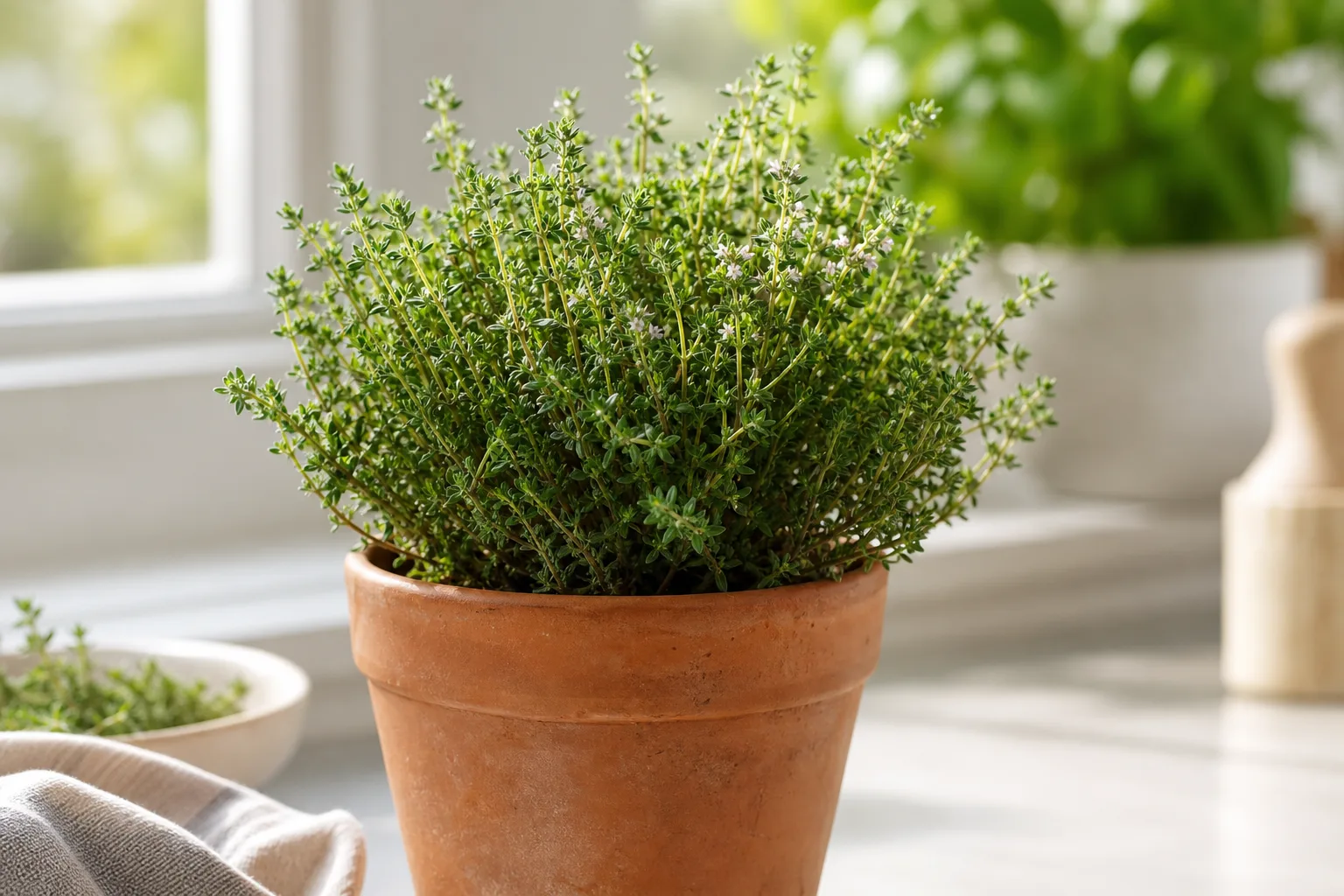
Basil essential oil has documented mosquito-repellent activity in several botanical studies, which matters because mosquitoes near sinks and fruit bowls are classic spider bait. Thyme oil — rich in thymol — shows repellent effects against houseflies and mosquitoes in multiple trials. A thyme pot on a windowsill or a diluted thyme spray along a patio door can shrink the insect buffet that pulls hunting spiders inside.
Harvest and crush fresh leaves for a mild same-day aroma, or use diluted essential oils for a stronger barrier. Never apply undiluted oils to skin, pets, or food surfaces. These herbs shine when you want fragrance plus cooking utility without the medicinal punch of tea tree.
Pine and Tea Tree Oils — Strong Notes With Safety Trade-Offs
Pine oil and tea tree oil (melaleuca) bring intense volatile profiles that many insects avoid. Pine-based cleaners have long been marketed for pest deterrence, and tea tree is widely used against fleas, ticks, and other parasites — reducing secondary prey that can interest spiders in pet zones.
They also carry higher safety baggage. Tea tree oil can harm cats and dogs when concentrated oil contacts skin or is ingested; the ASPCA notes that even small amounts of melaleuca may cause serious signs in pets. Pine oil can irritate airways and harm cats. If you have birds, skip diffused tea tree and pine entirely — avian respiratory tracts are especially sensitive.
When you use these oils, restrict them to hard, washable surfaces at entry points, dilute heavily, ventilate well, and never mist bedding, pet beds, or children’s play areas. If pets share the space, peppermint or lavender at low concentration is usually the safer first choice.
Which Spider-Repellent Scents Do Not Work (Including Lemon Oil)
Not every citrus rumor deserves shelf space. The Fischer et al. study tested lemon among other compounds and did not find it effective for deterring spider settlement — despite lemon’s popularity in DIY cleaning mixes and social-media sprays.
Vicks VapoRub and other menthol balms are another gray zone. Menthol smells sharp, and spiders may avoid freshly applied globs, but these products are not registered or studied as spider repellents. They can stain trim, attract dust, and create pet ingestion risk if left in reach. Use mentholated rubs for colds, not baseboards.
Citronella, eucalyptus, and rosemary often appear on generic “bug spray” lists. They may repel mosquitoes on a porch — useful indirectly — but do not assume they replace peppermint or chestnut at spider-heavy thresholds without testing in your own entry zones.
How to Use Scent Barriers Without Making Your Home a Hazmat Zone
Strength and placement beat brand names. Spiders encounter scent along travel paths: door sweeps, window tracks, garage jambs, utility penetrations, and the junction where carpet meets baseboard. A mist in the middle of the ceiling does little; a light film where legs cross does more.
Water-Based Entry Sprays and Refresh Schedules
The most practical delivery method is a labeled spray bottle used only for pest deterrents — never reuse a bottle that held cleaners.
Basic peppermint entry spray
- 16 oz water
- 10–15 drops peppermint essential oil
- 2–3 drops unscented dish soap
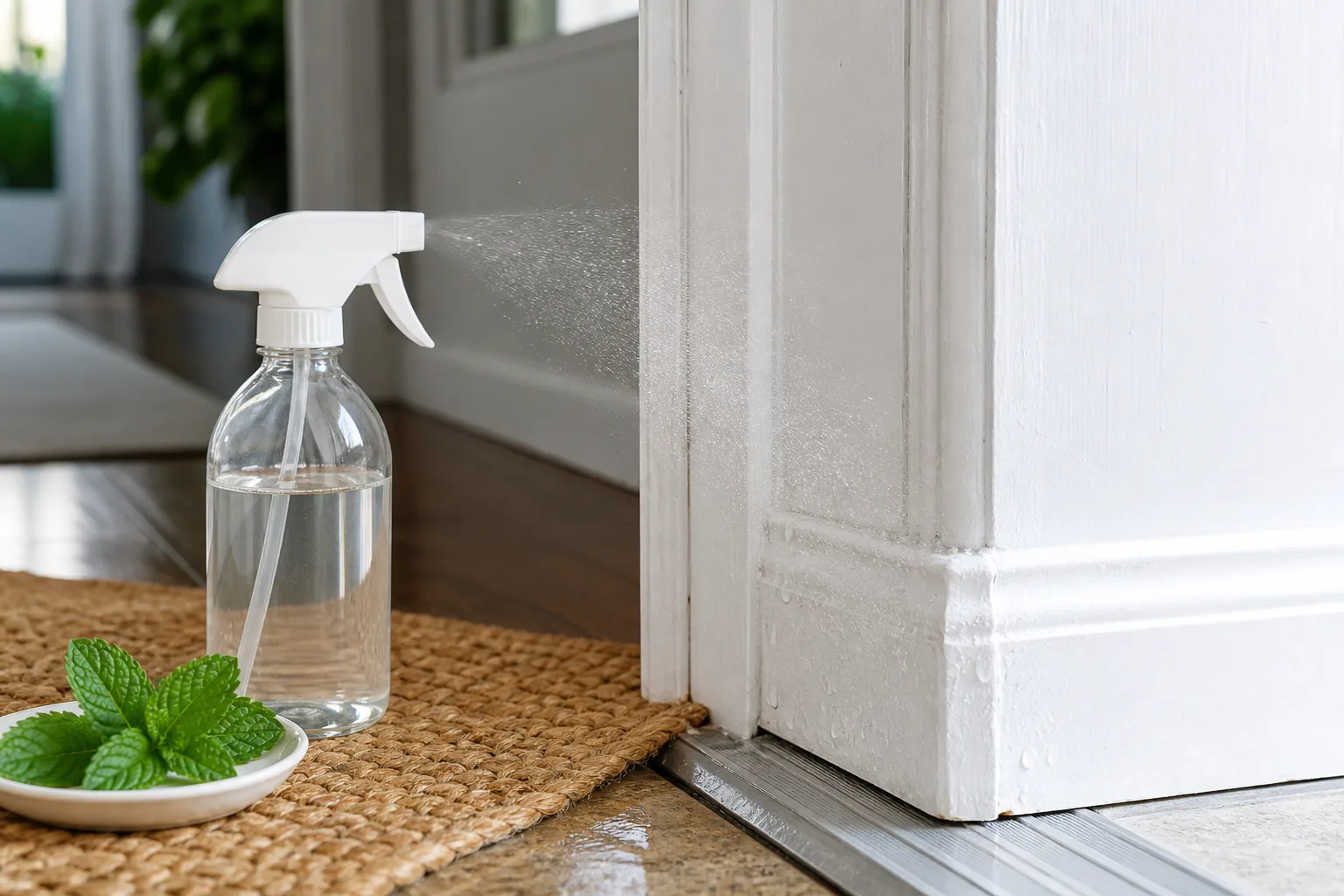
Shake before each use. Lightly mist vertical surfaces and thresholds; avoid soaking carpet, unfinished wood, or fabrics. Refresh weekly in spider season, after heavy rain on exterior doors, or whenever you can no longer smell the mint when standing at the entry. In low-traffic storage rooms, every two weeks may suffice.
Test any spray on a hidden patch of paint or varnish first. Essential oils can dull finishes or leave oily marks on porous stone.
Diffusers, Cotton Balls, and Live Fragrant Plants
Ultrasonic or reed diffusers can maintain background aroma in a mudroom or closed porch, but keep them where pets cannot knock them over. Poison Control warns that diffuser liquids — often essential oil in alcohol — must stay out of reach of children and animals.
Cotton balls saturated with oil, set in a small dish behind furniture or inside a ventilated closet, work for tight zones. Replace when dry; a scentless cotton ball is decoration.
Live plants — peppermint, lavender, basil, thyme — add mild fragrance and may reduce small flying insects near windows. As Gardening Know How notes, aromatic plants are most useful when placed where spiders actually enter, not as a single token pot in a distant bedroom. Healthy growth and occasional leaf crushing release stronger volatiles than a stressed, dry herb on a dark shelf.
Seal, Clean, and Starve Prey — What Scents Cannot Replace
Scent is the last mile, not the foundation. The UC IPM spider guide emphasizes sealing cracks, good screens, reducing clutter near foundations, and vacuuming webs and egg sacs — steps that permanently lower spider habitat quality.
Run this parallel checklist while you deploy smells:
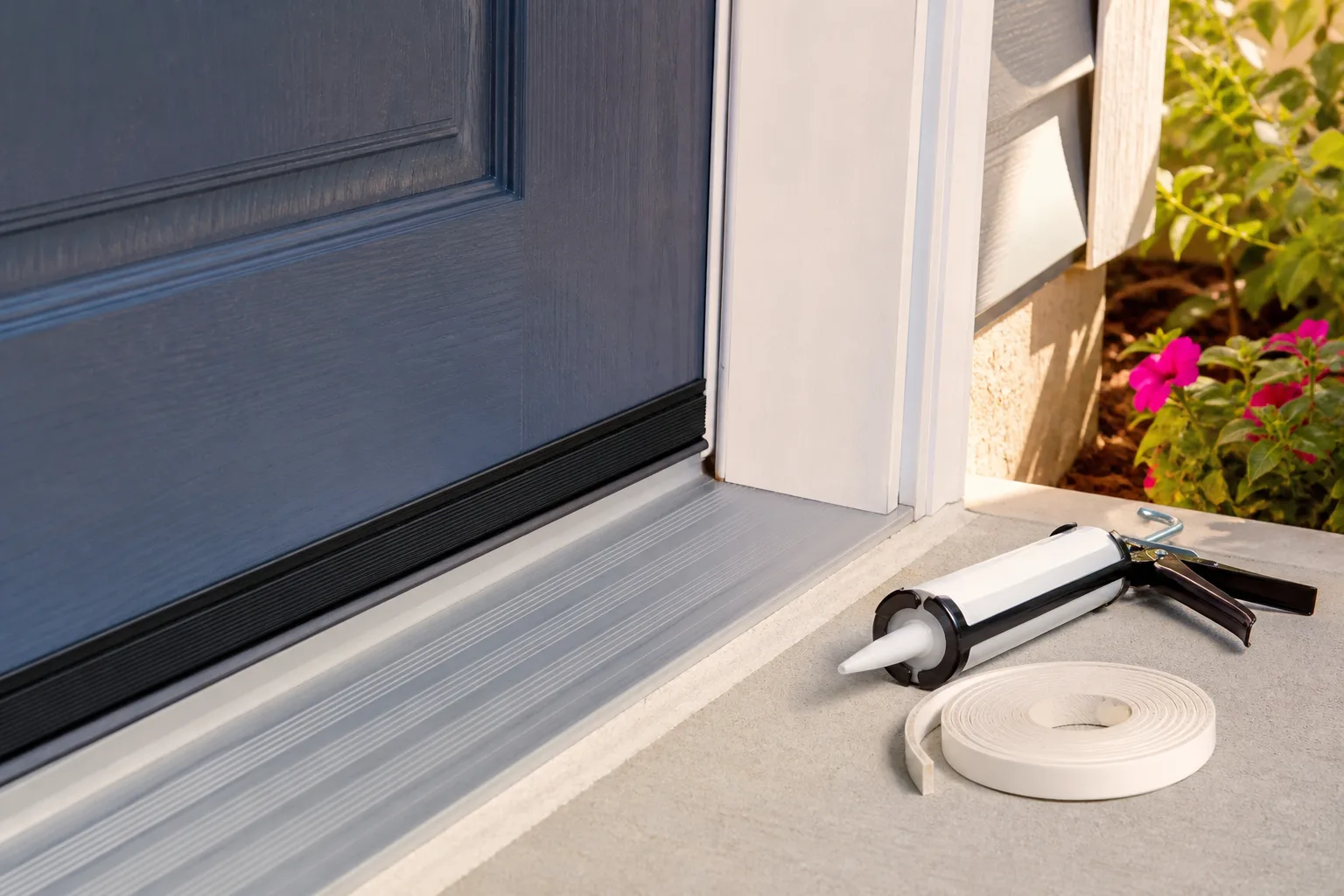
- Install tight door sweeps and repair torn window screens.
- Seal gaps around pipes, cables, and dryer vents with appropriate caulk or foam.
- Store firewood, pots, and debris away from exterior doors.
- Use trash cans with lids; rinse recycling that held sugary residues.
- Dim or redirect outdoor security lights that pull insects to entries — a major spider draw.
- Vacuum corners, behind furniture, and garage rafters monthly during peak season.
Spiders are mostly beneficial outdoors and in low numbers indoors. If you only have occasional cellar spiders in ceiling corners, consider leaving them to catch gnats. Intervention makes sense when species of concern appear, webs return daily in living spaces, or arachnophobia makes the home feel unlivable.
For porch-heavy problems, pair indoor scent work with our porch spider reduction guide.
Pet, Child, and Airway Safety Around Essential Oils
Concentrated essential oils are not harmless because they are natural. Poison Control notes that swallowed oils can cause serious poisoning in children, and undiluted skin contact may trigger rashes or airway irritation. Peppermint oil is common in flavorings at tiny food doses; that is not the same as leaving a open bottle where a toddler can reach it.
The ASPCA advises keeping oils up and away from pets, avoiding direct application to animals, and using diffusers only in secured areas pets cannot access. Tea tree deserves extra caution — concentrated melaleuca has caused illness in dogs and cats at surprisingly small volumes. Birds should not be exposed to diffused essential oils at all.
If anyone in the household has asthma or chronic lung disease, treat strong pine and tea tree sprays as indoor air pollutants unless ventilation is excellent. When in doubt, restrict scents to exterior thresholds and garage entries rather than bedrooms.
When Scent Is Not Enough — Escalation Steps
Move beyond aroma when you see daily new webs in multiple rooms, egg sacs behind furniture, venomous species (black widows in known range), or spiders despite sealed entries and clean prey control. That pattern signals habitat or access you have not fixed yet — or a population already established indoors.
Escalation ladder:
- Deep clean and vacuum all webs, sacs, and visible spiders; empty the vacuum outdoors.
- Re-inspect exclusion with a flashlight at night — gaps visible when indoor light leaks out are spider highways.
- Reduce insects with proper food storage, fly traps, and outdoor lighting changes.
- Localized mechanical removal — jar-and-paper catch-and-release for single wanderers.
- Professional help if venomous spiders persist in undisturbed storage, or if phobia-level infestations need structured treatment.
Avoid broad indoor foggers for spiders. They rarely contact spiders in webs, may leave unnecessary pesticide residues, and do not stop new spiders while prey and gaps remain. Sorptive dusts in wall voids and attics are sometimes used by professionals in enclosed spaces; that is beyond typical DIY scent strategies.
Conclusion
Peppermint and horse chestnut oils have the strongest direct spider-repellent evidence; lavender, basil, thyme, pine, and tea tree add useful barriers and prey reduction when used at entry points. None of them replace sealing cracks, cleaning insect attractants, or vacuuming webs — the work that actually changes why spiders stay.
Start with a diluted peppermint spray on doors and windows, refresh it weekly through spider season, and run exclusion chores at the same time. Skip lemon oil for this job, treat tea tree and pine carefully around pets, and escalate to mechanical cleaning and professional identification if venomous species or heavy infestations appear. Used with realistic expectations, these seven smells can make your home feel less welcoming to eight-legged guests — without pretending aroma alone keeps them away for good.



