Winter Protection for Pruned Shrubs: What to Do
Did you prune shrubs this year? See whether you need burlap, mulch, or rodent guards—and when late pruning changes the winter plan.
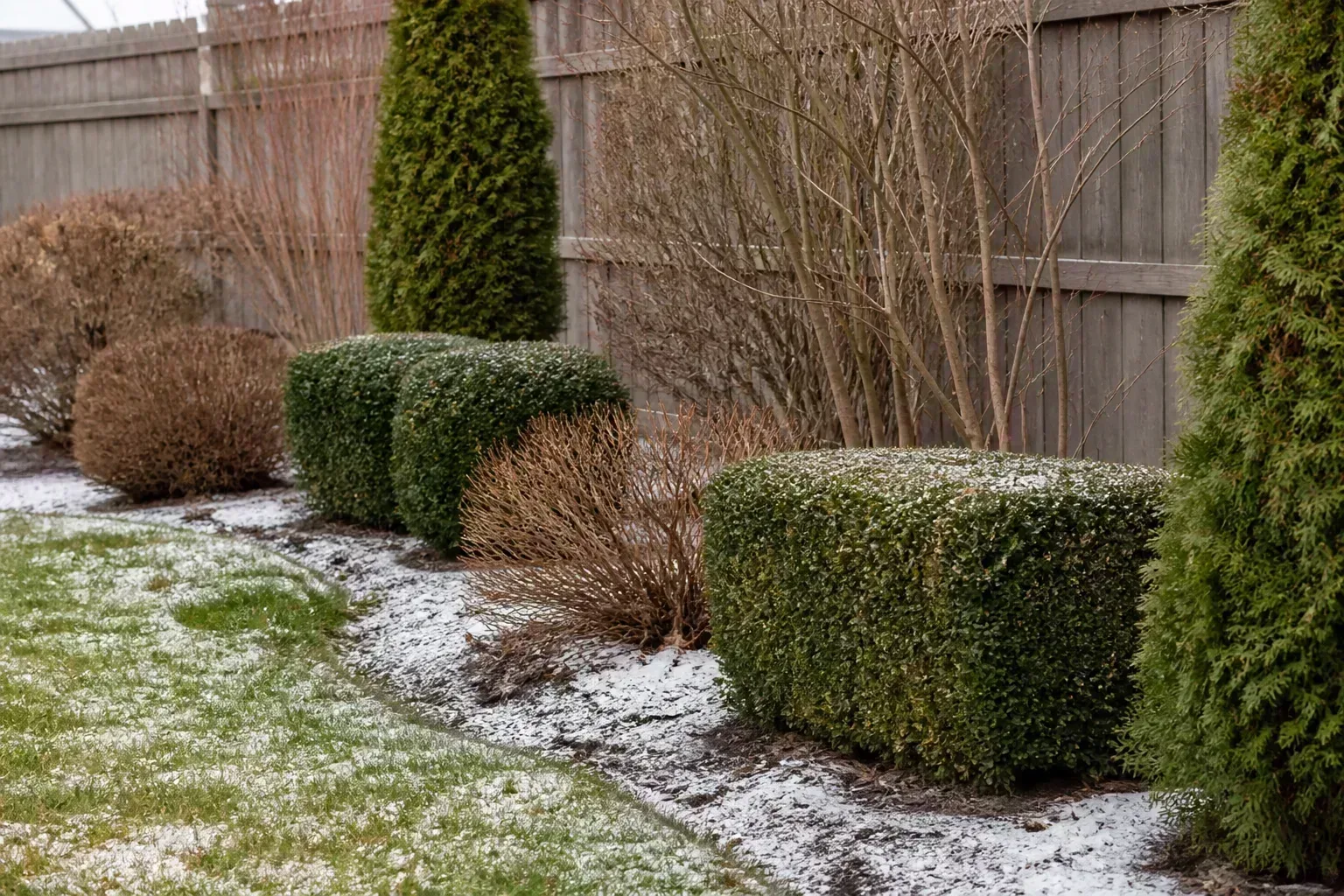
If you trimmed shrubs during the growing season and now see neighbors swaddling evergreens in burlap, it is easy to assume your plants need the same emergency treatment. They usually do not. Pruned shrubs in USDA hardiness range do not need special winter protection just because they were cut—the same fall and early-winter care you would give any landscape shrub is enough for most yards.
The confusion comes from mixing two different questions: whether pruning created new vulnerability, and whether your site and plant type already needed wind screens, mulch, or animal guards. This guide separates those threads so you spend effort where biology and exposure—not guilt about August hedge trimming—actually demand it.
The quick answer: pruning alone does not require extra wrapping
For established deciduous and hardy evergreen shrubs that were pruned at the correct time of year, standard winterization is sufficient. That means adequate fall moisture, a properly placed organic mulch ring, skipping late nitrogen fertilizer, and—only where warranted—wind or animal protection for newly planted or exposed evergreens.
Horticulture extension specialists routinely field this question because wrapping has become a visible neighborhood ritual. The professional consensus is straightforward: a well-timed prune does not by itself trigger a second layer of winter intervention. What changes the plan is when you pruned, how much wood you removed, whether the plant is evergreen or deciduous, and whether it is new, exposed, or already stressed going into cold weather.
Run this three-question gate before you buy burlap:
Was the shrub pruned during active growth in late summer or fall? If yes, inspect for soft new shoots that may not have hardened—those branches are the risk, not the older wood you thinned.
Did you remove more than about one-third of live wood in one session, or renovate an overgrown hedge? Heavy cuts divert reserves; give the plant mulch and moisture, and postpone further shaping until spring recovery.
Is the plant a broadleaf or needled evergreen in a windy, sunny, or salt-exposed spot—or newly planted this year? If yes, wind screens and root-zone mulch help regardless of pruning history.
If all three answers are no, put the wrap away and focus on the baseline checklist below.
Why a healthy dormant prune rarely changes winter needs
Winter anxiety often assumes that every cut leaves the plant “open” and fragile. That picture is only partly true, and the missing context is timing and plant type.
Deciduous shrubs enter winter with reserves below ground
When deciduous shrubs drop leaves, they move carbohydrates into roots and woody tissue. Pruning during late winter or early spring dormancy—the window covered in our late-winter pruning guide—removes branches the plant was not using for photosynthesis anyway. Food reserves sit below ground, ready to fuel spring regrowth when temperatures rise.
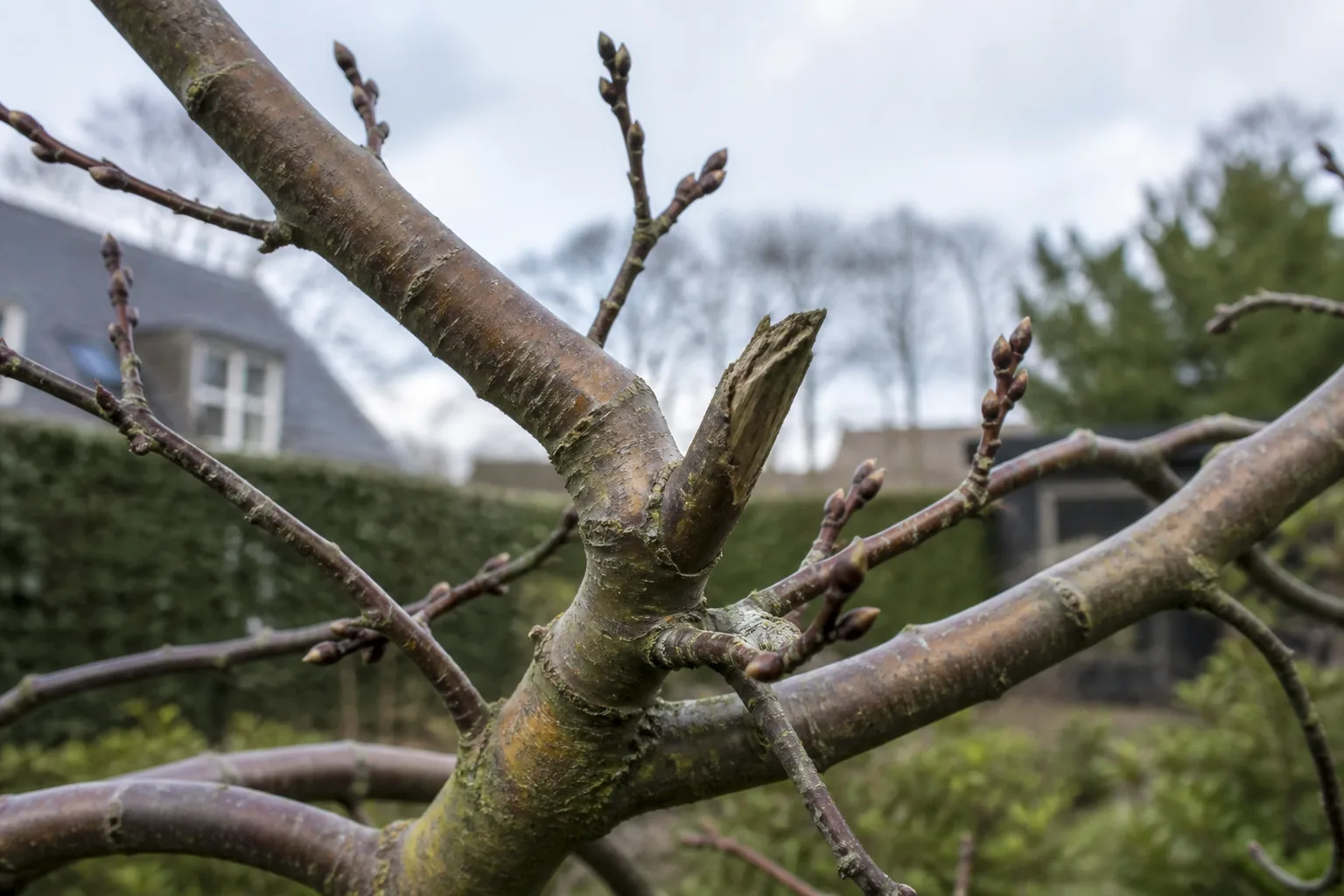
The RHS shrub pruning guide explains the logic plainly: winter-pruned deciduous plants have ample stored resources to regrow and rebalance roots with shoots. Summer pruning, by contrast, strips leaves that are actively feeding the plant right then. That is why dormant timing is preferred for renovation on many summer-flowering species—not because winter wounds need bubble wrap, but because the plant is biochemically prepared to heal and replace wood once warmth returns.
Open cuts and hardiness zone still matter—but differently
Pruning does create wounds, but dormant wood calluses over efficiently as spring growth begins. You do not need wound paint on healthy shrubs; clean cuts just outside the branch collar are the real protection.
Hardiness zone matching remains essential: a shrub rated for your zone that was pruned correctly should survive normal winter lows. Zone labels describe typical minimum temperatures, not every microclimate. A Zone 6 plant in a windy courtyard beside salted pavement can still brown even without a single cut. Pruning did not cause that exposure problem.
What pruning can change is canopy density. Thinning an overcrowded shrub may increase airflow and light to interior branches—usually beneficial. It does not, by itself, require you to replicate a greenhouse around the plant.
When a recent prune DOES raise your winter risk
Pruning is not magically neutral. The calendar and severity of your cuts determine whether you should adjust fall care.
Late-summer and early-fall cuts that push tender growth
Penn State Extension’s winter-burn guidance is explicit: avoid pruning in late summer because pruning stimulates new growth. That soft tissue often lacks the physiological hardening needed to survive winter cold and drying winds. The same article warns against fall fertilization for the identical reason—nitrogen encourages sappy shoots that are more vulnerable to winter burn and cold injury.
This is the scenario worth extra attention. If you sheared a hedge in August or trimmed a foundation planting in early September and see pale new leaves or pliable shoots at the tips, those stems—not the entire shrub—are at elevated risk. You do not necessarily need to wrap the whole plant. Do ensure the root zone enters winter moist, maintain a 2–3 inch mulch ring (without piling against bark), and consider a temporary burlap screen on the windward side if the plant is evergreen and exposed.
Think in terms of growth stage, not guilt. A few corrective cuts on dead wood in October are not the same as a formal hedge shearing that forced a full flush of soft tips. Walk the plant and bend a suspect shoot: if it snaps cleanly and looks woody, winter hardening may already be adequate. If it bends without breaking and still looks bright green on an evergreen, that tissue is the priority for wind screening or—on deciduous species—accepting possible dieback to be pruned out in spring.
For future years, shift cosmetic shearing earlier or wait until dormancy. Our guide on plants you should never prune in winter covers spring-blooming shrubs that lose next year’s flowers if cut at the wrong time—another pruning mistake that winter wrapping cannot fix.
Heavy renovation pruning on stressed plants
Removing a large percentage of live wood in one session—common when reclaiming an overgrown lilac, forsythia, or privet—forces the plant to regrow from stored reserves. The RHS renovation advice recommends feeding and mulching in spring after hard cuts to support vigorous recovery. Entering winter right after renovation is manageable for many deciduous species if they were healthy going in, but drought, disease, or recent transplant stress compound the load.
After heavy pruning, prioritize:
- Deep watering during dry fall weeks while soil is workable
- A broad, shallow organic mulch layer over the root zone
- No further cutting until you assess spring bud break
- Animal guards if bark on remaining trunks is now within rabbit reach
You are supporting recovery, not apologizing for pruning with unnecessary plastic wrap.
Evergreens pruned when they cannot regrow
Evergreens do not follow the same winter script as leafless deciduous shrubs. The RHS evergreen pruning guide notes that autumn and winter pruning can unbalance the root-to-shoot ratio during cold months when the plant cannot replace lost foliage. Evergreens keep leaves through winter and continue losing moisture; cutting heavily in fall removes photosynthetic surface right when roots may already struggle in frozen soil.
If you pruned evergreens late, combine standard winter care with wind protection on exposed sites—especially broadleaf types like boxwood, rhododendron, holly, and mountain laurel. Penn State lists these among plants prone to winter desiccation when frozen ground blocks water uptake while sun and wind pull moisture from foliage. See our evergreen winter mulch guide for species-specific root-zone tactics; mulch helps below ground but does not stop windburn on leaves.
Standard winter shrub care (pruned or not)
Whether or not you touched the shears this year, these steps protect roots and bark—the parts that actually determine survival.
Water deeply while the soil still accepts it
Dry fall soil gets colder faster and lets frost penetrate deeper. Moist (not soggy) soil holds heat better than powder-dry ground around new and established shrubs alike. If autumn has been rainless, soak the root zone slowly until water stops absorbing, then stop once the ground freezes or stays saturated.
Evergreens with broad leaves are especially dependent on fall moisture because they transpire through winter. Penn State recommends deep, infrequent watering during dry fall periods so plants enter winter with soil moisture reserves accessible during brief thaws. Avoid routine winter irrigation on frozen ground—it does not reach roots and can create icy surface hazards.
A practical rule: if you have not had meaningful rain for two to three weeks and soil 6 inches down is dry and crumbly, soak the root zone once before a hard freeze. Use a slow hose trickle or soaker line moved around the drip line rather than a quick sprinkle that only wets the surface. Stop when water pools or runs off. Container shrubs and evergreens beside heated foundations dry out faster than bedded plants in partial shade—prioritize those first.
Mulch the root zone without burying stems
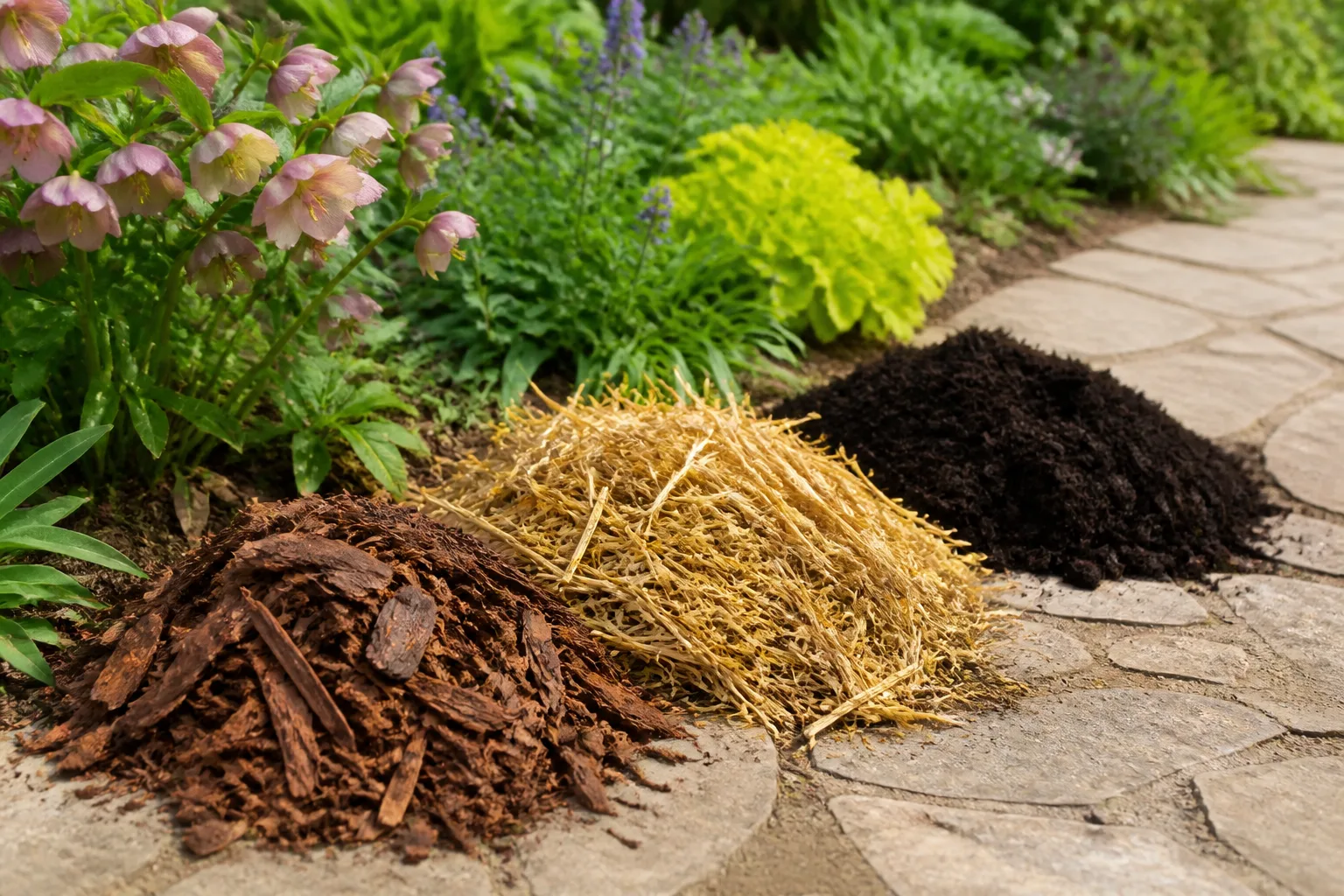
A 2–3 inch layer of shredded bark, wood chips, or compost over the root zone moderates soil temperature swings and slows evaporation. The RHS preventing winter damage guide recommends mulching before winter to reduce compaction and erosion after heavy rain, and to buffer roots against rapid freeze-thaw cycles.
Apply mulch in a doughnut, not a volcano: keep a 3–6 inch bare ring around stems and trunks so moisture does not sit against bark and invite rodents or rot. Refresh only after checking existing depth; piling new mulch atop old packed layers causes more harm than skipping a year.
Hold off on late nitrogen fertilizer
High-nitrogen feeds late in the season encourage lush shoots that will not harden before frost. If soil tests show a need, use balanced or phosphorus-potassium-forward products after leaf drop on deciduous plants, following label rates. When in doubt, fertilize in spring after bud break rather than gambling on October growth.
Extra protection worth adding on exposed sites
These measures help site-stressed plants, including many pruned evergreens on windy lots. They are not a penalty for pruning deciduous shrubs in February.
Burlap wind screens for windburn-prone evergreens
Winter burn (desiccation) browns leaf margins when roots cannot resupply water lost to sun and wind. Penn State Extension recommends burlap or canvas screens on stakes placed 2 feet outside the drip line on south and west exposures, with the top left open for air movement. Attach fabric to 4–5 foot stakes; do not pack leaves inside, which invites voles to girdle bark.
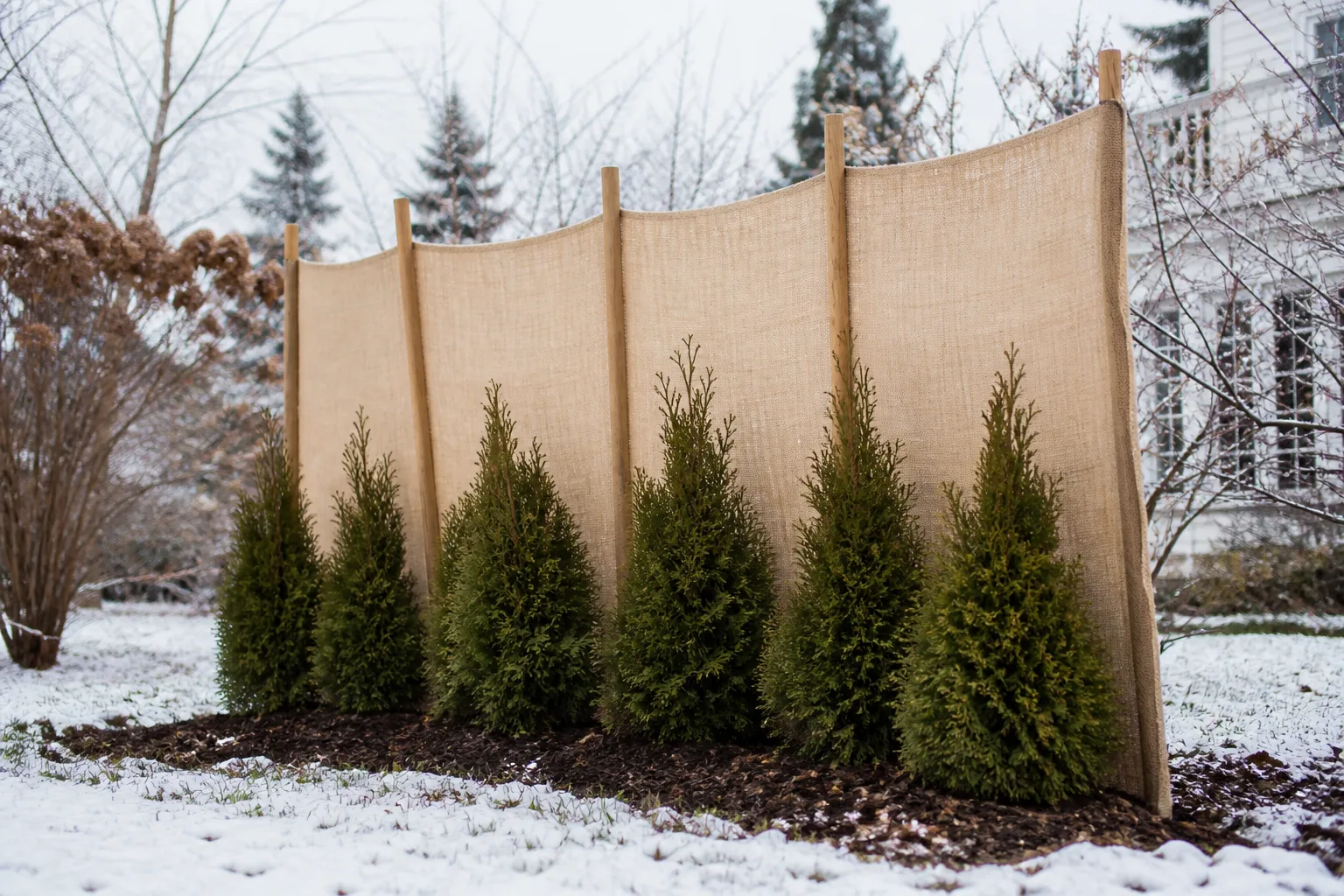
Screens are most valuable for newly planted evergreens, marginally hardy species, and plants whose hardiness zone matches your garden’s—meaning they lack extra cold tolerance. Remove wraps promptly in spring when temperatures stay above about 28°F (-2°C) so buds do not heat prematurely.
This is wind management, not pruning recovery. A dormant-pruned panicle hydrangea in a sheltered backyard rarely needs a screen; a freshly shaped boxwood hedge beside a salted driveway often does.
Rodent and deer guards on young bark
When herbaceous food disappears, rabbits, voles, and deer gnaw bark, twigs, and flower buds within reach—including on shrubs you shortened, which may now place tasty stems closer to the snow line. Install plastic tree tubes or hardware cloth cylinders before the first lasting snow, extending high enough to account for snow depth.
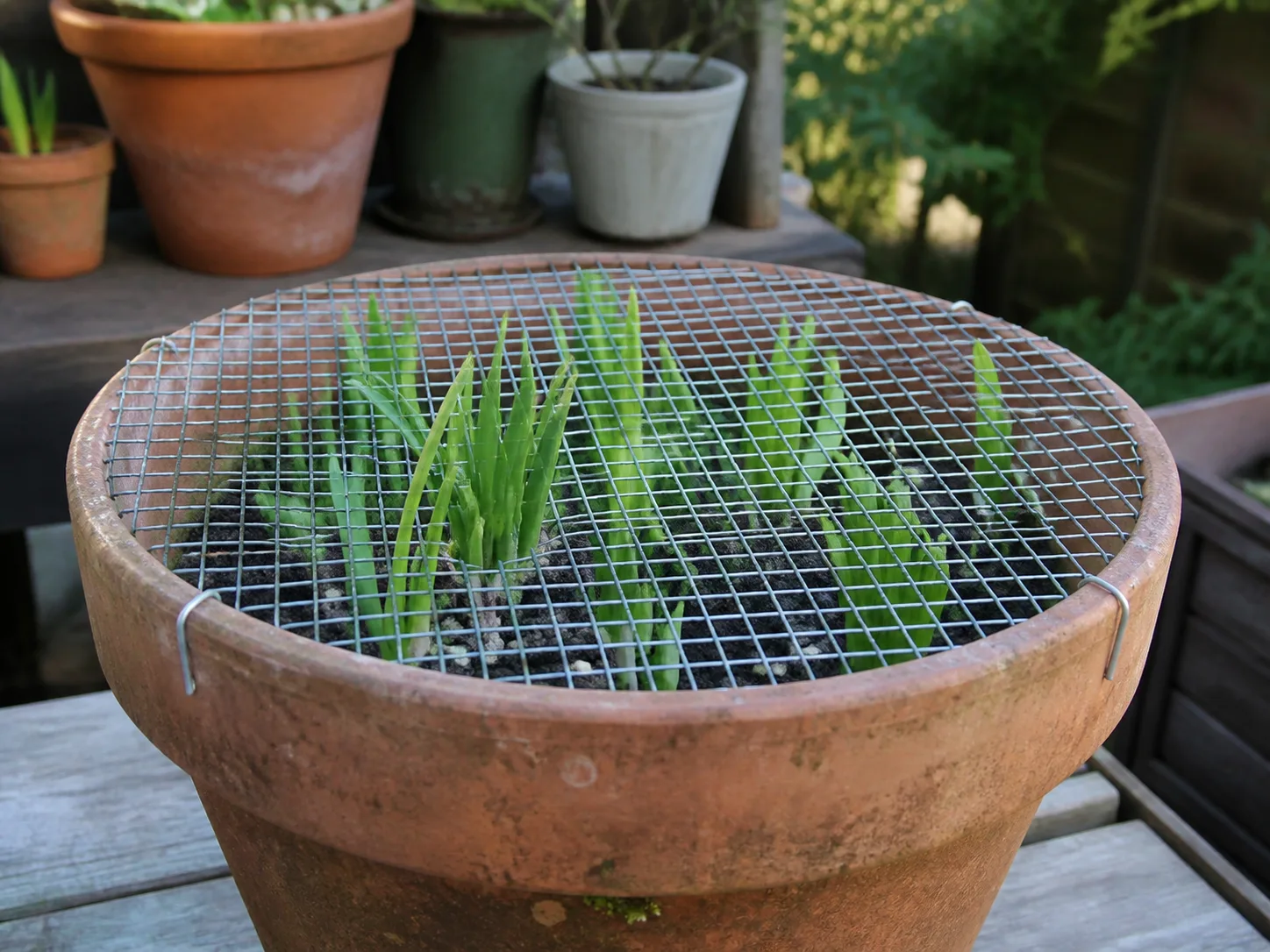
Check guards monthly for rubbing, moisture buildup, or insects. Remove or adjust restrictive wraps in spring so trunks can expand. Deer browsing on evergreens may require fencing beyond individual tubes if pressure is heavy.
Fill settlement cracks around new plantings
Newly planted shrubs settle as backfill compacts. Open cracks along the root ball admit cold air and can damage fine roots. Walk the planting area before freeze-up, firm soil gently, and water to settle voids. This matters most for first-winter transplants, independent of whether you removed a few crossing branches at planting time.
Match protection to your site—not your neighbor’s wraps
Visible burlap along a street does not diagnose your yard. Before copying the look, audit microclimate:
- Wind: Prevailing winter wind plus reflected sun from pavement increases desiccation on evergreens.
- Snow: Stable snow cover insulates roots and foliage; bare windy ridges suffer more.
- Drainage: Saturated frozen soil kills roots; correction beats wrapping.
- Salt: Melt runoff from walks and roads concentrates on downhill shrubs.
- Plant age: First- and second-year shrubs lack established roots; they merit more care than a ten-year-old ninebark you thinned in March.
A shrub listed for your USDA zone in a protected courtyard may need nothing beyond mulch and one deep fall watering. The same species on an open northwest corner may need a wind screen whether or not you pruned it last year.
Walk your property on a windy day and note where gusts hit hardest—often the gap between buildings, the top of a slope, or the windward edge of an open lawn. South- and west-facing evergreens beside driveways receive reflected heat and light that increase moisture loss even when air temperature is cold. Those are placement problems first and pruning problems second. Moving a struggling new shrub in early spring beats wrapping it every winter because you pruned it correctly in March.
Climate variability adds uncertainty. Mild winters can prevent deep dormancy, increasing frost and scorch risk on evergreens—the RHS climate guidance notes that warmer winters may leave plants less hardened when sudden cold snaps arrive. That is a weather pattern problem, not proof that your summer hedge trim caused damage. Keep records: photograph browning patterns, note which screens you used, and adjust the following fall based on outcomes rather than neighborhood aesthetics.
Spring check: what winter did to pruned wood
When temperatures stabilize, inspect before new leaves hide problems:
- Scratch test questionable branches: green cambium under bark means live wood; brown dry tissue can be pruned back to healthy buds.
- Evergreens: brown leaf margins on the windward side often indicate desiccation, not pruning failure. Prune out dead tips after the plant resumes growth, as Penn State recommends, to prevent disease entry.
- Bark: look for rodent girdling at the base and sunscald on southwest-facing trunks of thin-barked young trees.
- Buds: on spring-flowering shrubs you pruned last year at the wrong time, sparse bloom may reflect bud loss rather than winter kill—adjust next year’s timing using our January shrub pruning list for summer bloomers.
Wait until you see active growth before declaring a shrub dead. Many evergreens hold bronzed foliage through winter that greens up in May. Deciduous shrubs can leaf out from the base even when top branches died back. If renovation pruning removed most of the top, give the plant a full season to respond before replacing it.
Document what worked. If a screen saved a row of arborvitae, reuse the stakes next fall. If a wrapped plant developed mold or rodent damage, simplify.
Conclusion
Pruned shrubs do not automatically need extra winter protection. Correctly timed cuts on hardy plants in suitable sites should receive the same fundamentals every shrub deserves: fall moisture while soil is open, a proper mulch ring, no late nitrogen push, and targeted guards only where wind, animals, or new establishment create real risk.
Change the plan when pruning happened late enough to stimulate tender growth, when renovation removed a large share of live wood, or when evergreens lost foliage entering a windy winter. In those cases, support roots and block drying winds—do not reflexively duplicate every burlap bundle on the block.
Pruning is a growth-management tool, not a winter-sentence. Match protection to plant biology, timing, and exposure, and you will spend less on wrap and more on the cultural habits that actually carry shrubs through to spring.



