Does Baking Soda Kill Ants? Limits & Fixes
Baking soda alone won't lure ants. Learn when sugar bait helps, why colony kill is unlikely, and what UC IPM-backed baits work faster for kitchen trails.
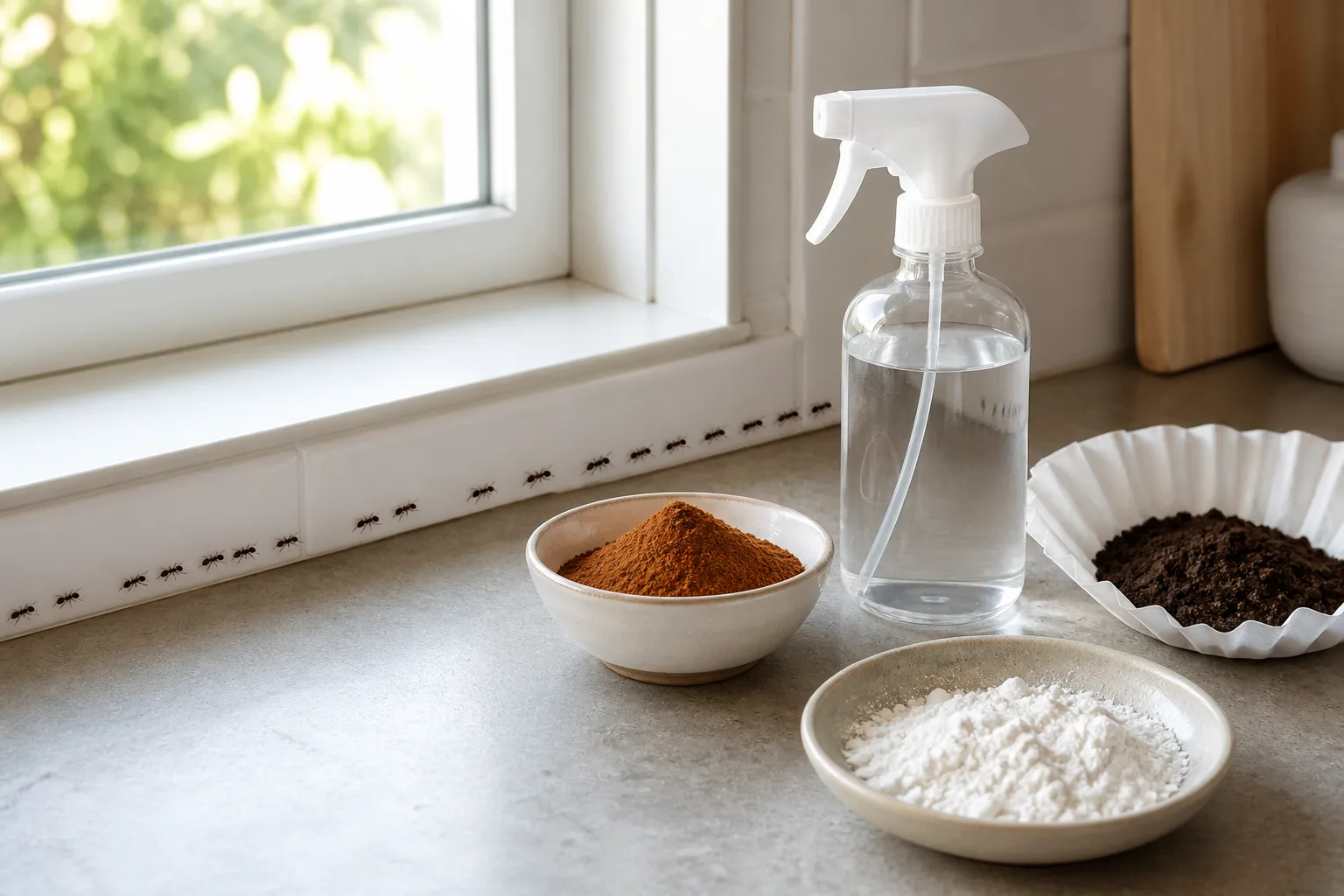
A line of ants across your counter triggers the same pantry reflex: grab baking soda, mix something sweet, and hope the colony disappears overnight. Pest management references and extension IPM programs paint a less dramatic picture. Baking soda can kill individual ants that eat enough of it, but it is not attractive on its own, does not reliably reach the queen, and underperforms slow baits that extension services actually recommend for household ants.
If you need a single decision rule: treat baking soda as a low-risk experiment for light sweet-feeding trail ants—not as your primary colony killer.
The Quick Answer Before You Mix Anything
Plain baking soda does not lure or kill ants effectively. Ants forage for carbohydrates, proteins, or grease depending on species and season; sodium bicarbonate offers no food signal, so workers usually walk past it (NPIC).
Baking soda mixed with powdered sugar can kill some foragers that consume the blend. The idea is that ingested baking soda disrupts the gut or produces gas—but field evidence for fast, reliable colony elimination is weak compared with borax or boric acid baits, which UC IPM lists among the standard slow-acting toxicants in ant bait products (UC IPM).
Sprinkling baking soda on trails or mounds is mostly cosmetic. You may crush a few bodies on contact, but you are not starving or poisoning the nest underground or in the wall void.
For persistent kitchen traffic, start with sanitation, trail cleanup, and borax-based bait near the trail—not a baking soda perimeter. Our 20 natural ways to get rid of ants guide sorts repellents, killers, and baits so you pick the right tool first.
Why the Viral Baking Soda Trick Oversells the Science
Social posts and home blogs often describe baking soda as a nontoxic bomb: ants eat it, stomach acid meets base, carbon dioxide builds up, and the ant bursts. That story borrows logic from borax bait—which genuinely disrupts digestion at the colony level—without borax’s documented track record.
The acid-and-CO₂ theory—and what ant guts actually do
Ants do produce formic acid as venom and defense spray on some species, but that chemistry happens outside the body. The digestive tract is not a highly acidic chamber waiting to react with swallowed baking soda the way a classroom vinegar-and-baking-soda demo suggests.
Sodium bicarbonate’s desiccant effect—pulling moisture from an insect—is also far weaker than diatomaceous earth, which physically abrades the waxy cuticle and causes fatal dehydration when ants walk through a dry dust film (NPIC DE fact sheet).
So the viral mechanism is plausible-sounding but poorly matched to how ant digestion actually works. That is why entomologists and IPM educators keep steering homeowners toward slow baits with proven toxicants instead of pantry bicarbonate.
Contact kill vs colony kill
Even when a baking soda bait kills workers, you are usually killing expendable foragers. Healthy colonies replace hundreds of workers without threatening the queen or brood. UC IPM emphasizes that baits work because foragers carry slow-acting toxicant back to the nest, where it is shared mouth-to-mouth with larvae, other workers, and queens—often over five to ten days before you see fewer ants (UC IPM).
Baking soda lacks that documented colony delivery pathway. Killing the ants you see on the counter can feel like progress while the nest outdoors—or in a wall void—keeps sending replacements.
| Method | Lures ants? | Typical colony impact | Evidence strength |
|---|---|---|---|
| Plain baking soda | No | None | Low |
| Baking soda + sugar | Sometimes | Weak / uncertain | Anecdotal |
| Borax / boric acid bait | Yes (if matched to diet) | High when slow-acting | Strong (UC IPM) |
| Food-grade DE dust | No (barrier) | Moderate on foragers only | Moderate |
| Commercial gel bait | Yes | High for target species | Strong |
Use this table as a sanity check before you commit to a week of sugar-and-soda lids on the counter.
When Baking Soda Can Help (and When It Won’t)
Context matters more than the ingredient label on the box.
Plain baking soda on trails
Dusting baking soda along a baseboard does not erase pheromone trails the way soapy water or vinegar cleanup does, and it does not repel most species reliably. Ants may simply detour around the powder.
Worse, dry powder in a humid kitchen cakes up, gets wiped away during normal cleaning, and creates a mess without addressing the food or moisture that started the trail. Save plain baking soda for baking and sting paste—not trail management.
Baking soda with powdered sugar
This is the version pest articles usually mean. Equal parts baking soda and powdered sugar (roughly a tablespoon of each is enough for a small trial) placed in a shallow lid or jar cap near—but not on—the active trail can attract sweet-feeding species like odorous house ants and Argentine ants when they are on a sugar cycle.
Why it sometimes looks like it works: foragers die at the bait, traffic pauses, and you assume victory. Why it often fails: the mixture dries out, ants find fresher syrup elsewhere, the colony shifts to protein/grease, or killed workers are replaced faster than the bait suppresses the nest.
Expect days to weeks of inconsistent results—not the overnight wipeout social posts promise.
Baking soda with boric acid or borax
Some recipes add boric acid or borax to baking soda and sugar for a “stronger” bait. Boric acid is an effective bait toxicant at low concentrations—but then boric acid is doing the work, not baking soda.
Boric acid and borax are mildly toxic to humans and pets if swallowed in larger amounts. Poison Control notes that ant bait exposures in toddlers often cause nausea at typical bait concentrations, but loose piles on floors are riskier than enclosed stations (Poison Control ant bait).
If you are already using boric acid, follow a standard borax bait recipe (often ½ teaspoon borax per cup of sugar water or similar low-percentage mixes recommended by extension) rather than complicating it with baking soda—which adds no proven benefit.
Step-by-Step: How to Set a Baking Soda Sugar Bait
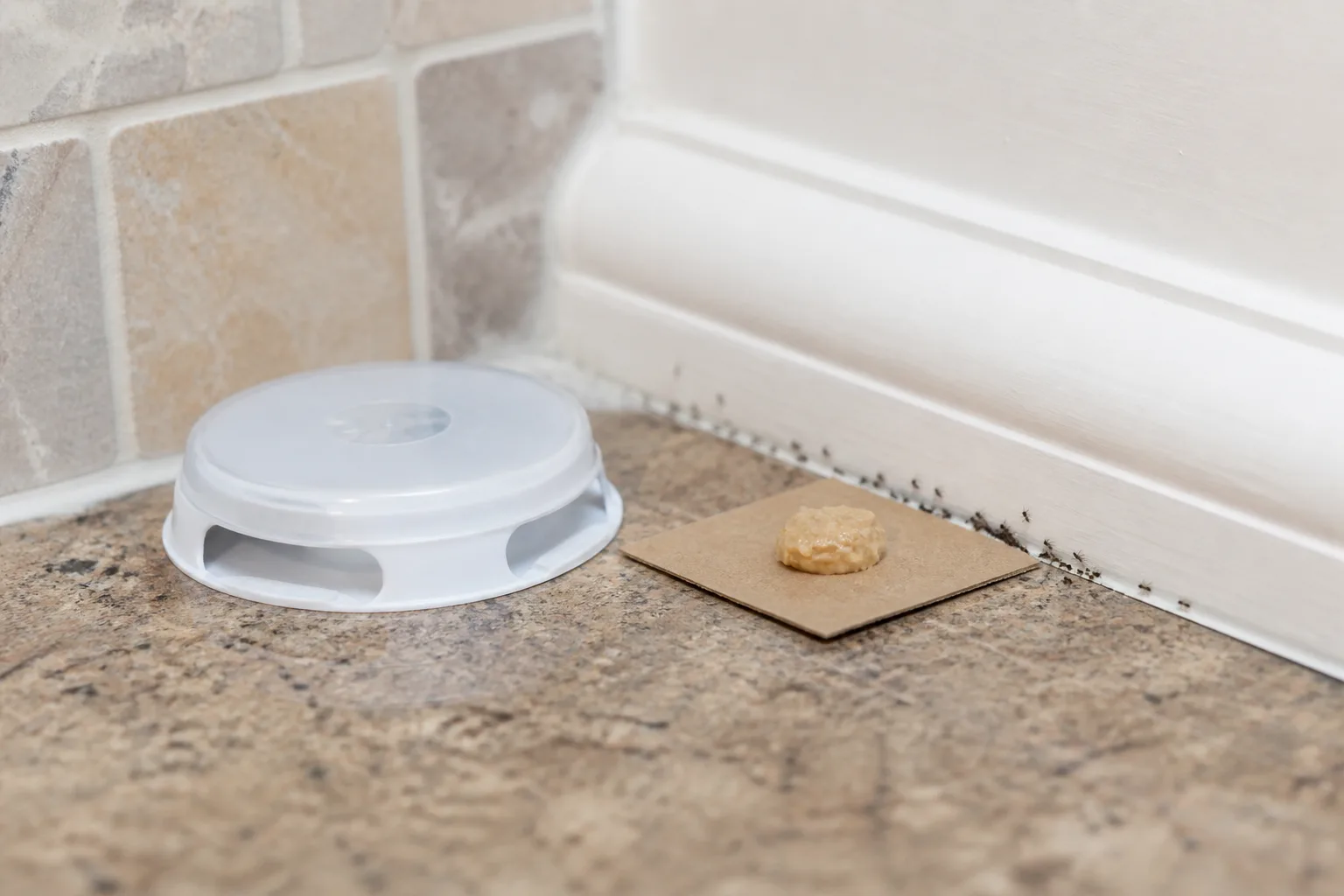
Only try this when borax baits are not an option in your home and the infestation is light.
- Confirm sweet feeders. Watch whether ants trail to jam, sugar, or honey—not grease or pet food. Sweet feeders are the only reasonable candidates for a sugar-based baking soda bait.
- Mix equal parts baking soda and powdered sugar (confectioners’ sugar coats evenly; granulated sugar can separate).
- Use a shallow container—lid, jar cap, or small plate—so ants can access the mix without drowning in it.
- Place the bait beside the trail, not across it. UC IPM warns that contaminating the trail with repellents—or blocking it—can split ants onto new paths and interfere with bait acceptance (UC IPM).
- Remove competing food within a few feet: wipe sticky counters, seal pantry packages, and rinse pet bowls after meals.
- Refresh every two to three days or when the bait clumps from humidity. Discard moldy bait.
- Do not spray vinegar, essential oils, or insecticide near the bait during the trial. Repellents repel baits too.
- Evaluate after ten to fourteen days. If traffic is unchanged, stop recycling baking soda and switch to borax bait in a sealed station or commercial gel bait.
Outdoor patios: scattering the same mix gets messy, washes away in rain, and may attract other pests. Outdoor mound control needs species-specific approaches—boiling water only for small, accessible mounds on a dry day, or outdoor bait stations—not indoor pantry powder.
Better Alternatives Pest Pros Reach for First
Borax and boric acid baits
Borax (sodium tetraborate) in sugar water or paired with powdered sugar is the closest “pantry” answer that still fits IPM bait mechanics. UC IPM lists boric acid/borate among active ingredients in consumer bait stations and notes that liquid 0.5–1% borate sugar solutions are especially useful for heavy Argentine ant pressure (UC IPM).
The toxicant must be slow so workers return to the nest before dying. That is why borax beats baking soda: documented digestive disruption with colony sharing, not just a fizzy gut theory.
Place enclosed bait stations along exterior foundation lines and near interior trail entry points. Keep stations away from food prep surfaces and out of reach of toddlers and pets. Expect five to ten days before obvious drop-off—sometimes longer for large colonies.
Our natural ant remedies guide walks through borax ratios, protein baits for grease-feeding species, and when to swap bait types.
Diatomaceous earth barriers
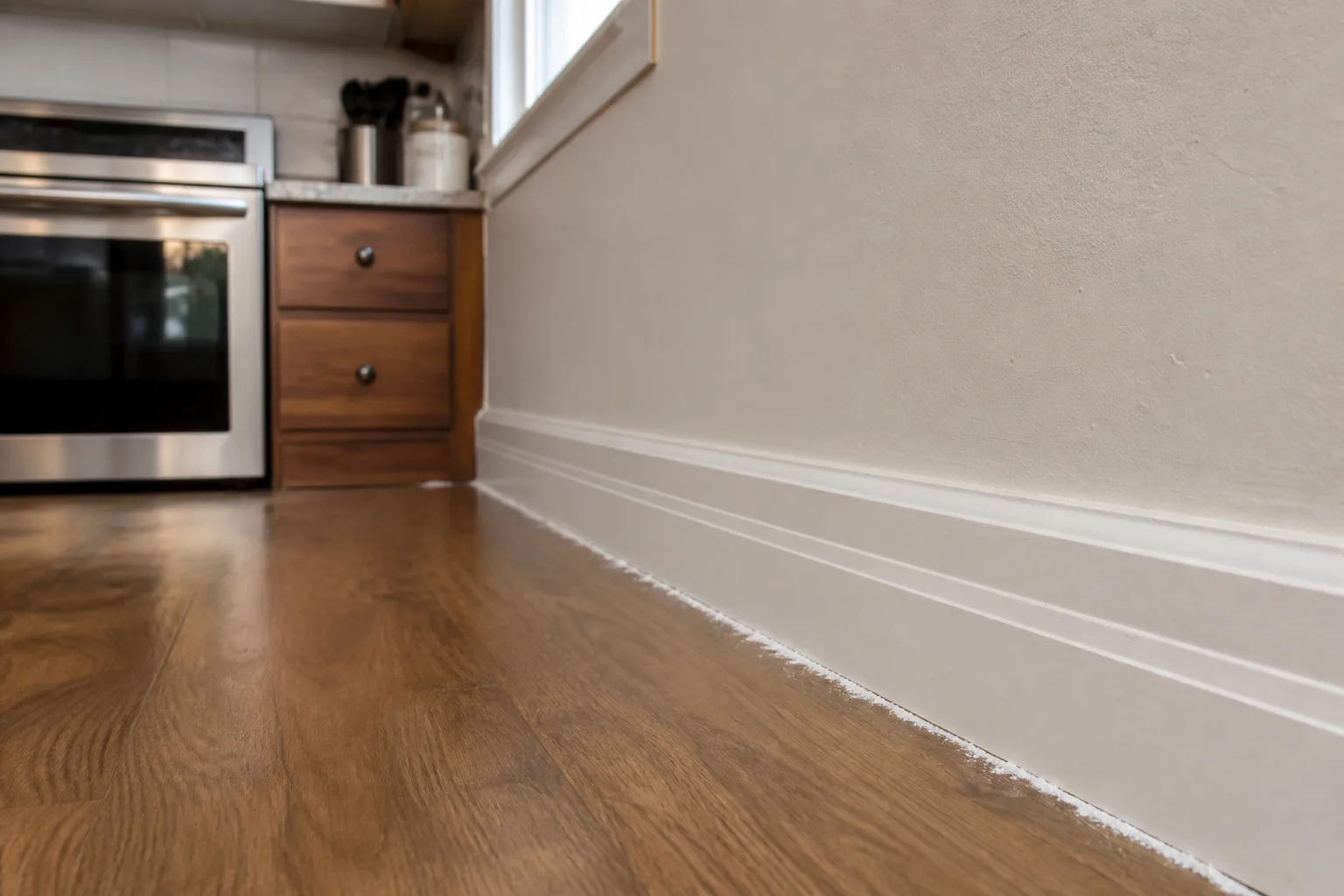
Food-grade diatomaceous earth (DE) kills ants that walk through a thin, dry dust layer by damaging the exoskeleton and causing dehydration. It does not lure ants and does not kill queens deep in the nest—but it is a useful supplement at dry entry cracks, window frames, and void edges where foragers squeeze indoors (NPIC).
Apply with a light film, not a visible pile. DE stops working when wet. Wear a dust mask during application; avoid blowing dust into HVAC returns.
DE is the better “sprinkle powder” option compared with baking soda if you want a passive barrier—still pair it with bait for colony control.
Indoor Kitchen Trails vs Outdoor Colonies
Kitchen ants are usually foragers from an outdoor nest or a void nest near the foundation—not a standalone indoor colony (except some pharaoh ant or moisture ant scenarios). Baking soda on the counter does not reach the source wall void or mulch bed.
Indoor priority: wipe trails with soapy water, remove the attractant, bait near entry cracks, then caulk after bait has had time to work.
Outdoor priority: bait along foundation and nest openings; reduce mulch against siding; fix dripping hose bibs. Sprinkling baking soda across a patio is a short-lived barrier at best.
If ants are on houseplants, the story changes: they are often farming honeydew from aphids or mealybugs. Baking soda in a lid does not fix sap feeders. See ants on houseplants for honeydew checks and pot-nest protocols.
Safety for Kids, Pets, and Plants
Baking soda and sugar bait is low toxicity to mammals at the small volumes used—but it is still not food. Keep lids where pets cannot lap at sugary mixes.
Boric acid and borax baits carry more swallow risk. Use stations, not loose piles. If someone ingests bait, contact Poison Control at 1-800-222-1222.
DE is low toxicity when eaten, but fine silica dust irritates lungs; keep pets and kids away during dusting.
Baking soda on soil or plants can alter pH and salt load over time. Do not dump bait mixes into pots or garden beds.
Legitimate baking soda use around ants: a thick paste of baking soda and water on fire ant stings can soothe burning by neutralizing venom acids on the skin—comfort care, not infestation control.
Identify Your Ants Before You Treat
Misidentification wastes weeks of wrong bait.
- Small brown/black ants to sweets: odorous house, Argentine, pavement—sweet borax bait first.
- Large black ants in spring near wet wood: possible carpenter ants—fix moisture; baking soda bait will not save structural damage.
- Tiny pale ants in bathrooms and outlets: pharaoh ants—avoid repellent sprays that split colonies; professional help is common.
- Red mound builders in lawn: fire ants—mound treatments, not kitchen sugar bait.
UC IPM’s ant key and NPIC’s overview help narrow species when bait fails (UC IPM ant key, NPIC ants).
What to Do When Baking Soda Fails
If trails are steady after two weeks of sanitized bait trials:
- Switch toxicant: commercial gel bait or borax station with fresh attractant.
- Offer bait choice: sweet and grease/protein stations side by side for a day to see what workers prefer (UC IPM Table 1 food preferences).
- Stop repellent sprays indoors—they interfere with bait and scatter trails.
- Seal entry points only after baiting—not before toxicant reaches the nest.
- Escalate species-specific control for carpenter, fire, or pharaoh ants.
- Call a licensed pro if multiple bait rotations fail; ask for baits and spot treatments rather than broad monthly perimeter sprays when possible (EPA DIY ant control).
EPA’s integrated pest management framework—exclusion, sanitation, targeted treatment—outperforms any single pantry powder (EPA safe pest control).
Prevention That Actually Stops Repeat Invasions
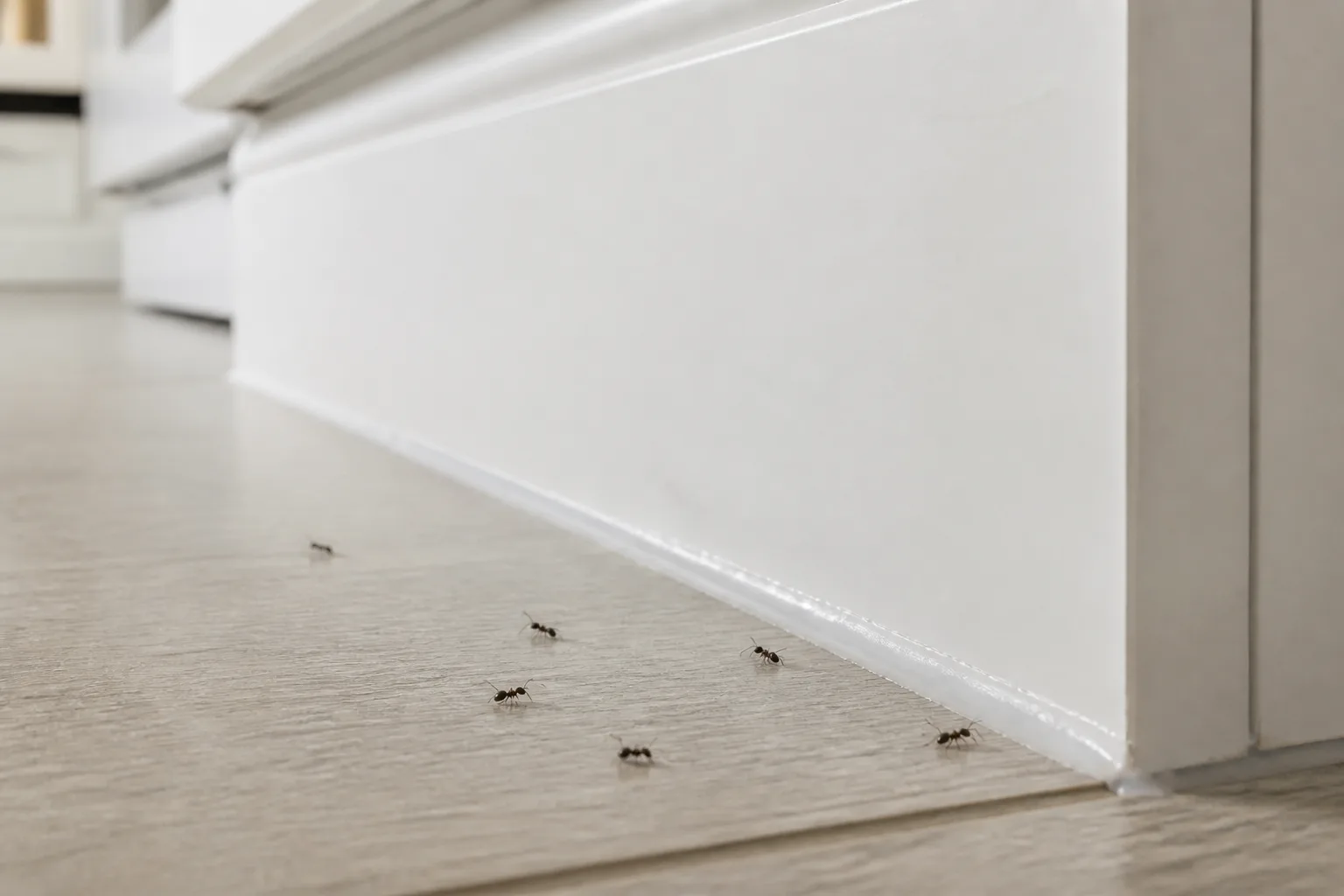
No baking soda recipe prevents the next invasion. Lasting control is boring housekeeping plus exclusion:
- Wipe counters nightly; ants recruit to one drop of syrup.
- Store dry goods in sealed containers; rinse recyclables.
- Fix leaky faucets and dishwasher seals—ants need water too.
- Pull mulch six inches back from siding; trim branches touching roofs.
- Caulk gaps around pipes, window frames, and door thresholds with appropriate sealant.
- Refresh exterior bait stations in late winter and early spring when colonies are small (UC IPM).
Treat prevention as the main program and baking soda—if you use it—as a minor optional experiment.
Conclusion
Baking soda is not the ant-killing miracle the internet claims. It does not attract ants alone, its digestive “fizz” mechanism is oversold, and even sugar-mixed bait rarely matches slow borax or commercial baits that UC IPM recommends for colony suppression. Use baking soda sugar bait only as a low-risk, low-expectation trial when stronger baits are not viable in your home—and switch quickly when trails persist.
For most kitchens, the winning sequence is clean the trail, remove food, bait with borax or gel near entry points, then seal gaps once numbers fall. Save baking soda for sting paste and cookies; let baits do the colony work.



