30 Fall Garden Ideas for Color, Structure, and Harvest
Find 30 fall garden ideas for color and harvest, with practical notes on first frost, plant choices, containers, pollinator habitat, and winter cleanup.
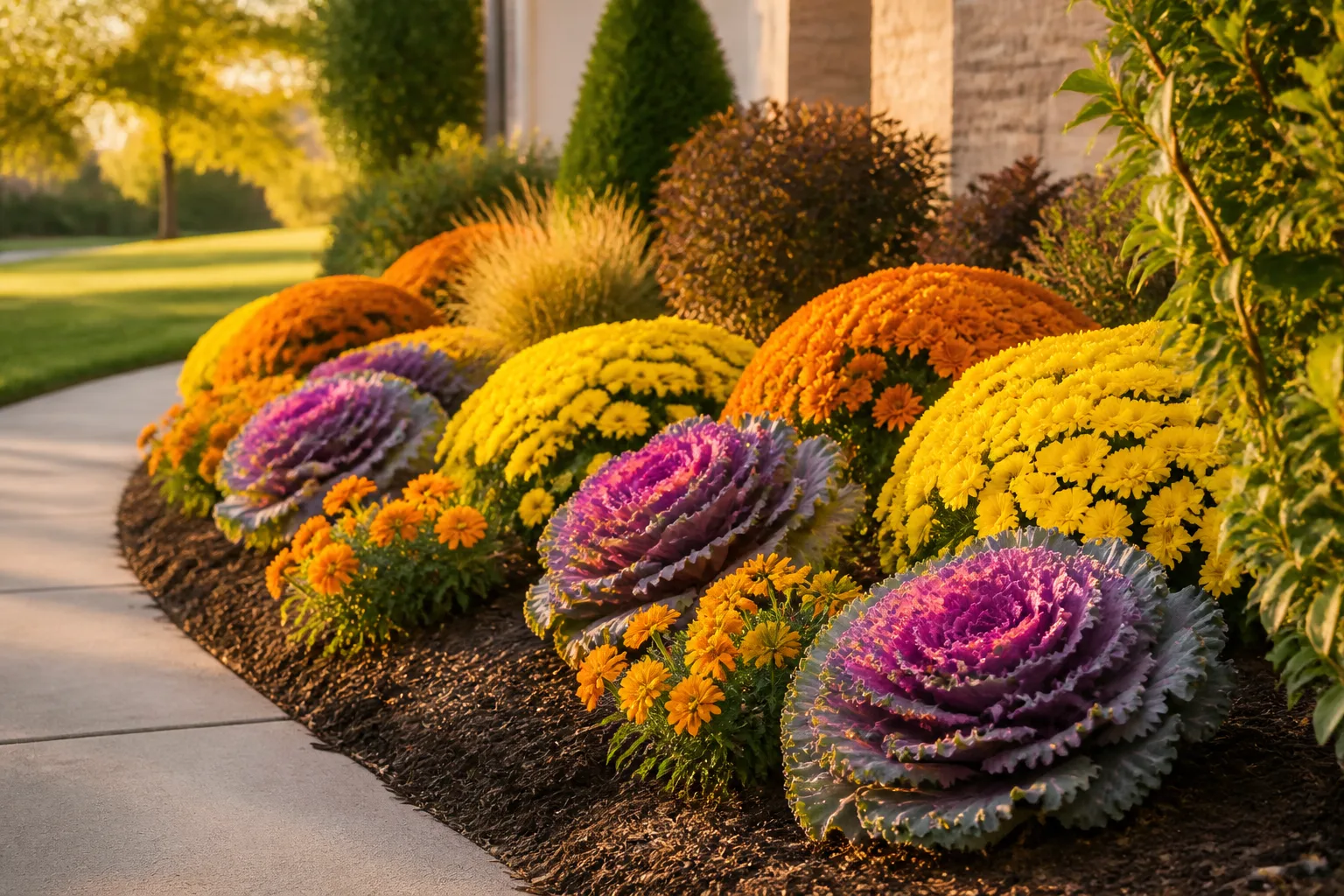
A fall garden can keep changing after summer flowers fade: asters open, grasses catch low light, leafy greens sweeten in cool weather, and seedheads add shape after the first frost. The trick is to plan for several kinds of “lasting” color—plants that bloom late, plants that tolerate a light frost, evergreen or persistent structure, and temporary accents you can replace.
No single planting survives every climate and every freeze. Use your local frost window to choose what will keep growing, and treat pumpkins, tender annuals, and cut stems as seasonal decoration rather than permanent garden structure.
Start with the first frost, not a calendar date
Look up your area’s average first frost and first hard freeze, then use those dates as planning estimates rather than guarantees. A light frost can damage basil or marigolds while leaving established kale and some hardy perennials largely unbothered; a hard freeze can end the display quickly. A south-facing wall may stay warm longer than an exposed low spot, while a container’s root ball cools faster than the same plant in garden soil.
For vegetables, work backward from the expected harvest. Check the seed packet’s days-to-maturity, add a buffer for shorter autumn days and transplant shock, and start early enough that plants reach a useful size before daylight and temperatures slow growth. Penn State Extension likewise puts frost and freeze dates at the beginning of fall-crop planning and describes row covers, low tunnels, and cold frames as ways to extend—but not erase—the season (Penn State Extension).
For ornamental perennials and shrubs, fall planting is not a universal date either. Cooler air and warm soil can favor root establishment, but a plant still needs time before the ground freezes; a Georgia Extension blog suggests finishing many fall plantings four to six weeks before the local average hard frost, a regional rule of thumb that should be adjusted for colder climates and local recommendations (University of Georgia Extension). If that window has passed, use containers for short-term color or wait until the locally recommended planting season.
Long-lasting flower beds
A bed looks full longer when flowers do not all peak at once. Mix late bloomers with foliage and sturdy forms, and choose varieties suited to your region rather than assuming a plant’s common name guarantees winter survival.
Ideas 1–6: Build reliable color in layers
-
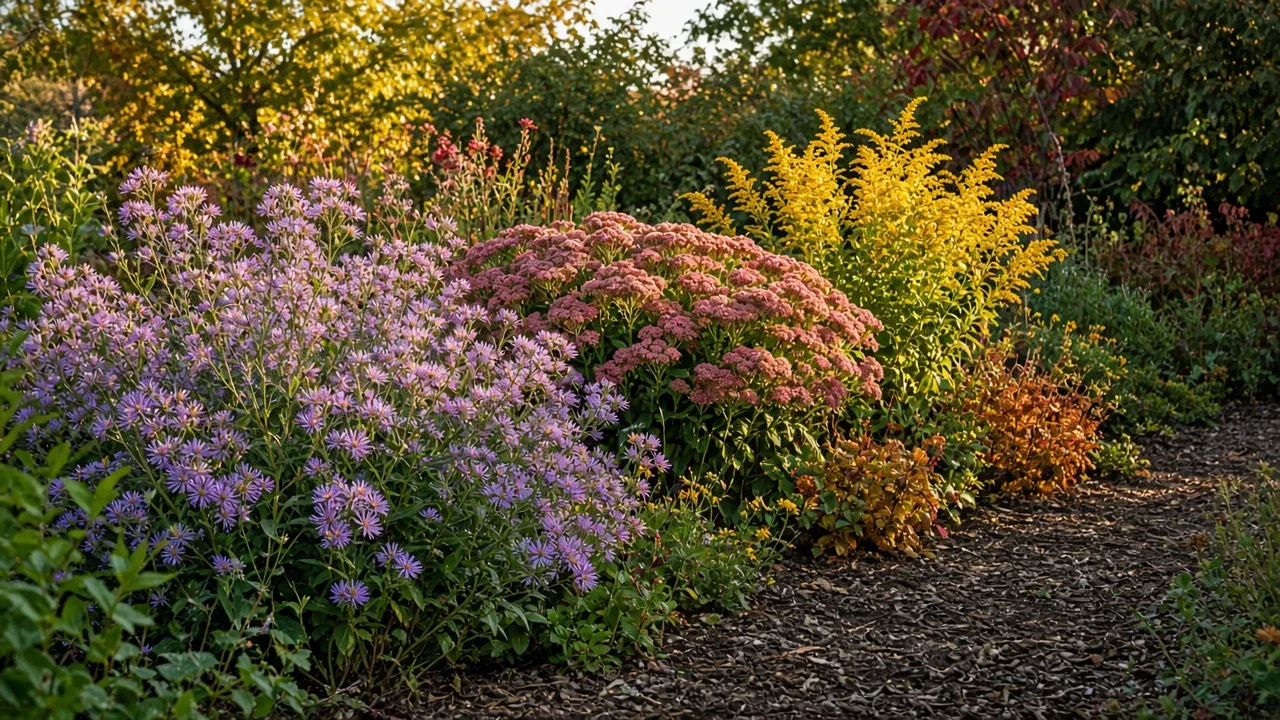
Plant asters for the late-season handoff. Asters can open when many summer perennials are winding down, and their small daisy-like flowers bring a soft haze of blue, purple, pink, or white; regional species vary in height and bloom timing (Gardening Know How). Choose one suited to your region, give it enough air circulation, and avoid crowding it against a wall where mildew can linger.
-
Use locally appropriate goldenrod as a nectar-rich anchor. Goldenrod’s yellow plumes read clearly from a distance and pair well with purple asters and grasses. Choose a clumping garden selection or a native species recommended for your ecoregion; some goldenrods spread vigorously, so give the plant room or remove unwanted seedlings before they establish.
-
Add stonecrop where the soil drains well. Tall stonecrop, often sold as Autumn Joy, builds a tidy mound of succulent foliage and broad flower heads that shift from pale green to pink, copper, or russet. It is a strong choice for a sunny, relatively dry edge, but soggy soil and heavy shade can leave stems weak; do not solve flopping by feeding it more nitrogen.
-
Let coneflower and black-eyed Susan carry color into seed. Rudbeckia and Echinacea extend the late-summer palette, and their seedheads can keep a bed visually grounded after petals drop. Leave some healthy heads standing for birds and winter texture, but deadhead plants that are spreading where you do not want seedlings.
-
Use helenium for a saturated band of warm color. Helenium’s daisy-like flowers suit a sunny border where the soil stays evenly moist, and its gold, orange, or red cultivars can connect flowers to autumn foliage. Give the clump room for airflow and pinch or divide only when the plant’s growth habit calls for it; a recently planted perennial may need a full season to establish before it performs strongly.
-
Treat coral bells as a foliage layer, not a flower substitute. Heuchera cultivars hold leaves in plum, amber, lime, or silver tones, so they can keep a border colorful even between bloom cycles. Match the cultivar to sun exposure and drainage, and protect shallow roots with a light winter mulch in regions where freeze-thaw heaving is common.
Containers and entrances
Containers put color where you see it every day, but pots dry and cool faster than beds. Group them near a sheltered doorway, choose a larger pot when possible, and combine plants with similar light and watering needs so the display is easy to maintain.
Ideas 7–12: Bring color close to the house
-
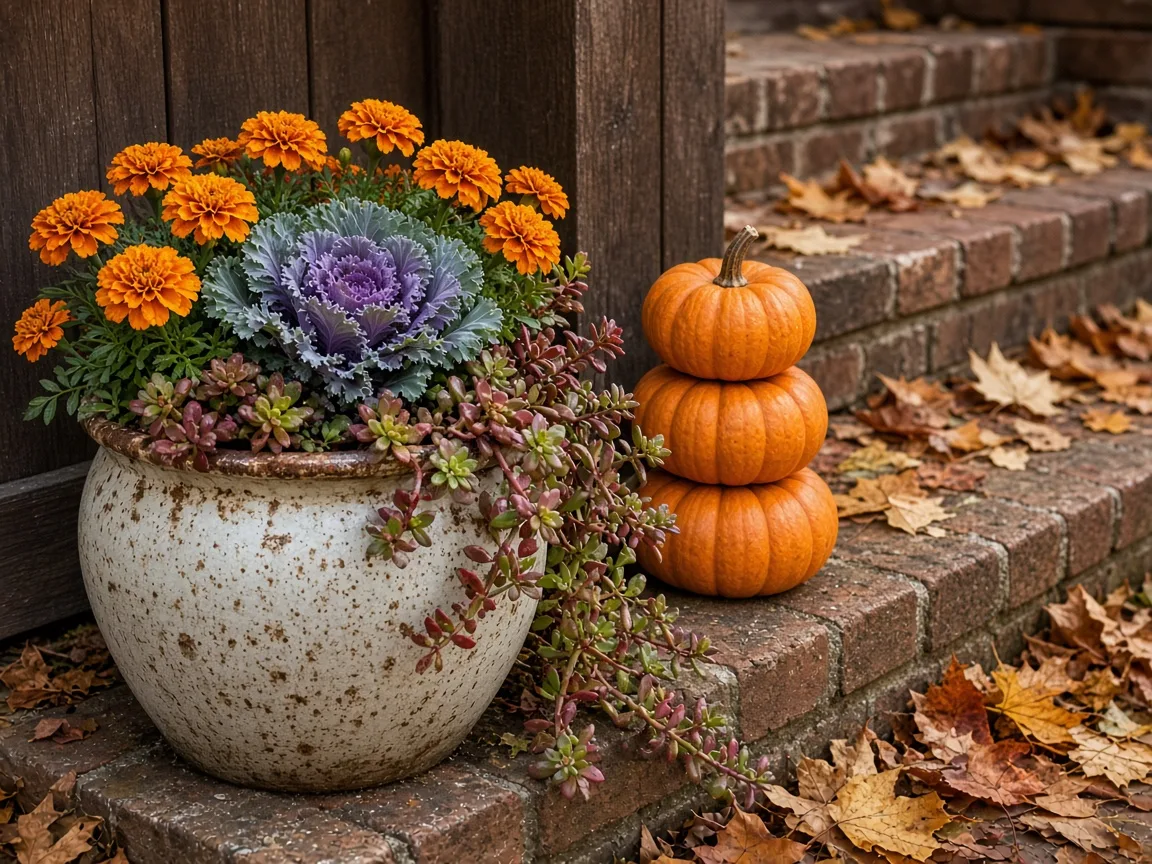
Build a three-part container instead of buying six unrelated plants. Start with one upright focal plant, add a rounded plant for volume, then finish with a trailing element that softens the rim. Repeat two or three colors across several pots; that simple rhythm looks intentional and makes it easier to replace one frost-damaged annual without rebuilding the whole composition.
-
Keep supermarket mums in pots when you want guaranteed short-term color. A full pot of flowers is an efficient seasonal display, but many potted mums are sold for immediate bloom and may not be reliably hardy in every garden. Water when the surface begins to dry, deadhead spent blooms, and enjoy them as temporary porch color; if you want them to return, choose a locally hardy garden cultivar and plant it early enough to root before winter.
-
Use ornamental kale or cabbage for cool-weather foliage. Their rosettes can gain richer color as nights cool, and they fill space after summer annuals fade. They do not need to be edible to be useful in a design; buy healthy starts, give them sun and room, and expect their best color in cool weather rather than during a warm spell.
-
Mix pansies or violas into the front edge. These cool-season annuals can continue flowering through chilly stretches and often handle light frost better than tender summer bedding plants; cool-season bloomers are useful for bridging autumn and spring, though local winter conditions determine how long they last (Epic Gardening). They are not immune to hard freezes, so treat them as an extension of the display rather than a guarantee of flowers all winter, especially in exposed pots.
-
Use ornamental peppers as bright punctuation. Compact plants can hold red, orange, yellow, or purple fruit above green foliage and work well as a focal point among leafy rosettes. Their color is seasonal and cold-sensitive, and ornamental varieties may not be grown or labeled for eating; place them where children and pets will not mistake the fruit for a snack.
-
Make a pumpkin cachepot with a removable nursery pot. Set a potted plant inside a hollow pumpkin rather than planting directly into the pumpkin flesh, and lift the inner pot to water and drain it. Keep the pumpkin out of standing water and check it often; once it softens or smells, remove it before it attracts insects or collapses on a porch.
Texture and winter structure
Flowers are only one way to make a fall garden feel alive. Grasses, colorful leaves, branches, and seedheads still provide shape after blooms fade, and they can carry the composition through a stretch of gray weather.
Ideas 13–18: Add foliage, seedheads, and movement
-
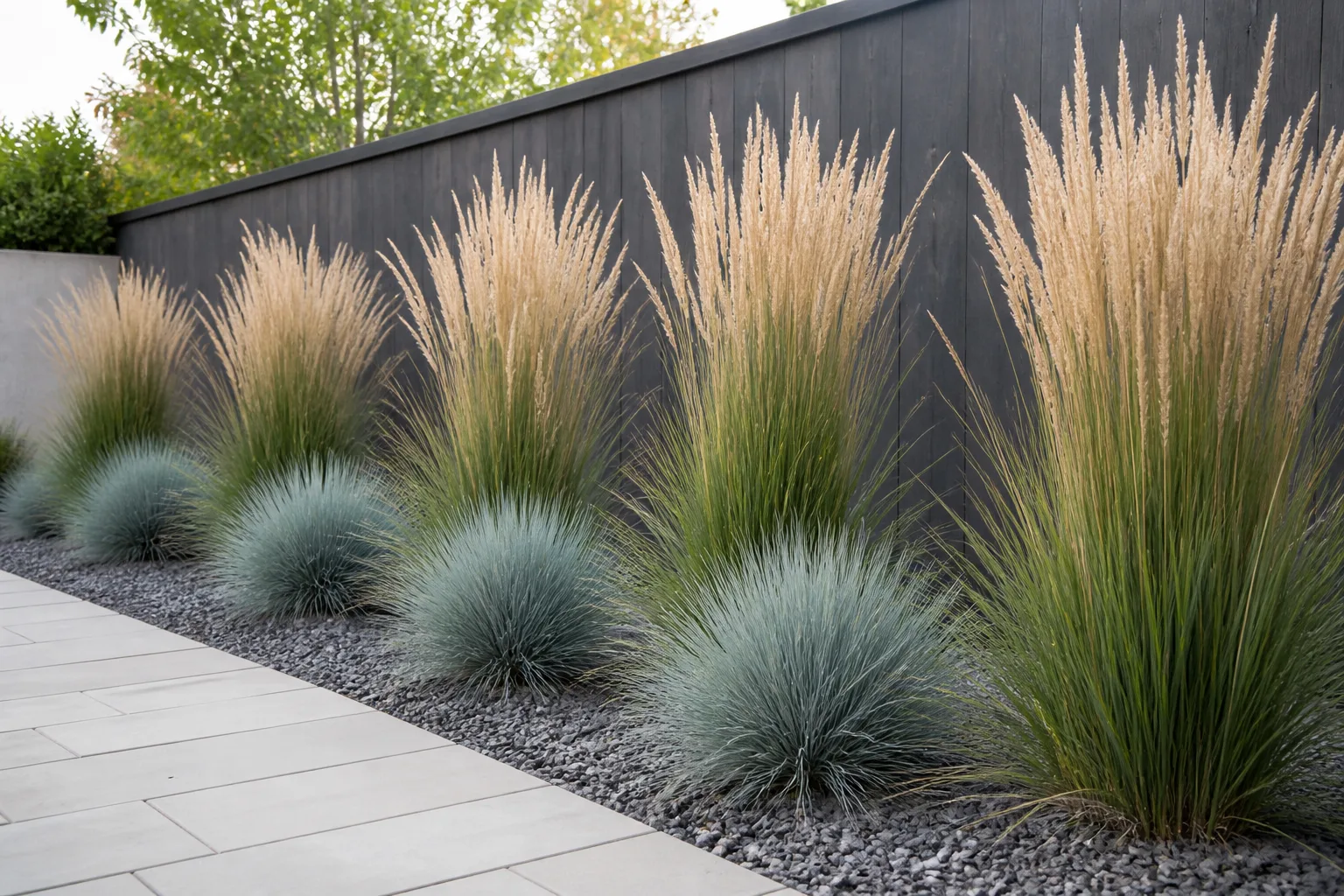
Plant an ornamental grass suited to your region. Little bluestem and switchgrass are examples of North American native grasses that can add upright stems, autumn color, and winter plumes where they belong. Check your state or regional invasive-plant list before buying any grass, because a popular ornamental can escape cultivation or behave aggressively outside its native range; Better Homes & Gardens also advises checking local invasive status before planting ornamental grasses (BHG).
-
Repeat grasses to make a small bed feel deliberate. Three clumps spaced at their mature width usually look more cohesive than a row of different species planted too close together. Keep tall forms behind shorter perennials and away from narrow paths, where arching leaves can become a snagging nuisance after they dry.
-
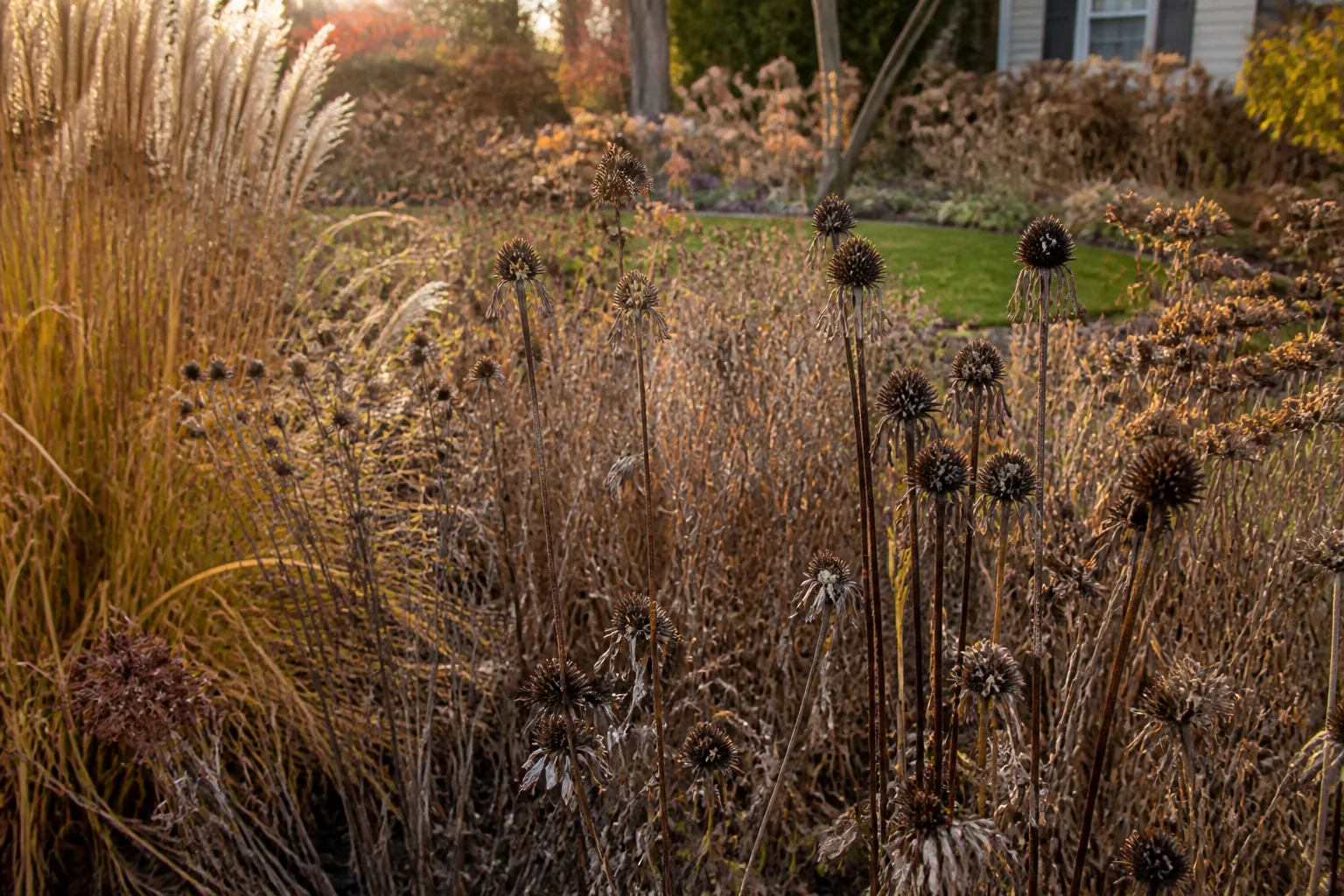
Leave selected seedheads standing. Coneflowers, Rudbeckia, sedum, and many grasses hold forms that add winter texture and may provide food or cover for wildlife. Leave healthy stems where they do not block a walkway or harbor a serious pest problem, then cut them back when new growth appears or when your local cleanup practice calls for it.
-
Use foliage color to bridge flower gaps. Pair dark-leaved Heuchera with silver foliage or a compact evergreen, or place a low, green groundcover in front of taller flower stalks. Check the plant label for winter behavior: some foliage stays attractive, some gets battered by cold, and a plant sold in a fall container may be intended as a short-lived accent.
-
Add one small tree or shrub for a second layer of fall color. A locally hardy shrub with berries, late flowers, or reliable autumn foliage can give a bed more depth than another pot of annuals. Select by mature size, sun, soil moisture, and regional pest pressure—not just by a vivid nursery photo—and leave enough room for its full spread.
-
Turn fallen leaves into a light mulch rather than hauling every leaf away. Shred clean leaves and spread a thin layer over bare beds to protect soil and gradually add organic matter. Keep thick mats off crowns and lawn grass, and discard diseased foliage instead of saving it; Penn State Extension notes that compacted leaves can smother turf while shredded leaves can be returned to beds or composted (Penn State Extension).
Keep the edible garden productive
Fall vegetables reward early planning because shortening days slow growth even when temperatures are pleasant. Focus on quick, cool-weather crops, and use protection to stretch harvests rather than planting a long-season summer crop too late.
Ideas 19–24: Grow through cool weather
-
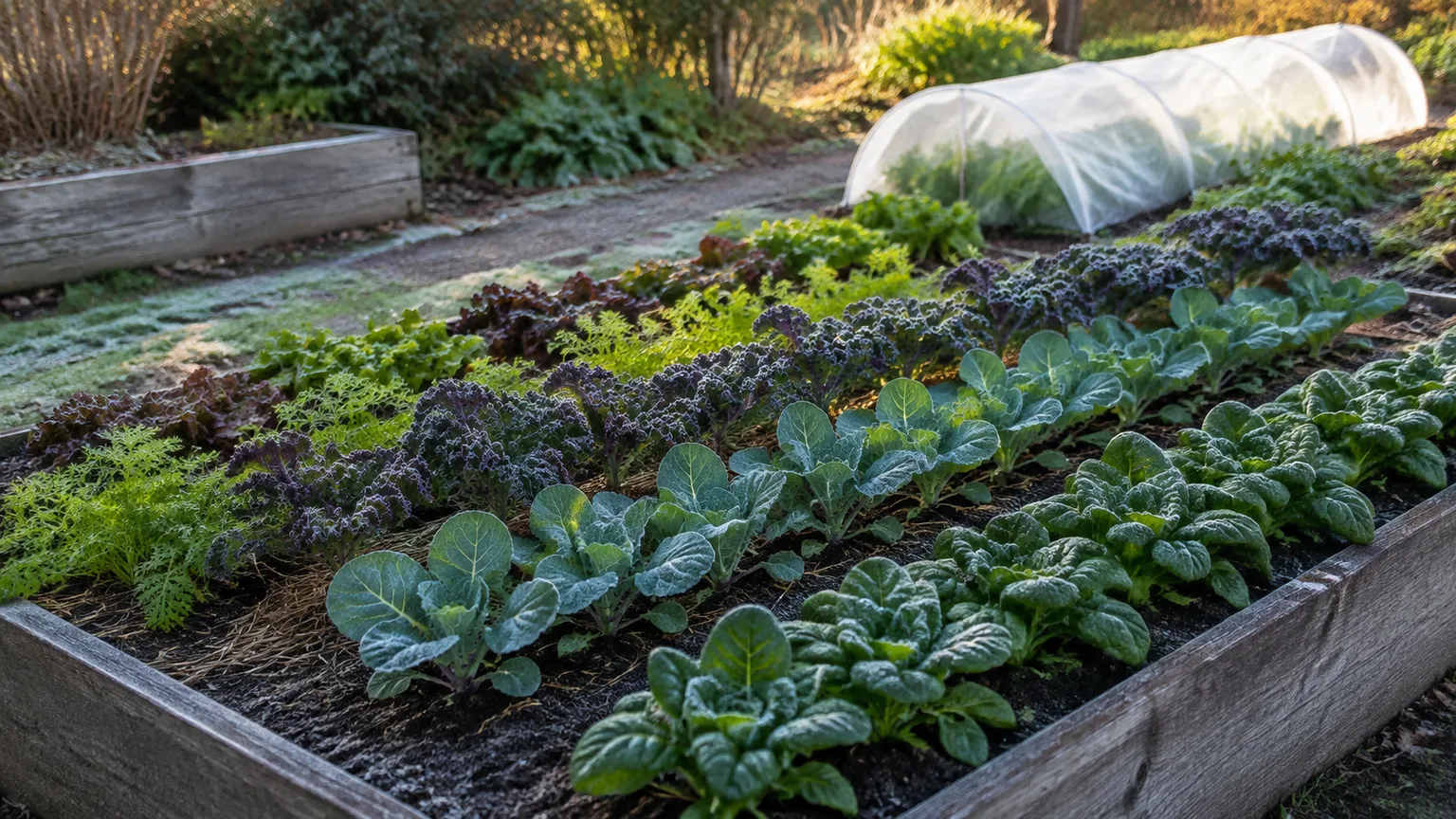
Sow leafy greens for repeat harvests. Kale, spinach, lettuce, and chard are common cool-season choices, though their tolerance differs by crop and variety. Sow a small row every week or two while there is still enough growing time, and harvest outer leaves rather than stripping the whole plant when you want a longer picking window.
-
Choose quick roots when the calendar is tight. Radishes and some turnips mature faster than carrots, while beets can provide both roots and edible greens. Read the packet and count backward from the local frost window; a root crop planted too late may make leaves without enough time to size up.
-
Use young brassica transplants for a head start. Broccoli, cabbage, and cauliflower need more runway than fast greens, so sturdy nursery starts can be a better bet in late summer than sowing seed directly. Protect them from cabbage pests while they establish, and remember that heat-stressed transplants may need temporary shade and consistent moisture before cooler weather settles in.
-
Cover late crops with a low tunnel or row fabric. A lightweight cover can buffer cold nights and reduce wind exposure when it is properly secured, while a low tunnel gives taller crops more space. Vent or remove covers on sunny days when temperatures rise, and do not treat fabric as a substitute for choosing a crop that can mature in your remaining season; Penn State Extension describes low tunnels and other season extenders as useful tools with setup and maintenance needs (Penn State Extension).
-
Plant garlic in fall for next summer’s harvest. Separate a healthy bulb into cloves and plant the cloves point-up at the depth and spacing recommended for your climate and soil, then mulch after the ground cools. The cloves establish roots before winter and resume growth in spring; planting too early in warm weather can encourage top growth that is vulnerable to winter injury.
-
Grow parsley or cilantro in an accessible pot. A container near the kitchen makes it easy to snip small amounts and move the pot under cover during a cold snap. Cilantro often appreciates cooler weather, while parsley can remain useful longer in mild regions; neither is a dependable winter crop in every climate, and small pots chill faster than beds.
Support wildlife and next year’s garden
Fall is also a chance to build resilience for spring. Native plants, soil cover, and a selective cleanup can make a garden more useful to wildlife while reducing bare, exposed ground.
Ideas 25–30: Build a softer landing into winter
-
Create a compact late-season pollinator pocket. Group regional asters, goldenrods, and stonecrop where they will receive the light and moisture they need, rather than scattering one plant at a time through the yard. Late flowers can provide forage when fewer blooms remain, but choose species native or well-adapted to your ecoregion; a UGA Extension guide recommends local substitutions and warns against generic wildflower mixes that may contain nonnatives (University of Georgia Extension).
-
Sow native seeds that benefit from winter cold. Some regional wildflowers germinate more reliably after cold, moist conditions, so fall sowing can do the stratification outdoors. Buy a mix labeled for your state or ecoregion, follow the supplier’s sowing depth, and avoid scattering seed into a competitive lawn or a bed full of weeds where seedlings will be hard to identify.
-
Test the soil before adding amendments. Fall soil testing gives you time to plan changes before spring, but a test may show that no amendment is needed. Follow the laboratory’s recommendation for your crop and soil; routine fertilizer or lime “just in case” can create nutrient imbalances or waste money.
-
Plant a cover crop on a vegetable bed that will sit empty. A living cover can shield soil from erosion and help compete with weeds, while legumes such as clover can contribute nitrogen under the right conditions. Choose a species that fits your planting date and spring plans, and learn how to terminate it before it sets seed; Penn State Extension lists winter rye, oats, barley, and legumes among cover-crop options for fallow garden areas (Penn State Extension).
-
Clean selectively instead of cutting everything to the ground. Remove diseased foliage, badly damaged annuals, and weeds that are going to seed, but consider leaving healthy seed-bearing stems and ornamental grasses through winter. Penn State Extension advises destroying diseased plant debris rather than composting it and describes the habitat and food value some standing plants can offer (Penn State Extension).
-
Plant spring bulbs as a future-season idea. Tulips, daffodils, and other spring-flowering bulbs go into the ground in cool weather before the first hard frost so they can develop roots and experience the cold period their life cycle requires (Penn State Extension). They will not add immediate autumn flowers, but planting them in groups now creates a clear handoff from fall foliage to spring color; choose species and cultivars suited to your winters and browsing pressure.
Make color last through frost
Think of a fall garden as three overlapping layers. The first is temporary color—mums, marigolds, peppers, pumpkins, and cut flowers—which gives an instant seasonal effect but may end with frost or decay. The second is cool-weather performance, including hardy annuals, greens, and perennials that can keep growing or blooming during chilly weather. The third is structure, such as grasses, shrubs, evergreen foliage, and seedheads, which remains visible after flowers stop.
This division prevents one common disappointment: buying a cart of flowering annuals and expecting the whole display to remain unchanged until winter. Instead, use a few container plants to fill immediate gaps, then let perennials and foliage do the longer work. When a tender plant declines, remove it cleanly and replace it with a hardy rosette, a decorative branch, or a pot that can be moved under shelter.
Deadheading also depends on the job you want a plant to do. Remove spent blooms from annuals you want to keep flowering, but leave some heads on coneflower, Rudbeckia, and grasses if you want seed, winter texture, or wildlife value. A tidy border does not require every stem to be cut; it needs a deliberate balance between healthy habitat and clear paths.
Choose ideas for your climate and site
In a cold-winter region, favor hardy perennials planted early enough to root, use annual containers for immediate color, and insulate pots or move them into shelter when the root ball is vulnerable. A plant hardy in the ground may be less reliable in an exposed container because roots experience colder, faster temperature swings. If you are not sure whether a mum or ornamental grass will return, treat it as annual color until its cultivar and local hardiness are confirmed.
In a mild-winter region, heat and dry spells may be more limiting than frost. Shade young transplants during hot afternoons, keep new plantings evenly moist but not saturated, and choose plants that can handle your region’s winter rains or humidity. The same species may behave very differently across the country, so check local extension recommendations and the mature plant label rather than relying on a national planting calendar.
For a small yard, use vertical height and repetition instead of trying to fit all 30 ideas into one bed. A single deep container can hold a compact grass, a leafy rosette, and trailing foliage; a sunny strip can support two late-blooming perennials and a narrow path edge. In shade, shift the plan toward foliage, woodland asters suited to the site, and containers positioned where they receive enough light.
A fall garden schedule that works
Before planting: identify sun and drainage, check your average frost dates, and decide whether the goal is instant porch color, an edible harvest, a perennial bed, or spring bloom. That choice narrows the plant list and prevents buying plants that need more growing time than the season allows.
While soil is still warm: sow or transplant fall vegetables, install new perennials, water them in, and set up any row cover before a cold night is forecast. Keep new roots moist but not waterlogged, and do not expect a recently planted perennial to look established immediately.
As temperatures fall: replace tender containers as they fade, harvest crops before a hard freeze if they are not cold tolerant, and add a light mulch after the soil cools. Keep coverings anchored and inspect them after wind or rain.
After frost and into winter: remove diseased debris, leave selected stems, store tender bulbs in a frost-free place if you are lifting them, and plant spring bulbs before the soil freezes. Penn State Extension also recommends fall soil testing and notes that clean fall leaves can be shredded and returned to beds, giving you a useful job for an otherwise quiet weekend (Penn State Extension).
Mistakes that shorten the display
Planting by month alone is risky because frost dates, daylight, and soil temperature vary widely. A late-summer planting date that works in Georgia can be too late in a northern garden, while a cool-season annual planted into lingering heat may wilt before it gets established. Use the plant’s maturity or establishment needs, your local forecast history, and current weather together.
Crowding containers is another short-cut that can backfire. A packed pot looks finished on day one but dries quickly and leaves little room for roots; leave space for mature foliage, use a container with drainage, and water based on soil moisture rather than a fixed daily schedule. Also avoid mixing a drought-tolerant sedum with a plant that needs consistently moist soil in the same small pot.
Finally, do not equate “native,” “perennial,” or “winter hardy” with “right for every yard.” Species can be native to one region and aggressive in another, and plants that survive in a protected bed may fail in exposed pots. Check regional invasive lists, plant labels, and extension guidance, and remove diseased material even when you leave healthy stems for winter.
Conclusion
The most dependable fall gardens combine quick seasonal accents with plants and practices that carry the display forward. Start with your frost window, use late flowers and foliage for color, protect edible crops only as far as your setup and climate allow, and leave healthy stems when they add winter interest. Choose a few ideas that fit your site, then repeat them; a thoughtful mix of color, harvest, and structure will feel more lasting than a yard filled with short-lived decorations.