Fuchsia Care: Light, Water, Pruning, and Wintering
Learn how to grow fuchsia with the right shade, watering rhythm, potting mix, pruning, feeding, pest control, and overwintering plan.
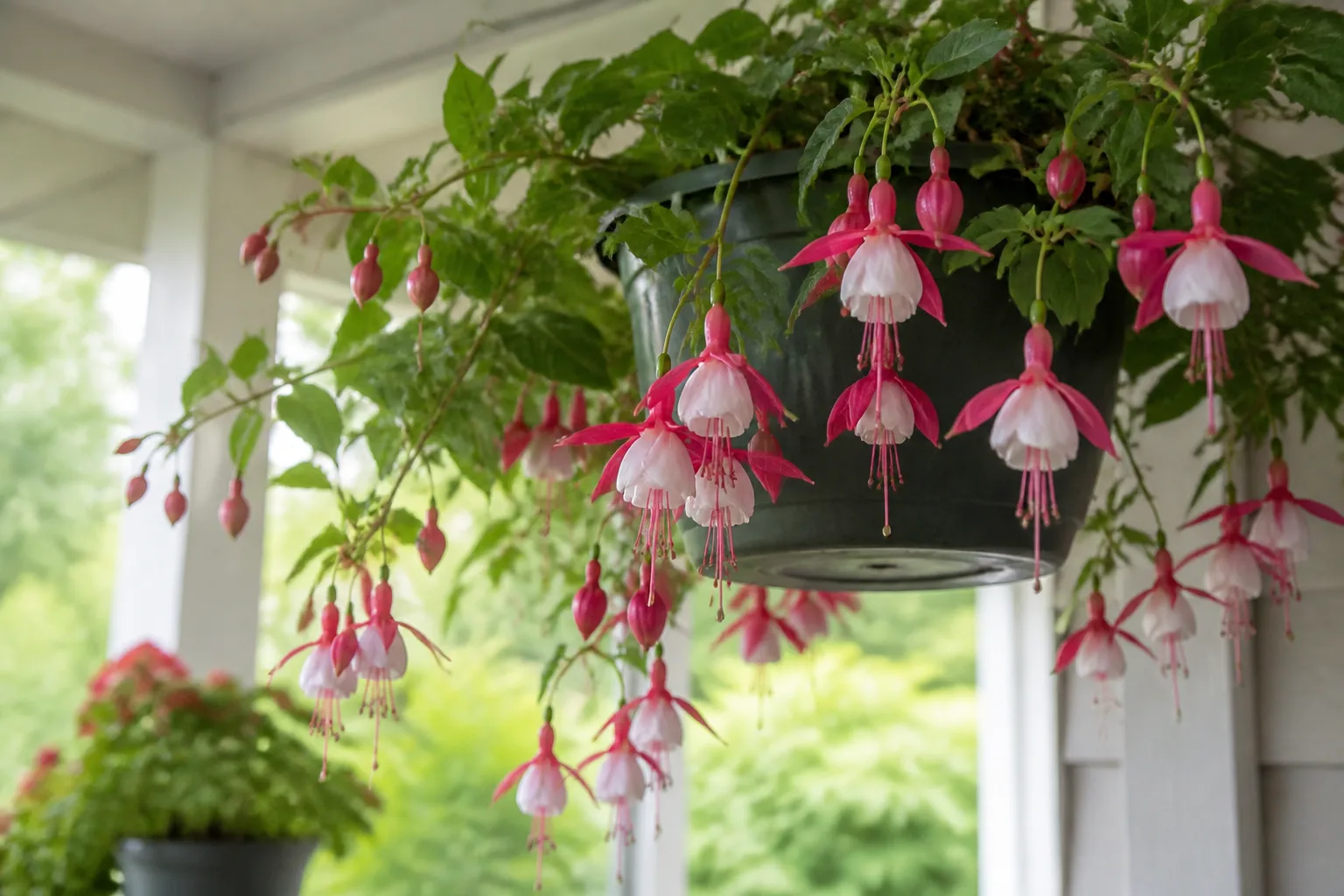
Fuchsia earns its place in a shade garden because its flowers hang like small jeweled lanterns from flexible stems. Most of the plants sold for summer baskets are tender hybrids rather than cold-hardy shrubs, and they are happiest when the root zone stays evenly moist, the foliage is protected from hot afternoon sun, and the plant receives enough bright light to keep making new growth.
The most reliable approach is to treat fuchsia as a cool-season container performer. Give it a breathable pot, a quick-draining but moisture-holding mix, a sheltered position, and a watering routine that changes with the weather. The Royal Horticultural Society’s fuchsia growing guidance emphasizes moisture-retentive soil, shelter, and regular feeding during active growth (RHS).
Start by choosing the right fuchsia for your climate
Before you choose a pot, find out whether your plant is a tender bedding fuchsia or a hardy fuchsia. The labels can be confusing because the genus includes woody shrubs, upright garden forms, and trailing hybrids that are sold as seasonal color. A plant that can overwinter in a mild garden is not automatically capable of surviving a hard freeze in a hanging basket.
Tender hybrids are usually grown outdoors after frost, then treated as annuals or moved indoors before cold weather. Hardy fuchsias, often selected from species and cold-tolerant cultivars, can live for years in the ground where winters are mild enough and the crown is protected. If the nursery tag gives a cultivar name but no hardiness information, ask the grower before planting it permanently.
Tender container hybrids versus hardy garden fuchsias
The container habit is the useful clue. Trailing stems, large ruffled flowers, and a plant sold specifically for a basket usually indicate a tender hybrid. Upright woody growth and a label describing a shrub or hardy fuchsia point toward a plant that may be suitable for the ground in an appropriate climate.
This distinction changes autumn care. A tender basket should be brought inside before frost, while a hardy in-ground fuchsia is usually cut back after the foliage is damaged and protected with mulch according to local practice. Never use the survival of one fuchsia cultivar to predict the behavior of another.
Find the sweet spot between shade and enough light
Fuchsia wants bright shade rather than a dark corner. A position with morning sun and afternoon shade is often ideal, as is bright filtered light beneath a high tree canopy or on a covered porch. Deep shade can keep leaves cool but may produce long, soft stems and fewer flowers.
Watch the plant for two weeks after placing it. Bleached leaves, scorched edges, and flowers that collapse quickly suggest too much direct heat. Long gaps between leaves and weak, one-sided growth suggest too little light. Move the container gradually rather than shifting it from deep shade into several hours of strong sun in one afternoon.
Heat matters as much as brightness. A basket hanging against a south- or west-facing wall can become hotter than the surrounding air, and the roots can dry before the leaves show obvious stress. In hot climates, prioritize morning light, air movement, and protection from reflected pavement heat.
Choose a pot and mix that protect the roots
Use a container with several open drainage holes and a potting mix made for containers, not garden soil. A quality peat- or coir-based mix amended with compost and extra perlite gives fuchsia both water-holding capacity and air around the roots. Avoid a dense mix that stays slick and heavy for days after watering.
Choose a pot only one size larger than the root ball. An enormous container may seem helpful during summer, but its unused mix can stay wet long after the roots have used the water. That low-oxygen environment encourages root decline, especially when temperatures are cool.
Why hanging baskets dry faster
A hanging basket is exposed on every side, so wind and sunlight pull water from the mix faster than they do from a floor pot or a bed. A small basket can need checking every day during hot, breezy weather even when a nearby patio container needs water less often. Do not assume a cloudy day means the root ball is still moist; touch the mix several inches down or lift the basket to compare its weight with a recently watered basket.
Use a saucer under a stationary pot only if it does not leave the container sitting in water. Empty standing water after the mix has drained. For a basket that dries repeatedly before evening, repotting into a slightly larger container or moving it out of the wind is usually more effective than simply watering more often.
Water by root-zone conditions, not the calendar
Water when the upper layer has begun to dry but before the root ball becomes bone-dry. Apply water slowly until it runs from the drainage holes, pause for a minute, and water again if the mix has pulled away from the sides of the pot. This rehydrates the center more reliably than a quick splash across the surface.
The schedule will change with pot size, temperature, wind, plant size, and whether the fuchsia is flowering heavily. A hanging basket in July may need a daily check, while a shaded pot in cool weather may go several days between waterings. The goal is even moisture with oxygen, not permanently wet soil.
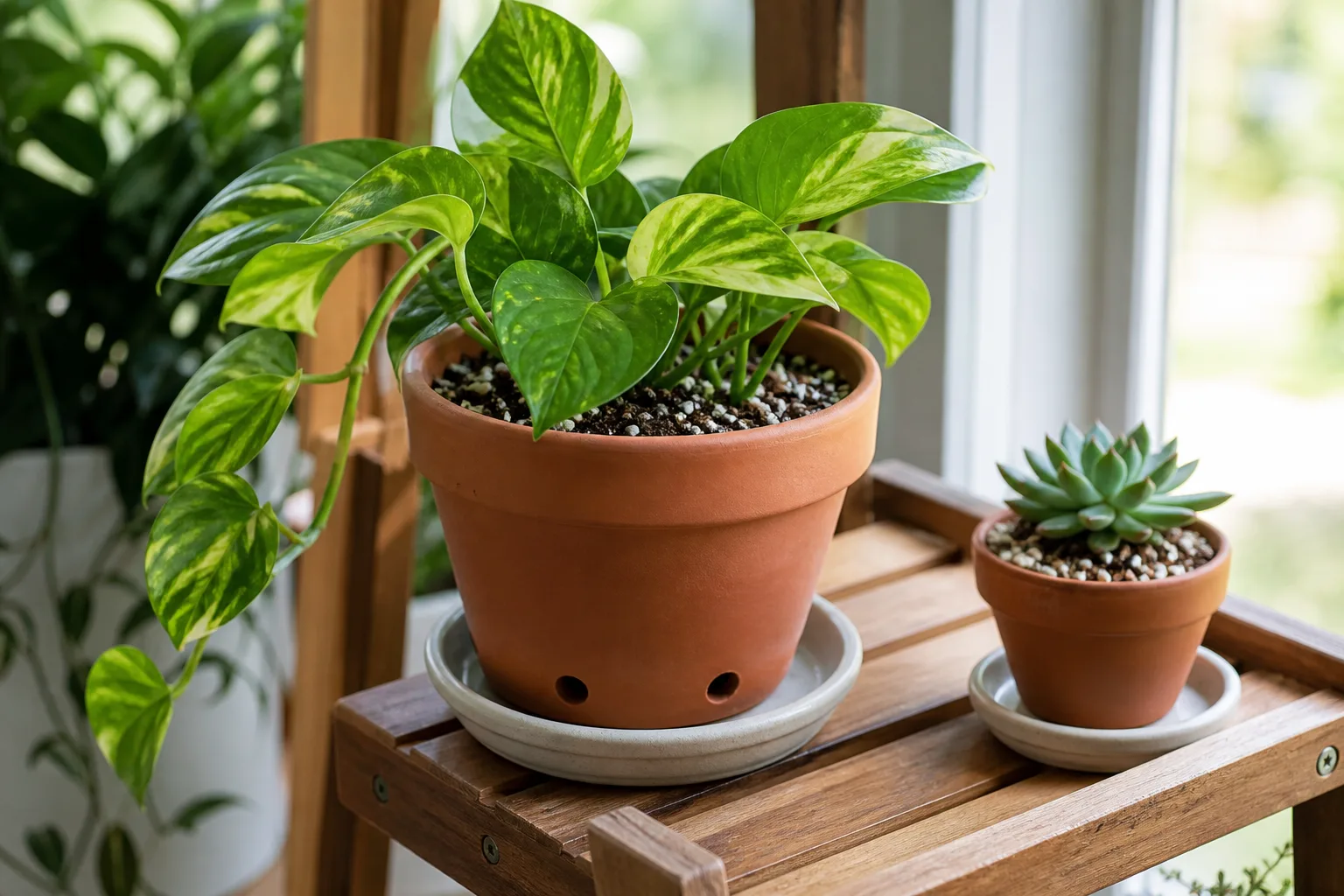
What wilt means when soil is dry or wet
If leaves droop and the mix is dry and light, water thoroughly and shade the plant from afternoon sun while it recovers. If the mix is wet but the plant is limp, do not add more water. Check drainage, smell the root zone, and inspect the roots at the next repot. Wet-wilt can signal root damage, overheating of the container, or a blocked drainage path.
Repeated cycles of severe drying followed by flooding are harder on fuchsia than a consistent routine. Mulch the top of a large outdoor container lightly with compost or fine bark, leaving space around the stems, and group baskets where they receive less drying wind. Avoid misting as a substitute for watering; wet leaves do not rehydrate a dry root ball.
Feed for flowers without forcing weak growth
Fuchsia grows quickly when temperatures and moisture are favorable, so it benefits from regular feeding during active growth. Use a balanced, water-soluble fertilizer at the label rate, or a flowering fertilizer if the product label is designed for container plants. Apply to already moist soil rather than dry, stressed roots.
More fertilizer is not a shortcut to more flowers. Excess soluble salts can damage roots and produce lush foliage with weak stems, while a root-bound or drought-stressed plant cannot use fertilizer efficiently. Flush the container with plain water occasionally if the pot drains freely and you have been feeding frequently.
Stop or sharply reduce feeding when the plant enters winter rest. A plant in cool, low light cannot support the same growth it produced in summer, and fertilizer left in a cold, wet root zone can add stress rather than vigor.
Prune and pinch for a fuller, longer-blooming plant
Pinch the growing tips of a young fuchsia when each stem has several leaf pairs. Remove the soft tip just above a leaf pair to encourage branching. This delays the first flowers slightly, but it creates more flowering points and prevents a basket from becoming a few long, bare strands.
Once blooming begins, remove spent flowers and the developing berry behind them if you want the plant to keep prioritizing new flowers. Deadheading is most useful when done regularly, before a basket has invested heavily in seed production. Use clean, sharp snips and avoid stripping every leaf from a tired stem.
For a leggy plant, cut back in stages rather than removing all green growth at once. Keep a few healthy nodes on each main stem and give the plant bright filtered light, steady water, and a light feeding. Severe pruning is best done at the beginning of a new growth cycle or when bringing a tender plant into winter storage.
Keep fuchsia blooming through summer heat
When flowering slows in midsummer, check the environment before adding fertilizer. The most common causes are hot roots, dry mix, insufficient light, or a plant that has stopped producing fresh branching growth. Move a heat-stressed basket to morning sun and afternoon shade, water the root zone deeply, and remove damaged leaves and spent flowers.
Do not place fuchsia beside a hot wall, air-conditioner exhaust, or a dark metal railing that radiates heat. A light-colored pot or a cachepot with an air gap can keep the root zone cooler, but never seal the drainage holes. If the plant collapses on very hot afternoons and recovers overnight, heat protection is the first intervention to try.
Propagate fuchsia from softwood cuttings
Softwood cuttings are a practical way to make young plants before the parent becomes old or overwintering space runs short. Take a 3- to 4-inch tip from healthy, non-flowering growth in spring or early summer. Cut just below a node, remove the lower leaves, and leave one or two pairs of leaves at the tip.
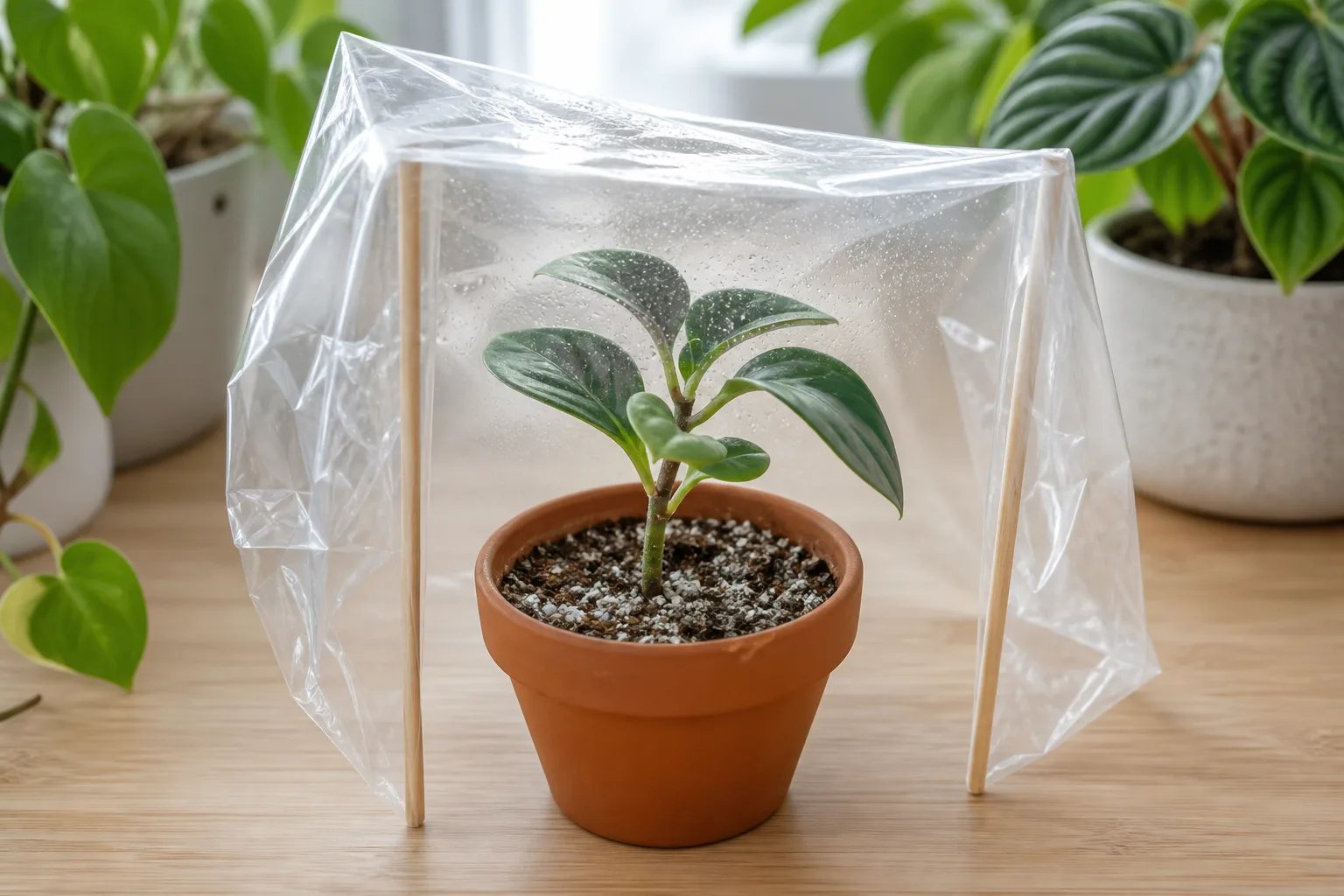
Insert the cutting into a clean small pot of damp seed-starting mix or a blend of perlite and fine coir. Cover it loosely with a clear bag or propagator lid, keeping the plastic from touching the leaves. Place it in bright indirect light, warm but not hot, and open the cover briefly each day for air exchange.
The cutting is ready to pot on when it resists a gentle tug and begins making new growth. Do not pull it up repeatedly to check for roots. Once rooted, acclimate it to outdoor conditions over a week, then pinch the tip after it has established. Rooting hormone is optional; cleanliness, moderate moisture, and softwood timing matter more than a heavy coating of powder.
Repot and refresh an established plant
Repot in spring when new growth begins or when the root ball dries within hours of watering. Slide the plant from its container and look for roots circling densely around the outside. Healthy roots are firm and pale to tan; black, mushy, or sour-smelling roots need to be removed with sterilized snips.
Refresh the mix without automatically jumping to a much larger pot. If the existing container is still an appropriate size, loosen the outer roots, replace tired mix, and return the plant at the same depth. Water once to settle the mix, then wait until the surface begins to dry before resuming normal care.
Prevent and manage common fuchsia pests
Aphids, whiteflies, and spider mites are more likely when a fuchsia is stressed, crowded, or moved indoors. Inspect the undersides of leaves and the soft growing tips once a week. Sticky residue, pale stippling, fine webbing, or clusters of small insects are early clues.
The University of California Integrated Pest Management program lists aphids and other sap-feeding insects among fuchsia pests and recommends beginning with monitoring and appropriately labelled controls (UC IPM). Isolate an affected container, rinse foliage with a gentle stream of water when the plant and setting allow it, and remove badly infested tips.
If you use insecticidal soap or horticultural oil, read the product label, test a small area, and follow the reapplication interval. Do not spray a wilted fuchsia in hot sun, and do not assume a homemade detergent mixture is equivalent to a labelled insecticidal soap. Good airflow and lower plant stress reduce the chance of a recurring outbreak.
Overwinter fuchsia indoors or outdoors
Bring tender fuchsias inside before frost, not after a freezing night has damaged the stems. Check carefully for pests, wash the foliage if appropriate, prune long weak growth, and place the plant in a cool, bright location away from heating vents. It may shed leaves while adjusting; that is less concerning than a persistently wet root ball.
In winter, water less because growth and evaporation slow. Keep the mix from becoming dust-dry, but do not use the summer watering schedule. A cool room with bright indirect light is usually easier than a hot room with low light. If the plant is dormant and leafless, water only enough to keep the roots from desiccating.
Hardy fuchsias planted in the ground need a different plan. Leave the woody framework until the risk of severe cold has passed in spring, then remove dead stems and apply fresh mulch around—but not against—the crown. Local extension guidance and the cultivar’s hardiness are more reliable than a generic overwintering rule.
A seasonal move-in and move-out checklist
In autumn, stop feeding, inspect for insects, prune lightly, and move the plant before frost. During winter, provide cool bright conditions, minimal but consistent moisture, and space from other plants if pests appear. In spring, increase light gradually, repot if needed, resume feeding after active growth begins, and pinch new shoots for a fuller shape.
Move a plant outdoors in stages. Start in a sheltered bright-shade location for a few hours, extend the time over a week, and wait until nights are reliably mild. The same gradual process prevents sun scorch and wind damage when a plant moves back outside.
Conclusion
Fuchsia is easiest when you stop treating it like a generic annual and manage the conditions it actually prefers: bright shade, cool roots, steady moisture, free drainage, and regular new growth. Choose a cultivar that matches your winter climate, use a basket or pot that will not dry in a few hours, and adjust watering before the plant reaches the wilt-and-flood cycle.
Pinching, deadheading, moderate feeding, and early pest checks keep the display going, while cuttings give you insurance for next season. If a fuchsia suddenly declines, test the root-zone moisture and temperature first; the correct fix is usually a change in placement or watering, not a stronger fertilizer.