Gardening Supplies to Replace Every Year (and Why)
Learn which gardening supplies really need yearly replacement, which can be tested or reused, and how to reduce waste without risking plants.
Some gardening supplies are genuinely short-lived. Others only look “old” because the package has been opened, the mix has been used once, or the mulch has settled. Replacing everything every spring wastes money and materials; reusing everything can cost you failed germination, weak seedlings, contaminated roots, or a lawn damaged by the wrong product.
The useful distinction is replace, test, reuse, top up, or dispose of. The seven supplies below belong on an annual review list, but they do not all belong in the trash every year. Storage conditions, product labels, crop history, and visible performance matter more than a neat twelve-month rule.
Replace by evidence, not by the calendar
Do a quick annual audit before the first major planting: check dates and labels, open anything that may have absorbed moisture, inspect used media for disease or pests, and test anything whose performance is measurable. A packet of well-stored tomato seed may still be useful after its printed sell-by date, while a damp, opened packet of a short-lived seed may fail much sooner.
The calendar is still useful as a prompt. Use the end of the growing season or the start of seed-ordering season to make five piles: plant this year, test first, refresh or top up, dispose according to the label, and compost or reuse elsewhere. That small sorting habit prevents both needless buying and risky shortcuts.
1. Short-lived seed packets
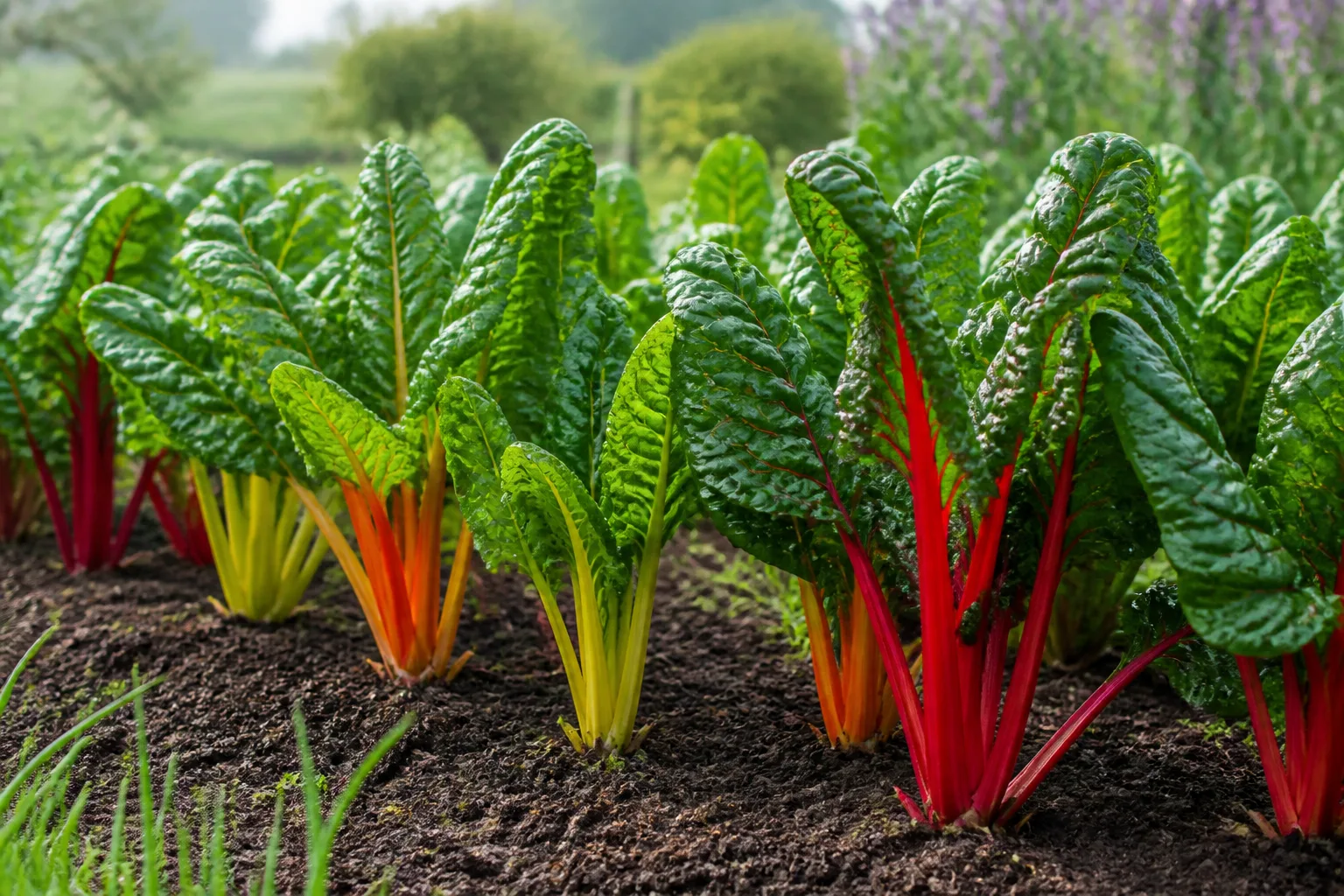
Not all seeds age at the same speed. Lettuce, onion and some other allium seeds, parsley, parsnips, and other crops with relatively short storage lives deserve a fresh viability check each season. Primed, pelleted, or pre-inoculated seeds can be even less forgiving: University of Utah Extension says primed seed should be used in the current planting year, and pelleted seed can lose germination after extended storage.
That does not mean every packet in the drawer needs replacing. Seed longevity depends on species, starting quality, moisture, temperature, and the number of times the packet has been opened. University of Utah Extension recommends sealed storage in cool conditions with low humidity, while Colorado State University Extension emphasizes that dry, cool, stable storage protects viability. A kitchen drawer beside a stove is a very different environment from a labeled, airtight container in a consistently cool room.
Test old seeds before buying more
For anything borderline, run a simple germination test two to three weeks before you need the seedlings. Count out 10 or 20 seeds, place them in a damp paper towel, seal the towel in a labeled bag, and keep it at the temperature the packet recommends. Check daily for the expected germination window, then calculate the percentage that sprouted.
If eight of 10 sprout, you have an 80 percent test result and can sow a little more thickly if the crop tolerates it. If only two sprout, replacement is sensible for a tray where uniform seedlings matter. For direct-sown crops, a weak old packet may still be worth using if you have enough space and seed for a second sowing; for a short season or expensive seed, buy fresh.
Keep the original packet even after transferring seeds so you retain the crop name, variety, lot information, and sowing instructions. BBC Gardeners’ World treats seed saving and storage as a separate skill from simply sowing, which is a useful reminder that the packet’s age alone is not a diagnosis.
2. Used potting soil and seed-starting mix
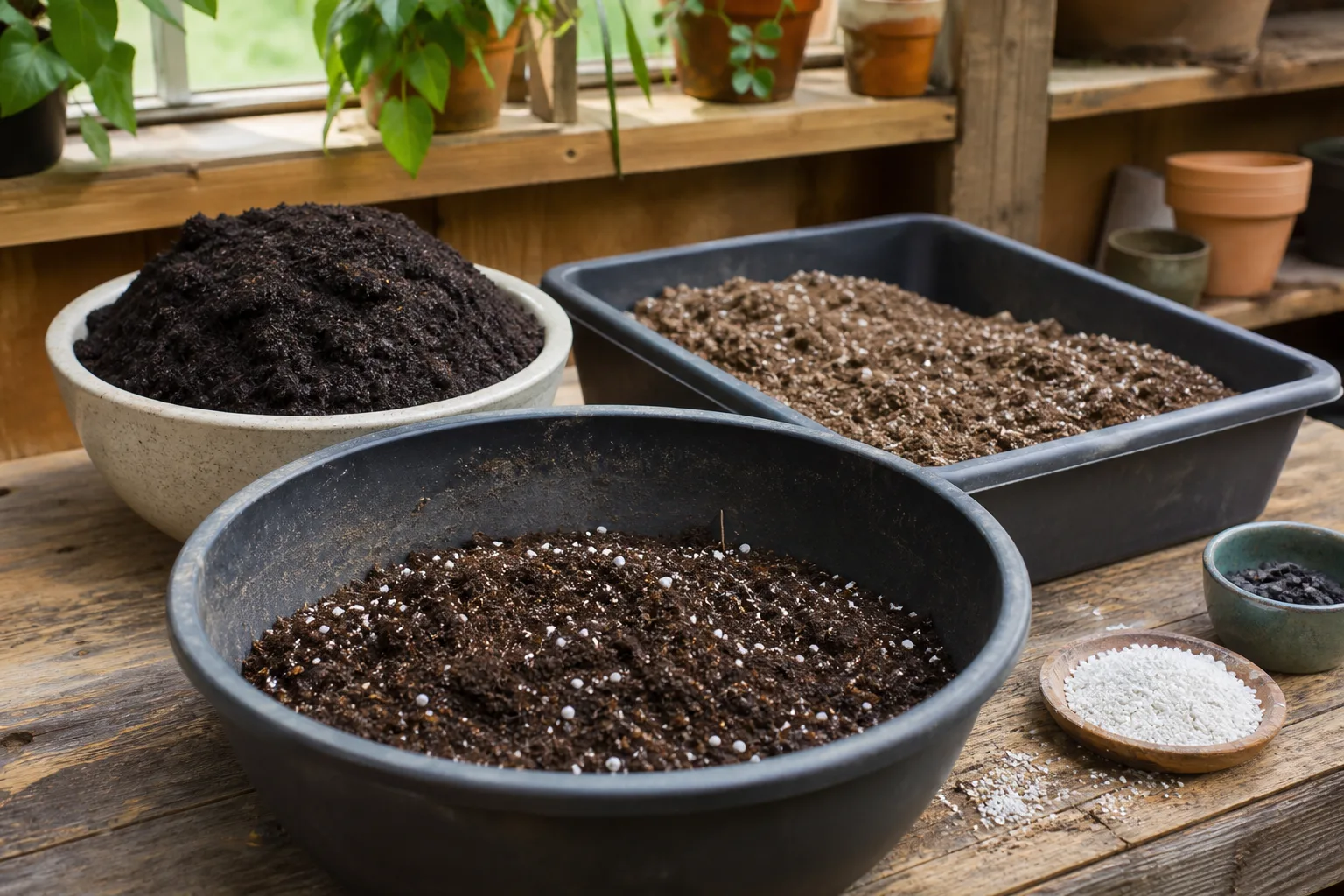
An unopened bag of potting mix stored dry is not automatically an annual replacement item. Used mix is different because roots have removed nutrients, repeated watering has changed its structure, and the container may have hosted pests or pathogens. Seed-starting mix deserves the highest standard because tiny seedlings have little reserve when a disease or nutrient problem appears.
Reuse can make sense when the previous plants were healthy, the mix drained normally, and you removed roots and debris. The Royal Horticultural Society recommends checking spent compost for pests such as vine weevil larvae and redirecting suspect material rather than putting it straight into new containers. Savvy Gardening also stresses that a clean history matters more than the fact that the mix is one season old.
Refresh clean mix with fresh potting mix, finished compost suited to containers, or the amendments recommended for that specific product. Restore air space as well as nutrients: a mix that has collapsed into a dense, slow-draining mass is not fixed by sprinkling fertilizer on top. If the old mix is hydrophobic, sour-smelling, persistently wet, or full of thick roots, outdoor beds or compost may be a better destination than another pot.
Keep clean mix, redirect contaminated mix
Do not reuse potting mix in seed trays or containers when the previous plants had unexplained wilt, root rot, crown rot, severe pest pressure, or a disease that spread from pot to pot. A 2024 study indexed in PubMed Central shows how potting media properties influence vegetable production; the practical lesson is that media are a growing environment, not inert filler. If disease was present, avoid spreading the problem through a new crop.
You can still reduce waste. Add clean, disease-free spent mix to an outdoor compost system or bed where it will be diluted and rebuilt, but do not use suspect mix around valuable seedlings or edible crops. Heat treatment can be appropriate for some small batches, but it kills beneficial organisms as well as pests and requires careful, product- and method-specific handling. Replacing contaminated seed-starting mix is usually the safer choice.
3. Fluorescent grow bulbs and tubes
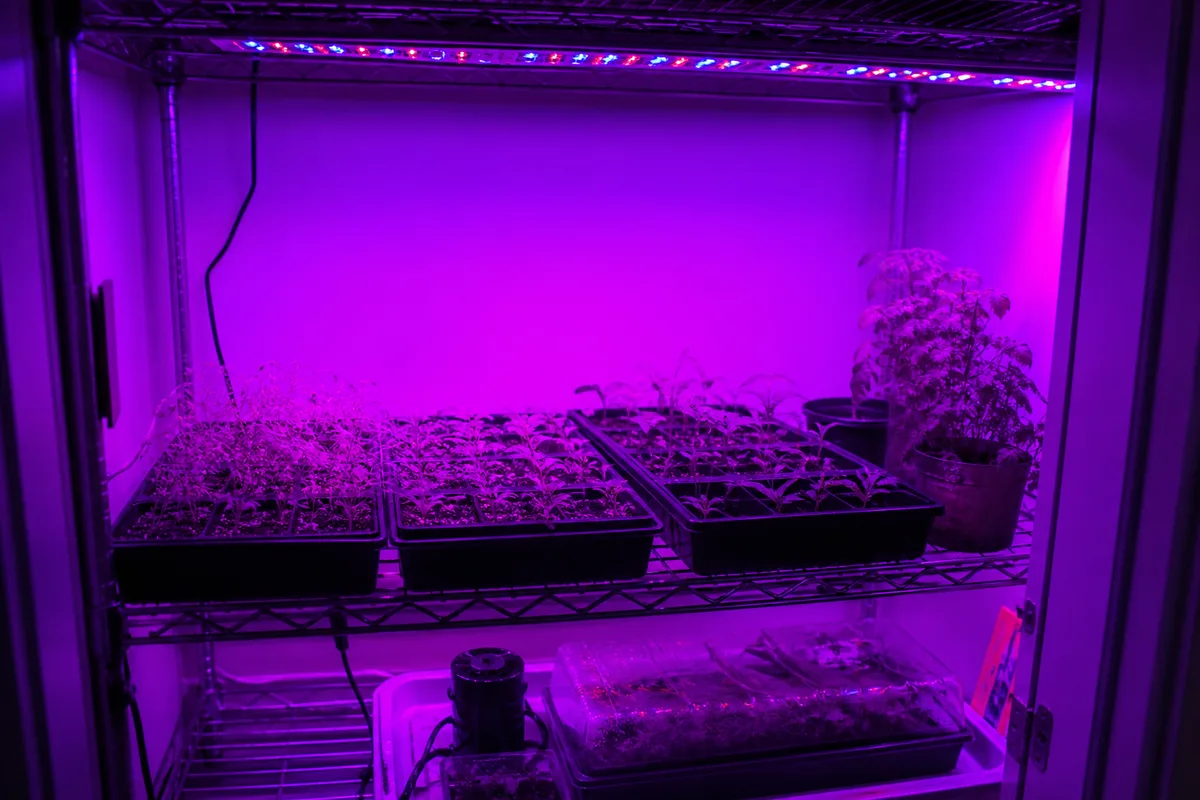
Fluorescent bulbs do not have a single magic replacement date. Their useful life depends on the bulb, ballast, hours of use, temperature, and how much light the crop needs. A tube that still turns on can be too dim for compact seedlings, especially when it has been used for several seasons.
Replace a fluorescent bulb when it flickers, darkens at the ends, takes longer to start, visibly dims, or produces leggy seedlings even after the fixture is correctly positioned. If you use a light meter, compare readings at canopy height with the original setup; if you do not, seedling stretch and leaning toward the fixture are useful warning signs but can also signal that the light is too far away or the schedule is too short.
The annual question is often an opportunity to convert rather than repurchase. Kansas State University’s guidance compares fluorescent and LED options for starting seed: LED fixtures generally use less energy and can last longer, but the fixture still needs to deliver adequate intensity at the correct distance. Choose by output and coverage, not by a flattering “full spectrum” label alone. A new LED is not automatically effective if it is mounted too high or spreads weak light over too large an area.
4. Lawn fertilizer mixed with herbicide
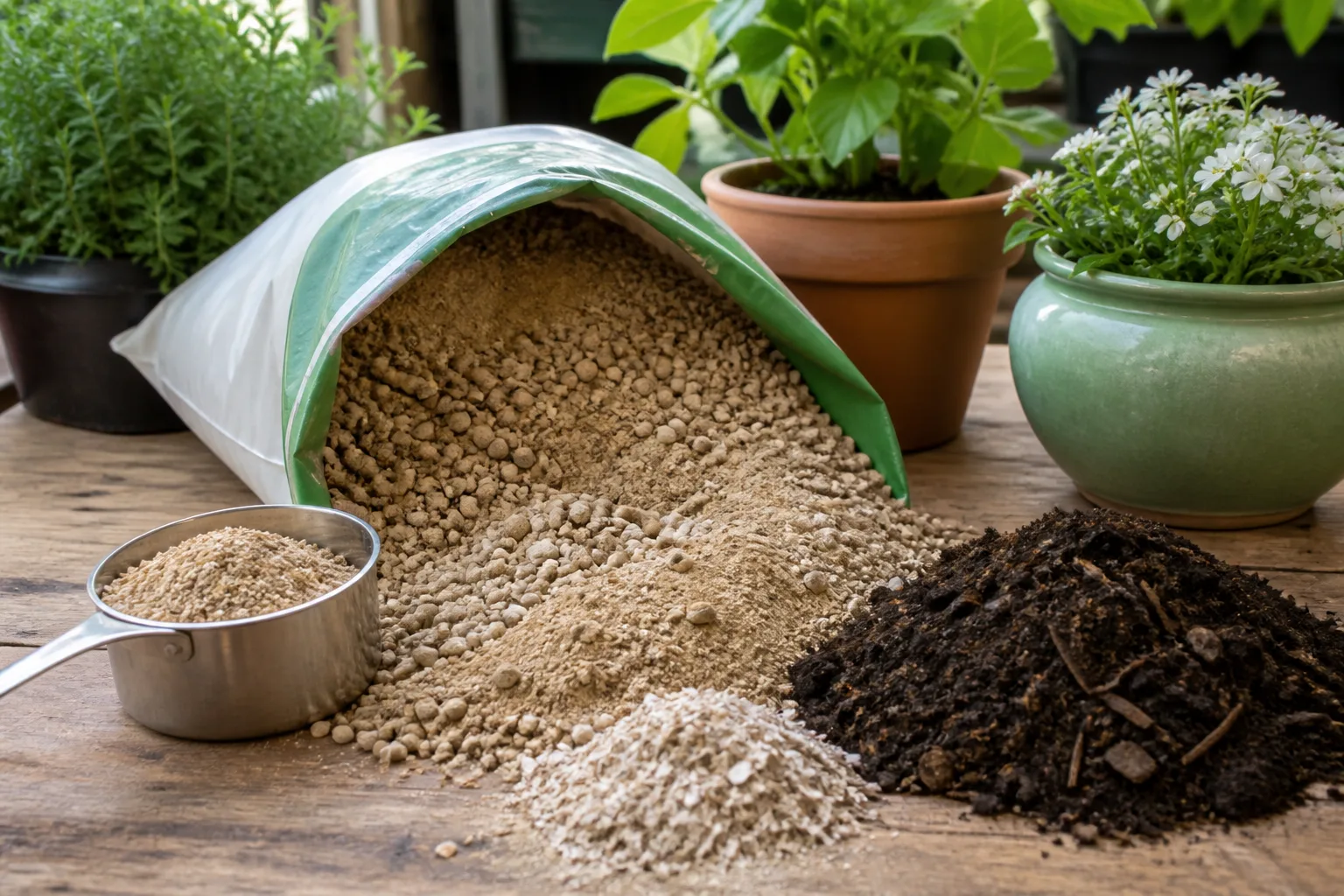
Most dry fertilizer does not become useless just because a season has passed, provided it stayed sealed, dry, and free-flowing. The products that deserve an annual label review are combination lawn products—often sold as weed-and-feed or fertilizer-plus-herbicide—because they contain more than plant nutrients and may have a labeled use window, expiration date, or storage restriction.
Read the entire package before using leftovers. Confirm the target grass, weeds, application timing, weather limits, rate, and whether the product is still approved for use in your location. A fertilizer spreader setting from another product is not a substitute for the label. Applying an old combination product “just to use it up” can expose desirable plants to herbicide or deliver nutrients the lawn does not need.
Never pour liquid concentrate or rinse water into a storm drain, sink, or bare soil. Keep the product in its original container and follow the label plus your local household hazardous-waste program. If the label is missing, the material is leaking, or the contents are clumped, separated, or otherwise unidentifiable, treat it as a disposal problem rather than guessing. An ordinary dry fertilizer and a pesticide-containing lawn product are not interchangeable waste streams.
5. Effective microorganisms and compost starters
Products marketed as effective microorganisms, compost accelerators, or living compost starters contain organisms that are expected to remain viable. They are not the same as a dry mineral fertilizer. Heat, freezing, ultraviolet light, moisture, oxygen exposure, and time can reduce the living population even when the container still looks normal.
Check the expiration or best-before date, storage temperature, and instructions after opening. A bottle that sat in a hot shed may be a poor bet even if the date has not passed; a dry, sealed product stored under label conditions may remain useful longer. The goal is not to sterilize a compost pile or guarantee a faster result—it is to decide whether the product still has a plausible living benefit.
After expiration, an all-natural, non-pesticidal product may be physically safe to add to a compost pile or soil, but its advertised microbial performance is no longer something you can assume. Gardener’s Path explains that soil inoculants can support root-zone processes, yet compost, crop residues, and good soil management also build microbial communities. Do not buy a new bottle every year as a substitute for moisture balance, aeration, adequate carbon and nitrogen, or finished compost.
6. Other microbial inoculants
Legume inoculants, mycorrhizal products, and other microbial supplements belong in the same annual audit but need a more specific match between organism, crop, and application. Rhizobium inoculant intended for peas or beans is not a universal plant tonic, and a mycorrhizal product cannot compensate for saturated soil, damaged roots, or a crop that does not form the advertised association.
Treat the package date as meaningful because the product’s value depends on viable organisms. Keep inoculants sealed, cool, dry, and out of direct sun, and follow the manufacturer’s storage instructions. If the bag has become damp, the powder has formed hard moisture-driven clumps, or the product is beyond its stated viability period, replacement before planting is the sensible choice—especially for seed that will be sown only once in a short season.
Use microbial products as targeted tools, not automatic insurance. In a first-year legume bed or a new seed lot that specifically calls for inoculation, fresh product may be worthwhile. In an established bed with a healthy crop history, improving organic matter and avoiding unnecessary disturbance may be a more durable investment than repeatedly adding a supplement. The research on inoculants is active and product-specific, so follow the label and avoid turning broad marketing claims into guarantees.
7. Organic mulch
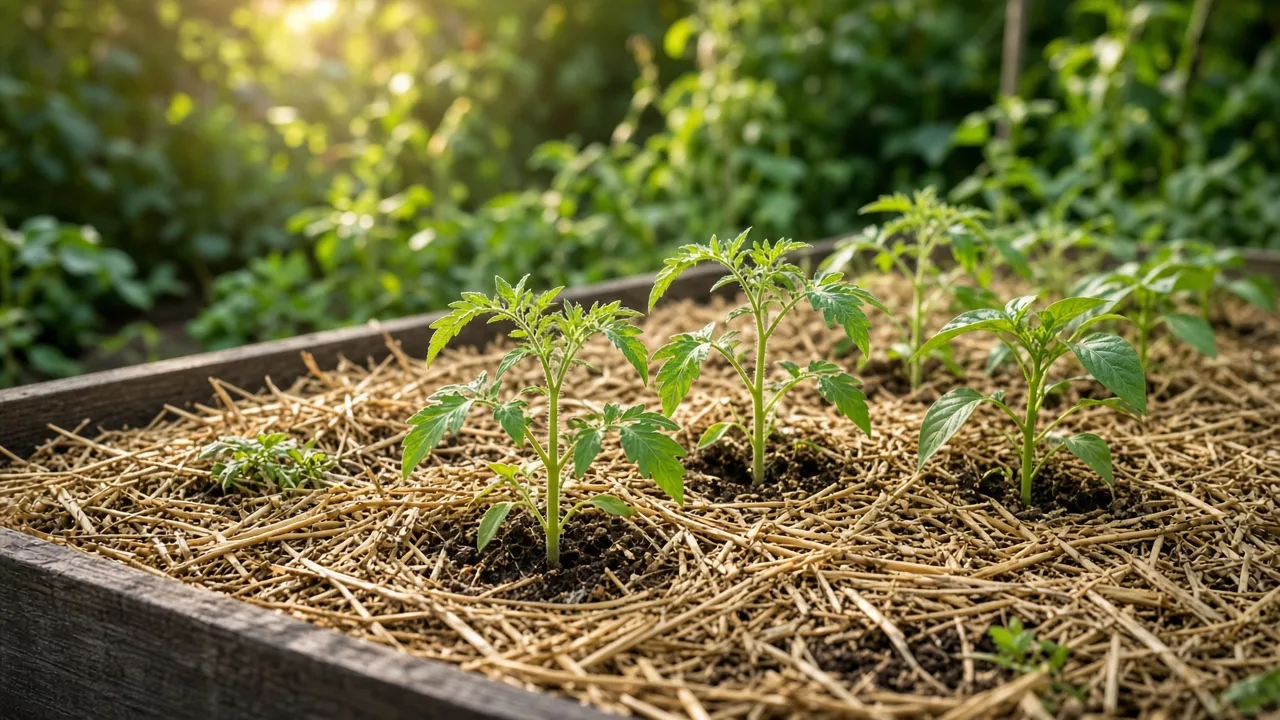
Mulch is usually a top-up item, not a complete annual replacement. Straw, shredded bark, wood chips, and other organic mulches settle and decompose, so the layer becomes thinner over time. Reapply when the soil surface is exposed, weeds are breaking through, or moisture is being lost faster than the site and crop can tolerate—not simply because a new year has started.
Before adding more, rake aside the old layer and inspect for sour odor, persistent saturation, fungal mats, pest shelter, or an excess of fine material that has sealed the surface. If the existing mulch is clean and still functioning, redistribute it and add only enough new material to restore the intended depth. Mixing a little of the old layer with the new one is less wasteful than stripping a whole bed every spring.
Colorado State University Extension lists moisture retention, temperature moderation, and weed suppression among mulch’s benefits, while also warning that excessive or volcano-shaped mulch can reduce oxygen and water access to roots. Mulch is not a soil substitute, and more is not automatically better.
Top up mulch instead of burying plants
Use a flat layer appropriate to the material and site, usually around 2 to 4 inches for woody landscape mulch and thinner around small vegetable seedlings. Keep mulch away from stems and trunks so the bark remains dry and can exchange air. For trees and shrubs, Colorado State Extension recommends at least 6 inches of clearance from the trunk; the result should look like a donut, not a cone.
Replace mulch completely when it is contaminated with a plant disease, contains a heavy weed-seed load, has been treated with an unknown chemical, or is compacted into a wet mat that will not break apart. In fire-prone locations, check local guidance before using fine organic mulch near structures. Choose the material for the bed, crop, drainage, wind, and fire conditions rather than buying the same product by habit.
A low-waste annual garden-supply reset
Set aside one dry afternoon before planting and work through supplies in this order. Doing the inspection before opening new packages prevents you from mixing questionable old products with fresh ones and makes it easier to record what worked.
Label and store what you keep
Write the purchase date, opening date, crop, and storage location on seed packets and microbial products. Seal seeds in a labeled airtight container with a desiccant packet, keep dry products off a damp garage floor, and store liquid or pesticide-containing products exactly as the label directs. Never transfer a chemical into a food jar or an unmarked bottle.
For used potting mix, record the crop that grew in it and whether it had pests or disease. For mulch, note the material and depth after application. For grow lights, record fixture type, bulb date, distance from the canopy, and the crops grown beneath it. These notes turn next year’s decision into evidence instead of memory.
Decide where leftovers go
Use a germination test for seeds, a plant-health history for used media, a performance check for lights, a label review for fertilizer, a date and storage check for microbial products, and a depth-and-condition check for mulch. Each test answers a different question; one universal “expired” rule cannot do all six jobs.
Compost or outdoor-reuse routes are appropriate only for clean, plant-safe organic material. Keep diseased media and unknown chemical products out of household compost. For pesticides, herbicide combinations, and concentrates, use the label and local household hazardous-waste service; do not burn containers or improvise disposal.
Supplies you usually do not need to replace yearly
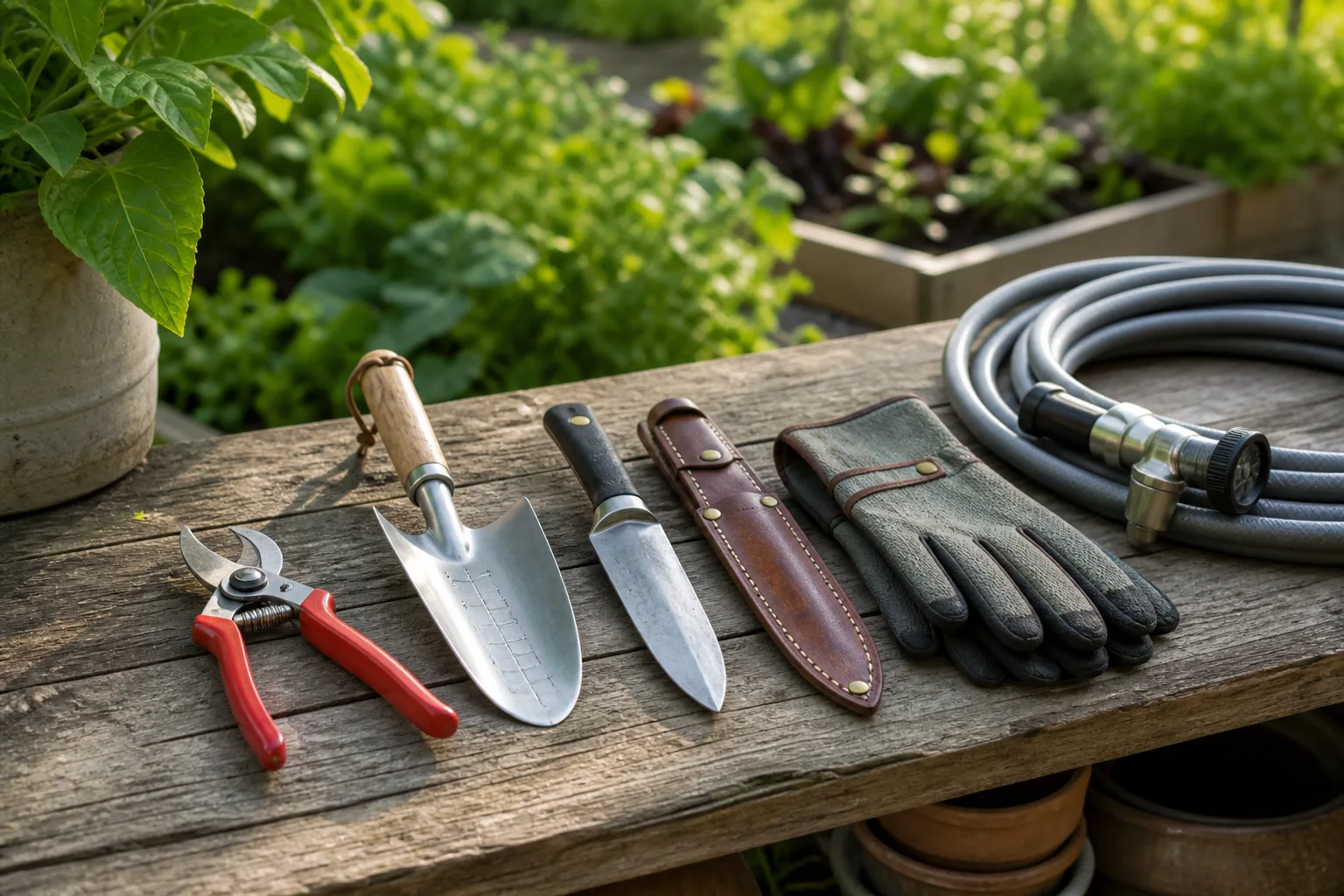
Hand trowels, pruners, stakes, pots, trays, hoses, unopened dry fertilizer, and many seed packets can last for years when cleaned, dried, stored properly, and inspected before use. Replace them when they are cracked, unsafe, contaminated, structurally unreliable, or no longer able to do the job—not because the calendar changed.
The same principle applies to unopened potting mix. If the bag stayed dry and pest-free, break up compacted material, check its smell and texture, and use it according to the manufacturer’s instructions. A replacement schedule should follow the item’s failure mode: low germination for seeds, contamination for used mix, inadequate light for bulbs, label and active-ingredient limits for lawn products, lost viability for living microbes, and insufficient or unsafe coverage for mulch.
Conclusion
The best annual gardening-supply routine is not a yearly shopping spree. Replace short-lived or viability-dependent products when testing, dates, storage damage, or crop timing justify it; reuse clean potting mix carefully; convert aging fluorescent fixtures when performance and energy use support the change; and top up healthy mulch instead of burying trunks and stems.
At the end of the season, label what you keep, separate products that need hazardous-waste disposal, and write down the crop history of anything going back into a container. That simple evidence-based reset protects plants, reduces garden waste, and makes next season’s supply list smaller—and much more trustworthy.