How to Grow and Care for Gazania: Sun, Water, and Blooms
Learn how to grow gazania in beds and containers, with practical guidance on sun, drainage, watering, seed starting, pruning, pests, and winter care.
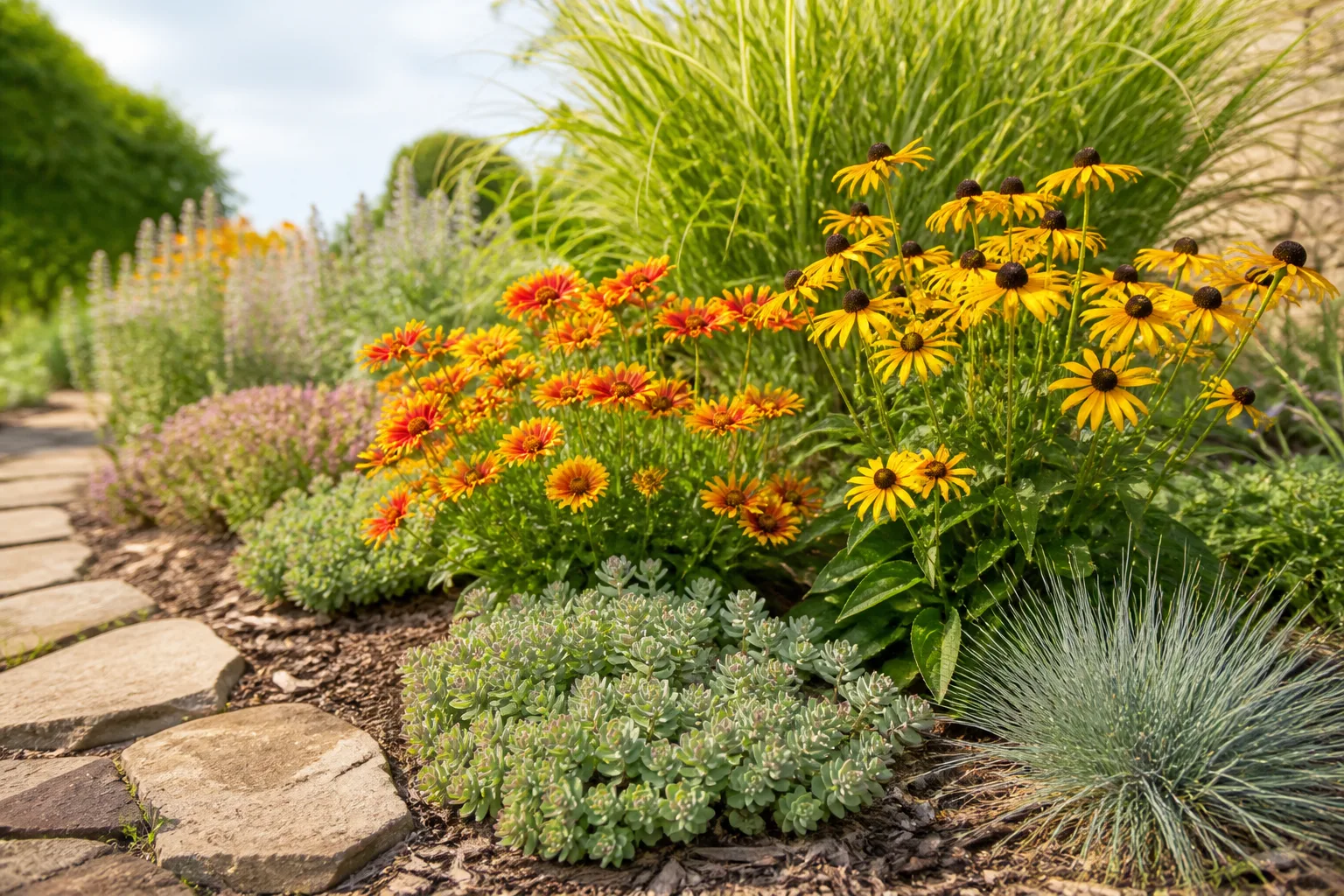
Gazania, often sold as treasure flower or African daisy, is a low-growing, sun-loving plant for gardeners who want vivid color without constantly feeding or watering. Its daisy-like flowers glow in yellow, orange, red, bronze, pink, or cream, while the gray-green leaves help the plant cope with heat and short dry spells.
The important qualification is drainage. Gazania can forgive a missed watering once its roots are established, but it does not forgive a cold, saturated root ball for long. Give it strong light, soil that drains quickly, and a watering rhythm based on the root zone rather than the calendar. In frost-free climates it can return as a short-lived perennial; elsewhere, treat it as a warm-season annual or bring a favorite plant indoors.
Start with the right gazania for your climate
The name gazania covers several closely related garden selections, most commonly forms of Gazania rigens and hybrids. Plants usually form a compact mound about 15 to 30 cm tall and wide, though trailing selections spread farther in containers. The flowers are composite heads: what looks like one large bloom is a ring of ray florets around a central disk.
Think of gazania as a warm-season tender perennial rather than assuming the word perennial guarantees winter survival. In USDA Zones 9–11, healthy plants can persist and may reseed. In colder zones, frost kills exposed foliage and roots, so a plant may be perennial only if it is lifted and protected. A cool, wet winter can also finish a plant in a warm zone even when the minimum temperature is not extreme.
Choose nursery plants with firm leaves, a compact shape, and roots that are not circling densely around the pot. Avoid a specimen that is already stretched, sitting in a waterlogged sleeve, or carrying gray patches on the foliage. A small, actively growing plant usually adjusts better than a root-bound one forced into bloom in a tiny container.
Choose a site with sun and fast drainage
How much light gazania needs
Give gazania at least six hours of direct sun, with more light preferred where summers are not brutally hot. Sunlight does two jobs: it supplies energy for flowers and triggers the opening of the rays. A plant can look healthy in bright shade yet produce fewer flowers and keep its heads closed for much of the day.
Watch the site, not just the label. A south-facing bed with open sky may be ideal, while a west-facing balcony surrounded by masonry can be substantially hotter and drier. In reflected heat, use a larger container, insulate a dark pot from the hottest surface, and check the root zone more often. If leaves scorch despite moist soil, temporary afternoon shade can be more useful than additional water.
Fixing heavy or compacted soil
Gazania prefers sandy or loamy soil that drains promptly. It tolerates modest fertility and a broad pH range, so do not chase a perfect number before correcting the bigger problem: standing water around the roots. In heavy clay, plant on a slight mound or raised bed and incorporate organic matter through the bed rather than digging a narrow, rich hole that acts like a bathtub.
For a container, use a quality potting mix amended for drainage, not garden soil alone. Choose a pot with an unobstructed drainage hole. A layer of gravel at the bottom does not repair a waterlogged mix; it reduces the volume available to roots. If water takes a long time to leave the pot or the mix stays cool and wet for days, repot into a more open mix instead of simply watering less.
Plant gazania at the right time
Set out transplants after frost danger has passed and nights are reliably mild. Gazania dislikes being chilled immediately after planting, and a cold snap can stall a plant that looked ready at the nursery. Harden plants for about a week: place them outdoors in bright, sheltered conditions for increasing periods before exposing them to full sun and wind.
Plant at the same depth as the nursery pot, firm the soil around the root ball, and water once to settle it. Leave space around each plant for its mature spread and for air movement. Gazania is low enough for an edging or rock garden, but do not bury it among taller plants where afternoon shade will reduce flowering.
The first two weeks are the exception to the dry-care reputation. Check the soil frequently and water the root ball when it begins to dry, because new roots have not yet reached surrounding soil. After establishment, extend the interval between waterings and soak deeply rather than applying a small splash every day.
Build a watering routine that prevents rot
Press a finger a few centimeters into the soil, or lift a container to learn its dry weight. Water when the upper root zone has dried but before the plant is repeatedly collapsing. Apply water slowly to the soil until the root ball is thoroughly moistened, then let excess drain away. Empty a saucer instead of allowing the pot to stand in it.
Established bed-grown gazanias often handle short dry periods, especially in sandy soil and moderate humidity. That does not make them cactus plants. During a heatwave, newly planted specimens, shallow-rooted container plants, and plants beside hot paving may need more frequent checks. During prolonged rain, do not add water just because the schedule says it is watering day.
Morning is the easiest time to water because the plant begins the hot part of the day hydrated and foliage has time to dry. If a gazania wilts in the afternoon but is upright in the morning, inspect the soil before intervening. Temporary heat stress is different from a dry root ball; watering saturated soil can turn a recoverable midday slump into root damage.
Fertilize lightly, or not at all
Gazania is adapted to lean, well-drained conditions. A bed with average soil usually needs no heavy feeding, and a large dose of nitrogen can produce soft foliage at the expense of flowers. If growth is weak because the soil is genuinely depleted, use a balanced, label-directed fertilizer during active growth rather than repeated high-nitrogen applications.
Container plants are a different case. Frequent watering can carry nutrients out of a pot, so a dilute, balanced feed used according to the product label may help during a long flowering season. Never use fertilizer to compensate for poor light, root rot, or a pot that drains badly. Correct the limiting condition first.
Keep gazania flowering through the season
Why gazania flowers close
Many gazania flowers open in bright sunlight and close at night or on cloudy days. This is a normal light response, not automatically a sign of underwatering. If heads stay closed on clear days, check whether the plant receives direct light, whether taller neighbors have grown over it, and whether the plant is under prolonged heat or water stress.
Deadheading and light pruning
Remove spent flower heads when they begin to fade if you want a tidier display and to direct energy toward new buds. Snip the stem back to the foliage instead of pulling hard on the crown. Leaving a few mature heads can be useful if you want to collect seed or allow self-sowing.
If a perennial plant becomes ragged after winter, cut away dead or damaged growth in late winter or early spring once new growth shows where the crown is alive. Do not shear a heat-stressed plant to the ground in midsummer. Remove damaged stems selectively, improve the site, and let healthy foliage continue to power recovery.
Grow gazania in containers
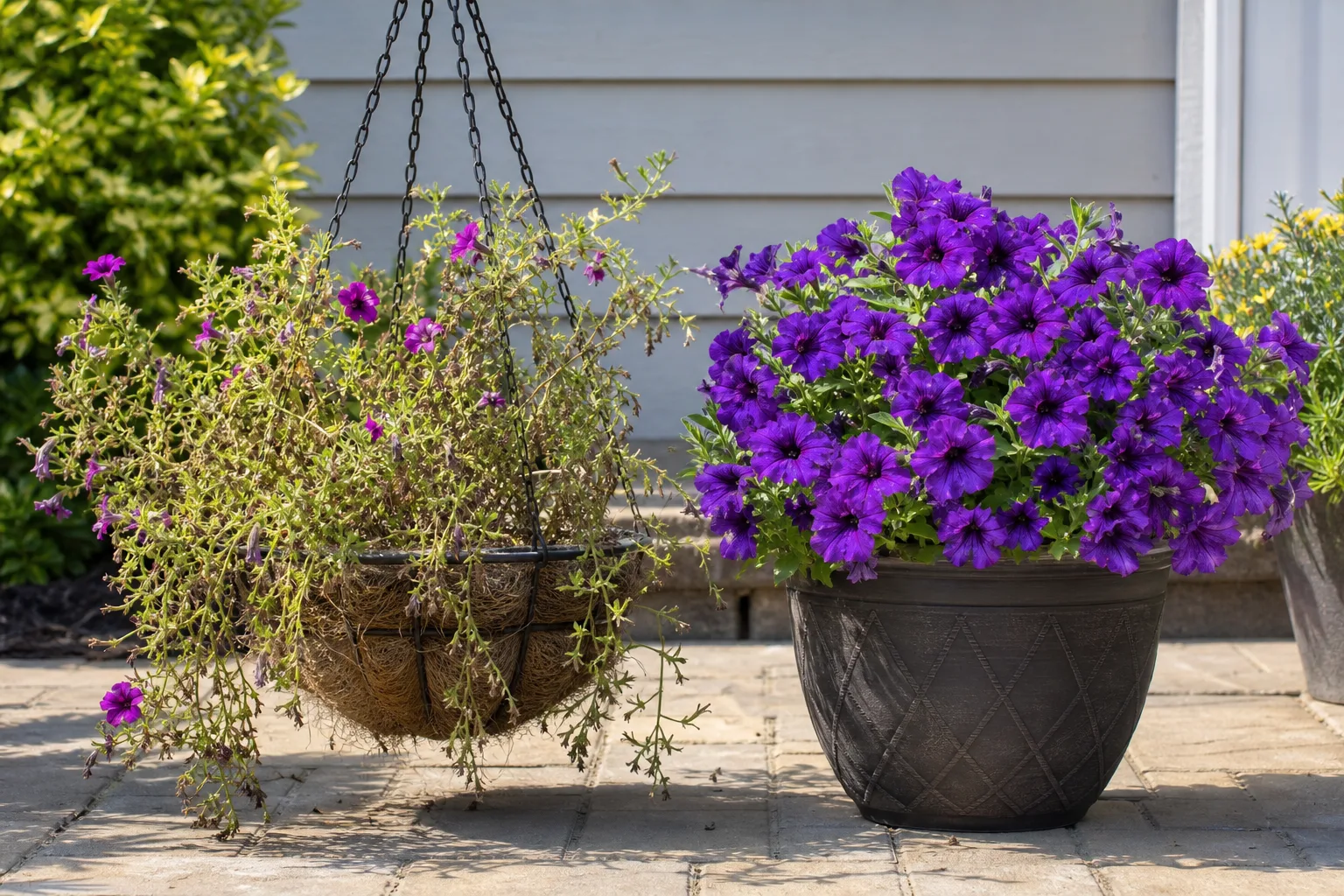
Containers make gazania easier to position in the brightest spot and easier to protect from frost. They also make watering mistakes happen faster. Use a pot wide enough for the mature plant, a free-draining mix, and a drainage hole that is not blocked by compacted soil or a decorative cachepot.
Trailing selections soften the edge of a pot or window box. Upright selections work in a mixed sunny container with plants that share the same dry-to-moderate moisture preference. Avoid combining gazania with a plant that requires constantly wet compost; one of the two will eventually be stressed by the compromise.
In hot wind, small pots can dry in hours. A larger pot provides a more stable root environment, while a light-colored outer container can reduce heat buildup. Check moisture at the same time each morning and learn the plant’s pattern instead of assuming every sunny day requires irrigation.
Grow gazania from seed
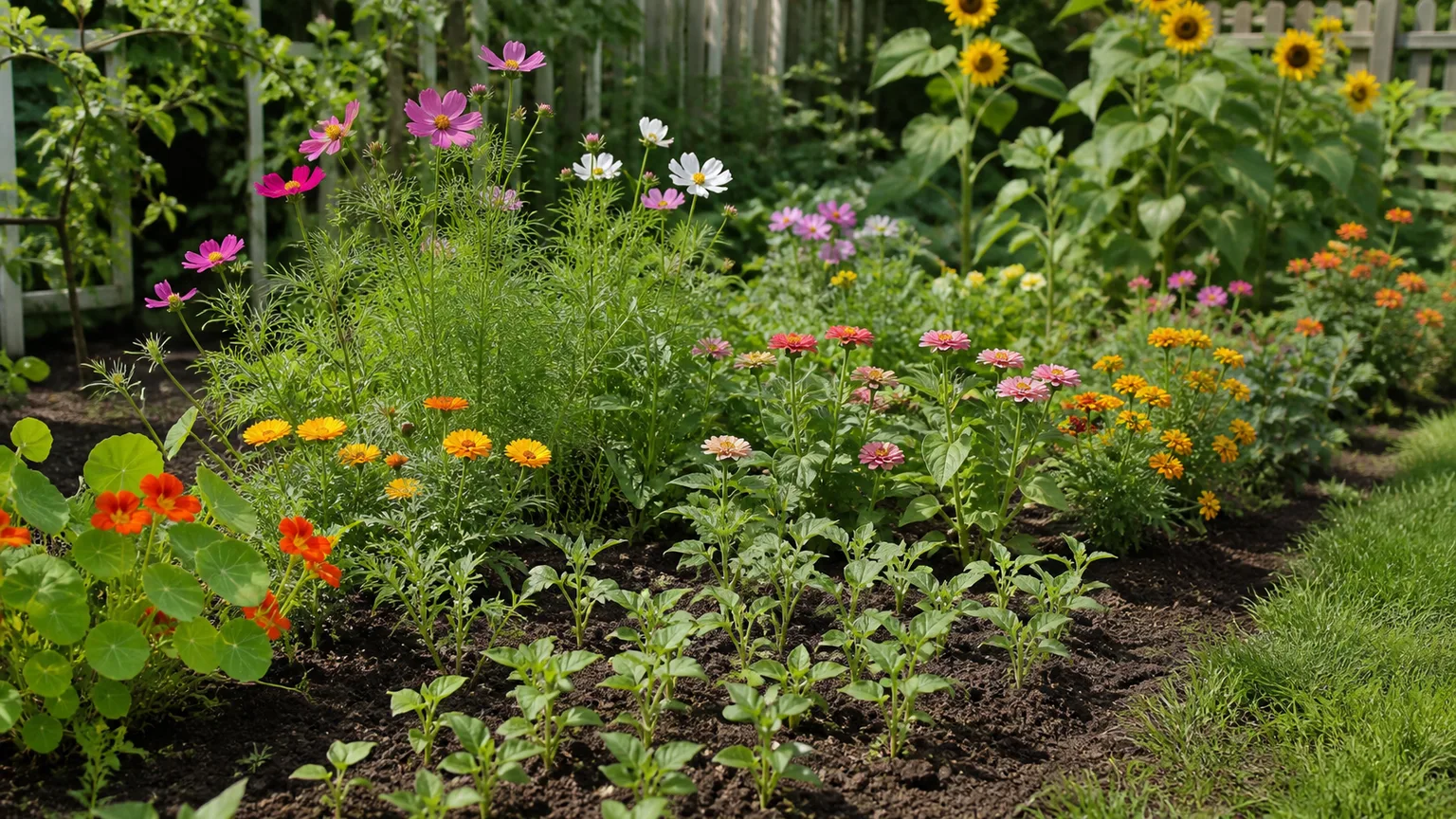
Seed is useful when you want many plants or a wider range of colors. Start indoors roughly eight to ten weeks before your local planting-out date, using a clean seed-starting mix in cell trays. Cover seed lightly; keep the medium evenly moist and warm, but never leave trays waterlogged.
Once seedlings emerge, give them strong light and enough airflow to prevent weak, stretched growth. Thin or transplant before roots become tangled. Harden seedlings gradually before setting them outside after frost danger has passed. For direct sowing, wait until soil has warmed, rake a fine bed, press seed into the surface, cover it lightly, and keep the area evenly moist until emergence.
Seed-grown plants may not look identical to a named hybrid. That is part of the appeal if you enjoy variation, but it matters if you need a specific flower color or compact habit. Save seed only from fully mature, dry heads and label the parent plant and collection date.
Propagate gazania from cuttings
Basal cuttings can preserve a favorite plant, especially when autumn arrives before the first frost. Take short pieces from vigorous new growth near the crown with a clean, sharp tool. Remove lower leaves, insert the cuttings into a free-draining propagation medium, and keep them in bright light with restrained moisture.
Cuttings are more sensitive to excess water than established plants, so the medium should be damp, not saturated. Once roots form and new growth is visible, pot the young plants separately. The practical trade-off is time: seed is efficient for quantity, while cuttings are useful for cloning a plant with a particular color or habit.
Overwinter gazania in cold climates
If a favorite plant is still vigorous before frost, lift it before freezing weather, pot it in a free-draining mix, and reduce its size enough to move without stripping the crown. Place it in a cool, bright position indoors. Water only when the mix has dried substantially, and inspect regularly for pests that become easier to miss indoors.
Do not expect a wintering gazania to keep growing and flowering as if it were outdoors in midsummer. Lower light and cooler temperatures slow it down. A plant that is cool, bright, and slightly dry has a better chance than one kept warm in weak light with constantly wet soil.
In a mild climate, leave plants in the ground only where winter drainage is reliable. A rain-soaked crown can fail even without a hard freeze. A raised position, gritty soil, and protection from persistent winter rain may matter more than the zone number on the label.
Choose gazania cultivars by garden job
Look for early-flowering series if your growing season is short. Choose silver-leaved or strongly contrasting forms when foliage is part of the design, and select trailing forms for containers. Some newer selections are marketed for flowers that stay open longer into the evening, but light and weather still influence any gazania’s display.
For a dry border, prioritize a compact plant with firm foliage and a root ball that will not sit in irrigation runoff. For a pot, prioritize mature spread, drainage, and the container’s exposure to reflected heat. For a pollinator planting, combine gazania with other open flowers that bloom at the same time rather than expecting one cultivar to provide continuous resources in every season.
Diagnose weak growth, yellow leaves, and few flowers
Start with three observations: how much direct sun reaches the leaves, whether soil is wet or dry below the surface, and whether the plant is growing new tissue. Those observations narrow the problem faster than a general fertilizer or pesticide.
Few flowers with healthy foliage usually points to insufficient direct light, excessive nitrogen, crowding, or a normal pause during extreme heat. Move a container to brighter light, stop unnecessary feeding, and remove nearby growth that shades the crown. If the plant is in full sun but the soil is constantly damp, improve drainage before expecting more buds.
Yellow leaves with soft stems or a sour-smelling mix suggest overwatering or root damage. Slide the plant from its pot and inspect roots if the problem is advancing. Healthy roots are firm; dark, mushy roots need pruning and a clean, smaller pot with fresh, open mix. A plant with a badly rotted crown may not recover, and replacing it is more realistic than repeatedly treating the leaves.
Crisp edges and a collapsed plant require a soil check. If the root ball is dry and pulling from the pot, water slowly and thoroughly, then protect the plant from the harshest afternoon heat while it rehydrates. If soil is wet, do not water again; look for damaged roots, blocked drainage, or heat trapped around the container.
Manage pests and diseases without overreacting
Gazania is generally low-maintenance, but stressed plants can attract aphids, mealybugs, or other sap-feeding insects. Inspect leaf undersides and the crown before spraying. A small population can often be removed with a firm water stream or hand cleaning; escalate only when damage is increasing and the treatment is appropriate for the plant and site.
Wet roots are the bigger recurring risk. Poor drainage can lead to root or crown rot, while humid, crowded foliage may develop powdery mildew. Increase spacing, water the soil rather than the leaves, improve morning drying, and remove badly affected material. Do not seal damp foliage under dense mulch or keep a diseased pot pressed against healthy plants.
If a pesticide is necessary, follow the product label, protect pollinators, and avoid treating open flowers when the label prohibits it. A problem photo can help with identification, but symptoms alone are not always enough to distinguish drought, root injury, and disease. When a diagnosis remains uncertain, take a sample to a local extension service rather than cycling through unrelated treatments.
Common gazania care mistakes
The most common mistake is equating drought tolerance with tolerance of every dry condition. A mature gazania in open soil can handle a dry interval; a fresh transplant in a small black pot cannot. The second mistake is placing the plant in heavy shade and blaming the cultivar when flowers stay closed.
Other avoidable errors include adding compost to a narrow clay planting hole without improving drainage, watering on a fixed schedule during rainy weather, fertilizing a stressed plant before checking roots, and planting too densely because nursery plants look small. Gazania rewards restraint: enough water to establish, enough sun to flower, and enough space for air to move.
Use the first month to learn the site. Note when the flowers open, how quickly the soil dries, whether afternoon heat causes temporary wilt, and how the plant responds after a deep watering. That small record tells you whether the next adjustment should be more light, less water, a larger pot, better drainage, or simply patience while roots establish.
Conclusion
Grow gazania in the brightest practical location, in soil that drains quickly, and water deeply only when the root zone begins to dry. Deadhead for continuous color, feed lightly in containers, and treat closed flowers as a normal response to darkness unless they also remain shut in clear sun.
In warm, dry climates, gazania can be a reliable perennial accent. In cold or wet-winter climates, it is often better treated as a seasonal flower, with a favorite plant overwintered under bright, cool conditions or replaced from seed next year. Match the plant to the site, and this tough little daisy will spend far more energy making color than asking for rescue.