Gardening Tasks and How-Tos for Every Season of the Year
Learn which gardening tasks matter each season, what to postpone when conditions are wrong, and how to build a short routine for a healthier garden at home.
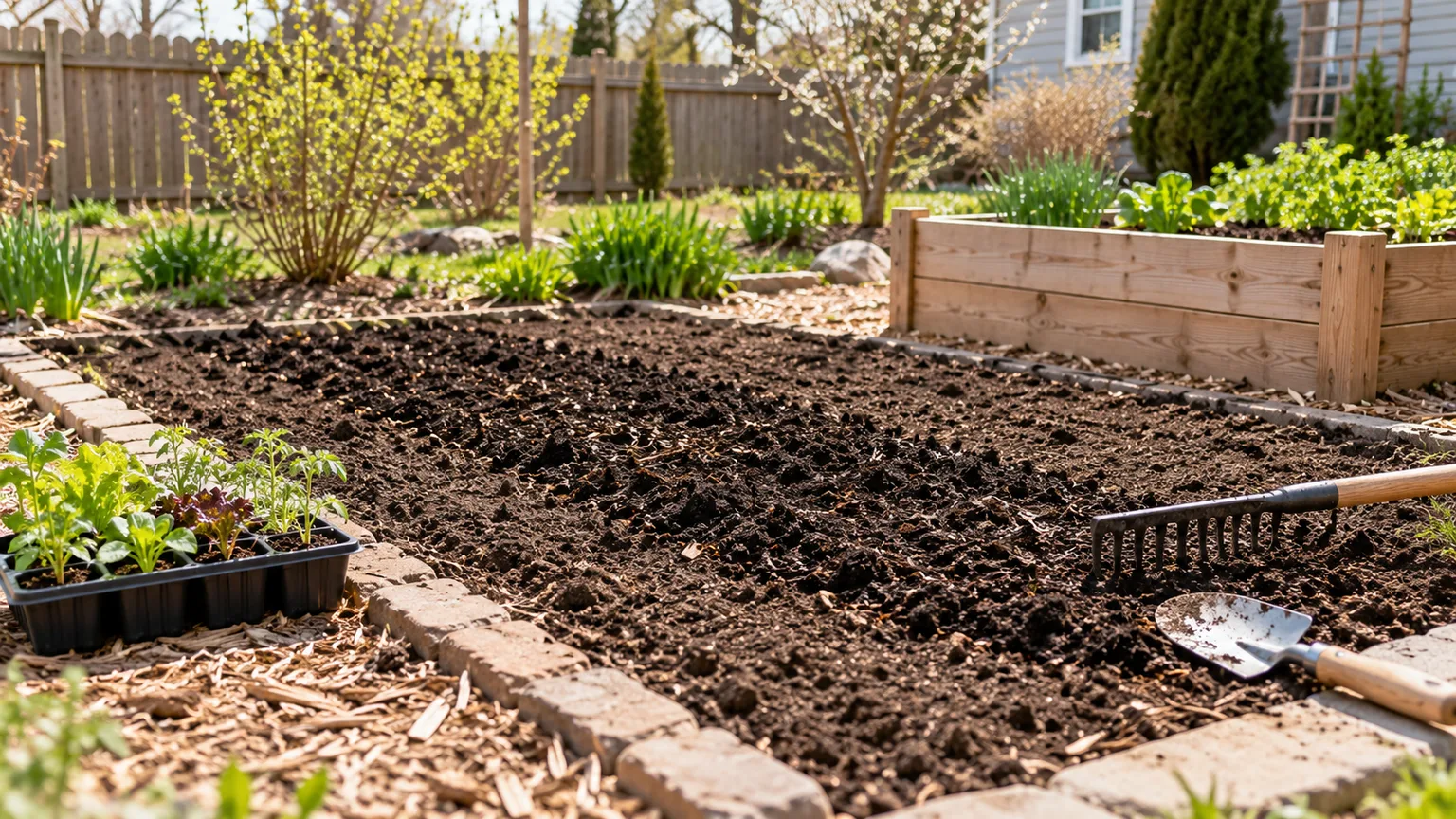
A useful garden to-do list changes with the plants, weather, and season. The same bed may need seed-starting and soil preparation in spring, steady water checks in summer, selective cleanup in fall, and little more than protection and planning in winter. No single month-by-month schedule works everywhere, but a few repeatable rules make it much easier to choose the right job at the right time.
Start with the task that protects a plant or prevents a problem, then handle jobs with a short seasonal window, such as sowing, transplanting, or pruning. Leave cosmetic work for later. This guide gives you a flexible year-round plan, explains what to postpone when conditions are wrong, and shows how to keep routine garden care from taking over your weekends.
How to Use This Seasonal Garden Task Guide
Treat the seasonal lists as a menu, not a set of deadlines. Your local climate, the plants you grow, and the garden’s current condition should decide which task comes first. A vegetable bed, a new shrub border, containers on a hot patio, and a low-water native garden will not share the same workload.
When you step outside, sort possible chores into three groups: protect now, do within a timing window, and optional improvement. Remove a diseased branch or water a newly planted shrub before edging a path.
Sow a crop while it still has time to mature before the next heat wave or frost. A fresh layer of decorative mulch can wait if the soil is already covered and the plants are healthy.
If you have only a few minutes, walk the garden before choosing a tool. Look for wilting, storm damage, weeds close to setting seed, dry containers, blocked irrigation, or a pest problem spreading beyond one plant. A quick inspection prevents a tidy-looking but low-priority chore from displacing something that needs attention.
| Season | Prioritize | Check before you begin |
|---|---|---|
| Spring | Prepare beds, sow or plant, check tools | Soil is workable and plants can tolerate the forecast |
| Summer | Water, harvest, weed, and scout | Root-zone moisture, recent rain, and heat exposure |
| Fall | Finish harvests, plant within the local window, clean selectively | Frost timing, establishment time, and plant health |
| Winter | Protect vulnerable plants, inspect, and plan | Freeze risk, storm damage, and which tasks can wait |
Make a Garden Calendar That Fits Your Climate
A garden calendar is most useful when it combines a broad seasonal rhythm with local dates and plant-specific instructions. Write down your approximate frost window, the usual start of your rainy or dry season, when the ground is normally workable, and the dates your own plants bloom or produce. Then add deadlines from seed packets, transplant labels, and reputable regional guidance.
Regional calendars are valuable because “spring” does not arrive at the same time in every garden. The University of Minnesota Extension, for example, publishes an Upper Midwest home garden schedule for its region; gardeners elsewhere need to use local advice and adjust it to their own conditions (UMN Extension’s Upper Midwest care calendar). Oregon State Extension makes the same limitation explicit: its monthly garden calendar is a regional aid, not a prescription for every Oregon garden (OSU Extension’s monthly garden calendars).
If you garden in the Southern Hemisphere, shift the familiar temperate-season sequence by roughly six months. In tropical or Mediterranean climates, a wet-season/dry-season calendar may be more useful than four equal seasons.
Keep the calendar simple enough to maintain. For each job, note what, when or what signal, and what happened last time.
Instead of writing “water every Tuesday,” record that a bed needs water when the top layer is dry and the root zone has not had meaningful rain. Instead of “prune roses in March,” record the rose type, local guidance, and whether it flowers on old or new growth. These notes turn a generic list into a garden-specific plan.
Use Local Triggers Instead of Month-Only Rules
Use three kinds of cues together: weather, soil, and plant stage. Frost forecasts help you decide when to protect tender growth or move containers.
Soil moisture and temperature tell you whether a bed is ready for sowing or transplanting. Buds, flowers, ripening fruit, and dormancy tell you what the plant is doing now, which is often more useful than the date on the calendar.
A simple soil check can prevent a lot of spring damage. Take a handful of soil from the bed and squeeze it gently.
If it feels sticky, smears into a ribbon, or holds a dense wet ball, postpone digging and heavy foot traffic; wait until it crumbles when pressed. Working saturated soil compresses its structure and can leave clods that are difficult for roots and seedlings to penetrate.
Calendar dates are estimates, not guarantees. The RHS publishes jobs for each month in the UK, while a Pennsylvania or Minnesota schedule reflects different winters, day lengths, and crop timing. Use such calendars to generate ideas, then confirm the specific task against your local extension service, plant label, and forecast rather than copying a date from another climate.
Spring Garden Tasks: Prepare Before You Plant
Spring work goes better when you resist the urge to dig, prune, fertilize, and plant everything in the first warm spell. Begin with a walk-through: note winter damage, standing water, broken supports, compacted paths, and plants that are already emerging. Check irrigation lines and stored tools before the garden is fully leafed out, when leaks and dead batteries are easier to spot.
Next, test the soil if you plan to grow vegetables, fruit, or demanding ornamentals and have not tested recently. A soil test can reveal pH or nutrient needs before you add fertilizer or amendments.
Do not add lime, sulfur, or a high-nitrogen product just because spring has arrived; the right amendment depends on the test, the crop, and local recommendations. If a bed is healthy and covered, you may need only a modest top-dressing of finished compost rather than deep cultivation.
Use planting calendars for timing, but check the forecast and the crop’s tolerance. Cool-season crops may go in while nights are still chilly, whereas warm-season vegetables and tender flowers can be damaged by a late frost.
If seedlings were raised indoors, harden them off gradually by increasing outdoor exposure over several days before they stay outside full time. For a sowing sequence and bed layout, use this spring garden planning guide.
Reset the Garden in the Right Order
First clear paths, remove trash, and cut away broken or clearly diseased material. Leave healthy perennial stems that still provide habitat until local conditions and plant growth make it appropriate to tidy them. Inspect overwintered plants before trimming: what looks dry may still have living buds lower down, and a late cold snap can still damage new growth.
Then address soil and planting. Pull young weeds before they establish, but do not rake or cultivate a bed that is too wet.
Add compost or mulch only where it solves a real need, keeping mulch away from plant crowns and woody trunks. Once beds are ready, plant or sow according to local timing, water new transplants in, and label varieties so you can learn which ones perform well.
Pruning is not a universal spring cleanup job. Some plants are best pruned while dormant; others should be pruned after flowering because they formed buds the previous season.
Identify the plant before cutting, remove dead or hazardous wood first, and avoid reducing shrubs into a uniform shape just because their branches are visible. For a more detailed pruning overview, Fine Gardening’s pruning guide explains why timing and technique differ among shrubs, trees, and fruit plants.
Summer Garden Tasks: Water, Harvest, and Scout
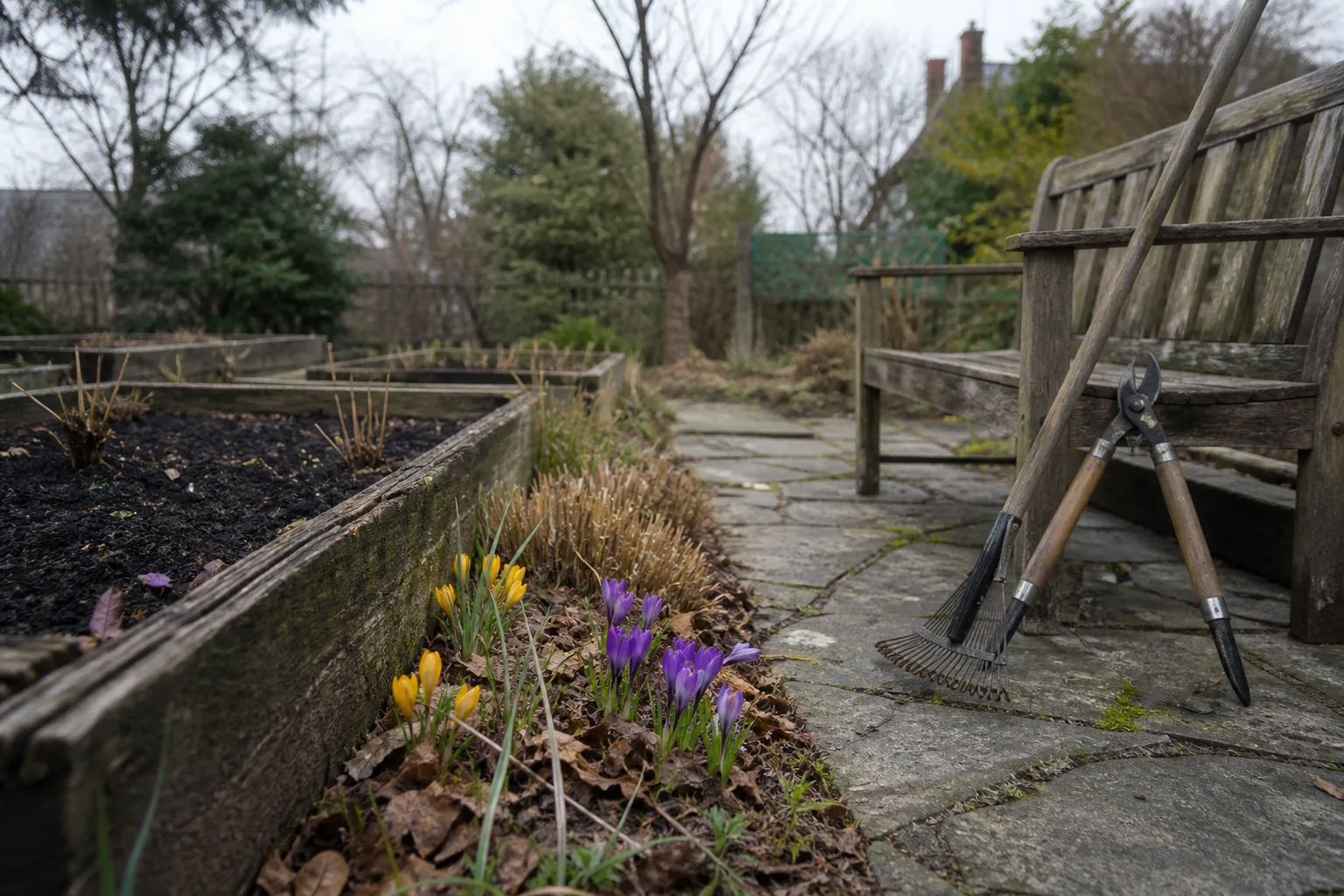
In summer, the most valuable job is often observing before acting. Heat, wind, and long days can dry containers and shallow-rooted crops quickly, but a plant that wilts in afternoon heat may recover by evening.
Check the soil at root depth and look again in the morning before increasing irrigation. If it is dry where roots are growing, water slowly enough to soak that layer; if it is still damp, investigate heat exposure, root damage, drainage, or disease rather than adding more water automatically.
Pay special attention to new plantings, hanging baskets, and small pots, which can dry sooner than established in-ground plants. Mulch reduces evaporation and helps limit weeds, but it does not replace checking the soil.
Rainfall can also be uneven: a short shower may wet leaves and the surface without reaching deeper roots. A rain gauge or a simple straight-sided container near the bed can help you distinguish a genuine soaking rain from a brief sprinkle.
Harvest crops regularly when they are ready. Frequent picking can keep some vegetables producing, while overripe fruit left in place may attract pests or hide disease.
Tie up heavy stems before they flop, remove clearly infected leaves without stripping healthy foliage, and inspect the undersides of leaves when symptoms first appear. If a problem is spreading, identify it before choosing a treatment; spraying every insect you see can remove beneficial species while missing the actual cause.
Adjust the Routine for Heat, Rain, and Containers
During a heat wave, prioritize plants that are establishing, producing food, or growing in small containers. Temporarily shade a vulnerable pot or move it out of reflected afternoon heat if the species tolerates that change.
Grouping pots can reduce exposure, but do not crowd them so tightly that airflow disappears. These small adjustments are often more effective than adding fertilizer to a plant that is simply heat-stressed.
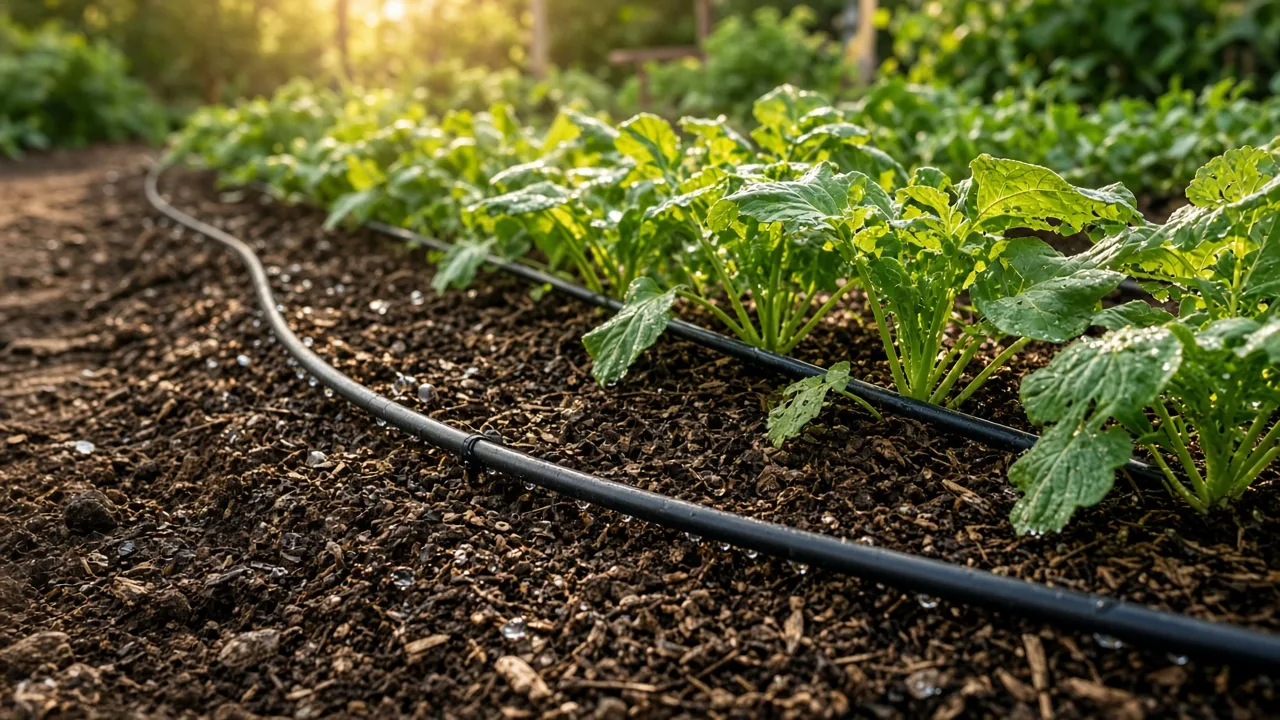
Water the soil rather than routinely wetting foliage late in the day, especially where a plant’s disease problems are aggravated by long periods of leaf moisture. Use a hose wand, drip line, or watering can to reach the root zone. If you need help creating a lower-waste routine, see the detailed guide to conserving water in the garden.
Weed after rain or irrigation when roots release more easily, and pull before annual weeds set seed. Keep a small bucket or trug nearby so each walk can finish one modest job. When the forecast calls for heavy rain, check that containers drain and that runoff is not carrying soil from bare beds; after a storm, reset leaning supports and remove broken stems before they tear further.
Fall Garden Tasks: Harvest, Plant, and Protect
Fall is both a harvest season and a planting window. Finish crops before a damaging frost if they are not cold-hardy, collect seed from healthy plants you want to grow again, and note which varieties thrived or struggled.
In regions with a long fall, cool-season vegetables, bulbs, and many perennials can still be planted, but the safe window depends on how much time roots have to establish before hard freezing. A UK October checklist, for instance, includes jobs such as dividing perennials and moving tender plants, but those actions must be translated to local climate and species (RHS October gardening jobs).
Water newly planted trees, shrubs, and perennials through dry autumn weather while the ground is not frozen. A plant can enter winter with a dry root ball even if rainfall has been adequate around the surrounding soil.
Do not assume that cool weather means no watering; check the root zone, drainage, and forecast. At the same time, reduce irrigation for established plants when temperatures fall and rainfall increases, rather than following a summer timer unchanged.
Use fall to improve next season’s starting point. Remove diseased plants and badly infested debris, clean supports that carried sick vines, and make a note of recurring trouble spots.
If you are unsure which shrubs can be cut back now, compare the plant’s bloom habit with this guide to shrubs that can be pruned in fall. Healthy leaves and stems do not all need to go into a bag: leaves can be shredded for lawn or bed use, and some perennial seed heads provide winter structure, food, or shelter. Penn State Extension’s fall guidance distinguishes diseased material from plants worth leaving for birds, beneficial insects, or winter interest (Penn State Extension’s fall garden tasks).
Clean Up Selectively and Keep Useful Habitat
Think of cleanup as a sorting job, not a whole-garden haircut. Remove plant material with persistent disease or pests according to local disposal guidance, and keep it out of a home compost pile unless you know your method reaches suitable temperatures.
Compost healthy annuals and leaves if your system can handle them. Leave sturdy healthy stems or seed heads where they provide food and shelter, then cut them back when new growth begins or when the plant’s care guidance calls for it.
Leaves are useful when they are in the right place and depth. A thick, wet layer can smother lawn grass or mat over small plants, so shred, move, or compost excess leaves.
In a perennial bed, a light natural layer may protect soil and roots. Fine Gardening notes that fall and winter can be practical times to mulch, while Penn State explains how shredded leaves can be reused rather than discarded (Fine Gardening on mulch timing; Penn State Extension on fall cleanup). Keep mulch several inches away from trunks and crowns so it does not stay piled against stems.
Do a final weed pass before seed heads mature, but avoid disturbing soil more than necessary. If an empty vegetable bed will sit bare through winter, consider a locally appropriate cover crop or a layer of finished compost.
Some cover crops need to be sown early enough to establish; check regional guidance for species and timing. Use the fall to review seed inventories and order only what fits next year’s light, space, water, and maintenance capacity.
Winter Garden Tasks: Protect, Observe, and Plan
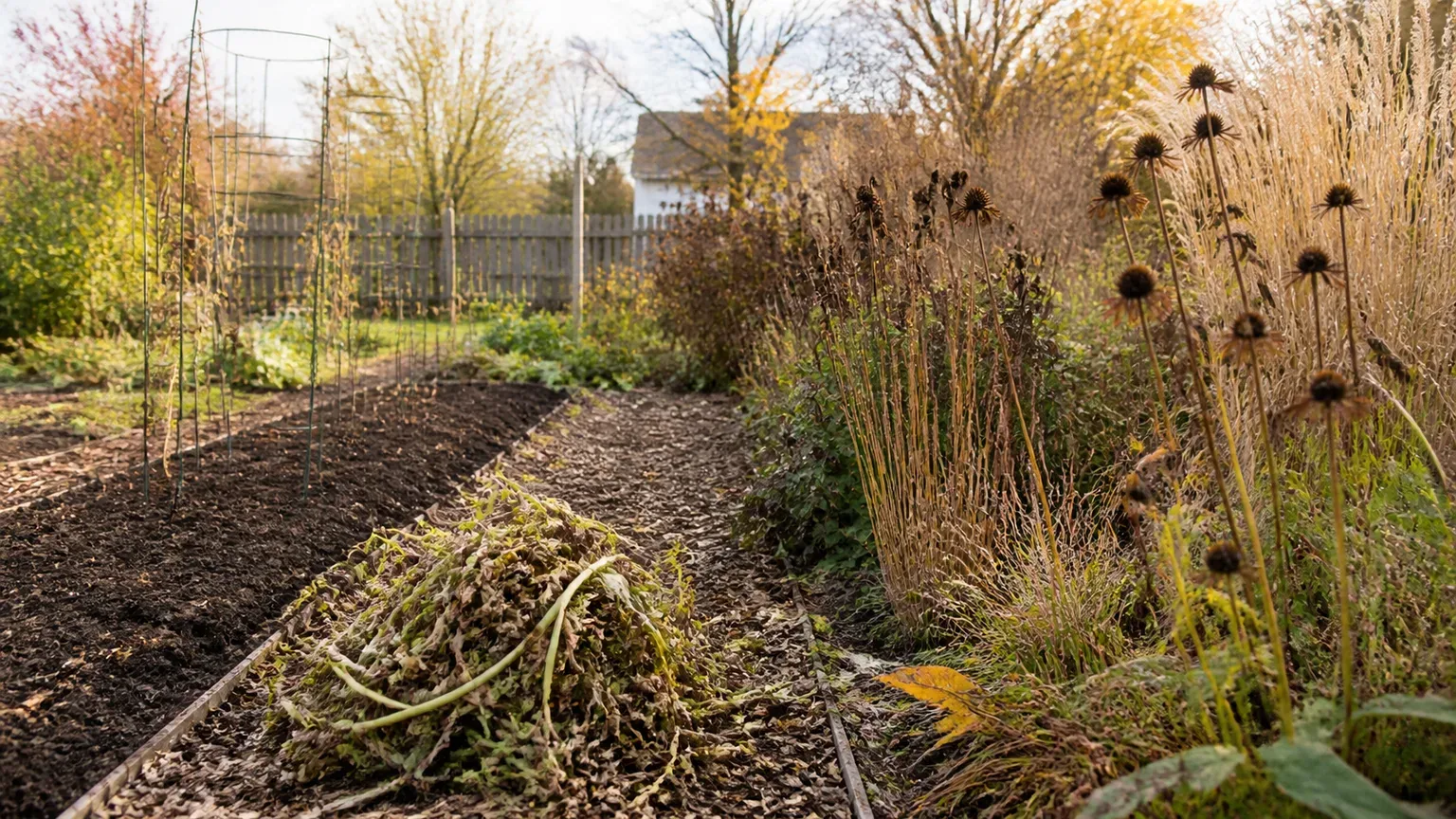
In winter, the garden may need less intervention but it still benefits from occasional checks. After strong wind, heavy snow, or freezing rain, look for broken branches, collapsed supports, exposed roots, or containers that have shifted. Brush heavy snow from vulnerable evergreen branches with a gentle upward motion only when it can be done safely; do not strike ice-coated limbs or climb onto slippery ground to reach them.
Protect only what needs protection. A tender potted plant may need to move into a sheltered, frost-free space, while a hardy shrub in the ground may be safer left alone.
If you use a cover during a cold snap, make sure it does not trap moisture against foliage for a long period, and remove or vent it when conditions ease. Keep salt-laden snow from piling onto sensitive beds and redirect roof runoff that creates repeated ice or waterlogging. For hands-on planning while outdoor beds are quiet, follow this guide to starting garden-bed preparation in winter.
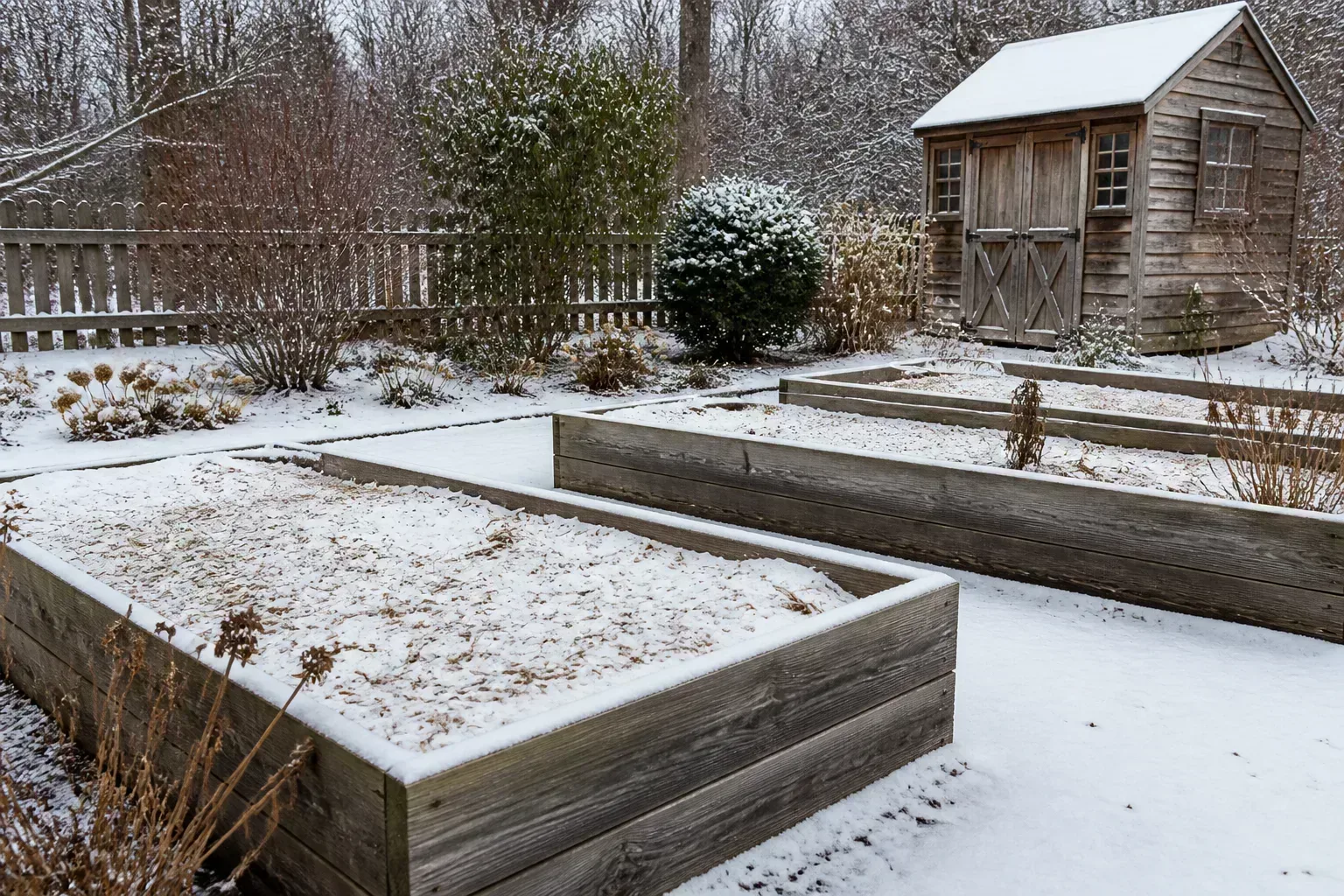
Winter is an excellent planning season because you can see the garden’s structure. Review photographs, garden notes, seed packets, and soil-test results.
Sketch a simple bed map, mark where crops grew, and decide what to move, divide, replace, or leave. Penn State Extension recommends using a garden journal to record schedules, completed tasks, weather, planting locations, and successes; a few useful notes are more valuable than a perfect log no one wants to keep (Penn State Extension’s garden journal guide).
If your climate stays mild, winter may still bring active weeding, planting, pruning, or irrigation checks. In warmer regions, the cooler part of the year can be the main gardening season. Conversely, where soil freezes deeply, the best winter task may be simply to protect vulnerable pots, maintain tools indoors, and plan next year’s work rather than forcing outdoor jobs into unsuitable conditions.
The Garden Jobs That Repeat All Year
Some jobs do not belong to just one season. They form a light maintenance loop: inspect, water when needed, weed before seed, prune only with a reason, and keep tools ready. The right frequency depends on rainfall, plant density, and the time of year, so use visible conditions to decide when to repeat each task.
Take a Short Garden Walk
Walk the same route once or twice a week during active growth and less often when plants are dormant. Look at the whole garden first, then inspect a few plants closely for new leaf damage, wilting, unusual spots, pest activity, or branches rubbing against structures. Check the soil, not just the foliage, before deciding whether a plant is thirsty.
Carry a notebook or use a phone note to record only details that will change a future decision: the date of a frost, when a bed dried out, when a crop flowered, or where a pest appeared. Penn State’s journal guidance suggests recording actual dates and outcomes rather than relying only on planned dates. That turns next year’s calendar from a guess into a useful local record.
Water and Weed from Evidence
Water deeply enough to wet the active root zone, then allow the surface to dry to the level appropriate for the plant and soil. Sandy beds, raised beds, containers, and windy sites may need more frequent checks; clay soil may remain wet much longer. Newly planted material usually needs closer attention while it establishes, even if neighboring mature plants are doing well.
Weed early and selectively. Young weeds are easier to remove before roots become extensive or seed heads mature, but not every plant that appears in a bed is a weed.
Identify unfamiliar seedlings before pulling them, especially in a native planting or an area where self-seeding flowers are welcome. Mulch can suppress many emerging weeds, but it cannot eliminate perennial weeds with established roots.
Prune by Plant, Not by Habit
Before pruning, identify the plant and the reason for the cut. Remove dead, damaged, diseased, or crossing wood when appropriate, but major shaping and size reduction should follow the plant’s growth habit and flowering cycle. A shrub that blooms on old wood can lose its next display if it is cut back at the wrong point in the year; a tree may have different structural pruning needs from a flowering shrub.
Use clean, sharp pruners and make cuts suited to the branch size. If you are unsure what a plant is, or if a large limb is near a building or power line, pause and get species-specific or professional advice instead of experimenting. The guide to cleaning and sharpening garden tools covers a simple maintenance routine; cleaning tools between plants with suspected disease also helps avoid carrying contaminated material around the garden.
Mulch, Compost, and Reuse Garden Debris
Mulch is a surface layer, not something to mix deeply into every bed. It can moderate moisture loss and reduce weed pressure, but the correct material and depth depend on the plant and site. Pull mulch back from trunks, stems, and crowns; replenish it only when the existing layer has thinned or when there is a clear reason to protect exposed soil.
Compost healthy garden waste when your pile has enough air, moisture, and a balance of materials. Do not assume diseased foliage, invasive seed heads, or persistent weed roots will be made harmless in a cool backyard pile.
If you need a practical starting point, use the beginner’s composting guide and keep questionable debris out until you know how your composting method handles it. Reusing leaves and clean trimmings reduces waste, but the garden’s health comes first.
Turn the Calendar Into a Routine You Can Keep
A garden is easier to manage when you separate recurring checks from seasonal projects. Put the short checks on a weekly or biweekly rhythm during active growth, and reserve a few planned sessions for planting, dividing, bed preparation, or winterizing. Your schedule should fit the number of beds and containers you actually maintain; it does not need to resemble a full-time gardener’s calendar.
Make a short “next three tasks” list rather than copying every possible job into one weekend. Choose one plant-health task, one time-sensitive task, and one optional improvement. If a task depends on dry soil, no frost, or a particular bloom stage, write that condition next to it so you do not feel obliged to force the work on the wrong day.
Use a Twenty-Minute Weekly Pass
For a small home garden, one useful pass might look like this: spend five minutes checking moisture and the forecast, five minutes pulling easy weeds or harvesting, five minutes inspecting leaves and supports, and five minutes writing down what should happen next. The exact split does not matter. What matters is noticing small changes early and leaving yourself with a clear next action.
After a week of heavy rain or heat, adjust the pass. After a cool, quiet week, you may have no urgent work at all.
If garden care repeatedly feels unmanageable, simplify the beds, group plants with similar water needs, reduce containers that dry too quickly, or replace high-maintenance annuals with suitable perennials. A realistic garden plan protects your time as well as your plants.
Common Garden Task Mistakes to Avoid
The most common mistake is treating a calendar as an order. A warm day does not mean wet soil is ready to dig, and a date on a seed packet does not override a late frost warning. Let local conditions make the final call, and keep a backup task—tool cleaning, seed inventory, or bed mapping—for days when the weather blocks outdoor work.
Another mistake is doing a complete fall cleanup by default. Removing diseased debris is sensible, but clearing every stem and leaf can discard food and shelter while exposing soil.
At the other extreme, leaving a thick mat of wet leaves over turf or small plants can create problems. Sort material by plant health, location, and habitat value instead of choosing “remove all” or “leave all.”
Avoid pruning every shrub in spring or fall without identifying its bloom timing. Do not fertilize a stressed plant as a reflex, water by a fixed schedule without checking soil, or use mulch to hide a drainage problem. If a plant declines after a change, stop adding new interventions and work backward: what changed, when did symptoms start, and does the root zone match the plant’s needs?
Finally, do not build a garden that requires more upkeep than you want to give. A smaller number of well-sited plants, accessible paths, grouped watering zones, and simple records can reduce repeat work. The best gardening routine is the one you can follow through a busy month, not the most ambitious checklist you can write in winter.
Conclusion
Plan garden tasks around conditions and plant needs, then let the season set the broad direction. In spring, prepare beds and plant at the right time; in summer, check water, harvest, and scout; in fall, harvest, plant, and clean up selectively; in winter, protect what is vulnerable and use the quieter stretch to plan.
Start with a short garden walk, choose one task that matters now, and note what you learn. A flexible calendar built from local guidance and your own observations will be more useful than a rigid list of chores—and it will help you spend less time reacting and more time growing a garden that suits your life.



