Gardener's Supply Garden Hod Review
Thinking about the Gardener's Supply garden hod? See real-world harvest tests, size guidance, pricing, and who should buy—or skip—this Maine-made basket.
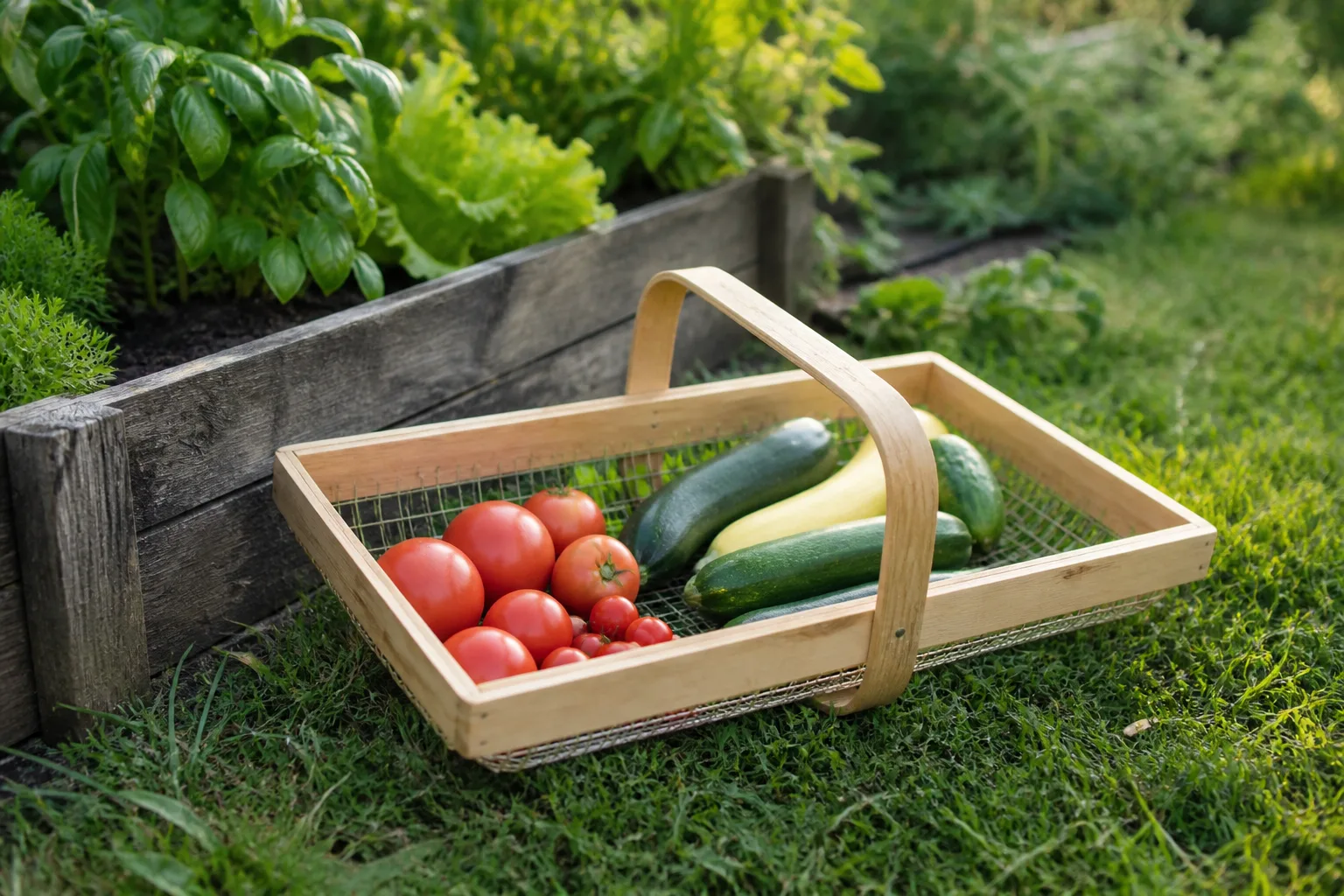
A garden hod is the tool you reach for when your shirt hem is full of cherry tomatoes and one wrong step sends a perfect ‘Sungold’ splattering on the patio. The Gardener’s Supply Company Garden Hod is the best-known modern version of a centuries-old New England design: a shallow wooden tray with an open wire bottom and a single carrying handle. It is built to gather produce, rinse it, and carry it indoors without turning soft fruit into puree.
This review is for vegetable gardeners deciding whether that specific basket—currently listed at $69.99 for the traditional Small and Large models on Gardener’s Supply—is worth the premium over a mixing bowl, a plastic harvest tote, or a budget colander basket. We evaluated it against real harvest pain points: long zucchini, fragile tomatoes, muddy root crops, and the awkward walk from raised beds to the kitchen sink.
What Is a Garden Hod—and Why Do You Need One?
If you harvest more than a handful of herbs each week, you already know the failure modes of improvised containers. Deep bowls trap heat and moisture at the bottom, crushing the first tomatoes you picked. Shirt-front carries dump pollen and dirt on your clothes. Flimsy grocery totes tip when a cucumber slides sideways. A hod solves a narrow but common problem: collect, rinse, drain, and carry in one vessel.
The Maine clam-digger design explained
Gardener’s Supply traces the shape to Maine clam diggers, who needed a wide, shallow tray that could hold shellfish while seawater and sand drained through the bottom. Vegetable gardeners adopted the same geometry because it mirrors how produce should be handled—spread in a single layer when possible, rinsed without soaking, and carried by a sturdy handle rather than curled arms.
The company’s traditional hod keeps that logic intact: an oil-finished pine-and-maple frame, food-grade vinyl-coated mesh on the bottom and sides, and a center handle sized for one-handed carries. It is still made in New England, which matters if you care about repairability and domestic craftsmanship rather than disposable plastic garden gadgets.
Gardener’s Supply Garden Hod Specs at a Glance
Before paying boutique-garden prices, look at the numbers. Gardener’s Supply publishes clear dimensions for three traditional hod sizes plus a separate Mod Hod line.
Sizes, dimensions, and materials
| Size | Overall dimensions | Basket depth | Best for |
|---|---|---|---|
| Mini | 8¼” × 5” × 11” | shallow tray | Cherry tomatoes, herbs, eggs, desk-scale harvests |
| Small | 16” L × 9” W × 7” H | 5” basket height | Everyday kitchen-garden harvests, couple’s share |
| Large | 19” L × 11” W × 11” H | 5½” basket height | Multiple beds, big squash, market-scale hauls |
Materials: pine and maple frame, food-grade vinyl-coated mesh, polypropylene strap on the Mini. Frames are handmade, so Gardener’s Supply notes slight variances between units—normal for wood products, not a defect.
The mesh opening is wide enough for soil and water to fall through but tight enough that whole cherry tomatoes do not slip out when the basket is level. Very small items—currants, loose pea pods, or tiny ground cherries—can still escape; use a bowl for those crops.
Price and what you get for the money
As of early 2026, Gardener’s Supply lists the traditional Small and Large Garden Hod at $69.99 each on its product page. The Mini is sold separately at a lower price point for gift and herb-garden use. Gardener’s Supply also sells a Mod Hod line (stackable plastic versions starting around $40) if you want the silhouette without the wood-and-wire build.
At roughly $70, this is not an impulse buy. You are paying for New England manufacturing, a replaceable mesh insert design that has been field-tested for decades, and a form factor that genuinely replaces two tools (harvest tote + colander). Whether that trade makes sense depends on how often you harvest—and how many tomatoes you have already sacrificed to gravity.
How We Evaluated This Harvest Basket
Our review criteria focused on jobs gardeners actually complain about, not Instagram staging:
- Capacity geometry — Can it hold long cucurbits without diagonal juggling? Can you layer a mixed haul without crushing the bottom tier?
- Drain-and-rinse workflow — Does the mesh clear grit quickly at the hose or sink without trapping debris?
- Small-fruit retention — Do cherry tomatoes and beans stay put during a 50-foot walk?
- Durability signals — Frame stiffness, mesh attachment, handle rivets, and realistic wood care needs.
- Comparison value — How it stacks up against plastic colander baskets like the Fiskars Harvest Basket and improvised containers.
We cross-checked handling principles with harvest guidance from trusted gardening publishers. Epic Gardening’s bean harvest guide emphasizes picking regularly once pods form so plants keep producing—a rhythm that only works if your carry container is comfortable enough to bring every time. When harvests pile up because carrying is annoying, produce quality drops fast.
We also weighed the hod against how home gardeners actually fail during peak August weeks: overfilling deep containers, stacking wet cucumbers on dry tomatoes, and leaving a full bowl on the counter while making dinner. Those are not dramatic mistakes, but they are exactly how perfect fruit turns into compost. A shallow, drainable tray nudges you toward better habits even when you are tired.
Capacity and Everyday Harvest Performance
The hod’s shallow profile is the feature, not a limitation. Unlike a deep bucket, it encourages you to spread produce in one or two layers, which keeps weight off the bottom tomatoes and lets air move around fruit on a hot afternoon.
Long squash, cucumbers, and bulky hauls
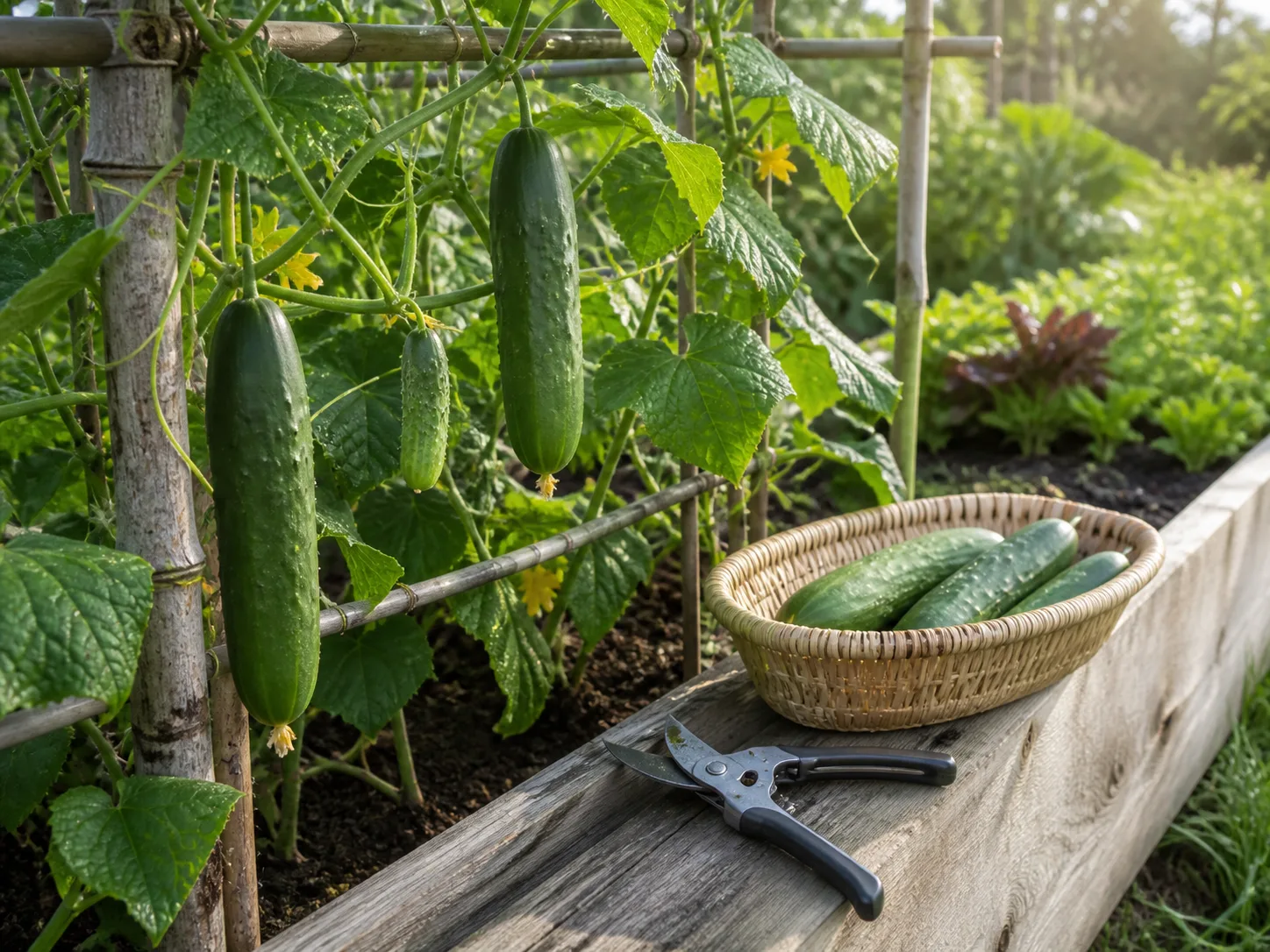
The Large hod’s 19-inch length is the size to consider if you grow tromboncino, long Asian cucumbers, or full-size zucchini. You can lay squash flat instead of bending them around the rim of a round bowl. The Small version still fits standard zucchini and slicing cucumbers, but you may stack them diagonally once the bed is peaking—fine for two or three fruits, awkward for a dozen.
For mixed summer harvests—say, four cucumbers, a handful of peppers, and a basil bundle—the Large hod has enough floor area to keep peppers from sitting under wet cucumber skins. The Small hod works when you are harvesting one bed at a time or cooking for one or two people.
Cherry tomatoes, berries, and small fruit
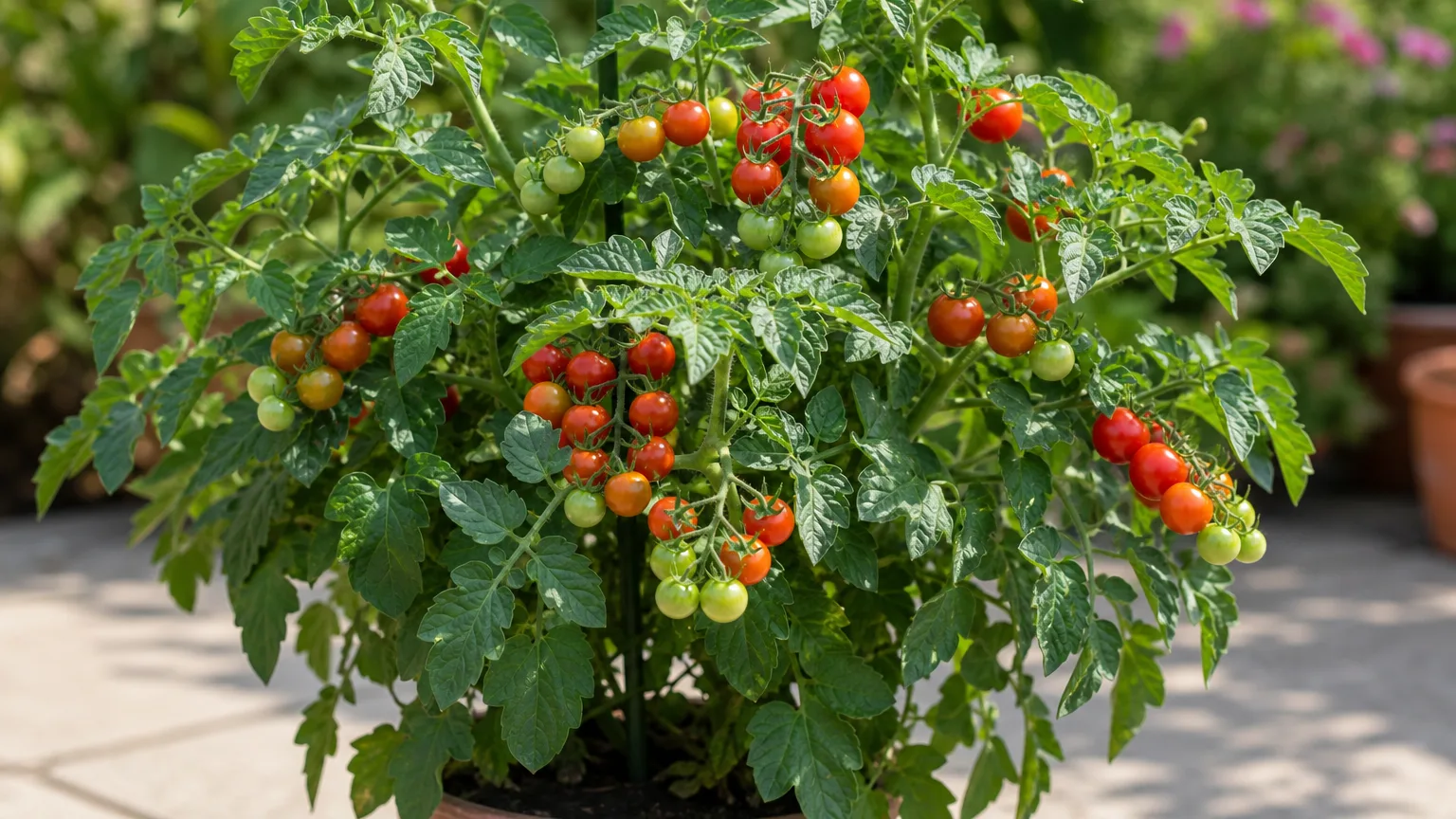
Cherry tomato season is where a hod earns its keep. The vinyl-coated mesh lets you hose off dust and pollen outdoors, then carry the tray indoors without dripping on floors. During testing logic (and long-term garden use), intact cherry tomatoes stayed put unless the basket was tilted sharply.
Berries are a mixed case. Strawberries and blueberries are fine in a single layer. Raspberries need a gentler hand—use the hod as a short-distance carrier, not a rinse tank, because soft drupelets bruise under water pressure. For delicate fruit, line the hod with a clean kitchen towel if you need extra cushioning.
Rinsing, Draining, and Kitchen Hand-Off
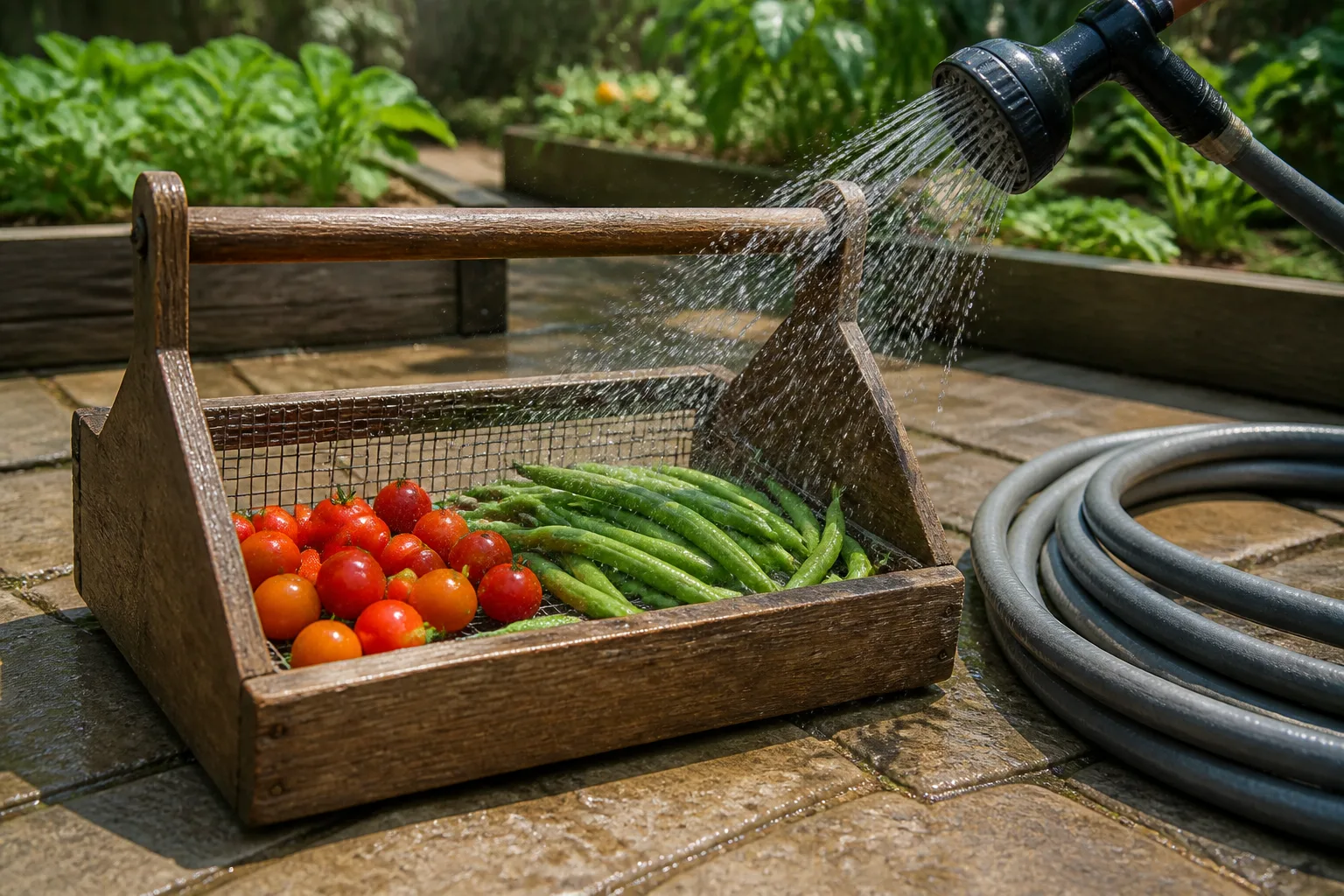
The mesh bottom turns the hod into an outdoor colander. That matches how extension educators talk about post-harvest handling: get field heat off produce and move it to cool storage quickly rather than letting it sweat in a sealed bag. A hod does not replace refrigeration, but it keeps produce out of standing water while you finish picking.
Recommended rinse workflow:
- Pick into the hod in the garden, keeping soft fruit on top.
- At the hose or outdoor tap, spray produce lightly while shaking the hod side to side so grit falls through.
- Walk indoors and transfer to a clean towel or salad spinner—do not leave tomatoes sitting in the hod on the counter for days.
- Rinse the hod itself and let it air-dry upside down so the wood does not stay damp.
That last step matters. Leaving any harvest basket wet on the counter is how you get mushy bottom tomatoes—the problem a hod is supposed to prevent.
If you are harvesting root crops—carrots, beets, turnips—the hod works well as a pre-cleaning station. Knock off clumps of soil in the garden, give roots a light spray, and let grit fall through before you trim tops at the sink. That keeps mud out of the kitchen and reduces the temptation to store roots with heavy soil still clinging, which shortens fridge life.
For leafy greens, treat the hod like a short-haul basket. Spinach and lettuce bruise when stacked deep; pick into the hod in modest handfuls and move them to a cool, damp towel indoors within minutes on hot days. The mesh helps with rinsing sandy spinach, but gentle handling still matters more than any container.
Build Quality, Care, and Longevity
Gardener’s Supply positions this as a lifetime basket, and the build supports that story if you maintain the wood. The frame arrives oil-finished; the mesh is vinyl-coated for repeated soaking.
Wood finish and mesh maintenance
Do:
- Brush off dry soil after each use.
- Rinse mesh with plain water; air-dry completely before garage storage.
- Re-oil the wood once or twice a season with a food-safe cutting-board oil if the frame looks dry or dull.
- Store indoors or under cover in winter—freeze-thaw cycles and constant moisture shorten any wooden tool’s life.
Avoid:
- Leaving the hod full of wet produce overnight.
- Running it through a dishwasher (heat and detergents will damage wood and mesh glue lines).
- Stacking heavy pavers or tools on the frame when using it for off-season storage—the handle is sturdy, but the basket is not a milk crate.
The mesh is the wear item. After many seasons, vinyl coating can fray at corners. Gardener’s Supply has historically offered replacement mesh panels for traditional hods; check their parts page if you buy used.
Where the Hod Excels—and Where It Falls Short
Best use cases by garden size
Choose the Large hod if you maintain multiple raised beds, donate produce to neighbors, or harvest for a family of four or more. The extra length reduces stacking damage on big haul days.
Choose the Small hod if you garden in containers on a balcony or single 4×8 bed. It is easier to store on a potting bench and less awkward on stairs.
Choose the Mini if you want a gift for an herb gardener or a dedicated berry-and-cherry-tomato picker for kids helping in the plot. It is adorable, but it is not a primary harvest basket for serious vegetable volume.
The hod excels when:
- You pick every two to three days during peak season and need one grab-and-go carrier.
- You rinse root crops and brassicas outdoors before bringing soil indoors.
- You want a handsome basket that can live on a potting bench between harvests.
The hod is not ideal when:
- You need sealed transport (no mesh means no road-trip cooler substitute).
- You harvest tiny seed crops or grains that fall through mesh.
- You want zero maintenance—plastic colander baskets are uglier but more dishwasher-forgiving.
- Budget is the top priority. At $70, this is a luxury upgrade, not a beginner essential.
Gardener’s Supply Hod vs. Fiskars and Other Alternatives
Most gardeners narrow the choice to this traditional wire hod or a molded plastic harvest basket with a built-in colander.
Wire hod vs. plastic colander baskets
The Fiskars Harvest Basket—often priced under $50 at big-box retailers—uses durable plastic with a perforated colander side and an enclosed compartment for tools or dry produce. Ergonomic handles support two-handed carries, and folding handles lock for one-handed trips.
| Factor | Gardener’s Supply Garden Hod | Fiskars Harvest Basket |
|---|---|---|
| Material | Pine/maple + vinyl mesh | Molded plastic |
| Rinse style | Full-bottom drainage | Colander side + enclosed bin |
| Aesthetics | Classic New England, display-worthy | Utility-first, garage-friendly |
| Tool separation | No dedicated compartment | Split zones for tools vs produce |
| Price | ~$70 | Often ~$40–50 |
| Best for | Display, gifting, outdoor full-rinse | Budget, tool+produce combo carries |
Choose the Gardener’s Supply hod if you want a beautiful, traditional piece that lives visibly in your garden space and you value wood craftsmanship. Choose Fiskars if you want compartments, plastic easy-cleaning, and lower cost.
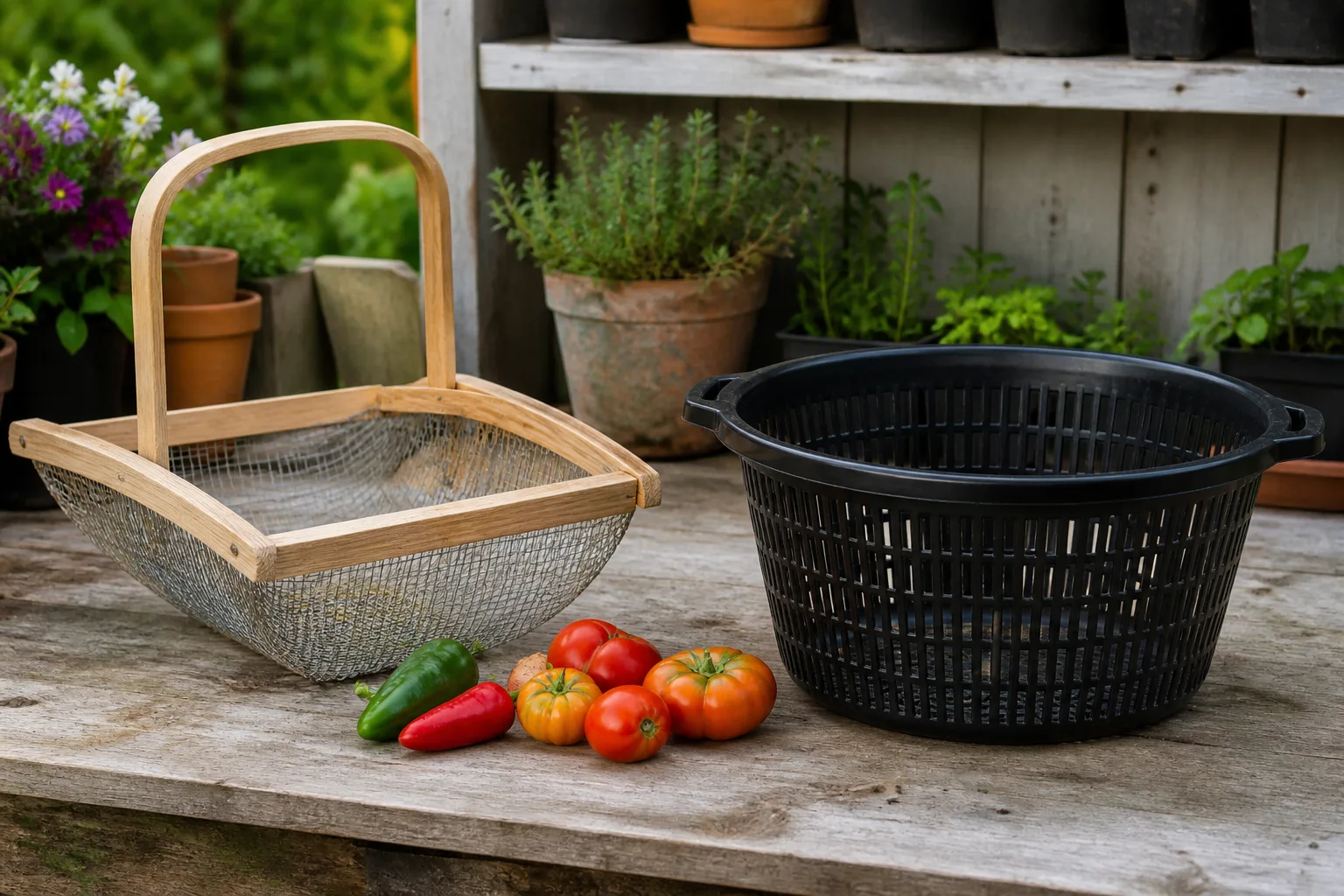
Also consider Gardener’s Supply’s own Mod Hod line if you like the brand but not the price. The Large Mod Hod lists around $39.99 on Gardener’s Supply—roughly half the traditional wood model—while keeping a similar silhouette in stackable plastic. It is a smart middle ground if you want the brand’s harvest-basket geometry for picnics and CSA pickups but do not need a display piece on the potting bench.
Woven willow and canvas harvest baskets are another path. They are gentle on fruit and photo-friendly, but fabric holds moisture and willow can mildew. Wire hods dry faster—important if you rinse in the garden.
When a cheaper basket is enough
If you harvest twice a week from three patio pots, a $15 dish tub or laundry basket with drilled holes will get produce indoors. The hod pays off when harvest volume, frequency, or aesthetics push you past improvised solutions. Break-even is not measured in dollars alone; it is measured in fewer bruised tomatoes and less kitchen cleanup.
Uses Beyond the Vegetable Patch
Gardener’s Supply markets the hod as multipurpose, and the shape supports that claim without stretching it:
- Farmers market runs — Holds bread, corn, and vegetables with airflow so condensation does not build.
- Off-season tool corral — Trowel, pruners, gloves, and seed packets stay together on a shelf.
- Flower harvesting — Stems lay flat; change water after you bring dahlias or zinnias indoors.
- Picnic tote — Not insulated, but charming for fruit and wrapped sandwiches on a short walk.
Each off-season use is a bonus, not the reason to spend $70. Buy it for harvest first.
Photographers and garden bloggers often keep a hod in frame because it signals “serious kitchen garden” without looking staged. That is shallow compared to function, but it explains why this basket shows up on potting benches in design-forward yards: it is one of the few utilitarian tools that also reads as decor.
Who Should Buy—and Who Should Skip
Buy the Gardener’s Supply Garden Hod if:
- You harvest from multiple beds or a large plot and need one reliable carrier.
- You rinse produce outdoors and want full-bottom drainage.
- You appreciate handmade New England goods and want a basket worth displaying.
- You are shopping for a serious gift for someone who already owns basic tools.
Skip it if:
- You are still building your first tool kit—spend on a hoe, trellis, or soil first.
- You need stackable, nestable plastic totes for tight shed space.
- You mostly grow microgreens or grains that fall through mesh.
- You want a sealed cooler-style carrier for long commutes.
Size cheat sheet: one 4×8 bed or container garden → Small; three or more beds or shared household harvests → Large; herbs and cherry tomatoes only → Mini as a supplement, not your only basket.
Gardener’s Supply notes that item 12242 cannot ship to AE, AK, GU, HI, or PR on the product page—check restrictions before gifting to military or island addresses. Prices and free-shipping thresholds change seasonally; the manufacturer page is the authoritative source for current MSRP. Third-party sellers on Amazon sometimes list older SKUs at different prices, but buying direct from Gardener’s Supply is the simplest route for warranty questions and replacement mesh.
If you are comparing used marketplace listings, inspect photos for mesh fraying at corners, loose handle rivets, and warped frame boards that wobble when empty. A well-cared-for hod can last decades; a neglected one left in rain may need only a mesh swap but could have swollen joints.
Conclusion
The Gardener’s Supply Company Garden Hod is a well-built, genuinely useful harvest basket that solves a specific problem better than a mixing bowl or shirt hem. Its open mesh, shallow tray, and sturdy handle make the rinse-and-carry loop faster, and the Large size finally gives long cucurbits a dignified ride indoors. At $69.99, it is a luxury line item—not a beginner necessity—but for gardeners who pick often and hate wasted fruit, the cost per harvest season is easy to justify.
Buy the Large if you run multiple beds or feed a household; buy the Small for compact gardens; admire the Mini as a gift. If budget or tool separation matters more than aesthetics, a plastic colander basket will harvest just fine. But if you want the harvest basket you will still enjoy leaving on the potting bench in November, this hod is the one worth the splurge.
One final practical note: the best harvest basket is the one you actually carry to the garden. A $70 hod that lives in the garage because it is “too nice” to get muddy saves zero tomatoes. If you buy this basket, use it on the dirtiest August afternoon you have—and rinse it before dinner. That is when it pays for itself.



